Day 1: Arrival in Nairobi – Welcome to Kenya
Your grand African safari Trip adventure begins as you land at Jomo Kenyatta International Airport (JKIA) in Nairobi, Kenya’s bustling capital. Nairobi is a city of contrasts—modern and energetic, yet deeply connected to Kenya’s wild heritage. As you exit the airport, a warm breeze welcomes you, carrying with it a subtle scent of red earth and acacia. A Ravina representative will be waiting at the arrivals gate, holding a sign with your name. You’ll immediately feel a sense of ease as you’re greeted with a friendly smile, a customary “Karibu Kenya” (Welcome to Kenya), and help with your luggage.
From the airport, you’re driven in a comfortable, air-conditioned vehicle through the lively streets of Nairobi. Depending on the time of day, you might catch a glimpse of the city’s famous skyline, its mix of colonial-era architecture and modern high-rises, or spot Nairobi National Park in the distance—a rare urban park where giraffes and zebras roam just minutes from downtown. As you drive through the city, your guide may share local insights, talk about Kenya’s rich history and diverse cultures, or recommend things to see and do if you have some free time.
Soon, you’ll arrive at your hotel for the night—Ibis Styles Nairobi Westlands. It’s a stylish and modern hotel located in one of Nairobi’s most vibrant neighborhoods. After check-in, you can take some time to relax in your room, freshen up, or head to the rooftop lounge for panoramic views of the city. The hotel’s atmosphere is lively but comfortable, making it a perfect first stop before diving into the wilderness.
If your flight arrives early enough and you’re feeling energetic, you may choose to explore some of Nairobi’s nearby attractions (optional, time-permitting). You could visit the David Sheldrick Wildlife Trust, where orphaned baby elephants are cared for before being reintroduced into the wild. Or stop by the Giraffe Centre, where you can get up close with endangered Rothschild giraffes. For a deeper look at Kenya’s culture and history, the Karen Blixen Museum or the Nairobi National Museum are also great options.
Later in the evening, enjoy a delicious dinner either at the hotel restaurant or at a nearby restaurant (depending on your preferences and arrival time). Nairobi’s culinary scene is diverse—you’ll find everything from local Kenyan dishes like nyama choma (grilled meat) to international cuisine. After dinner, you’ll return to your room for a well-deserved rest. A cozy bed, soft lighting, and the quiet hum of the city in the distance provide the perfect setting to unwind after your travels.
Tomorrow, your real safari begins as you head into Kenya’s wilderness. But tonight is all about settling in, adjusting to the rhythm of East Africa, and preparing for the incredible days ahead.
Day 2: Nairobi to Lake Nakuru – Great Rift Valley, Birdlife & Big Game
Wake up early to the quiet stirrings of Nairobi—the faint hum of the city, birds calling outside your window, and the soft morning light creeping across the skyline. After a refreshing shower, enjoy a hearty breakfast at the hotel’s restaurant as you prepare to leave the city behind and embark on your safari adventure.
This morning, you’ll meet your private safari driver-guide—your expert companion for the journey ahead. Friendly, knowledgeable, and passionate about wildlife, they will be your window into the wild landscapes and vibrant cultures of Kenya.
Your destination today is Lake Nakuru National Park, a compact yet incredibly biodiverse reserve tucked into the heart of the Great Rift Valley. Leaving Nairobi, your drive heads northwest, winding past green farmlands, bustling roadside markets, and sleepy villages. Along the way, your guide will point out tea plantations, herds of livestock, and perhaps a Maasai herdsman guiding his cattle along the roadside.
About an hour into the journey, you’ll stop at the famous Great Rift Valley Viewpoint. This panoramic overlook offers breathtaking views of the vast valley below—an immense geological trench stretching over 6,000 kilometers from Lebanon to Mozambique. Your guide will share the history of this dramatic landscape, formed by tectonic activity millions of years ago. Don’t forget your camera—this is one of Kenya’s most iconic photo stops.
Continuing on, you’ll pass Lake Naivasha in the distance and reach Lake Nakuru National Park around midday. As soon as you enter the park gates, the safari begins. You’ll enjoy an en-route game drive as you make your way to the lodge, and the wildlife here rarely disappoints.
Lake Nakuru is renowned for its thriving populations of white and black rhinos, offering one of the best chances in East Africa to spot these endangered giants up close. You may also encounter buffaloes, zebras, impalas, warthogs, and the strikingly patterned Rothschild’s giraffes, one of the rarest giraffe subspecies. Keep an eye out for baboons, colobus monkeys, and a wide range of birdlife—this park is a birder’s paradise with over 250 species recorded.
Once famous for its massive flocks of flamingos, the lake’s birdlife now includes pelicans, African fish eagles, storks, kingfishers, and more. Depending on water levels, you may still see the shoreline painted pink by thousands of flamingos, a truly mesmerizing sight.
By early afternoon, you’ll arrive at Lake Nakuru Sopa Lodge, perched on a ridge with panoramic views over the park and lake below. The lodge features spacious rooms, expansive verandas, and a peaceful atmosphere surrounded by acacia trees. Wildlife often wanders nearby—you might spot vervet monkeys or bushbucks around the grounds.
Enjoy a freshly prepared lunch buffet in the lodge’s open-air dining area, followed by some time to rest or explore the property. Later in the afternoon, you’ll head out for a more focused game drive, this time exploring different ecosystems within the park.
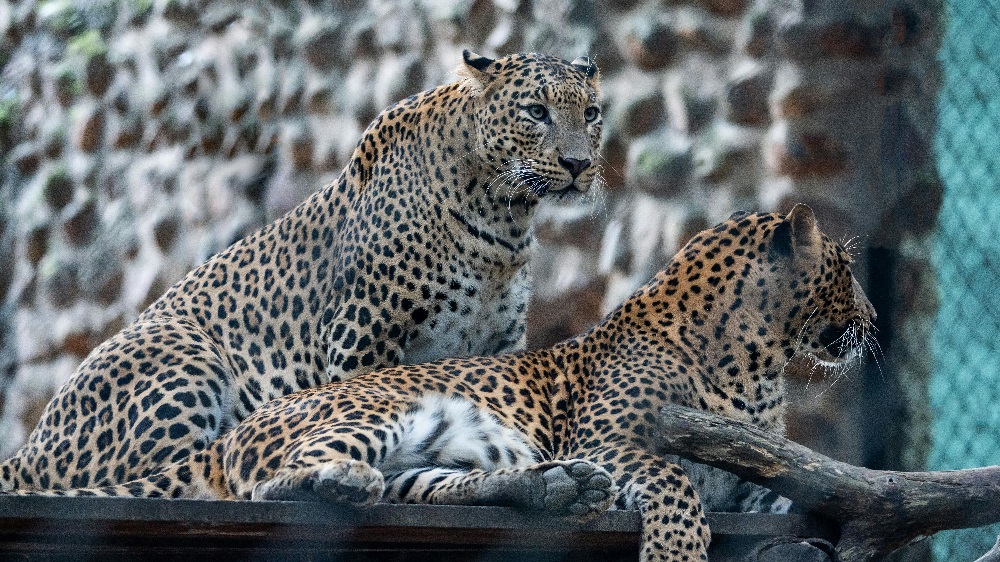
Visit Baboon Cliff, a scenic overlook ideal for sunset views, or navigate through lush forests where leopards sometimes hide in the trees. The changing habitats—forests, grasslands, swamps, and rocky escarpments—offer a wide variety of wildlife encounters and photo opportunities.
As the golden light of evening falls across the savannah, you’ll return to the lodge for the night. After a warm shower, head to dinner, where a selection of African and international cuisine awaits. Enjoy grilled meats, fresh vegetables, local flavors, and decadent desserts.
Later, sip a drink under the stars or relax by the lodge’s fireplace, listening to the sounds of the African night—crickets chirping, hyenas calling in the distance, and the rustle of leaves in the trees. Sleep comes easily here, wrapped in comfort and surrounded by the magic of the wild.
Day 3: Lake Nakuru to Lake Naivasha – A Day of Nature, Water, and Walking Among Wildlife
After a restful night and breakfast at Lake Nakuru Sopa Lodge, it’s time to journey on to your next destination: the beautiful and peaceful Lake Naivasha.
Today’s drive is shorter and more relaxed, giving you a chance to enjoy both scenic landscapes and immersive outdoor experiences. As you head south, you’ll descend slightly in elevation, with views of the Rift Valley’s rolling hills and the glimmering waters of Naivasha ahead.
Your first stop is Hell’s Gate National Park, one of Kenya’s most unique and accessible national parks. Unlike traditional game reserves, Hell’s Gate allows visitors to walk or cycle among wildlife—a thrilling and intimate way to connect with nature. Named for its dramatic, steam-belching geothermal vents and towering cliffs, this park has an otherworldly feel.
Choose a guided walk, bicycle ride, or short game drive through the park. Along the way, you may spot zebras, giraffes, buffaloes, eland, and Thomson’s gazelles, all set against the dramatic backdrop of lava-carved gorges and ancient rock towers. This area also inspired the landscape for Disney’s The Lion King, and it’s easy to see why.
Afterward, enjoy a leisurely lunch at a nearby lodge or scenic picnic site before continuing your day’s adventure.
In the afternoon, you’ll head to the serene Lake Naivasha, a freshwater lake framed by papyrus swamps and acacia forests. The lake is teeming with birdlife and is one of the best places in Kenya to take a boat ride. Glide across the calm waters as hippos wallow nearby, African fish eagles swoop overhead, and kingfishers dart between the reeds.
Optionally, take a short boat ride across to Crescent Island, a private wildlife sanctuary where you can walk freely among zebras, giraffes, impalas, and waterbucks. Since there are no predators here, you’ll be able to explore on foot with a guide—an experience that brings you remarkably close to the animals and the land.
After a full day of exploring both land and water, you’ll check into your accommodation at Lake Naivasha Sopa Lodge. Nestled among lush gardens on the lake’s edge, the lodge is home to free-roaming wildlife—you might see giraffes or zebras grazing just outside your room.
Dinner is served in the spacious restaurant, offering a variety of freshly prepared dishes using local ingredients. Afterward, enjoy a quiet evening on your verandah, by the fire pit, or watching the stars over the lake. It’s a peaceful contrast to the busier wildlife parks—and a perfect balance to your safari experience.
Day 4: Lake Naivasha to Maasai Mara – Into the Kingdom of Big Cats
After breakfast at Lake Naivasha Sopa Lodge, your African Safari Trip continues as you check out and begin your scenic journey toward the legendary Maasai Mara National Reserve—a place that embodies the true spirit of African wilderness.
The drive takes you south through the breathtaking Great Rift Valley, a region of dramatic escarpments, fertile farmland, and endless open landscapes dotted with umbrella acacia trees. Along the way, you’ll pass small villages and farms, offering glimpses into rural Kenyan life. A brief stop in Narok, a vibrant Maasai town and trading hub, provides a chance to stretch your legs, explore local markets, and witness Maasai culture firsthand—colorful beadwork, men in traditional red shukas, and children waving from the roadside.
From Narok, the terrain changes as you approach the Mara. The road becomes more rugged, the scenery more wild—rolling hills giving way to vast plains that mark the northern edge of the Greater Serengeti ecosystem. Even before you enter the park, wildlife may appear: zebras grazing beside the road, impalas bounding through the grass, and perhaps your first glimpse of a giraffe or elephant.
By early afternoon, you’ll arrive at your base for the next two nights: Masai Mara Sopa Lodge, a comfortable and well-located lodge inside the reserve. After check-in, enjoy a hearty lunch and some time to relax before setting off on your first game drive in the Mara.
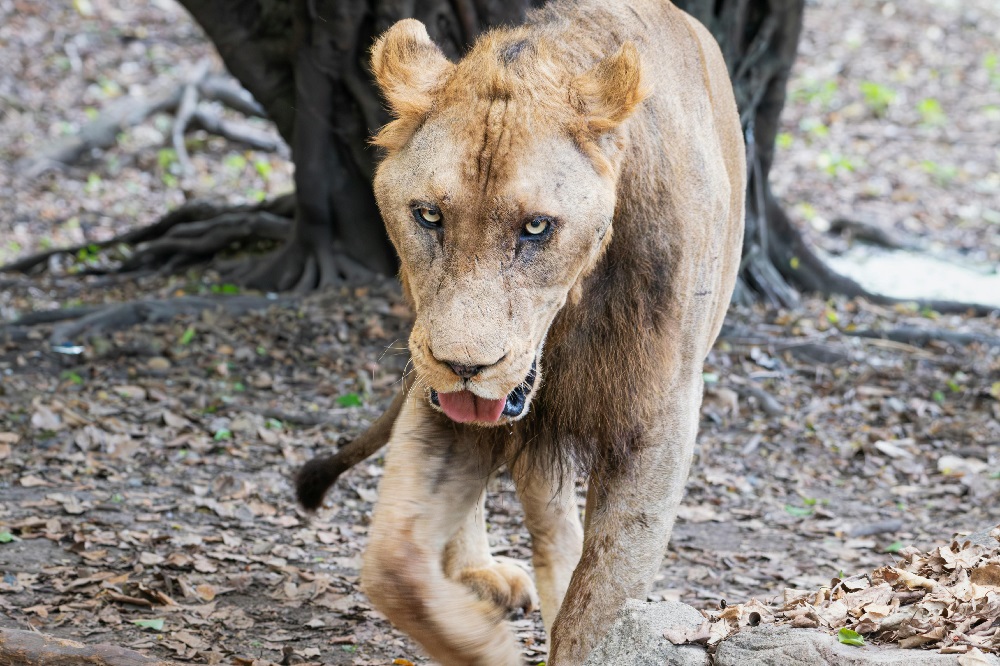
This afternoon’s game drive offers a thrilling introduction to one of the world’s greatest wildlife reserves. Known for its high concentration of big cats and the iconic Big Five, the Mara rarely disappoints. You might see a pride of lions lounging in the shade, a cheetah surveying the plains from a termite mound, or a herd of elephants crossing the golden grasslands with their calves in tow.
As the sun begins to dip toward the horizon, the light softens, casting a golden glow across the landscape—perfect for photography. Your guide will slowly make the way back to the lodge, pointing out animals and birdlife along the way. After a warm shower and a relaxing drink, gather for a delicious buffet dinner in the lodge’s restaurant.
Later, unwind by the fireplace or on your veranda, listening to the sounds of the African night—crickets, distant hyenas, and perhaps the deep, echoing roar of a lion in the distance.
Day 5: Full-Day Safari in the Maasai Mara – Migration Magic & Predator Encounters
Rise early to the cool, misty morning and the promise of a day filled with adventure. After breakfast, you’ll pack a picnic lunch and set out for a full day of exploration in the Maasai Mara—one of Africa’s most iconic and wildlife-rich reserves.
With its rolling savannahs, winding rivers, and acacia woodlands, the Mara is a haven for wildlife and photographers alike. This is big cat territory, and chances are high you’ll encounter lions, cheetahs, or even leopards today. Morning is a particularly active time for predators, and you might catch a glimpse of a hunt in progress or a pride feeding after a successful kill.
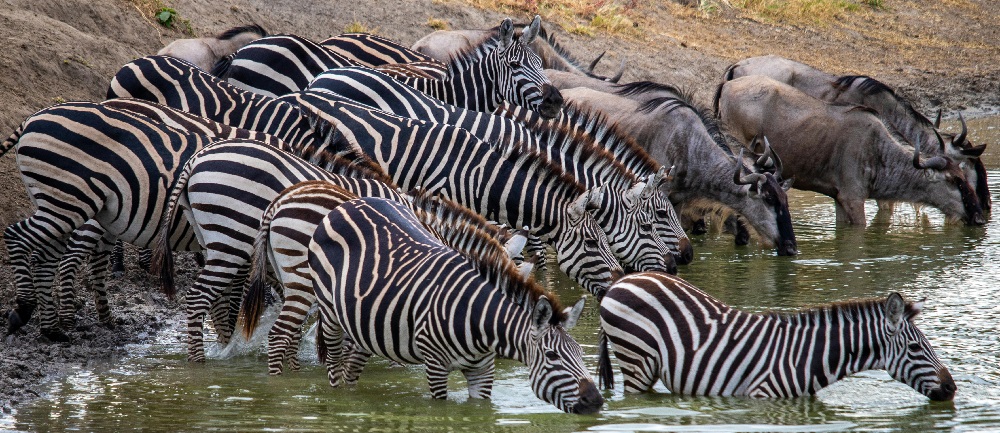
If you’re visiting between July and October, you may witness the Great Migration—one of nature’s most awe-inspiring spectacles. Over 1.5 million wildebeest, accompanied by zebras and gazelles, move across the Mara in search of fresh grazing. Watching a river crossing at the Mara River, where crocodiles lurk and predators lie in wait, is among the most dramatic wildlife experiences on Earth.
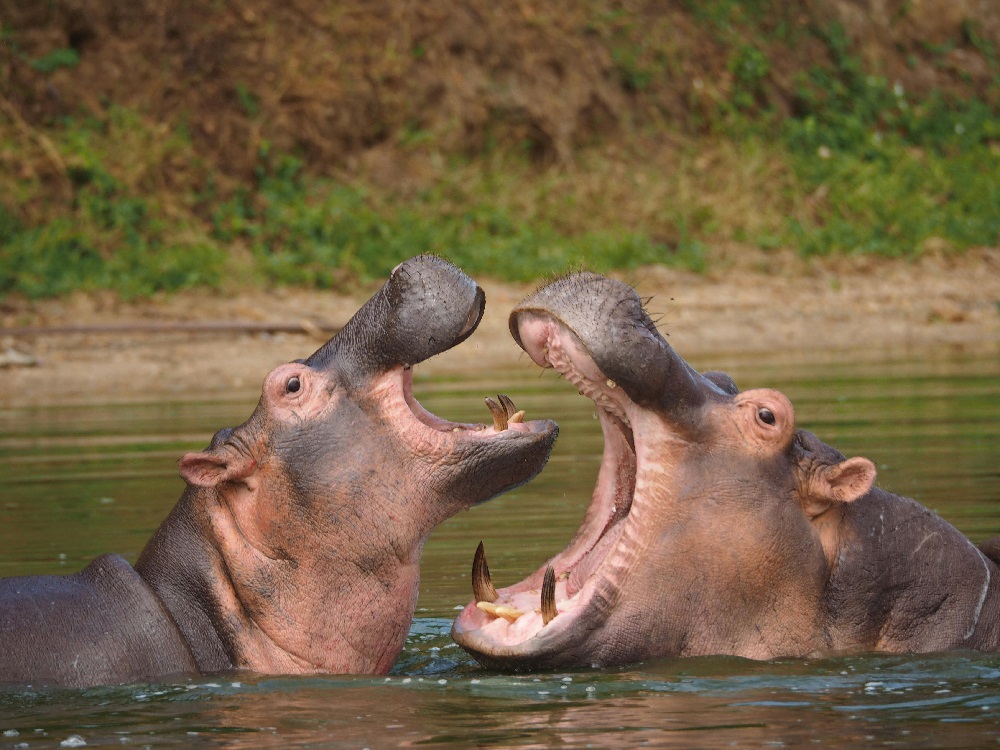
Your guide will lead you to key areas of the reserve, including the Mara River, where hippos grunt in the water and massive Nile crocodiles bask on the banks. The surrounding grasslands are patrolled by lions and hyenas, often shadowing the migration herds.
Around midday, you’ll stop at a scenic and secure picnic spot—perhaps beneath a lone acacia tree or beside a ridge with sweeping views. Here, surrounded by the vastness of the Mara and the sounds of nature, you’ll enjoy a peaceful bush lunch.
In the afternoon, continue your exploration through different ecological zones of the park—riverine forests, open plains, and rocky outcrops—each home to unique species. Look out for elephants in the distance, giraffes browsing high in the trees, and the elusive bat-eared fox darting between the shrubs. Bird lovers will also be rewarded with sightings of eagles, vultures, hornbills, and the dazzling lilac-breasted roller.
If you’re seeking an unforgettable add-on, consider booking a sunrise hot air balloon safari (optional, approx. $520). Soaring above the Mara as the sun rises, you’ll witness the plains come to life from a breathtaking bird’s-eye view, followed by a champagne breakfast in the bush.
As the sun sets, you’ll return to Masai Mara Sopa Lodge for another warm meal and a well-earned rest. Gather around the campfire to share stories with fellow travelers, or simply step outside to gaze at the night sky—clear, vast, and filled with stars.
Fall asleep tonight with the thrill of today’s sightings and the sounds of the wild echoing in your ears. Tomorrow, the journey continues into Tanzania and the legendary Serengeti.
Day 6: Maasai Mara to Serengeti – Crossing Borders, Entering Legends
After an early breakfast, it’s time to bid farewell to the Maasai Mara as your African Safari Trip takes you across the border into Tanzania—a journey filled with changing landscapes, anticipation, and the promise of new adventures.
You’ll begin by driving southward toward the Isebania border, a remote yet important crossing point between Kenya and Tanzania. Along the way, the road winds through a patchwork of rural farmland, forested hills, and small village settlements, offering an intimate look at life in East Africa beyond the game parks. Keep your eyes peeled—this is still part of the greater Mara-Serengeti ecosystem, and it’s not uncommon to spot antelope, giraffes, or even elephants en route.
Upon arrival at the border, you’ll be guided through immigration and customs with assistance from your Kenyan driver-guide. After completing the formalities, you’ll be warmly welcomed by your Tanzanian safari guide, who will accompany you through the next exciting leg of your journey.
From Isebania, the route continues south toward the Serengeti National Park, entering through one of its western gates via the Ikoma Wildlife Management Area. Even before you reach the official park boundary, you may begin to spot wildlife—zebras grazing by the roadside, giraffes silhouetted against the sky, and warthogs darting through the grass.
Once inside the park, your guide will lead you on a short, scenic game drive en route to your lodge. This first taste of the Serengeti introduces you to its signature landscapes—endless, golden plains dotted with umbrella-shaped acacia trees, dramatic granite kopjes, and a seemingly infinite sky.
By late afternoon, you’ll arrive at Kubu Kubu Tented Lodge, a stylish safari retreat perched on a hillside with sweeping views over the Serengeti plains. Each tented suite combines luxury with a touch of adventure—complete with hardwood floors, en-suite bathrooms, private decks, and panoramic vistas.
After settling in, relax and take in your surroundings. Perhaps sip a cocktail by the fire pit, or simply watch the sunset bathe the plains in hues of amber and gold. Dinner is served in the open-air dining area, featuring a fusion of local and international dishes prepared with fresh ingredients. As night falls and the stars light up the sky, the distant whoops of hyenas or roars of lions remind you that the wild is never far away.
Tonight, you sleep surrounded by the sounds of the Serengeti—your next chapter in the African Safari Trip begins.
Day 7: Full-Day Game Drive – The Wild Heart of the Serengeti
Wake up with the sun as the Serengeti stirs to life around you. The early morning air is crisp, filled with birdsong and the faint scent of dew-covered grass. After breakfast at Kubu Kubu Tented Lodge, you’ll set out on a full-day game drive into the world-famous Central Serengeti, also known as the Seronera region.
This area is the beating heart of the park—where water sources like the Seronera River support an abundance of wildlife year-round. Its wide-open plains, acacia woodlands, and granite kopjes create a mosaic of habitats teeming with life. Unlike the more seasonal northern or southern reaches of the park, Central Serengeti offers consistently excellent game viewing, no matter the time of year.
Your experienced guide will help you track and interpret animal behavior. Perhaps you’ll witness a pride of lions resting on a kopje after a night hunt, or a cheetah accelerating through the grass in pursuit of a gazelle. Elephants may cross your path as they head to the river, while troops of baboons play nearby in the dust.
You’ll also visit the Retima Hippo Pool, where dozens of massive hippos wallow together in muddy waters, occasionally rising with a snort or grunt to remind everyone who’s in charge.
Throughout the day, you’ll have opportunities to encounter a wide array of animals including:
- Leopards lounging in sausage trees
- Spotted hyenas trailing wildebeest
- Ostriches, giraffes, elands, and warthogs
- Birds of prey soaring overhead—martial eagles, bateleurs, and tawny eagles
- And possibly even a caracal or serval cat, if luck is on your side
At midday, enjoy a picnic lunch at a shaded rest spot with views stretching across the savannah. There’s something unforgettable about eating in the wild—just you, your fellow travelers, and the vast silence of Africa broken only by the occasional animal call.
In the afternoon, you’ll continue exploring different regions of the Central Serengeti, perhaps visiting lesser-known kopjes or keeping an eye out for the smaller, equally fascinating creatures like the dung beetle, agama lizards, or mongoose colonies.
As the sun begins to dip toward the horizon, the golden light makes everything glow—the perfect time for photographs. Herds of zebra and wildebeest often silhouette against the sky, while predators begin to stir, preparing for the evening hunt.
Return to Kubu Kubu Tented Lodge in the early evening. Freshen up with a warm shower, then join others around the fire or in the open dining area for another delicious dinner. Reflect on the day’s sightings and stories as the Serengeti sings softly in the background.
Your African Safari Trip continues tomorrow—but for tonight, you rest under a blanket of stars, in one of the most legendary landscapes on Earth.
Day 8: Serengeti to Ngorongoro – Journey to the Crater Rim
Today’s journey takes you from the sun-drenched plains of the Serengeti to the cool, misty highlands of Ngorongoro—a dramatic shift in landscape that adds yet another layer of wonder to your African Safari Trip.
After an early breakfast at your lodge in the Serengeti, you’ll check out and embark on one final morning game drive, keeping your eyes open for any wildlife you may have missed. It’s your last chance to spot a solitary male lion patrolling his territory, a leopard lounging in a tree, or a herd of elephants on their slow, steady march across the plains. Carrying a packed lunch, you’ll wind your way eastward through this iconic landscape that has now become familiar, yet never ceases to amaze.
As you leave behind the golden savannah, the terrain gradually begins to change. Flat plains give way to gentle hills and scattered woodlands. You may pause for a picnic lunch en route or at Naabi Hill Gate, the official exit point of the Serengeti. Here, you can stretch your legs, climb to the viewpoint for sweeping vistas of the grasslands, and take a few final photos of this unforgettable region.
From Naabi Hill, your path leads into the Ngorongoro Conservation Area, a UNESCO World Heritage Site that encompasses volcanic highlands, fertile slopes, and traditional Maasai lands. As your vehicle climbs the crater’s outer rim, the air cools noticeably. The scenery becomes lush and green, dotted with small farms and Maasai bomas (homesteads), where herders in crimson shukas tend to their cattle.
By late afternoon, you’ll arrive at Ngorongoro Serena Safari Lodge, your accommodation for the night. Built into the very rim of the crater, the lodge is a masterpiece of eco-conscious architecture—crafted from local stone and timber, and designed to blend into the natural surroundings. Each room has a private balcony that opens onto panoramic views of the crater floor far below.
After check-in, you’ll have time to unwind. Sip a drink by the fire, explore the lodge’s beautifully landscaped gardens, or simply sit quietly and watch as the sun casts golden hues across the volcanic landscape. Dinner is served in the lodge’s elegant dining room and features a gourmet menu inspired by local flavors and fresh ingredients. As night falls and the temperature drops, cozy up under warm blankets, serenaded by the stillness of the highlands. Tomorrow, you’ll descend into the heart of the crater—one of the most biologically rich areas on the continent.
Day 9: Ngorongoro Crater – The Eden of Africa
This morning begins with breakfast served high on the crater rim—clouds drifting across the vast caldera below, sunlight catching the dew on nearby trees. Then, you’ll descend into the world-famous Ngorongoro Crater, often referred to as “Africa’s Eden,” and for good reason.
Formed by a collapsed volcano millions of years ago, the Ngorongoro Crater is the largest unbroken volcanic caldera on Earth—measuring 19 kilometers across and over 600 meters deep. It acts as a natural enclosure, trapping an astounding diversity of wildlife within its rich, self-contained ecosystem. Over 25,000 large animals live here year-round, offering one of the highest concentrations of wildlife in Africa.
As you make your way down the winding track into the crater floor, the world opens up before you—an expansive landscape of grassy plains, shimmering lakes, dense forests, and swampy marshlands. You’ll be on a full-day game drive here, guided by your expert naturalist who will help you uncover the secrets of this living amphitheater.
Wildlife sightings in Ngorongoro are plentiful. You may see:
- Lions lounging in the morning sun
- Elephants feeding in the forest
- Hippos wallowing in the pools
- Wildebeests and zebras moving in vast herds
- Buffaloes grazing along the shores of Lake Magadi
But perhaps the most special sighting is the black rhinoceros, critically endangered and rarely seen elsewhere in Tanzania. The crater offers one of the last safe havens for these majestic creatures. With luck, you may spot one ambling through the open grasslands, its prehistoric silhouette a powerful reminder of Africa’s ancient past.
Birdlife is equally impressive. Look for flamingos wading in the shallow soda lake, soaring raptors overhead, and crowned cranes strutting elegantly through the reeds.
Around midday, you’ll stop for a picnic lunch at a scenic spot, often near Ngoitokitok Springs, where hippos float in the shallows and birds flutter through the surrounding trees. It’s a surreal experience—enjoying a meal while completely surrounded by nature in one of the most extraordinary wildlife habitats in the world.
In the afternoon, after soaking in more of the crater’s wonders, you’ll ascend back up the steep crater wall and head toward Karatu, a tranquil town nestled in the lush hills just outside the conservation area.
Your overnight stay is at Acacia Farm Lodge, a charming boutique lodge set on a working coffee plantation. With its manicured gardens, open views of the surrounding farmland, and cool, refreshing air, the lodge offers the perfect place to reflect on the day’s incredible experiences.
Here, you can enjoy a stroll through the farm, sip locally grown coffee or wine on your veranda, or relax by the pool. Dinner is a farm-to-table affair, showcasing fresh produce harvested just steps from your room. The peaceful surroundings and warm hospitality provide a gentle transition from the wild back to comfort—and a perfect close to another unforgettable day on your African Safari Trip.
Day 10: Karatu to Lake Manyara to Tarangire – Tree-Climbing Lions & Ancient Giants
Today, after breakfast at the peaceful Acacia Farm Lodge, you’ll continue your African Safari Trip by journeying to one of Tanzania’s most picturesque and biodiverse locations: Lake Manyara National Park. Though smaller and often less visited than the Serengeti or Ngorongoro, Manyara is a vibrant gem offering dramatic scenery and exceptional wildlife encounters within a relatively compact area.
As you enter the park, the atmosphere shifts instantly. Dense groundwater forest envelopes the entrance road, its lush canopy nourished year-round by underground springs. Here, you’re likely to see troops of olive baboons grooming and playing, blue monkeys leaping between fig trees, and perhaps a shy bushbuck stepping cautiously through the underbrush. The air is rich with birdsong, and the filtered sunlight gives the entire forest a mystical ambiance.
Further into the park, the forest gives way to open grasslands and eventually to the gleaming surface of Lake Manyara, a shallow alkaline lake stretching across the park’s floor. During the wet season, thousands of pink flamingos cover its surface, creating an almost surreal contrast against the silvery-blue water. Bird enthusiasts will be thrilled by the variety of avian species—over 400 of them—including pelicans, egrets, storks, and even fish eagles.
Of course, one of Manyara’s most famous attractions is its tree-climbing lions—a rare behavior among the species. Although not guaranteed, your expert guide will know the best spots to search for these elusive cats, often seen lounging across the limbs of large acacia trees. It’s just one of the many unique highlights that make this leg of your African Safari Trip so unforgettable.
As you continue your game drive, you may also encounter elephants moving gracefully through the trees, giraffes browsing high above the bush, and herds of zebras and wildebeests grazing along the plains. Keep an eye out for the Kirk’s dik-dik, one of the smallest antelope species in Africa, often found darting shyly into the shrubbery.
After your exploration of Lake Manyara, you’ll enjoy either a packed picnic lunch or a hot meal back at a nearby lodge, depending on the day’s logistics. Refreshed and re-energized, you’ll continue on to your next and final wildlife destination: Tarangire National Park.
As you travel, the landscape transforms once more. The terrain opens into classic African savannah, dotted with colossal baobab trees and dramatic termite mounds that tower like natural sculptures. The transition signals the next chapter in your African Safari Trip—and Tarangire is a fitting finale.
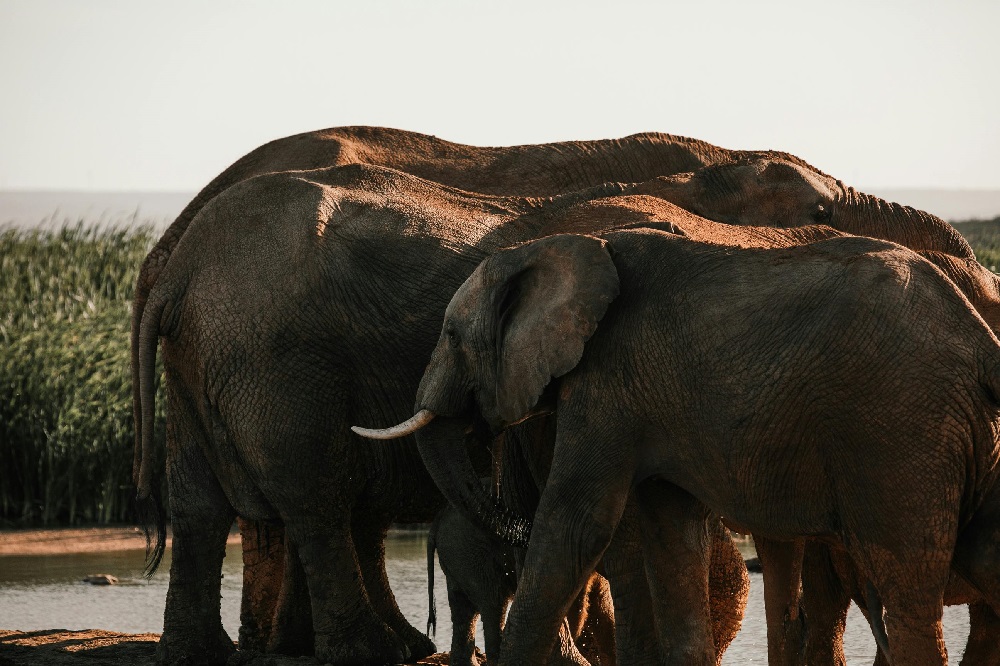
Though often overshadowed by its more famous neighbors, Tarangire is beloved by seasoned safari-goers for its authentic wilderness feel and impressive concentrations of wildlife. Especially in the dry season, the Tarangire River becomes a vital lifeline, attracting large herds of elephants that gather to drink, bathe, and socialize.
By late afternoon, you’ll arrive at Tarangire Sopa Lodge, your final accommodation in the bush. Nestled deep within the park, the lodge offers sweeping views across the plains and an atmosphere of quiet luxury. As you settle in, perhaps with a cold drink in hand or a swim in the pool, the sun begins its descent. The skies explode in rich reds and golds, casting the landscape in the soft, ethereal light that only Africa can offer.
Dinner at the lodge is a relaxed affair, served under the stars or in a warm, open-air dining area. The sounds of the bush return as darkness falls—crickets chirping, distant calls from hyenas or lions, and the gentle rustling of leaves in the warm night breeze. As you retire to your room, the realization sets in that your journey through Tanzania is nearly complete—but the impact of your African Safari Trip will linger forever.
Day 11: Tarangire to Kilimanjaro – A Final Safari & Farewell to Africa
Your final day begins with the promise of one last adventure. After an early wake-up call and a quick cup of coffee or tea, you’ll set out on a sunrise game drive through Tarangire National Park. The early morning is a magical time in the bush—cool, quiet, and full of movement as animals stir and begin their day.
Drive slowly along the Tarangire River, where elephants gather in the morning light, bathing and trumpeting their presence. The rich birdlife comes alive with color and sound—look for superb starlings, hornbills, weavers, and the unmistakable lilac-breasted roller, often perched in perfect light for photography.
Keep scanning the trees for leopards resting on branches or lions finishing off the night’s hunt. You might spot giraffes slowly crossing the horizon, impalas nervously flicking their tails, or a fringed-eared oryx, a rare and striking antelope unique to this region.
After this final immersion in the wild, you’ll return to Tarangire Sopa Lodge for a hearty breakfast. With the last bits of safari dust still on your boots and camera roll bursting with wildlife, you’ll check out and begin your drive toward Kilimanjaro International Airport.
The journey takes roughly 3–4 hours, passing through a diverse mix of rural villages, agricultural lands, and panoramic views of the Maasai Steppe. If the weather is clear, you may even catch a farewell glimpse of Mount Kilimanjaro rising in the distance—a silent guardian over East Africa.
Depending on your flight schedule, there may be time to stop in Arusha for last-minute shopping or a relaxing lunch. Your guide will help manage all final logistics, from checking in your luggage to ensuring your documents are in order. At the airport, you’ll say warm goodbyes to your guide—a companion and storyteller who’s been with you every step of this journey.
As your flight lifts off and Tanzania recedes beneath you, the enormity of what you’ve experienced begins to settle in. From the remote corners of Tarangire and the shimmering surface of Lake Manyara to the thundering herds of the Serengeti and the majestic walls of the Ngorongoro Crater—your African Safari Trip has brought you face to face with the wonders of the wild. And though this chapter may be closing, you leave with something far greater than just photos or souvenirs. You leave with a connection to the land, to its animals, and to its people—a memory etched deep into your spirit, calling you back to Africa again someday.