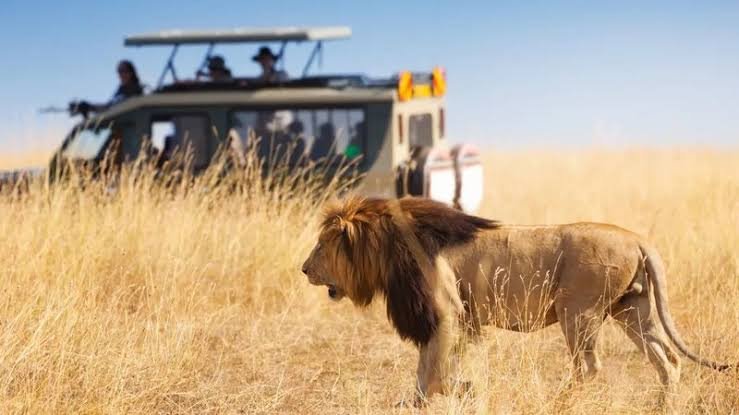
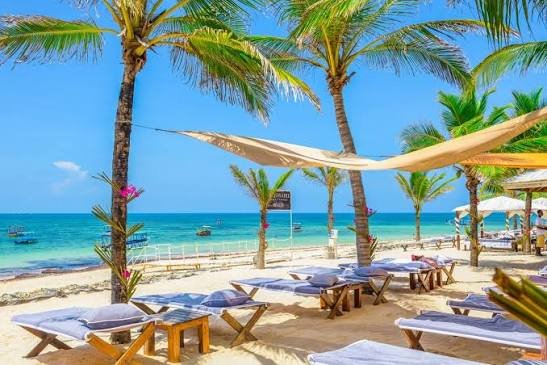
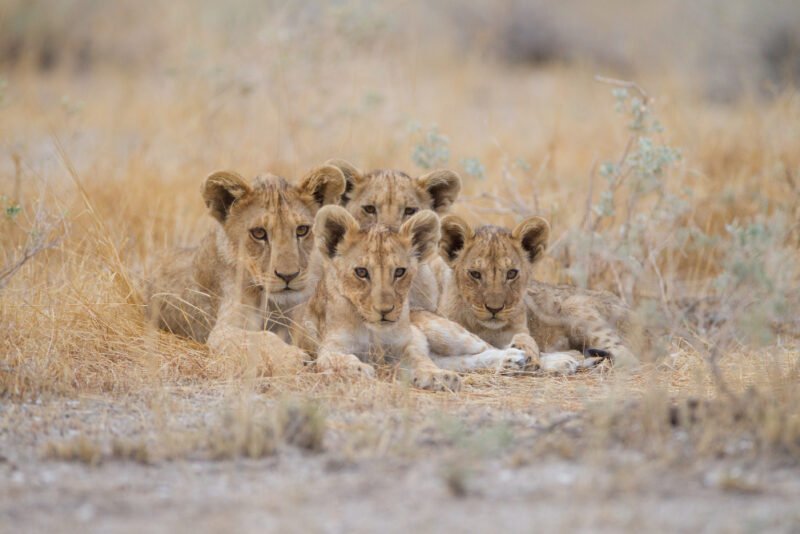
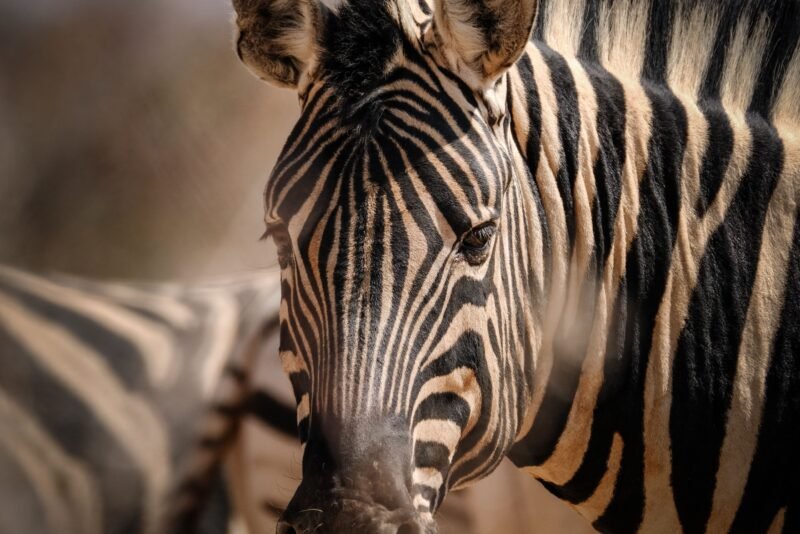
Discover the incredible wildlife, landscapes, and cultures of East Africa with Kenya and Tanzania Safari Tours with Ravina Tours. From the open plains of the Masai Mara and the dramatic landscapes of Amboseli to the legendary Serengeti and Ngorongoro Crater, our safari experiences bring you closer to some of Africa’s most remarkable destinations.
At Ravina Tours, we understand that every traveller has different expectations. Our Kenya and Tanzania safari tours can be tailored around your preferred travel dates, accommodation style, activities, duration, and budget. Whether you are planning a first African safari, a family holiday, a romantic getaway, or an extended wildlife adventure, we help create an itinerary suited to your travel needs.
Discover the diverse landscapes and extraordinary wildlife of Kenya with our Kenya Safari Tours. Explore the famous Masai Mara National Reserve, experience the spectacular views of Mount Kilimanjaro from Amboseli National Park, discover the wildlife of Lake Nakuru, or venture into other parks and conservancies across the country.
Our Kenya safari itineraries can be designed for different durations and travel preferences, from short wildlife getaways to extended multi-destination adventures.
Experience Tanzania’s legendary wildlife destinations with our Tanzania Safari Tours. The Serengeti provides vast open plains and exceptional wildlife viewing, while the Ngorongoro Crater offers a unique safari setting surrounded by dramatic scenery.
Depending on your itinerary, you can also explore destinations such as Tarangire National Park and other areas known for their wildlife, landscapes, and distinctive safari experiences.
For travellers looking to experience the heart of East African wildlife country, a Masai Mara and Serengeti Safari offers an exciting combination of two renowned ecosystems.Travel between Kenya and Tanzania while experiencing game drives, breathtaking landscapes, diverse wildlife, and opportunities to learn about local cultures. Your itinerary can be customized according to the season, number of days, accommodation preferences, and experiences you want to include.
EXCELLENT Based on 6 reviews Posted on Tripadvisor Joseph WVerified Best Experience We just returned from a safari in Kenya (2 adults and our 5-year-old), and it was truly one of the best experiences of our lives. Kenya is everything you imagine, breathtaking scenery, abundant wildlife, and warm, welcoming people.A few tips for future travelers:- Things get dusty, and the rides can be bumpy, Jeep is absolutely worth it.- June weather was great but keep layers handy, it’s hot during the day and chilly at night.- Wear whatever you’re comfortable in; you don’t have to stick to only neutral colors.- Guide is most important part of any safari. We had Felix and he was with us from start to finish, always ensuring we were comfortable and well taken care of, while also sharing fascinating facts about the animals and environment.Kenya is a place you’ll never forget—the raw beauty of the parks, the incredible wildlife encounters, and the warmth of its people make it a dream destination. Our experience wouldn’t have been the same without Moses’s impeccable organization and Felix’s exceptional guiding. If you’re planning a safari, Kenya will steal your heart.Posted on Tripadvisor Wander31452854377Verified Best Safari ever My wife and i booked for our first safari in Kenya and we booked with Ravina Tours and Travels.At first, we were skeptical but the entire process was smooth.We thank Ravina and the team for offering us a seamless 3 Days Masai Mara safari.Our guide was knowledgeable about all the animals and kept explaining about the lions,giraffes,rhinos and it was an amazing experience.Posted on Tripadvisor Edwin NVerified Best Bush Safari Experience Ravina tours organized for me for a 3 days Tsavo and Mombasa Safari in November and what I can say is that they are very organized company.Our guide Tom went above the expectations to offer the best safari in Tsavo.I reccomend Ravina Tours for Bush and Beach SafarisPosted on Tripadvisor Mike SVerified Best travel company Ravina Tours offered us the best services ever!Our safari was just as planned and we appreciate all the efforts made by Ravina team towards thesame.We truely enjoyed!Posted on Tripadvisor Navigate55861540097Verified Masai mara best experience I booked with Ravina Tours in December for our holidays and we were served very well by Moses.Our guide was well experienced and we came across elephant herds,lions,giraffes etc.It was an experience of lifetime.Posted on Tripadvisor Camper35697919158Verified Best Masai Mara Trip We had a 5-night, 6-day group safari to Masai Mara organized by Ravina Tours and Travel. From the beginning, communication was great, although it was initially slow in confirming the dates. Sam was our guide for the entire trip. The drive to Masai Mara was long (6 hours), and the road was poor, but that was expected. We stayed at Enkorok Camp, which is mid-range. It was a good camp with bathrooms, and we had a great time.Verified by TrustindexTrustindex verified badge is the Universal Symbol of Trust. Only the greatest companies can get the verified badge who has a review score above 4.5, based on customer reviews over the past 12 months. Read more
ITINERARIES CREATED
Book your Luxury Safari and Have peace of Mind! We offer excellent Value for Money with Hussle free Safari bookings!
LUXURY EXPERIENCES
Travel Experts
Short Kenya Safari Trips are perfectly tailored for travelers with limited time who still want an authentic experience of Africa’s wild beauty. In just 2–4 days, discover iconic destinations such as the Maasai Mara, Amboseli National Park, or Lake Nakuru National Park, while enjoying exciting game drives, close encounters with wildlife, and breathtaking landscapes. Ideal for business travelers, weekend getaways, or stopovers, these short safaris deliver maximum experiences in minimal time without compromising on comfort or adventure.
This is a magical safari experience where you will have the opportunity to explore Amboseli from Nairobi.
Early in the morning, you will be picked up from your hotel or place of residence and begin your safari journey to Amboseli. The park is renowned for its stunning landscapes, with the snow-capped Mount Kilimanjaro providing a spectacular backdrop and dominating the surrounding scenery.
Upon arrival, you will enjoy a game drive as you search for wildlife, followed by a short picnic lunch and some time to relax.
Afterwards, you will head out for an afternoon game drive, where you will have the opportunity to see large herds of elephants roaming the area.
Later, you will leave the park and return to Nairobi, arriving at approximately 6:00 PM. You will then be dropped off at your hotel or place of residence.
If you are planning a Kenya safari in Amboseli, the best time to visit is generally from June to October and January to February. The peak tourist seasons in Amboseli are usually from December to March and July to October. During these periods, the parks tend to be busier, and accommodation prices at lodges are generally higher.
If you are looking for the best weather during your stay in Amboseli, June to September is an excellent period to visit. Rainfall is generally low during these months, making it easier to spot animals grazing freely across the savannah.
For a one-day Kenya safari trip to Amboseli, costs range from approximately USD 230 to USD 400 per person, including a packed lunch and transfers.
Transportation in a 4×4 safari jeep or safari van with a pop-up roof
Services of an English-speaking driver-guide
All entrance fees to Amboseli National Park
Packed picnic lunch
Bottled drinking water during the safari
Hotel or residence pickup and drop-off in Nairobi
All government taxes and VAT
International flights and visas
Travel insurance and private medical insurance
Optional activities, including:
Cultural visit to a Maasai village
Tips for the driver-guide and lodge staff
Alcoholic and soft drinks at lodges or camps
Laundry services, souvenirs, and personal expenses
Any items not specifically listed under “Included”
Medium-Stay Kenya Safaris are generally one of the most popular safari options, offering 4 to 8 days of unforgettable bush safari experiences while combining visits to some of Kenya’s main national parks and wildlife destinations.
Medium-Stay Kenya Safaris usually include accommodation in comfortable tented camps and safari lodges. For transportation, you can choose between a safari van and a Land Cruiser. The choice of safari vehicle mainly depends on your budget and the season in which you plan to travel. During the rainy season, many parks become muddy and some roads can become difficult to navigate, so a safari van may not be the most suitable option during this period.
Medium-Stay Kenya Safaris offer plenty of flexibility and can include itineraries such as the 7-Day Samburu, Lake Nakuru, Lake Naivasha and Masai Mara Safari, the 5-Day Classic Kenya Safari, and the 7-Day Ultimate Masai Mara Migration Safari. These options are highly flexible and allow you to visit more than one destination, making your safari more exciting and memorable.
At around 4:00 AM, you will be picked up from your hotel or place of residence in Nairobi and begin your Masai Mara safari in a private safari jeep. Along the way, at around 8:00 AM, you will stop for breakfast or enjoy a packed breakfast. You will arrive at the Masai Mara National Reserve at around 9:00 AM, ready to begin a full-day wildlife adventure and experience other attractions.
The game drive will begin at Sekenani Gate and continue towards the Mara River, offering an exciting wildlife experience along the way.
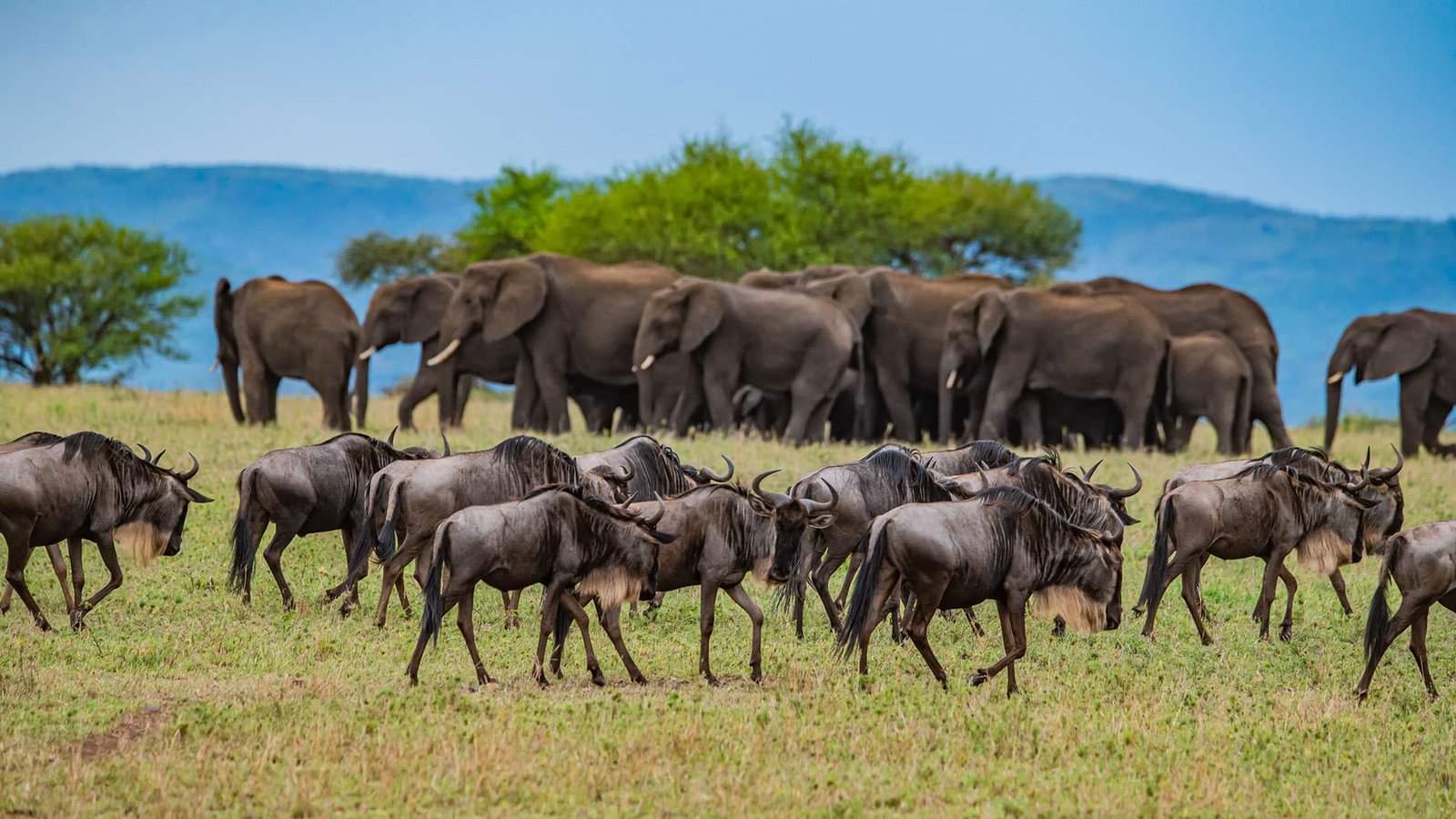
The Masai Mara National Reserve is famous for the annual wildebeest migration, when more than 1.5 million animals move into Kenya, generally between July and November. During this period, it is also possible to spot the Big Five.
At around 1:00 PM, you will enjoy a packed lunch under a tree in the park while taking in the expansive savannah landscape. Alternatively, upon request, a buffet lunch can be arranged at Keekorok Lodge. We will be happy to organize this for you, at an approximate cost of USD 25 per person.
At 2:45 PM, you will begin an afternoon game drive lasting until approximately 4:30 PM. You will then leave the park and begin your journey back to Nairobi, arriving at around 8:00 PM, marking the end of your Kenya safari day trip from Nairobi.
Private 4×4 safari jeep with a pop-up roof
Services of an English-speaking driver-guide
All entrance fees to the Masai Mara National Reserve
Packed picnic lunch
Bottled drinking water during the safari
Hotel or residence pickup and drop-off in Nairobi
All government taxes and VAT
International flights and visas
Travel insurance and medical insurance
Optional buffet lunch at Keekorok Lodge (USD 25 per person)
Tips for the driver-guide
Soft and alcoholic drinks
Maasai village visit (optional)
Personal expenses such as souvenirs and laundry
Our Kenya fly-in safari tours allow you to get closer to Kenya’s wildlife, enjoy breathtaking landscapes, and visit some of the country’s best national parks in less time. Whether you are interested in the Maasai Mara, Amboseli, or other parks, Ravina Tours & Travels makes planning your trip easy and ensures an unforgettable safari experience.
You will arrive at Jomo Kenyatta International Airport or Wilson Airport, where you will be picked up and transferred to your hotel by Ravina Tours & Travels. You will then have a briefing about your Kenya safari tour. You will board a small aircraft for a scenic one-hour flight to the Maasai Mara, enjoying spectacular views of the Kenyan landscape along the way, including views of Mount Kilimanjaro and the towering cliffs surrounding the Great Rift Valley.
Your driver-guide will take you towards the Mara River, where you may have the opportunity to witness the wildebeest migration. Afterwards, you will return to your lodge in the Maasai Mara for dinner and your overnight stay.
After breakfast, you will begin the day with a game drive to see as much wildlife as possible before your return to Nairobi. You will explore new viewpoints and wildlife areas in the Maasai Mara, where you may spot gazelles, antelopes, and other wildlife beginning their day across the savannah.
At around 11:00 AM, you will head back to the airstrip for your return flight to Nairobi. This marks the end of your Kenya fly-in safari.
This Kenya safari, starting from USD 1,900 per person, is ideal for travelers with infants and elderly travelers, offering comfortable mid-range luxury accommodation that can be easily tailored to individual needs. After breakfast, you will begin the day with a morning game drive accompanied by a guide, who will take you through the Maasai Mara to enjoy the wildlife and scenery. Later, you will be driven back to your hotel for dinner and an overnight stay.
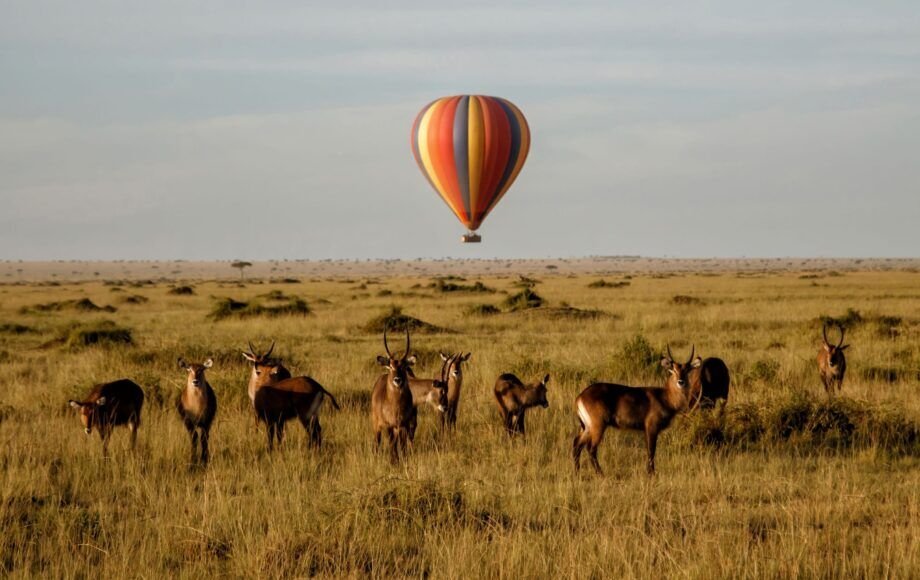
You will stay at andBeyond Kichwa Tembo Tented Camp. You will enjoy a morning game drive with a Ravina guide. You will also have the opportunity to take part in a hot-air balloon safari at sunset, while an afternoon visit to a Maasai village can also be arranged. The reserve is home to more than 300 bird species. In the evening, after a full day of exploration, you will return to your camp or hotel for dinner and an overnight stay.
After breakfast, you will head to the airstrip for your return flight to Nairobi. In Nairobi, you will enjoy lunch and have some time to explore the city before being transferred to the airport for your flight home. This marks the end of your Kenya safari.
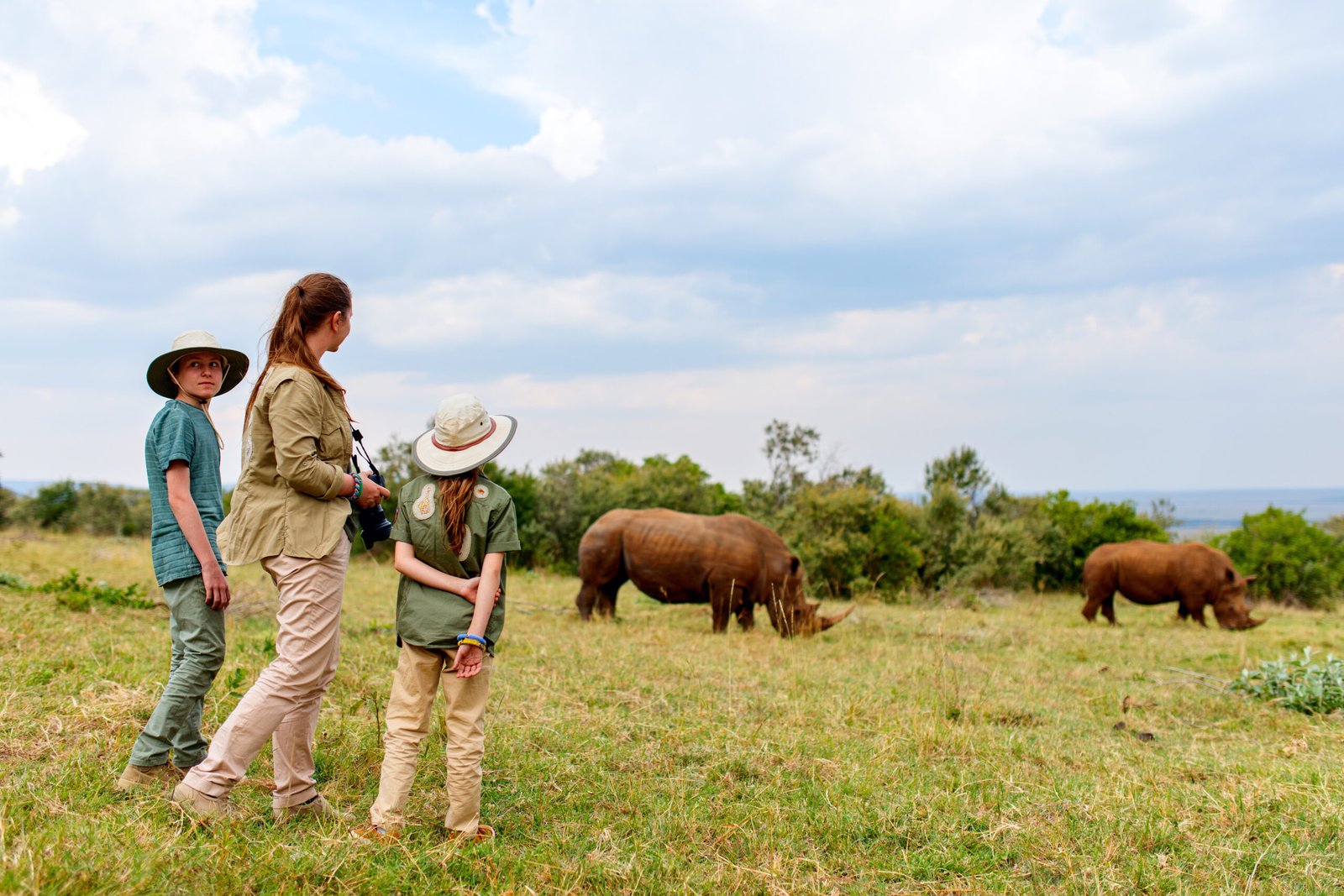
Our Kenya safari tours are carefully designed to provide our clients with the best possible safari experience. One of our most popular safari options is the 7-Day Ultimate Kenya Safari, which allows you to fully immerse yourself in some of Kenya’s most famous wildlife destinations, including the Masai Mara and Amboseli. You can also choose to visit Lake Nakuru, where you may see the endangered white rhino, or the Ol Pejeta Conservancy.
In most cases, we prefer using Land Cruisers or safari jeeps because of their comfort, reliability, and ability to navigate different terrains across the wilderness.
Whether you are traveling on a limited budget or have greater flexibility, we carefully tailor your safari to your specific requirements, so you have nothing to worry about. If you are only staying in Kenya for a short time and need a well-planned short safari, we are also happy to organize shorter trips. Get in touch with our experienced travel consultants, and we will respond to your inquiry as quickly as possible.
Beyond its incredible wildlife, Kenya is also home to some of the world’s most beautiful beaches, offering a wide range of experiences, including Swahili culture, local cuisine, snorkeling, kiteboarding, and much more. You can also combine a bush and beach safari, giving you the opportunity to enjoy both unforgettable wildlife experiences and the relaxing atmosphere of Kenya’s beautiful coastal resorts.
When it comes to the best safari deals for German tourists in 2026, you can make the most of your trip, from unforgettable wildlife safaris and immersing yourself in African culture to relaxing on the beach after your safari. Many German travelers appreciate the option of German-speaking guides upon request, comfortable accommodation tailored to their preferences, and the opportunity to explore iconic parks such as the Serengeti and Kenya’s Masai Mara.
Whether you are a German traveler trying to choose the best safari that is ideal for German tourists, working with experienced tour operators such as Ravina Tours & Travels can make planning your safari easier.
Both Tanzania and Kenya have been popular destinations for German travelers for many years, offering a wide range of safari experiences. Some of the most memorable wildlife experiences include the Great Migration in Kenya and Tanzania, which takes place annually, the sandy beaches of Diani and Mombasa, where sunny weather can be enjoyed for much of the year, and Mount Kenya climbing.
Based on projected travel trends for German tourists in 2026, many travelers are expected to choose safari experiences, with the Masai Mara being one of the most popular destinations, followed by Tanzania’s Serengeti. Both the Serengeti in Tanzania and the Masai Mara in Kenya form part of the same wider ecosystem, making them popular safari destinations for travelers visiting East Africa.
German safari packages to leading destinations in Kenya and Tanzania often include accommodation, park fees, transportation, and other safari services, with an emphasis on comfort. Typical elements of a German safari package may include German-speaking guides upon request, comfortable luxury or mid-range tented accommodation, park entrance fees, and transportation during a Kenya and Tanzania safari.
The best time for German travelers to visit Kenya for a Kenya safari generally depends on the type of experience they want. The dry season is particularly popular for wildlife viewing, while the timing of the Great Migration can provide an opportunity to witness large herds of wildebeest and other wildlife moving through the Maasai Mara ecosystem.
Best Overall Time (Dry Season – July to October): This is generally considered a favorable period for Kenya and Tanzania safaris, as dry conditions can make wildlife easier to spot around water sources and across open landscapes.
Best Time for Birdwatching and Photography: German travelers interested in birdwatching and photography safaris may consider visiting during the wetter months from March to May. During this period, landscapes can become lush and many bird species are active. Travelers should be prepared for rainfall and cooler temperatures, particularly at night.
A safari jeep is often a practical choice during wet periods because some park roads can become muddy. A 4×4 Land Cruiser or safari jeep can provide greater ground clearance and maneuverability, which can also be useful for wildlife photography.
Best Time to Avoid Crowds: German travelers who prefer fewer visitors may consider traveling during the low or shoulder seasons. One potential advantage of traveling during these periods is that some lodges and camps may offer lower rates or special accommodation deals. January to February and parts of June can be considered when planning a quieter safari, depending on the destination and current accommodation availability.
German travelers visiting Kenya for the first time may wish to consider factors such as weather, malaria precautions, visitor numbers, and personal travel preferences before selecting a safari itinerary. If you are unsure which option best suits your travel plans, you can contact our travel consultants for assistance.
To find tailor-made safari operators in Kenya from Germany, consider contacting established safari companies such as Ravina Tours. It is also important to verify the credentials and reputation of any tour operator before making a booking. Travelers can use established review and travel platforms such as SafariBookings or TripAdvisor to compare customer experiences.
If you are not comfortable communicating in English, you can request a German-speaking guide for your Kenya safari. The following strategies can help when looking for reputable luxury safari operators serving travelers from Germany.
Specialized Agencies Serving German-Speaking Clients: When searching for Kenya safari tour operators, consider companies that specifically offer services for German-speaking travelers. This can make communication easier when discussing itineraries, accommodation, activities, and travel requirements, such as Ravina Tours.
Kenya Association of Tour Operators (KATO): Another approach is to check whether a safari company is associated with the Kenya Association of Tour Operators (KATO). KATO provides information about tour operators and is one of the industry organizations travelers can consult when researching Kenya safari companies.
Use Online Platforms: Travelers can also research tour operators through official tourism and regulatory resources, as well as established travel platforms such as SafariBookings and TripAdvisor.
If you are searching for safari operators in Tanzania that offer customized experiences for German-speaking travelers, you can compare companies such as Ravina Tours & Travels and Best Kenya Safari Tours. Safari operators can create itineraries around the northern and southern safari circuits depending on the traveler’s interests and schedule.
Ravina Tours & Travels: Ravina Tours & Travels focuses on customized safari packages for German-speaking travelers. Services can include safari logistics, park entrance fees, accommodation, transportation, and extensions to destinations such as Zanzibar.
Best Kenya Safari Tours: Best Kenya Safari Tours offers customized safari packages and can assist travelers with planning wildlife experiences in East Africa.
A guided photography safari in Kenya can be booked through specialized safari operators offering wildlife and photography-focused itineraries. One option is Ravina Tours & Travels, which offers tailor-made safari experiences and can arrange guides familiar with wildlife photography.
Key destinations for photography safaris include the Masai Mara National Reserve, Samburu and Laikipia, Amboseli, Lake Nakuru, and Lake Baringo. Depending on the itinerary, travelers can use safari vehicles with open or pop-up roofs and work with guides who understand wildlife behavior and photography opportunities.
German travelers planning a Kenya safari holiday should consult a travel-health professional well before departure to determine which vaccinations and preventive measures are appropriate for their itinerary.
Yellow fever vaccination requirements can depend on the countries a traveler is arriving from or transiting through. Travelers should check the current entry requirements and obtain any required vaccination certificates in advance.
Other vaccinations that may be recommended depending on individual circumstances and travel plans can include hepatitis A, typhoid, tetanus, and hepatitis B. Medical advice should be obtained from a qualified travel-health professional.
Travelers based in Germany looking for flights to Tanzania have several airline options, depending on their departure city and destination. Airlines serving routes between Germany and Tanzania can include Condor, Discover Airlines, Lufthansa, SWISS, Turkish Airlines, and Qatar Airways, with schedules and routing varying by season.
Some common routing options include Germany to Zanzibar, Germany to Arusha, and Germany to Kilimanjaro International Airport.
Flight prices vary considerably depending on the departure city, travel dates, season, airline, and booking time. Travelers should compare current fares before booking rather than relying on fixed price estimates.
A visa is an official travel document that permits an eligible foreign traveler to enter Tanzania under the conditions specified by the immigration authorities. German citizens traveling to Tanzania can generally apply for a visa online through the official Tanzanian immigration system, subject to the applicable visa requirements.
Travelers should check the latest visa rules before departure because requirements, processing procedures, fees, and entry conditions can change. If an online visa application has not been processed within the stated timeframe, travelers should contact the relevant Tanzanian immigration authorities for assistance.
Booking a guided safari in Tanzania from Germany can be done online through a safari operator. Before making a payment, travelers should carefully check the company’s registration details, reviews, itinerary, accommodation, inclusions, cancellation terms, and payment instructions.
A reputable operator should provide clear information about what is included in the safari package, including transportation, accommodation, park fees, meals, guide services, and any optional activities. Comparing several itineraries can also help you select a safari that matches your preferred destinations, travel dates, budget, and level of comfort.
Kenya ranks among the most popular tourist destinations, offering wonderful national parks and excellent safari experiences. A two-week safari in Kenya is an ideal choice for travelers who want to explore different parks, experience something unique in each destination, and see the big cats.
Yes, traveling through different parks can be tiring, but we have prepared a plan that allows you to combine exciting safari experiences with relaxation during your two-week Kenya safari. You will experience different parks, diverse natural attractions, and different cultures. You can also enjoy delicious Kenyan cuisine.
During two weeks, you can experience everything on your dream list—whether it is relaxing on the beach, going on safari, enjoying a bird-watching trip, or combining a safari with mountain climbing. You can also enjoy Kenya’s accommodation options. Whether you prefer luxury or mid-range accommodation, we ensure a comfortable stay throughout your journey. Kenya has everything to offer, and what you take home are breathtaking memories of your visit.
We will show you how to book a two-week Kenya safari, what budget to plan for, how to choose different fascinating destinations, why you should book a Kenya safari, and much more.
We will also prepare a sample itinerary for a two-week Kenya safari so that you have a general idea of what to expect if you are planning to visit Kenya. Without further introduction, let us move on to the tips for planning a two-week Kenya safari.
Kenya is incredibly diverse, offering many parks and a wide range of attractions. There are a total of 23 parks, each with its own unique atmosphere and different species of wildlife. The most famous is the Maasai Mara. It is particularly famous for the annual wildebeest migration, which takes place every year around July.
See for yourself as wildebeest and zebras migrate from the Serengeti into the Mara region, crossing the Mara River. Watch them fight for survival against the powerful crocodiles that are always waiting in the river. You do not want to miss this experience.
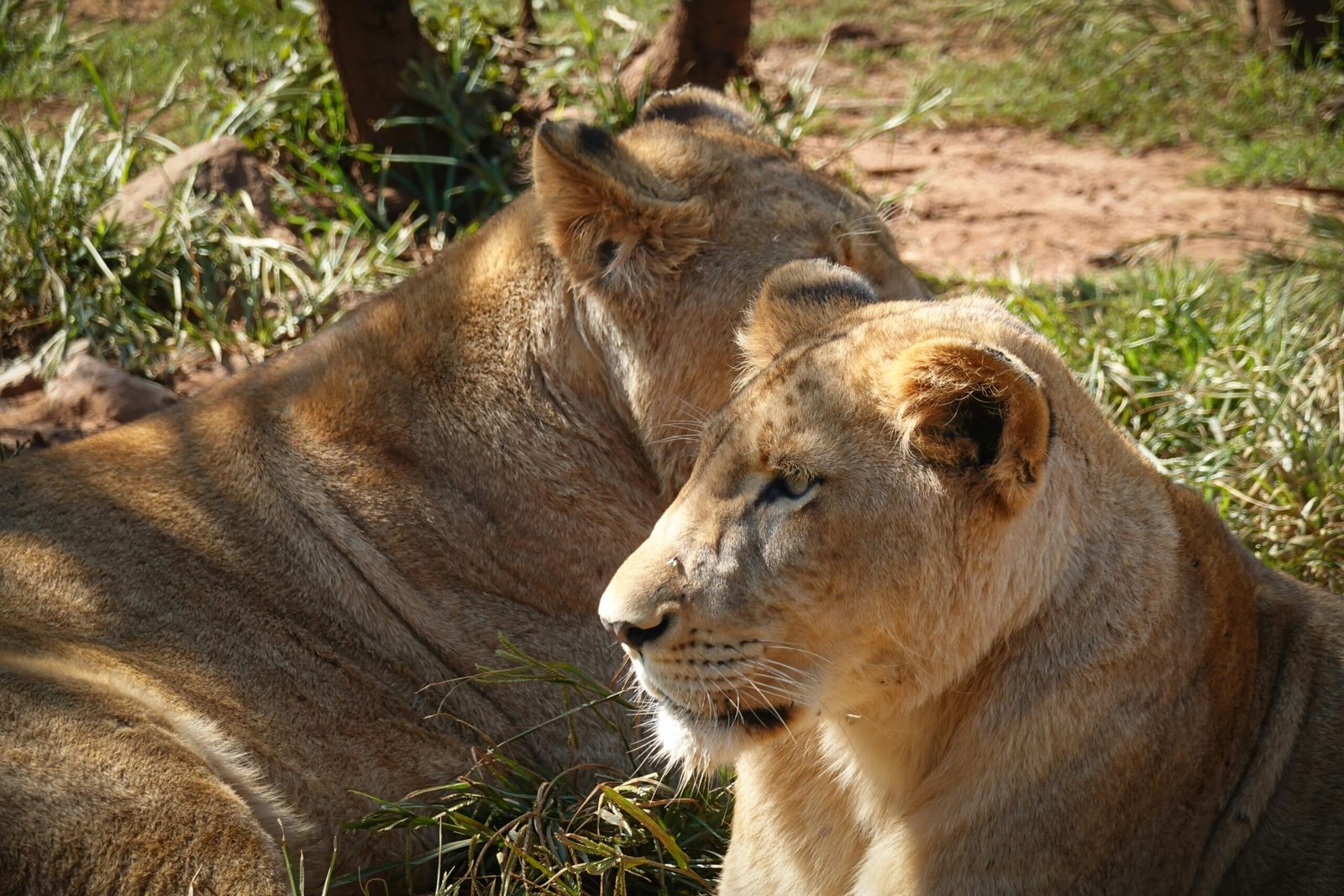
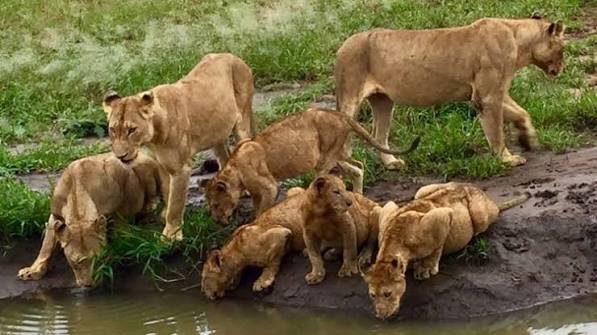
The Mara is also famous for having a large population of lions. It is known not only for its lions but also because the Big Five can be relatively easy to spot there. This is what makes the reserve special.
Amboseli is also well known for its views of Mount Kilimanjaro and for being home to large populations of elephants. Every morning, you may have the opportunity to watch elephants and their young making their way toward the watering areas to quench their thirst.
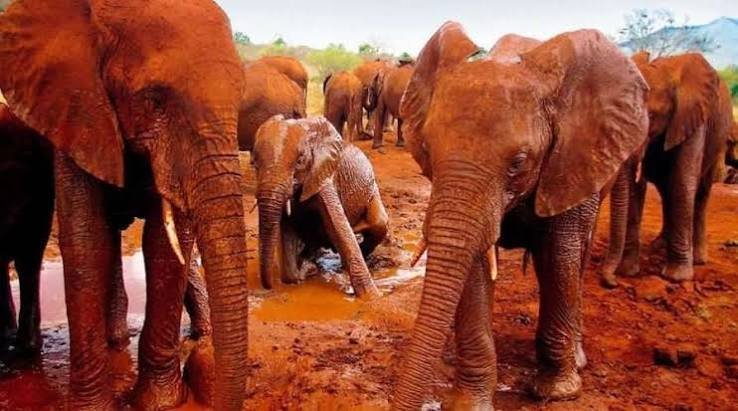
Tsavo is the largest national park in Kenya. It is divided into two sections: Tsavo East and Tsavo West. It is famous for its red elephants. Lake Nakuru is known for its flamingos, Ol Pejeta for its rhinos, and Naivasha for its geothermal attractions and boat rides.
There is also Samburu National Reserve, which is famous as the home of the “Special Five”: the Beisa oryx, reticulated giraffe, gerenuk, Somali ostrich, and Grevy’s zebra. Other parks include Meru National Park, Aberdare, and many others.
Kenya is also famous for Maasai culture. Experiences in Maasai communities satisfy the desire to discover this fascinating region. The opportunity to dance to their songs and try on their traditional clothing is simply incredible. The beautiful beaches along the coast and the luxury hotels are also experiences you should not miss.
When choosing how to book your Kenya safari, we at Kenya Wakacje Ltd will help you create an itinerary together with a complete safari cost estimate based on your chosen budget. To make a booking, you can call or send a WhatsApp message to +254 722 103340, or send an email directly to info@ravinatoursandtravel.com.
You will never regret choosing to book with Kenya Wakacje Ltd. We offer personalized itineraries designed around your budget. Regardless of the size of your group or the dates you want to travel, we always aim to meet our clients’ expectations. Whether you are looking for a mid-range or luxury trip, we welcome everyone.
Try booking your trip with Kenya Wakacje Ltd, and you may continue choosing us whenever you plan your safaris. However, there are several other ways to book a safari. You can choose to drive yourself, use a local tour operator, work with an international tour operator or international travel agency, or book a flight-and-hotel package.
I will explain each of these options so that you can choose the one that best suits your preferences for comfort and convenience.
Some people consider self-driving to be the best option because it provides flexibility and allows them to enjoy activities at their own pace. Most parks in Kenya allow self-drive safaris, so you simply need to purchase your entry tickets and begin your adventure. It may seem like a good idea until you are behind the wheel and realize that you may not have experience spotting wildlife.
This option can be attractive to nature lovers who are passionate about wildlife and enjoy searching for animals in the park. If you have a guide, however, they can help you spot wildlife that you might never notice on your own. This is because guides communicate with each other and can direct you toward areas where particular animals have been seen.
You might think that self-driving will save you money, but the difference may not be as significant as expected because Kenya’s park entry fees can be high. In the Mara, the document states that the fee is approximately $100 from January to June and $200 from July to December. Remember that vehicle entry fees may also apply.
The main advantage of self-driving is flexibility, particularly for wildlife enthusiasts. Otherwise, you may prefer one of the other safari-booking options. Another disadvantage is that if you do not have experience driving during long safaris, it can become challenging, especially when traveling continuously for two weeks.
For a comfortable safari experience, the document recommends considering other options instead of self-driving.
A local tour operator is essentially a travel company that organizes the safari according to your needs. When you compare self-driving with booking through a tour operator, the difference in cost may be relatively small. The main additional cost is usually the driver-guide.
This type of booking can increase your chances of seeing a wide variety of wildlife because your safari is handled by a local driver-guide who knows the area well. They can help you locate wildlife, including big cats and the Big Five.
The tour operator generally ensures that your main responsibility is simply to enjoy your holiday, whether you are on safari or relaxing on the beach. They can arrange accommodation, park entrance fees, transportation, and a driver-guide.
Before booking with any local tour operator, however, make sure that the company is legitimate and reputable. You can read reviews and learn about how the company operates and what previous clients have experienced with the agency.
The document presents Kenya Wakacje Ltd as one of the reputable travel agencies and states that the company handles the organizational details according to the client’s budget.
If you have concerns about working directly with tour operators, you can choose an international travel agency. These agencies work closely with tour operators and help ensure that your safari runs smoothly during your stay. They may also assist with problems that arise during the trip.
Compared with local operators, international travel agencies may charge higher prices because their costs are often based on the rates charged by local tour operators, with an additional margin added by the agency.
One advantage of international travel agencies is that they can oversee the entire safari and help identify problems that may occur before or during the trip. They may also have staff who work closely with you throughout the journey.
The main disadvantage described in the document is the higher cost. Travelers looking for a lower-cost safari may therefore consider working directly with a local operator.
This type of safari is designed for travelers looking for a more premium experience. It is described as the most expensive option, but it provides more time to enjoy the parks because much of the transportation is done using light aircraft.
If you want to go on safari but have a tight schedule, this option can save considerable travel time. You can fly from one park to another instead of spending many hours traveling by road.
The major reason for the higher cost is the expense of flights between the different parks. If you fly to five different parks, the package can become particularly expensive. Therefore, this option is suitable for travelers with limited time who have a larger travel budget.
Another consideration is that some fly-in safari arrangements may involve shared transportation after arriving at the destination. This means you may share the safari vehicle with other travelers.
The document recommends considering a tour operator when planning a safari, while noting that fly-in safaris can be convenient for travelers for whom the higher cost is not a concern.
These are four different ways of booking a safari, each with its own advantages and disadvantages. The final choice depends on your personal travel preferences.
The cost of a Kenya safari can vary depending on the time of year, accommodation type, and number of people traveling together. A private safari can be more expensive than a group safari. The document estimates that a private safari may cost around $300 per person per day, including accommodation, meals, park entrance fees, and transportation.
A group safari may cost around $90 per person per day because transportation costs are shared among participants. This can be a more affordable option and can also be enjoyable for friends, colleagues, or larger families traveling together.
Accommodation also affects the cost of a safari. Staying at a luxury hotel or lodge will generally result in a higher price, while mid-range accommodation can be more affordable.
The time of year can also affect the cost because park entrance fees may vary by season. The document gives the Mara as an example, stating that the fee is $100 from January to June and $200 from July to December.
If you are planning a visit to Kenya, consider your preferred accommodation and travel season and match them with your budget. This will help you plan your safari and understand the expected costs.
Generally, the dry season is considered a favorable time to visit many destinations. In Kenya, the document identifies December to February and June to October as favorable periods for visiting.
During the dry season, there may be greater opportunities to see wildlife because animals often gather around water sources. This can make wildlife viewing particularly rewarding.
You can also visit Kenya’s coastal region and enjoy its beautiful beaches. Destinations such as Mombasa, Watamu, Kilifi, and Lamu offer opportunities to enjoy Swahili cuisine and seafood. Activities include snorkeling and swimming.
The wildebeest migration takes place between July and October. During this period, thousands of wildebeest and zebras may cross the Mara River. Many travelers visit during this period to experience this major wildlife event.
April and May are among the wetter months in Kenya. The document notes that heavy rains can make some roads difficult to navigate and may affect safari conditions.
According to the document, three days can be enough if your main goal is to visit the Mara, but Kenya is a large country with many different wildlife destinations.
To enjoy a more comprehensive safari experience, the document suggests spending up to two weeks exploring different parks. A two-week Kenya safari provides enough time to see a wide variety of wildlife while also allowing some time to rest during longer road journeys.
The document also suggests that travelers who want to experience more of what Kenya has to offer could consider three to four weeks. Another option is to combine a Kenya safari with a trip to another country such as Tanzania.
Traveling to Kenya requires various documents and, depending on your circumstances, health-related preparations. When booking through a travel company, the operator may handle accommodation, transportation, meals, and park entrance fees, but travelers remain responsible for ensuring that they have the required travel documents.
The document mentions an ETA, vaccinations, and other travel documentation. Travelers should prepare the necessary requirements before departure.
Tour operators can advise travelers about what to bring and what documents they may need. Below are some of the items discussed in the document.
The document states that travelers do not need a traditional visa and instead need to apply for an eTA, or electronic travel authorization. It recommends applying online in advance of the safari.
The document recommends checking vaccination requirements before traveling to Kenya. It particularly discusses yellow fever and the importance of carrying a yellow fever vaccination certificate when required.
Travelers should check the current requirements applicable to their nationality and travel history before departure.
The document notes that malaria is a risk in Kenya and recommends seeking medical advice about appropriate malaria prevention and medication before traveling. It is best to consult a qualified medical professional about the appropriate preventive measures for your specific circumstances.
An itinerary is a summary of the activities planned during the safari, the schedule for the trip, and the number of days you will spend traveling. It provides an overview of what you can expect during your stay and the activities included in the journey.
This itinerary includes several different parks where you can experience wildlife, beautiful landscapes, and cultural attractions. Although the itinerary may appear extensive, it is designed to cover several of Kenya’s major safari destinations.
This two-week Kenya safari is based on a planned route covering different parks across Kenya. The itinerary outlines how each day will be spent and which parks will be visited.
Let’s now move through the itinerary day by day to give you a clearer understanding of what to expect during the two-week Kenya safari.
Nairobi is the capital of Kenya and is home to a large number of tour operators. The first day usually begins with an airport pickup and transfer to your hotel for check-in.
Depending on how you feel after your flight, you can either relax and wait for your adventure to begin or enjoy some of the attractions in Nairobi itself. As the capital city of Kenya, Nairobi is a destination that should not be missed.
You can take a city tour, where your guide will show you around the vibrant city and allow you to experience its atmosphere. You can combine the city tour with a visit to a restaurant where you can taste African cuisine or even enjoy local street food.
You can also visit the Giraffe Centre, located approximately 20 km from Nairobi city centre. It is home to the rare Rothschild’s giraffe, and you will have the opportunity to feed the giraffes.
Another option is a safari in Nairobi National Park. Although it is smaller than many of Kenya’s other parks and can be explored in one day, it is home to a variety of wildlife, including the Big Five. During an evening game drive, you may have the opportunity to see several of these animals. You can also take a nature trail and enjoy bird watching.
Another attraction is the Sheldrick Wildlife Trust elephant orphanage. It provides a sanctuary for elephants rescued from poaching. The orphanage is located within Nairobi National Park, so park entry fees apply when visiting.
These are just some of the attractions you can choose from on your first day.
The drive from Nairobi to the Mara takes approximately six hours. There are normally two stops along the way: one at a viewpoint overlooking the Great Rift Valley and another in Narok.
The Great Rift Valley viewpoint is usually about one hour’s drive from Nairobi. You can stop there to take beautiful photographs and enjoy views across the Rift Valley. You can then continue to Narok town to refuel and stretch your legs.
After arriving in the Mara, check into your accommodation and then visit a Maasai village to learn about the local culture. Enjoy delicious local dishes at your lodge and have a refreshing drink before heading to the Maasai village later in the day.
At the Maasai village, you will have the opportunity to watch traditional jumping performances. The Maasai will perform a welcoming dance and demonstrate their famous jumping tradition.
You can also see their traditional grass-thatched houses. The community may demonstrate how they make fire without matches, using materials such as stones, cow dung, and dry grass. You can then visit the souvenir shop and purchase traditional items.
You can buy souvenirs and traditional shukas to take home as memories of your visit. Members of the community make and sell items such as bracelets, with the proceeds supporting their livelihoods and conservation efforts.
You will spend the next two days exploring the vast plains of the Maasai Mara. You will have opportunities to photograph the Big Five, cheetahs, zebras, antelopes, and gazelles. You may also witness hunting activity and understand why the Mara is regarded as one of Kenya’s major wildlife destinations.
Wake up early for a morning game drive in the reserve. You can also choose to have breakfast in the bush. Your guide will take you to a suitable location within the reserve where you can enjoy breakfast while taking in the wide-open Mara plains.
You can spend the entire day inside the reserve to avoid losing valuable safari time by returning to the lodge for lunch. In addition to saving time, you can enjoy lunch beneath an acacia tree in the heart of the reserve. These are the kinds of experiences that can become lasting memories of your safari.
Another reason for staying in the reserve throughout the day is to avoid unnecessary exits and re-entry arrangements. It is therefore useful to arrange a packed lunch with your lodge when planning a full-day game drive.
You can be sure that these two days will provide plenty of opportunities to enjoy wildlife viewing. The Mara is widely recognized as an important wildlife destination, making it a memorable part of a Kenya safari.
After approximately five hours of driving from the Mara, you will travel toward Lake Naivasha. At this point, the focus of your journey changes from traditional game viewing to bird watching and nature experiences. If you are a bird lover, this can be one of the highlights of your trip.
After arriving at your lodge, have lunch and rest before taking part in the afternoon activities. In the afternoon, you can go on a boat ride. This is a peaceful experience where you can see many species of birds, including herons, kingfishers, geese, and others. Lake Naivasha is also home to many hippos, which you may see during the boat ride.
The boat trip often includes a stop at Crescent Island, where you can take a guided walk through the sanctuary. You may see animals such as zebras, giraffes, and antelopes moving freely around the island. Crescent Island can only be accessed by boat. Although many of the animals are accustomed to people, visitors should still follow the sanctuary rules by avoiding loud noises and keeping a safe distance from wildlife.
Other activities available around Naivasha include visiting Hell’s Gate National Park or, alternatively, enjoying a visit to a geothermal spa where you can relax and have a massage. This can be a good way to unwind after several days of safari before continuing with the next part of your journey.
At Hell’s Gate, you can enjoy activities such as hiking and cycling. There are many activities to choose from during your stay in Naivasha. Always remember to wear comfortable shoes, particularly if you plan to visit Crescent Island or Hell’s Gate.
On the sixth day, you will travel to Lake Nakuru, approximately two hours from Naivasha. Although the two lakes are relatively close to each other, they offer different experiences.
After arriving, you can enjoy a game drive in Lake Nakuru National Park. Lake Naivasha is a freshwater lake, while Lake Nakuru is a soda lake, creating different ecological conditions.
Lake Nakuru National Park is known for its flamingos. The lake’s conditions can support algae that attract flamingos. Although flamingo numbers can vary, the park remains an important wildlife destination and is home to rhinos and other wildlife.
The area is also known for its birdlife, with the document describing more than 450 bird species. If you enjoy bird watching, both Nakuru and Naivasha can provide rewarding experiences.
You can visit Makalia Falls within the park or enjoy other activities such as horse riding and cycling where available. If you would like to continue with game viewing, you can also spend more time exploring the park.
Nakuru is particularly known for its rhino population. The area is also relatively close to the equator, with generally comfortable temperatures depending on the season.
Lake Nakuru offers more of a traditional safari and bird-watching experience, while Naivasha provides a quieter atmosphere and activities around the lake. Visiting both destinations gives you a varied experience.
Approximately four hours by road from Nakuru, you will spend the seventh day at Ol Pejeta Conservancy. The conservancy is known for its rhino conservation work and is a private wildlife conservancy. While at Ol Pejeta, you can also enjoy views of Mount Kenya in the background, creating excellent photographic opportunities.
You can visit the equator, where there is a memorial dedicated to rhinos killed by poachers. You can also take photographs at the equator as a lasting memory of your visit to Ol Pejeta.
The conservancy is also home to rescued chimpanzees. You can observe them as they interact with one another and respond to their surroundings. The guides at Ol Pejeta can make the experience more informative by explaining chimpanzee behavior and conservation.
In addition to its large population of black rhinos, the conservancy is known for its northern white rhino conservation program. The document also mentions Baraka, a blind and elderly rhino that has become one of Ol Pejeta’s well-known animals.
Ol Pejeta can provide a less crowded wildlife experience compared with some other parks, allowing visitors to spend time observing animals. Like other wildlife destinations, entry fees apply. If you plan to spend the entire day in the conservancy, it is useful to arrange a packed lunch with your accommodation.
On this day, prepare for a long road journey. The drive from Nanyuki to Amboseli can take approximately eight hours. An early departure helps avoid traveling late at night. You can stop in Nairobi for lunch before continuing toward Amboseli.
Along the way, the scenery changes from the busy urban environment of Nairobi to increasingly rural landscapes. You will see local communities and changing landscapes as you travel toward Amboseli.
After arriving, check into your accommodation.
Because you will likely arrive later in the day, you can enjoy dinner, freshen up, and prepare for the following day, which will be filled with wildlife viewing and exploration. It is advisable to rest early so that you are ready for the next morning’s safari.
The document recommends staying at a lodge inside the park or close to the park gates. This can help reduce the amount of time spent traveling between your accommodation and the park.
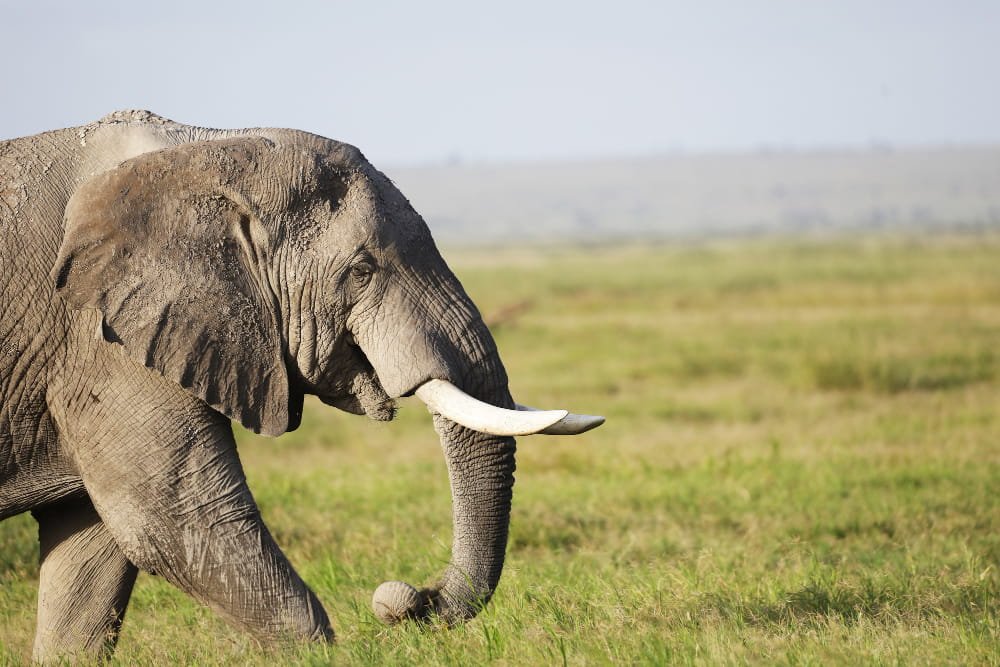
Amboseli is famous for its large elephant population. It is particularly well known for elephants with impressive tusks. The views of Mount Kilimanjaro add another memorable element to the Amboseli safari and create a distinctive landscape.
You will spend the day exploring the park. Arrange a packed lunch because you will be out for a full-day adventure. Wake up early and begin your morning game drive when the park gates open.
During the morning game drive, you can observe elephants making their way toward the wetlands. Some of the large elephants have impressive tusks that can hang close to the ground.
The park is home to several large predators and other wildlife. During your game drive, you may see lions and, potentially, cheetahs. This provides an opportunity to observe predator and prey interactions and experience the realities of wildlife in a natural environment.
For lunch, your driver-guide can take you to a viewpoint where you can enjoy your meal with Mount Kilimanjaro in the background. You can also use the stop as an opportunity to relax and enjoy the scenery.
The viewpoint provides an excellent backdrop for photographs of Kilimanjaro. Many visitors enjoy stopping here to capture memorable photographs of their Amboseli experience.
The park also offers excellent bird-watching opportunities, with the document noting that it can support up to approximately 600 bird species. After your safari, you can also learn more about Maasai culture through a cultural experience.
A visit to Amboseli can provide a memorable safari experience combining elephants, landscapes, birdlife, and cultural experiences.
After approximately five hours of driving, you will enter Tsavo West National Park through the Chyulu Gate. Tsavo is Kenya’s largest protected area, divided into Tsavo East and Tsavo West. The two sections are separated by the Nairobi–Mombasa highway.
Tsavo is famous for its dramatic landscapes and red elephants. In addition to elephants, you may see lions, leopards, cheetahs, rhinos, and other wildlife. Depending on weather and visibility, you may also have views toward Mount Kilimanjaro.
Tsavo West is known for its wildlife and natural attractions. Some of the notable attractions include Mzima Springs, the Shetani Lava Flow, and Lake Jipe. These attractions add variety to the safari experience.
These natural areas also provide habitats for wildlife living within the park. The document identifies the dry season, particularly June to October, as a favorable period for traveling to Tsavo because heavy rains can make some roads difficult to navigate.
If you plan to travel during the rainy season, it is important to check road conditions before finalizing your safari plans. If roads are difficult to navigate, an alternative destination or route may be considered.
Overall, Tsavo West offers a diverse safari experience, with wildlife, dramatic landscapes, and natural attractions. Its proximity to the Tanzanian border can also make it an interesting part of a wider East African safari itinerary.
Prepare for another full day of safari during your two-week Kenya adventure. In the morning, you will go on a game drive in the park, which is also known for its black rhino conservation.
During the game drive, you may have the opportunity to see rhinos and other wildlife.
After the game drive, return to your lodge to relax and enjoy some quiet time. This brings the main wildlife portion of your two-week Kenya safari toward its conclusion.
This is a complete change of scenery—from the savannah to the beach. The landscape changes dramatically from forests and open grasslands to sandy beaches and the Indian Ocean.
The journey from the Tsavo region to Diani takes approximately five hours according to the itinerary.
Take the opportunity to enjoy activities such as snorkeling in clear waters or simply relaxing on the beach. In the evening, you can swim, enjoy the beach atmosphere, or simply relax by the ocean.
Another option is to enjoy cocktails at one of the nearby beach bars. If you enjoy exploring cities, you can visit Mombasa, taste local street food, take a city tour, and interact with the local community.
You can explore historical attractions in Mombasa or take a longer drive around the city before returning to Diani. If you prefer to relax, you can remain at your lodge and enjoy a massage.
This is the second-last day of your two-week Kenya safari, and there are plenty of activities to enjoy.
First, you can simply relax on the beach, enjoy your favorite drinks, and take in the coastal atmosphere. This is ideal for travelers who want to enjoy the sunshine and peaceful surroundings.
Second, Diani is known for its warm waters, which provide opportunities for swimming and snorkeling. You can enjoy the clear coastal waters and explore the marine environment.
Third, you can taste delicious Swahili cuisine. Trying local food and street snacks can be an enjoyable part of the coastal experience.
This marks the end of your safari and the time to say goodbye to Kenya. You can choose to travel by road from Diani to Nairobi or take a return flight.
This brings your two-week Kenya safari adventure to an end.\
Although entrance fees contribute to the development and conservation of the reserve, tourists also have an important role to play in ensuring that the reserve remains in good condition during their visit. The Narok County authorities, which oversee the reserve, have developed guidelines that visitors should follow during their visit to ensure responsible tourism.
According to the county authorities’ guidelines, visitors should:
Stay on designated roads and safari routes.
Observe speed limits within the reserve.
Maintain a safe distance from wildlife.
Do not litter in the reserve or disturb the animals.
Follow the instructions provided by safari guides and rangers.
Following the county regulations helps ensure minimal disturbance to the environment and allows wildlife to maintain its natural behavior in its natural habitat.
Paying Masai Mara entrance fees is therefore more than just an obligation; it is a contribution toward ensuring that one of Africa’s most beautiful and iconic destinations remains protected. Whether you choose to visit Masai Mara during the best period to witness the Great Migration or visit the reserve as part of a well-planned tour package, you become part of a movement that helps ensure Masai Mara remains one of Africa’s most beautiful and diverse wildlife reserves.
Through responsible tourism, future generations will be able to visit this incredible reserve and enjoy some of Africa’s most breathtaking landscapes.
A Masai Mara safari is an experience worth every penny spent. During a Masai Mara safari, tourists have the opportunity to admire the reserve’s breathtaking savannah plains and observe its rich wildlife. However, before setting out on a Masai Mara safari, it is important to understand the costs involved. In particular, travelers need to have adequate information about Masai Mara ticket prices so they can plan their trip properly and enjoy an unforgettable experience.
Dreaming of a Masai Mara safari? Don’t worry! Ravina Tours & Travels Ltd works to make your dream of a high-quality Masai Mara safari a reality. Our professional travel consultants will carefully plan your trip so that your experience is personalized and offers good value for money. Contact Ravina Tours & Travels Ltd at info@ravinatoursandtravels.com and allow us to provide you with a Masai Mara safari offering excellent value and a range of Masai Mara tour packages.
Q: Is the park entrance fee charged per person or per vehicle?
Masai Mara park entrance fees are charged per person per day. Every visitor entering the reserve must pay the appropriate park entrance fee based on their residency status and the season. In addition to individual Masai Mara tickets, vehicle entry fees are charged separately depending on the type and size of the vehicle.
Q: Do children pay entrance fees to Masai Mara?
Children aged 8 years and below enter the reserve free of charge. Children aged 9–17 years pay a reduced park entrance fee. These discounted rates make Masai Mara safaris more accessible for families.
Q: Can I pay at the gate?
Yes, payment can be made at the gate, but only through cashless payment methods. Visitors should therefore carry a suitable payment card or have sufficient funds in their M-PESA account.
However, many travelers choose to book a Masai Mara tour package through established tour operators such as Ravina Tours & Travels Ltd because professional guides and 4×4 safari vehicles can improve the safari experience and help visitors navigate the extensive Mara savannah.
Q: Can I buy a ticket without a guide?
Yes. Visitors can enter Masai Mara without a guide if they are undertaking a self-drive safari. Travelers using their own vehicle can purchase a ticket at one of the Masai Mara gates. However, many visitors prefer to hire an experienced guide to improve their chances of finding and observing the reserve’s diverse wildlife while navigating the extensive savannah plains.
Q: What if I am only driving through the park?
Even if you are simply passing through the reserve, you are still required to pay the full entrance fee. These fees help support conservation programs, infrastructure maintenance, and community development initiatives within the Masai Mara ecosystem.
Q: How much do Masai Mara tickets cost?
The cost of Masai Mara tickets varies according to the visitor’s residency status and the season. According to the source, international visitors pay approximately USD 100 per adult per day during the low season from January to June and USD 200 per adult per day during the high season from July to December. Kenyan citizens and East African residents benefit from significantly reduced entrance fees.
Q: Are Masai Mara tickets included in safari packages?
Some safari operators include Masai Mara entrance tickets in the overall cost of their Masai Mara packages, while others treat them as an additional expense. Before booking a safari, it is advisable to confirm with the tour operator whether the park entrance fee is included in the package. This helps travelers accurately calculate the total cost of their Masai Mara trip.
Q: How long are Masai Mara tickets valid?
According to the source, Masai Mara tickets are valid for 12 hours, from 6:00 AM to 6:00 PM. Guests staying overnight inside the reserve must purchase a new ticket for each additional day of their stay.
Q: How can I buy Masai Mara tickets?
Tourists can purchase Masai Mara tickets at official park entrance gates such as Sekenani, Talek, Musiara, and Oloololo, or through the Kenyan online eCitizen platform. Licensed safari operators such as Ravina Tours & Travels Ltd can also arrange park entrance tickets for travelers who book a Masai Mara safari package.
Q: What is the average cost of a Masai Mara trip?
The total cost of a Masai Mara trip depends on the accommodation, length of the safari, and type of safari selected. Budget safaris may start at approximately USD 200–300 per person per day, while luxury safaris can cost more than USD 1,000 per person per day, particularly during peak periods such as the Great Migration.
Q: When is the best time to visit Masai Mara?
The period from July to October is generally presented as a suitable time to visit Masai Mara because it coincides with the Great Migration and favorable wildlife-viewing conditions. However, the dry season from December to March can also provide good wildlife-viewing opportunities with fewer tourists.
Q: Do children need Masai Mara tickets?
Children below 8 years of age generally enter the reserve free of charge, while children aged 9–17 benefit from discounted rates. These reduced prices make the reserve more accessible to families traveling on safari.
Q: Are there additional fees besides Masai Mara tickets?
Yes. In addition to Masai Mara entrance tickets, travelers may encounter other expenses such as vehicle entry fees, community conservation fees, and optional activities such as hot-air balloon safaris. These expenses can affect the overall cost of a Masai Mara trip.
Q: What happens if I leave the park after the 12-hour ticket validity period?
If visitors remain in the reserve after the 12-hour ticket validity period, they may be required to pay the entrance fee for another full day. Visitors should carefully plan their entry and exit times, particularly when they have limited time available for their safari.
Q: How important are Masai Mara tickets to conservation?
Masai Mara entrance tickets play an important role in funding conservation programs, wildlife protection, habitat management, and local community development initiatives. These funds help preserve the ecosystem and support the reserve’s continued role as one of the world’s important wildlife destinations.
Q: Do lodges inside the reserve include park entrance fees?
Some accommodation facilities inside the reserve may include Masai Mara entrance tickets in their accommodation rates, while others charge them separately. When booking a Masai Mara package, travelers should consult with Ravina Tours & Travels Ltd to confirm exactly what is included in the quoted price.
Q: Can I visit Masai Mara for only one day?
Yes, tourists can purchase Masai Mara tickets for a one-day visit. However, many travelers choose multi-day safaris to experience more of the reserve. Day trips are possible, but a multi-day Masai Mara safari provides more opportunities for wildlife viewing and a more immersive safari experience.
Tourists need to plan better: Tourists and tour operators are required to plan their safaris so that they fit within the designated hours. To make the safari experience as enjoyable as possible, guests should start their game drives early and leave the park at the designated time.
Increased conservation revenue: Conservation activities, road maintenance, and anti-poaching initiatives are funded by revenue generated from park entrance fees. Therefore, the 12-hour rule ensures that all guests make a fair contribution proportional to their actual use of the park.
Impact on lodges and camps: Hotels and accommodation facilities inside the park benefit from this rule because it encourages tourists to stay longer so they can enjoy multiple safari drives over several days.
Enforcement of park closing hours: The strict 6:30 PM closing time ensures that wildlife is disturbed as little as possible at night, contributing to improved conservation efforts.
It is important to note that any activities conducted during the early morning hours within the reserve, particularly those taking place in the Mara Triangle or Mara Conservancy, may attract an additional full-day park fee if they occur on the day of departure.
Morning activities may include hot-air balloon safaris, morning game drives, and wildlife excursions. This ensures that all visitors contribute fully to conservation activities and local community support funded through park entrance fees.
In addition to standard Masai Mara tickets and park entrance fees, some guests may be required to pay an additional fee known as the Masai Mara community fee. This fee is generally charged to guests staying in lodges, camps, or other accommodation facilities within the reserve or surrounding conservancies.
The community fee is intended to support local communities and community-led conservation initiatives. This differs from standard park entrance fees, which are used to fund park management and conservation activities. The fee promotes the idea that tourism not only contributes to wildlife conservation but also benefits people living around the reserve and contributes significantly to ecosystem protection.
As a result, the community fee is often included in Masai Mara tour packages, particularly when booking with reputable tour operators such as Ravina Tours & Travels Ltd or staying at lodges and camps located within community-managed or protected areas.
For guests staying in lodges, luxury tented camps, or eco-friendly accommodation facilities within or near the reserve, the community fee represents an additional contribution toward the sustainable development of the Masai Mara ecosystem.
Although the fee may slightly increase the overall cost of a Masai Mara trip, it helps support long-term sustainability programs that protect wildlife habitats and improve the living standards of local communities. Guests can therefore take pride in knowing that their safari experiences directly support conservation initiatives and community empowerment.
Many guests visiting Masai Mara during the most popular periods of the year, such as the Great Migration season between July and October, contribute to these initiatives through accommodation and conservation-related fees.
Strengthening conservation efforts
Part of the revenue generated from the community fee is used to fund community-based conservation projects throughout the wider Mara ecosystem. These initiatives include:
Anti-poaching patrols and ranger training.
Wildlife monitoring and research programs.
Habitat protection and restoration.
Protection of migration corridors used during the Great Migration.
These initiatives work alongside revenue generated from Masai Mara entrance tickets and contribute to protecting Masai Mara, one of Africa’s most valuable wildlife reserves.
Supporting community development
Sustainable conservation of the Masai Mara reserve is possible only with the support and involvement of local communities. Therefore, a significant portion of the community fee is directed toward projects that improve living conditions and develop social infrastructure in nearby Maasai villages.
These initiatives may include:
Support for schools and educational programs.
Healthcare and local health facilities.
Water supply and sanitation initiatives.
Employment opportunities within the tourism sector.
The tourism industry also helps create incentives for local residents to actively participate in wildlife and ecosystem conservation through investment in community development.
Protecting Maasai cultural heritage
Masai Mara is known not only for its remarkable wildlife but also for its rich cultural heritage. The Maasai, regarded in the source as guardians of the reserve, are inhabitants of the region and have traditionally practiced pastoralism and cultural traditions that coexist with wildlife.
The community fee supports projects connected to cultural heritage protection, including:
Cultural education programs.
Cultural tourism attractions and traditional craft markets.
Community-led protection of cultural heritage.
Through these programs, Maasai traditions can be preserved while visitors gain a better understanding of the culture of the region.
A Masai Mara entrance ticket is an important document containing details about access rights and payment information. The following are the main elements of a typical Masai Mara park entrance ticket.
A Masai Mara ticket contains information about the visitor’s entry and exit, including:
Entry gate: Indicates which gate the visitor used to enter the reserve, such as Talek Gate.
Entry date and time: Includes the exact time the visitor entered the reserve.
Exit date and time: Shows the latest permitted time for leaving the park.
Validity period: Specifies how long the ticket remains valid.
If you are using a private vehicle, information such as the vehicle registration number and driver’s name may be provided.
Prepaid vehicle invoice: Indicates whether the private vehicle fee has been paid.
Non-resident adults (NRA): Shows the number of visitors and the total fee paid. For example, two non-resident adults may be charged USD 400.
Total amount: Summarizes the total amount paid in both KES and USD.
The ticket indicates whether payment was made by cash, card, M-PESA, or another approved payment method.
Keep your entrance ticket throughout the safari because park officials may request it for verification.
Additional park fees may be charged if you exceed the permitted period of stay.
Depending on the budget, there are three main types of Masai Mara safaris: budget, mid-range, and luxury.
On budget safaris, travelers share safari vehicles, usually minivans accommodating 6–7 people, and stay in basic tented camps and lodges outside the main reserve.
Meals are generally included on a full-board basis, while travelers still have the opportunity to enjoy the spectacular landscapes and abundant wildlife of Masai Mara.
During a mid-range safari, travelers use 4×4 Land Cruiser vehicles with pop-up roofs, stay in comfortable lodges and camps, and are accompanied by professional English-speaking safari guides.
Luxury safaris allow travelers to explore private conservancies surrounding Masai Mara, including Mara North, Olare Motorogi, and Naboisho.
These conservancies charge their own entrance fees, ranging from USD 90 to USD 100, in addition to the Masai Mara entrance fee.
Private conservancies can offer a quieter safari environment with fewer vehicles and crowds. The source also states that activities such as off-road driving, night game drives, and walking safaris are permitted in these areas.
Effective 1 October 2025, all parks in Kenya managed by the Kenya Wildlife Service (KWS) revised their park entrance fees. The new park entrance fee structure covers all applicable rates.
The revised park entrance fees apply to all Kenyan national parks, reserves, marine parks, and protected areas. The classification categories include citizens, residents, East African residents, African citizens, and non-residents. These changes affect many Kenya safari tours and packages operating in areas managed by KWS.
Over the past two decades, this change to KWS park entrance fees represents a major reform aimed at strengthening wildlife conservation, modernizing park infrastructure, and promoting sustainable tourism.
When planning a visit to national parks, reserves, marine parks, and protected areas managed by KWS, you should always carry the necessary documents. This is because the Kenya Wildlife Service (KWS) and county authorities have clearly defined requirements that apply to both local and international visitors.
Having the correct documents ensures a smooth and stress-free Kenya safari experience. The following documents are required to enter any KWS-managed park in Kenya:
National identity card for Kenyan citizens.
Valid passport for East African and African citizens.
Valid residence permit for residents.
Valid passport for non-residents.
Valid identification card for persons with disabilities.
Valid student identification card for students, where applicable.
Parks | East African Residents (Ksh) | Residents (Ksh) | Non-Residents ($) | African Citizens ($)
Amboseli and Lake Nakuru National Parks — 1,500 | 2,025 | 90 | 50
Nairobi National Park — 1,000 | 1,350 | 80 | 40
Nairobi Package (Nairobi National Park, Nairobi Animal Orphanage and Nairobi Safari Walk) — 1,300 | 1,750 | 105 | 55
Tsavo East and Tsavo West National Parks — 1,000 | 1,350 | 80 | 40
Meru, Kora and Aberdare National Parks — 800 | 1,100 | 80 | 40
Tsavo West and Amboseli National Park Package — 2,200 | 2,900 | 150 | 80
Tsavo East, Tsavo West and Amboseli National Park Package — 3,000 | 4,000 | 215 | 115
Mt. Kenya National Park — 800 | 1,100 | 70 | 30
Hells Gate, Mt. Longonot, Mt. Elgon and Ol Donyo Sabuk National Parks, Lake Elementaita Wildlife Sanctuary, Shimba Hills and Kakamega National Reserves — 500 | 675 | 50 | 20
Mwea, Ruma, Saiwa Swamp, South Turkana, Sibiloi, Central Island, South Island, Ndere Island, Malka Mari, Chyulu Hills and Marsabit National Parks, and Tana River Primate Reserve — 500 | 675 | 40 | 25
Nairobi Animal Orphanage, Nairobi Safari Walk and Kisumu Impala Sanctuary — 300 | 405 | 25 | 15
Nairobi Sanctuary Package (Nairobi Animal Orphanage and Nairobi Safari Walk) — 500 | 675 | 40 | 25
Kisite Mpunguti, Watamu, Mombasa, Malindi, Kiunga and Diani Chale — 500 | 675 | 25 | 15
Parks | East African Residents (Ksh) | Residents (Ksh) | Non-Residents ($) | African Citizens ($)
Amboseli and Lake Nakuru National Parks — 750 | 1,050 | 45 | 25
Nairobi National Park — 500 | 675 | 40 | 20
Nairobi Package (Nairobi National Park, Nairobi Animal Orphanage and Nairobi Safari Walk) — 700 | 950 | 55 | 20
Tsavo East, Tsavo West, Meru, Kora and Aberdare National Parks — 500 | 675 | 40 | 20
Tsavo West–Amboseli Package — 1,100 | 1,550 | 80 | 45
Tsavo East–Tsavo West–Amboseli Package — 1,500 | 2,150 | 115 | 60
Mt. Kenya National Park — 400 | 550 | 35 | 15
Hells Gate, Mt. Longonot, Mt. Elgon, Ol Donyo Sabuk National Parks, Lake Elementaita Wildlife Sanctuary, Shimba Hills and Kakamega National Reserves — 250 | 350 | 25 | 10
Ruma, Saiwa Swamp, South Turkana, Sibiloi, Central Island, South Island, Ndere Island, Malka Mari, Chyulu Hills and Marsabit National Parks, and Mwea and Tana River Primate National Reserves — 250 | 350 | 25 | 10
Nairobi Animal Orphanage, Nairobi Safari Walk and Kisumu Impala Sanctuary — 200 | 300 | 15 | 10
Nairobi Sanctuary Package (Nairobi Animal Orphanage and Nairobi Safari Walk) — 300 | 500 | 20 | 15
Kisite Mpunguti, Watamu, Mombasa, Malindi, Kiunga and Diani Chale — 250 | 350 | 15 | 10
Kenya’s national parks are at the heart of the African tourism industry and provide visitors with opportunities to experience unforgettable wildlife encounters and exceptional game viewing.
However, managing and protecting the parks generally involves high operational costs. For this reason, new fee rates were introduced from October 2025.
One of the main reasons for increasing entrance fees to KWS-managed parks is the continuously rising cost of wildlife conservation. Many protected areas in Kenya continue to face threats from poaching, human-wildlife conflict, the need to provide appropriate working conditions for rangers, and the need for modern monitoring systems within the parks.
Measures aimed at reducing poaching-related challenges and maintaining conservation standards are expensive, which has contributed to the increase in park entrance fees.
One of the most direct and noticeable effects of the park fee changes introduced from 1 October 2025 is an increase in the overall cost of Kenya safaris. This applies to some parks managed by KWS, including Nairobi National Park and Mt. Longonot National Park.
For Kenyan citizens, the changes in park entrance fees remain relatively modest in some locations. For example, the entrance fee for Nairobi National Park increased from Ksh 430 to Ksh 1,000 for adults.
Tour operators and travelers planning to visit Kenya’s wildlife parks from 1 August 2025 may therefore need to incorporate these new rates into their safari packages.
Kenyan Citizen Rates | Old (2024) | New (1 August 2025)
Amboseli/Nakuru — 860 | 1,500
Tsavo East/Tsavo West — 515 | 1,000
Aberdare — 300 | 500
Nairobi National Park — 430 | 1,000
Hell’s Gate — 300 | 250
Mt. Longonot — 300 | 250
Kisite Mpunguti — 215 | 250
All other parks — 300 | 300
With the new KWS rates fully taking effect, it is important for travel agencies and tour operators to communicate the new rates clearly to their clients. This applies to all parks in Kenya managed by the Kenya Wildlife Service.
New costs planned for 2026 should also be recalculated so that they accurately reflect the new park entrance fee structure.
A practical way of managing the overall entrance fees for KWS-managed parks is to combine parks strategically. For example, instead of visiting high-cost attractions such as Nairobi National Park, travelers may choose to combine mid-range wildlife destinations such as Tsavo, Meru and Aberdare. This can provide a balance between experiencing nature and managing park entrance costs.
Another attractive option for tour operators is to explore Kenya’s wildlife conservancies. Community conservancies adjacent to Amboseli or Laikipia generally provide excellent wildlife viewing opportunities while being less crowded.
Although conservancy entrance fees are normally charged separately from KWS fees, they can sometimes provide better value by offering a more exclusive wildlife experience.
With the introduction of the new KWS park fees covering Kenya’s major parks, the following categories are identified as exempt from KWS fees in major parks, reserves and protected areas managed by KWS:
Persons with disabilities.
Children aged 5 years or younger.
Kenyan citizens aged 70 years and above – senior citizens.
Licensed tour guides/drivers who are registered and belong to an association.
Masai Mara, a world-famous wildlife destination covering approximately 1,510 square kilometres, is one of the best-known destinations for travelers seeking exceptional safari experiences.
Whether you want to see its rich wildlife, including the Big Five, or enjoy its spectacular landscapes, Masai Mara offers memorable experiences such as hot-air balloon safaris, sunset drinks, bush meals and cultural village visits.
One of the major attractions of Masai Mara is the Great Migration, during which approximately 1.5 million wildebeest, around 300,000 zebras and hundreds of thousands of gazelles move from Tanzania’s Serengeti into Kenya’s Masai Mara.
Before embarking on a Masai Mara safari, it is important to understand the costs of Masai Mara entrance tickets. Most Masai Mara safari packages normally include park entrance fees for travelers. For fly-in safaris, park entrance fees may not be included in the package because they are normally paid after landing.
It is important to confirm with Ravina Tours whether park entrance fees are included in your package. This helps ensure a smooth journey and allows travelers to access the reserve’s wildlife, experience the Great Migration and discover Maasai culture.
If you are planning to visit Masai Mara in 2026, it is important to understand the cost of Masai Mara tickets and park entrance fees.
The following section provides a detailed breakdown of Masai Mara ticket and entrance fee costs for 2026.
Masai Mara tickets are mandatory for tourists wishing to enter the reserve. Visitors cannot enter Masai Mara without a valid entrance ticket.
Visitor Category | 1 January – 30 June | 1 July – 31 December
Non-Residents
Adults staying inside the reserve — USD 100, increasing to USD 200 from July | USD 200
Adults staying outside the reserve — USD 100 | USD 200
Children aged 9–17 — USD 50 | USD 50
Students — USD 50 | USD 50
East African Residents
Adults — KES 2,500 | KES 5,000
Children aged 9–17 — KES 1,000 | KES 2,000
Students — KES 300 from July | KES 300
Kenyan Citizens
Adults — KES 1,500 | KES 3,000
Children aged 9–17 — KES 300 | KES 500
Students — KES 300 | KES 500
Narok Residents
Adults — KES 1,000 | KES 2,000
Children — KES 200 | KES 500
Students — Free for a bus full of people in uniform | KES 300
Children aged 8 years and below enter the Masai Mara National Reserve free of charge.
For tourists staying inside the reserve, the Masai Mara entrance ticket is valid for 12 hours, from 6:00 a.m. to 6:00 p.m.
Well-known accommodation facilities and camps accessible through Sekenani Gate include Sarova Mara Camp, Keekorok Lodge, Ol Moran Camp, Mara Explorer Camp, Governor’s Camp, Mara Intrepids Camp, Mara Leisure Camp and Fig Tree Camp.
For travelers staying outside the reserve, the ticket is valid only during the day, and visitors must leave the reserve by 6:00 p.m.
Resident rates apply to residents of Kenya, Tanzania, Uganda, Rwanda and Burundi.
Visitors should present identification documents at the entrance. Kenyan citizens should present identification, while residents should present a passport together with a work permit or appropriate visa confirming resident status.
Visitors without a valid passport are required to pay non-resident rates.
Student rates apply to persons aged up to 17 years who are sponsored by a recognized educational institution, possess a valid student identification card and visit the reserve as part of a pre-arranged school trip or for research approved by the Masai Mara ticketing office in Narok.
Students must obtain approval to use these special rates at least two weeks before their visit.
In addition to individual Masai Mara ticket costs, travelers are also required to pay vehicle entry fees. These fees depend on the type and capacity of the vehicle.
Vehicle Type | Daily Fee
Safari Vehicle
Fewer than 6 seats — KES 400
6–12 seats — KES 1,000
13–24 seats — KES 3,000
24–44 seats — KES 4,000
44 seats and above — KES 5,000
8 tonnes and above — KES 3,500