Mount Kilimanjaro Destination

Mount Kilimanjaro
Welcome to Mount Kilimanjaro Destination
Climbing Kilimanjaro usually provides an amazing trekking experience to the highest peak in Africa. There are a total of 7 summit points on Kilimanjaro, each offering unique views as well as a different level of difficulty and the amount of time needed to reach the summit. There are shorter and more direct routes, as well as longer ones that provide better acclimatization. Whether you are an experienced hiker or are just starting your adventure, there is always something for you.


Have you ever imagined standing on the summit of the highest mountain in Africa at least once in your life? Many adventure seekers dream of conquering Kilimanjaro at least once in their lifetime, and if you are a nature lover or wish to strengthen your mental resilience, improve your physical fitness, or simply experience the satisfaction of achieving your goal, Kilimanjaro is the perfect place for you. However, finding the best tour operator to provide you with an extraordinary experience can be quite a challenge, especially since so many companies offer Kilimanjaro trekking packages or hiking tours. But this is where Ravina Tours and Travels Ltd comes to the rescue! We offer unparalleled and affordable Kilimanjaro climbing tours. Whether you are looking for a challenging climbing expedition or a peaceful hike on Kilimanjaro, our tailor-made routes make climbing Kilimanjaro accessible to adventure seekers from all over the world. At Ravina Tours, we consider a Kilimanjaro climbing tour one of our most valuable and carefully prepared travel routes.
Praised by climbers and industry professionals as one of the best Kilimanjaro tour operators, Ravina Tours and Travels Ltd provides its clients with an exceptional Kilimanjaro tour and unforgettable expedition experiences. Our company works with professional mountain guides who are experts in Kilimanjaro climbing, ensuring an unparalleled summit success rate and promoting risk awareness among climbers. Thanks to this, climbing Kilimanjaro with Ravina Tours and Travels Ltd allows you to admire breathtaking views as well as stunning flora and fauna across five climatic zones as you traverse the mountain terrain.
However, before you set off on this expedition, there are a few things you should know.
Location and Origin of Mount Kilimanjaro
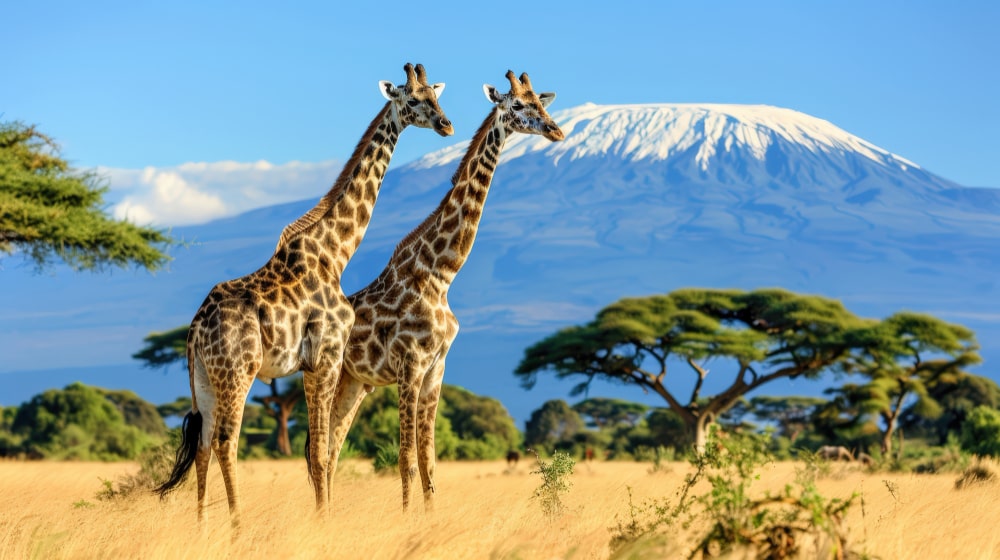
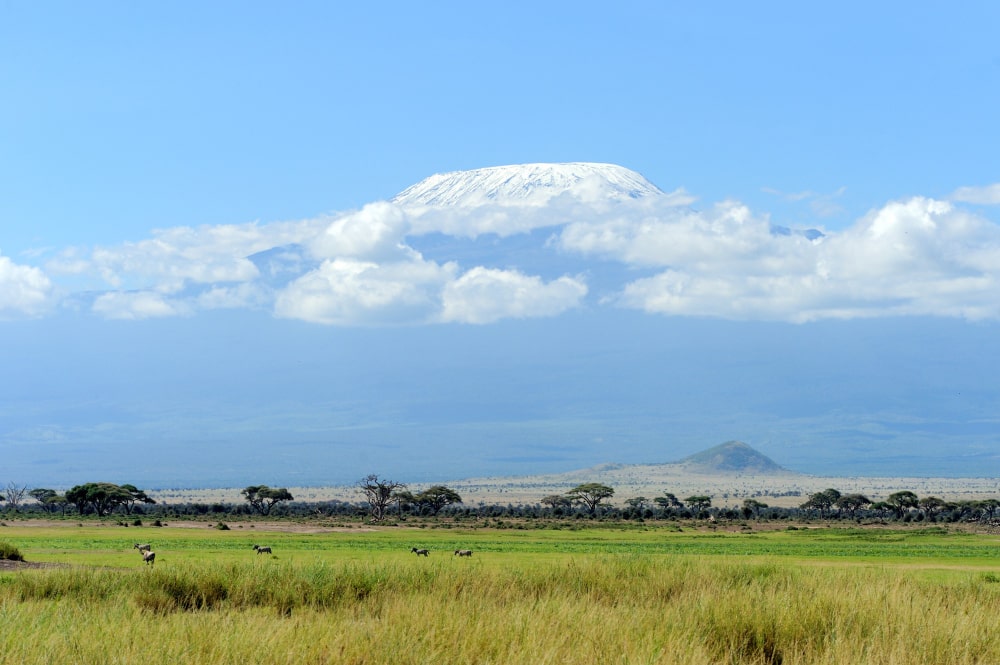
As Africa’s giant of the sky, Mount Kilimanjaro rises beautifully and majestically into the clouds at an altitude of 5,895 m/19,341 feet above sea level. Kilimanjaro is the highest mountain in Africa, making it a sought-after destination for climbers looking for challenging and exciting hiking experiences. However, you may ask: where is Kilimanjaro located? This captivating mountain is situated in northern Tanzania, near the border with Kenya. More precisely, Kilimanjaro is located within Kilimanjaro National Park in Tanzania, but it can also be seen from Amboseli National Park in Kenya.
Origin of Mount Kilimanjaro
You may wonder how Mount Kilimanjaro was formed. Here are some interesting facts that are worth knowing before embarking on a hike up Africa’s highest peak, reaching into the clouds. The mountain is believed to have formed around two million years ago as a result of volcanic activity and tectonic plate movements associated with the formation of the Great Rift Valley in East Africa. Isn’t that amazing? I know, right? The striking beauty of this landscape is highlighted by three volcanic cones: Kibo, Mawenzi, and Shira. However, Shira, which was the first cone to form, has largely eroded. The second cone to form was Mawenzi, followed by Kibo, which is home to Kilimanjaro’s highest summit (5,895 m/19,341 feet above sea level).
Although Kilimanjaro is a great African mountain, relatively few records of its history have survived. However, it is believed that the name “Kilimanjaro” comes from the Swahili word “Kilima,” which means mountain.
How to Get to Kilimanjaro?
To reach Kilimanjaro, you can use several routes. To get to Kilimanjaro, you first need to travel to Tanzania. The best way to reach Kilimanjaro is by flying from Jomo Kenyatta International Airport (JKIA) in Nairobi or Wilson Airport to Kilimanjaro International Airport (KIA) (JRO). Then, from the airport to Moshi or Arusha (1–1.5 hours), you can take a taxi or a shuttle bus that will be pre-booked by the tour operator.
If you are up for an additional adventure, want to save money, or have enough time, you can choose to travel to Kilimanjaro by road. In this case, you will travel by bus or shuttle bus from Nairobi to Moshi or Arusha. Upon arrival in Moshi or Arusha, the tour operator will arrange transportation to the starting points of the Kilimanjaro expedition. However, keep in mind that the roads leading to Kilimanjaro can sometimes be quite bumpy. Depending on where you are travelling from, you can fly directly to Kilimanjaro International Airport – via the Persian Gulf with airlines such as Qatar Airways or Emirates, or via Europe with KLM.
You can also choose to fly to Tanzania’s capital, Dar es Salaam, from where you can take a short domestic flight to Kilimanjaro International Airport. Alternatively, you can fly to JKIA Airport in Kenya, from where you can connect to a flight to Kilimanjaro International Airport (JRO) with airlines such as Kenya Airways or Precision Air. You can also fly to Amboseli and then travel by car or take a transfer across the border to Moshi or Arusha, where the tour operator will arrange transportation to the Kilimanjaro starting points.
However, if you are looking for an affordable flight to Kilimanjaro International Airport (JRO), the best option is to fly to Nairobi – especially if you are a climber from another part of the world – and then connect from Nairobi to Kilimanjaro International Airport (JRO).

Best Attractions in Africa
Guides on How to Experience Africa in an Extraordinary Way!
Kenya Safari Tours from Germany
United Kingdom
Kenya Safari Tours From Mombasa
Kenya Safari Tours from France
Fly-In Kenya Safari Tours
Cheap Kenya Safari Tours From Nairobi
All Inclusive Kenya Safari Tours
Budget Camping Kenya Safari Tours
Mid Range Kenya Safari Tours
Affordable Kenya Safari Tours
Germany
Zanzibar Safari Holidays
Kenya Luxury Safari Packages
Kenya Group Joining Safaris
Kenya Flying Safari Packages
Kenya Budget Safari Tours
Gorilla Trekking Rwanda
Gorilla Trekking in Uganda
Tanzania Safari Tours
Kenya Safari Tours
Mount Kilimanjaro
Thank You
Terms & Conditions
Privacy Policy
CSR
Blog
Tailor Made Tour
Contact Us
About Us
Home
Our Best Kilimanjaro Climbing Expedition
Mount Kilimanjaro is one of the highest mountains in Africa, rising to an altitude of 5,895 metres above sea level. It is the world’s largest free-standing mountain, with 7 peaks. Its snow-capped summit towers over the vast savannah. Although Kilimanjaro is a dormant volcano, it is a great inspiration for many mountaineers from around the world. As a renowned company organising Kilimanjaro trekking expeditions, we professionally manage every aspect of your expedition and never outsource its implementation to third parties or act as a travel intermediary.
In short, there are 7 routes leading to the summit of Kilimanjaro. One of them essentially starts from the northern side, while the others start from the southern side. The key to successfully reaching the summit is to spend more days in the mountains to ensure the best possible acclimatisation.
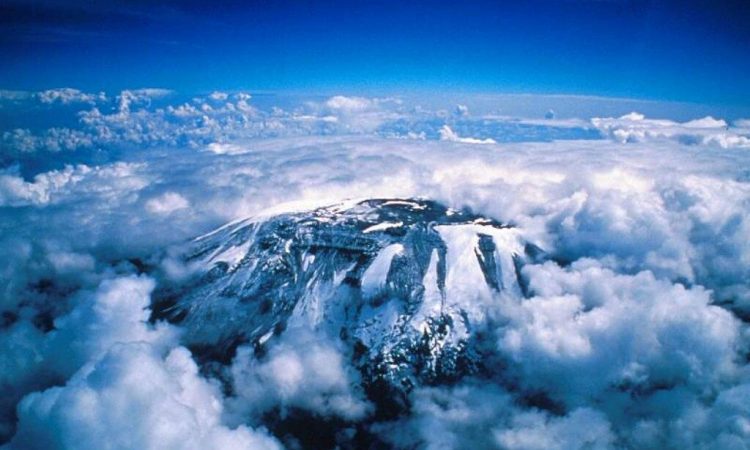
Throughout the year, there are several routes leading to Kilimanjaro. The Machame Route offers the best opportunity to experience the diverse ecosystems through which you travel, and it can be used by both people with no hiking experience and those with previous experience, thanks to its even trails and overnight shelters. The Machame Route also provides good conditions for acclimatization, as the altitudes at which you spend the second, third and fourth nights are almost identical, allowing the body to get used to high altitudes. The Lemosho Route, which joins the Machame Route, is slightly longer and takes tourists through the lower part of the forest, allowing for good acclimatization. The Marangu Route, commonly known as the “Coca-Cola Route,” is the oldest and most popular route on Kilimanjaro, known for its unique shelters (there is no need to camp) and affordable prices. However, the Marangu Route has a low success rate due to the large altitude differences along the trail, and it often takes 5 days to complete. The Rongai Route is the least frequently chosen route and is recommended for experienced hikers. The Marangu Route. Regardless of which route you choose, climbing Kilimanjaro should be undertaken in the presence of a qualified guide and under appropriate adult supervision for safety reasons. In addition, your choice of Kilimanjaro route should depend on your budget and the experiences you expect from this adventure.
Lemosho Route
The Lemosho Route during a Kilimanjaro climb is well known for its panoramic views, as well as excellent acclimatization. Trekking Kilimanjaro via this route usually takes between 6 and 8 days and joins the Machame Route near Lava Tower.
This route is considered by many climbers to be the most beautiful route on Kilimanjaro and is very popular due to the low level of tourist traffic and the high summit success rate. The Lemosho Route begins at Londorossi, on the western side of Kilimanjaro.
During the first two days of hiking along the Lemosho Route, you will travel through the rainforest and later admire the beautiful landscapes of the heath zone, rich in Erica shrubs. It usually takes 8 days to reach the summit, making it one of the longest routes.
From the third day, the route runs parallel to the Machame Route. This route is quite difficult, but at the same time the best in terms of acclimatization, and is always considered difficult compared with the Marangu and Rongai routes.
Machame Route
The Machame Route, also known as the Whiskey Route, is quite popular due to its scenic views. It passes through diverse landscapes, from rainforest to alpine desert. Most climbers choosing this route need at least 6 days to reach the summit of Kilimanjaro. It is the best option for adventure seekers, as well as for people with mountain hiking experience. This route is the most popular among our guests due to its challenging conditions and spectacular views.
Strong winds are common on the Machame Route, and during the climb you will most likely have to expect heavy rainfall. In terms of steepness, this route is steeper than the Marangu and Rongai routes, making it more physically demanding. This route is the best choice in terms of acclimatization. The Machame Route joins the Lemosho Route at New Shira Camp. More than 60% of people climbing Kilimanjaro choose this route. This option is excellent for travellers in good physical condition.
Ile kosztuje wejście na Kilimandżaro?
Throughout the year, there are several routes leading to Kilimanjaro. The Machame Route offers the best opportunity to experience the diverse ecosystems through which you travel, and it can be used by both people with no hiking experience and those with previous experience, thanks to its even trails and overnight shelters. The Machame Route also provides good conditions for acclimatization, as the altitudes at which you spend the second, third and fourth nights are almost identical, allowing the body to get used to high altitudes. The Lemosho Route, which joins the Machame Route, is slightly longer and takes tourists through the lower part of the forest, allowing for good acclimatization. The Marangu Route, commonly known as the “Coca-Cola Route,” is the oldest and most popular route on Kilimanjaro, known for its unique shelters (there is no need to camp) and affordable prices. However, the Marangu Route has a low success rate due to the large altitude differences along the trail, and it often takes 5 days to complete. The Rongai Route is the least frequently chosen route and is recommended for experienced hikers. The Marangu Route. Regardless of which route you choose, climbing Kilimanjaro should be undertaken in the presence of a qualified guide and under appropriate adult supervision for safety reasons. In addition, your choice of Kilimanjaro route should depend on your budget and the experiences you expect from this adventure.
Lemosho Route
The Lemosho Route during a Kilimanjaro climb is well known for its panoramic views, as well as excellent acclimatization. Trekking Kilimanjaro via this route usually takes between 6 and 8 days and joins the Machame Route near Lava Tower.
This route is considered by many climbers to be the most beautiful route on Kilimanjaro and is very popular due to the low level of tourist traffic and the high summit success rate. The Lemosho Route begins at Londorossi, on the western side of Kilimanjaro.
During the first two days of hiking along the Lemosho Route, you will travel through the rainforest and later admire the beautiful landscapes of the heath zone, rich in Erica shrubs. It usually takes 8 days to reach the summit, making it one of the longest routes.
From the third day, the route runs parallel to the Machame Route. This route is quite difficult, but at the same time the best in terms of acclimatization, and is always considered difficult compared with the Marangu and Rongai routes.
Machame Route
The Machame Route, also known as the Whiskey Route, is quite popular due to its scenic views. It passes through diverse landscapes, from rainforest to alpine desert. Most climbers choosing this route need at least 6 days to reach the summit of Kilimanjaro. It is the best option for adventure seekers, as well as for people with mountain hiking experience. This route is the most popular among our guests due to its challenging conditions and spectacular views.
Strong winds are common on the Machame Route, and during the climb you will most likely have to expect heavy rainfall. In terms of steepness, this route is steeper than the Marangu and Rongai routes, making it more physically demanding. This route is the best choice in terms of acclimatization. The Machame Route joins the Lemosho Route at New Shira Camp. More than 60% of people climbing Kilimanjaro choose this route. This option is excellent for travellers in good physical condition.
Kim są przewodnicy i tragarze?
Porters and guides are the people who usually accompany the client during the expedition. They help carry luggage up the mountain. We greatly value every client who books an expedition with us, and we usually go above and beyond to provide them with the best porters and guides.
Hiring porters and guides is crucial for a successful mountain expedition. Choosing the right guides and porters on Kilimanjaro is extremely important, as they ensure safety and share valuable knowledge about the mountain. The responsibility of porters is to carry climbing equipment, allowing the client to focus solely on the climb.
When it comes to the actual costs of paying porters, these vary, but you should expect to pay around $30 per day for each porter and $40 for each guide. Depending on the route you plan to take to reach the summit of Kilimanjaro and the size of the group, the cost of a typical expedition may be around $1,000.
Apart from that, I am often asked how much should really be given as a tip to porters and guides? Well, tipping is usually an integral part of a Kilimanjaro expedition. It is important to tip the guides, porters, and cooks at the end of the expedition. The recommended tipping guidelines are generally between $250 and $300 per climber for a 6-day Kilimanjaro expedition.
Czy wspinaczka na Kilimandżaro jest bezpieczna?
Reaching the summit of Kilimanjaro can be challenging. It can also be dangerous. To ensure your safety, you should meet at least the following conditions:
Make sure you have a well-trained, versatile guide who knows what to do and when to do it in the event of an emergency during the climb.
Ensure that you have well-maintained climbing equipment.
Make sure you have varied and delicious meals.
Ensure that you have safe drinking water.
Jakie sprzęt i wyposażenie są mi potrzebne do wspinaczki na Kilimandżaro?
For a successful climb of Kilimanjaro, the right equipment and gear are essential. Although it is possible to rent climbing equipment, investing in your own gear will greatly contribute to ensuring comfort and reliability. Key pieces of equipment include a sturdy pair of hiking boots, warm sleeping bags suitable for freezing temperatures, as well as layered clothing that can be adjusted to the changing climatic conditions in the mountains.
When it comes to purchasing equipment, its cost usually depends on the quality and brand. The price of a good pair of boots ranges from $100 to $200, while a sleeping bag costs between $150 and $300. Layered clothing may include thermal underwear, waterproof outer layers, and fleece jackets, adding another $200–$400 to the total budget.
In addition to climbing equipment, do not forget to bring essential accessories such as gloves, hats, and headbands, which will increase the budget by an additional $50–$100.
If you want to save money during your Kilimanjaro expedition, renting equipment will be the best solution. There are many climbing equipment rental companies that offer items such as trekking poles and sleeping bags for rent. The cost of renting climbing equipment ranges from $10 to $50 per item for the duration of the expedition. It is important to check every item you intend to rent to make sure that it is of the highest quality.
Overall, the average cost of climbing Kilimanjaro with comfortable accommodation conditions starts at $2,900. For a shorter stay of 5 to 6 days, the cost will be around $2,300–$2,500. This amount includes park fees, which account for up to 35% of the total cost. If you come across companies offering a price below $2,900, be cautious. Low prices are usually associated with below-standard services and poor treatment of porters and guides. An underpaid guide or porter may even pose a safety risk to the tourist.
Co spakować na wyprawę na Kilimandżaro?
A Kilimanjaro climbing expedition involves various weather conditions, so it is always worth knowing what to bring and what to use at different times. Temperatures range from -15 degrees at the summit at night to 20 degrees at the foot of the mountain. Usually, the weather is unpredictable – within a few minutes, sunny weather can change to rain, wind, and then sunshine again. To make climbing Kilimanjaro comfortable, you must have appropriate clothing, footwear, a sleeping bag, and other essential equipment.
For a Kilimanjaro expedition, it is worth packing the following items:
Footwear and Trekking Poles
Footwear and trekking poles are among the most important pieces of equipment needed when climbing Kilimanjaro. It is important to carefully check your climbing boots, making sure that they fit your feet well and that wearing them will be comfortable even for extended periods.
If you do not have them yet, I would advise you to take some time to choose them. Also, do not buy them online. Based on our experience, the ideal choice is waterproof, medium-weight boots with good ankle support. It is worth emphasizing that trainers are not the best choice for mountain climbing unless you only wear them around the tent.
Climbing boots must be durable and have a semi-rigid sole. Do not forget to bring an extra pair of shoelaces. To prevent mud from getting inside, gaiters work best as they protect your boots from stones and prevent irritation. Most importantly, do not save money on socks.
Trekking Poles
Using trekking poles while climbing is optional, but we usually recommend them because they help maintain stability during the climb. This reduces fatigue. You can rent or buy trekking poles, but be sure to practice with them before starting the expedition.
Headlamp and Lighting
We recommend bringing a lightweight headlamp with a strong beam. Lighting is usually the best option while staying in camp, as well as during the summit climb. When packing, remember to bring spare batteries, as the cold quickly drains them.
Some hikers choose to bring a mini Maglite flashlight to illuminate their tents at night.
Other Items Worth Bringing
Toiletries: toothbrush and toothpaste, hairbrush/comb, foot powder, hand cream, deodorant, soap.
“Baby wipes” and antibacterial wipes for hand disinfection
Any medications you regularly take
Antibacterial hand sanitizing gel, e.g. Purell
Nail brush
Nail clippers
Earplugs
SPF 40+ sunscreen
Small, quick-drying microfiber towel
Urine bottle for nighttime bathroom needs
Small flashlight (optional)
Headlamp
Pocket knife (Swiss Army knife or “Leatherman”)
Spare contact lenses/glasses
Toilet paper (1–2 rolls. Remove the cardboard core to make it easier to pack)
Camera/phone/iPod
Co mogę zrobić, żeby zaoszczędzić na wyprawie na Kilimandżaro?
Climbing Kilimanjaro is usually an expensive expedition, but there are many ways to save money without compromising the overall experience. One way to save money is to book your expedition during the shoulder seasons, namely March, June, and September. During this time, the cost of climbing Kilimanjaro is lower. Although the weather during these months is not favourable for climbing, the lower cost of the expedition usually makes up for it.
Another way to save money during a Kilimanjaro expedition is to join a group for the trek. Joining a group often means sharing the costs, resulting in lower costs per person compared with a private expedition. A private expedition means that you bear all the costs associated with climbing Kilimanjaro yourself. There are many companies offering daily expeditions to Kilimanjaro. Such packages provide flexibility for anyone who would like to climb Kilimanjaro.
Finally, you can reduce the cost of climbing Kilimanjaro by renting camping equipment and gear instead of purchasing them. Although having your own equipment allows you to become familiar with it before the expedition, renting it from reputable companies will help you save on the costs associated with purchasing it.
Kiedy najlepiej wybrać się na Kilimandżaro?
Kilimanjaro has rainy and dry seasons because the mountain is located near the equator. It is essential to bring appropriate clothing and equipment depending on the month in which you plan to climb Kilimanjaro.
Dry Season (Recommended)
The dry season on Kilimanjaro usually lasts from June to October and from January to February, making these the most ideal periods for climbing Kilimanjaro. The dry season on Kilimanjaro is characterized by less rainfall and cloud cover and clear skies, resulting in better visibility and less slippery trails, a high success rate, and extraordinary panoramic views.
Rainy Season (Not Recommended)
The rainy season on Kilimanjaro is associated with rainfall and cloud cover at lower elevations, as well as snow and ice at higher elevations. The early rainy season on Kilimanjaro occurs from March to April, while the May rains continue until the end of May. The late rainy season may last from September through October. The rainy seasons on Kilimanjaro are associated with poor visibility, slippery trails, and excessively low temperatures, making them less ideal periods for climbing the mountain. The high altitude, unfavourable weather, and terrain conditions can make climbing Kilimanjaro extremely difficult.
Shoulder Seasons (Caution)
The shoulder seasons are characterized by weather that allows hiking on Kilimanjaro, but caution should be exercised. For example, the period from October to early November can be a good time to climb Kilimanjaro before the short rains arrive. In addition, there will be fewer tourists on the trails, providing you with a unique Kilimanjaro expedition experience. Kilimanjaro can also be climbed in December, at the beginning of the short dry season. However, keep in mind that rainfall can still occur in December, and the weather can be cool, requiring caution when hiking Kilimanjaro during this month.
How to Book a Safari with a Mount Kenya Climb in 2026
Provide us with your preferred travel date.
Provide the number of people travelling with you, i.e. the number of children and adults.
Let us know whether you have already booked accommodation and provide the name of the lodge where you will be staying.
Provide any other details that may make this expedition special for you.
Send an inquiry to info@ravinatoursandtravels.com or via WhatsApp at +254722103340
Kilimanjaro Climbing Tours
If you are planning to climb Mount Kilimanjaro and want to choose a route that provides the most gradual acclimatization and the highest success rate, the Lemosho Route will be an excellent choice for you. This route is one of the options available as part of Kilimanjaro climbing tours and takes climbers or trekkers through diverse climatic zones – from vibrant rainforests to open, expansive moorlands and high alpine deserts.
Along the way, you will admire unique flora and spectacular views, making Kilimanjaro expeditions an unforgettable experience. You may ask: what other advantages does the Lemosho Route have? Well, most climbers choose this route during their Kilimanjaro trek because it allows both beginners and experienced hikers to move at a steady pace all the way to Uhuru Peak. The descent along this route leads back to the foothills of Mount Kilimanjaro, allowing you to enjoy scenic views of the lush rainforest, which beautifully contrasts with the rugged landscapes of the higher parts of the mountain. Prices for the 8-day Lemosho Route package start from USD 6,900.
The Lemosho Route, covering 46 kilometres (28.5 miles) of terrain, is a favourite route among leading Kilimanjaro guiding companies and tour operators. Whether you are interested in a classic trek or want to join an organised Kilimanjaro trekking expedition, the Lemosho Route is an excellent choice, providing an unforgettable and rewarding experience during your Kilimanjaro trek.
Here is a detailed itinerary outlining each day of the 8-day “Lemosho Kenia Wakacje” package, which will provide you with an unforgettable adventure during your Kilimanjaro trek.
Day I: Arrival – Transfer to Moshi
You will arrive at Kilimanjaro Airport, where you will be warmly welcomed by a driver from Kenia Wakacje. After the welcome, the driver will escort you to the vehicle, load your luggage and drive you to your hotel in Moshi or Arusha. After arriving and checking into the hotel, the driver will brief you about the Kilimanjaro expedition planned for the following day and check your equipment to make sure everything is ready for the climb. The rest of the day can be spent relaxing at the hotel or exploring the cafés, streets and local markets in Moshi or Arusha. You will have dinner at the hotel of your choice and spend the night there.
Day 2: Londorossi Gate (2,100 m above sea level) and to Forest Camp
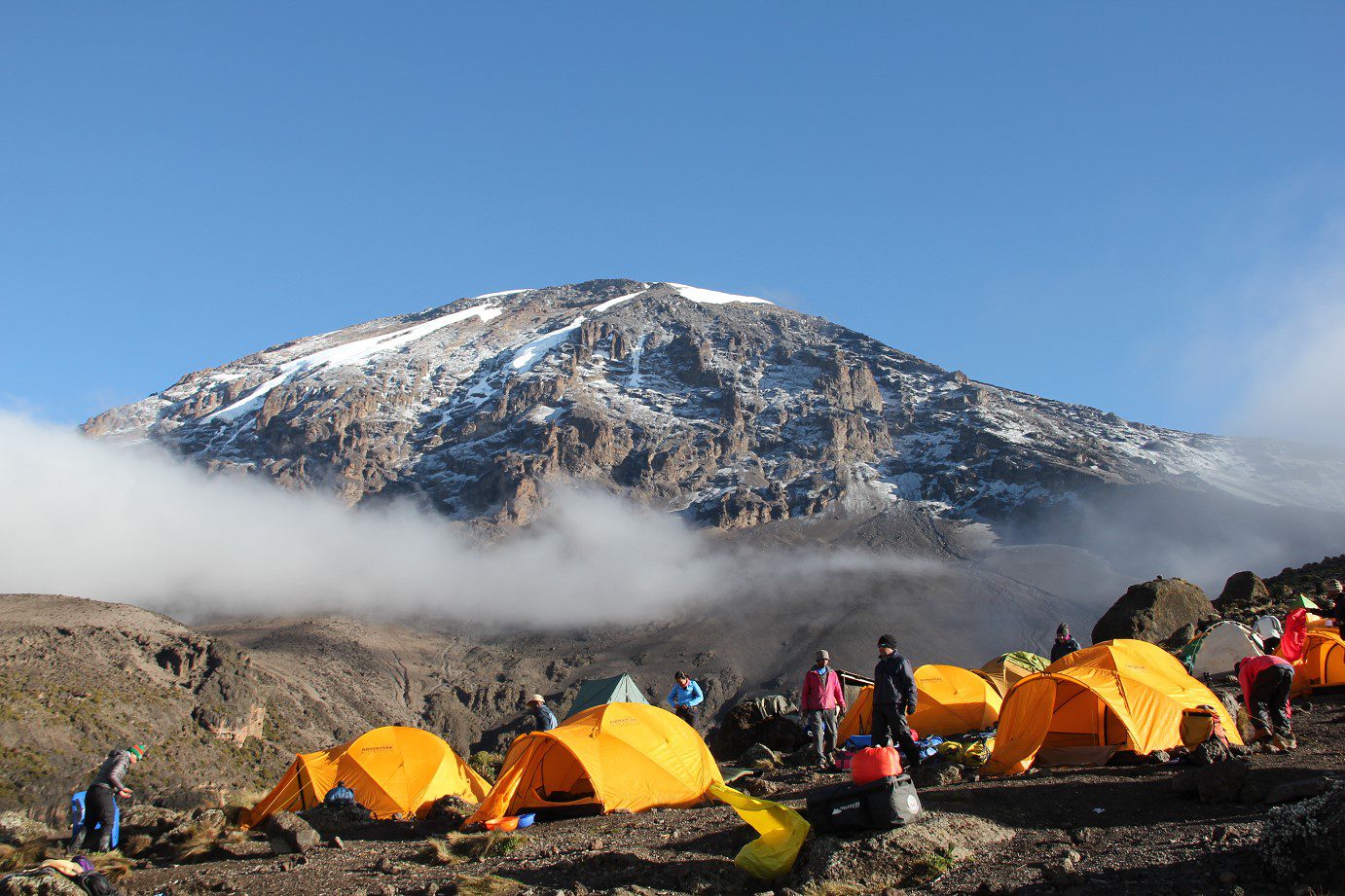
After a hearty and early breakfast at your hotel in Moshi or Arusha, your driver will pick you up from the hotel and drive you to Londorossi Gate, which will take approximately 4 hours. At the gate, porters will organise and pack your belongings while you register with Tanzania National Park (TANAPA) in the waiting area and receive your climbing permit. Starting the hike at Londorossi Gate will provide you with a peaceful and scenic beginning. You will then drive to the starting point of the Lemosho trail, which will take about an hour. Once you arrive, you will have lunch and then begin hiking through the rainforest. Keep in mind that the weather on Kilimanjaro changes drastically depending on the particular zone. Therefore, on this section of the hike, you can expect rain, mud and mist hanging between the trees. In addition, you will have the opportunity to see amazing wildlife, such as colobus monkeys. Imagine that! These spectacular primates are known for their black-and-white fur, long flowing tails and glove-like hands, which help them move effortlessly through the tree canopies, making them a real attraction. You will reach Forest Camp in the late afternoon or early evening. Most amazingly, the Kilimanjaro porters and cooks will boil drinking water and prepare snacks for you to enjoy after arriving at Forest Camp. Later, you will freshen up and relax at Forest Camp in a standard, four-season, lightweight alpine dome tent, waiting for the next day’s adventure.
An important piece of information to remember before setting out on the trek from Londorossi Gate to Forest Camp is that the hike will take place at an altitude ranging from 2,100 m (6,890 feet) to 2,780 m (9,120 feet). The distance between Londorossi Gate and Forest Camp is approximately 6 km, and it will take between 3 and 4 hours to complete. It is also worth knowing that on this section you will be offered only lunch or dinner in the form of a picnic.
Day 3: Forest Camp to Shira 1 Camp
On this day, you will continue hiking along the trail from Forest Camp, which offers breathtaking views of tall moorland grasses, heathers and volcanic rocks covered with “beards” of lichen. The section between Forest Camp and Shira 1 Camp will allow you to experience one of the most spectacular landscape transformations on Kilimanjaro, occurring between the tropical rainforest below and the high-altitude alpine desert above. The distance between Forest Camp and Shira 1 Camp is approximately 8 km, and it will take you around 5–6 hours of leisurely hiking to complete. The altitude along this section of the route ranges from 2,780 m (9,120 feet) to 3,505 m (11,500 feet). During the climb, you will cross lush, rolling hills, cross several streams and continue hiking towards the Shira Ridge, after which you will gently descend to Shira 1 Camp. Once you reach Shira I Camp, weather permitting, you will have a spectacular view of Kibo, Mount Meru (the second-highest peak in Tanzania), the African savannahs and the inspiring vegetation of Kilimanjaro. Before your arrival, the professional mountain crew will set up the tents, boil drinking water and begin preparing dinner to make your stay at the camp comfortable and unforgettable.
The altitude difference at Shira 1 Camp is relatively small and does not pose a major physical challenge, allowing for gradual acclimatization. However, there are a few things to keep in mind. For example, you should avoid consuming dehydrating substances such as caffeine and alcohol and focus on drinking water frequently (approximately 4 litres of bottled water). In addition, you should take a Diamox tablet to alleviate symptoms of altitude sickness, but only if recommended by a doctor or guide. Mild discomforts, such as slight nausea and headaches at night, may also occur as your body adjusts to high altitudes. During the climb of Kilimanjaro, you should pay close attention to how you feel so that you can immediately inform your guide when symptoms of altitude sickness appear.
Day 4: Shira 1 Camp – Shira 2 Camp – Moir Hut
On the fourth day, you will continue exploring the Shira Plateau. You will hike east towards the majestic, glacier-covered Kibo summit and cross the open plateau to reach Shira 2 Camp, located on the moorlands near a small stream. You will then proceed to Moir Hut, located at the foot of the Lent Hills. Various walking routes can be taken in these hills, providing an excellent opportunity for acclimatization. Shira, being the third peak of Kilimanjaro and the ultimate destination of your expedition, is among the highest plateaus in the world and offers a magnificent view of the western side of Kibo Peak. The distance from Shira I Camp through Shira 2 Camp to Moir Hut is approximately 14 km, at an altitude ranging from 3,505 m (11,500 feet) to 3,845 m (12,615 feet), which you will complete within 5–7 hours. Breakfast, lunch and dinner will be provided on this section of the hike.
Day 5: Moir Hut – Lava Tower – Barranco Camp
On the fifth day, you will gradually climb towards the Kibo cone, crossing the rugged alpine desert to reach the first high-altitude point, Lava Tower (4,630 m or 15,190 feet). This section provides an excellent opportunity to see how your body copes with high altitudes. From Lava Tower, you will begin a steep descent into Barranco Valley, allowing you to admire impressive, flowering giant mountain cacti (Kilimanjaro Senecios), which are found exclusively on Kilimanjaro. The day will end with an overnight stay at Barranco Camp (3,960 m or 12,990 feet). Breakfast, lunch or dinner will be provided on this section of the hike.
Day 6: Barranco Camp – Karanga Camp
On this day, you will leave Barranco Camp and descend down the Barranco Wall. Even without previous experience or specialised climbing equipment, climbing the Barranco Wall will provide you with an extraordinary mountaineering experience. The descent will reward you with stunning views from the top of the camp and the Heim Glacier at the summit. You will then cross the alpine desert and circle around the mountain until you reach Karanga Valley. You will descend into Karanga Valley until you reach Karanga Camp. Karanga Valley is the last water supply point. This section begins at an altitude of 3,960 m (12,990 feet) and ends at an altitude of 4,040 m (13,255 feet). It can take approximately 3 to 5 hours to complete the route from Barranco Camp to Karanga Camp.
Day 7: Barafu Camp – Stella Point – Uhuru Peak – Mweka Camp
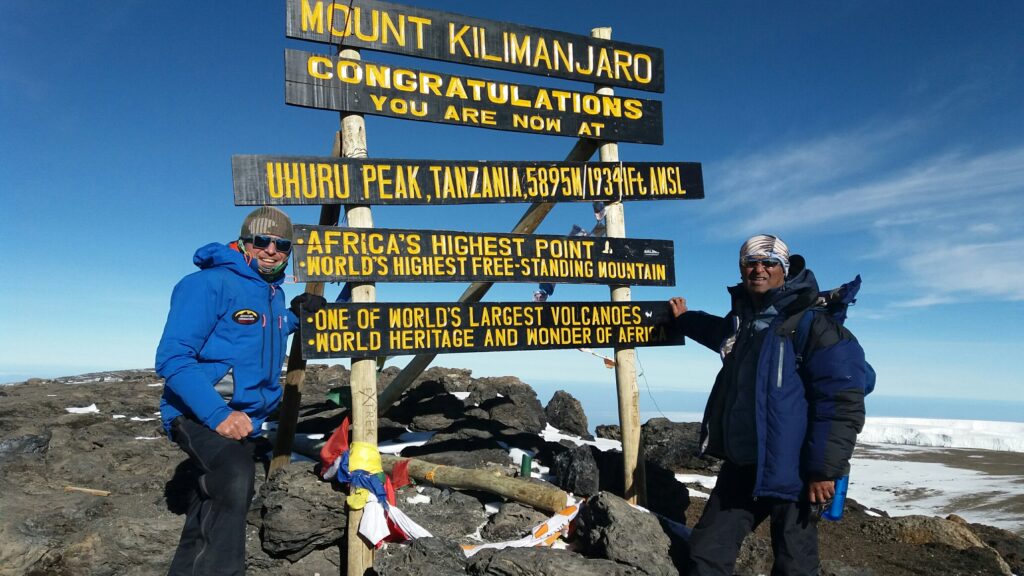
Day 7 will begin very early, at around 00:00, when you will start the final climb to Uhuru Peak. On this section, you will pass through the Arctic zone, navigating loose volcanic scree in the darkness and cold of the early morning. The trail to Stella Point (5,685 m or 18,650 feet), which is the first stop from the edge of the Kibo crater, follows a zigzag route, which will cause you to move more slowly. From here, you will face a short but demanding hike to Uhuru Peak (5,895 m or 19,341 feet), the highest point in Africa. The distance to Uhuru Peak is approximately 19 km, and it will take you around 14–18 hours to complete. However, after reaching Uhuru Peak, you will not stay there for long because of the extreme altitude. Therefore, you will descend back to the base camp, where breakfast/brunch will be served. After breakfast/brunch, you will pack your equipment and begin descending through the alpine desert, moorlands and peat bogs. Eventually, you will stop at Mweka Camp (3,800 m or 10,105 feet) for a well-deserved rest and overnight stay.
Day 8: Mweka Camp – Mweka Gate
On the final day of the descent from Kilimanjaro, you will pass through the southern rainforest until you reach Mweka Gate (1,630 m or 5,350 feet), where a transfer vehicle will take you to Moshi or Arusha. At Mweka Gate, you will say goodbye to the crew.
If you decide to take the 7-day Machame Route, you will have the opportunity to experience five different ecosystems. You may be wondering what makes the Machame Route unique? This route has a 95-percent success rate, even among beginners or people with previous mountain hiking experience. Do I need to add that the 7-day Machame Route will provide you with an unparalleled experience climbing Kilimanjaro with Alpine Ascents? The price of the 7-day Machame package starts from USD 5,900. Below is an itinerary outlining what you can expect on the 7-day Machame Route.
Day 1: Arrival in Moshi
On the first day, you will arrive at Kilimanjaro International Airport, where you will be welcomed by a representative of African Holiday Safaris and transferred to your hotel for an overnight stay.
Day 2: From Moshi to Machame Gate, then to Machame Camp
On the second day of the expedition, you will wake up at 6:00 a.m. and have breakfast between 6:30 and 7:30 a.m. After breakfast, you will check out of the hotel, prepare your belongings and board the bus that will take you to Machame Gate, where your expedition will begin. The journey from Moshi or Arusha will take approximately 50 minutes. At Machame Gate, you will meet the guides and porters, who will prepare and pack the equipment and supplies necessary for a successful Kilimanjaro expedition. You will also receive a packed lunch so that you have something to eat later during the hike. However, bottled drinking water can be purchased at the hotel before boarding the bus or at a supermarket on the way to Machame Gate.
At Machame Gate, you will register at the TANAPA registration point. Once registration is complete, you will begin your climb of Kilimanjaro. The first section of the route passes through rainforest, where you should expect heavy rainfall and a wet, slippery trail. For this reason, it is necessary to wear footwear with good grip and bring trekking poles and gaiters. Halfway along the route, you will have a pleasant lunch break. You will reach Machame Camp in the late afternoon. The porters who arrive at Machame Camp ahead of you will set up your tents before your arrival. In the evening, the porters will boil drinking and washing water while the cook prepares dinner. You will have dinner and spend the night at the camp. Keep in mind that temperatures at Machame Camp can drop below freezing. In addition, you will be at high altitude on this day, which requires you to refrain from consuming dehydrating substances such as alcohol or caffeine and to drink more than 4 litres of water per day, in small amounts and frequently.
Day 3: Machame – Moorlands
On the third day of the trek, you will wake up early, at around 6:30 a.m., and have breakfast. Then, at around 7:30 a.m., you will begin hiking – for one hour you will climb towards the forest boundary, and then for 2–3 hours you will cross the scenic and gentle moorlands. After a short break and lunch on the moorland, you will continue hiking upwards along a rocky ridge and then reach the Shira Plateau. While on the Shira Plateau, you will be able to admire the breathtaking Great Western Breach of Kilimanjaro with its magnificent glaciers. Sometimes the walls of the Western Breach are covered with extensive curtains of ice, creating a picture-perfect view. You are now on the western side of Kibo, on the opposite side of the mountain from the Marangu Route. You will walk a short distance west and then reach the Shira campsite. Upon arrival, you will find boiled drinking and washing water prepared by the porters. In the evening, dinner will be served, and you will spend the night at the camp. At night, it will be colder at this camp, with temperatures dropping below freezing.
Day 4: Shira Camp – Barranco Camp
On the fourth day, you will wake up at 6:30 a.m., prepare your hiking equipment, and have breakfast at 7:00 a.m. You will hike eastwards along an increasingly steep path leading to the moorland meadows. For several hours, you will follow a rocky trail to reach Lava Tower (4,630 m or 15,190 feet), which is a rugged remnant of Kilimanjaro’s former volcanic activity. The hiking trail passes just below Lava Tower. You will stop for lunch near Lava Tower. After the meal, you will descend to the lower section of the Western Breach cliff and Breach Wall, to Barranco Camp at an altitude of 3,950 m or 12,960 feet. At Barranco Camp, you will be able to admire an unforgettable sunset and enjoy an excellent opportunity to take photographs. You will have dinner and spend the night at Barranco Camp. However, it is important to check on this day whether you are experiencing any symptoms of altitude sickness.
Day 5: Barranco Camp to Barrafu Camp
After spending the night at the foot of the impressive Great Barranco Wall, you will take part in a climb of this magnificent natural attraction. You will climb to the top just below Heim Glacier, from where breathtaking views of Kilimanjaro stretch out before you. You will then descend along the trail to Karanga Valley, which extends beyond ridges and valleys, connecting with the Mweka Route. Karanga Valley is the last water supply point on this section. You will descend from the mountain via the Mweka Route. In this way, you will complete the Southern Circuit, which will provide you with stunning views of the summit of Kilimanjaro from different perspectives. However, to enjoy a unique view of the summit of Kilimanjaro, it is worth climbing along the ridge for another hour to Barafu Hut. It is essential to remember that there is no water at Barafu Camp, which means that you need to bring your own bottled drinking water. The famous snow on the summit of Kilimanjaro is located above Barafu Camp.
The tent will be set up on a rocky, narrow and wind-swept ridge, so it is necessary to familiarise yourself with the terrain during daylight to avoid accidents at night. You should also prepare your hiking equipment and clothing for the climb to the summit of Kilimanjaro. It is also worth considering carrying water in a thermos to prevent it from freezing. You should try to go to sleep by 7:00 p.m. so that you can get a few hours of sleep before continuing the hike at around 10:30 p.m. However, before setting off, you will receive hot tea and biscuits so that you are sufficiently warmed up and have enough energy for the adventurous and demanding section of the route ahead. You will begin the climb to the summit at around 11:00 p.m. from Barranco Camp.
Day 6: Barafu Camp – Mweka Camp
This is summit day! You will climb northwest through dense rock scree located between the Rebmann and Ratzel Glaciers to Stella Point (5,685 m or 18,650 feet) on the crater rim. This section is the most difficult part of the expedition for most climbers. You will reach Stella Point at around 5:30 a.m. and stop for a short rest and to admire the breathtaking sunrise. From Stella Point, you will proceed onto the Marangu Route. However, do not stay there too long, as continuing the hike may be difficult due to the cold and fatigue. Depending on the season and recent storms, snow may appear along the remaining section of the route along the Uhuru Peak rim. Upon reaching the summit, you will be filled with pride and joy at having overcome this challenging route. I assure you that reaching the summit of Kilimanjaro will be an unparalleled and unforgettable experience for you. You will then begin a three-hour descent to Barafu Camp, where you will have a well-deserved, although short, rest. You will then collect your equipment and descend along a rocky and scree-covered trail that will lead you to the moorlands and eventually to the rainforest at Mweka Camp (3,100 m or 10,170 feet). Mweka Camp is located in the upper part of the forest, so during your stay here you can expect mist or rain. At the camp, you will receive boiled drinking water and dinner. You can also purchase water, soft drinks and chocolate at the camp office. You will spend the night at Mweka Camp.
Day 7: Mweka Camp – Moshi
This is the final day of your Kilimanjaro trek. At Mweka Camp, you will have a well-deserved and delicious breakfast, and then set off on a 3-hour hike down to the park gate. Do not tip the porters until you and all your equipment have safely reached the gate. At the gate, you will enter your name and sign the register. If you managed to reach the summit, you will receive a summit certificate at the gate. However, you may choose to collect your certificate at the hotel where you will stay in Moshi or Arusha, where you can celebrate and take photographs with the porters and guides. If you reach Stella Point, you will receive a green certificate. If you reach Uhuru Peak, you will receive a gold and green certificate. From Mweka Gate, you will descend to Mweka village, covering a muddy 3 km route that can take approximately one hour. At Mweka Gate, you will be served a delicious and hot lunch, after which you will be transferred to Moshi or Arusha for an overnight stay and rest at the hotel before departing the following day for Kilimanjaro International Airport, from where you will travel home or to other parts of Tanzania, or even to Kenya to experience further adventures.
I know you are wondering whether it is even possible to climb Kilimanjaro in just one day. Definitely yes. You may not reach Uhuru Peak, but you will have the opportunity to experience the unique terrain of Kilimanjaro, its vegetation and climatic zones up to Mandara Hut. After reaching Mandara Hut, you will return to the park gate and finish the tour. So, if you are planning a one-day hike on Kilimanjaro, here is your itinerary.
In the morning (between 7:00 and 8:00), you will be picked up from your hotel in Arusha or Moshi and transferred to the Kilimanjaro National Park gate, namely Marangu Gate (1,860 m). The drive from Arusha or Moshi to the park gate will take approximately 2 hours. After completing all the necessary registration formalities at the park gate, you will begin your hike through the dense rainforest. In this breathtaking rainforest, you will have the opportunity to see stunning black-and-white colobus monkeys, blue monkeys and a variety of bird species. An experienced guide from Africa Holiday Safaris will give you a brief introduction to Kilimanjaro and the diverse flora and fauna you will encounter during the hike.
After approximately 3–4 hours of hiking, at around 1:00 p.m., you will reach Mandara Hut (2,700 m), where you will be able to rest and have lunch. After lunch, you will take an approximately 15-minute hike to Maundi Crater, from where spectacular views of Mount Kilimanjaro, northern Tanzania and Kenya will unfold before you. After admiring the scenic views at Maundi Crater, you will begin the descent, which will take 2–3 hours, to reach the vehicle waiting for you at the park gate. The vehicle will take you back to your hotel in Moshi or Arusha, where you will be able to admire the breathtaking sunset and reflect on this life-changing and unforgettable adventure of climbing Kilimanjaro. The price of the one-day Kilimanjaro tour package starts from USD 309, depending on the starting point.
Kilimanjaro Climbing Packages
6-Day Tanzania Safari & Kilimanjaro Trek Experience
7-Day Tanzania Safari & Kilimanjaro Experience

5-Day Mount Kilimanjaro Marangu Route Climb

8-Day Mount Kilimanjaro Machame Route Climb
7-Day Mount Kilimanjaro Machame Route Climb
7-Day Mount Kilimanjaro Rongai Route Climb
3-Day Mount Kilimanjaro Marangu Route Trek
6-Day Mount Kilimanjaro Lemosho Route Climb
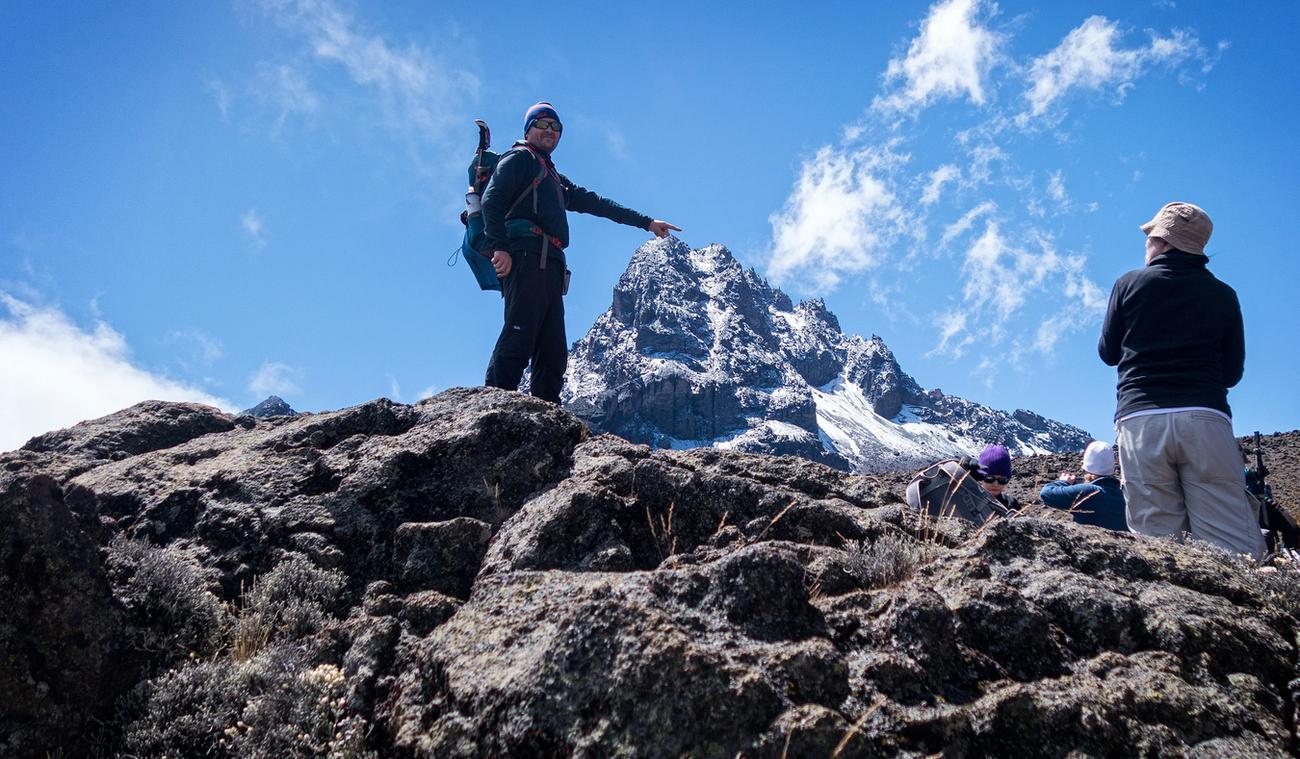
7-Day Wakanda Classic Safari with Kilimanjaro Hike
8-Day Kilimanjaro Trek – Lemosho Route
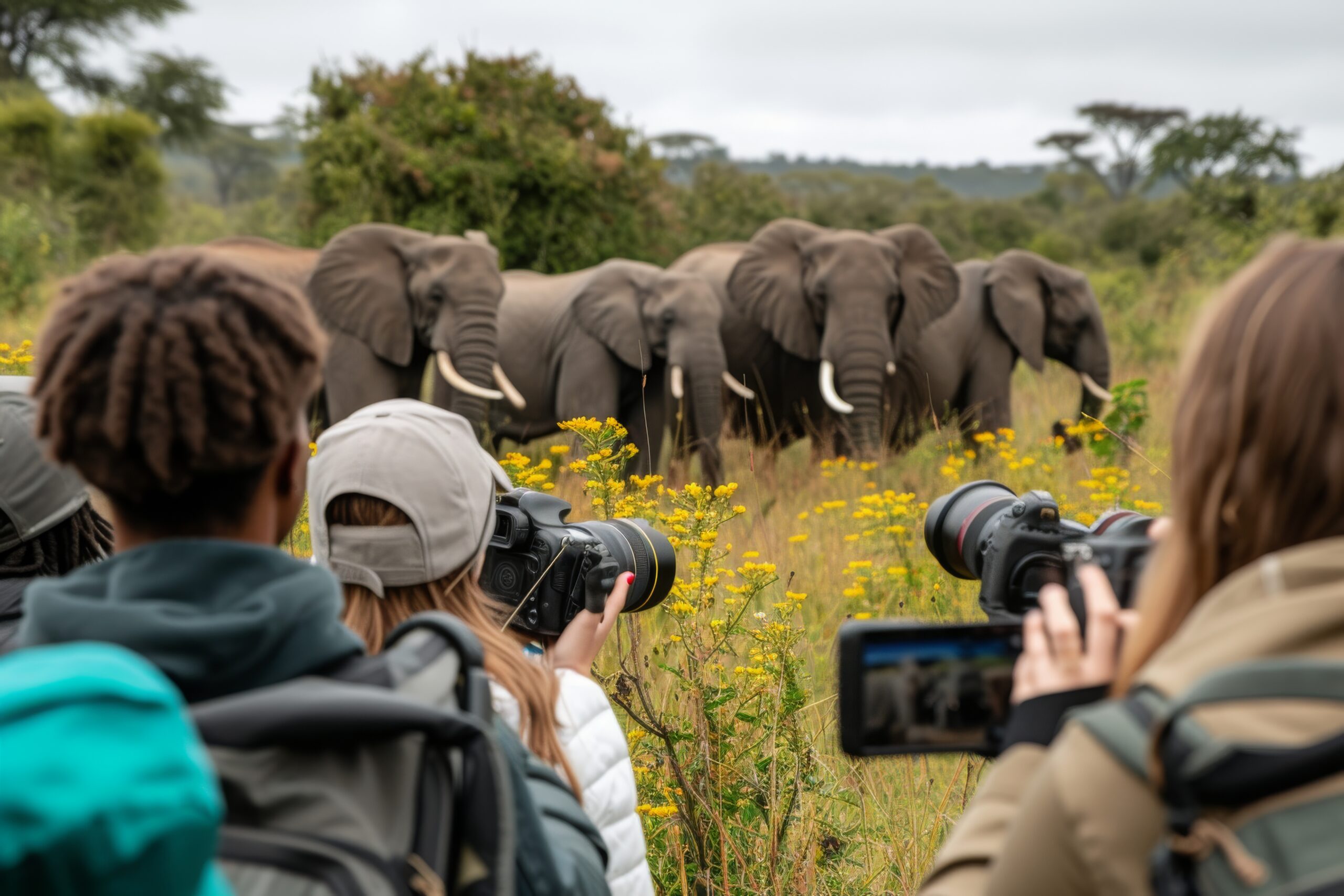
5-Day Kilimanjaro Trek – Marangu Route Experience
7-Day Machame Route – Kilimanjaro Climb
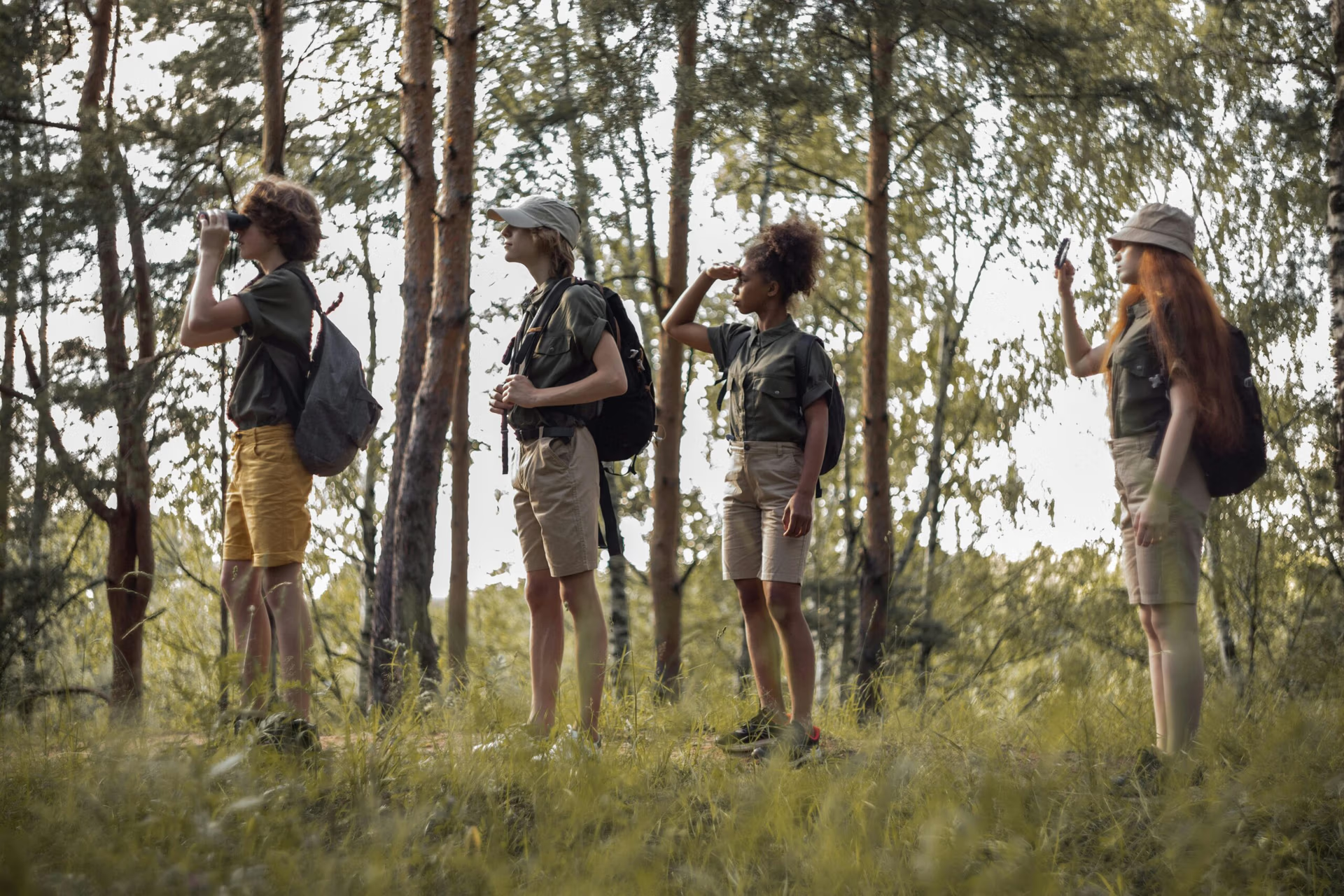
8-Day Mt Kilimanjaro Lemosho Route Trek
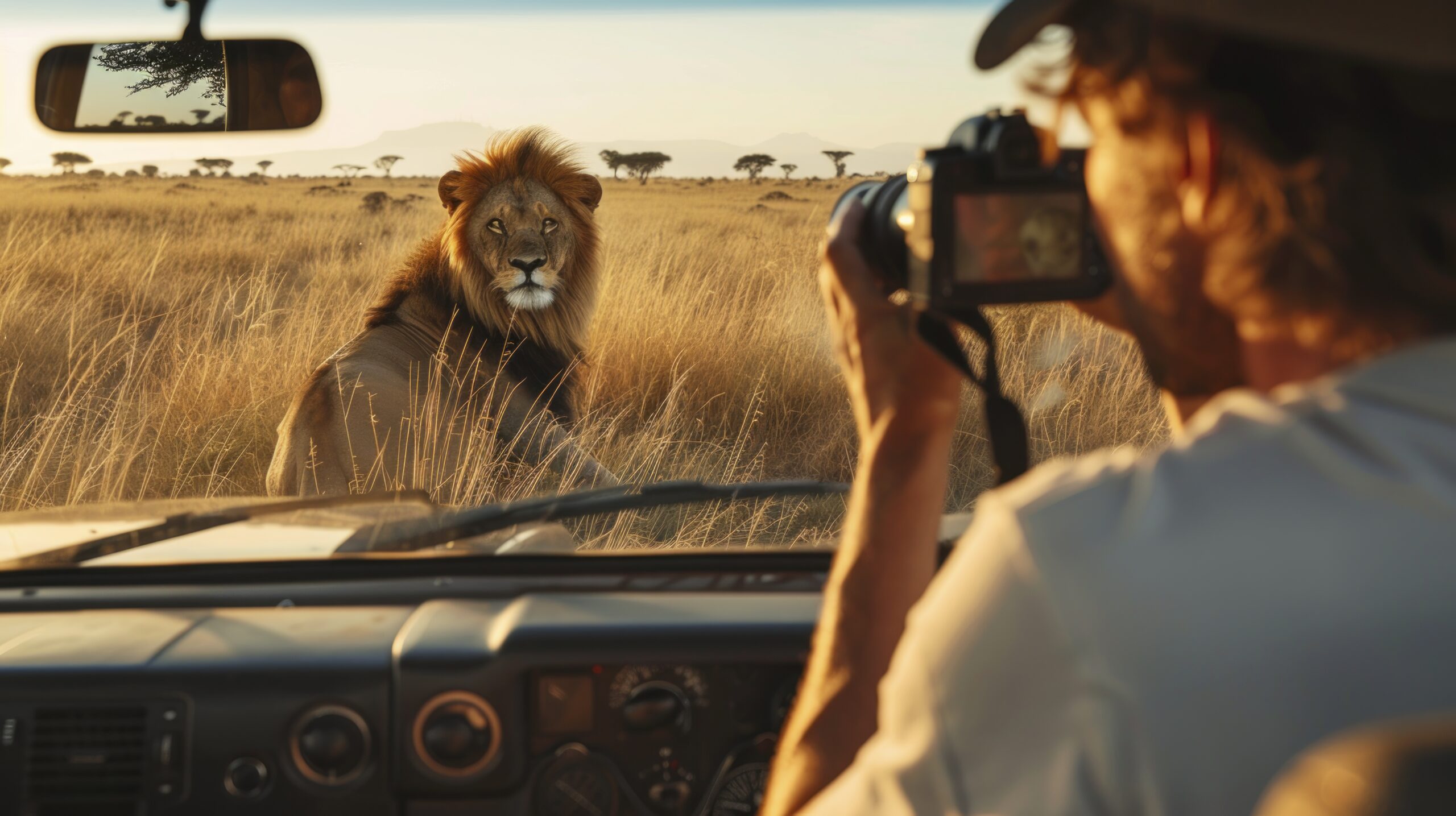
7-Day Kilimanjaro Climb – Lemosho Route

6-Day Marangu Route Adventure Climb
Our exclusive offers and attractions related to Kilimanjaro.