Burigi-Chato National Park is one of Tanzania’s newest and largest national parks, established in 2019 to expand the country’s protected areas. Covering over 4,700 square kilometers, it stretches across Kagera, Geita, and Chato regions in northwestern Tanzania, near the borders with Rwanda and Uganda. Despite being relatively unknown compared to Serengeti or Ngorongoro, Burigi-Chato National Park offers a spectacular mix of savannahs, forests, lakes, rivers, and wetlands, making it one of the most biodiverse and scenic parks in East Africa. For travelers seeking an off-the-beaten-path safari, Burigi-Chato provides an authentic wilderness experience.
Geography and Landscape
The landscapes of Burigi-Chato National Park are among the most varied in Tanzania. The park includes vast open savannahs, wooded hills, riverine valleys, and extensive wetlands. One of its most prominent features is Lake Burigi, the third-largest lake in Tanzania, which lies within the park’s boundaries. The lake, surrounded by papyrus swamps and rolling hills, creates a haven for waterbirds and aquatic wildlife. Other water bodies, such as Lake Ngoma and the Kagera River, enrich the park’s ecosystem and serve as important water sources for animals.
The park’s terrain ranges from flat plains dotted with acacia trees to lush miombo woodlands and rocky outcrops that provide panoramic views. This diversity of habitats makes Burigi-Chato National Park not only visually stunning but also ecologically significant.
Wildlife in Burigi-Chato National Park
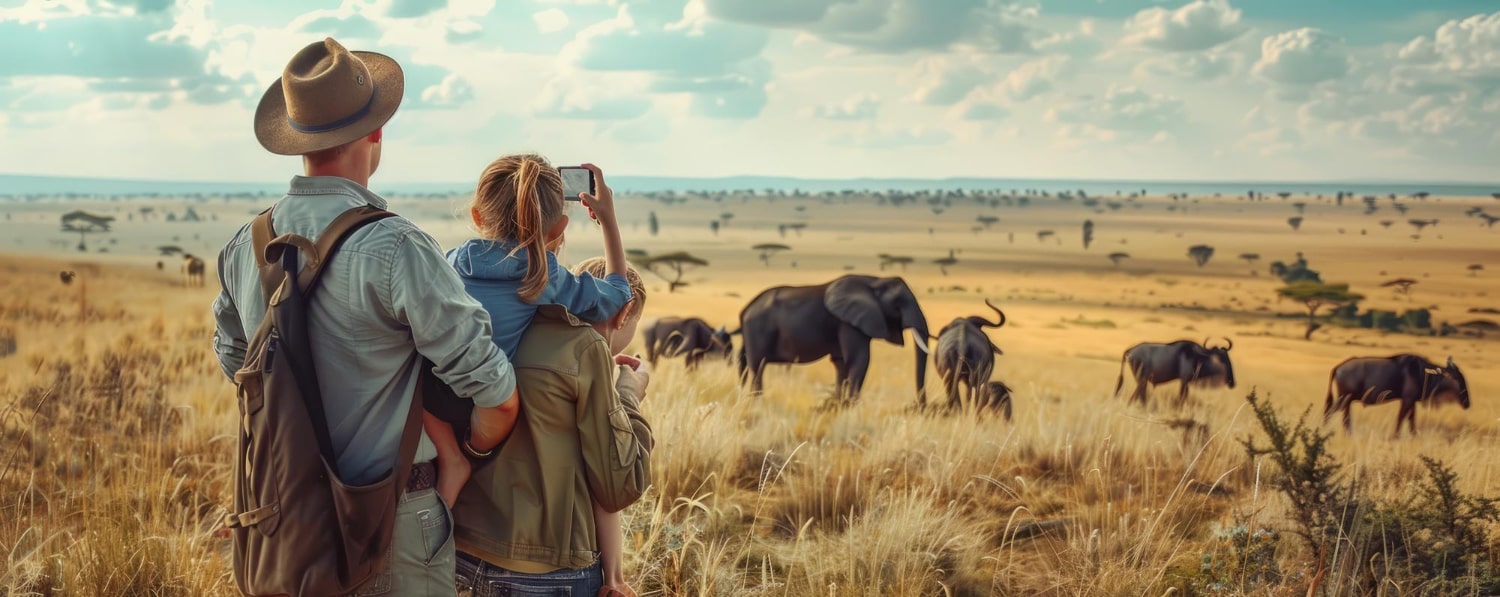
The Park is home to a wide variety of wildlife. Large herds of elephants, buffaloes, zebras, and antelopes roam the savannahs, while giraffes and topis graze in the open grasslands. Predators such as lions, leopards, and hyenas can also be found in the park, though they are more elusive due to the park’s vast size and relatively low visitation.
The wetlands and lakes attract hippos and crocodiles, creating excellent opportunities for wildlife viewing along the shores. Birdlife is extraordinary, with over 300 species recorded, including crowned cranes, shoebill storks, herons, and fish eagles. For birdwatchers, Burigi-Chato National Park is a paradise, especially around Lake Burigi and the papyrus swamps.
Activities and Experiences
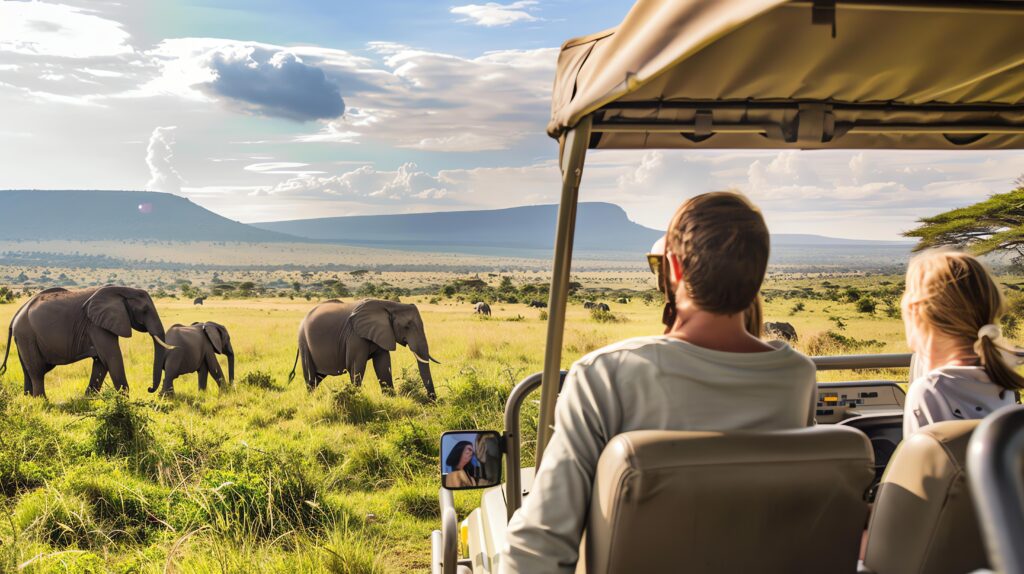
Visitors to Burigi-Chato can enjoy a range of safari activities. Game drives are the most popular, taking travelers through savannahs and forests to spot elephants, giraffes, zebras, and more. Boat safaris on Lake Burigi provide a unique way to experience the park, offering close encounters with hippos, crocodiles, and waterbirds.
Walking safaris are another highlight, allowing guests to explore the park on foot with experienced guides and learn about the smaller details of its ecosystem. Birdwatching tours are especially rewarding, as the wetlands and lakes attract rare and migratory species. For photographers, the combination of wildlife, water, and dramatic landscapes makes Burigi-Chato National Park an exceptional destination.
Conservation and Community Significance
The creation of Burigi-Chato National Park was an important step for conservation in Tanzania. Previously designated as game reserves, the area was upgraded to national park status in 2019 to better protect its wildlife and ecosystems. The park serves as a critical corridor for animals moving between Rwanda, Uganda, and Tanzania, supporting cross-border conservation efforts.
Local communities play a vital role in conservation, with eco-tourism projects aimed at providing income while protecting the environment. By visiting Burigi-Chato National Park, travelers contribute to the preservation of this unique ecosystem and support local livelihoods.
Accessibility and Accommodation
The Park is located in northwestern Tanzania, making it less accessible than other parks in the northern circuit. The park can be reached by road from cities such as Geita, Chato, or Bukoba, though journeys may be long and require 4×4 vehicles. Charter flights to nearby airstrips provide a faster option for travelers with limited time.
Accommodation inside the park is limited, with camping facilities available for adventurous visitors. However, nearby towns such as Chato and Geita offer hotels and lodges for those seeking more comfort. Plans are underway to expand eco-lodges and safari camps within the park to enhance the tourism experience.
Best Time to Visit Burigi-Chato National Park
The best time to visit The National Park is during the dry seasons from June to October and December to February. During these months, wildlife congregates near water sources, making game viewing more rewarding. The wet seasons, from March to May and November, bring lush green landscapes and excellent birdwatching opportunities, though some roads may become difficult to navigate.
Why Visit Burigi-Chato National Park
Burigi-Chato National Park offers an authentic safari experience away from the crowds of Serengeti or Ngorongoro. Its blend of savannahs, lakes, and wetlands makes it a haven for both wildlife and birdlife, while its remoteness ensures a sense of solitude and adventure. For travelers looking to explore new destinations and discover Tanzania’s hidden gems, Burigi-Chato provides a truly wild and rewarding experience.
Conclusion
Burigi-Chato is a rising star in Tanzania’s safari circuit, offering untouched landscapes, diverse wildlife, and unique activities such as boat safaris on Lake Burigi. Its recent upgrade to national park status highlights its importance for conservation and tourism. For those seeking an off-the-beaten-path adventure filled with natural beauty and cultural authenticity, Burigi-Chato National Park is a destination that promises unforgettable memories.