Meru National Park is one of Kenya’s most authentic safari destinations, offering raw wilderness, diverse wildlife, and a fascinating conservation history. Located in eastern Kenya, about 350 kilometers from Nairobi, the park covers 870 square kilometers of savannah, forests, swamps, and rivers. It is famously known as the home of Elsa the lioness, made popular by the book and film Born Free, which immortalized the story of conservationists George and Joy Adamson. Today, Meru National Park remains a true hidden gem, offering visitors a less crowded but equally rewarding safari experience.
Geography and Landscape
The landscapes of Meru National Park are among the most diverse of any park in Kenya. The park lies at the foothills of Mount Kenya, where rolling grasslands, thick bush, and riverine forests meet. Thirteen permanent rivers and numerous streams cross the park, fed by the rains that fall on Mount Kenya, making Meru one of the most water-rich parks in Kenya. The abundance of water creates fertile habitats that sustain both wildlife and vegetation throughout the year.
Swamps and marshlands provide sanctuary for hippos and crocodiles, while the savannah plains are dotted with termite mounds and acacia trees, creating the classic African safari setting. The dramatic contrasts of lush vegetation and open plains make Meru National Park an excellent destination for photographers and nature lovers.
Wildlife in Meru National Park
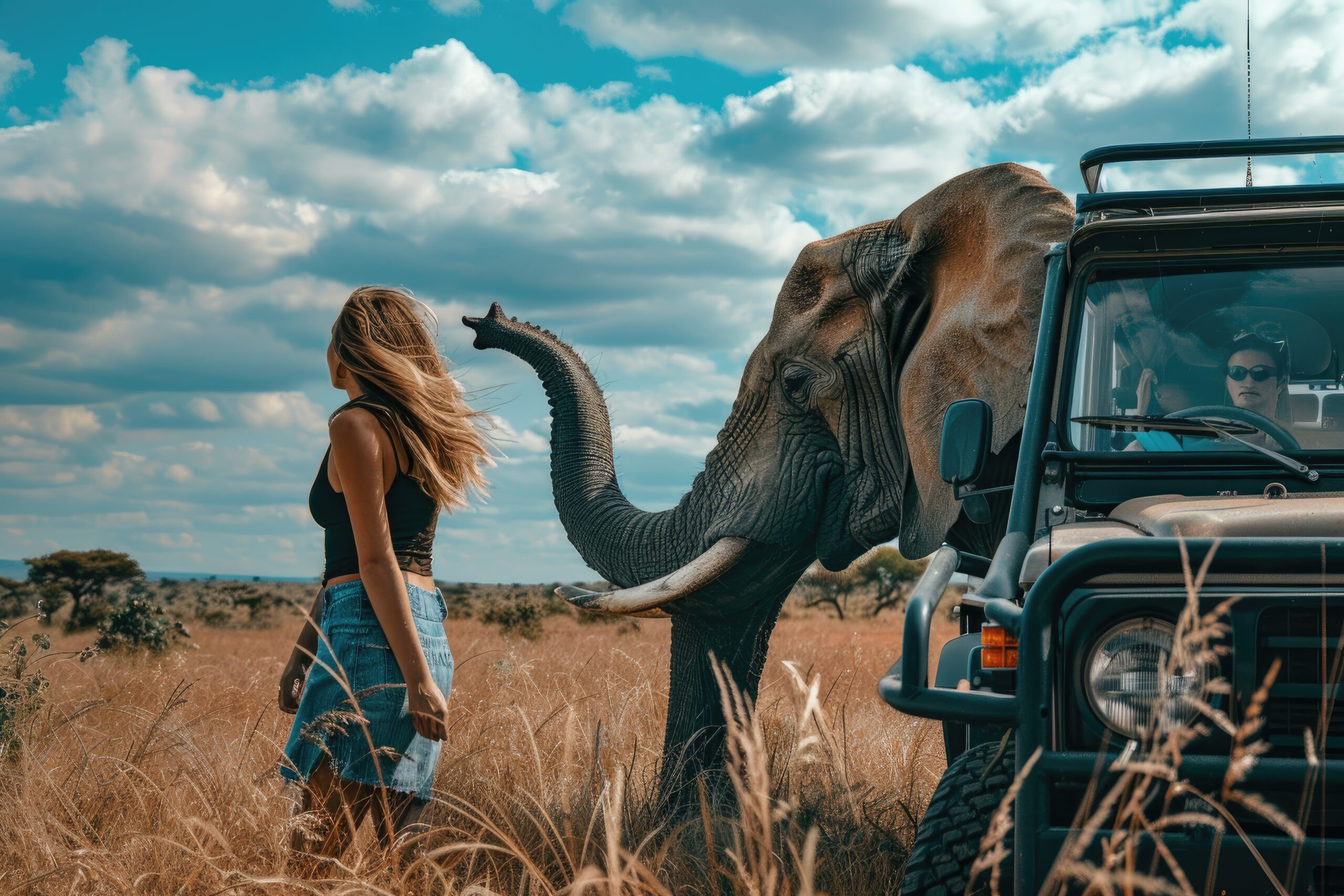
The Park is home to an impressive variety of wildlife, including the Big Five — lions, leopards, elephants, buffaloes, and rhinos. The park is particularly renowned for its rhino sanctuary, where both black and white rhinos can be seen, making it one of the best places in Kenya to spot these endangered animals.
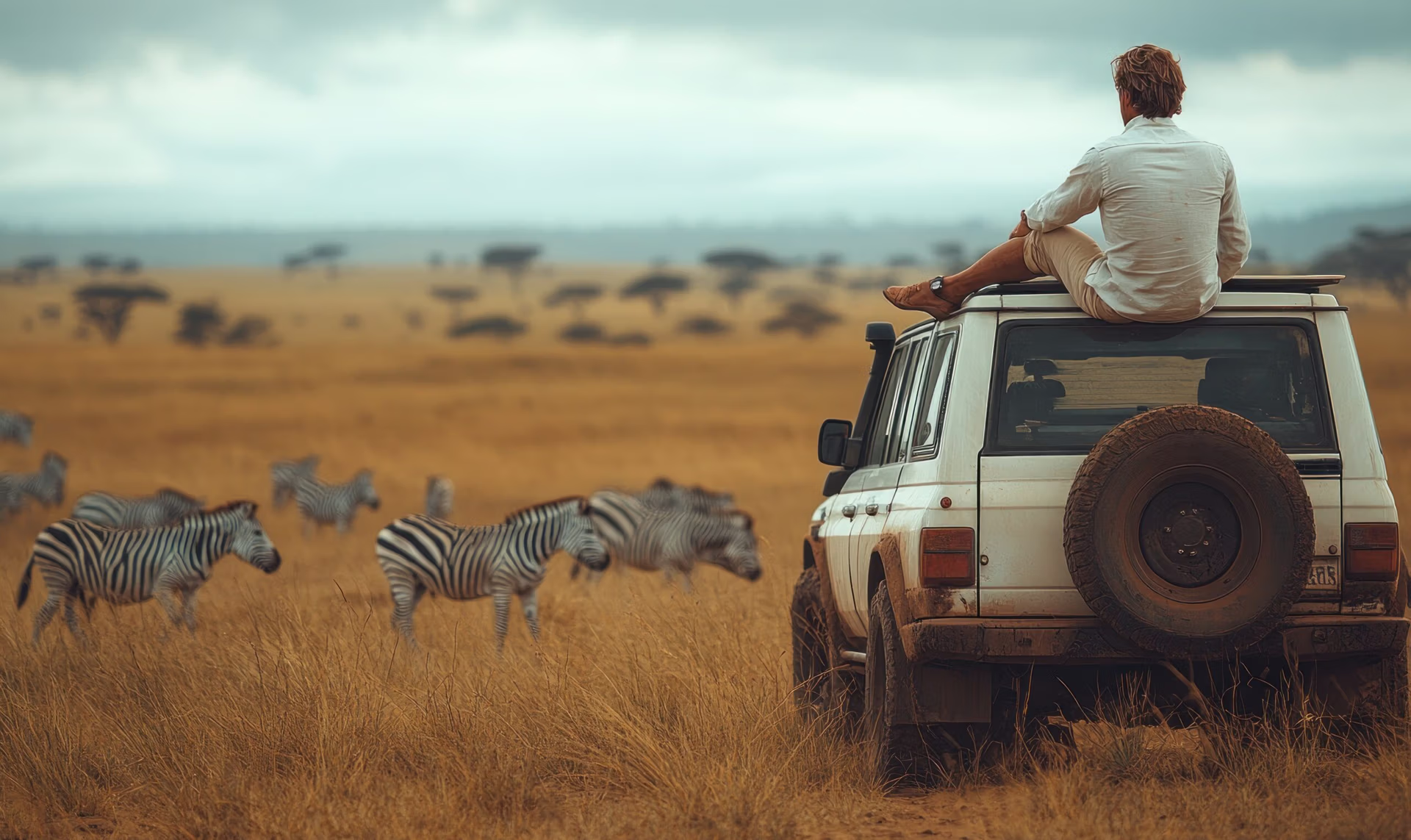
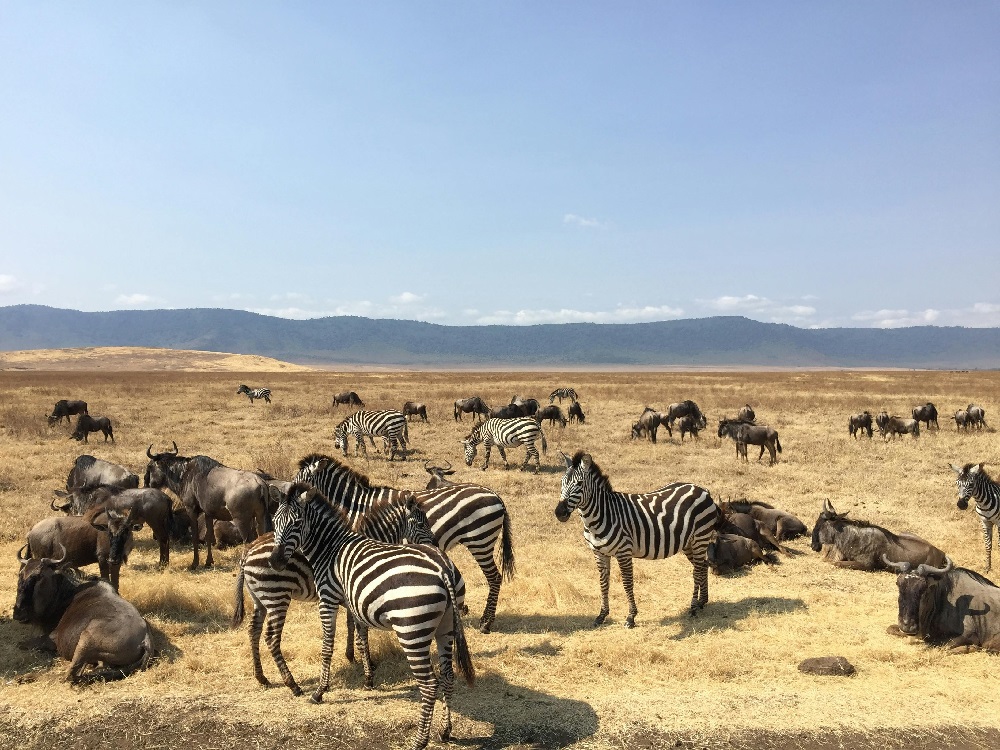
Other species in the park include cheetahs, giraffes, zebras, hartebeests, oryx, and hippos. Rare antelopes such as the lesser kudu and gerenuk also thrive here. The rivers provide habitat for crocodiles and countless hippos, while the lush forests harbor troops of baboons and vervet monkeys.
For birdwatchers, Meru National Park is a paradise with over 400 recorded bird species. Kingfishers, bee-eaters, ostriches, and numerous raptors are commonly seen, along with unique species like the Pel’s fishing owl. The diversity of habitats ensures that birdlife is abundant and varied throughout the year.
History and Conservation Significance
Meru National Park holds a special place in Kenya’s conservation story. It is best known for the work of George and Joy Adamson, who rehabilitated and released Elsa the lioness into the wild here in the 1950s. Their groundbreaking work helped raise global awareness of wildlife conservation and inspired generations of conservationists.
The park faced challenges in the 1980s and 1990s, including poaching, but has since made a strong recovery. Today, with the support of the Kenya Wildlife Service and conservation partners, Meru National Park is once again thriving, with increased wildlife numbers and well-protected habitats. The rhino sanctuary in particular is a symbol of successful conservation, ensuring that future generations can continue to see these magnificent animals.
Activities and Experiences
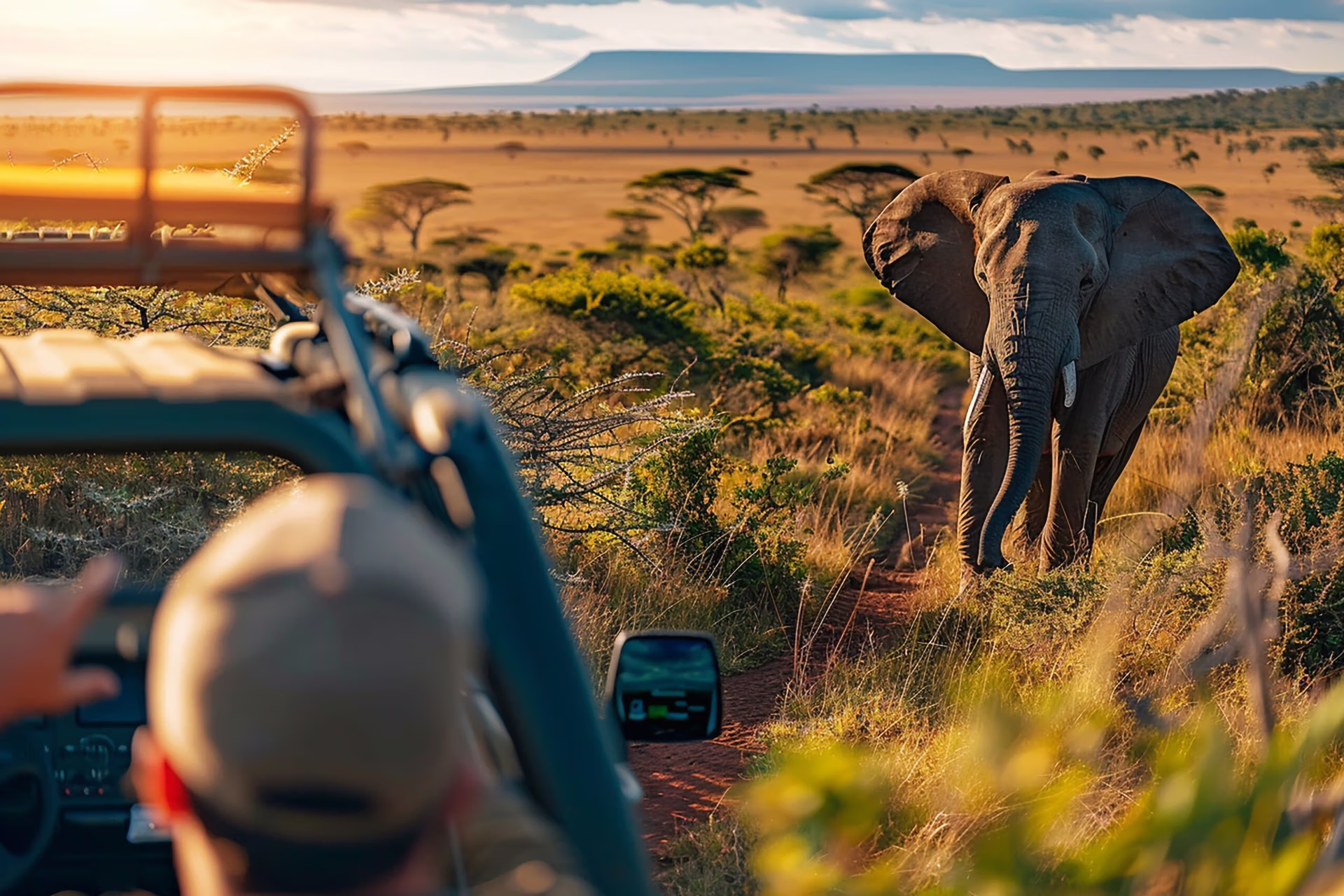
Safari activities in Meru National Park are diverse and immersive. Game drives are the most popular way to explore the park, offering the chance to encounter the Big Five and other wildlife in their natural habitats. Morning and evening game drives provide different perspectives, with predators more active at dawn and dusk.
Guided nature walks are available in some areas, allowing visitors to experience the bush up close and learn about the smaller details of the ecosystem, such as plants, insects, and animal tracks. Fishing is also possible in the park’s rivers, adding another dimension to the safari experience.
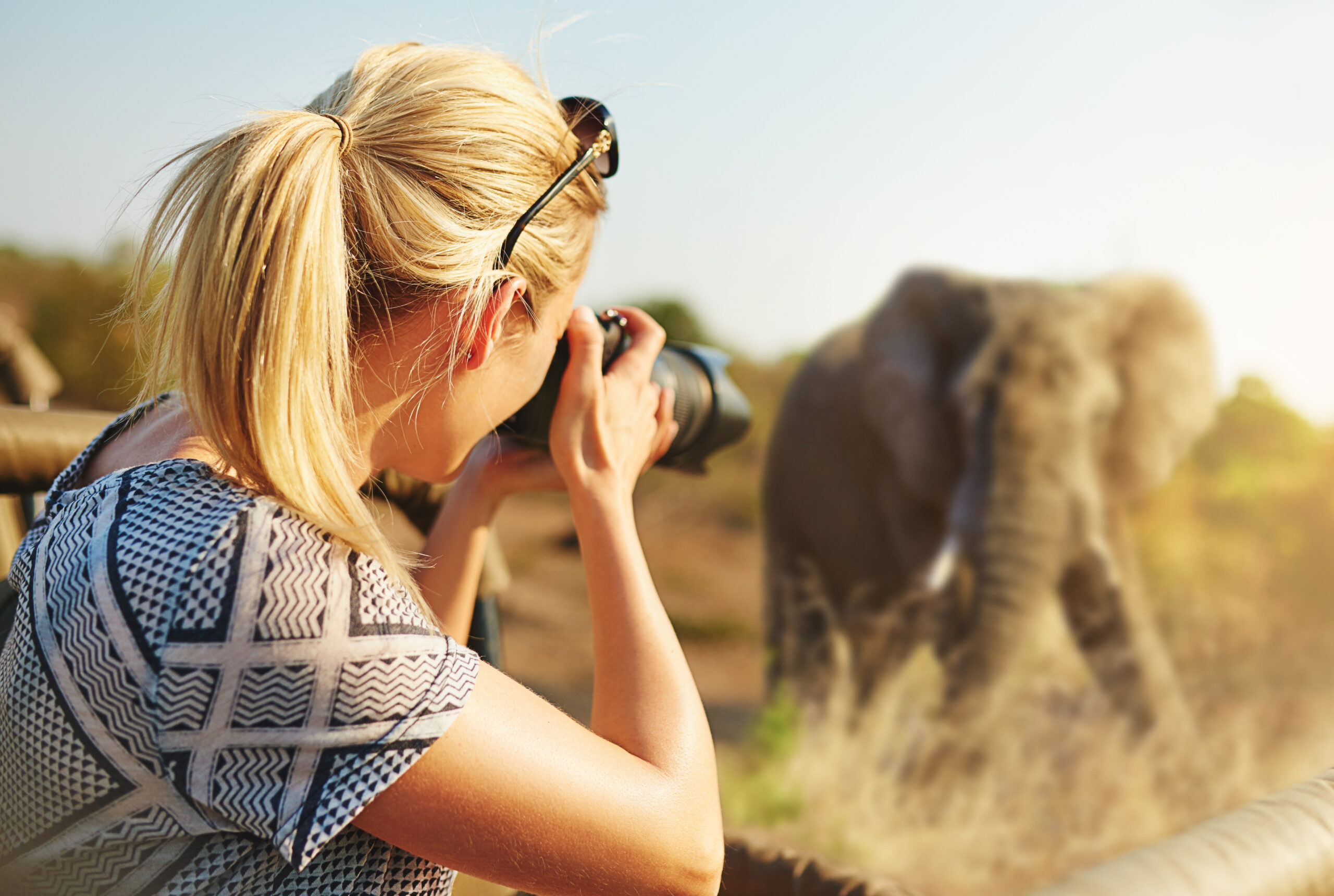
Cultural tours to the surrounding communities can be combined with safaris, offering insights into the traditions and daily lives of the local people. For photographers, the park’s landscapes, wildlife, and vibrant birdlife provide endless opportunities for capturing stunning images.
Accessibility and Accommodation
Meru National Park is accessible by both road and air. By road, the journey from Nairobi takes about six to seven hours via Nyeri, Nanyuki, and Isiolo. For travelers seeking convenience, there are charter flights to airstrips within and near the park.
Accommodation options range from luxury safari lodges and tented camps to budget-friendly campsites. Many lodges are located along rivers, providing scenic views and frequent wildlife sightings right from camp. Staying within the park allows visitors to enjoy the tranquility of the wilderness, far from the busier safari circuits.
Best Time to Visit Meru National Park
Meru National Park can be visited year-round, but the best time for wildlife viewing is during the dry seasons from June to September and January to February. During these months, animals congregate around rivers and waterholes, making them easier to spot. The wet seasons, from March to May and October to December, transform the park into a lush green paradise with abundant birdlife and newborn animals, though some roads may become challenging.
Why Visit Meru National Park
Meru National Park offers an authentic safari experience away from the crowds of more famous parks. Its combination of diverse landscapes, abundant wildlife, and rich history makes it an ideal destination for travelers seeking a true wilderness adventure. Whether you want to see rhinos in a natural setting, explore the legacy of Born Free, or simply enjoy the peace of an unspoiled landscape, Meru delivers an unforgettable experience.
Conclusion
Meru National Park is a jewel of Kenya’s safari circuit, combining raw natural beauty with a rich conservation legacy. From its rivers and forests to its savannahs and rhino sanctuary, the park offers something for every type of traveler. It is a destination that blends adventure, history, and conservation into one remarkable experience. For those who wish to go beyond the well-trodden safari trails, Meru National Park is the perfect choice — wild, authentic, and truly unforgettable.