Ruma National Park is one of Kenya’s most unique and undiscovered safari destinations, often referred to as the “Last Retreat of the Roan Antelope.” Located in Homa Bay County in western Kenya, near the shores of Lake Victoria, the park covers an area of 120 square kilometers. It is the only park in Kenya where the rare roan antelope can still be seen, making it a critical conservation area for this species. Despite its importance, Ruma National Park remains relatively untouched by mass tourism, offering visitors an authentic, off-the-beaten-path safari experience filled with wildlife, culture, and breathtaking landscapes.
Geography and Landscape
Ruma National Park lies in a beautiful valley bordered by the Kanyamwa Escarpment to the southeast and the Volcanic Ruri Hills to the north. The park’s landscapes are characterized by rolling grasslands, open woodland, riverine forests, and dramatic escarpments. The Lambwe River, which flows through the park, supports diverse habitats that sustain both wildlife and vegetation.
The wide open plains provide excellent game-viewing opportunities, while the backdrop of rugged hills and escarpments adds scenic beauty. The park’s location near Lake Victoria also makes it an important ecological zone, as it acts as a refuge for wildlife displaced by human settlement in surrounding areas.
Wildlife in Ruma National Park
Ruma National Park is best known as the only place in Kenya where visitors can see the endangered roan antelope. These large and elegant antelopes, with their long, curved horns and striking facial markings, are among Africa’s most impressive antelope species. Conservation efforts in Ruma focus heavily on protecting this rare population.
Beyond the roan antelope, the park is home to a wide range of wildlife. Buffaloes, giraffes, impalas, waterbucks, and Bohor reedbucks are commonly seen. Predators such as hyenas, leopards, and serval cats inhabit the park, though they are more elusive. The park also shelters a healthy population of Rothschild’s giraffes, one of the most endangered giraffe subspecies in Africa. Hippos and crocodiles are found along the Lambwe River, adding to the park’s diversity.
Birdlife in Ruma National Park is equally impressive, with over 400 recorded species. The park is one of the best places in Kenya to see the blue swallow, a globally threatened migratory bird. Other highlights include kingfishers, hornbills, and raptors, making the park a paradise for birdwatchers.
Activities and Experiences
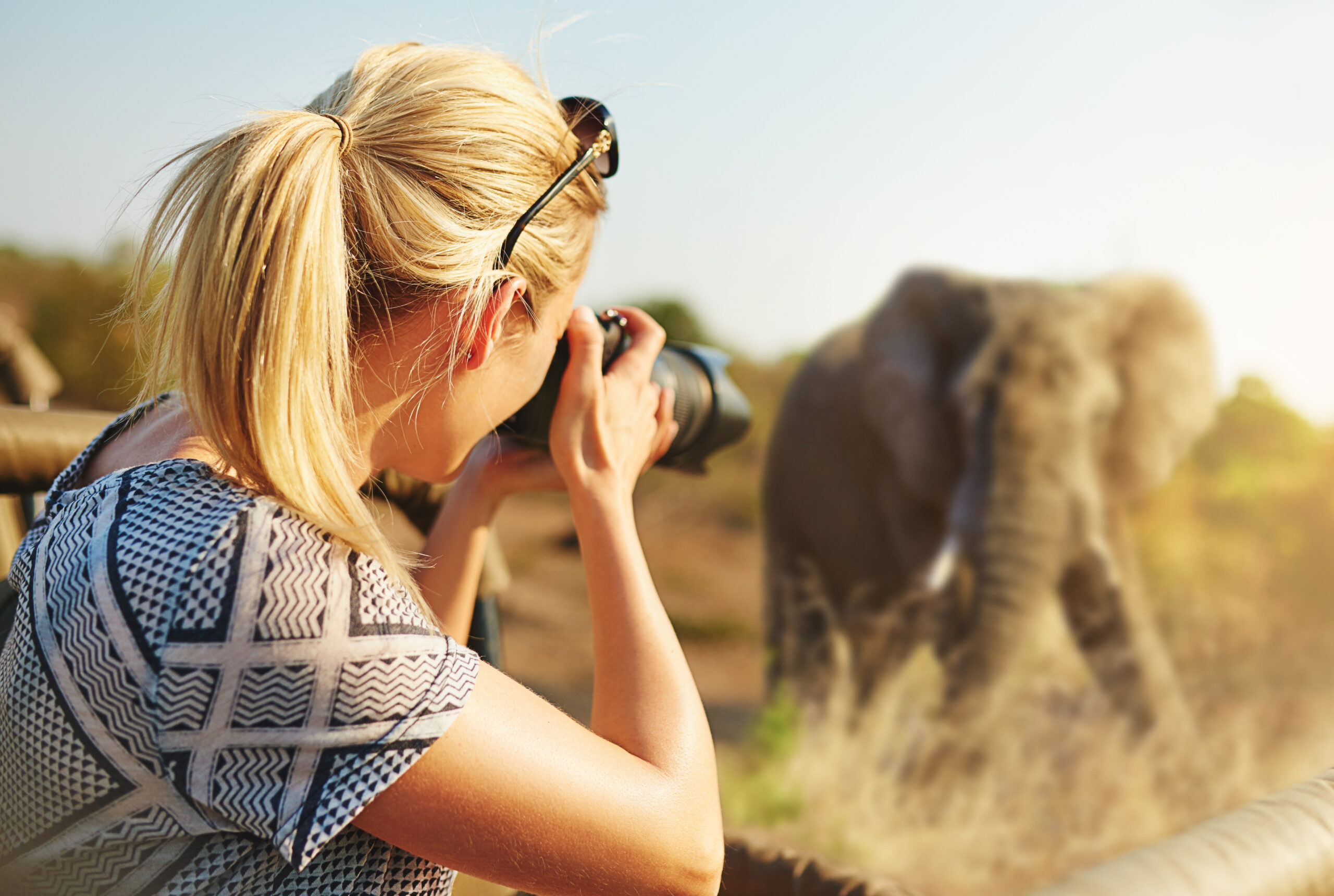
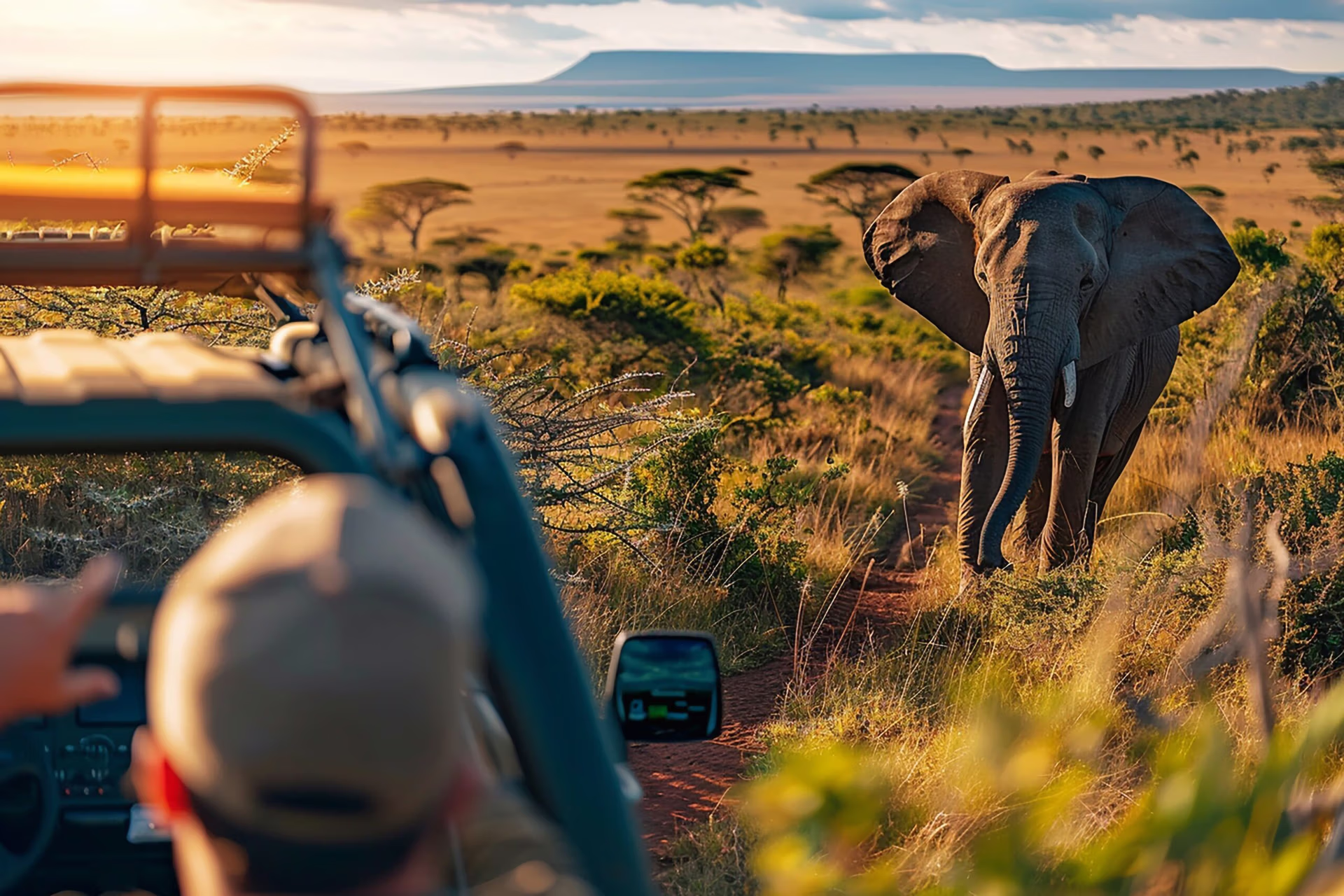
Visitors to Ruma National Park can enjoy traditional safari activities such as game drives, which provide opportunities to spot the roan antelope and other wildlife. The park’s open landscapes make it ideal for photography, with golden grasslands and escarpments creating dramatic backdrops.
Birdwatching is a major activity, especially for enthusiasts hoping to spot the rare blue swallow. Guided walks are also available, allowing visitors to explore the park on foot and gain a closer understanding of its ecosystems. Picnicking at designated sites provides a peaceful way to enjoy the park’s natural beauty while surrounded by wildlife.
For cultural experiences, the surrounding Homa Bay region offers opportunities to interact with local Luo communities and explore the traditions, cuisine, and fishing lifestyle along Lake Victoria. Combining a safari in Ruma National Park with a visit to the lake creates a complete and enriching experience.
Conservation and Cultural Significance
Ruma National Park was first established as the Lambwe Valley Game Reserve in 1966 before being gazetted as a national park in 1983. Its primary purpose has always been to protect the endangered roan antelope, which faces threats from poaching and habitat loss. Today, the Kenya Wildlife Service continues to manage conservation programs aimed at increasing the roan population and preserving the park’s biodiversity.
The park also holds cultural importance for local communities, who regard its landscapes and wildlife as part of their heritage. Conservation efforts increasingly involve community participation, ensuring that local people benefit from eco-tourism while supporting the long-term survival of wildlife.
Accessibility and Accommodation
Ruma National Park is accessible by road from Homa Bay town, which is about 23 kilometers away, and approximately 425 kilometers from Nairobi. The journey from Nairobi takes around seven to eight hours by road, but the park is also accessible via Kisumu International Airport, followed by a shorter drive to Homa Bay.
Accommodation options include basic campsites within the park managed by the Kenya Wildlife Service, as well as hotels and lodges in Homa Bay and Kisumu. For travelers seeking comfort, lakeside resorts on Lake Victoria offer convenient bases for exploring both the lake and the park.
Best Time to Visit Ruma National Park
Ruma National Park can be visited throughout the year, but the dry seasons from June to October and January to March are the best times for wildlife viewing. During these months, animals congregate near the Lambwe River and open plains, making them easier to spot. The rainy seasons bring lush greenery and are excellent for birdwatching, though some roads may become more challenging to navigate.
Why Visit Ruma National Park
Ruma National Park is a destination for travelers who want to go beyond the classic safari circuit. Its exclusivity as the only home of the roan antelope in Kenya makes it a must-visit for wildlife enthusiasts. The park also offers a more intimate safari experience, with fewer crowds and untouched wilderness that allows visitors to truly connect with nature. Combined with cultural interactions and the proximity to Lake Victoria, Ruma provides a well-rounded and unique safari adventure.
Conclusion
Ruma National Park is a hidden treasure in western Kenya, offering a rare combination of endangered wildlife, dramatic landscapes, and cultural experiences. From its iconic roan antelopes to its abundant birdlife and peaceful atmosphere, the park delivers an authentic safari away from the busier destinations. For those seeking an off-the-beaten-path adventure that blends conservation, culture, and scenic beauty, Ruma National Park is an unforgettable choice.