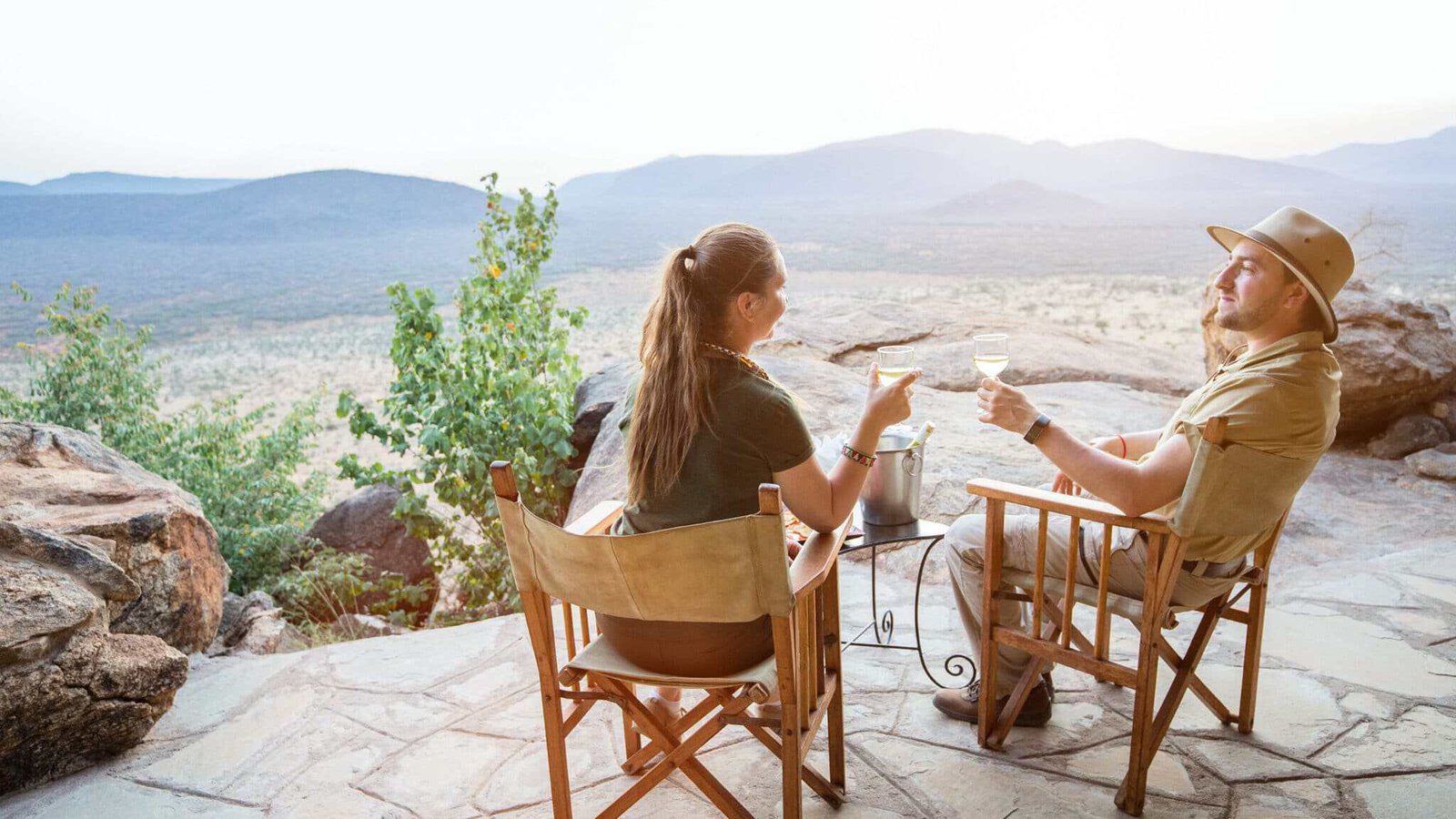
When was the last time that you visited a place that genuinely surprised you?
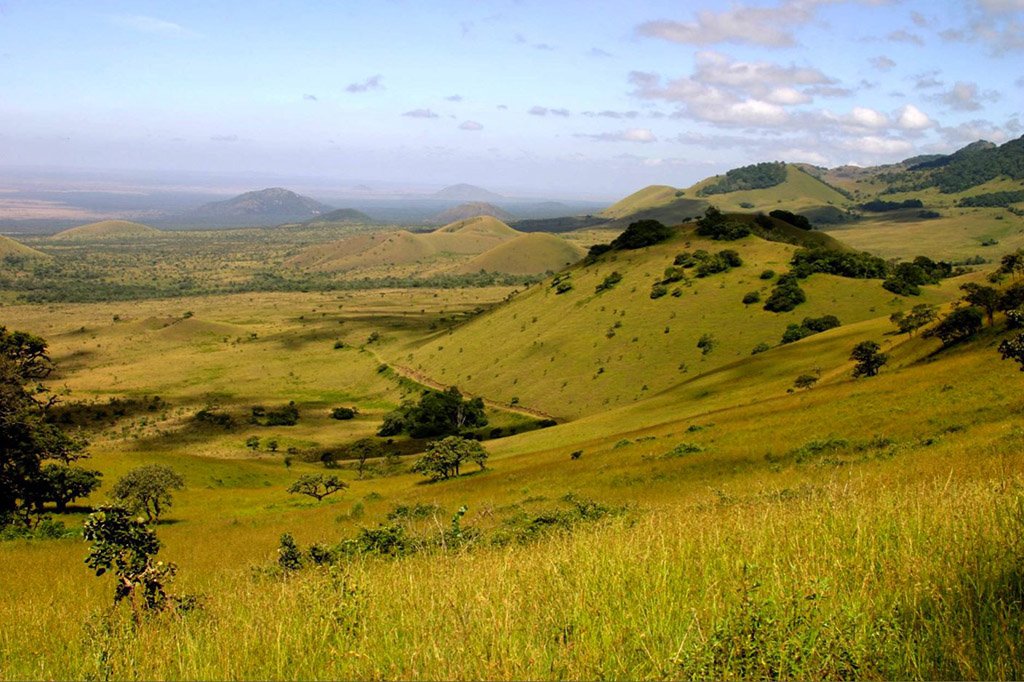
That is exactly what awaits you at Chyulu Hills National Park, nestled between Amboseli National Park and Tsavo in southern Kenya, a destination that rarely comes to people’s minds when they want a safari experience in Kenya.
You will understand what you have been missing once you get there. Whether you are a hiker searching for scenic trails, a wildlife enthusiast, a photographer chasing dramatic landscapes, or simply any kind of traveler looking to escape the ordinary.
In this guide, I’ll take you through everything you need to know about Chyulu Hills National Park, from its fascinating history, top attractions, accommodation options, conservation efforts, travel tips, and the best time to visit.
By the end of this guide, you will want to plan for a trip to the destination immediately.
Let’s dive in!
Fun Facts About Chyulu Hills National Park
- The Chyulu Hills are often described as one of Kenya’s most beautiful green landscapes, “ Green Hills of Kenya,” because of their lush vegetation, especially during the rainy season.
- Chyulu Hills has one of Africa’s longest lava tube systems, the Leviathan Cave, which is hidden beneath the surface of the hills. These underground tunnels were formed when flowing lava continued moving beneath the surface.
- Mt. Kilimanjaro is well visible from Chyulu Hills on a clear day, hence providing amazing photography opportunities.
- Although the area may appear dry from the outside, the Chyulu Hills act as an important water catchment area.
Why Visit Chyulu Hills National Park
- Compared to famous safari destinations in Kenya like the Masai Mara National Reserve, the Chyulu Hills receive fewer visitors, making it ideal for visitors looking for a quieter safari experience where they can enjoy nature without large crowds.
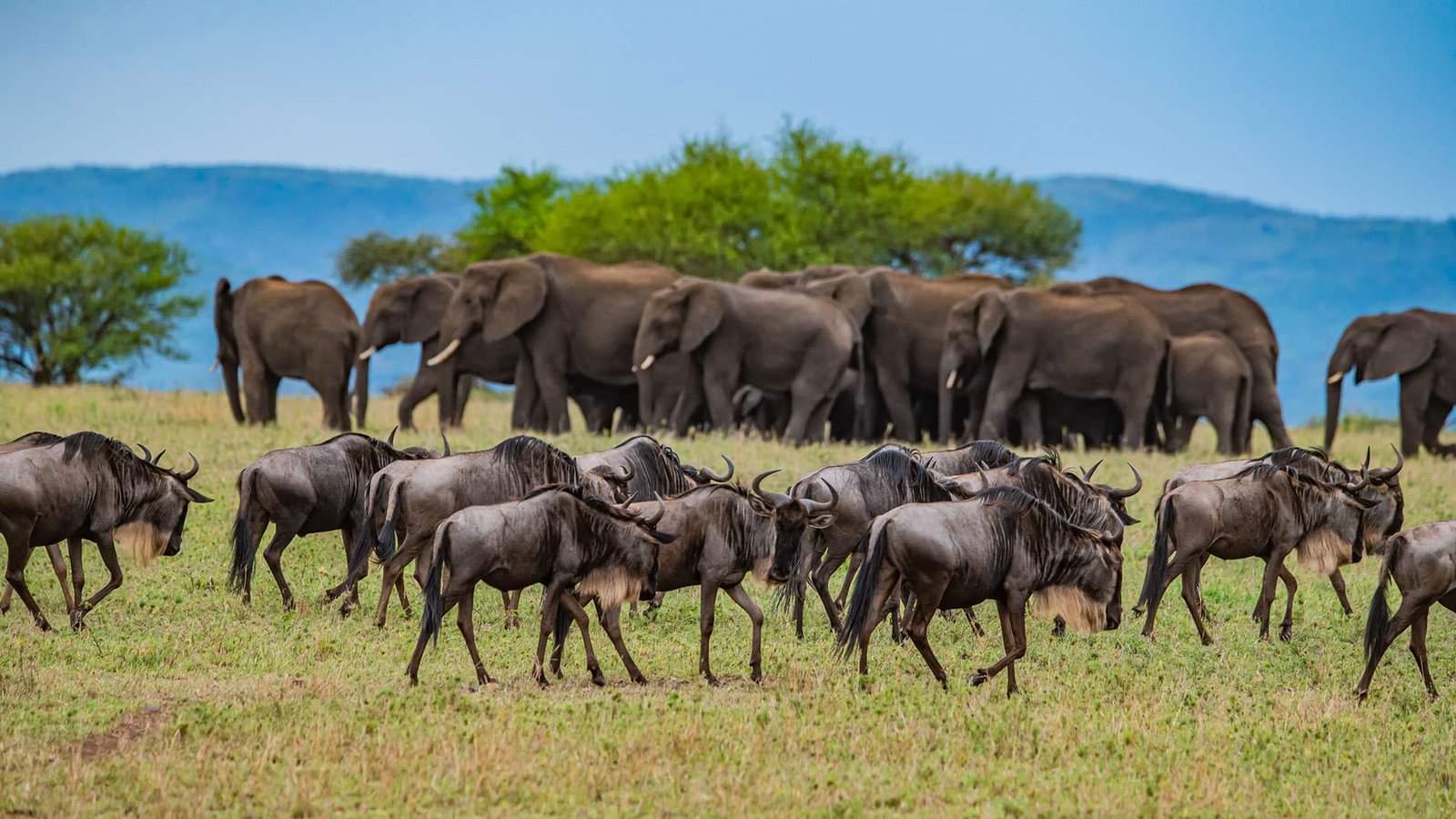
- Just like Tsavo East National Park, Chyulu Hills is also known for its elephant population, which you get to enjoy spotting during game drives.
- Chyulu Hills National Park offers a wider range of adventures that you can enjoy, from wildlife viewing, Hiking, cave exploration, birdwatching, horse riding, photography, and scenic nature walks.
- The park offers endless sunrise and sunset views.
- Here you will get to experience a deep cultural connection with the Maasai and the Kamba communities living around the area. For generations, these local communities have relied on the hills for water, grazing land and cultural practices, making conservation of the landscapes important beyond wildlife.
Where is the Chyulu Hills National Park Located
Chyulu Hills National Park is located in southeastern Kenya, forming part of the larger Tsavo-Amboseli ecosystem. The park lies between Amboseli National Park to the northwest and Tsavo West National Park to the east.
Moreover, the park is spread across parts of Makueni and Kajiado counties, approximately 250 kilometers southeast of Nairobi, covering an area of about 741 square kilometers and forming part of the Chyulu Hills mountain range.
Its location is one of its greatest attractions, positioned between 2 major wildlife areas,s offering spectacular views of Mt. Kilimanjaro, making it a relatively unexplored destination.
History of Chyulu Hills National Park
The Chyulu Hills National Park came into existence in 1983 managed by the Kenya Wildlife Service ( KWS) as part of Kenya’s efforts to conserve its unique volcanic landscape, forests, wildlife and water resources.
How to Get There
By Road
Chyulu Hills National Park can be reached mainly by road from Nairobi via the Nairobi-Mombasa Highway, passing through Emali, Sultan Hamud, and Kibwezi before connecting to the park.
The journey is about 230 km, taking about 4 hours with a 4*4 safari vehicle, which is highly recommended for exploring the park.
By Air
If you prefer the flight option, Chyulu Hills National Park can be accessed through charter flights using the park’s airstrips, mainly Mukururo Airstrip and Kithasyo Airstrip, from Nairobi’s Wilson Airport, which is very fast and convenient compared to the road option.
Best Things to Do in Chyulu Hills National Park
The best experiences you can enjoy are the following incredible experiences;
- Game Drives
- Hiking & Nature Walks
- Explore Leviathan Caves
- Bird Watching
- Horseriding Safaris
- Wildlife Photography
- Cultural Experiences
Best Time to Visit Chyulu Hills National Park
The best time to visit Chyulu Hills National Park is during the Dry Season from June to October and January to March. During these months, the weather is cooler, roads and trails are easier to navigate, and wildlife is easier to spot because wild animals gather around water sources.
Accommodation Options Near Chyulu Hills National Park
When you visit the Chyulu Hills National Park, you can consider staying in;
- Campi Ya Kanzi
- Oldonyo Lodge ( Luxury eco-lodge)
What to Pack for a Trip to Chyulu Hills
When visiting Chyulu Hills National Park, you need to pack for a safari, a hike, and changing weather conditions.
Some of the things you need to pack are;
- Comfortable clothing in neutral colours.
- A hat
- Sunglasses
- High-SPF Sunscreen
- Comfortable hiking shoes
- A pair of cameras and Binoculars for wildlife viewing and photography
- A reusable water bottle
- Insect repellent
- Camping Gear
Travel Tips
- Use 4*4 safari vehicle
- Organize your accommodation booking in advance.e
- Carry personal essentials
- Hire a local guide
- Start activities early, especially game drives.
- Respect wildlife
- Prepare for changing weather
Conclusion
In conclusion, Chyulu Hills National Park offers a rare opportunity to experience Kenya’s natural beauty in a peaceful, unique setting, allowing you an opportunity to appreciate the importance of conservation and the protection of natural resources for future generations.
- It is located between Tsavo and Amboseli National Parks.
Chyulu Hills National Park lies in southeastern Kenya, forming a vital wildlife corridor between two of the country’s most famous protected areas. - The park was established in 1983.
It was gazetted as a national park to protect its unique volcanic landscapes, wildlife, and water catchment areas. - It features one of the world’s youngest volcanic mountain ranges.
The Chyulu Hills were formed through volcanic activity, with some lava flows estimated to be only a few hundred years old. - It is home to one of the longest lava tube cave systems in Africa.
The famous Leviathan Cave stretches for over 11 kilometres, making it one of the continent’s longest known lava tubes. - The hills are an important water catchment area.
Rainwater filters through the porous volcanic rocks and feeds natural springs, including Mzima Springs in Tsavo West National Park. - The park supports diverse wildlife.
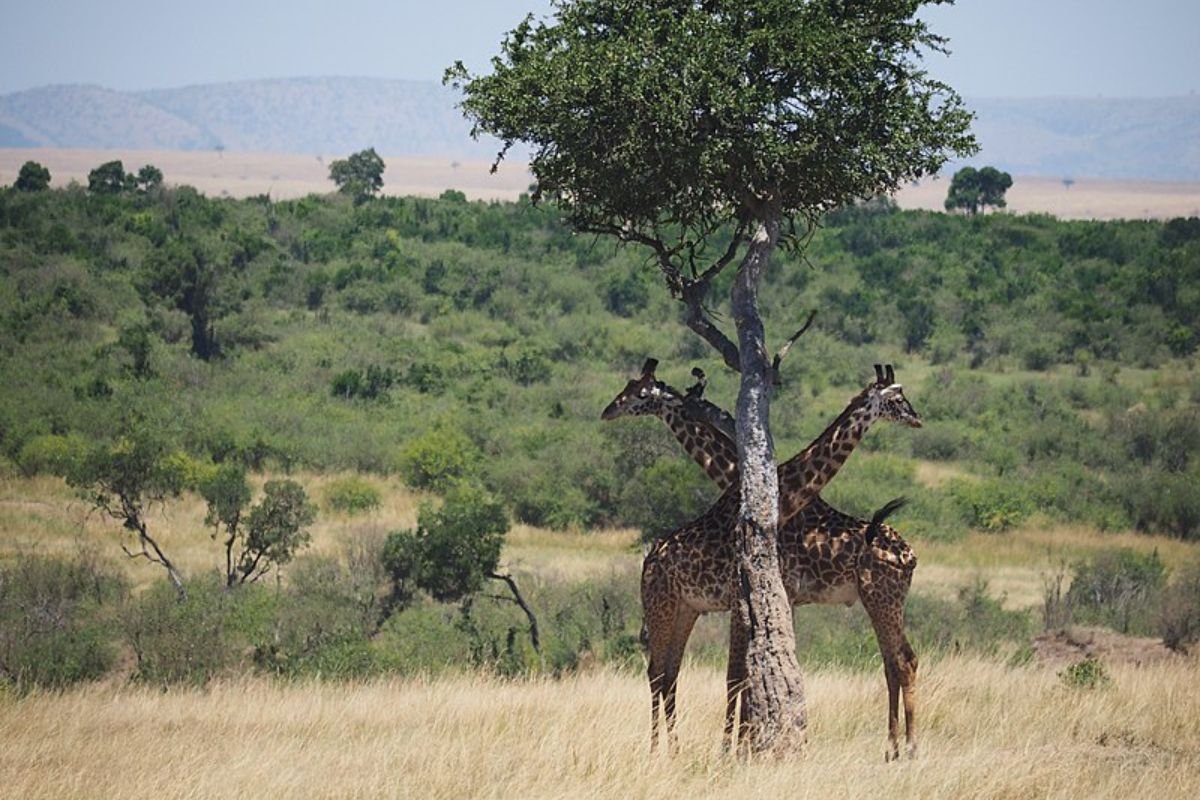
Visitors may encounter elephants, buffaloes, giraffes, zebras, elands, bushbucks, leopards, hyenas, and numerous smaller mammals. - It is an excellent birdwatching destination.
More than 300 bird species have been recorded, including raptors, hornbills, turacos, and colourful forest birds. - The park offers spectacular views of Mount Kilimanjaro.
On clear days, visitors can enjoy breathtaking panoramas of Africa’s highest mountain rising above the surrounding plains.