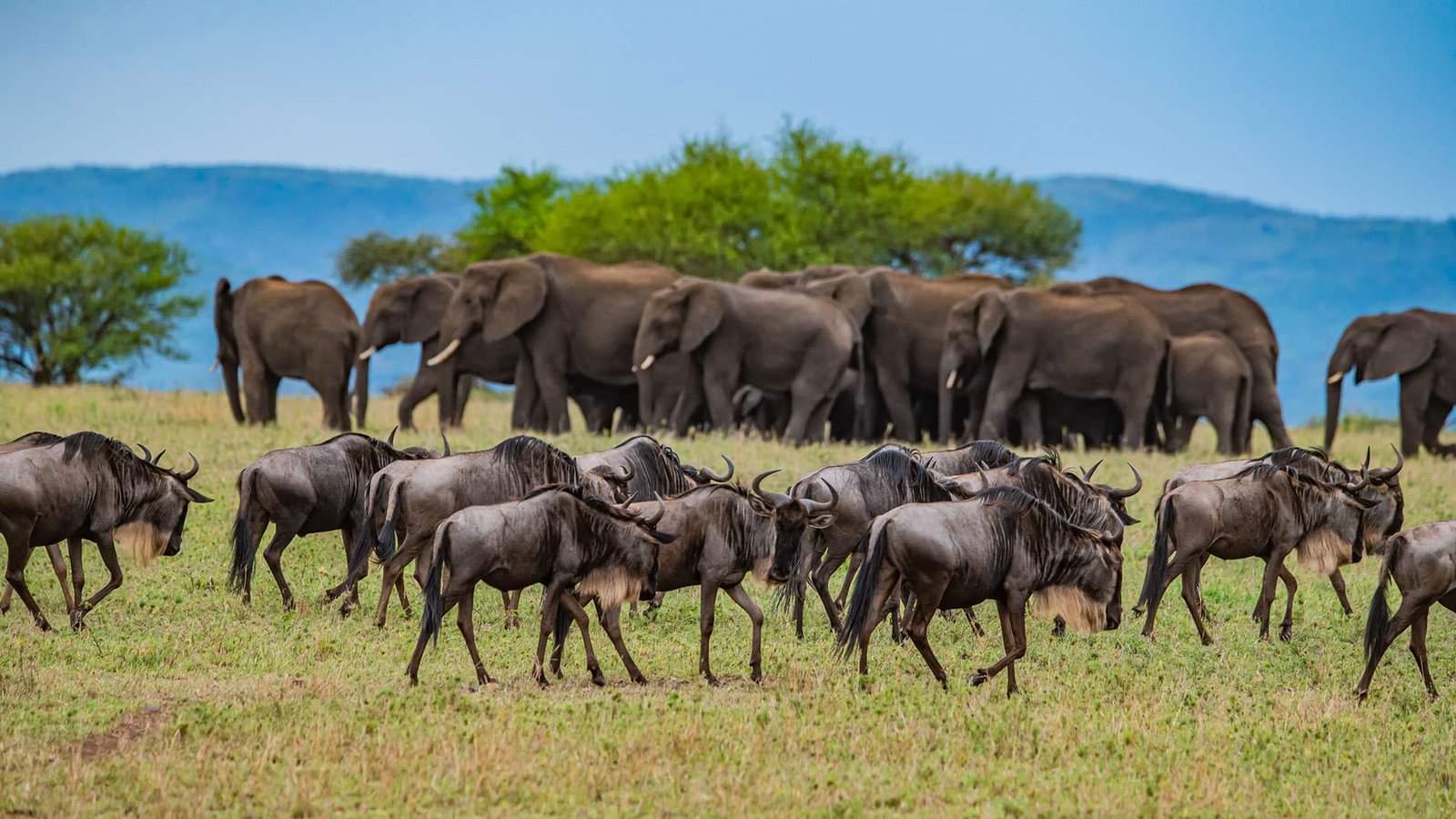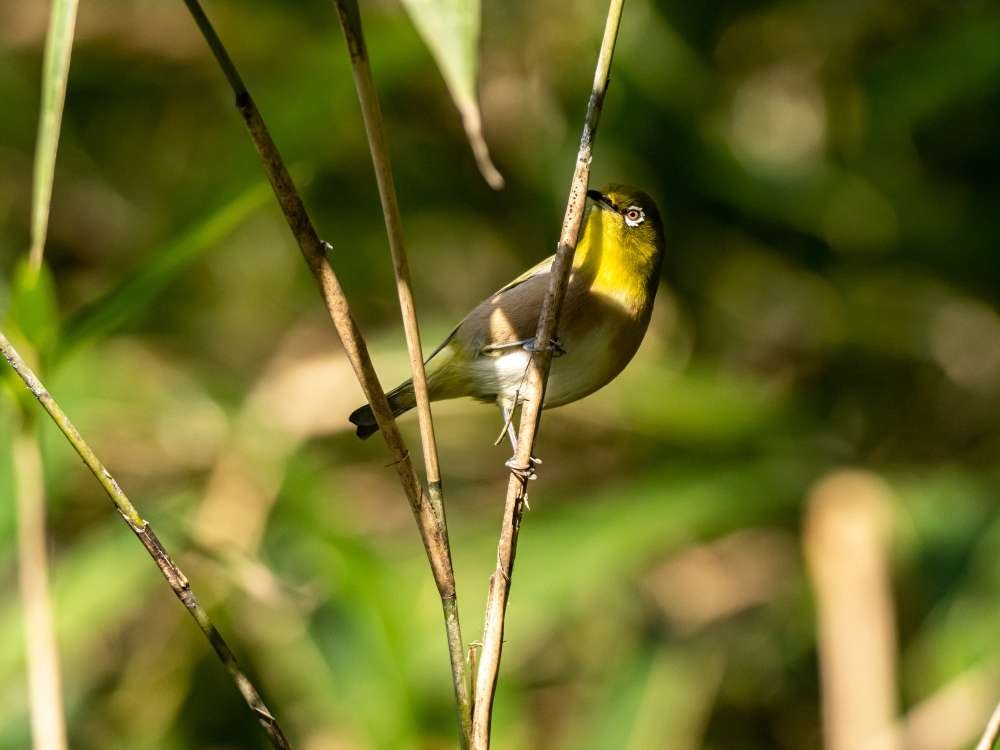

Kenya Safari Tours from Canada give travellers the chance to exchange city life, snow-covered winters and long North American road journeys for the open savannahs, wildlife reserves and warm Indian Ocean coast of East Africa.
For many Canadians, a safari in Kenya is a once-in-a-lifetime journey. It may include watching elephants in Amboseli, searching for big cats in the Masai Mara, seeing rhinos at Ol Pejeta, exploring the landscapes of Samburu or ending the holiday beside the ocean in Diani or Watamu.
A successful safari requires more than simply choosing a few national parks. Travellers from Canada need to think about international flights, entry rules, health preparation, safari duration, accommodation standards, internal transport, weather, luggage limits and the amount of time spent driving between destinations.
Kenya Wildlife Service manages and protects a wide range of parks and reserves across different ecosystems, including Amboseli, Lake Nakuru, Tsavo East, Tsavo West, Nairobi National Park and many other wildlife areas. These protected landscapes give travellers a broad choice of safari experiences rather than forcing every itinerary to follow one standard route.
This guide explains how to plan Kenya Safari Tours from Canada in a practical way, with particular attention to what Canadian travellers should know before booking.
Why Kenya Is a Strong Safari Choice for Canadians
Kenya is one of Africa’s most established safari destinations and offers a good balance between wildlife, scenery, culture and comfort.
A traveller can spend the morning watching lions on the plains, drive through farming areas in the afternoon and sleep in a lodge overlooking a waterhole the same evening.
The country is also suitable for different travel styles.
First-time safari visitors may prefer a traditional road safari connecting several parks. Honeymooners may choose luxury tented camps and domestic flights. Families may want private vehicles and shorter game drives. Photographers may prefer fewer destinations with longer stays in each wildlife area.
The variety makes Kenya especially useful for Canadian travellers who are investing considerable time and money in a long-haul holiday.
Travelling from Canada to Kenya
Most Canadian visitors arrive in Kenya through Jomo Kenyatta International Airport in Nairobi.
Travellers may depart from major Canadian airports such as Toronto, Vancouver, Montreal, Calgary, Ottawa or Edmonton, usually with one or more international connections depending on airline schedules and travel dates.
Because flight schedules change frequently, it is better to compare total journey time rather than focusing only on the lowest airfare.
A cheaper ticket may involve very long airport connections or an arrival time that makes the first safari day difficult.
For many travellers, spending the first night in Nairobi is a sensible choice.
After a long international journey, a hotel night allows time to rest, recover from jet lag and begin the safari early the following morning.
Entry Requirements for Canadian Citizens
Canadian travellers should check Kenya’s current immigration requirements before departure because entry policies can change.
Kenya currently uses an Electronic Travel Authorisation system for many international visitors. The official Kenya eTA platform explains that eligible travellers must complete the required authorization process before travel and provide documentation such as passport details, accommodation information and travel plans.
Applicants should make sure their passport meets the current validity requirements and should apply through the official government portal rather than unofficial third-party websites.
Kenya’s official guidance recommends submitting applications well before travel even though many are processed within a few days.
Canadian travellers should verify all immigration rules again shortly before departure.
Check Canadian Government Travel Advice
Before travelling, Canadians should also review the latest official travel information issued by the Government of Canada.
Travel advisories can include guidance on security, regional conditions, entry rules, health matters and areas where additional caution may be required.
Because these recommendations can change, checking current official advice shortly before departure is more useful than relying on an old safari blog or social media post.
How Long Should a Kenya Safari from Canada Be?
Canadian travellers often benefit from staying longer than visitors coming from nearby countries because of the length of the international journey.
A safari of around nine to thirteen nights usually provides a good balance.
This allows enough time to visit several regions without turning the journey into a race from one lodge to another.
A shorter safari can still work, but it should be carefully designed around one or two major wildlife areas.
For example, a traveller with limited time could combine Amboseli and the Masai Mara using domestic flights.
Someone with more time could explore Samburu, Ol Pejeta, Lake Nakuru and the Masai Mara before returning to Nairobi.
A 9-Night Kenya Safari Route for Canadian Travellers
A well-paced nine-night journey could begin with one night in Nairobi.
From there, travel north to Samburu for two nights.
The region provides a completely different introduction to Kenya from the classic southern safari circuit. The landscape is dry and dramatic, and the wildlife experience feels distinct from the greener Masai Mara.
Continue to Ol Pejeta for two nights.
This adds an important conservation element to the journey and provides opportunities to learn more about rhino conservation.
From Ol Pejeta, travel toward Lake Nakuru for one night before continuing to the Masai Mara for three nights.
This gives enough time for several game drives in the Mara without making the final part of the safari feel rushed.
A domestic flight from the Masai Mara back to Nairobi can reduce the final transfer time.
A 12-Night Kenya Safari and Beach Combination
Travellers who want a more relaxed holiday can combine wildlife and the coast.
One possible route is Nairobi, Amboseli, Tsavo West, Tsavo East and Diani Beach.
Spend one night in Nairobi, two nights in Amboseli, two nights in Tsavo West, two nights in Tsavo East and five nights on the coast.
This route works particularly well because the safari gradually moves toward the Indian Ocean instead of returning north to Nairobi after every destination.
It is also a good choice for couples and families who want both wildlife and downtime.
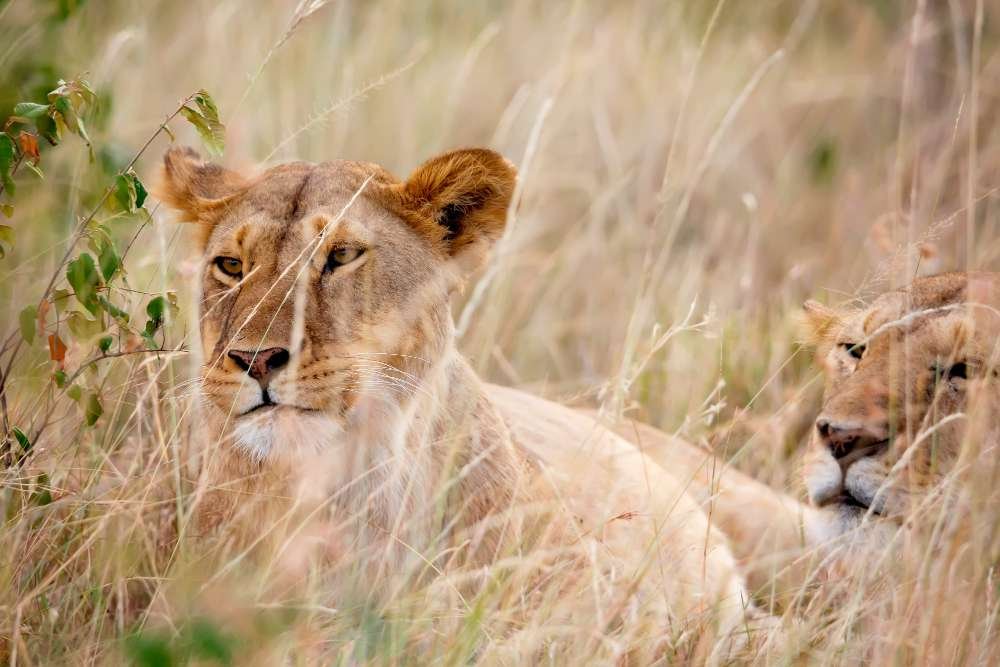
Masai Mara National Reserve
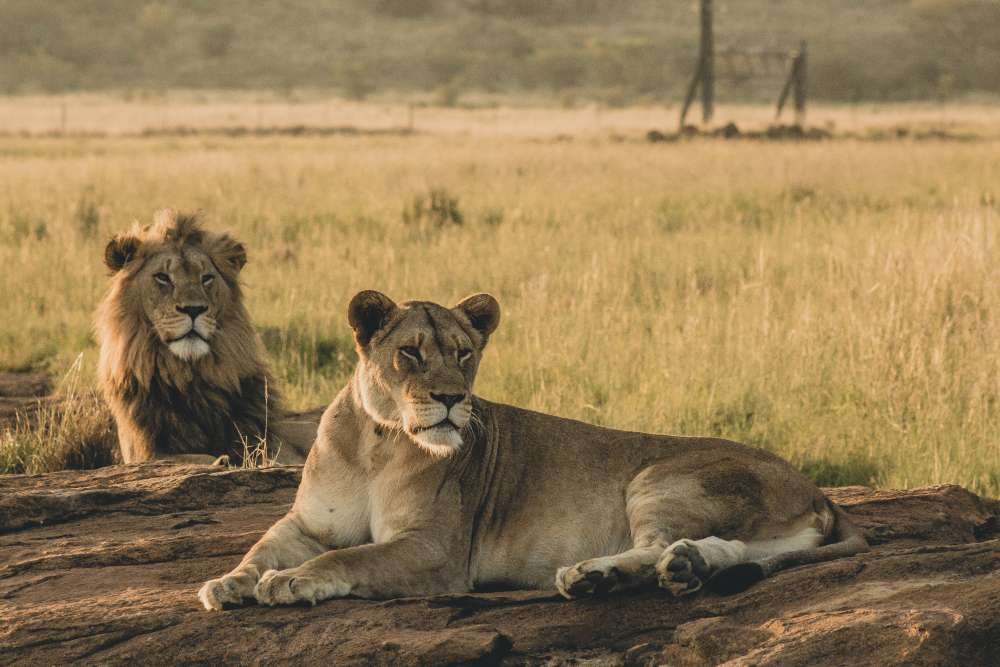
The Masai Mara remains one of the most popular destinations included in Kenya Safari Tours from Canada.
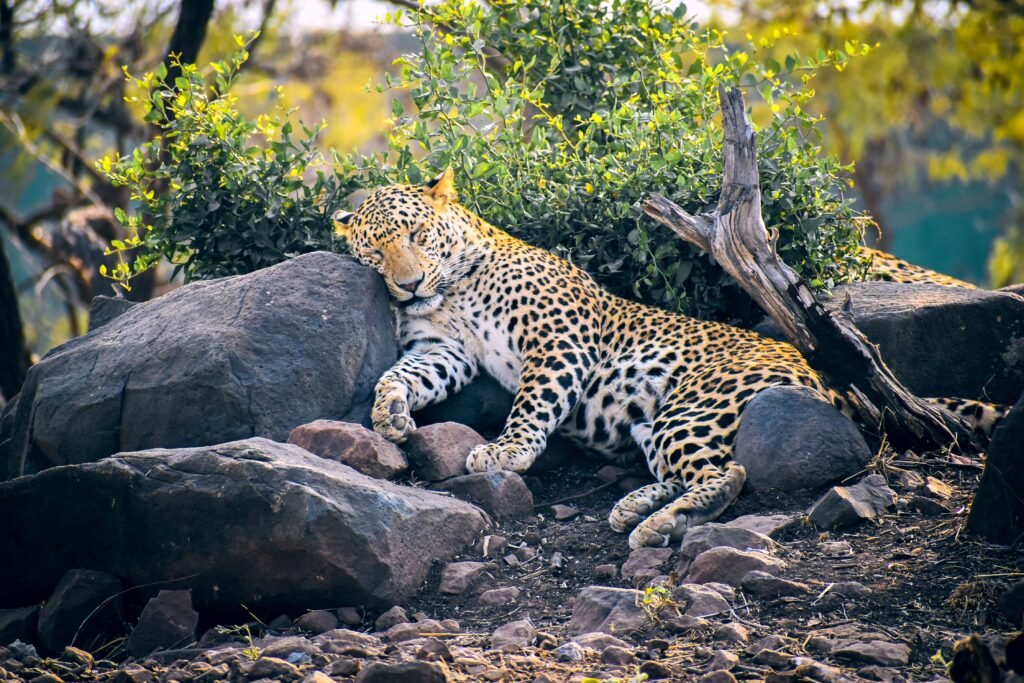
The reserve is known for its open grasslands and excellent opportunities to see lions, elephants, cheetahs, leopards, buffaloes, giraffes, zebras and wildebeest.
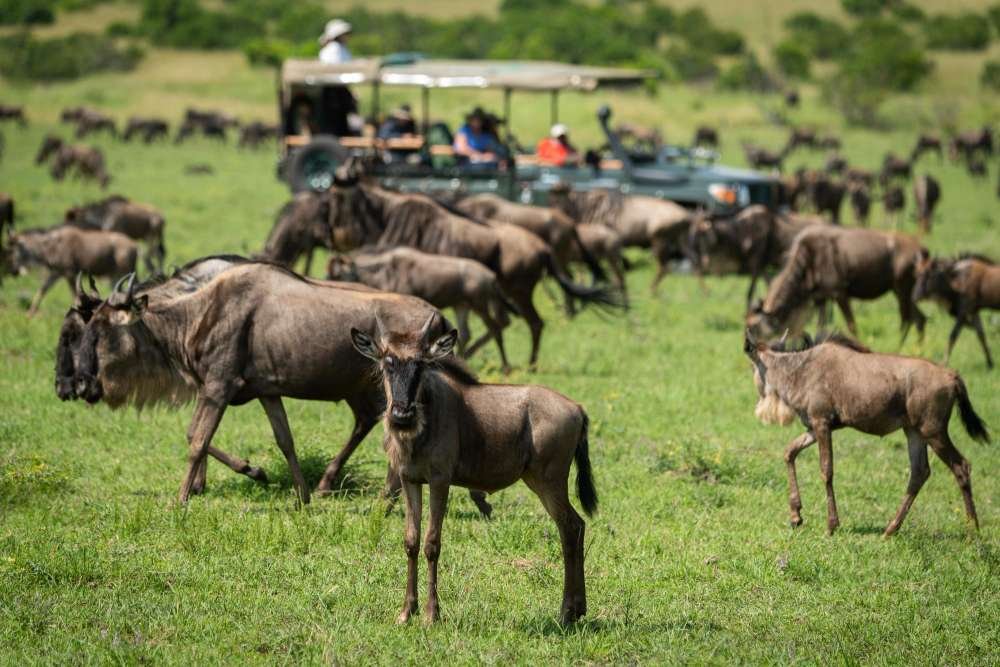
Many travellers visit during the wider Great Migration period, but the reserve has strong resident wildlife throughout the year.
Canadian visitors should not plan their entire holiday around the promise of seeing a dramatic river crossing.
Migration movements depend on rainfall and natural conditions, so no operator can guarantee a crossing on a particular date.
A three-night stay provides a better experience than a rushed one-night visit.
Amboseli National Park
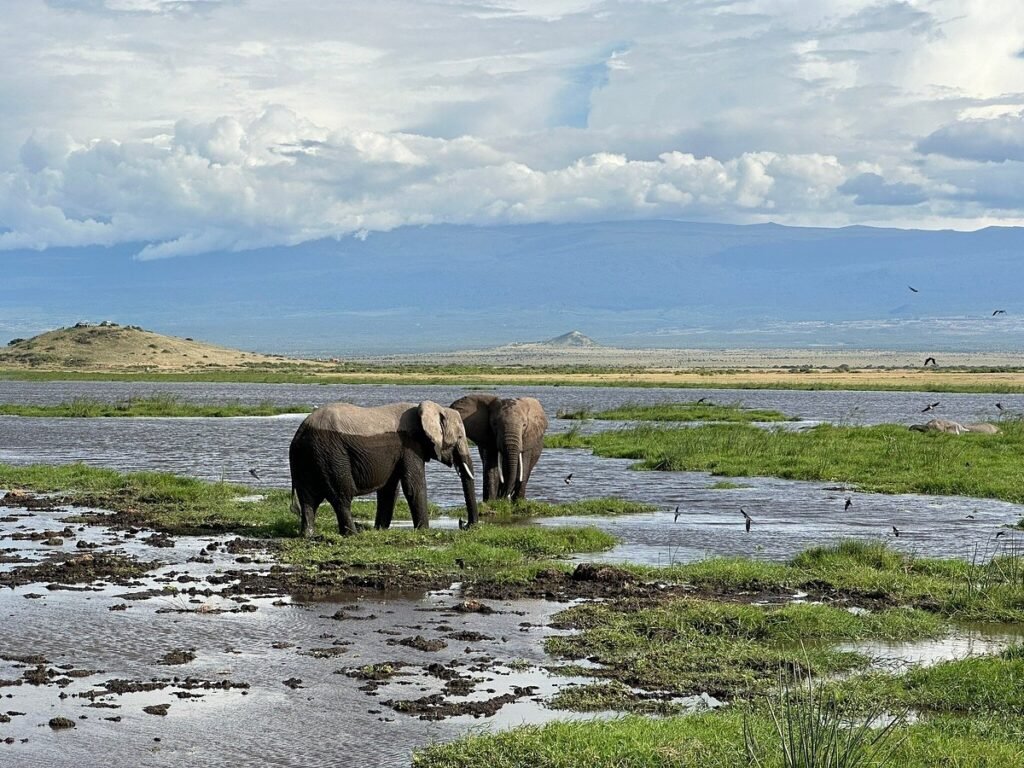
Amboseli is one of Kenya’s most photogenic safari destinations.
It is known for large elephant populations and views toward Mount Kilimanjaro when weather conditions are clear.
Kenya Wildlife Service highlights the park’s wildlife, birdlife, Observation Hill and Kilimanjaro scenery as major attractions.
Amboseli works well for first-time visitors because its relatively open landscapes can make wildlife viewing easier.
It also combines naturally with Tsavo and the Kenyan coast.
Samburu National Reserve
Samburu offers something different from southern Kenya.
Its dry landscapes, rugged scenery and northern wildlife make it a strong choice for travellers who want variety.
The region can be especially rewarding for photographers and repeat safari visitors who do not want to spend their entire trip in the most famous parks.
It also combines well with Ol Pejeta and the Mount Kenya region.
Ol Pejeta Conservancy
Ol Pejeta is a strong addition for travellers interested in conservation.
It is well known for rhino conservation and offers a different safari experience from the open plains of the Masai Mara.
For Canadian families, Ol Pejeta can also add an educational element to the journey.
Rather than focusing only on finding animals, visitors gain a better understanding of the conservation work required to protect them.
Lake Nakuru National Park
Lake Nakuru is a useful stop between central Kenya and the Masai Mara.
The park combines lake scenery, woodland and wildlife viewing within a relatively compact area.
It can also provide opportunities to see rhinos, depending on wildlife movement and conditions.
Lake Nakuru works particularly well for travellers who want to break up a longer road journey.
Tsavo East and Tsavo West
Tsavo is ideal for travellers who prefer larger landscapes and a stronger sense of wilderness.
Tsavo East is known for broad open spaces and red soil, while Tsavo West offers more varied terrain.
The two parks can be combined as part of a safari route toward the coast.
This is especially practical for travellers planning to finish in Diani, Mombasa or another coastal destination.
Nairobi National Park
Canadian travellers with an extra day in Nairobi should consider Nairobi National Park.
Kenya Wildlife Service notes that the park is located close to the capital, creating the unusual experience of seeing wildlife with a major city nearby.
It can be visited at the beginning or end of a longer safari.
This is also useful for travellers with limited time who cannot add another distant national park.
Road Safari or Fly-In Safari from Canada?
Both options have advantages.
A road safari allows you to see the countryside between destinations and usually provides more flexibility with luggage.
It is also often more economical for couples, families and small groups sharing one private vehicle.
However, some transfers can take several hours.
A fly-in safari reduces long road journeys and gives travellers more time inside wildlife areas.
This can be particularly attractive after a long international journey from Canada.
The disadvantage is higher cost and stricter baggage allowances.
For many travellers, a combination of road and air transport works best.
Safari Vehicles and Comfort
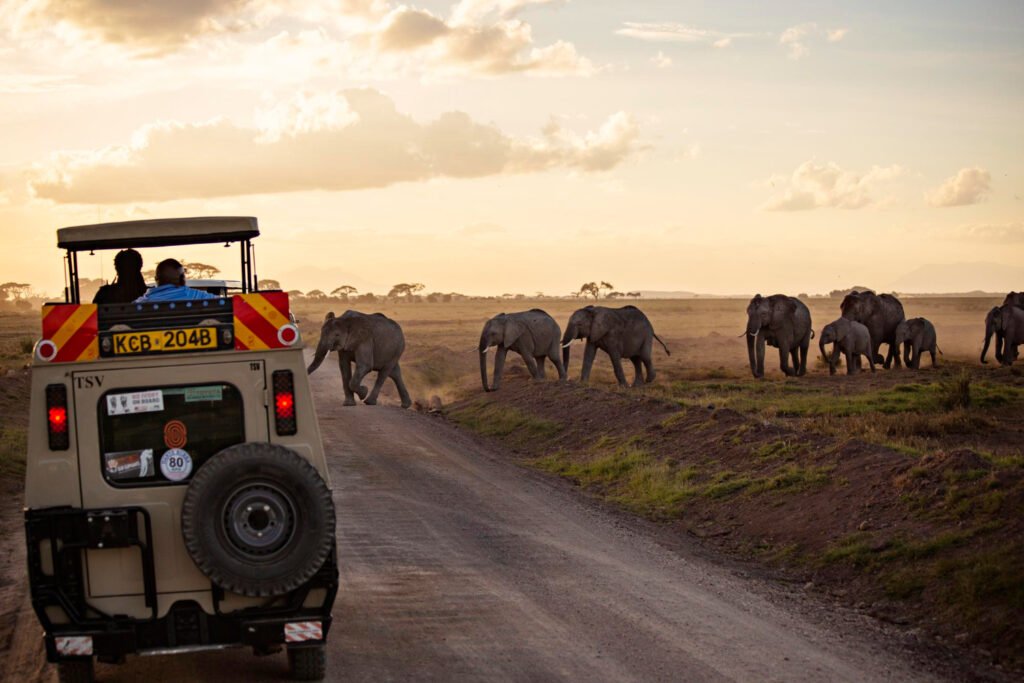
Your safari vehicle is one of the most important parts of the experience.
You may spend several hours inside it every day.
Ask what type of vehicle your operator will use and how many passengers it carries.
Private safaris often use modified 4×4 vehicles with pop-up roofs for wildlife viewing.
For photographers, couples and families, private vehicles can provide more flexibility than shared group departures.
Comfort matters even more when travelling between parks.
Choosing the Right Accommodation
Kenya offers a wide range of safari accommodation.
Budget camps can provide simple but comfortable rooms or tents.
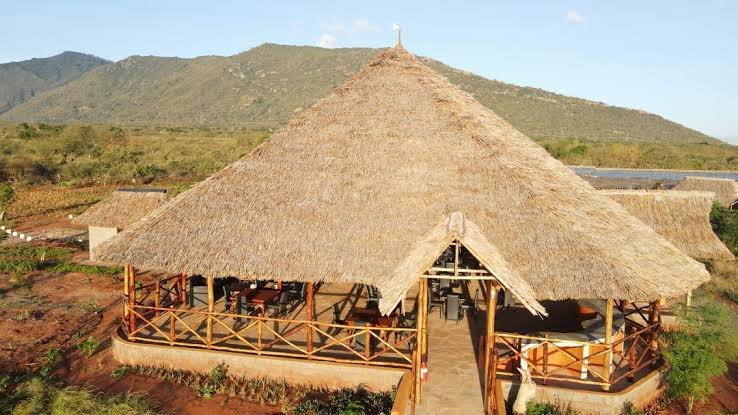
Mid-range lodges often include private bathrooms, restaurants, swimming pools and good access to wildlife areas.
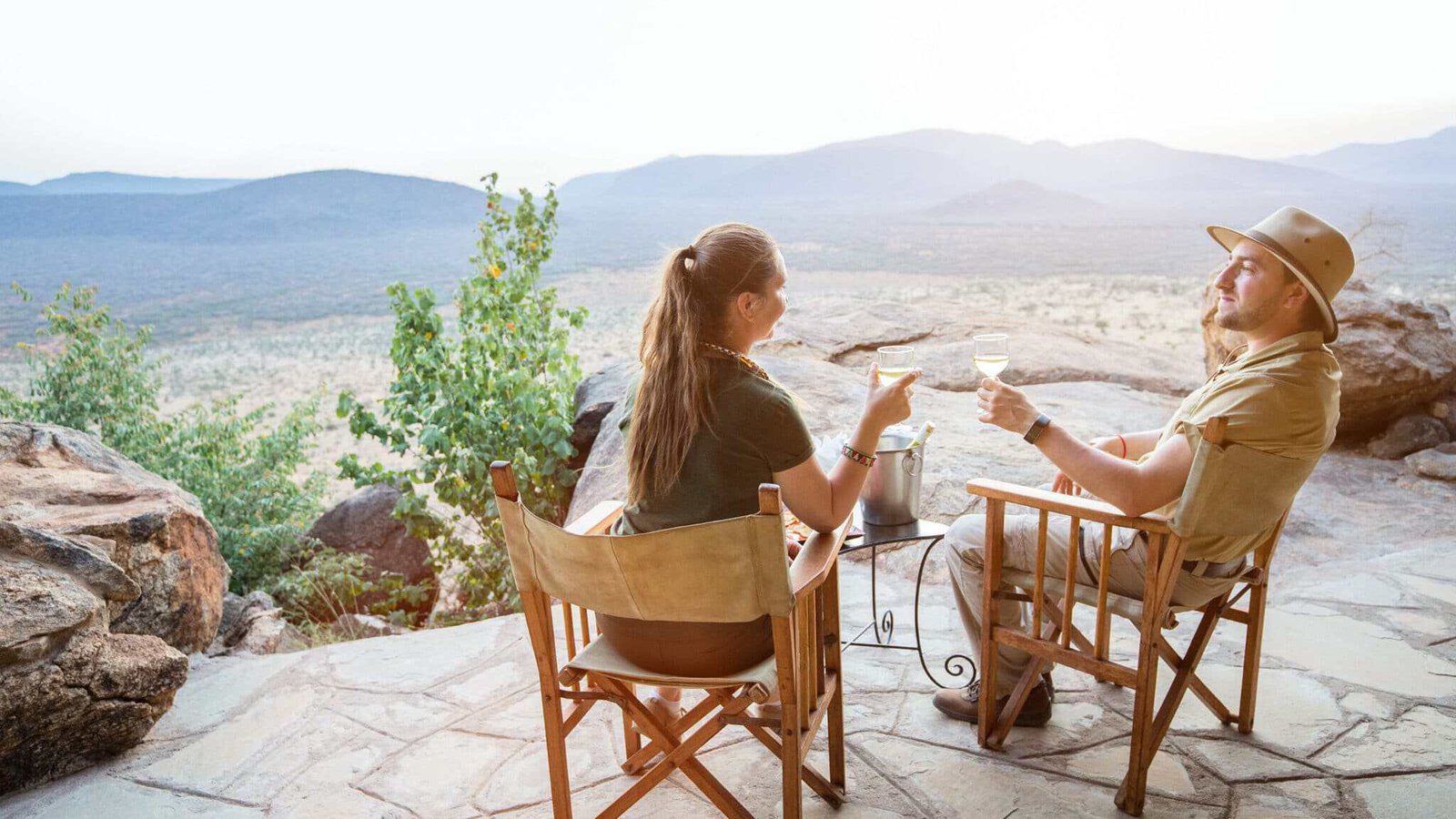
Luxury tented camps may offer spacious suites, private decks, premium dining and highly personalized service.
Canadian travellers should focus on location as much as room quality.
A beautiful lodge far from the main game-viewing area can create long daily transfers.
Sometimes a simpler camp in a better location provides a stronger safari experience.
Kenya Safari Tours from Canada for Families
Kenya can be an excellent family destination when the itinerary is planned around children rather than adults.
Avoid too many consecutive long driving days.
Choose lodges with family rooms, swimming pools or flexible meal arrangements.
A private vehicle is particularly useful because parents can decide when to return to the lodge if children become tired.
Some activities have minimum age requirements, so families should check these before confirming the safari.
Kenya Safari Tours from Canada for Couples
Couples can combine wildlife with privacy and comfort.
A good romantic itinerary might include Amboseli, the Masai Mara and several days at the coast.
Another option is Samburu followed by Ol Pejeta and a luxury conservancy stay.
The most romantic safaris often include fewer destinations and longer stays rather than changing lodges every night.
Kenya Safari Tours from Canada for Seniors
Older travellers can enjoy Kenya comfortably when transfers are planned carefully.
Domestic flights can reduce road travel.
Lodges with easy vehicle access and minimal walking may also be preferable.
Before booking, discuss mobility needs, dietary requirements and any medical considerations with the tour operator.
A slower itinerary usually creates a more enjoyable experience.
Kenya Safari Tours from Canada for Photographers
Photography-focused safaris should prioritize time in good wildlife areas.
A photographer may gain more from four nights in the Masai Mara than from visiting four parks in four days.
Private vehicles also provide better flexibility when waiting for animal behaviour.
Bring enough memory cards, spare batteries and protection against dust.
If flying between safari areas, confirm luggage allowances before leaving Canada.
Best Time to Travel from Canada
Kenya is a year-round safari destination, but conditions vary by season.
Drier months are popular because wildlife may become easier to locate around water sources and vegetation can be less dense.
The middle of the year is especially popular in the Masai Mara because of migration activity.
Travellers from Canada may also consider winter travel.
Escaping January or February weather in Canada for warmer conditions in Kenya can make the trip especially appealing.
The greener periods can offer dramatic landscapes, fewer visitors in some locations and excellent birdlife.
Travelling During the Canadian Winter
A Kenya safari can be particularly attractive between December and March for Canadians looking for warmth.
This period can provide a welcome contrast to snow and freezing temperatures at home.
However, climate varies between Kenyan destinations.
Highland areas can still feel cool in the morning, and early game drives may require a fleece or light jacket.
Do not assume that Africa means constant heat.
Health Preparation Before Leaving Canada
Health planning should be completed before departure.
The exact recommendations depend on your itinerary, travel history and personal medical circumstances.
Travellers should discuss vaccinations, malaria prevention and other health considerations with a qualified medical professional or travel clinic.
Because safari destinations may be far from major hospitals, comprehensive travel insurance is also important.
It should include medical emergencies and evacuation where possible.
What Canadians Should Pack for Safari
Pack light and practical clothing.
Bring breathable shirts, lightweight trousers, a warm layer for early mornings, a light rain jacket, comfortable walking shoes, sunglasses and a hat.
Neutral colours such as beige, khaki, olive and brown work well.
Avoid filling your suitcase with heavy clothing simply because you are used to Canadian weather.
Safari lodges may provide laundry services, so a smaller wardrobe can be enough for a longer trip.
Luggage Limits on Domestic Safari Flights
This is particularly important for travellers who arrive in Kenya with large suitcases.
Domestic safari aircraft may have stricter baggage limits than international airlines.
Soft-sided bags are often more practical than large rigid suitcases.
Always confirm the allowance for each domestic flight before leaving Canada.
Do not assume your international baggage allowance will apply throughout the safari.
Food and Dietary Requirements
Safari lodges generally provide breakfast, lunch and dinner according to the booked meal plan.
Travellers with dietary requirements should inform the operator early.
Vegetarian, vegan, gluten-free and allergy-related needs can often be accommodated, but remote camps need advance notice.
Do not wait until arrival to mention serious food allergies.
Do Canadians Need Formal Safari Clothes?
No.
Most safari lodges are relaxed.
Comfortable casual clothing is suitable for daytime activities and dinner.
Bring one smart-casual outfit if you prefer dressing up in the evening, but formal clothing is rarely necessary.
Practical shoes and layers are much more useful.
Adding the Kenyan Coast
A beach extension can make a long journey from Canada feel more complete.
After several early safari mornings, spending four or five nights by the Indian Ocean allows time to relax.
Diani is one of the most popular options, while Watamu offers another attractive coastal experience.
The coast can be reached by domestic flight or by road depending on your safari route.
Tsavo-based itineraries work particularly well with a coastal extension.
How Much Do Kenya Safari Tours from Canada Cost?
There is no single standard price.
The cost depends on travel season, accommodation level, number of travellers, park fees, vehicle type, domestic flights, room arrangement and optional activities.
Luxury camps during peak season can cost significantly more than mid-range accommodation in quieter months.
Private safaris can also become more affordable per person when several travellers share one vehicle.
Compare quotations carefully.
The cheapest safari may exclude important items such as park fees, transfers or internal flights.
What Should Be Included in Your Safari Quote?
A good quotation should clearly explain accommodation, meal plans, park entry fees, safari transport, guiding and airport transfers.
It should also show exclusions.
International flights, travel insurance, eTA costs, drinks, gratuities and optional activities may be separate.
Transparency is an important sign of a professional safari company.
Choosing a Kenya Safari Operator from Canada
Look for a company that provides realistic itineraries and clear communication.
Ask about vehicle type, park fees, accommodation locations, payment terms and what happens if a lodge becomes unavailable.
A knowledgeable operator should also be able to explain why each destination has been included.
Avoid itineraries that look impressive on paper but require excessive driving every day.
Local experience matters because safari quality depends heavily on route planning, guiding and timing.
Responsible Safari Travel
Wildlife should always be viewed respectfully.
Follow your guide’s instructions and avoid asking drivers to approach animals too closely.
Do not feed wildlife.
Stay on approved routes where required and avoid unnecessary noise around animals.
Responsible behaviour protects wildlife and improves the experience for everyone.
Frequently Asked Questions About Kenya Safari Tours from Canada
Is Kenya suitable for first-time safari travellers from Canada?
Yes. Kenya has a mature safari industry, varied wildlife areas and accommodation for different budgets.
How many nights should I spend on safari?
Around nine to thirteen nights works well for many Canadian travellers, especially given the long international journey.
Can I travel during the Canadian winter?
Yes. Kenya can be an excellent winter escape, although early mornings in some safari areas may still feel cool.
Can I combine safari and beach?
Yes. Diani, Watamu and other coastal destinations can be added after the wildlife portion.
Should I choose a private safari?
A private safari is especially useful for families, couples and photographers because it provides greater flexibility.
Can I fly between parks?
Yes. Domestic flights connect several major safari regions, although baggage rules should be checked carefully.
Is the Masai Mara the only park worth visiting?
No. Amboseli, Samburu, Ol Pejeta, Tsavo, Lake Nakuru and other destinations can create equally memorable experiences.
How early should I book?
Booking several months in advance is sensible, especially for peak travel periods and small luxury camps.
Final Thoughts on Kenya Safari Tours from Canada
Kenya Safari Tours from Canada should be planned as a complete journey rather than a simple list of national parks.
The distance from Canada makes good pacing especially important.
Give yourself time to recover after the international flight. Avoid unnecessary one-night stays. Choose safari regions that match your interests rather than visiting every famous destination.
Families may value private vehicles and relaxed days. Couples may prefer intimate camps and a beach extension. Photographers may want longer stays in fewer wildlife areas. Senior travellers may appreciate domestic flights and slower routing.
Kenya’s greatest strength is its variety.
You can watch elephants beneath Mount Kilimanjaro, explore the dry landscapes of Samburu, learn about rhino conservation at Ol Pejeta, follow predators across the Masai Mara and finish beside the warm Indian Ocean.
With careful planning, knowledgeable guiding and a realistic itinerary, Kenya Safari Tours from Canada can deliver far more than a traditional wildlife holiday. They can become a rich East African journey combining nature, culture, conservation, comfort and adventure.