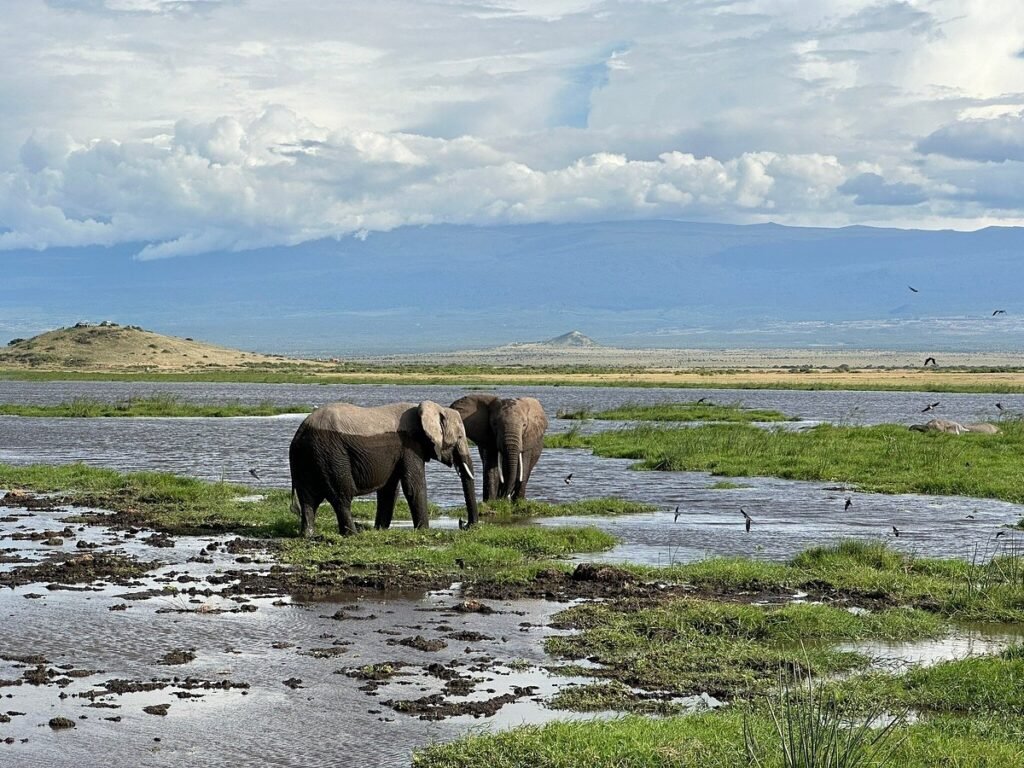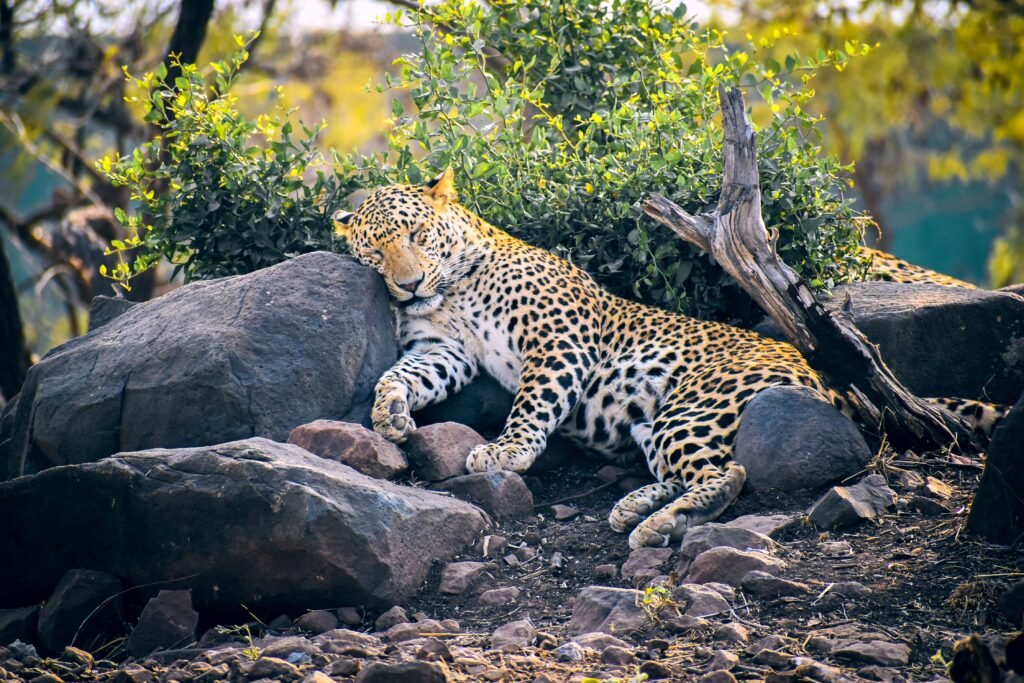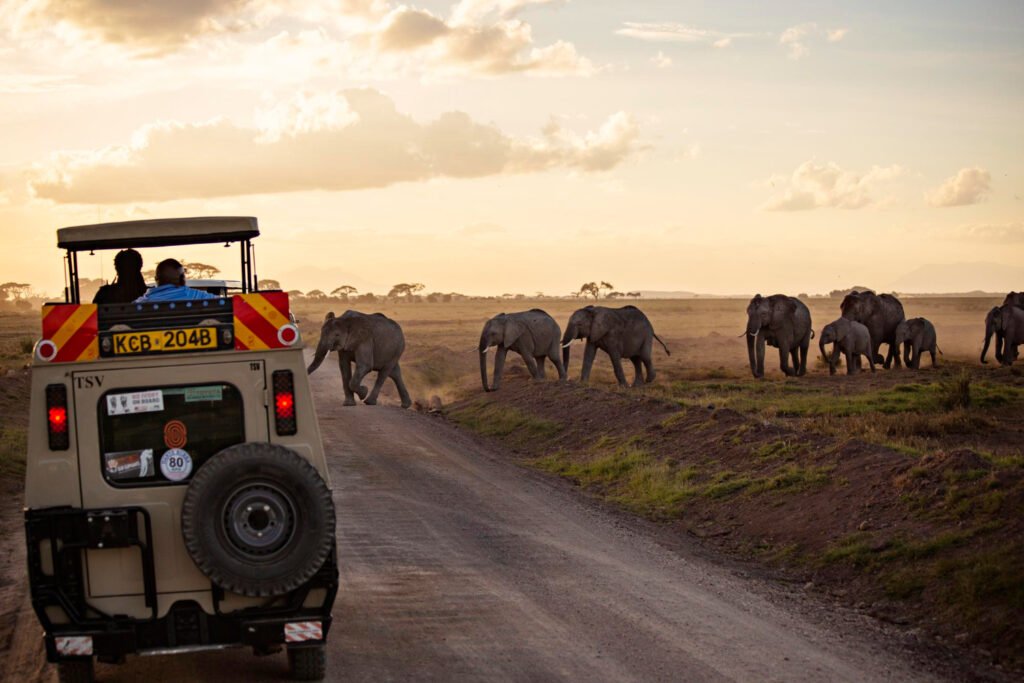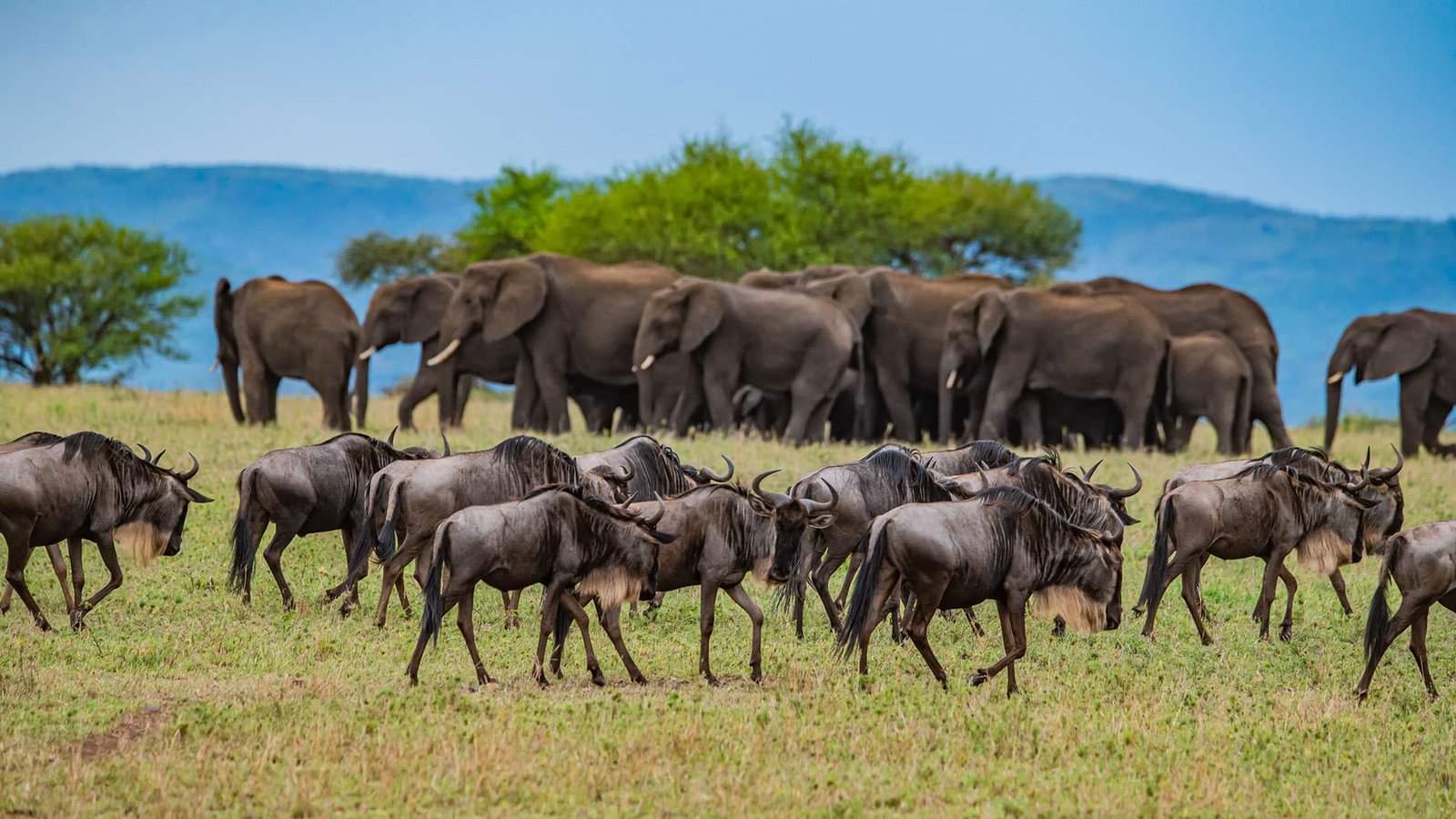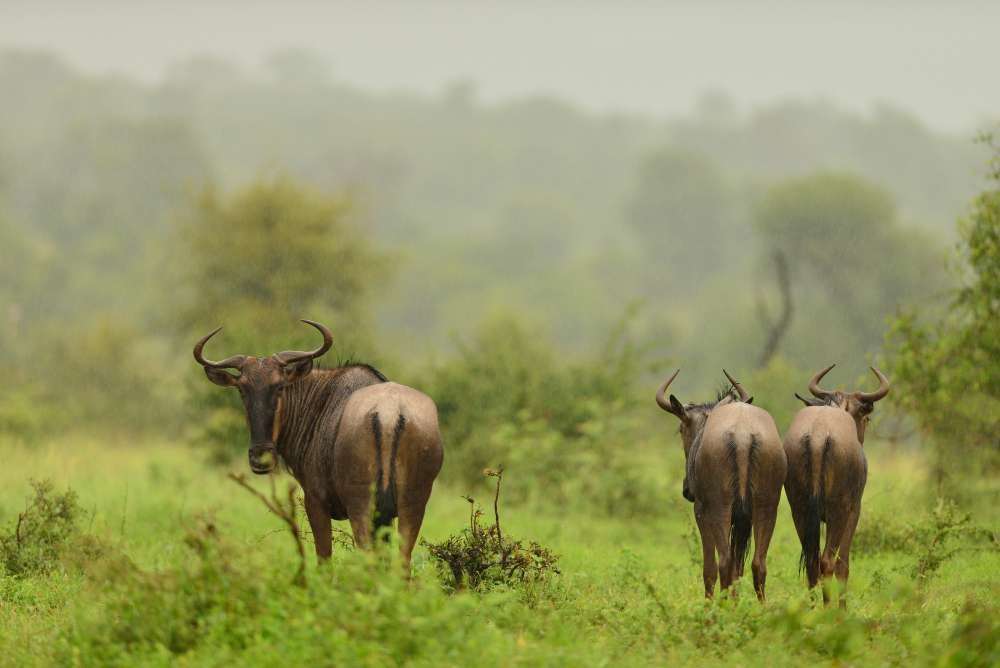

A Kenya Safari from China offers Chinese travellers an opportunity to experience a side of the world that feels completely different from the cities, mountains and cultural attractions of East Asia. Kenya is a destination of vast savannahs, elephants moving beneath Mount Kilimanjaro, lions resting in open grasslands, rhinos protected within conservation areas and beautiful beaches along the Indian Ocean.
For travellers coming from Beijing, Shanghai, Guangzhou, Shenzhen, Chengdu, Hangzhou and other parts of China, a Kenyan safari can combine wildlife, photography, culture, conservation and relaxation within one holiday.
Kenya Wildlife Service describes the country’s protected areas as ranging from the red plains of Tsavo and the highlands around Mount Kenya to Lake Nakuru and marine ecosystems along the coast. This environmental variety means travellers do not need to spend their entire holiday visiting similar-looking parks.
A successful Kenya Safari from China should be planned around the traveller rather than copied from a standard itinerary. Some visitors want to photograph the Big Five. Others are interested in the Great Migration, family travel, luxury lodges or a honeymoon combining safari and beach.
This guide explains how Chinese travellers can plan a practical and rewarding journey to Kenya.
Why Kenya Appeals to Travellers from China
Kenya provides experiences that are difficult to reproduce elsewhere.
Wildlife is the main attraction, but the beauty of the safari comes from seeing animals within their natural landscapes rather than simply ticking species off a list.
A morning might begin before sunrise with a drive across the savannah. You may find elephants around a wetland, giraffes feeding from acacia trees or lions returning from a night of hunting.
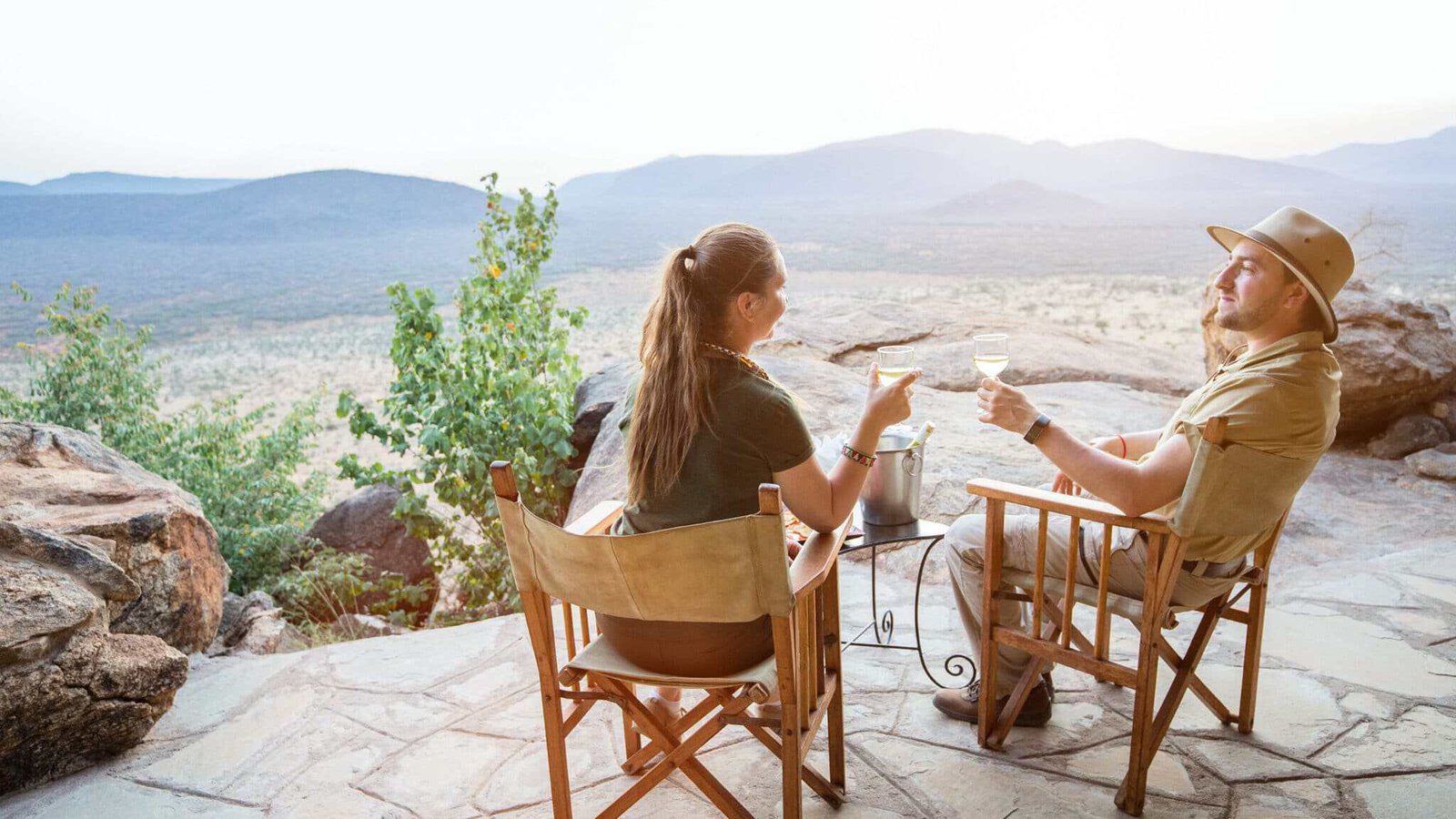
Later, you may relax at a lodge overlooking a river or waterhole.
This natural rhythm is one reason a safari feels so different from conventional sightseeing.
Chinese travellers interested in photography can also find Kenya particularly rewarding. Landscapes are large and dramatic, while wildlife subjects range from tiny birds to elephants, giraffes, predators and large herds.
Nairobi Is the Main Gateway for a Kenya Safari from China
Most international safari journeys begin in Nairobi.
Jomo Kenyatta International Airport is Kenya’s principal international gateway and provides convenient access to Nairobi hotels, road safari routes and domestic flights to wildlife areas.
Flight options from China depend on departure city, airline and travel period, and many itineraries involve a connection through another major international hub.
Because airline schedules can change, travellers should compare total journey time, connection length, baggage policies and arrival time before booking.
Arriving in Nairobi during the evening and staying overnight can be much more comfortable than beginning a long road safari immediately after an international journey.
Kenya Entry Requirements for Chinese Travellers
Chinese passport holders should confirm Kenya’s latest immigration requirements before travelling.
Kenya currently operates an Electronic Travel Authorisation system. The official Kenya eTA portal explains that travellers who require authorization should complete the process before arriving in Kenya.
The current application guidance lists documents including a passport with at least six months’ validity and one blank page, a passport-style photograph or selfie, contact information, arrival and departure details, accommodation confirmation and a suitable payment method.
Travellers should use Kenya’s official immigration platform and verify their eligibility shortly before departure because entry procedures, exemptions and charges may change.
China and Kenya have a mutual visa-exemption arrangement for certain diplomatic and service passport categories, but ordinary passport holders should not assume that this exemption applies to them. China’s official consular information lists the Kenya exemption specifically for qualifying diplomatic and service passports.
A Kenya Safari Should Not Be Rushed
Travelling from China to East Africa involves a substantial international journey.
For that reason, trying to visit five parks in five days usually provides poor value.
A better safari gives travellers enough time to enjoy each destination.
Two or three nights in a major wildlife region can reveal much more than a rushed afternoon game drive followed by another long transfer the next morning.
Wildlife moves naturally. There is no guarantee that lions, leopards or elephants will appear simply because you have arrived.
Time is therefore one of the most valuable parts of a safari.
A 10-Night Classic Kenya Safari for Chinese Travellers
One rewarding route begins in Nairobi before travelling south to Amboseli.
Spend two nights in Amboseli, where elephants, open landscapes and views toward Mount Kilimanjaro create a memorable introduction to Kenya.
Continue to Lake Naivasha for one night and enjoy a change from traditional game driving.
From the Rift Valley, travel toward Lake Nakuru for another night before continuing to the Masai Mara.
Spend three nights in the Masai Mara to give yourself enough time for several wildlife drives.
Return to Nairobi and spend another night in the city before departure or extend the journey to the coast.
This route works well for first-time visitors because each destination contributes something different.
A 13-Night Northern Kenya and Masai Mara Journey
Travellers who want something less conventional can concentrate on northern and central Kenya.
Begin with a night in Nairobi before travelling to Samburu.
Stay three nights in Samburu rather than simply passing through.
The dry northern landscapes contrast beautifully with the greener parts of Kenya and offer excellent wildlife photography opportunities.
Continue to Ol Pejeta for two nights and learn about wildlife conservation, particularly rhinos.
The journey can then continue through the Great Rift Valley before finishing with three or four nights in the Masai Mara.
This type of itinerary is especially attractive to repeat Africa visitors and travellers who prefer a deeper safari rather than collecting as many parks as possible.
Masai Mara: Kenya’s Famous Wildlife Landscape
The Masai Mara is one of the most internationally recognised safari areas in East Africa.
Its open plains support abundant wildlife, including lions, elephants, giraffes, zebras, buffaloes, cheetahs, antelopes and many other species.
The area is also associated with the seasonal Great Migration within the wider Serengeti-Mara ecosystem.
Chinese travellers visiting during migration periods should understand that wildlife movement is controlled by rainfall and natural conditions.
It is impossible to guarantee a dramatic river crossing on a particular day.
The Masai Mara remains worthwhile outside the migration season because resident wildlife is present throughout the year.
Amboseli and the Famous Kilimanjaro Views
Amboseli National Park is particularly suitable for travellers interested in photography.
Kenya Wildlife Service highlights big-game viewing, the Mount Kilimanjaro backdrop, Observation Hill, Maasai culture and a bird list exceeding 400 species among the park’s attractions.
Elephants are one of Amboseli’s major attractions.
When Kilimanjaro is visible, the combination of elephants and Africa’s highest mountain creates some of Kenya’s most recognisable safari scenes.
Conditions can change quickly, however, and the mountain may be hidden by cloud at certain times of day.
Spending more than one night improves your chances of enjoying different lighting and weather conditions.
Samburu for a Different Side of Kenya
Samburu provides a strong contrast to the Masai Mara.
The region is generally drier and more rugged, creating landscapes that can feel more remote.
It is a particularly good option for photographers and travellers who want diversity rather than seeing similar environments every day.
Samburu also introduces visitors to the cultural traditions of communities in northern Kenya.
Cultural experiences should always be approached respectfully, with permission requested before close photography of individuals.
Ol Pejeta for Conservation-Focused Travel
A Kenya Safari from China does not have to focus only on game drives.
Ol Pejeta can add an important conservation dimension to a safari.
The conservancy is internationally associated with rhino conservation and provides opportunities for visitors to learn more about the work required to protect endangered wildlife.
This can be particularly meaningful for families travelling with older children and for visitors interested in environmental conservation.
Tsavo for Travellers Seeking Open Wilderness
Tsavo East and Tsavo West provide enormous landscapes and a stronger feeling of wilderness.
They are particularly useful when designing a safari that finishes on Kenya’s coast.
Instead of returning to Nairobi after every wildlife destination, travellers can follow a route from Nairobi through Amboseli and Tsavo before continuing toward the Indian Ocean.
Kenya Wildlife Service lists Tsavo among the country’s major protected landscapes and highlights the vast red plains as one of Kenya’s characteristic wildlife environments.
Lake Nakuru and the Great Rift Valley
Lake Nakuru National Park adds woodland and lake environments to a traditional savannah safari.
It can be conveniently combined with the Masai Mara and other Rift Valley destinations.
Travellers often include it because it offers a different setting while also breaking up longer overland journeys.
A carefully planned safari should use destinations such as Lake Nakuru because they improve the overall route, not simply because they add another national park to the itinerary.
Meru for Travellers Who Prefer Quieter Parks
Travellers looking beyond Kenya’s most famous safari circuit may consider Meru National Park.
Kenya Wildlife Service includes Meru within its national network of protected areas.
A Meru itinerary can be particularly appealing for visitors who have already experienced the Masai Mara or who prefer less conventional safari routes.
Spending several nights in one quieter wildlife region can often feel more rewarding than rushing through multiple famous destinations.
Kenya Safari from China for Photographers
Kenya is a natural choice for photography-focused travel.
The country’s landscapes provide strong backgrounds, while wildlife subjects range from birds and antelopes to big cats, elephants and giraffes.
For serious photography, consider booking a private safari vehicle.
A private vehicle gives you more flexibility to remain at a sighting and discuss positioning with your guide.
Photographers should also avoid overly ambitious itineraries.
Spending three or four nights in one wildlife-rich destination may produce better results than changing camps every morning.
Bring spare batteries, adequate memory cards, lens-cleaning equipment and protection against dust.
Private Safari or Shared Group Tour?
Private safaris are popular with families, couples and small groups travelling together from China.
Your party has its own vehicle and guide, allowing greater flexibility during wildlife drives.
If you are particularly interested in lions, birds, elephants or photography, you can spend more time concentrating on those interests.
Shared tours can reduce costs but provide less control over the daily schedule.
For families or groups of four to six people, sharing the cost of one private safari vehicle may provide especially good value.
Mandarin-Speaking Safari Support
Language should be discussed when arranging your safari.
English is widely used in Kenya’s tourism industry.
Travellers who prefer Mandarin should ask their tour operator in advance whether Mandarin-speaking guiding or translation support can be arranged.
Do not assume that Mandarin-speaking guides will be available after arrival, particularly during busy periods.
Where specialist language support is unavailable, a professional English-speaking safari guide combined with translated itinerary materials can still provide a smooth experience.
Kenya Safari from China for Families
Family safaris should be designed differently from adult-only trips.
Young travellers may enjoy elephants, giraffes and lions but become tired during very long road transfers.
Try to avoid changing lodges every night.
Two- or three-night stays provide children with time to settle into the safari experience.
A private vehicle can also make family travel easier because parents can adjust the timing of game drives.
Select accommodation with family-friendly facilities and check age restrictions for special activities before confirming the trip.
Kenya Safari from China for Honeymooners
Kenya offers a strong alternative to a conventional island honeymoon.
Couples can combine intimate safari camps, wildlife encounters, private meals and dramatic scenery before continuing to an Indian Ocean resort.
One possible honeymoon journey could combine Amboseli, a private wildlife conservancy and Diani Beach.
Another could combine Samburu, the Masai Mara and Watamu.
The best honeymoon itinerary should leave enough time to enjoy each lodge rather than spending every day travelling.
Luxury Kenya Safaris for Chinese Travellers
Luxury does not necessarily mean simply choosing the most expensive lodge.
A genuinely high-quality safari should provide good guiding, excellent location, comfortable accommodation, manageable transfers and personal service.
Luxury itineraries may include fly-in transfers, private safari vehicles, smaller camps and premium rooms.
They are well suited to couples, honeymooners, multigenerational families and travellers celebrating special occasions.
However, location remains important.
A modest camp in an excellent wildlife area may provide a better safari than an expensive lodge requiring long drives to reach wildlife.
Fly-In Safari or Road Safari?
A road safari provides a closer look at Kenya between wildlife areas.
You can see towns, farms, mountains and changing landscapes rather than simply flying over them.
For groups, road travel can also provide good value because the vehicle cost is shared.
Fly-in safaris are useful when time and comfort are bigger priorities.
Small aircraft can reduce hours of overland travel and bring visitors closer to safari camps.
Many travellers combine the two.
For example, you could travel through Amboseli and the Rift Valley by road, then fly from the Masai Mara back to Nairobi.
Safari Accommodation: Lodge or Tented Camp?
Both can provide excellent experiences.
Safari lodges generally use permanent buildings and may have larger shared facilities.
Tented camps create a stronger connection with the natural environment.
A modern permanent safari tent may include a full bed, private bathroom, shower, furniture and veranda.
It should not be confused with basic recreational camping.
Travellers can combine both accommodation styles for greater variety.
When Is the Best Time to Visit Kenya from China?
Kenya can be visited throughout the year, although wildlife conditions change by season.
Drier periods are popular because animals may gather around reliable water sources and vegetation can become easier to see through.
Certain months attract visitors hoping to experience migration activity in the Masai Mara.
Greener periods can provide beautiful landscapes, newborn animals, birdlife and fewer vehicles in some regions.
The best month therefore depends on whether your priority is photography, migration, fewer crowds, family travel or price.
Chinese New Year Safari Holidays
Chinese New Year can provide an interesting opportunity for a Kenya holiday when annual travel dates allow.
Travellers escaping the colder parts of China can experience warmer African landscapes while combining wildlife and relaxation.
Because Chinese New Year is a major international travel period, flights can be busy.
Travellers considering a safari during this period should plan early and confirm international flights, accommodation and private guides well in advance.
Summer Holidays and Great Migration Travel
July and August are another popular period for Chinese families and students because they coincide with summer holidays.
These months also attract strong interest in the Masai Mara.
Travellers should book early if they want specific camps or lodges.
However, safari planning should not be based solely on Great Migration marketing.
Wildlife movement changes according to rainfall, and no ethical operator should promise that you will witness a particular crossing.
Clothing for a Kenya Safari
Safari clothing should be practical and comfortable.
Kenya Wildlife Service recommends natural or earth-toned clothing, a hat, sunglasses and lace-up footwear. It also lists useful safari items such as insect repellent, binoculars and a flashlight.
Bring lightweight trousers, breathable shirts and comfortable walking shoes.
A fleece or light jacket is useful because morning game drives can feel cool even when daytime temperatures become warm.
A light rain jacket can also be useful depending on the season.
Do Not Overpack
Some travellers arrive with more luggage than they actually need.
This can become a problem when the itinerary includes domestic safari flights.
Small aircraft can have stricter baggage policies than international airlines.
Soft-sided luggage is often easier to handle during safari travel.
Ask your operator for the current baggage allowance before leaving China.
Laundry services are available at many safari properties, although arrangements vary.
Food During a Kenya Safari
Safari lodges and camps commonly provide breakfast, lunch and dinner according to the booked meal plan.
International cuisine is widely available within established safari accommodation, often alongside Kenyan dishes.
Chinese travellers with special dietary preferences should provide details before arrival.
Vegetarian diets, allergies and other requirements should be clearly communicated when making the reservation so remote camps can prepare appropriately.
Travellers who strongly prefer Chinese food should discuss this with their operator rather than assuming every remote safari property can provide it.
Combining Kenya with the Indian Ocean
After several days of game drives, finishing beside the Indian Ocean can create a much more balanced holiday.
Kenya’s coast includes destinations such as Diani and Watamu.
A beach extension allows travellers to sleep later, swim, relax and enjoy a completely different environment before flying back to China.
This works particularly well for honeymooners and families.
Travellers following an Amboseli and Tsavo route can also continue naturally toward the coast rather than returning immediately to Nairobi.
Understanding Kenya Safari Costs
Safari prices vary considerably.
Travel period, accommodation category, private or shared vehicle arrangements, domestic flights, park fees and number of travellers all influence the final cost.
Instead of asking only for the cheapest safari, examine what is included.
A quotation should clearly identify accommodation, meals, park fees, transport, airport transfers and guiding arrangements.
It should also explain exclusions such as international flights, personal expenses, optional activities, gratuities and travel insurance.
Transparent pricing is an important part of choosing a reliable safari company.
How to Choose a Kenya Safari Operator
The quality of a safari depends heavily on the operator and guide.
Look for clear company information, realistic travel times and detailed itineraries.
A professional safari company should be able to explain why it has chosen each destination.
It should also answer practical questions about vehicles, room categories, park fees, domestic flights, payment terms and changes to accommodation.
Be cautious when an itinerary includes long distances every day simply so it can advertise more parks.
Good safari planning sometimes means removing a destination rather than adding one.
Responsible Wildlife Viewing
Wild animals should never be treated as entertainment props.
Visitors should follow park rules and listen to their guides.
Do not pressure drivers to move too close to wildlife simply for a photograph.
Do not feed animals or leave litter behind.
Respecting wildlife produces a safer and often more rewarding safari.
Responsible operators should place conservation and animal welfare above the pressure to obtain dramatic photographs.
Cultural Respect During a Kenya Safari
Many Chinese travellers are interested in Kenya’s Maasai and Samburu cultures.
Community visits can add considerable depth to a safari when arranged properly.
Ask before photographing people.
Listen to explanations from local hosts and guides rather than viewing communities simply as another tourist attraction.
A meaningful cultural encounter should involve respect, conversation and fair benefit to the people receiving visitors.
Frequently Asked Questions About Kenya Safari from China
Can Chinese citizens travel to Kenya for safari?
Yes. Chinese travellers can visit Kenya, subject to Kenya’s current immigration an travel requirements. Ordinary passport holders should check the applicable Kenya eTA requirements before travel.
How long should I spend on safari?
Around 9 to 13 nights provides a comfortable period for many visitors travelling from China. Shorter journeys can work when flights are used between major destinations.
Can I request a Mandarin-speaking guide?
Depending on availability, language support may be possible. Request this when arranging the safari rather than waiting until arrival.
Is Kenya good for Chinese families?
Yes. Private safari vehicles and carefully paced itineraries can make Kenya highly suitable for family holidays.
Is the Masai Mara worth visiting outside the Great Migration?
Yes. The Masai Mara has resident wildlife throughout the year, so safari experiences are not limited to migration months.
Can Kenya be combined with a beach holiday?
Yes. Diani, Watamu and other coastal destinations can be added after the wildlife portion of the trip.
Is a private safari expensive?
The cost depends on group size, accommodation and season. For several family members or friends travelling together, sharing one private vehicle can offer good value.
Should I carry cash?
It is useful to have some local currency for small expenses and gratuities. Payment arrangements vary between lodges, cities and rural areas, so travellers should discuss expected expenses with their tour operator before departure.
Planning a Kenya Safari from China with Confidence
A Kenya Safari from China should be more than a long flight followed by a checklist of famous animals.
The strongest journeys are carefully paced.
They give travellers enough time to understand the landscapes, watch animal behaviour and enjoy the lodges rather than constantly packing for the next destination.
A first-time visitor may want the classic landscapes of Amboseli and the Masai Mara. A wildlife photographer might prefer Samburu and several nights in a private conservancy. Families may benefit from fewer road transfers and private vehicles. Honeymooners might combine a secluded safari camp with several nights beside the Indian Ocean.
Kenya’s diversity allows each of these journeys to work.
The country offers mountain views, dry northern landscapes, Great Rift Valley lakes, savannahs, conservation areas, vast wilderness and an Indian Ocean coast within one destination.
Good planning, realistic travel times, suitable accommodation and professional guiding are therefore more important than simply choosing the longest list of destinations.
For travellers ready to experience African wildlife in its natural environment, a Kenya Safari from China can provide a journey filled with extraordinary photography, memorable wildlife encounters, cultural discovery and landscapes that feel completely removed from everyday life in China.