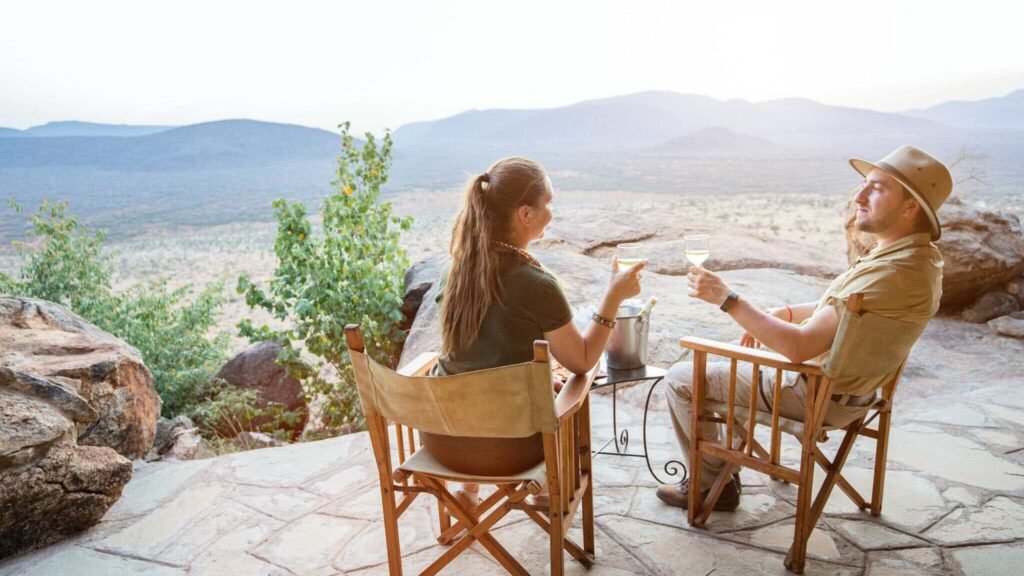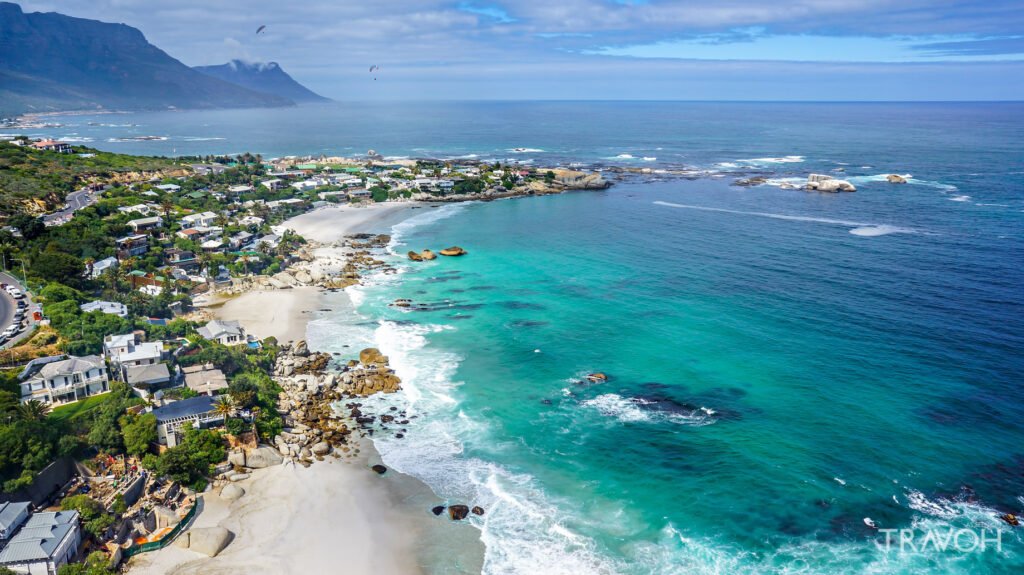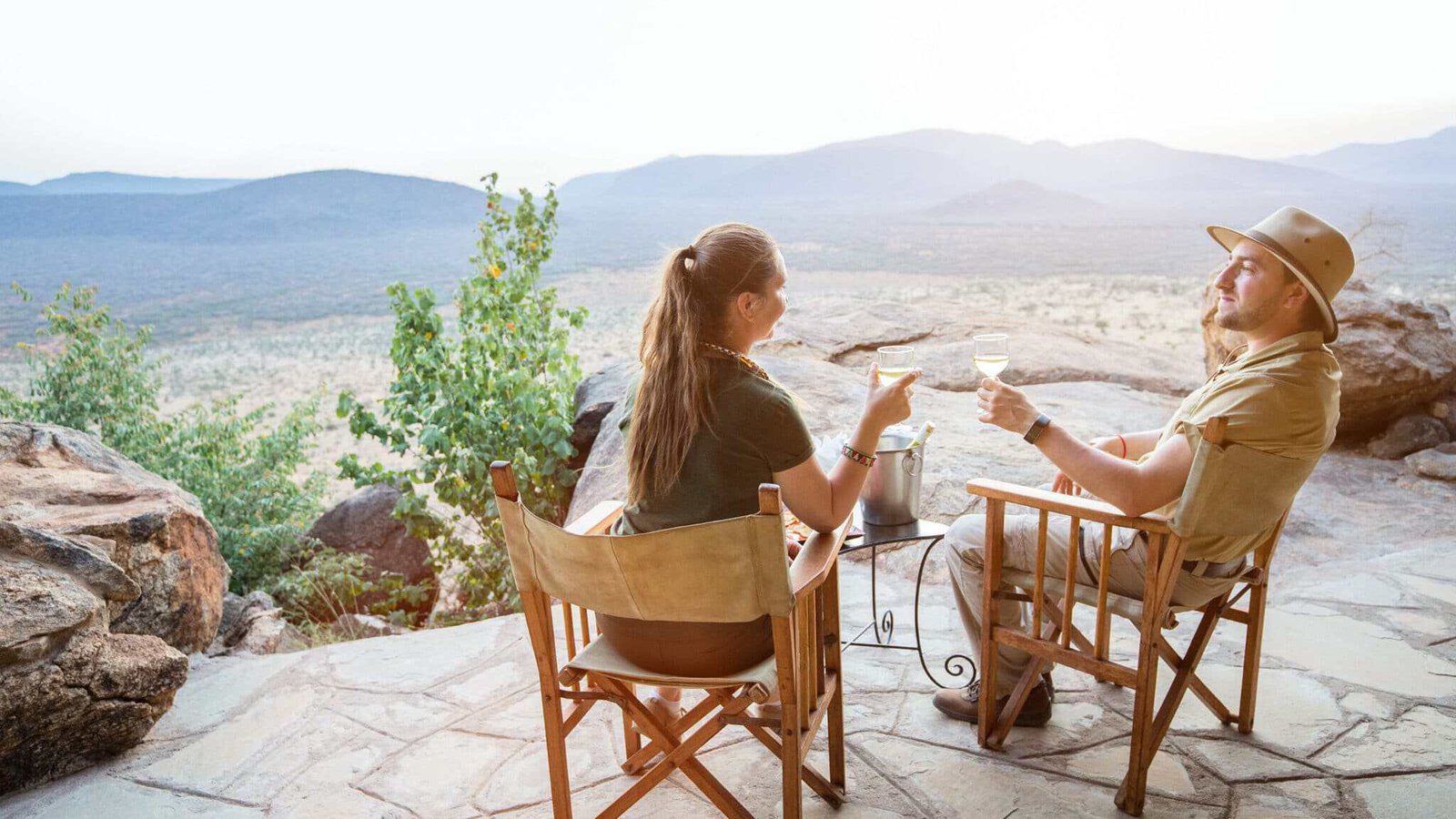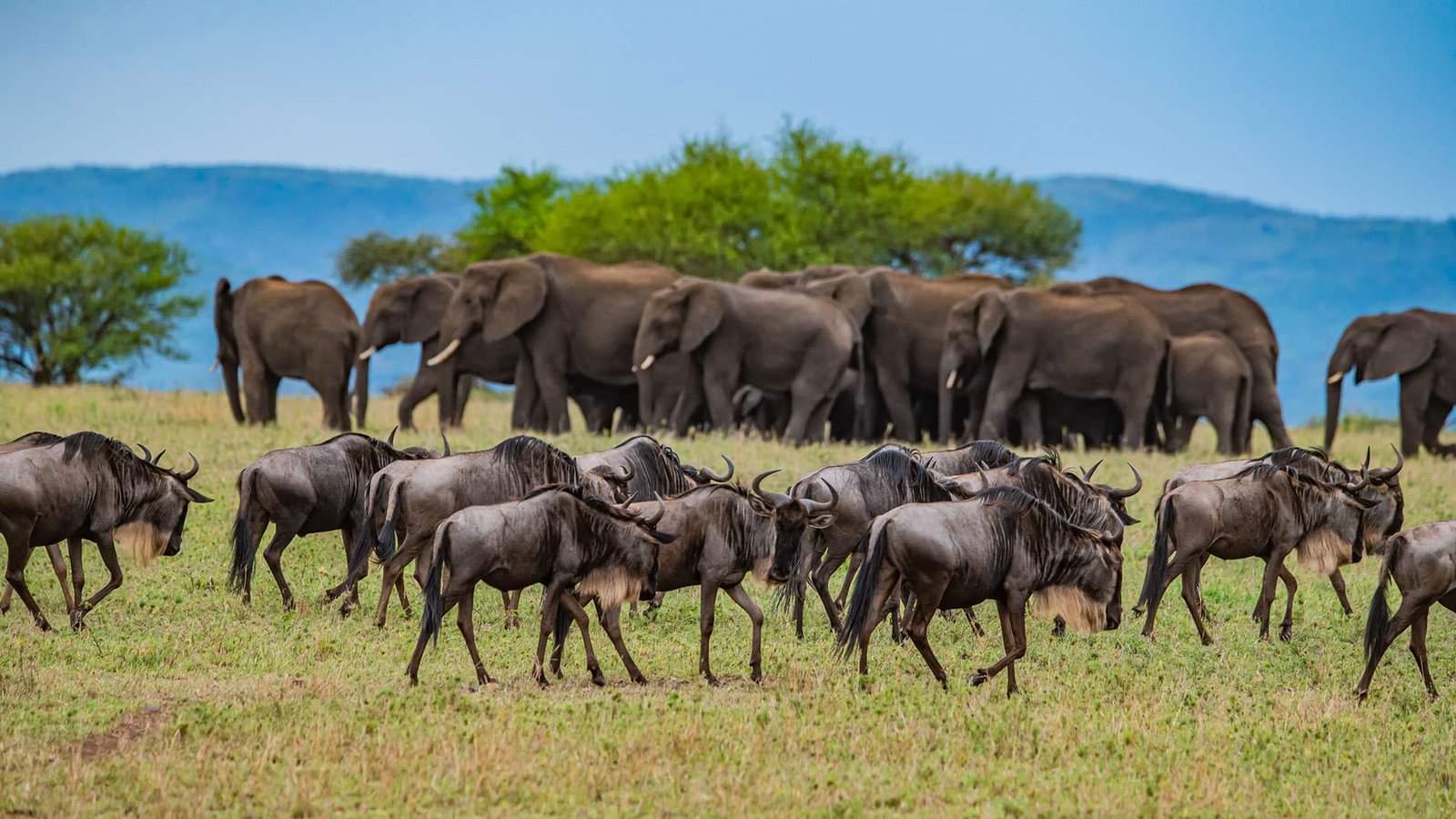

Planning a 10-day African safari is an exciting way to experience some of the world’s most remarkable wildlife, landscapes and cultures. From watching lions cross the Masai Mara plains to seeing elephants beneath Mount Kilimanjaro, a 10-day safari gives travelers enough time to explore several destinations without rushing through every stop.
One of the first questions travelers ask is: how much does a 10-day African safari cost?
There is no single price because safari costs vary according to the country, destinations, accommodation level, transportation, season, number of travelers, park fees and activities included. A 10-day budget safari can cost considerably less than a private luxury safari, while a customized family or honeymoon safari may have a completely different price.
For travelers comparing 10-day African safari packages, understanding what is included in the price is just as important as looking at the advertised cost. A cheaper package may exclude park fees, airport transfers, meals or selected activities, while a higher-priced package may include private transportation, premium accommodation and most safari expenses.
This guide explains the main costs involved, what you can expect at different budget levels, which destinations offer good value and how to plan a 10-day African safari that fits your travel budget.
How Much Does a 10-Day African Safari Cost?
As a general planning guide, a 10-day African safari can range from approximately US$1,500 to more than US$10,000 per person, depending on the destination and safari style.
Budget and camping safaris may start around US$1,500–US$2,500 per person. Mid-range lodge safaris commonly fall around US$2,500–US$5,000 per person, while luxury safaris can range from US$5,000 to US$10,000 or more per person.
These figures are planning ranges rather than fixed quotations. The final cost depends on the exact itinerary, travel dates, accommodation, group size, transport arrangements, park fees and optional activities.
International flights are also normally priced separately from the safari package. Travelers flying from the United States, Canada, Europe, Asia or Australia should therefore calculate international airfare as an additional part of the overall trip budget.
What Determines the Cost of a 10-Day African Safari?
The biggest factor affecting safari cost is the style of travel you choose. A traveler staying in simple tented camps and joining a shared safari vehicle will usually spend less than someone booking private transportation and luxury lodges.
The destination also has a major effect on the price. Safari costs differ between Kenya, Tanzania, Uganda, Rwanda, Botswana, Namibia, South Africa and other African destinations. Each country has its own park fees, conservation charges, accommodation market and transportation system.
The time of year is another important consideration. Peak travel periods can result in higher accommodation rates and increased demand for safari vehicles and popular lodges. Travelers who have flexibility with dates may find better value during shoulder or low seasons.
The number of people traveling together also affects the price. A private safari vehicle can be relatively expensive for one traveler because the vehicle and guide costs are spread across fewer people. For couples, families and groups, the cost per person can become more competitive.
10-Day African Safari Cost by Budget Level
Budget 10-Day African Safari
A budget safari is designed for travelers who want to experience Africa’s wildlife while keeping accommodation and transportation costs under control.
A typical budget safari may use public roads, shared safari vehicles, budget lodges, campsites or basic tented accommodation. Meals are often included, and game drives are organized around the standard schedule of the safari group.
A realistic planning range for a 10-day budget safari is approximately US$1,500–US$2,500 per person, although the actual price can be lower or higher depending on the country and itinerary.
Budget does not necessarily mean a poor safari experience. Many travelers choose this option because they prefer spending more time in national parks rather than paying for high-end rooms. The main compromise is usually accommodation comfort, vehicle privacy and flexibility.
Mid-Range 10-Day African Safari
A mid-range safari is often the best balance between comfort and value. Travelers generally stay in comfortable lodges or quality tented camps and travel in a reliable safari vehicle with a professional guide.
A 10-day mid-range African safari may cost approximately US$2,500–US$5,000 per person.
The package may include accommodation, meals, park or conservation fees, game drives, transportation and airport transfers, although inclusions vary between operators.
For many first-time safari travelers, mid-range accommodation provides an excellent experience without the significant premium associated with luxury properties.
Luxury 10-Day African Safari
Luxury safaris focus on premium accommodation, privacy, personalized service and exclusive experiences. Accommodation can include luxury tented camps, high-end safari lodges and private conservancy properties.
A 10-day luxury African safari can commonly cost US$5,000–US$10,000 or more per person.
Luxury itineraries may include private vehicles, private guides, premium meals, domestic flights, exclusive game drives, bush dinners and other personalized experiences. Some luxury properties are located in private conservancies where additional activities, such as guided walking safaris or night game drives, may be available.
The price can increase considerably when travelers choose ultra-luxury properties, private charter flights or exclusive-use villas.
How Much Does a 10-Day Kenya Safari Cost?
Kenya is one of the most popular destinations for a 10-day African safari because it offers a wide variety of wildlife ecosystems and relatively straightforward road-safari routes.
A 10-day Kenya safari can generally be planned across budget, mid-range and luxury categories.
A budget itinerary may cost approximately US$1,500–US$2,500 per person, while a comfortable mid-range itinerary may fall around US$2,500–US$4,500 per person. Luxury itineraries can start around US$5,000 and increase significantly depending on the accommodation and private services selected.
A classic Kenya itinerary might combine the Masai Mara, Lake Nakuru, Lake Naivasha and Amboseli. Travelers with more time can add Samburu, Ol Pejeta Conservancy, Tsavo or the Kenyan coast.
The Masai Mara is often the highlight for first-time visitors because of its exceptional wildlife and expansive grasslands. Amboseli provides a completely different experience, particularly for travelers interested in elephants and Mount Kilimanjaro views.
How Much Does a 10-Day Tanzania Safari Cost?
Tanzania is another major safari destination, particularly for travelers interested in the Serengeti and Ngorongoro Conservation Area.
A 10-day Tanzania safari may cost approximately US$2,000–US$6,000 per person, with luxury itineraries reaching considerably higher prices.
A typical route could include Tarangire National Park, the Ngorongoro Conservation Area and Serengeti National Park. Some itineraries also include Lake Manyara or additional time in Arusha.
Tanzania can be particularly attractive for travelers who want to combine wildlife viewing with the Great Migration. However, the cost depends heavily on the season, accommodation location and length of time spent in the Serengeti.
How Much Does a 10-Day Uganda Safari Cost?
Uganda offers a different safari experience, particularly for travelers interested in combining traditional wildlife viewing with primate experiences.
A 10-day Uganda safari can include destinations such as Queen Elizabeth National Park, Kibale Forest and Bwindi Impenetrable National Park.
The cost can vary widely because gorilla trekking permits are a significant additional expense. A traveler planning a Uganda itinerary with gorilla trekking should therefore distinguish between ordinary safari costs and the specific permit costs associated with the trek.
Uganda can be an excellent choice for travelers who want a combination of savannah wildlife, chimpanzee experiences and mountain gorilla trekking.
What Is Usually Included in a 10-Day Safari Price?
A well-organized safari package commonly includes accommodation, safari transportation and the services of a professional driver-guide.
Depending on the operator and package, the price may also include national park entrance fees, conservation fees, meals, drinking water, airport transfers and scheduled activities.
Private safari packages may include exclusive use of the vehicle, allowing travelers to control the daily schedule more easily.
Before paying a deposit, request a written quotation showing every inclusion. This prevents confusion between the advertised price and the actual amount you will pay.
Are Park Fees Included in the Safari Cost?
Park and conservation fees may be included in the quoted safari price, but this should never be assumed.
National parks and conservancies charge fees that vary according to destination, visitor category and sometimes season. These fees can represent a significant portion of a safari’s total cost.
A transparent safari quotation should clearly state whether park fees and conservation charges are included.
Are Meals Included?
Most multi-day safari packages include breakfast, lunch and dinner, especially when travelers stay at lodges or tented camps.
On full-day game drives, lunch may be provided as a packed picnic so that travelers can spend more time inside the park.
However, drinks other than drinking water, alcoholic beverages and some specialty meals may be charged separately.
Is Drinking Water Included?
Many safari operators provide drinking water during road transfers and game drives. The exact quantity and policy should be confirmed before travel.
Carrying a reusable water bottle is recommended because it reduces plastic waste and makes it easier to stay hydrated during long game drives.
Are International Flights Included?
International flights are generally not included in the advertised safari package unless the quotation specifically states otherwise.
For example, a traveler flying from New York to Nairobi will need to budget separately for the international airfare.
When calculating the complete cost of your holiday, consider international flights, visas or entry requirements, travel insurance and personal spending in addition to the safari package.
Are Domestic Flights Included?
Domestic flights may or may not be included depending on the itinerary.
Fly-in safaris to remote destinations can save considerable road-transfer time, but flights normally increase the total cost. A road safari is usually more economical and allows travelers to see more of the country between destinations.
For a 10-day itinerary, combining road transfers with selected domestic flights can sometimes provide a useful balance between comfort, time and cost.
How Much Does a Private Safari Cost?
Private safaris generally cost more than group safaris because the travelers have exclusive use of the vehicle and guide.
For two travelers, a private mid-range 10-day safari might cost approximately US$3,000–US$5,000 or more per person, depending on the country and accommodation.
The advantage is flexibility. You can often choose when to leave the lodge, how long to remain at wildlife sightings and how much time to spend photographing animals.
Private safaris are especially popular with couples, families, honeymooners and photographers.
How Much Does a Family Safari Cost?
Family safari costs depend on the number and ages of travelers, room arrangements and the selected accommodation.
A family of four may receive a different per-person rate from two adults traveling privately because vehicle and guide costs are shared across more travelers.
Families should also check whether lodges have connecting rooms, family rooms, child policies and minimum age requirements for specific activities.
A family itinerary should not simply copy an adult-focused safari. Driving times, meal schedules and activity intensity should be considered when designing the route.
How Much Does a Honeymoon Safari Cost?
A honeymoon safari can range from a comfortable mid-range experience to an ultra-luxury private journey.
Couples seeking value can choose excellent lodges while prioritizing private transportation and memorable experiences. Those with larger budgets may select luxury tented camps, private villas, bush dinners and domestic flights.
A 10-day honeymoon safari can also combine wildlife destinations with a beach extension, such as Kenya’s Indian Ocean coast or Tanzania’s Zanzibar.
What Additional Costs Should I Budget For?
The advertised safari price is not necessarily the entire cost of your African holiday.
Travelers should budget separately for international flights, visas or entry requirements where applicable, travel insurance, vaccinations and health-related travel preparations, tips, drinks, souvenirs and optional activities.
Additional costs can also include laundry, private transfers, premium alcoholic beverages, cultural visits, hot-air balloon flights and domestic flights when these are not part of the original package.
How Much Should I Budget for Tipping?
Tipping is generally voluntary and should reflect the quality of service provided.
Many travelers tip their safari driver-guide at the end of the safari. Lodge staff may also receive gratuities according to the property’s tipping arrangements.
Rather than focusing only on a fixed amount, travelers should consider the length of the safari, the quality of guiding and the level of personalized service.
Are Hot-Air Balloon Safaris Included?
Usually not in the standard safari price.
A hot-air balloon experience in the Masai Mara or Serengeti is normally an optional activity with an additional charge. It involves an early morning start and is subject to weather and operational availability.
Travelers who want this experience should mention it when requesting their safari quotation.
How Can I Reduce the Cost of a 10-Day African Safari?
One of the most effective ways to reduce the cost is to travel during a lower-demand season. Accommodation rates can be more competitive, and some destinations are less crowded.
Traveling as a small group can also reduce the per-person cost of a private vehicle because transportation expenses are shared.
Choosing good-quality mid-range accommodation instead of luxury properties can significantly reduce the total price without removing the core safari experience.
Road travel can also be more economical than flying between every destination. However, travelers should balance the savings against the additional time spent on the road.
Is a Cheap African Safari Worth It?
A low-cost safari can provide an excellent experience if the operator is reputable and the package is transparent.
The problem arises when a very low price is achieved by removing essential services, using unsuitable vehicles, choosing poor-quality accommodation or excluding mandatory park fees from the advertised price.
When comparing cheap safari packages, look beyond the headline price. Compare the accommodation, vehicle type, guide services, park fees, meals, itinerary and number of game drives.
The cheapest safari is not always the best value.
Is a More Expensive Safari Always Better?
Not necessarily.
Luxury accommodation can provide outstanding comfort, service and exclusivity, but the quality of the wildlife experience also depends on location, guide expertise, timing and the amount of time spent in the wildlife areas.
A well-planned mid-range safari can provide exceptional wildlife experiences while costing substantially less than an ultra-luxury itinerary.
The most important factor is matching the safari style to your priorities and budget.
Which Is Better: Kenya or Tanzania for a 10-Day Safari?
Both countries offer outstanding safari experiences, but the better choice depends on your interests.
Kenya is particularly attractive for travelers interested in the Masai Mara, Amboseli, rhino conservation and a combination of wildlife and cultural experiences.
Tanzania is particularly attractive for travelers interested in the Serengeti, Ngorongoro and the broader Great Migration ecosystem.
Travelers interested in visiting both countries can also plan a Kenya and Tanzania safari, although cross-border travel and additional logistics can increase the cost.
Can I Combine Kenya and Tanzania in 10 Days?
Yes, but the itinerary should be planned carefully.
A 10-day Kenya and Tanzania safari can include destinations such as the Masai Mara, Serengeti and Ngorongoro. However, trying to include too many parks can result in long transfers and less time for actual wildlife viewing.
For a first visit, a focused itinerary with fewer destinations can often provide a better experience than attempting to cover every major park.
What Is the Best 10-Day African Safari Itinerary?
There is no single best itinerary for everyone.
For a classic Kenya experience, a 10-day route could combine Nairobi, Samburu or Ol Pejeta, Lake Nakuru, Lake Naivasha, Masai Mara and Amboseli.
For Tanzania, a route could focus on Tarangire, Ngorongoro and Serengeti.
For Uganda, travelers can combine Queen Elizabeth National Park, Kibale Forest and Bwindi.
The ideal itinerary depends on whether your priority is the Big Five, the Great Migration, elephants, rhinos, gorillas, chimpanzees, landscapes, culture, photography or relaxation.
How Far in Advance Should I Book a 10-Day African Safari?
For peak travel periods, booking several months in advance is recommended. This is particularly important when traveling during popular migration periods or when you want specific lodges.
Luxury camps and smaller properties can have limited room inventory, so last-minute availability may be restricted.
Booking early also provides more time to compare itineraries, accommodation and prices rather than choosing from whatever remains available.
What Should I Look for in a Safari Company?
Choose a safari company that provides clear information about its services, itinerary, accommodation and pricing.
A professional operator should be able to explain what is included and excluded, provide emergency contact information, use appropriate safari vehicles and employ knowledgeable guides.
Look for evidence of real-world experience, transparent customer reviews, clear booking terms and responsible tourism practices.
A reputable operator should also be willing to customize the itinerary around your travel dates, interests, budget and accommodation preferences rather than pushing every traveler into exactly the same package.
How Can I Get the Best Value From a 10-Day Safari?
The best value comes from balancing accommodation, transportation and wildlife time.
Instead of choosing the cheapest available package, compare how much actual safari time you receive. A package with a slightly higher price may provide additional game drives, better-located accommodation and more time in wildlife areas.
Choose destinations that complement each other rather than repeating similar experiences. For example, combining the Masai Mara with Amboseli gives you two very different wildlife landscapes.
Also consider the location of your accommodation. Staying closer to the park or inside a protected area can provide more time for game viewing and reduce daily transfer time.
What Is the Best Month for a 10-Day African Safari?
The best month depends on the country and the experience you want.
For Kenya and Tanzania, the dry season is popular because wildlife is often easier to locate around remaining water sources and road conditions can be favorable.
The months associated with the Great Migration are especially popular in the Serengeti and Masai Mara, but migration timing changes every year.
Green-season travel can offer lower prices, fewer visitors and excellent scenery. It should therefore not be dismissed simply because it is outside the traditional peak season.
Can I Customize a 10-Day Safari to My Budget?
Yes. Customization is one of the best ways to create a safari that offers good value.
For a lower budget, you can use mid-range accommodation, shared transportation and fewer premium activities.
For a higher budget, you can upgrade accommodation, use a private vehicle, add domestic flights and include premium experiences.
A good safari itinerary should be designed around the traveler’s priorities rather than simply adding expensive services.
What Does a 10-Day African Safari Really Cost?
The true cost of a 10-day African safari is determined by the complete travel experience rather than the advertised package price alone.
For planning purposes, budget travelers can consider approximately US$1,500–US$2,500 per person, mid-range travelers around US$2,500–US$5,000 per person, and luxury travelers US$5,000–US$10,000+ per person.
These ranges should be treated as starting points for planning rather than fixed market prices. Exact costs should always be confirmed using the travel dates, group size, destination, accommodation category and activities required.
Final Thoughts: Planning the Right 10-Day African Safari
A 10-day African safari is long enough to experience several destinations while still being short enough to fit into a typical annual holiday. The key is to build an itinerary that balances wildlife time, road travel, accommodation and budget.
If your main goal is seeing the Big Five, prioritize destinations with strong wildlife concentrations and allow enough nights for multiple game drives. If photography is your priority, consider a private vehicle and flexible game-drive schedule. Families may benefit from fewer destinations and shorter transfers, while honeymooners may prefer private accommodation and additional experiences.
Most importantly, compare safari packages based on what you actually receive. Check accommodation quality, park fees, meals, transportation, guide services, game drives and optional activities before making a decision.
A well-planned safari does not have to be the most expensive safari. With the right route, season, accommodation and operator, it is possible to create a memorable 10-day African safari that provides excellent wildlife experiences while staying within a realistic travel budget.