Malka Mari National Park is one of Kenya’s most remote and least explored protected areas, located in the northeastern part of the country along the Daua River at the Kenya–Ethiopia border. Covering an area of about 1,500 square kilometers, the park is a true wilderness destination that offers travelers a chance to experience landscapes and wildlife rarely seen in other parts of Kenya. Established in 1989, Malka Mari National Park is largely untouched by mass tourism, making it a hidden gem for adventurers seeking solitude, cultural encounters, and unique ecological discoveries.
Geography and Landscape
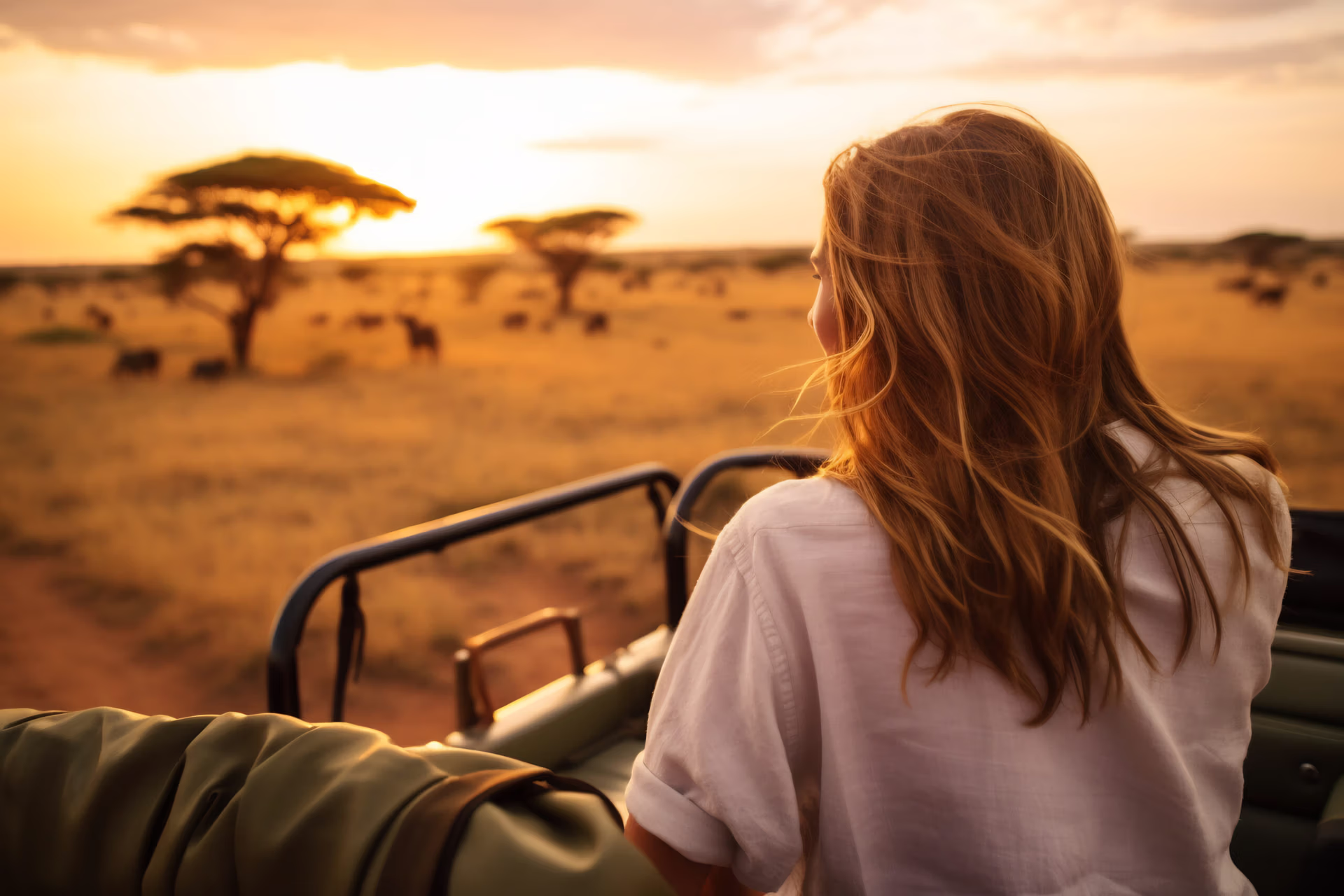
The park’s name, “Malka Mari,” is derived from a prominent hill in the area that holds cultural and historical significance to the local Somali community. The landscapes are characterized by semi-arid savannah, acacia scrublands, rugged hills, and stretches of riverine forests along the Daua River. Seasonal rivers and rocky escarpments add dramatic contrast to the otherwise dry terrain, creating habitats that support both wildlife and pastoralist communities.
Due to its location in Kenya’s arid north, Malka Mari National Park experiences high daytime temperatures with cool nights. The region’s climate and isolation have preserved its raw, wild beauty, making it ideal for travelers who want to venture off the beaten path and witness the stark beauty of Kenya’s desert frontier.
Wildlife in Malka Mari National Park
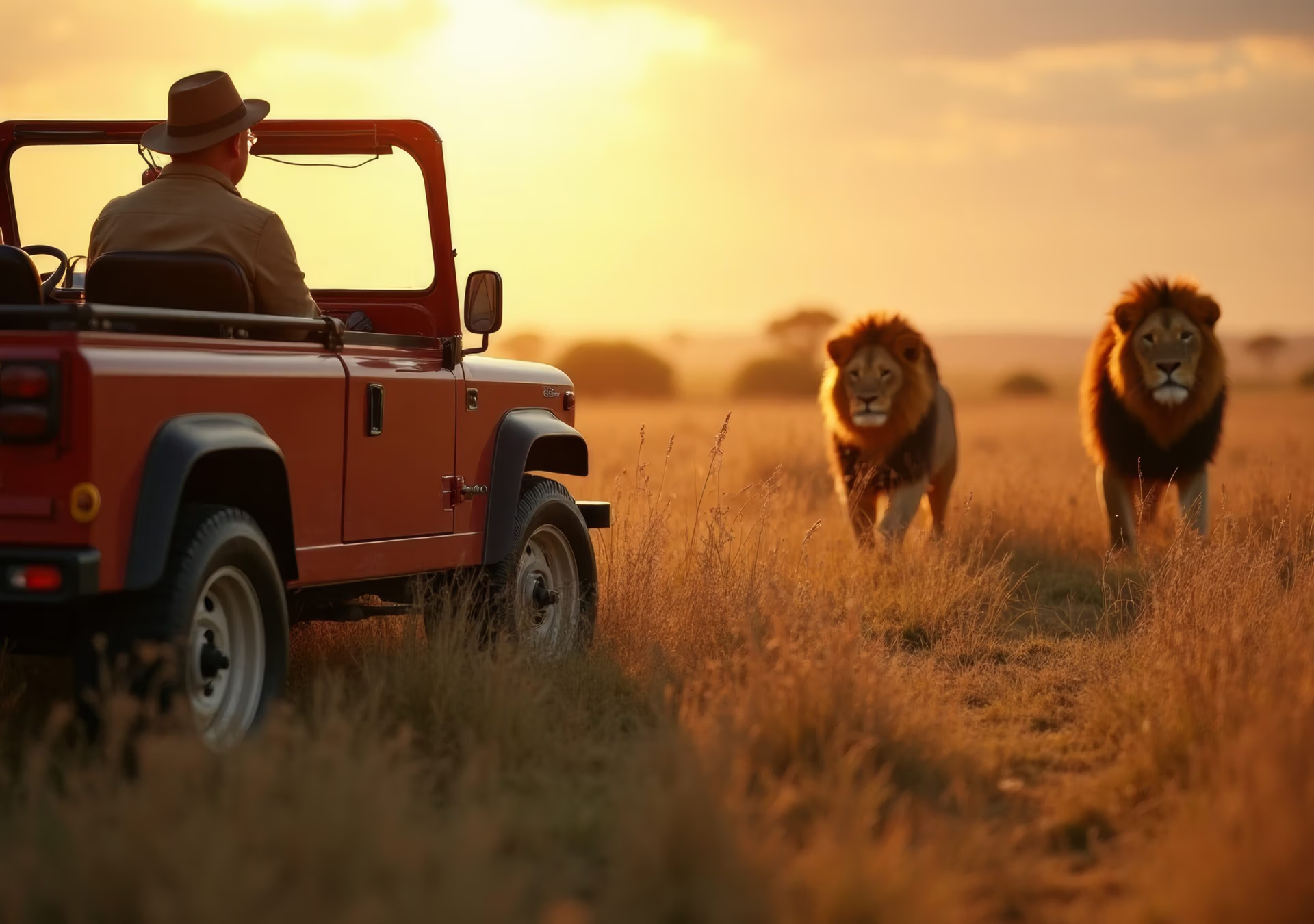
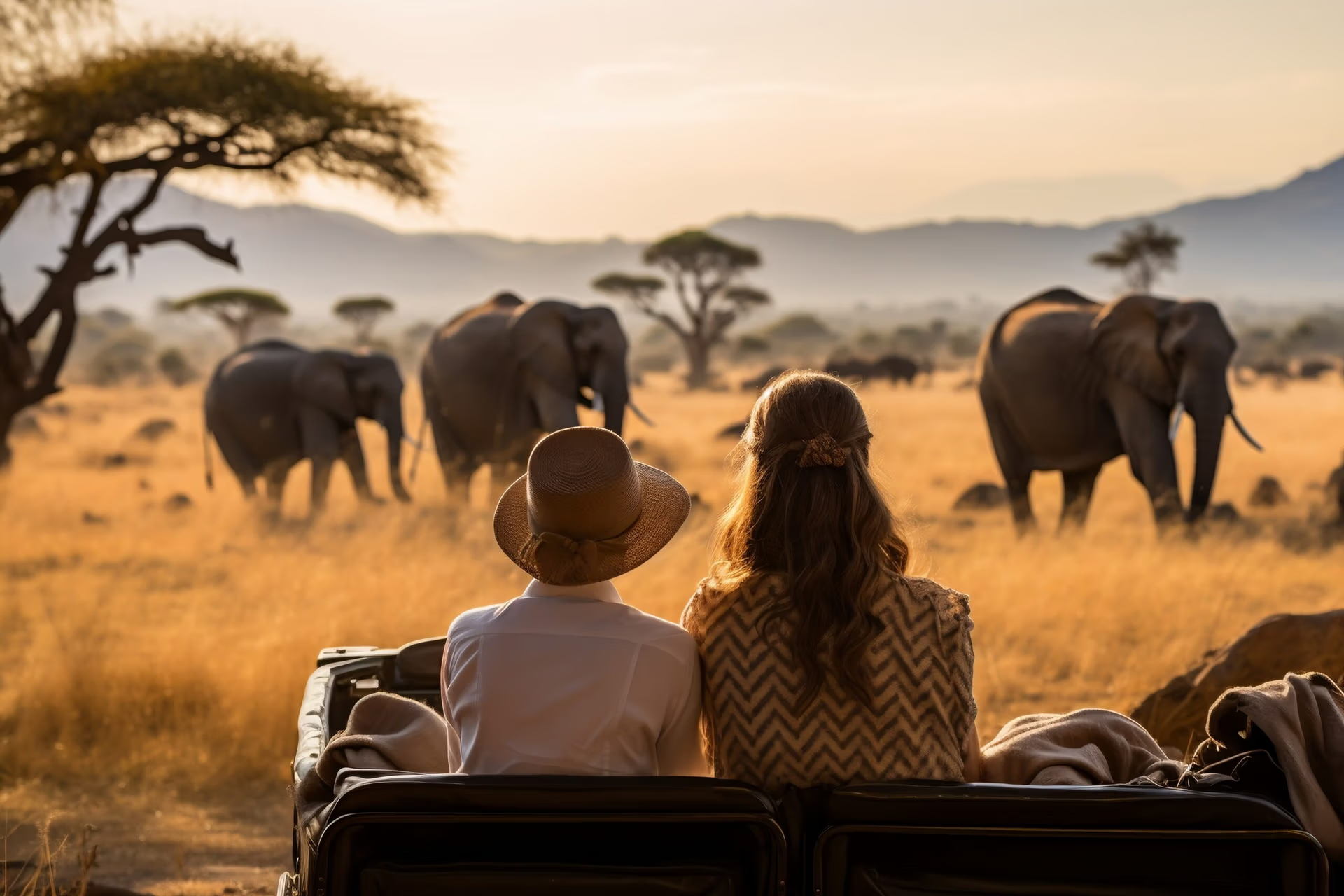
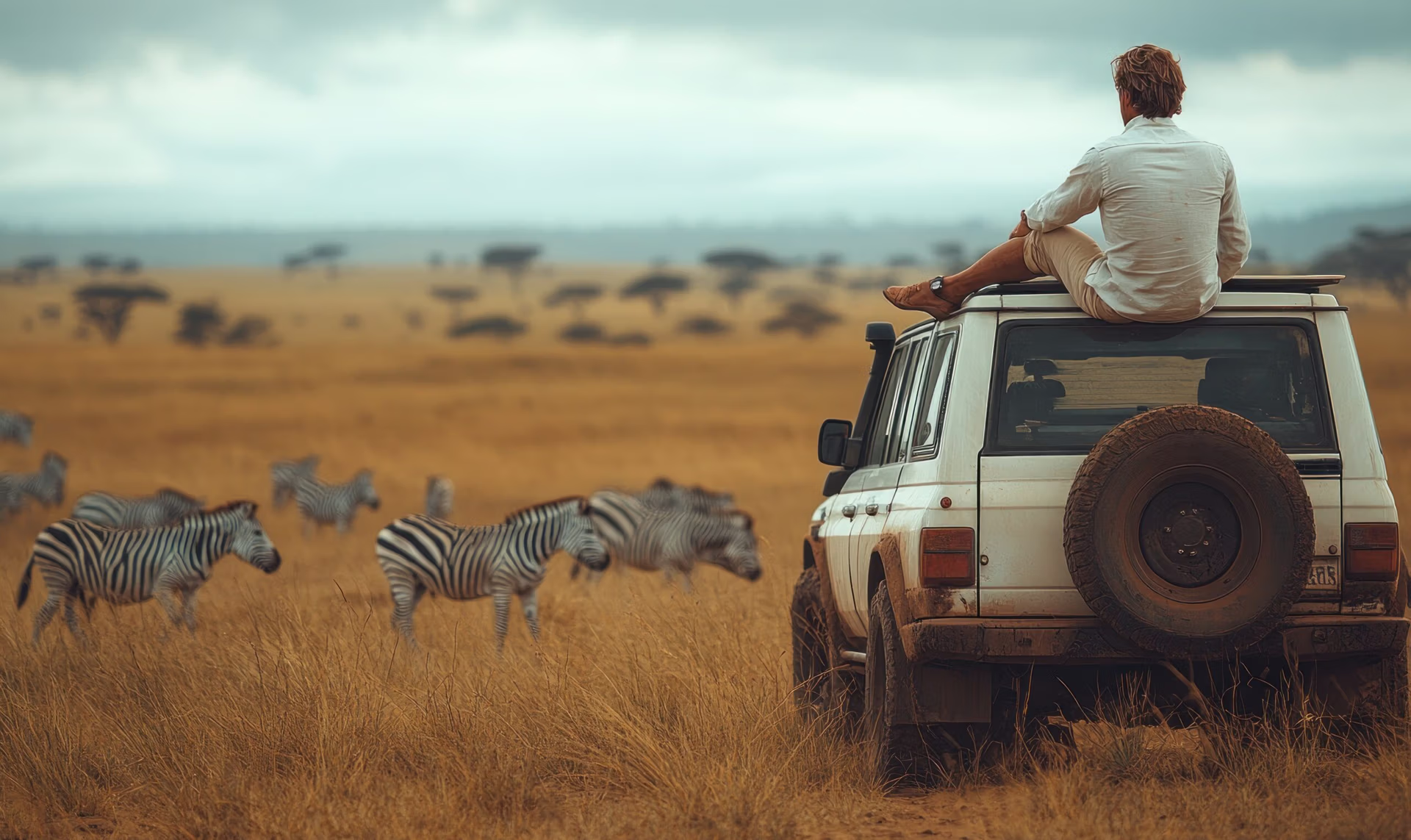
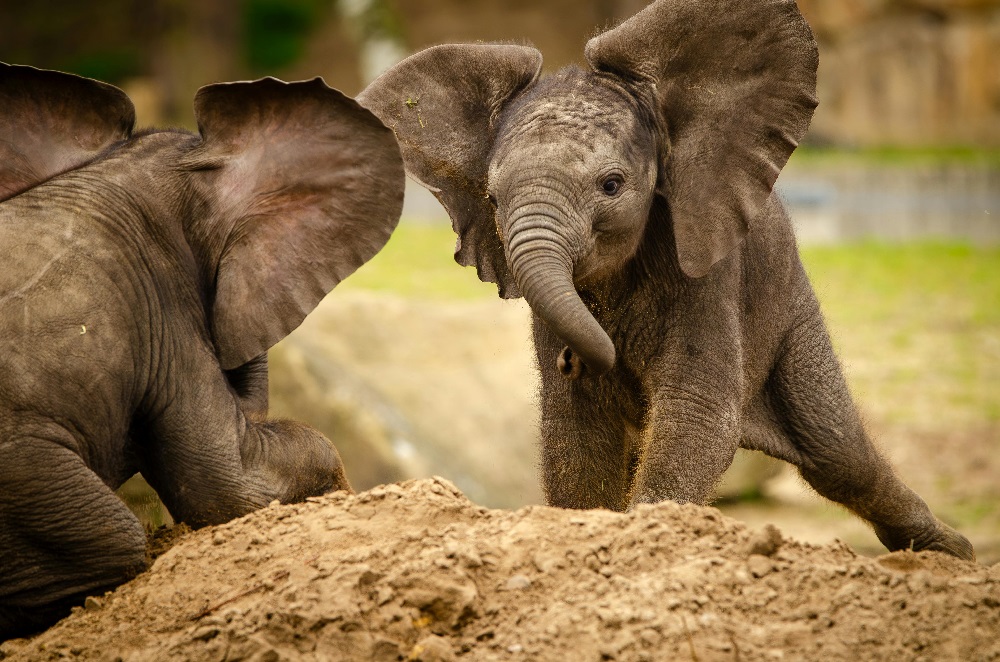
Though less visited than other Kenyan parks, Malka Mari National Park shelters an impressive array of wildlife adapted to its semi-arid conditions. Antelopes, gazelles, and giraffes are commonly sighted, while predators such as hyenas and leopards roam the scrublands. Elephants occasionally migrate through the park, using the riverine forests as corridors, and crocodiles inhabit sections of the Daua River.
The park is also recognized for its birdlife, particularly species that thrive in arid environments. Ostriches, guinea fowls, and a variety of raptors can be seen soaring above the cliffs and plains. This makes Malka Mari an appealing destination for birdwatchers eager to spot rare species not commonly seen in southern Kenya.
Cultural and Historical Significance
Malka Mari National Park is not only a natural sanctuary but also a cultural landscape. It lies within a region traditionally inhabited by Somali pastoralist communities, who have maintained their customs and way of life for centuries. Visitors to the park may encounter villages where traditions such as camel herding, storytelling, and folk songs are still practiced. The Malka Mari hill itself is considered sacred and is deeply woven into the community’s history and beliefs.
Exploring the park therefore offers not just a glimpse of Kenya’s wildlife but also an opportunity to connect with the cultural richness of the north. For travelers interested in authentic cultural tourism, Malka Mari provides an experience unlike any other in Kenya.
Activities and Experiences
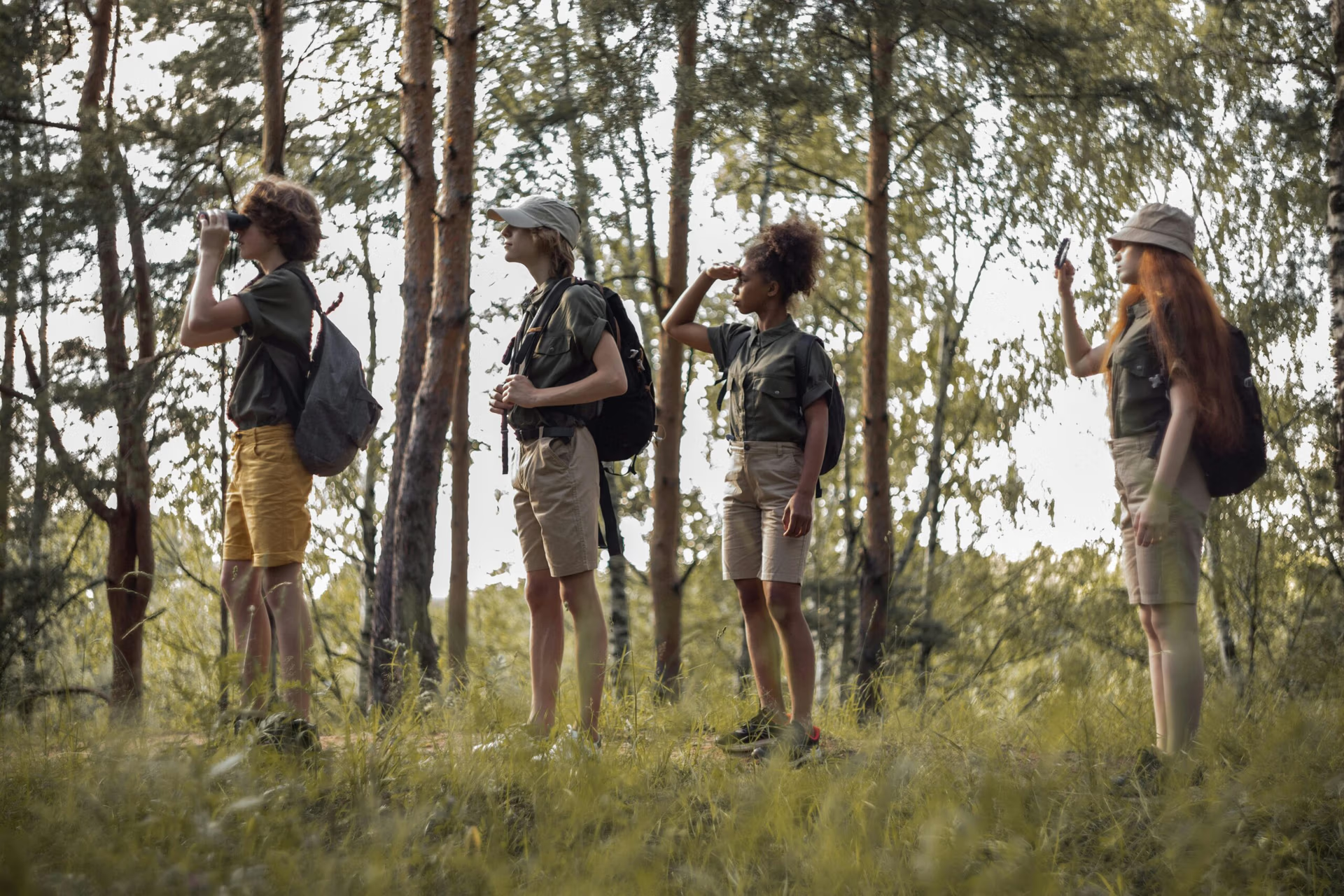
The Park is an adventurer’s destination, offering raw and unstructured exploration rather than traditional game drives. Hiking and walking safaris across the rocky hills and open plains provide a chance to immerse yourself in the landscape. Birdwatching along the Daua River is especially rewarding, as the river attracts both resident and migratory species.
Cultural visits to nearby Somali villages allow travelers to interact with local communities and learn about their pastoral lifestyle, which has remained largely unchanged for generations. For those who enjoy photography, the park’s rugged scenery, dramatic sunsets, and stark desert contrasts create unforgettable images.
Accessibility and Accommodation
Reaching Malka Mari National Park requires careful planning due to its remote location. The park is situated in Mandera County, more than 1,000 kilometers from Nairobi, and can be accessed by road through Garissa and Wajir or by chartered flights to Mandera airstrip. Because of its isolation, infrastructure within the park is minimal, and visitors should be prepared for a self-sufficient adventure.
Accommodation options are limited, with most travelers opting for basic camping or arranging stays in Mandera town before heading into the park. This remoteness, however, is part of what makes Malka Mari so appealing — it offers a raw, untouched safari experience far from the tourist crowds.
Best Time to Visit Malka Mari National Park
The best time to visit Malka Mari National Park is during the cooler, drier months between June and September, and again from December to February. These periods make travel conditions easier and provide better opportunities for wildlife viewing along the Daua River. The hotter months can be challenging due to extreme daytime temperatures, but they also bring unique desert wildlife activity that appeals to more adventurous travelers.
Why Visit Malka Mari National Park
Malka Mari National Park is a destination for true explorers. It may lack the polished infrastructure and Big Five abundance of Kenya’s more famous reserves, but it offers something rare — a chance to step into an unspoiled wilderness where culture, history, and nature blend seamlessly. For travelers seeking solitude, cultural immersion, and the thrill of exploring one of Kenya’s wildest frontiers, Malka Mari delivers a safari experience unlike any other.
Conclusion
Malka Mari National Park is one of Kenya’s least visited yet most intriguing parks, a sanctuary where semi-arid landscapes, Somali traditions, and unique wildlife come together. Its remoteness ensures that only the most determined adventurers reach it, rewarding them with an authentic and unforgettable journey. For those who wish to go beyond the traditional safari circuit and discover a hidden treasure of northern Kenya, Malka Mari National Park is the ultimate off-the-beaten-path destination.