Mount Kenya National Park is one of Kenya’s most iconic destinations, protecting Africa’s second-highest mountain and a UNESCO World Heritage Site. Located about 175 kilometers north of Nairobi, the park covers an area of 715 square kilometers and surrounds the majestic Mount Kenya, which rises to 5,199 meters above sea level. Known locally as Kirinyaga or “the place of light,” Mount Kenya is not only a natural wonder but also a sacred mountain for local communities. Mount Kenya National Park offers visitors breathtaking scenery, unique wildlife, and the ultimate adventure of trekking one of Africa’s most dramatic peaks.
Geography and Landscape
The landscapes of Mount Kenya National Park are as diverse as they are spectacular. The park is centered around the volcanic peaks of Mount Kenya, which include Batian (5,199 meters), Nelion (5,188 meters), and Lenana (4,985 meters). The higher peaks are snow-capped, with glaciers and alpine lakes that contrast sharply with the tropical forests at the mountain’s base.
Vegetation zones change with altitude, ranging from dense montane forests at lower levels to bamboo thickets, heath, moorlands, and finally Afro-alpine vegetation near the summit. Giant lobelias and senecios dominate the upper slopes, creating a surreal landscape unlike anywhere else in Africa. Glacial valleys, waterfalls, and clear mountain lakes such as Lake Ellis and Lake Michaelson add to the park’s beauty.
Wildlife in Mount Kenya National Park
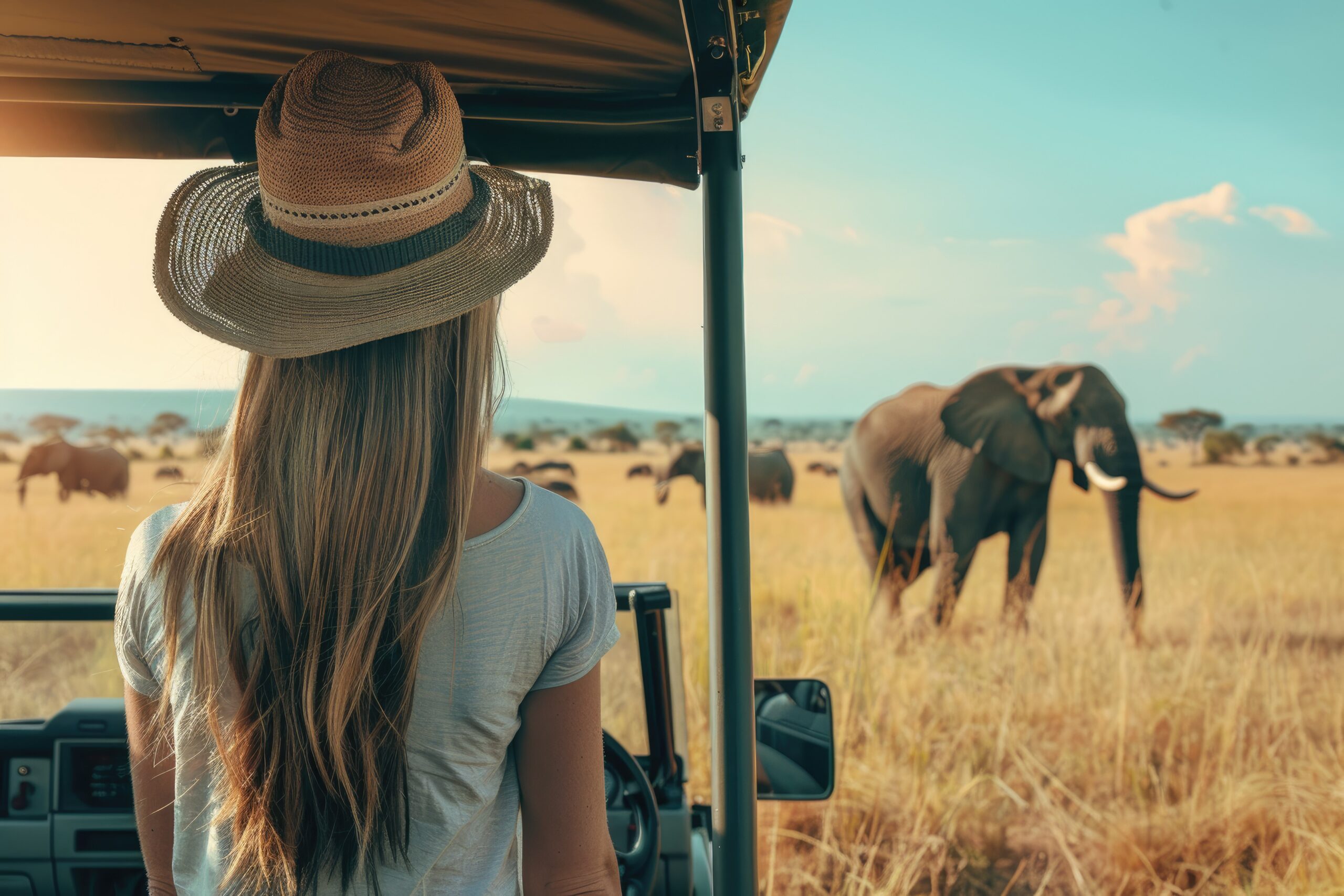
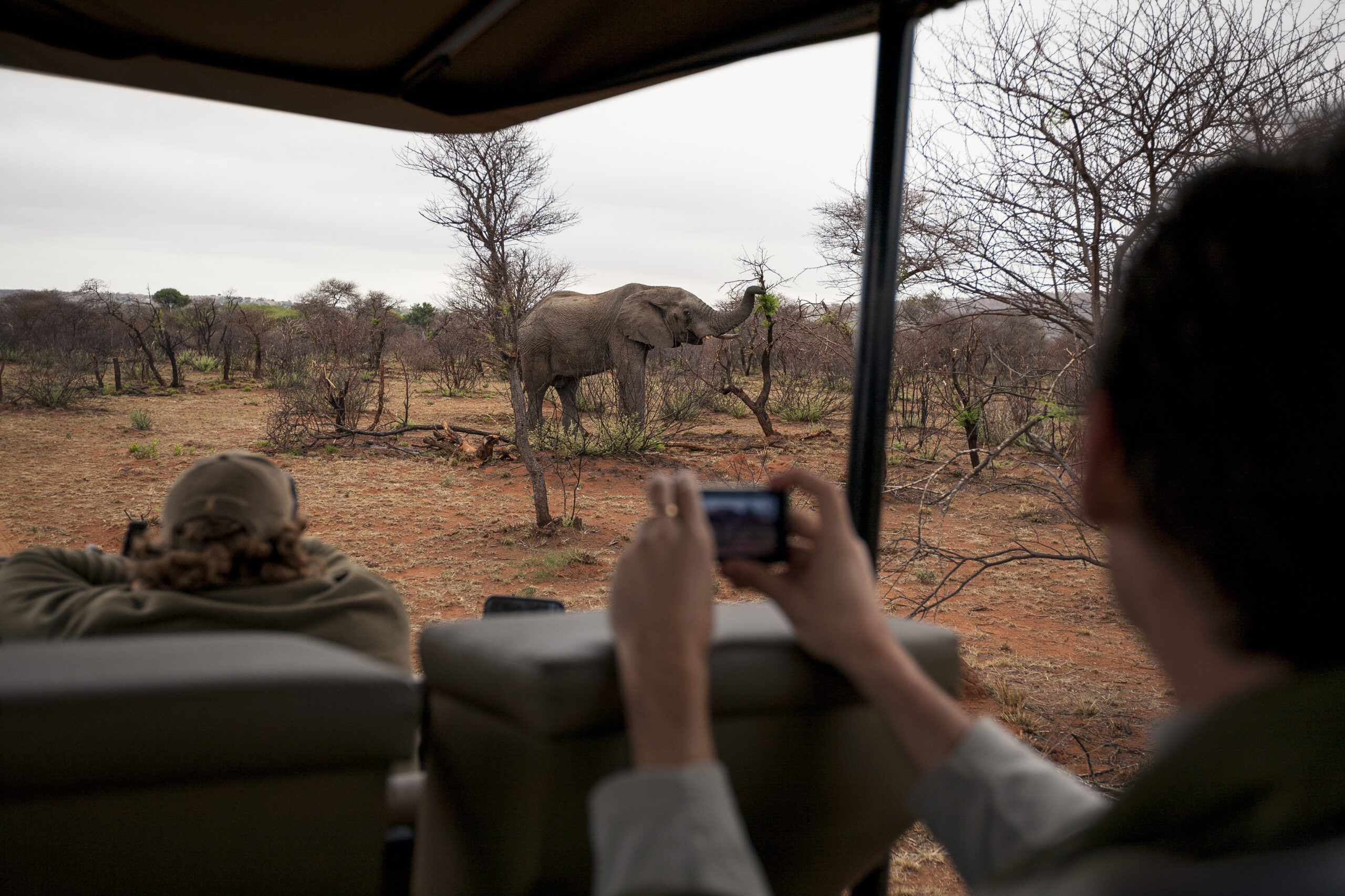
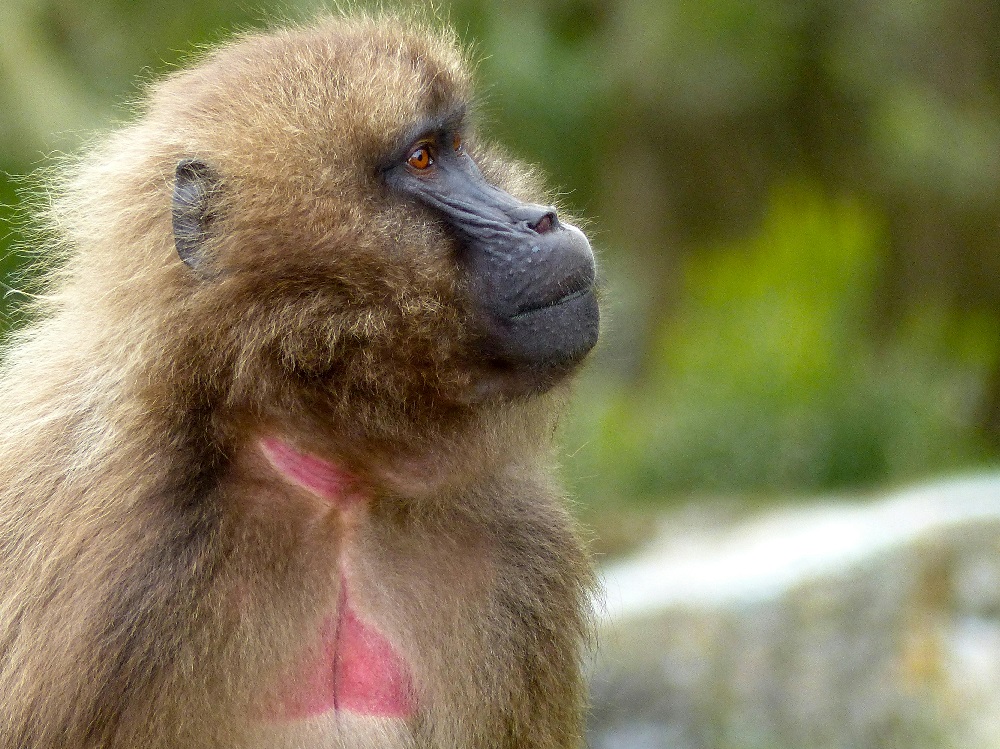
The Park is home to a wide variety of wildlife adapted to its different ecological zones. In the lower forests, visitors may spot elephants, buffaloes, bushbucks, and giant forest hogs. Primates such as colobus monkeys and Sykes monkeys are common, and leopards roam the dense forests, though they are rarely seen.
At higher altitudes, specialized species thrive in the moorlands, including rock hyraxes, duikers, and small mammals adapted to the cold environment. Birdlife is abundant, with over 160 species recorded, including the scarlet-tufted malachite sunbird, lammergeier vultures, and the Jackson’s francolin. For birdwatchers, Mount Kenya National Park offers rewarding opportunities in a stunning alpine setting.
Activities and Experiences
The main attraction of Mount Kenya National Park is trekking and climbing. The mountain offers routes of varying difficulty, catering to casual hikers as well as experienced mountaineers. The most popular trekking routes include the Sirimon, Chogoria, and Naro Moru routes, each providing unique scenery and experiences. Point Lenana, the third highest peak, is accessible to trekkers and rewards climbers with spectacular sunrise views above the clouds.
Technical climbers often attempt Batian and Nelion peaks, which require advanced mountaineering skills and equipment. In addition to climbing, the park offers scenic day hikes, camping, and photography opportunities around its lakes and forests. Cultural encounters with communities living around the park add depth to the adventure, allowing visitors to learn about the Kikuyu and Meru traditions associated with Mount Kenya.
Conservation and Cultural Significance
Mount Kenya is considered sacred by the Kikuyu people, who view it as the home of their god, Ngai. The mountain has long been a place of prayer and ritual, and its cultural significance remains strong today. This spiritual connection has helped foster respect and protection for the mountain’s ecosystems.
From a conservation perspective, Mount Kenya National Park plays a vital role as a water catchment area. Rivers originating from the mountain provide water to millions of people, as well as agriculture and hydroelectric projects. Protecting the park ensures not only biodiversity conservation but also water security for much of Kenya. The park was declared a UNESCO World Heritage Site in 1997 in recognition of its outstanding natural and cultural value.
Accessibility and Accommodation
Mount Kenya National Park is easily accessible by road, with the journey from Nairobi taking about four hours. Entry points include Naro Moru, Sirimon, and Chogoria gates, which also serve as starting points for trekking routes. For visitors who prefer not to climb, scenic drives and short hikes within the park provide access to waterfalls, caves, and viewpoints.
Accommodation options are varied, ranging from mountain lodges and bandas managed by the Kenya Wildlife Service to luxury hotels in Nanyuki, Meru, and surrounding towns. For trekkers, mountain huts and campsites along the main routes provide shelter and basic facilities. Staying near the park also offers opportunities for wildlife viewing and cultural visits to local communities.
Best Time to Visit Mount Kenya National Park
The best time to visit Mount Kenya National Park depends on the activity. For trekking and climbing, the dry seasons from January to March and July to October offer the best conditions, with clear skies and stable weather. During these months, trails are more accessible, and summit attempts are safer. The rainy seasons, from April to June and November to December, transform the mountain into a lush green paradise, with vibrant vegetation and abundant birdlife, though trekking becomes more challenging.
Why Visit Mount Kenya National Park
Mount Kenya National Park offers an adventure that combines natural beauty, cultural heritage, and outdoor challenge. It is less crowded than Mount Kilimanjaro, providing a more intimate experience for trekkers and climbers. Beyond climbing, the park’s forests, lakes, and wildlife make it a destination for all kinds of travelers — from hikers and photographers to cultural tourists and nature lovers. Its proximity to other parks such as Samburu and Meru makes it easy to include in a wider safari itinerary.
Conclusion
Mount Kenya National Park is a destination that captures the essence of Kenya’s diversity — majestic mountains, rich wildlife, unique vegetation, and deep cultural significance. Whether you are trekking to Point Lenana, admiring elephants in the forests, or simply soaking in the breathtaking views, the park offers an unforgettable experience. For travelers seeking adventure and serenity in equal measure, Mount Kenya National Park stands as one of Africa’s most rewarding wilderness destinations.