Climbing Mount Kilimanjaro is one of the most iconic adventure experiences in the universe. Rising high above the plains of northern Tanzania, Mount Kilimanjaro is Africa’s highest peak and also the tallest free-standing mountain on earth.
Mount Kilimanjaro is a fairly difficult mountain to climb. Recent reports and studies have revealed that more than 50% of individuals that try the climbing challenge end up suffering from mountain sickness. On the other hand, more than 65% of them don’t make it to the summit.
Numerous factors contribute to the high unsuccessful rates of trying to climb Mount Kilimanjaro. The factors tend to vary from the mindset of the climber to the altitude of the mountain.
Climbing Mount Kilimanjaro is an extreme-altitude mountain trek. With the mountain measuring 19,341 feet in height, it’s imperative to prepare well prior to attempting the climb. Anyone interested in trying to climb Mount Kilimanjaro can plan for their safari through Ravina Tours, as it offers the best African safari tours.
On regular days, climbing Mount Kilimanjaro is not that hard since the trails are usually not steep. The main challenge that most people tend to face is altitude. The summit poses a serious problem to your climbing experience, as during the night it tends to be the windiest and the coldest, thus exposing you to hypothermic conditions.
With an ascent of 4,084 feet, the oxygen saturation is 49% less, and with a descent of nearly 6,871 feet, the walk might take between 12 and 14 hours.
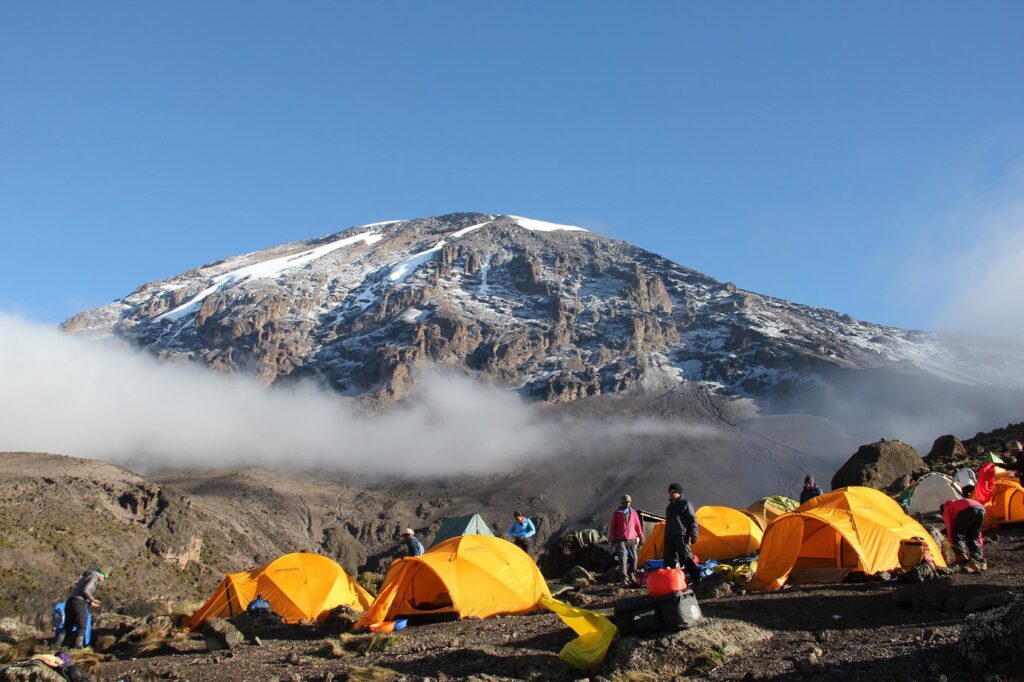
A common question that most interested individuals and travellers on their African safari tours tend to ask all the time is, how hard is it to climb Mount Kilimanjaro? Well, this is usually a tricky and tough question to just answer, as it’s subject to numerous factors and the individual engaging in the climbing activity.
We all know that what might prove to be difficult to one person might be very easy to the other person. And since something is hard, doesn’t this make it all a more enjoyable and satisfying thing for one to accomplish?
A lot of people have claimed that “Climbing Mount Kilimanjaro is the hardest thing I’ve done during my African safari tours, especially during the summit night” … they later go ahead and try climbing it again after finding the experience satisfying to them. We are still waiting to get someone who thinks it’s easy.
However, it’s always subject to what you are comparing Mount Kilimanjaro with. For instance, compared to Mount Everest, then Mount Kilimanjaro would be easy. When compared to a leisurely walk along the beach, climbing Mount Kilimanjaro is hard.
Mount Kilimanjaro Climbing Packages
14-Day Kilimanjaro Trekking & Northern Circuit Safari
9 Days Mount Kilimanjaro Climbing via Northern Circuit
7-Day Kilimanjaro Climb – Machame Route
8-Day Umbwe Route Trek – Conquer Kilimanjaro’s Challenge
14 Days Peaks to Plains: Lemosho Route Kilimanjaro Trekking & Safari
10-Day Safari & Cultural Experience in the Kilimanjaro Region
8-Day Lemosho Route – Kilimanjaro Trek
Understanding Mount Kilimanjaro: An Overview
Mount Kilimanjaro stands at 5,895 meters (19,341 feet) above sea level. It’s located in the northeastern parts of Tanzania near the Kenyan border. It can be clearly seen from the Kenyan side and consists of three volcanic cones, which are Shira, Kibo, and Mawezi. Most climbers’ ultimate goals of climbing Mount Kilimanjaro are reaching the summit of Kibo and Uhuru Peak.
The fact that you don’t need ice axes, ropes, or mountaineering expertise makes Kilimanjaro a popular option for most mountain climbers. With such minimal requirements, Mount Kilimanjaro is accessible to hikers as opposed to technical climbers. But don’t get it wrong; accessibility doesn’t mean ease of climbing.
The sheer height, unpredictable conditions, and rapid height gain make climbing Mount Kilimanjaro a serious challenge.
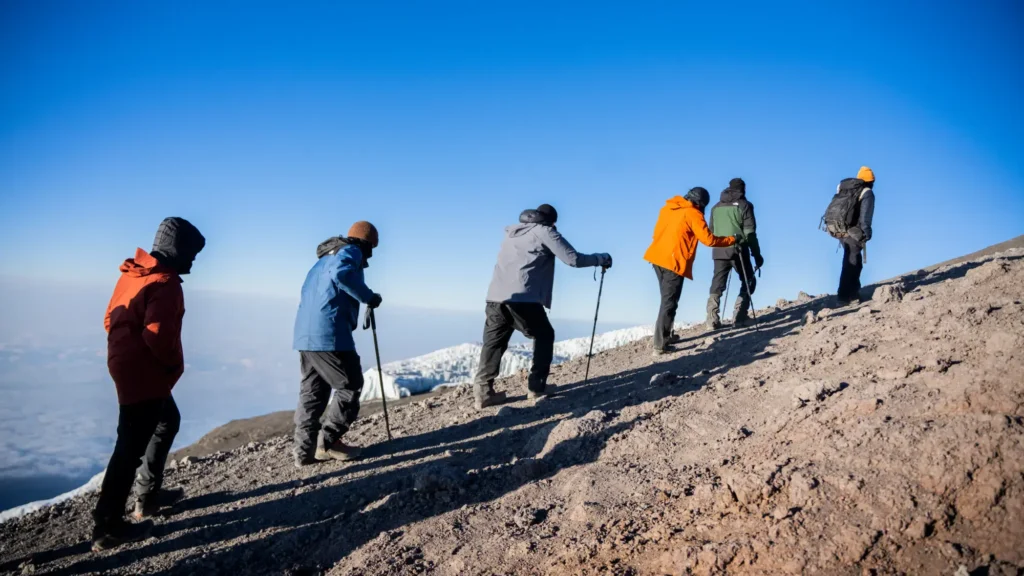
Technical Difficulty of Climbing Mount Kilimanjaro
Most amateur, aspiring, and inexperienced mountaineers always want to know the technical difficulty involved when climbing Mount Kilimanjaro. From a technical standpoint, climbing Mount Kilimanjaro is not as difficult as most people think about it. The main reasons are you don’t need technical mountaineering skills, and there is no need for rock climbing or glacier travel.
It’s more of a walk-up trek with a peak trek that can be achieved without harnesses, ropes, and ice axes; thus, it’s an easy task to accomplish from a technical perspective.
Handling Altitude Difficulty on Mount Kilimanjaro
This must be the toughest part of climbing Kilimanjaro and has variations depending on the individual engaging in the experience.
Your ability to acclimatize and get used to the low-oxygen air while still taking the long-distance trek is the experience that sets Kilimanjaro apart from the average long-day trek that you are used to.
With that said, Kilimanjaro altitude training is one of the most important steps you need to take prior to going for a Kilimanjaro climb. This training can greatly enhance your ability to tolerate the low oxygen concentration air at high altitudes. Note that even after taking the Kilimanjaro Altitude Training, there are still uncertainties that might happen during the climbing process.
Take the longer route that lasts for more than 6 days, as it will provide your body with more time to acclimatize and give time for more rest and recovery, as you will not be in a hurry to cover more miles.
It’s always important for you to walk slowly, as slowly as you can. I know this sounds somehow counterintuitive; however, when making the trek, you will hear your guide often insisting “Pole Pole,” which means “slowly slowly” in Swahili.
When you walk slowly, you will conserve more energy, which you will need to make it through the rest of your journey. Also, you will be providing yourself with the best chances of adequate acclimatization; remember, it’s not a race but an African safari tour.
There are medications that you can take to help you with acclimatization. However, you will need to have a doctor’s prescription to take them.
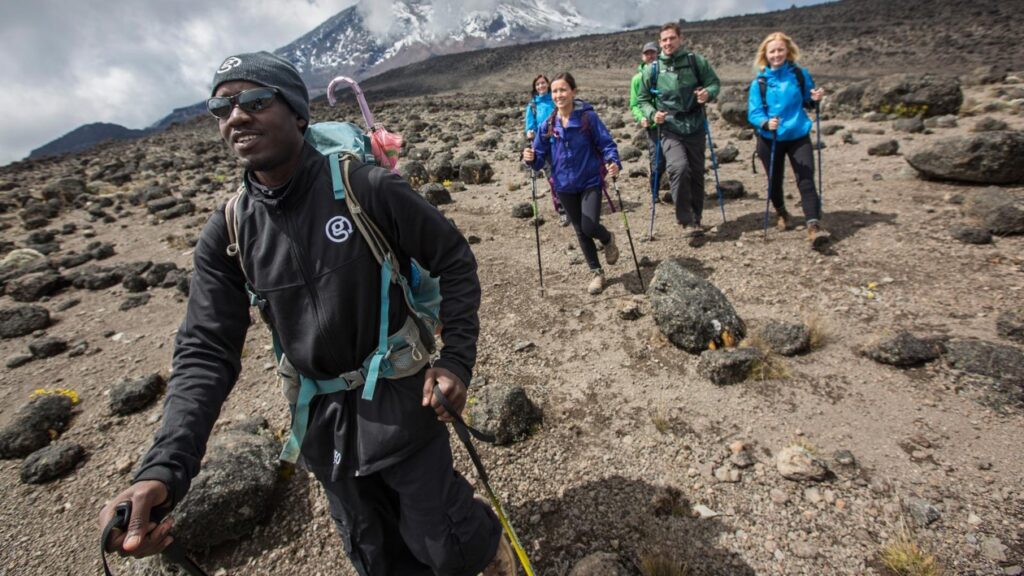
Choosing the Right Route Matters for Climbing Mount Kilimanjaro
Not all Kilimanjaro routes are equally difficult. The route that you decide to use climbing Mount Kilimanjaro impacts your experience. Some of the common and preferred routes for climbing Mount Kilimanjaro include
- Marangu Route—Known as the “Coca-Cola Route,” shorter but lower success rate
- Machame Route – Scenic and popular, good acclimatization
- Lemosho Route – Longer, quieter, excellent success rate
- Rongai Route – Drier and less crowded
- Northern Circuit—Longest route, highest success rate
Your Fitness
If you are very unfit and physically unprepared, then it goes without saying that the trekking is going to be much harder. The question that follows is how fit you need to be to climb Mount Kilimanjaro.
And most people tend to be very confused, as you don’t need to be an ultramarathon runner to climb Mount Kilimanjaro; you just need to be fit enough to walk a few hours uphill with a weighted backpack. Then be able to do it on multiple days as you continue with your walk.
Remember, your fitness will determine how well you will recover from your previous hiking. This implies that your everyday hiking ability is subject to how well your body can regain strength and be able to operate well even after trekking for an entire day.
It’s always advisable to consult your doctor about how fit you can get by the end of a trekking tour so that you can prepare yourself in advance. I have prepared an in-depth guide on how to train for Kilimanjaro.
Kindly, do not make your climbing tougher by not making the necessary efforts that you might need for you to be as fit as you can. However, don’t make your preparation harder by thinking you need elite skills to climb Mount Kilimanjaro.
Challenges of Camping and Sleeping on the Mountain Trail
I know most of you are used to sleeping comfortably on your own bed with fluffy linen, which will pose a challenge to them sleeping on Kilimanjaro. If you are used to sleeping on your bed, then the first few days of sleeping on Kilimanjaro might prove to be difficult.
While comfortable sleeping mats and warm sleeping bags are offered, if you are not used to sleeping in a tent or have camping experience, then you will have some challenges sleeping on the first few days.
For travelers that are used to spending their weekends out in the bush, this is all a luxurious trip for them, as they are used to sleeping on the ground. The camping experience to them will be fun, as they will not have to set up their tents and cook since this is all catered for.
Sleep quality is important, as being able to get a good sleep has a direct influence on the recovery process. I’ve come across people who were worried about how difficult it would be for them to sleep in a tent and camp. However, by the time they are finishing the climb and go home, they start missing the adventure of sleeping in tents and camping.
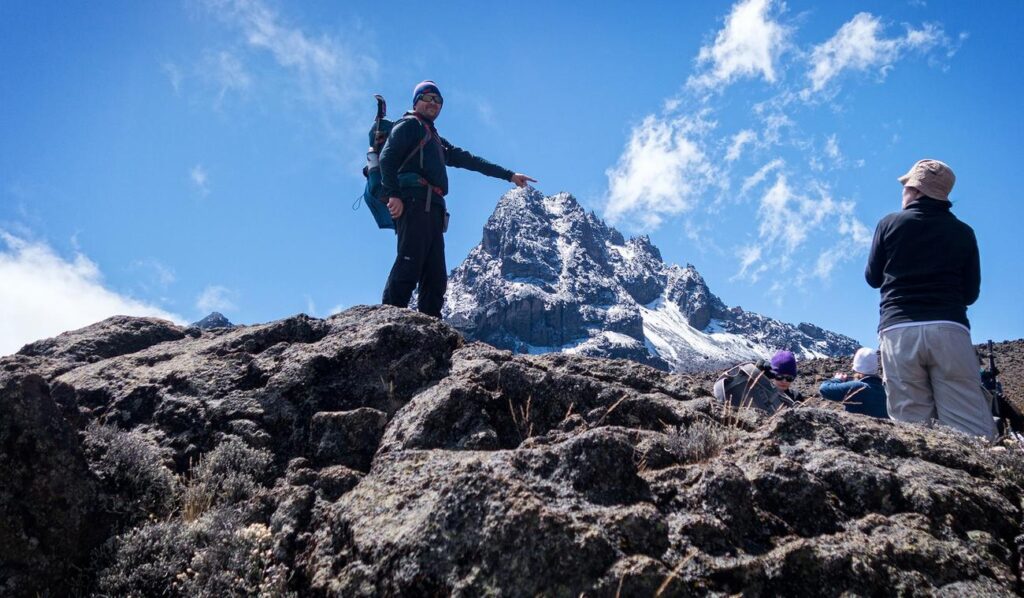
Temperature and Weather
Adverse weather conditions are another thing that poses a serious challenge to climbing Kilimanjaro. Most mountains around the world are very unpredictable; however, there are certain times of the year when the conditions are better than others.
We all know, “The higher you go, the cooler it becomes”; the temperature tends to drop significantly, especially during the night. If you have a history of suffering from colds, then you will need to have the right medications and gear with you. Having the wrong gear with you at Mount Kilimanjaro will make your life much more difficult.
Your Health
If you have pre-existing medical conditions or an injury that can make carrying a backpack difficult or walking difficult, then it shall be more difficult than for others. Your doctor will have to be able to advise whether or not you are in good enough health to tackle Kilimanjaro. I would advise you to take inspiration from people that have previously tried climbing Mount Kilimanjaro.
Keeping yourself healthy during the trial is as important as during the entire trial period. Always make sure to maintain good hygiene, especially prior to meals, to ensure that you don’t get any stomach upsets. This means you have to regularly clean your hands and drink bottled water to avoid contamination. The team or the company you are climbing with should be meticulous with their meal preparation process, ensuring that every meal is up to the right standards prior to consumption.
Your Guide
Being alongside a guide that is experienced, trained in high-altitude medicine, and knowledgeable can have a significant difference between a successful, safe summit and an early descent with altitude sickness. Remember, an inexperienced guide will make the trip become harder and stressful for you to even take part in.
You need to have confidence in your guide so that you can even remove some of the mental strains and doubts of thinking about how you are going to cope with the altitude. You should have good faith and trust with your guide, which he or she should be showing you all the time during the Mount Kilimanjaro climbing.
Being in a position to tell your guide any symptoms that you experience and having daily medical checkups can greatly help you to feel more comfortable about moving forward even on tougher days. There are certain days when the trek feels difficult and you might not be in the mood, but if you are in good health, then you can easily gather morale for moving further up the mountain.
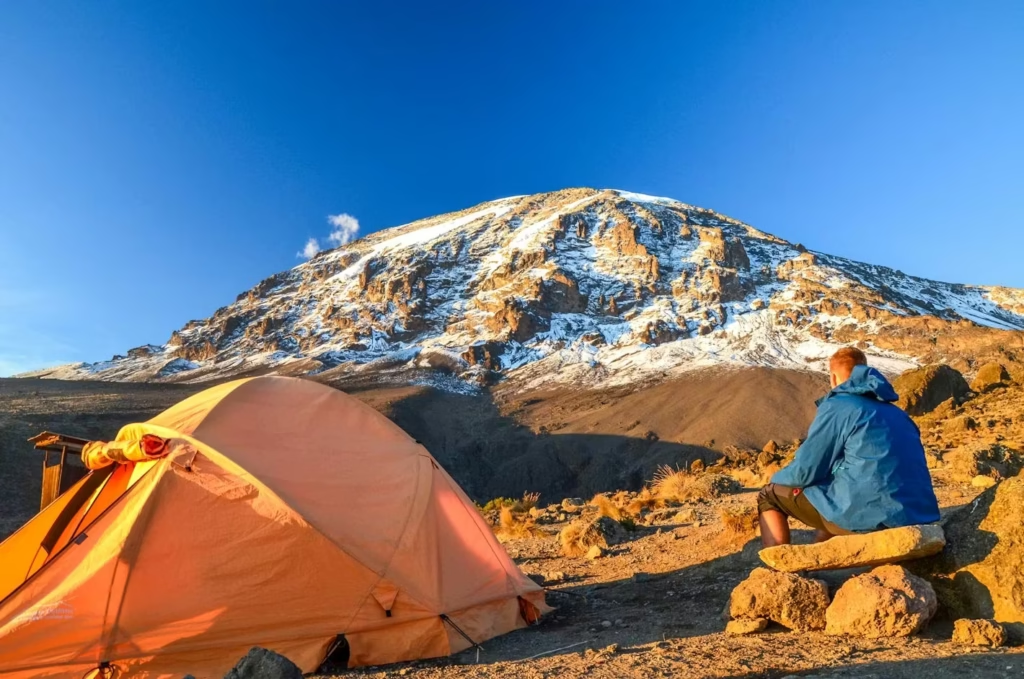
Mental Fitness
Always keep a positive attitude when hiking!
Much has been said regarding physical fitness when it comes to climbing Mount Kilimanjaro. However, as physical fitness is to climbing Kilimanjaro, mental wellness is also important and might have even additional significance compared to physical fitness.
Most people tend to underrate their mental strength until they find themselves in challenging situations. It’s only when you are in a tough situation that you can understand your mental strengths as you try to figure out a solution out of the situation.
Spending long hours and days on the trail away from the people and society, hiking in the cold, and sleeping in tents and the rugged conditions of Mount Kilimanjaro might contribute to emotional or mental difficulty while climbing the mountain.
On the summit night, the long, hard, uphill slog can feel interminable, only leaving you with your mental resilience to keep you going to the next level. You might be tougher than you think, but remember this is Kilimanjaro we are talking about, and it might need more than the average physical and mental strength you have.
During your African safari tours involving climbing Mount Kilimanjaro, always remember why you wanted to climb Kilimanjaro. What made you come to Africa to tackle this great mountain? Combined with your personal reasons, this can be a great source of motivation for you when things get tougher.
Remember to always stay positive and be mindful of the beauty of the mountain, and know that challenging the summit is something that you will always remember. We always want to engage in experiences that will forever stick in our hearts.
Gear
I did touch on this before, and I’ll insist on the point I made: it’s not just about the gear you bring with you, but make sure you have the right gear with you if you really need to conquer this challenge. Ravina Tours is among the best tour operators that can assist you in packing the correct gear and connect you with the best guides for your safari.
You have to make sure that you are climbing with a company that uses suitable gear for the mountain environment. Ravina is one of the companies that, if they are serving you as their client, will ensure you are provided with the right amenities and resources you might need during your mountain climbing process.
It will still be no good if you have the right hiking gear but are sleeping in leaking tents and broken chairs. As such, you need to book your tour with a reputable tour agent such as Ravina Tours, as it has been conducting numerous African safari tours; thus, it is experienced in mountain climbing activities.
Wearing in your boots is important for your body to start getting used to the situation. Don’t just wait there and wait till you are in Africa so that you put on the boots. Start practicing early; even while at your house, you can just wear them to the gym and put on your backpack. Get used to all adjustments required in your gear prior to going to climb the mountain. Always make sure your gears are in the right condition to perform the expected tasks and replace any worn-out parts.
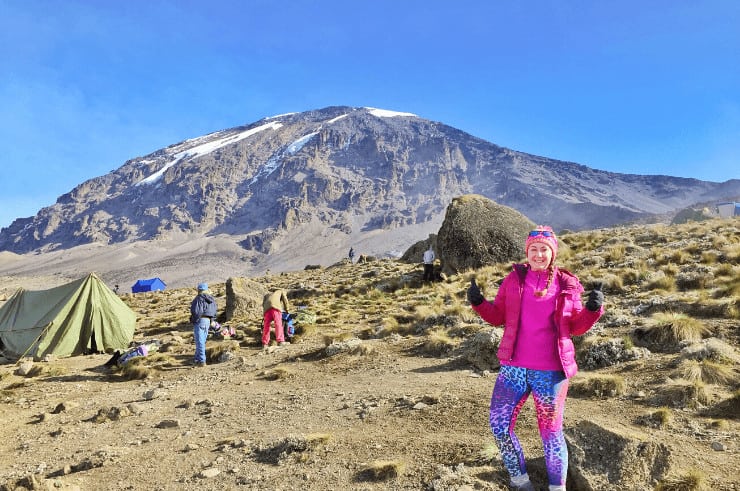
Food and Drinks
Hunger and dehydration will always make mountain climbing harder. These factors will directly affect your acclimatization ability and recovery from the hard day on the trail. Each time you are on the trail, you will need to drink a lot of water, even when you feel like it’s difficult for you. You might consider adding flavors in the form of electrolyte powders or liquid or simple squash.
Climbing Mount Kilimanjaro is a strenuous activity that leads to your body burning a lot of calories within a short time. With that said, you will need to be eating enough foods that will help you improve your energy levels during the day. Eating enough food means that you will be able to quickly recover from the strenuous exercise.
If possible, make sure you bring some of your favorite energy bars and snacks to keep you going during the climbing exercise. Sometimes altitudes might affect a person’s appetite, so having some tasty treats might tempt you to eat more food, even when you don’t feel like eating.
Frequently Asked Questions About How Hard It Is to Climb Mount Kilimanjaro
How hard is it to climb Mount Kilimanjaro?
Climbing Mount Kilimanjaro is challenging but achievable for most people with proper preparation. The climb is not technically difficult, but the high altitude, long trekking days, and cold temperatures make it physically and mentally demanding.
Do you need climbing or mountaineering experience to climb Mount Kilimanjaro?
No technical climbing or mountaineering experience is required. Climbing Mount Kilimanjaro is essentially a high-altitude hike on well-marked trails. However, good fitness and endurance are important for success.
Is altitude sickness the hardest part of climbing Mount Kilimanjaro?
Yes, altitude sickness is the biggest challenge when climbing Mount Kilimanjaro. The rapid gain in elevation and reduced oxygen levels can cause headaches, nausea, and fatigue. Proper acclimatization greatly improves summit success.
How fit do you need to be to climb Mount Kilimanjaro?
You should have a moderate to good level of fitness. Being able to walk uphill for several hours a day over consecutive days is essential. Cardiovascular endurance and leg strength are more important than speed.
What is the hardest day when climbing Mount Kilimanjaro?
Summit day is the hardest part of the climb. It involves hiking for 6–8 hours in the dark, cold, and thin air to reach Uhuru Peak, followed by a long descent on the same day.
Which Mount Kilimanjaro route is the easiest?
Longer routes such as the Lemosho Route or Northern Circuit are considered easier in terms of acclimatization. Although they take more days, they offer higher summit success rates and a more gradual ascent.
How cold does it get on Mount Kilimanjaro?
Temperatures at the summit can drop to -10°C to -20°C (14°F to -4°F). Proper cold-weather clothing is essential, especially during summit night when conditions are most extreme.
Can beginners climb Mount Kilimanjaro successfully?
Yes, there are many beginners who successfully climb Mount Kilimanjaro each year. With good preparation, a slow ascent, and experienced guides, first-time hikers can reach the summit safely.
How long does it take to climb Mount Kilimanjaro?
Most climbs take between 6 and 9 days, depending on the route chosen. Longer itineraries allow better acclimatization and make climbing Mount Kilimanjaro less difficult overall.
Is climbing Mount Kilimanjaro harder than an African safari tour?
Yes, climbing Mount Kilimanjaro is far more physically demanding than African safari tours. Safaris are mostly relaxed game drives, while the climb requires sustained physical effort, altitude adaptation, and mental endurance.
Final Verdict: How Hard Is It to Climb Mount Kilimanjaro?
Climbing Mount Kilimanjaro is physically demanding, mentally challenging, and emotionally rewarding. Though not easy, it still achievable for most people who prepare appropriately, choose the correct route, and admire the mountain.
With the right mindset, professional support, and realistic expectations, Kilimanjaro becomes less about hardship and more about personal triumph.
For travelers seeking adventure beyond traditional African safari tours, combining climbing Mount Kilimanjaro with other safaris then Ravina Tours creates a once-in-a-lifetime journey that showcases both Africa’s wild beauty and its highest peak.