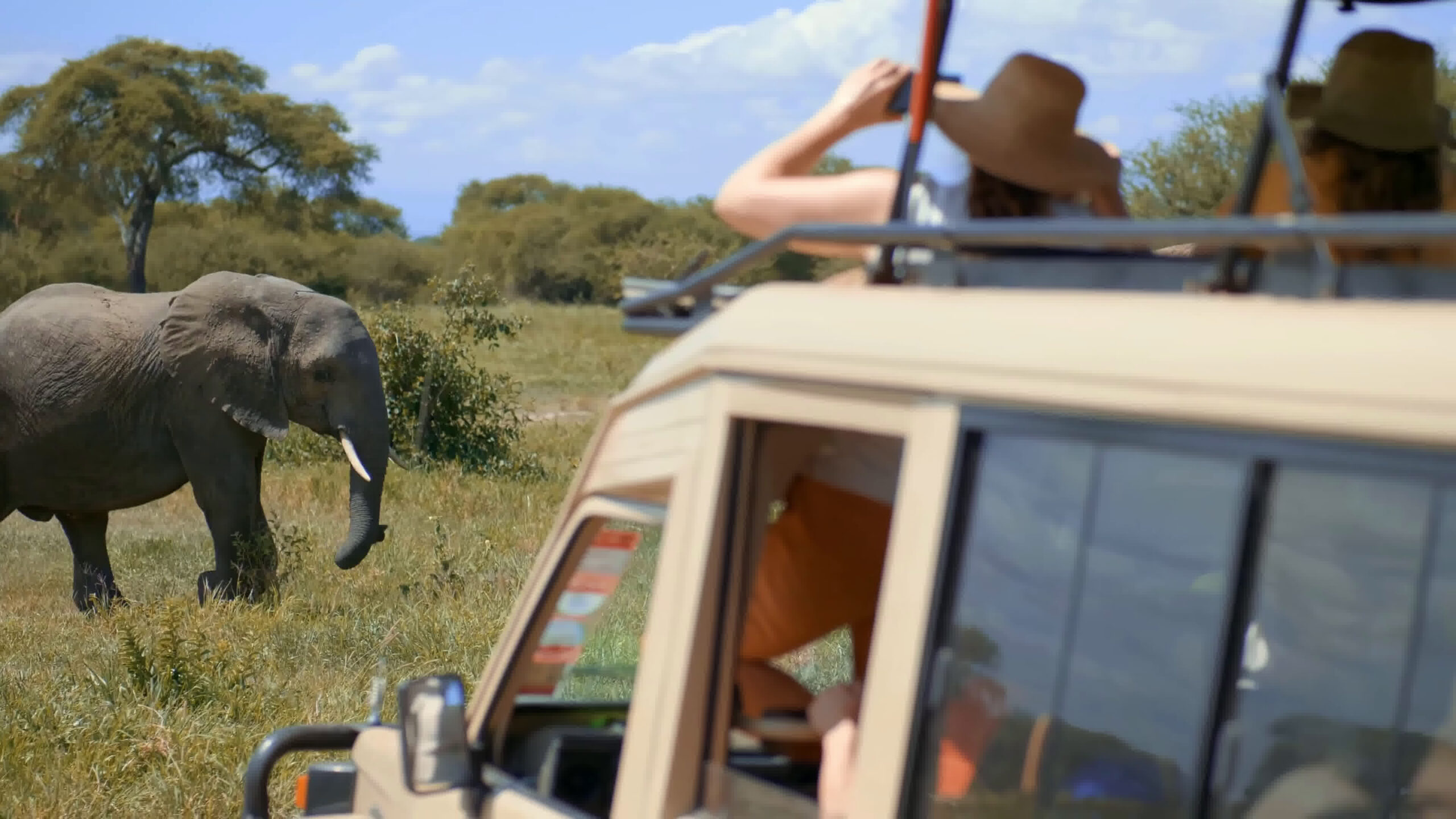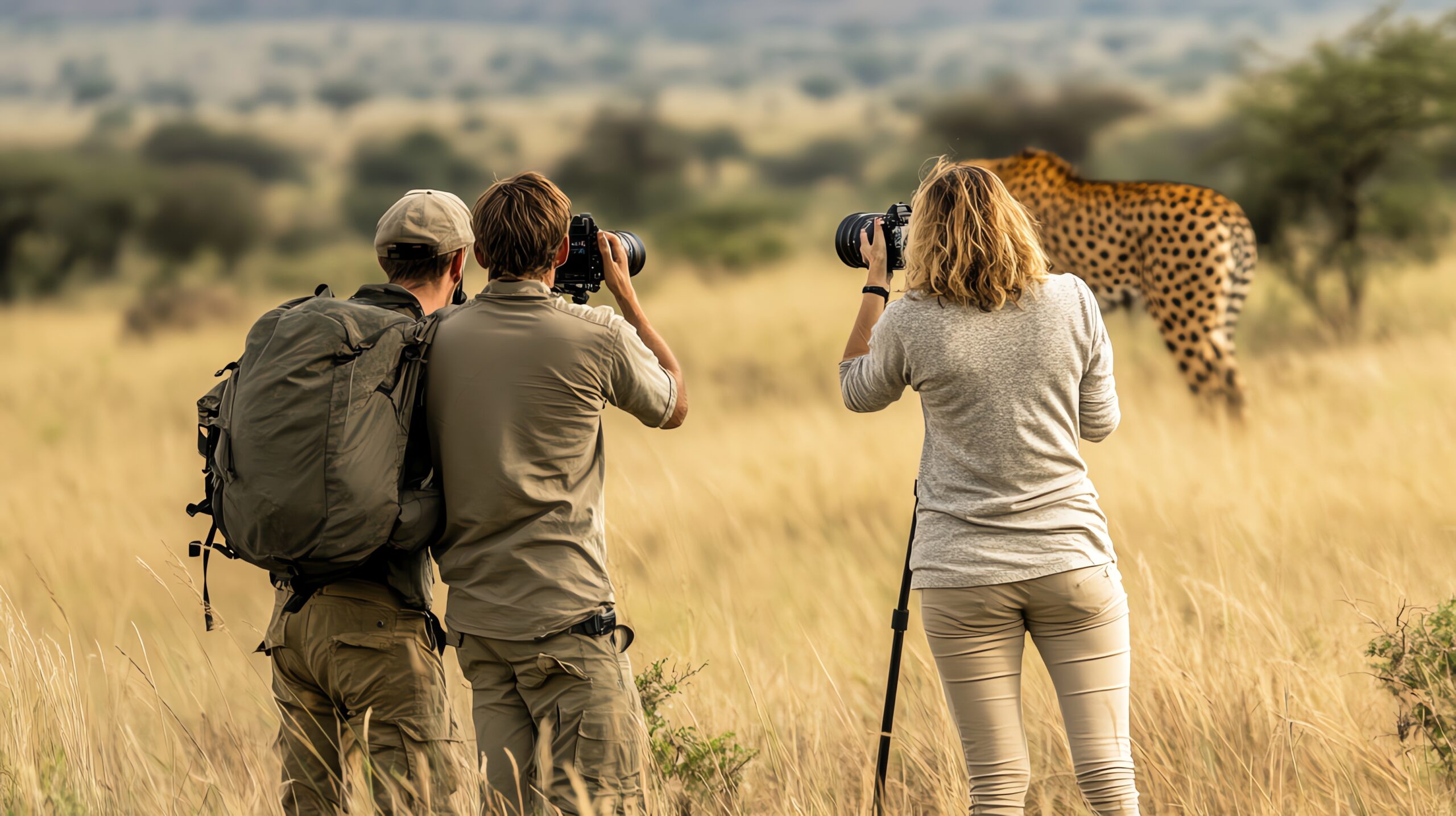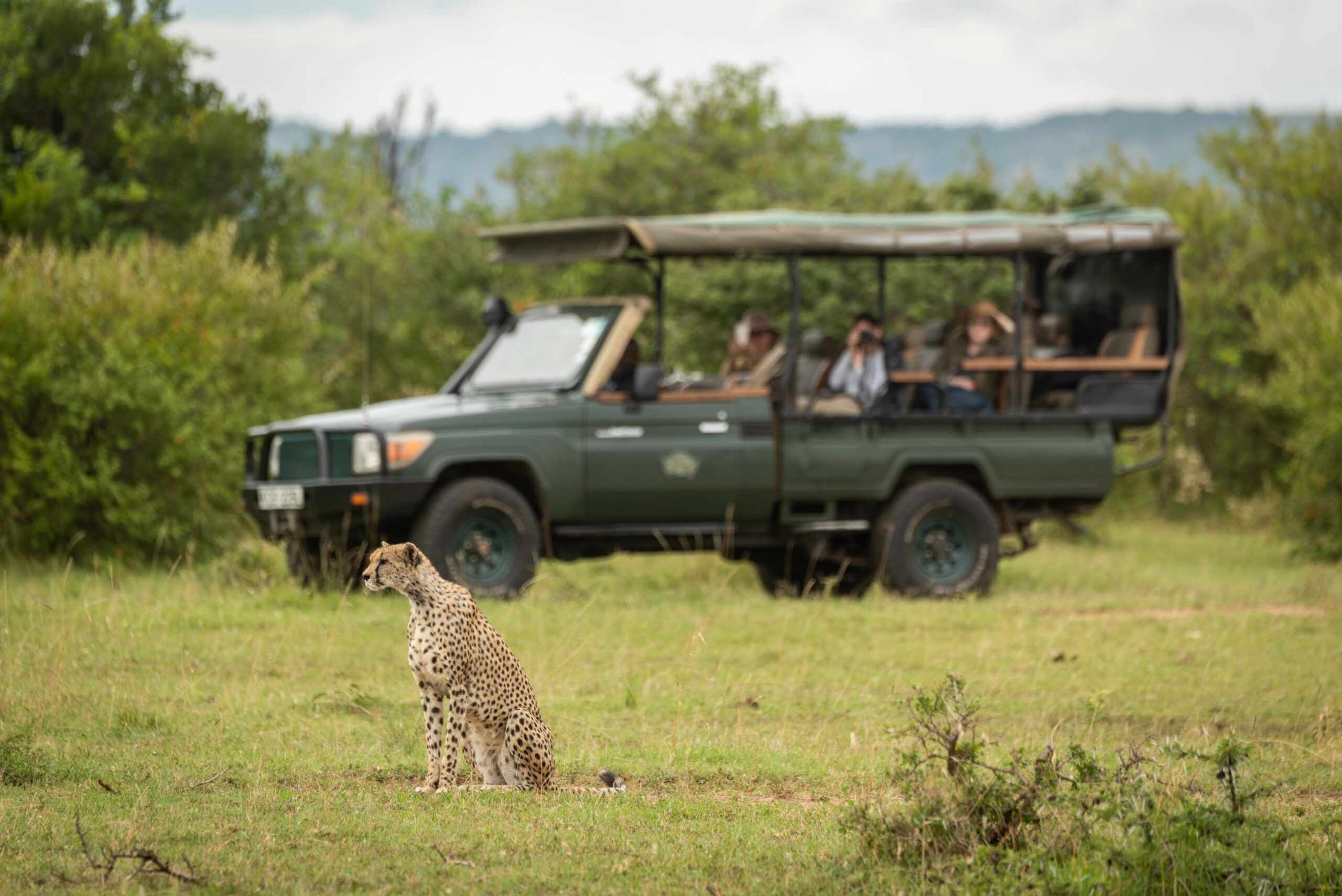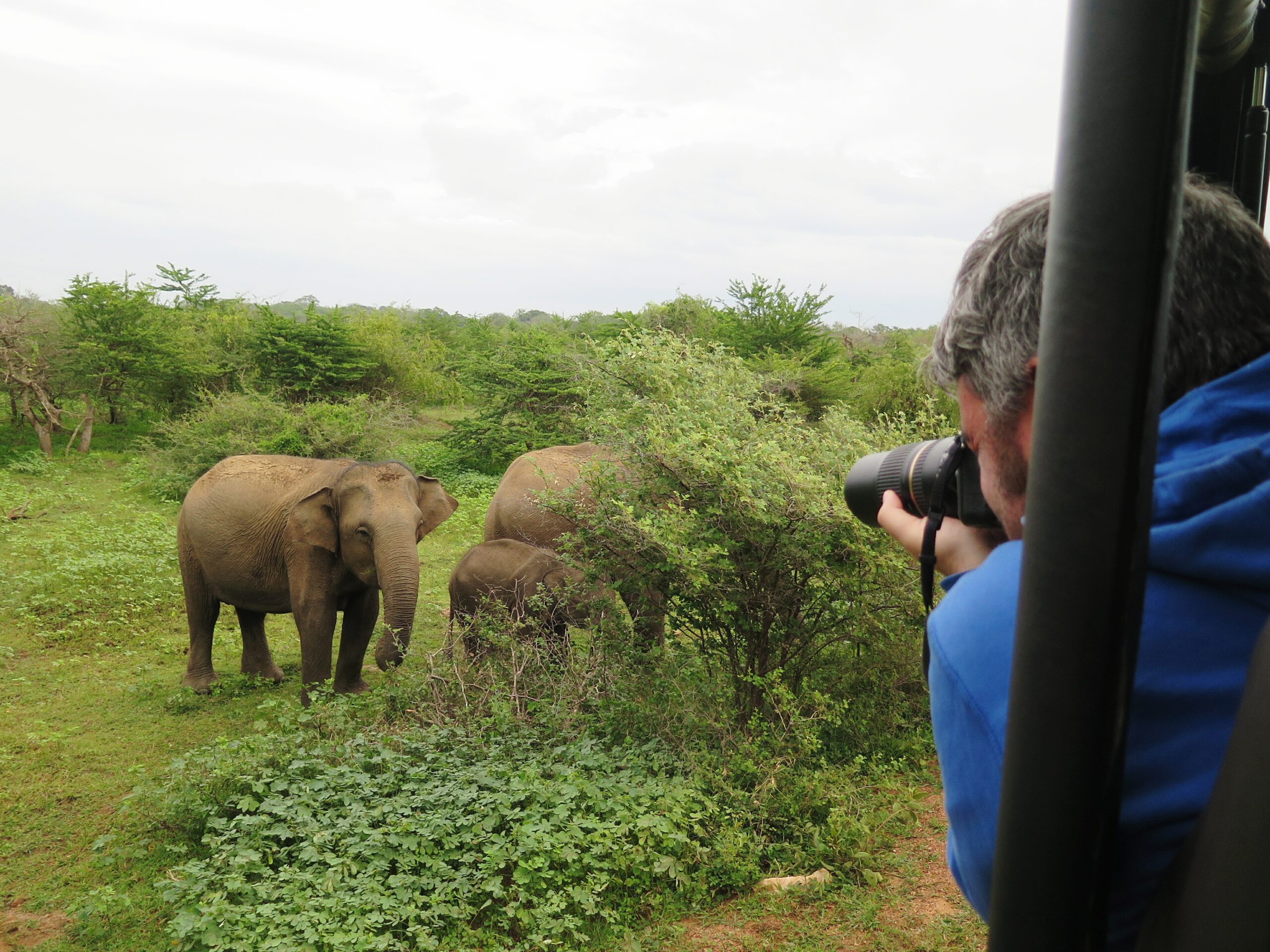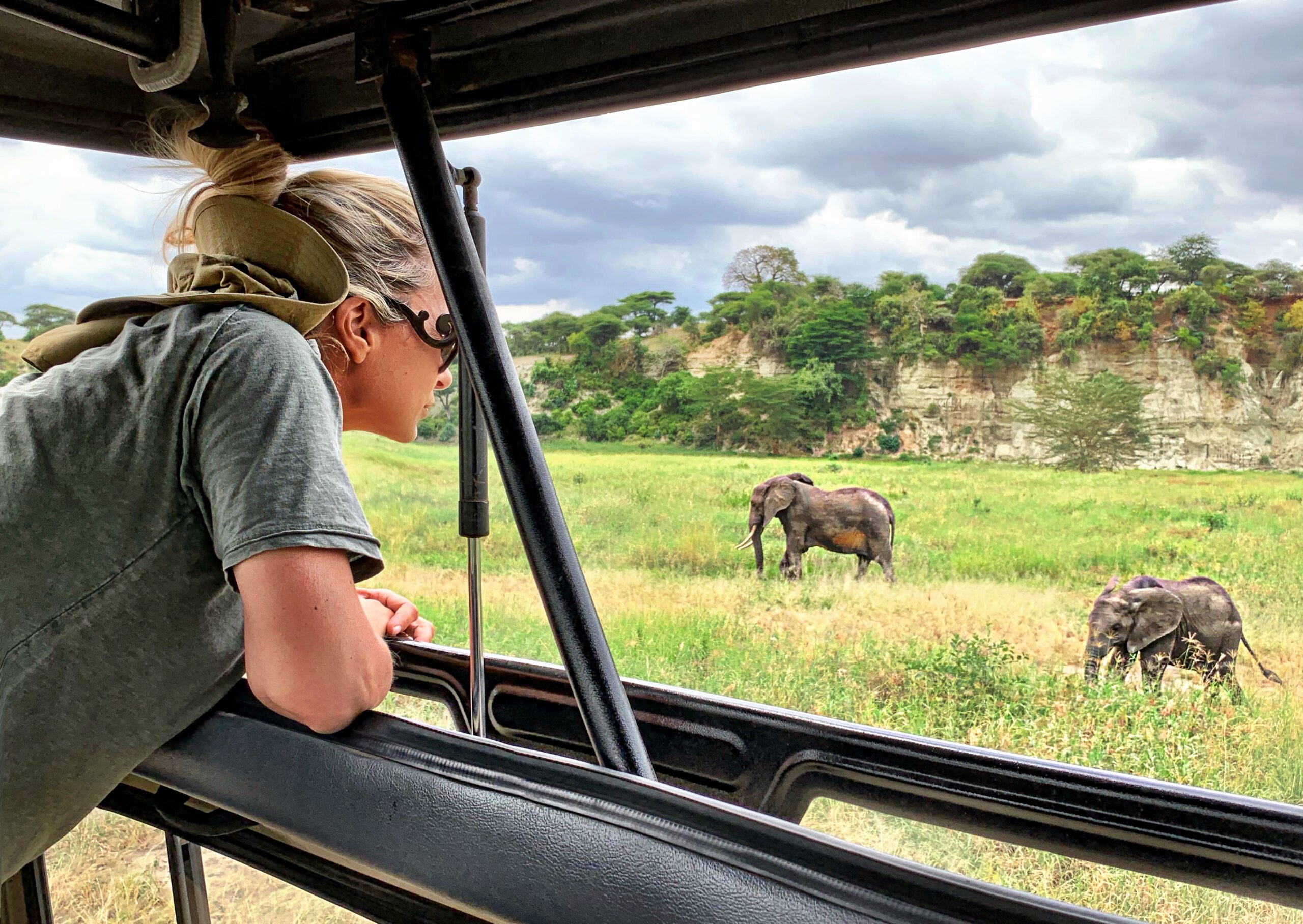
Arabuko Sokoke National Park is the largest surviving coastal forest in East Africa and one of Kenya’s best-kept secrets. Tucked away on the north coast near Malindi, the park covers about 420 square kilometers and offers an entirely different safari experience compared to the open savannahs of Amboseli or Masai Mara. Instead of wide plains dotted with lions and cheetahs, Arabuko Sokoke National Park invites you into an enchanting world of thick coastal woodland, rare endemic wildlife, and a tranquil atmosphere. It is recognized as a UNESCO Biosphere Reserve and a globally important biodiversity hotspot, protecting species found nowhere else on earth. For travelers looking to combine Kenya’s white sandy beaches with a touch of wilderness, this coastal forest is the perfect addition to any itinerary.
Overview of Arabuko Sokoke National Park
The park is a living showcase of coastal ecology, preserving habitats that are increasingly threatened by human expansion. Tall trees, dense undergrowth, wetlands, and grasslands provide a natural refuge for wildlife, insects, and birds that are globally endangered. Unlike the busier savannah parks, Arabuko Sokoke offers a peaceful, off-the-beaten-path experience that emphasizes conservation and education. Visitors often describe it as a hidden paradise where time slows down and the forest reveals its secrets to those who take the time to walk through its trails.
Location on the Kenyan Coast
Arabuko Sokoke National Park is located about 110 kilometers north of Mombasa and 20 kilometers from Malindi, making it easily accessible for both international travelers and domestic tourists. It lies close to Watamu Beach, one of Kenya’s most popular coastal destinations, and the famous Watamu Marine National Park. This location allows visitors to enjoy both forest safaris and marine adventures in a single trip, offering the unique chance to see elephants in the forest in the morning and snorkel with dolphins in the afternoon.
Importance as a Biodiversity Hotspot
The park is one of the world’s most important coastal forests, recognized by BirdLife International as a Key Biodiversity Area. It is home to rare mammals like the golden-rumped elephant shrew, endangered birds like Clarke’s weaver, and countless species of reptiles, butterflies, and amphibians. Without the protection of Arabuko Sokoke National Park, many of these species would face extinction due to deforestation and habitat loss. The park’s importance extends beyond wildlife, as it also plays a critical role in maintaining the ecological balance of Kenya’s coastline, influencing rainfall, groundwater levels, and soil fertility in the surrounding communities.
Geography and Landscape
Arabuko Sokoke National Park may not be vast in size, but its ecological diversity is extraordinary. Within its 420 square kilometers, the park contains three main habitats: the mixed forest, the Cynometra forest, and the Brachystegia woodland. Each of these zones is distinct in vegetation, soil, and wildlife, creating a mosaic of microhabitats that together support an incredible range of life.
Size and Habitat Diversity
The mixed forest is the most visually striking, with towering trees, dense canopies, and an undergrowth alive with insects and amphibians. The Cynometra forest is drier, characterized by dense thickets that are ideal for species that thrive in arid conditions. The Brachystegia woodland is perhaps the most famous habitat, as it shelters the critically endangered Sokoke scops owl. Together, these habitats form one of the most complete examples of coastal forest in East Africa.
Coastal Forests and Woodlands
The Brachystegia woodland is one of the rarest habitats on the continent, and Arabuko Sokoke is its largest remaining stronghold. Walking through these areas, visitors will notice how the forest changes character — from tall, humid green canopies to open woodlands dotted with shrubs and grasses. Each transition provides a chance to spot different species.
Wetlands and Thickets
Although primarily a forest park, Arabuko Sokoke also has seasonal wetlands and swampy depressions that come alive during the rainy season. These wetlands attract frogs, dragonflies, and a wide variety of bird species, adding another layer of diversity to the ecosystem.
Climate and Seasonal Variations
The climate of Arabuko Sokoke National Park is heavily influenced by the nearby Indian Ocean. The area is warm and humid throughout the year, with daytime temperatures averaging between 25°C and 30°C. Rainfall is heaviest from April to June, while lighter showers occur from October to December. The dry months from January to March and July to October are the most popular times to visit, as trails are less muddy and wildlife is easier to spot. However, the rainy seasons bring out the forest’s vibrancy, with lush greenery, increased bird activity, and spectacular butterfly displays.
Wildlife in Arabuko Sokoke National Park
Arabuko Sokoke National Park is not about the Big Five; it is about rare and unique species that exist in very few places on earth. It is a paradise for eco-tourists, researchers, and birdwatchers who appreciate the finer details of nature.
Mammals
The golden-rumped elephant shrew is the flagship mammal of the park. This small, shy animal with a distinctive golden patch on its rump is endemic to the forest, meaning it is found nowhere else in the world. For many visitors, spotting it is the ultimate highlight of their trip. Other mammals include African elephants that occasionally wander through the forest, bush pigs, bushbucks, baboons, and vervet monkeys. The park also supports nocturnal species such as galagos (bush babies), which can sometimes be seen during night walks.
Birdlife
With over 230 recorded species, Arabuko Sokoke is one of Kenya’s top birding destinations. Clarke’s weaver, a bird found almost exclusively here, is among the most sought-after species for serious birdwatchers. The Sokoke scops owl, East Coast akalat, and spotted ground thrush are also critically endangered species that make the park globally significant for ornithology. Birdwatching in Arabuko Sokoke National Park is a magical experience, particularly in the early mornings when the forest comes alive with calls and songs.
Reptiles, Amphibians, and Insects
The park is home to a wide range of reptiles, including green mambas, boomslangs, monitor lizards, and various geckos. Amphibians thrive in the seasonal wetlands, while insect life is remarkably diverse, with butterflies being especially abundant. For entomologists and nature photographers, Arabuko Sokoke provides endless opportunities to study and document rare species.
Activities and Experiences
Visiting Arabuko Sokoke National Park is about slowing down, walking through the forest, and appreciating the smaller wonders of nature. Unlike game drives in other parks, the focus here is on guided walks, birdwatching, and cultural interactions with nearby communities.
Guided nature walks allow visitors to explore the different forest zones at a relaxed pace, learning about medicinal plants, animal tracks, and bird calls from experienced guides. Birdwatching is the main activity, drawing enthusiasts from around the world who come specifically to see Clarke’s weaver or the Sokoke scops owl. Photography is also rewarding, with shafts of sunlight breaking through the canopy and rare species making occasional appearances.
Butterfly watching is another fascinating activity, as the park is home to hundreds of species, many of which are brightly colored and active during the rainy seasons. Community-based tourism adds cultural depth to a visit, with local guides sharing their knowledge and local communities offering homestays, handicrafts, and cultural performances.
History and Conservation Significance
Arabuko Sokoke was first gazetted as a forest reserve in the 1940s, reflecting its importance even in the early days of conservation. In 1990, part of the reserve was designated a national park to ensure stricter protection of its unique habitats and species. Today, the forest is managed collaboratively by the Kenya Wildlife Service, the Kenya Forest Service, and conservation organizations such as BirdLife International and Nature Kenya. These partnerships focus on protecting the endangered species that depend on the park while supporting local communities through eco-tourism and sustainable forest use.
Accessibility and Accommodation
Arabuko Sokoke National Park is easy to access for anyone visiting Kenya’s north coast. It is just a 20-minute drive from Malindi and about two hours from Mombasa, with good road connections to Watamu and Kilifi. Visitors often combine a forest safari with a beach holiday, staying in Watamu or Malindi and making day trips into the park.
Although there are no lodges inside the park itself, there are many accommodation options nearby. Eco-lodges in Watamu and Malindi provide sustainable stays close to the forest, while beach resorts along the Indian Ocean allow travelers to enjoy both seaside relaxation and wildlife exploration in one trip. This combination of sun, sand, and forest makes Arabuko Sokoke National Park an ideal choice for travelers seeking variety in their Kenyan holiday.
Best Time to Visit Arabuko Sokoke National Park
The park can be visited throughout the year, but the experience varies by season. The dry months from January to March and from July to October are the best times for walking trails, as conditions are less muddy and access is easier. These months also make birdwatching and wildlife spotting more convenient. The wet seasons, however, bring the forest to life in a different way, with lush vegetation, breeding activity among birds, and vibrant displays of butterflies. Serious birdwatchers often prefer the rains, as migratory species and breeding behaviors make sightings especially rewarding.
Why Visit Arabuko Sokoke National Park
Arabuko Sokoke National Park is one of the most unique safari destinations in Kenya. It may not have lions or wildebeest migrations, but it offers something equally valuable — the chance to see species that are found nowhere else in the world. For eco-tourists, birdwatchers, and travelers who want to experience the diversity of Kenya beyond the savannah, Arabuko Sokoke provides an unforgettable encounter with nature. Its location near popular beaches also makes it perfect for travelers seeking a blend of relaxation and exploration.
Conclusion
Arabuko Sokoke National Park is a coastal treasure that showcases Kenya’s incredible biodiversity in a way few other destinations can. From the rare golden-rumped elephant shrew to the globally endangered Clarke’s weaver, from guided forest walks to butterfly-filled clearings, every visit is filled with discovery. Its combination of conservation significance, accessibility, and cultural richness makes it one of Kenya’s most rewarding hidden gems. For travelers seeking an experience beyond the ordinary, Arabuko Sokoke National Park promises memories that will last a lifetime.