Ask any Kenyan who’s grown up with the distant roar of lions drifting over the plains at night, what’s the best time for an African safari and they’ll tell you there’s no single “best” time for a safari. The magic lies in matching the season to the story you want to live. From the dusty drama of the Great Migration to the emerald hush after the first rains, Kenya and her neighbours offer a different Africa every month.
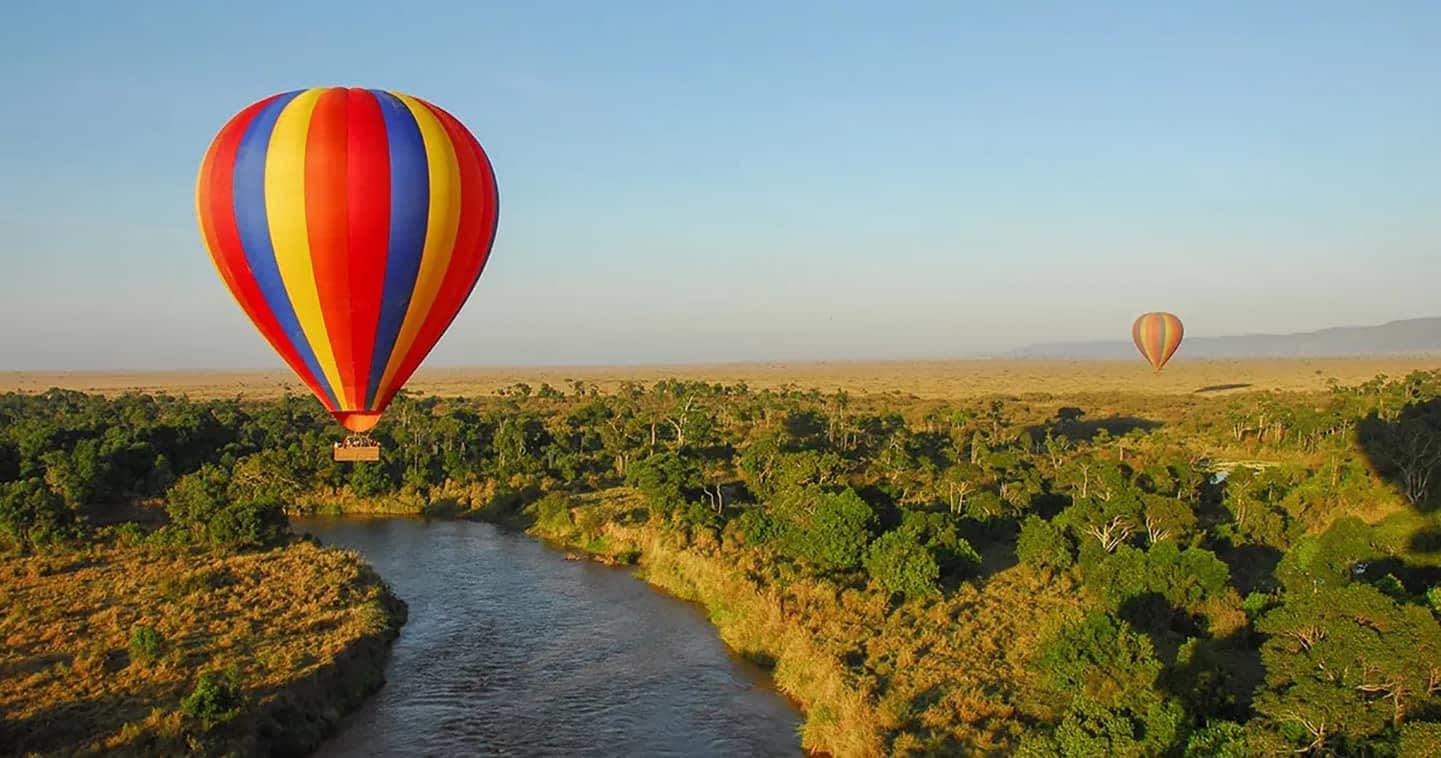
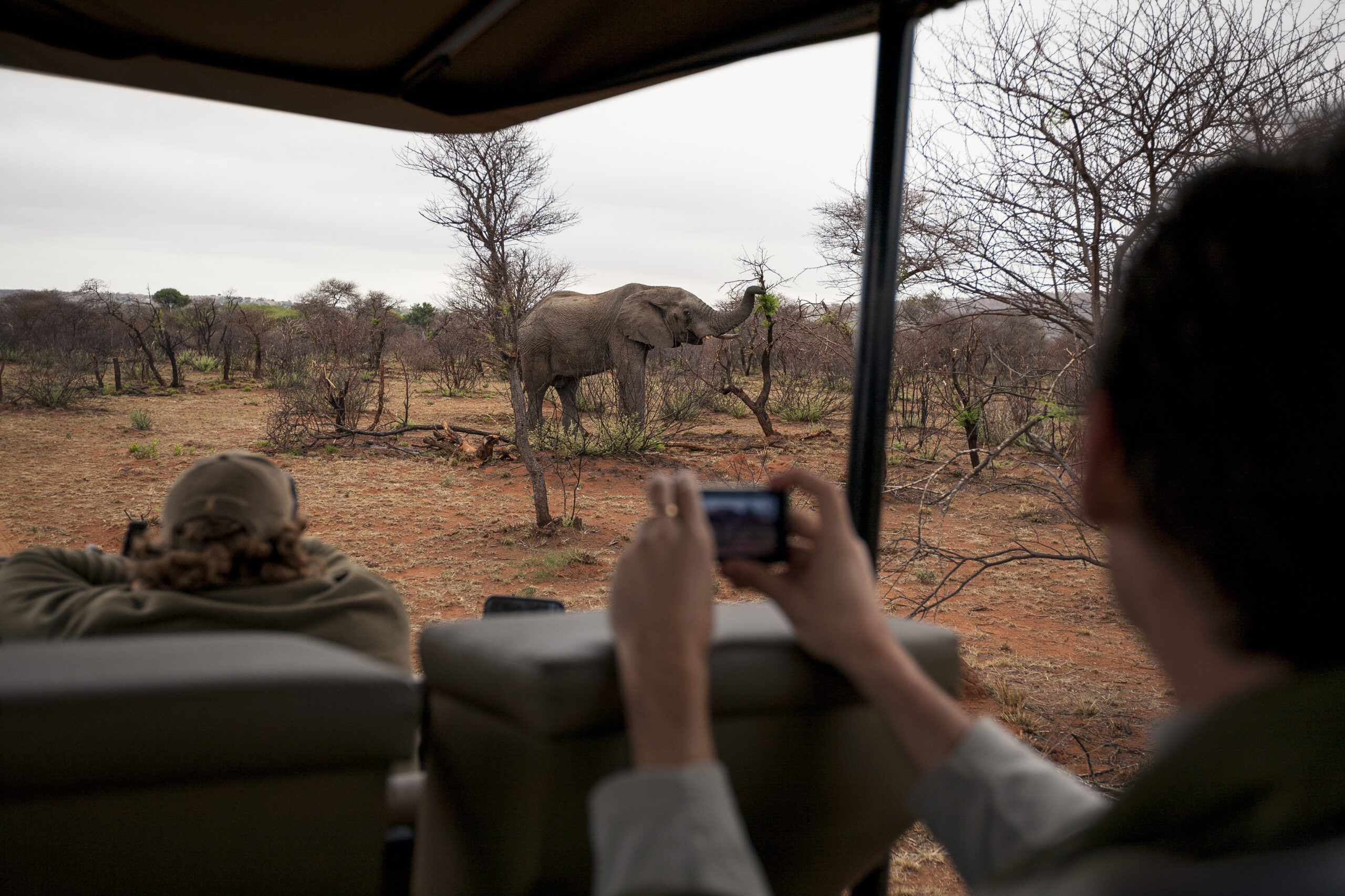
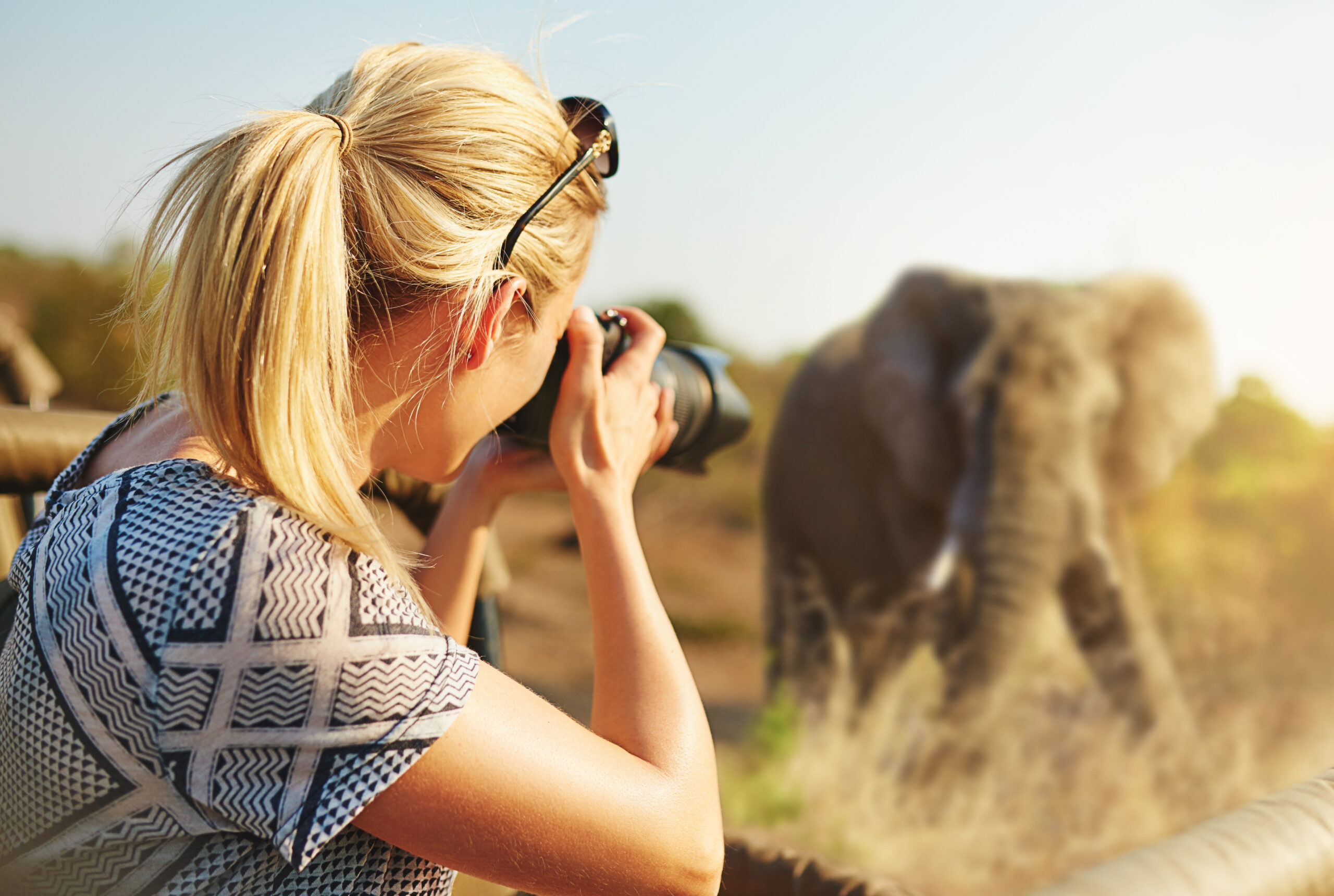
Here’s how to choose the best time for a African safari one that will stay with you forever.Most first-timers picture the classic dry-season postcard: golden grass, a leopard draped over an acacia, elephants kicking up dust against a cobalt sky. That scene peaks between June and October, when East Africa’s long dry season shrinks rivers to trickles and forces animals into the open. In the Maasai Mara, the Mara River becomes the stage for the Great Migration’s most heart-stopping moments.
Crocodiles the size of canoes stalk hundreds of thousands of wildebeest as they plunge across from late July to early October. Grunts, splashes, and the low growl of lions waiting on the far bank crackle through the air. Game drives resemble front-row seats to a thriller about wildlife. However, the cost of the dry season is commensurate with the drama. Convoys of minibuses flock to the famous crossings, and camps along the river triple their rates. If crowds make you nervous, think about going in late October or June, which are shoulder months. In the western Serengeti, June still brings short grass and herds, but lodges reduce high-season rates by 30 to 40%. Vehicles start to thin out, the light turns that honeyed photographer’s gold, and the migration loops south once more in late October.
From November to May, the plains explode into emerald and the sky opens in brief, dramatic storms. This is when babies happen. In January and February, the southern Serengeti around Ndutu becomes a nursery for half a million wildebeest calves. Within minutes of hitting the ground they’re sprinting, but not fast enough to escape the cheetahs, hyenas, and lions that shadow the herds. I’ve watched a mother wildebeest stand her ground against a pack of hyenas while her newborn wobbled to its feet—raw, unforgettable theatre. Camps slash rates by half, some even close their bars to walk-in guests and feel deliciously abandoned.March and April bring the long rains
Tsetse flies host parties, many mobile camps disband, and roads turn to chocolate pudding. Avoid these months unless you have a secret passion for mud wrestling. However, by mid-May, the land dries just enough to keep the bush green and the animals begin to focus once more. Few visitors find this charming location. Southern Africa creates its own calendar outside of Kenya and Tanzania.
Botswana’s Okavango Delta floods from June to October, turning a desert into a mirror maze of lily-fringed channels. In Zambia’s South Luangwa, November’s first storms trigger thousands of carmine bee-eaters to nest along the riverbanks in technicolour colonies. December to March is the emerald season—hot, lush, and half the price of high season. Victoria Falls roars at full volume, rainbows arc through the spray, and you might have the entire viewing platform to yourself.South Africa’s private reserves bordering Kruger deliver year-round game, but May to September offers crisp mornings and leafless bush that makes leopards easier to spot. Come in January and you’ll catch newborn impala hidden in the grass—leopard fast food that keeps the big cats bold and visible.A word about malaria: risk climbs during the wet months, but it’s
Dream of photographing thunderstorms rolling over endless plains while paying half price? January in the Luangwa.I’ve guided families who saved for years to witness the crossings in August, and I’ve watched solo travellers stumble into a lion kill in March because they booked last-minute green-season deals. Both left speechless. The animals don’t care what month your ticket says. They follow water, grass, and instinct.Pick the experience that haunts your daydreams, then let the season find you. Pack binoculars, a sense of wonder, and layers—mornings are colder than you think, even under the African sun. The continent will do the rest.