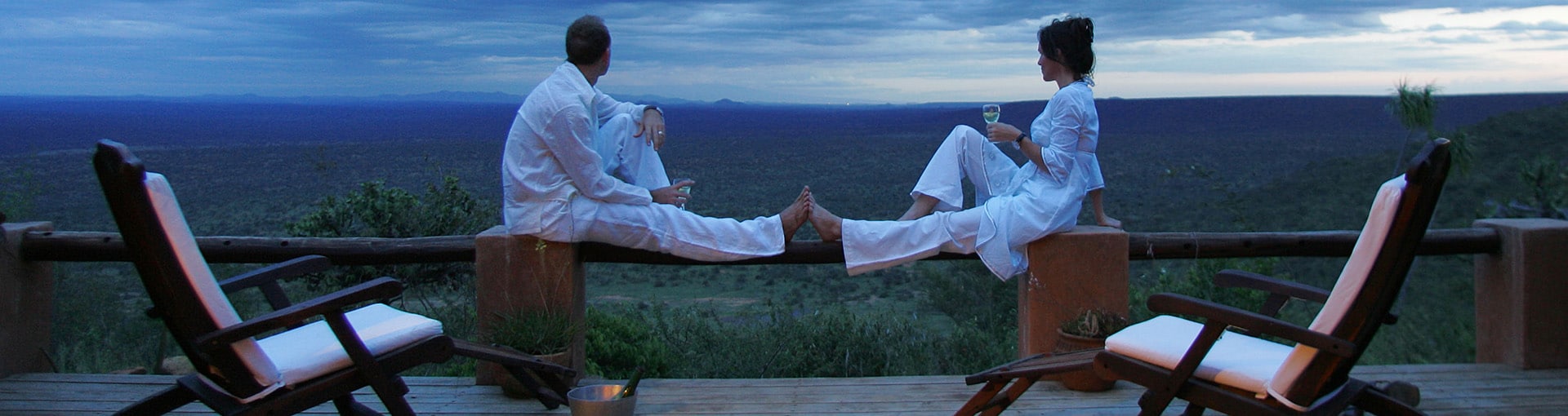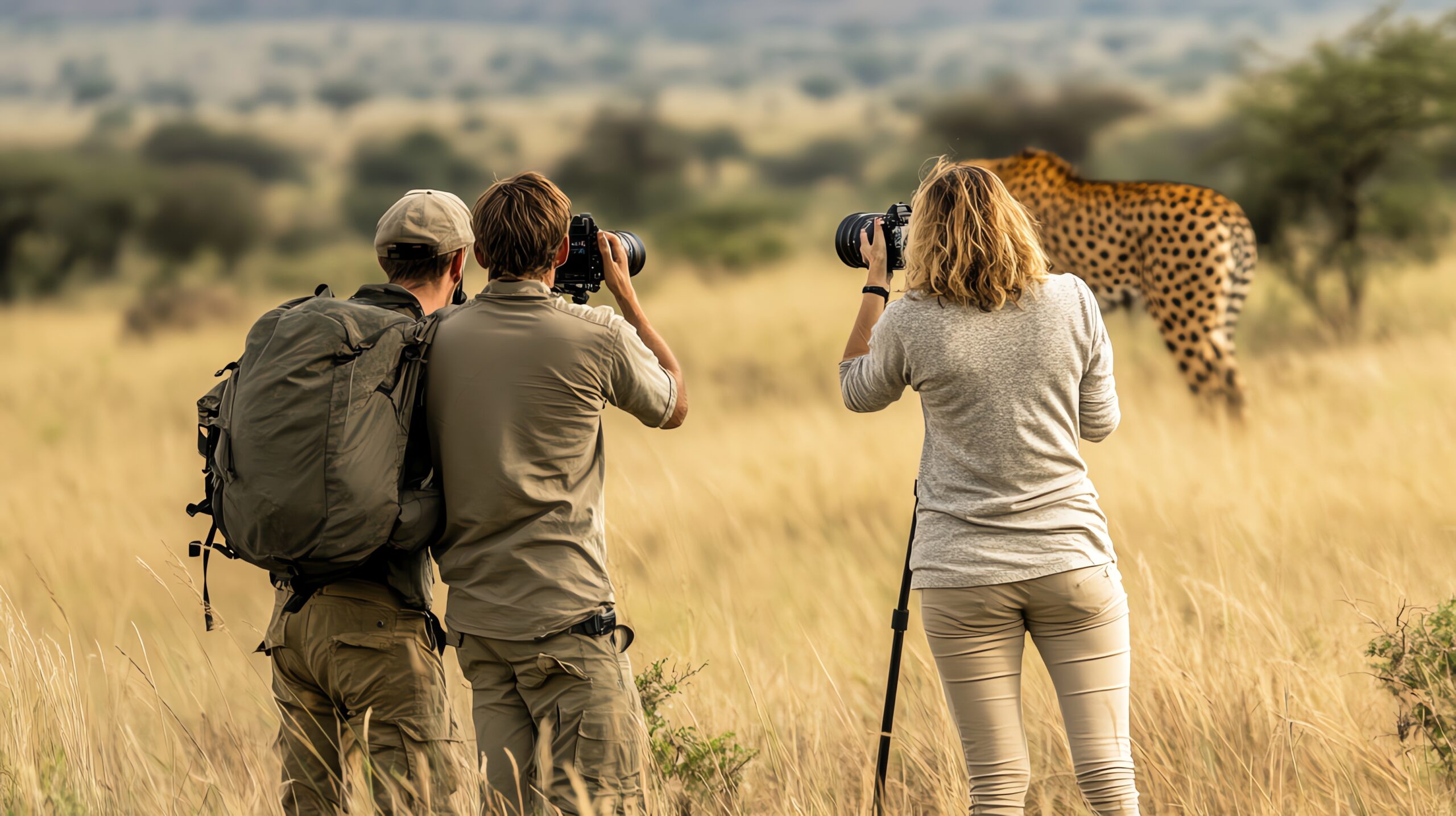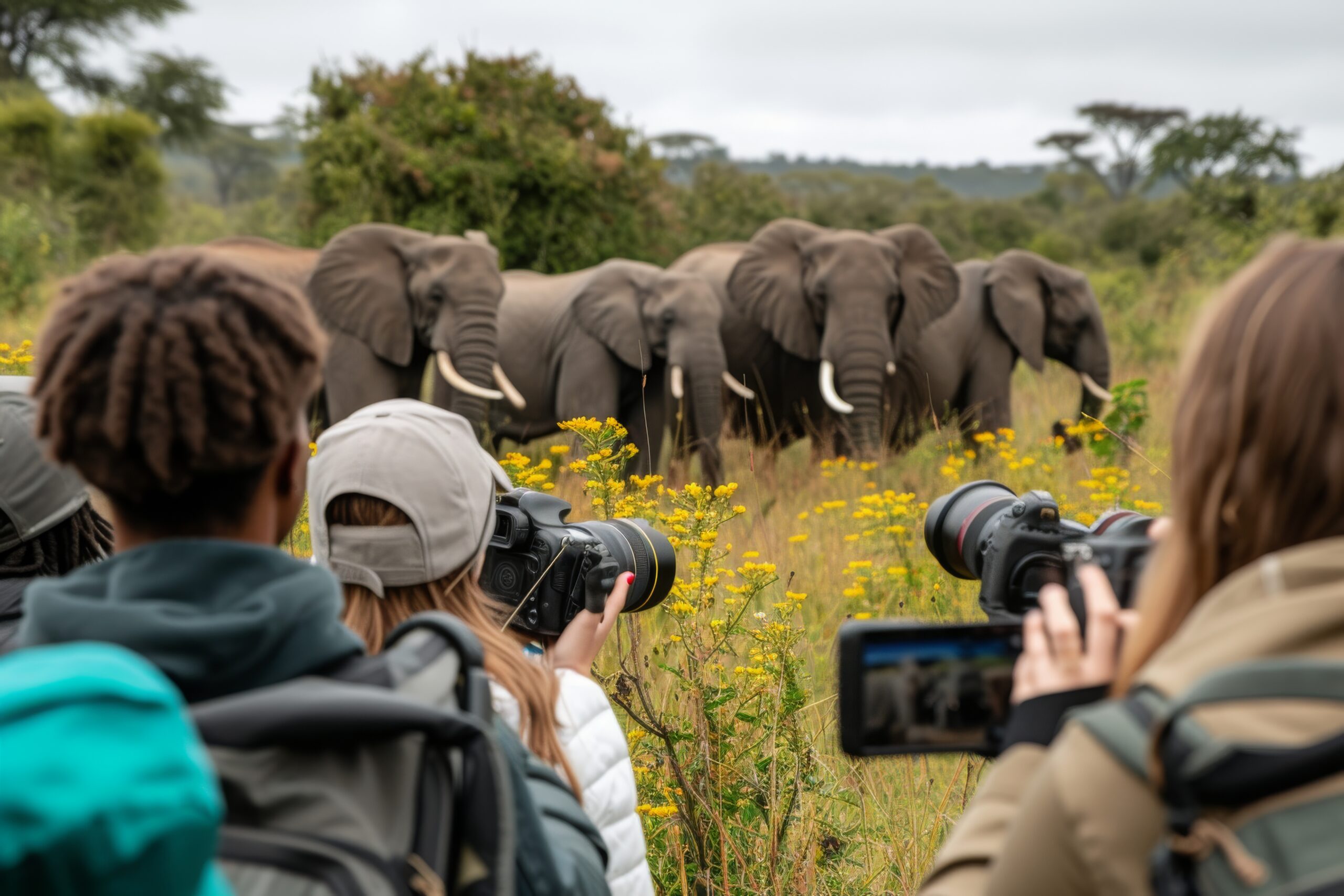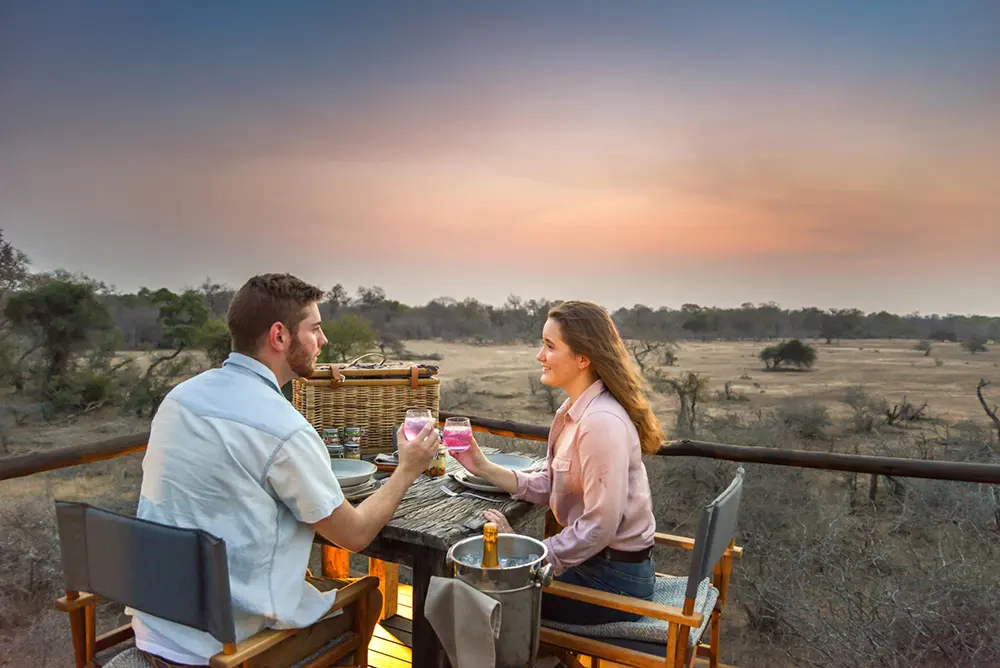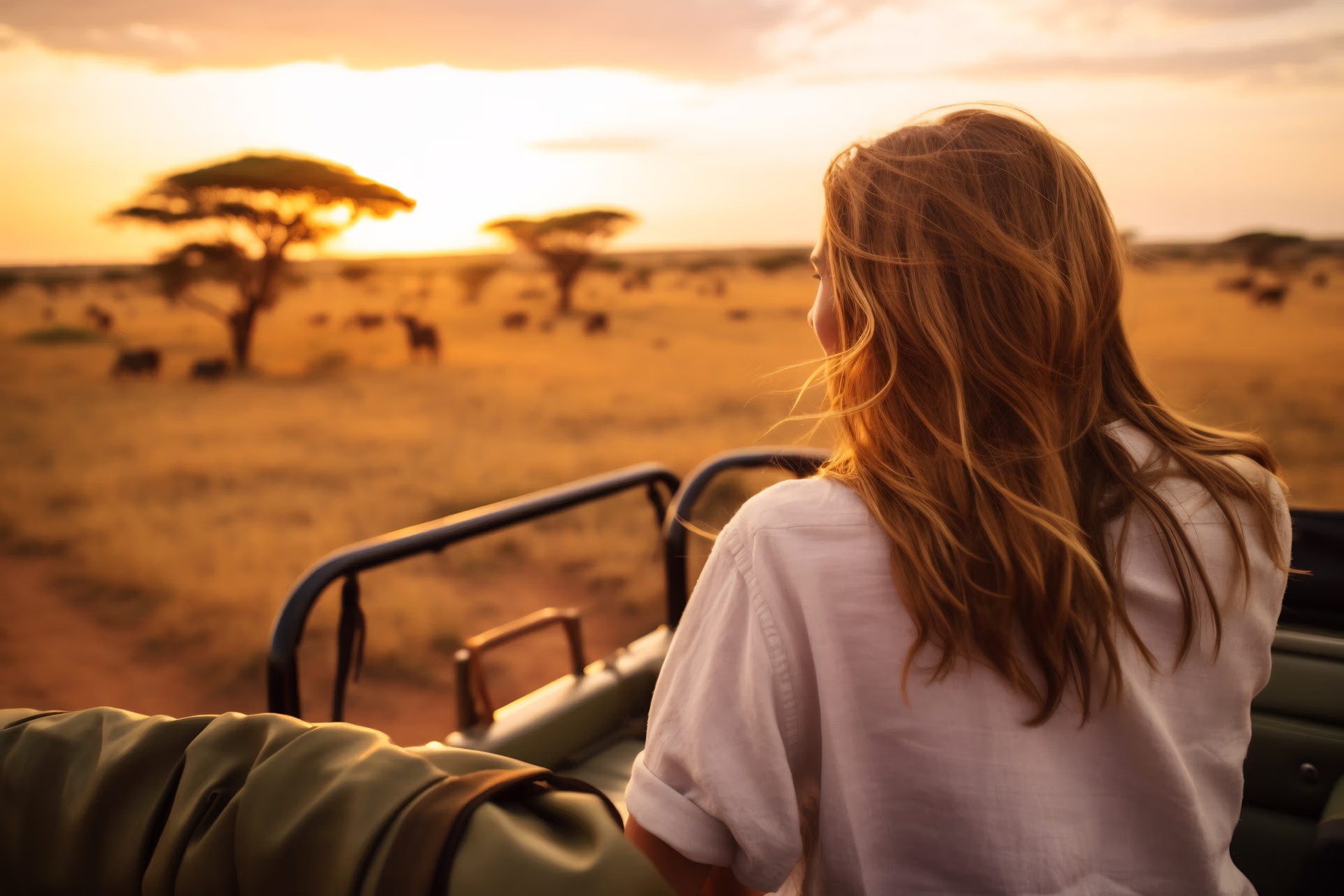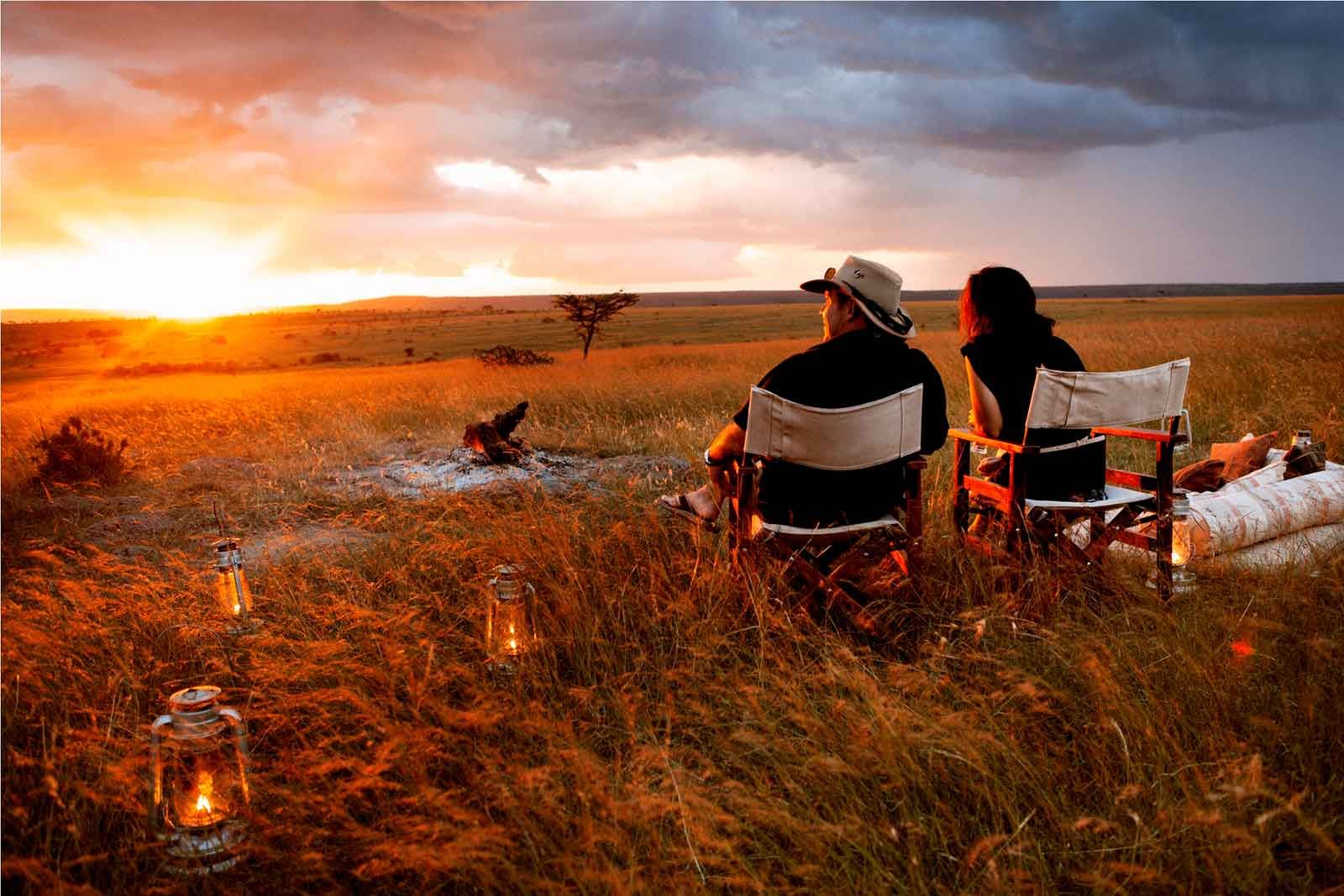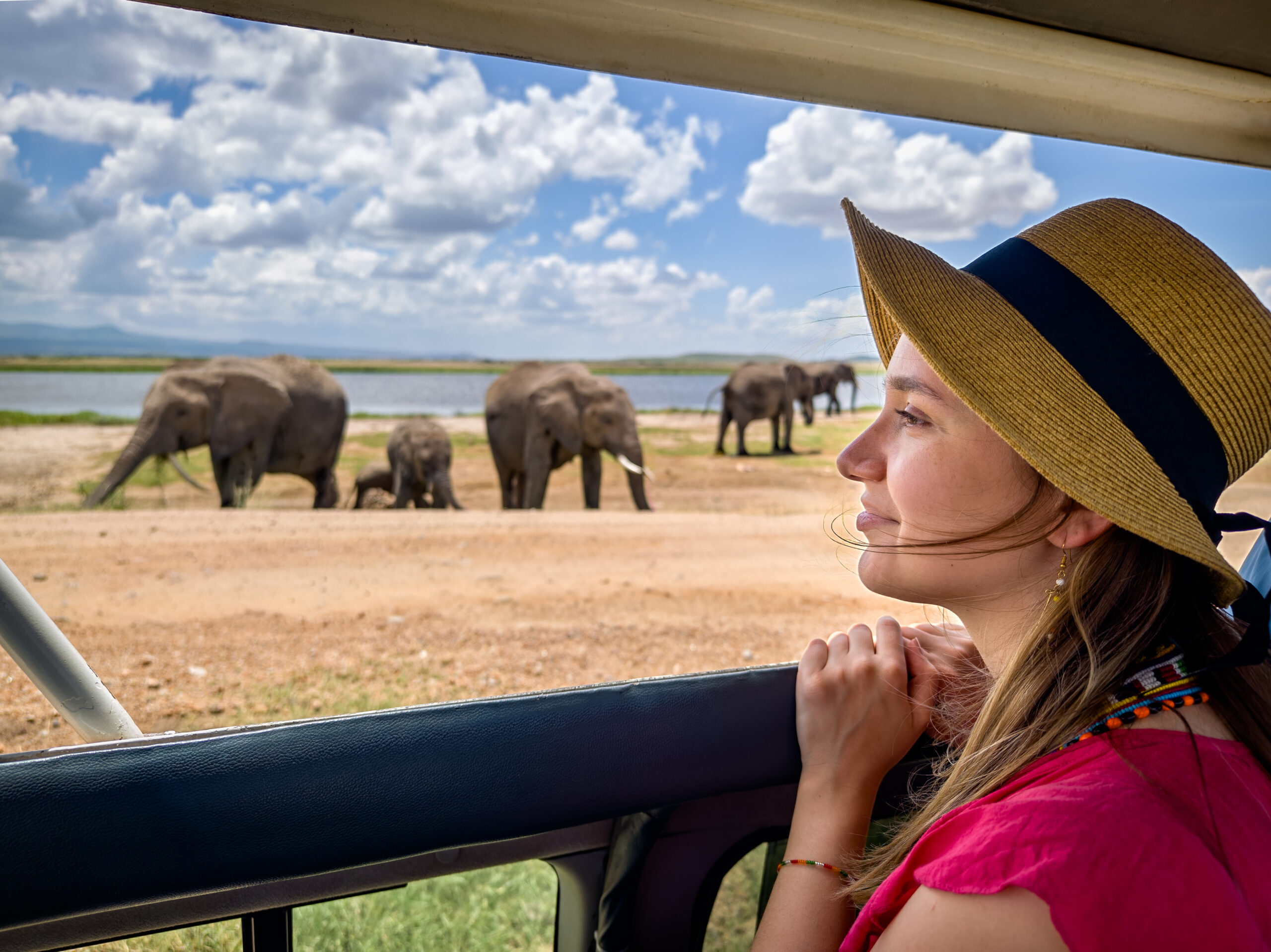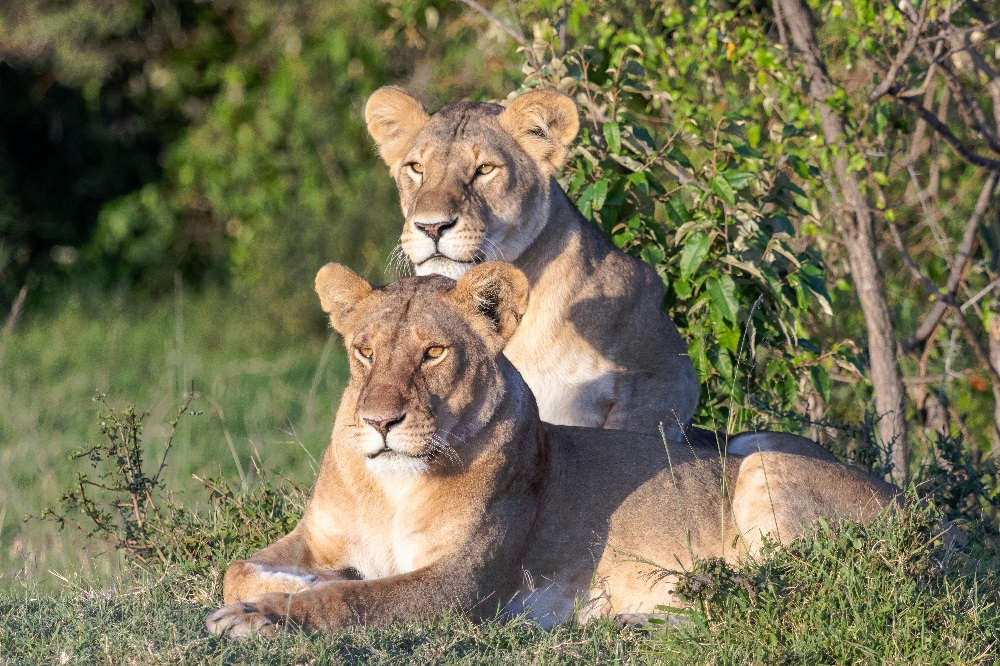
An all-inclusive African safari is one of the easiest ways to plan your trip because almost everything is covered. When you choose an all-inclusive package, it usually includes your accommodation, meals, game drives, park entry fees, and the services of professional guides. In Tanzania or Kenya, an all-inclusive safari for ten days can cost between $4,000 and $7,000 per person depending on the level of luxury. If you want budget camps, it can be around $2,500 to $3,500, while luxury lodges and tented camps in famous reserves like the Serengeti or Masai Mara can push the price above $10,000 per person.
The benefit of an all-inclusive package is that you do not need to worry about daily expenses or hidden costs during your safari. However, extras such as hot air balloon rides, private vehicles, or alcoholic drinks are often not included. When planning, remember that the price may look high, but it also covers the logistics of reaching remote parks, trained safari staff, and conservation fees that help protect wildlife.
What is the best time of year for an African safari?
The best time for an African safari depends on what you want to see and how much you want to spend. In East Africa, the high season runs from June to October, when the weather is dry, wildlife is easier to spot, and the Great Migration moves across the Serengeti and Masai Mara. This is also the most expensive time because demand is very high. A 10-day safari in peak season can cost 20 to 30 percent more than in the low season.
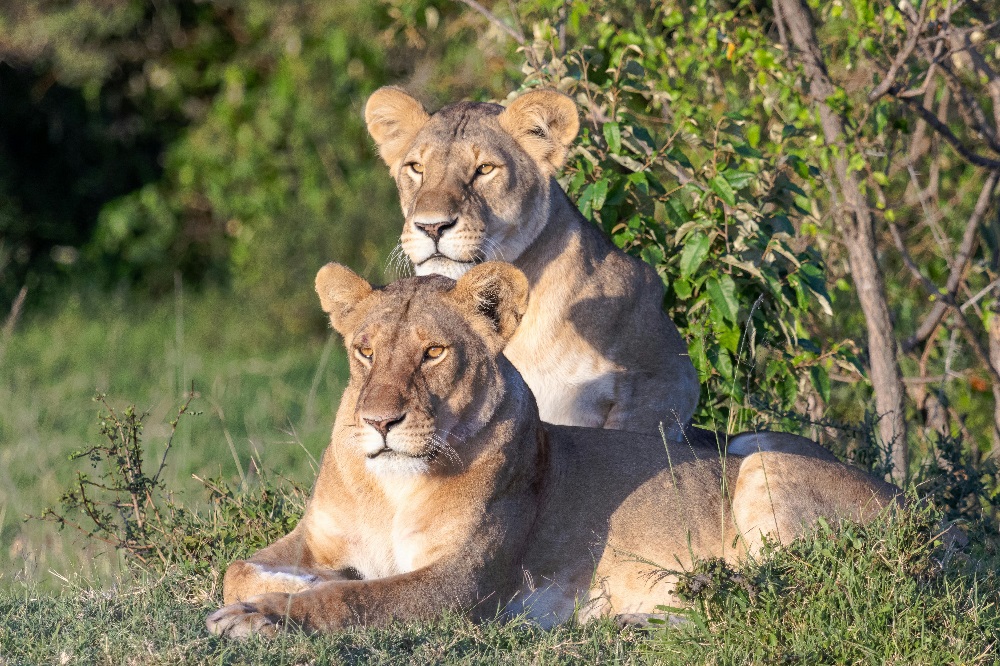
If you want lower prices, consider traveling in the shoulder months such as March, April, and November. During these times, lodges and camps offer discounts, and parks are less crowded. The downside is that rains may make some roads muddy, but you still get a rich experience with plenty of animals. For families or budget travelers, the low season can make safaris more affordable without sacrificing too much quality.
What is the best country for an African safari?
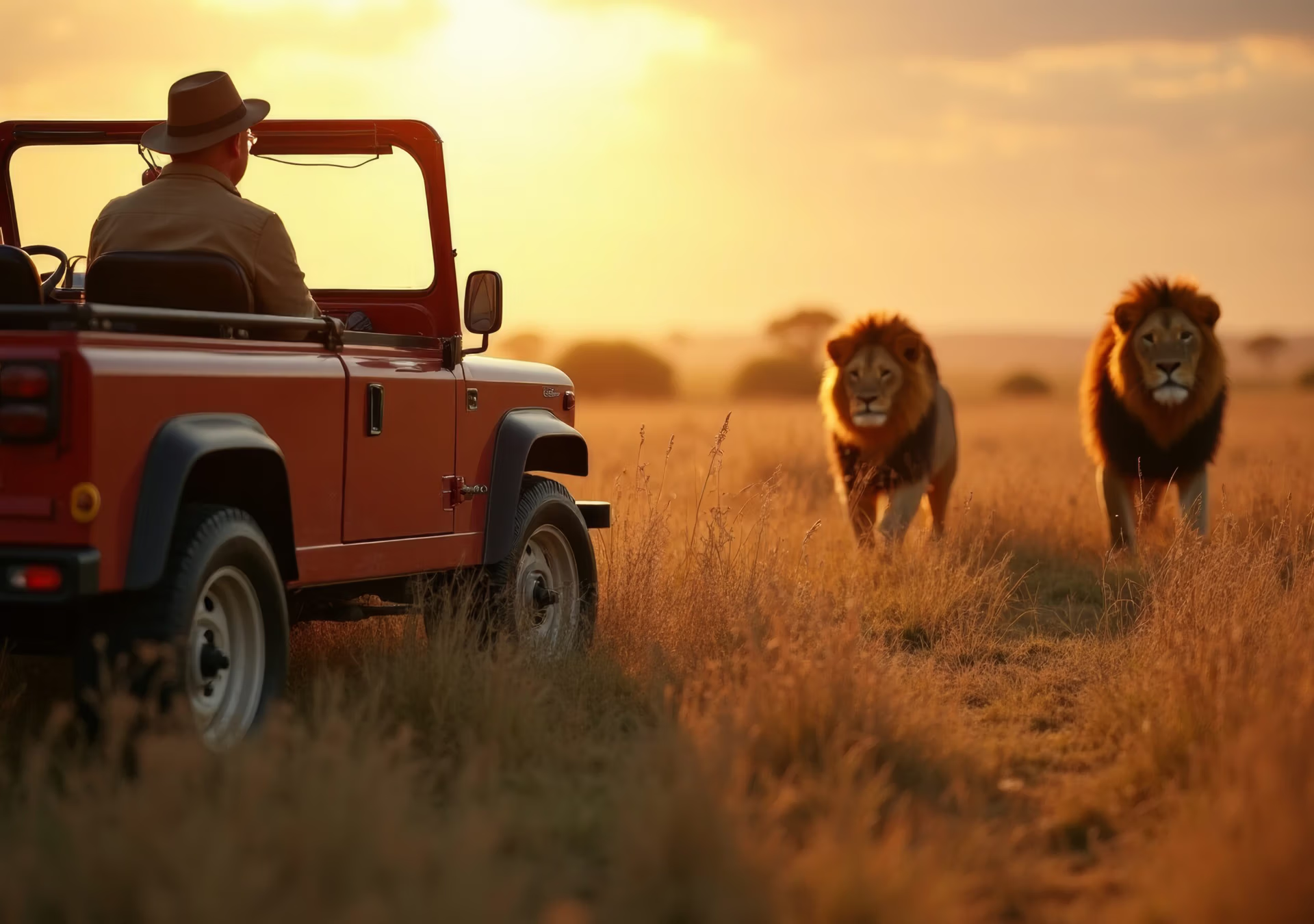
Choosing the best country for safari depends on both experience and budget. Tanzania and Kenya are world famous for the Great Migration and offer huge herds of wildebeest, zebras, and predators like lions and cheetahs. Tanzania tends to have slightly higher costs because the parks are larger and require more travel, while Kenya’s Masai Mara is compact and easier to reach.
South Africa is often cheaper because of its good infrastructure and large variety of lodges, including many self-drive options in Kruger National Park. Botswana and Namibia are known for luxury safaris that focus on fewer visitors and exclusivity, but they are usually more expensive. If budget is the main concern, Kenya and South Africa often give the best value for money, while Tanzania provides vast wilderness and iconic landscapes worth the slightly higher price.
What’s included in a safari package?
A safari package usually includes transport between parks, game drives, accommodation, meals, and park entry fees. In Tanzania, for example, if you book a 10-day safari, you will have a driver-guide with a 4×4 vehicle, daily game drives, and all your lodges arranged. Meals are often served at the lodges or camps, and park entry fees are already covered in the price.
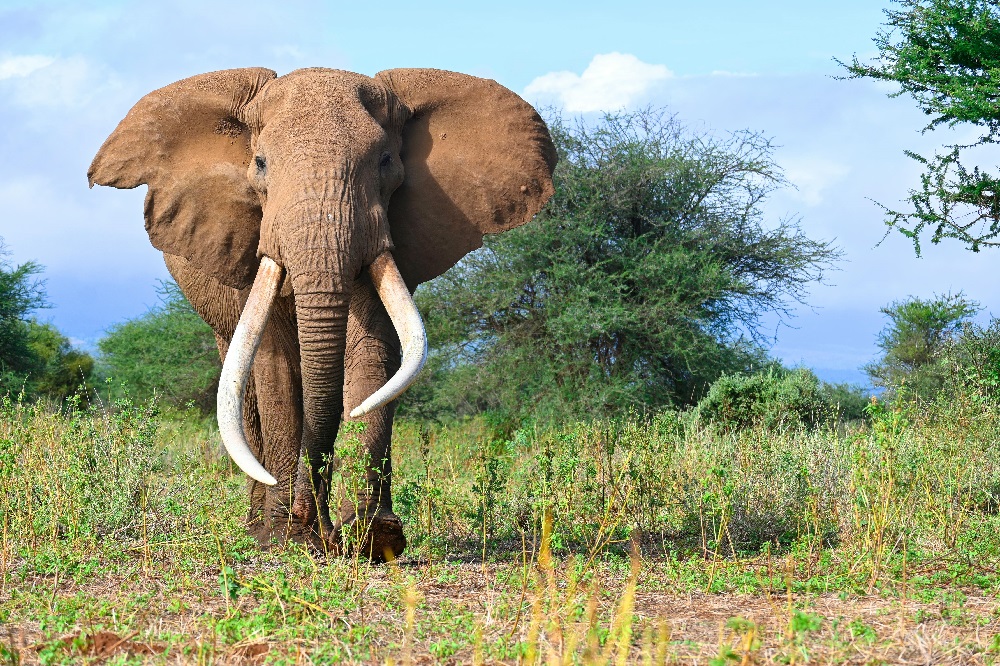
However, not everything is included. You may need to pay extra for international flights, visas, travel insurance, tips for guides, and optional activities like night drives, village visits, or balloon safaris. It is always important to read the package details carefully so you know what is covered. While most safaris are nearly all-inclusive, the little extras can add a few hundred dollars to your budget.
Which African country is the cheapest for safari?
If you are looking for the cheapest safari country, Kenya and South Africa are often the top choices. Kenya has many budget-friendly group tours and camping safaris that allow you to join other travelers and share costs. South Africa is cheaper because of its strong infrastructure, self-drive options, and large number of lodges in Kruger National Park.
Tanzania is slightly more expensive because the national parks charge higher fees, and the parks are spread out, which increases transport costs. Botswana and Namibia are usually the most expensive because they focus on high-end tourism with fewer lodges and higher exclusivity. So if your main goal is to keep costs down, Kenya and South Africa are usually the best bets.
How much does Tanzania safari cost?
A safari in Tanzania can vary a lot depending on your style of travel. A budget camping safari for 10 days might cost around $2,500 to $3,000 per person. Mid-range lodge safaris usually range between $4,000 and $6,000, while luxury lodge safaris in famous parks like Serengeti or Ngorongoro Crater can cost $8,000 or more for ten days.

Tanzania also has park fees that add to the cost. For example, the Serengeti charges about $70 per person per day for entry, and the Ngorongoro Crater has a fee of $200 per vehicle for each descent. Transport costs are also higher because the parks are far apart, requiring long drives or domestic flights. While the costs are high, many travelers feel it is worth it for the incredible landscapes, rich wildlife, and the chance to witness the Great Migration.
Which African safari is best for money?
The best safari for money depends on balancing cost with experience. Kenya is often seen as the best value because the Masai Mara has high wildlife density, meaning you see a lot in a short time. South Africa also offers great value with affordable lodges and self-drive options in Kruger.
In Tanzania, you pay more, but the experience includes vast wilderness and world-famous parks like Serengeti and Ngorongoro. If your budget allows, the value comes from the quality of the sightings, not just the price. Many travelers find that paying a little extra in Tanzania gives them lifetime memories of seeing the Migration or tracking lions across endless plains. For budget-conscious travelers, Kenya or South Africa may give the most for the money spent.
How far in advance should I book a safari?
Booking a safari early is important, especially if you are planning to travel during high season. In Tanzania and Kenya, lodges in the Serengeti and Masai Mara can fill up a year in advance during the Great Migration. For peak months like July, August, and September, it is best to book 9 to 12 months ahead.
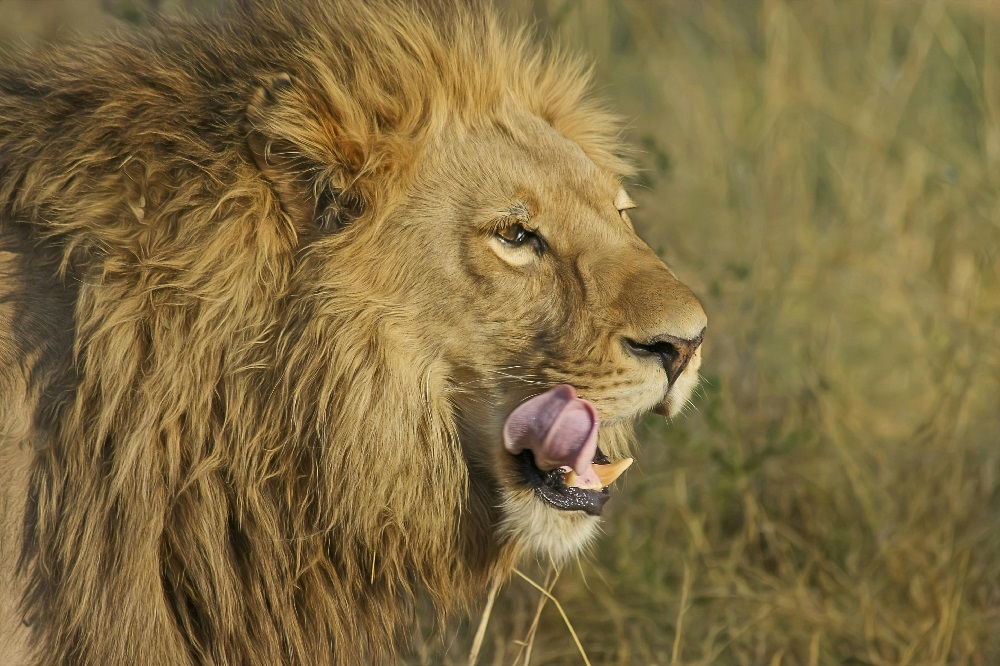
If you are flexible and willing to travel in the low season, you can book 3 to 6 months in advance and still find good deals. Last-minute deals are possible, but they are rare for popular parks and luxury lodges. Early booking also allows you to secure cheaper flights, better guides, and more choice of accommodation. If you are traveling with a family or large group, advance booking is even more important.
How much does a Kenya safari cost?
A safari in Kenya is usually cheaper than Tanzania because of shorter distances and slightly lower park fees. A 10-day budget safari might cost $2,000 to $3,000 per person, mid-range safaris average between $3,500 and $5,000, while luxury safaris can cost $7,000 to $9,000.
The Masai Mara charges about $80 per person per day for entry, and transport from Nairobi is easy, either by road or a short flight. Group safaris are common in Kenya, which makes it easier to share costs. The variety of lodges, from basic camps to luxury tented camps, also gives travelers more flexibility. For many people, Kenya safaris are the perfect balance between price and quality, especially for first-time visitors to Africa.