Lake Bogoria is salty because it has no outlet. The water that flows into the lake from rivers and hot springs stays there and only leaves through evaporation. When the water evaporates under the hot Rift Valley sun, salts and minerals remain behind. Over many years, this has made the lake very salty and alkaline. This salty water supports algae, which then attracts thousands of flamingos that feed on it.
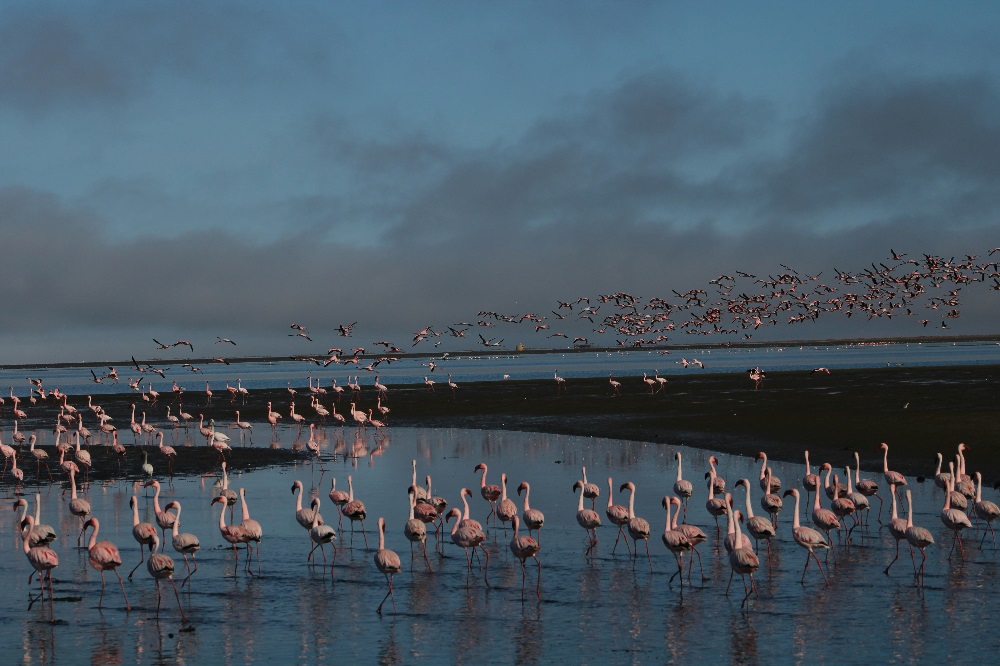
Are there flamingos in Lake Bogoria?
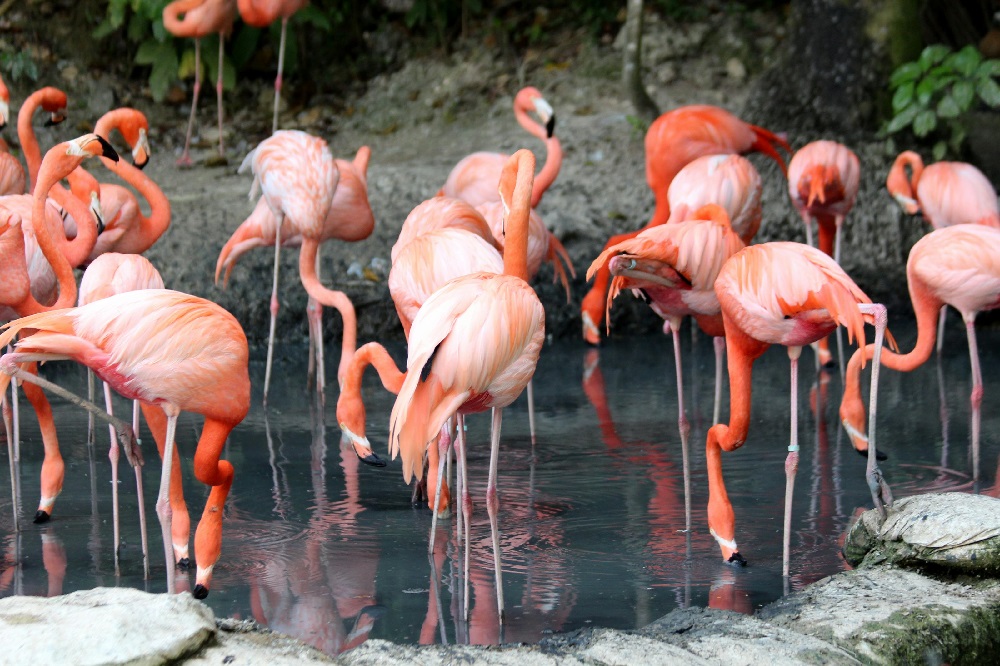
Yes, Lake Bogoria is one of the best places in the world to see flamingos. Huge flocks of both lesser and greater flamingos gather here to feed on algae. At times, the entire shoreline looks pink because of the thousands of birds. The sight of flamingos flying together or feeding at sunrise is one of the most magical experiences for visitors.
Why did Lake Bogoria turn red?
Sometimes the waters of Lake Bogoria appear red. This happens because of the special algae in the lake. When the algae multiply in large numbers, they give the water a reddish or pinkish color. This natural change is also what makes the flamingos pink, since they feed on these algae.
Are there fish in Lake Bogoria?
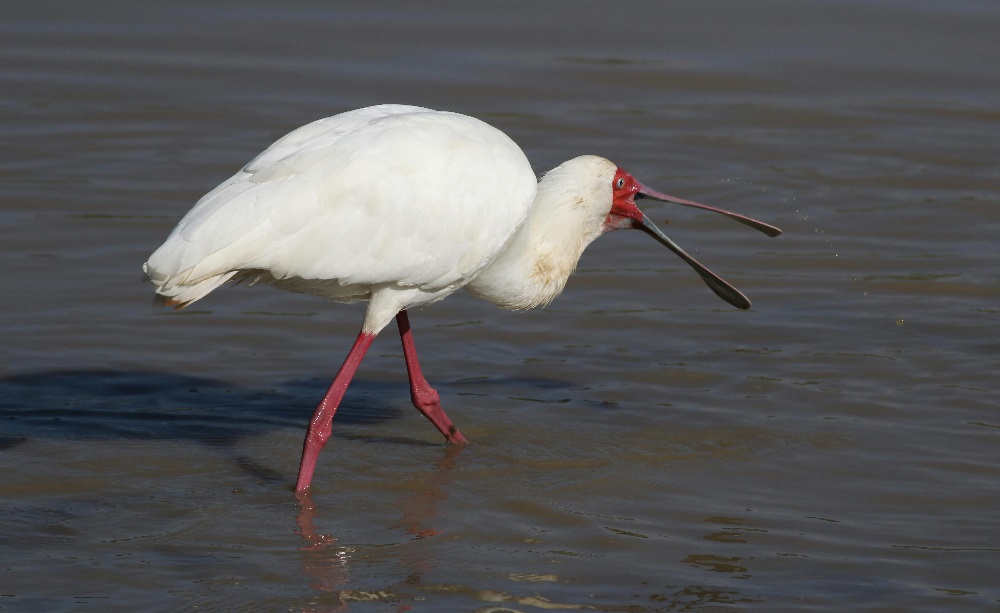
No, there are no fish in Lake Bogoria. The water is too salty and alkaline for fish to survive. Instead, the lake supports algae and tiny organisms that feed the flamingos. Even though there are no fish, the lake is still full of life because of the birds and animals around it.
Which ethnic communities live around Lake Bogoria?
Several communities live near Lake Bogoria, including the Njemps, who are a sub-group of the Maasai. Other tribes from the larger Baringo area also live close to the lake. These people keep livestock, fish in nearby rivers, and use the hot springs for cooking. Their traditions and way of life are connected to the land and wildlife around them.
Which tribe lives in Baringo?
The main tribe in Baringo County is the Tugen, who are part of the larger Kalenjin community. There are also Njemps, Pokot, and other groups in the region. These tribes have lived in the Rift Valley for centuries, herding animals and adapting to the harsh but beautiful environment around Lake Bogoria.
What is the smallest lake in Kenya?
Kenya has many lakes, but some are very small. Among the Rift Valley lakes, Lake Bogoria is smaller compared to others like Lake Naivasha or Lake Turkana. However, its size does not take away from its importance. It is still one of the most unique lakes in the country because of its flamingos, geysers, and hot springs.
Is Lake Bogoria worth visiting?
Yes, Lake Bogoria is definitely worth visiting. Visitors come to see the flamingos, the hot springs, and the dramatic landscapes of the Rift Valley. It is also less crowded than other tourist spots, giving travelers a peaceful and natural experience. Anyone who loves nature, photography, or birdwatching will find Bogoria unforgettable.
Is Lake Bogoria a freshwater lake?
No, Lake Bogoria is not a freshwater lake. It is a saline, alkaline lake, meaning it has high levels of salt and minerals. This makes it very different from nearby Lake Baringo, which is a freshwater lake with fish. While Bogoria cannot support fish, it is perfect for flamingos and other birds that rely on algae.
How was Lake Bogoria formed?
Lake Bogoria was formed millions of years ago through volcanic activity along the Rift Valley. The movement of the earth created a depression that filled with water. Hot springs and geysers around the lake are signs of its volcanic past. This history explains why the lake is salty and why its landscape is so dramatic and full of steam.
What lake is in both Kenya and Tanzania?
While Lake Bogoria is fully in Kenya, there are other lakes in East Africa that cross borders. The most famous one is Lake Victoria, which is shared by Kenya, Uganda, and Tanzania. This shows how the Rift Valley and the surrounding regions connect countries and communities through shared natural resources.