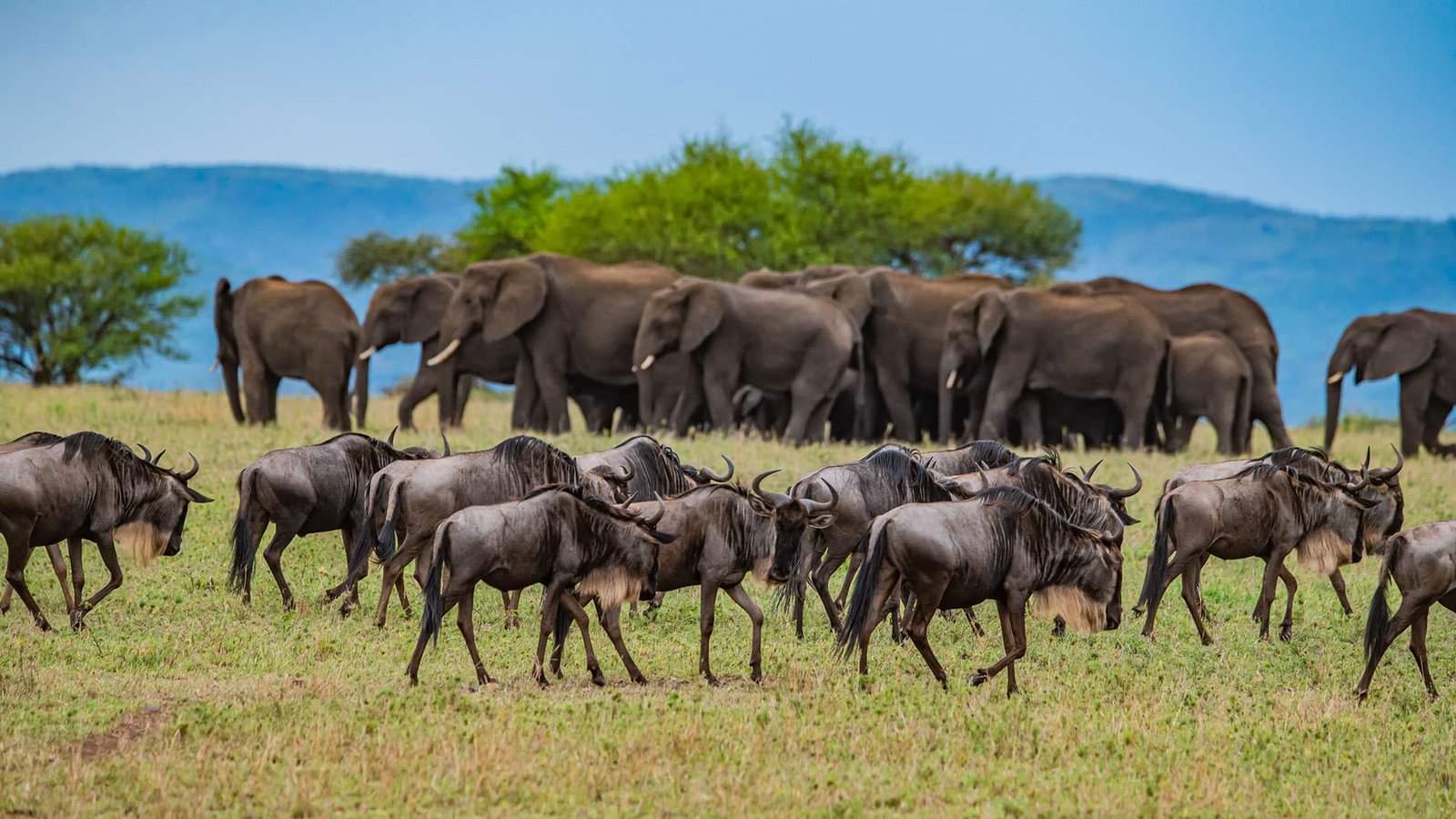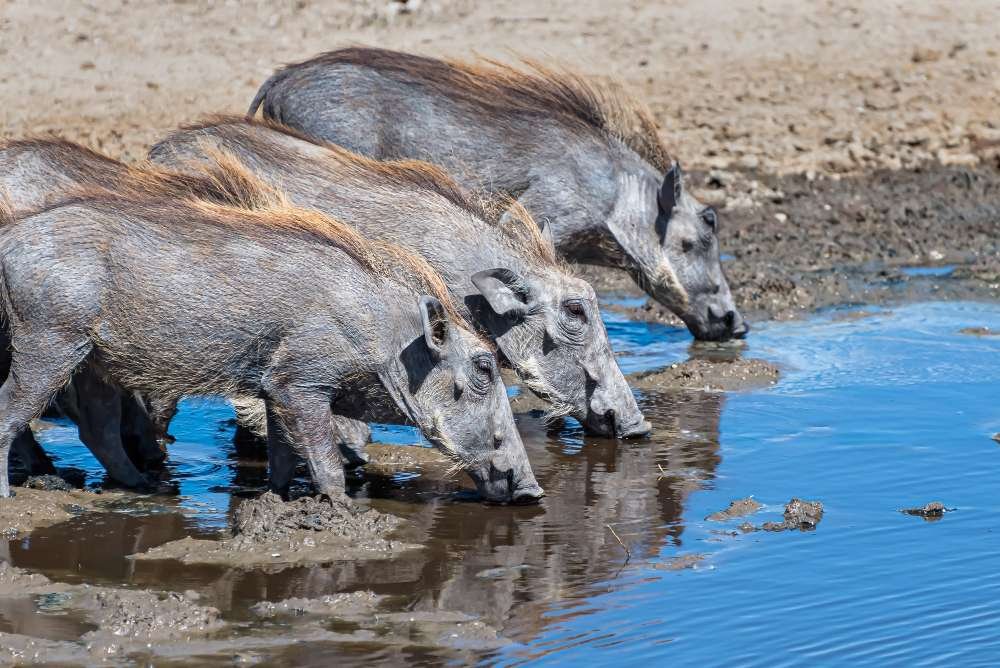

Kenya Safari Tours from Singapore offer a striking change of scenery for travellers looking beyond the usual city, resort and shopping holidays. In Kenya, mornings can begin with elephants crossing open plains, afternoons can be spent watching lions and giraffes, and evenings can end at a tented camp surrounded by the sounds of the African wilderness.
For travellers living in Singapore, Kenya also offers something particularly valuable: variety. One holiday can combine classic wildlife viewing, conservation experiences, the Great Rift Valley, Maasai culture, Mount Kilimanjaro scenery and several relaxing days beside the Indian Ocean.
Kenya Wildlife Service describes the country’s wildlife environments as including savannah grasslands, forests, arid scrublands, wetlands and mountain ecosystems. These habitats support elephants, lions, rhinos, giraffes, buffaloes and many other species.
The best Kenya Safari Tours from Singapore are not necessarily the itineraries with the greatest number of national parks. A well-planned safari considers travel time, season, wildlife interests, accommodation location and how much time guests actually have to enjoy each destination.
For Singapore-based travellers, there is also one especially important practical consideration that deserves attention: yellow fever documentation when returning to Singapore after visiting Kenya.
This guide explains these details while helping first-time and repeat visitors build a safari that is comfortable, responsible and genuinely rewarding.
Why Kenya Feels So Different from a Holiday in Singapore
Singapore and Kenya provide almost completely opposite travel environments.
Singapore is compact, highly urbanised and exceptionally connected. Kenya’s greatest attractions are often found in enormous natural landscapes where wildlife moves freely and distances between destinations can be significant.
That difference is part of the experience.
Instead of planning a day around restaurants, attractions and shopping districts, safari days are shaped by nature.
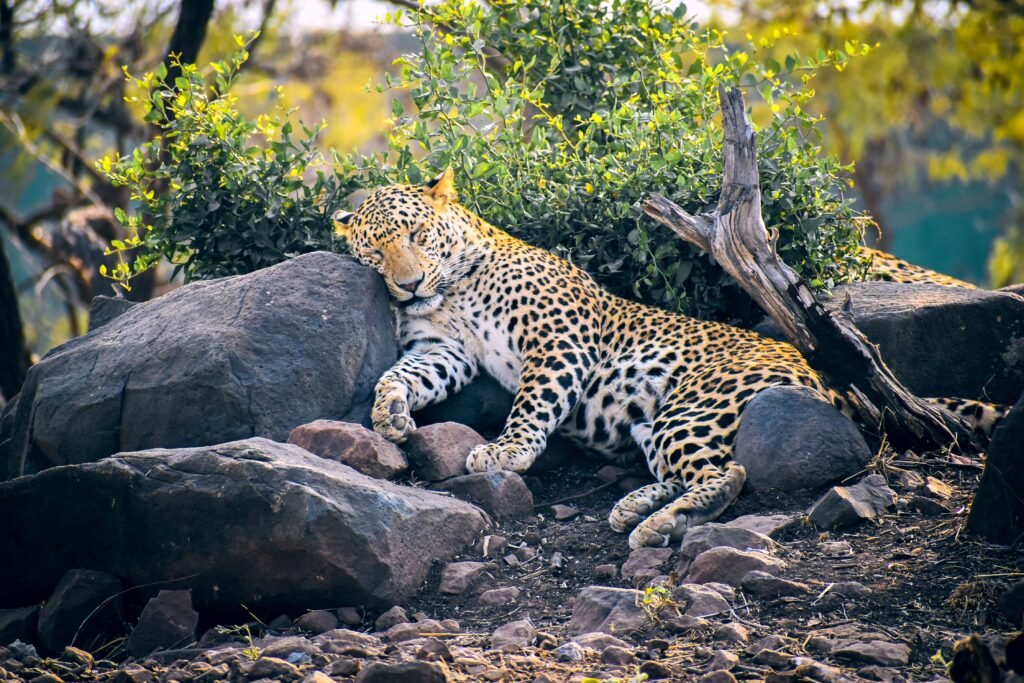
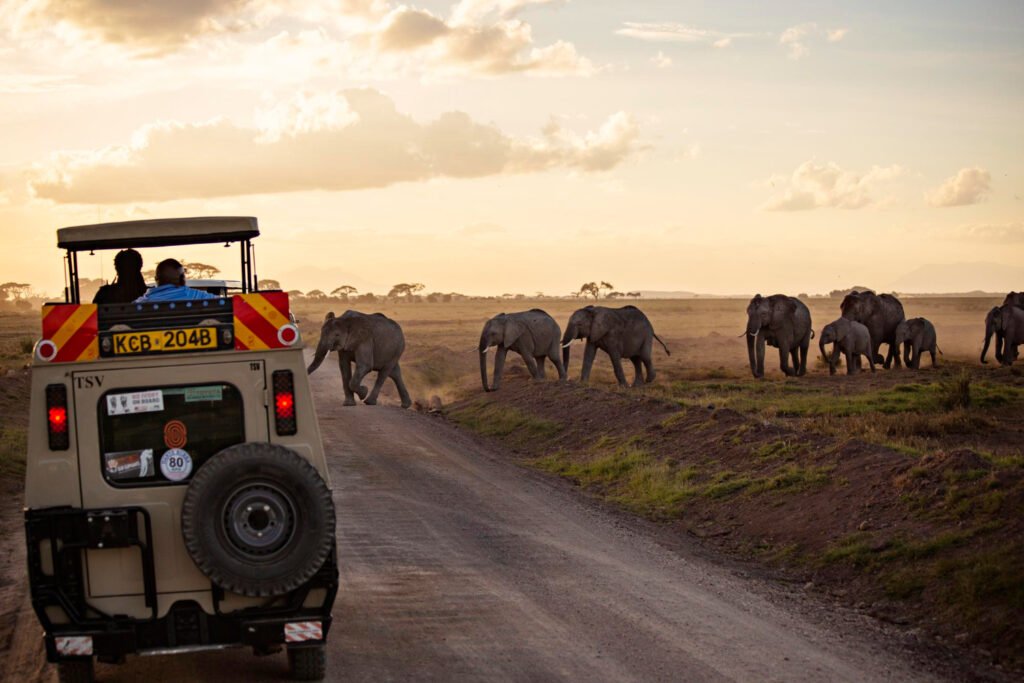
You might leave camp before sunrise because predators are active during the cooler hours. Your guide may stop beside a herd of elephants for twenty minutes or remain near a leopard for much longer because something interesting is happening.
There is no fixed wildlife performance.
That unpredictability is one of the qualities that makes an African safari memorable.
Is Kenya a Good First African Safari for Singapore Travellers?
Yes. Kenya is particularly suitable for travellers experiencing Africa for the first time.
The country has a long-established safari industry and offers everything from comfortable mid-range lodges to small luxury camps and private conservancy experiences.
More importantly, Kenya’s landscapes are remarkably varied.
Kenya Wildlife Service manages protected areas stretching from Mount Kenya and the red plains of Tsavo to Lake Nakuru and marine ecosystems on the coast.
This means a visitor does not have to spend the entire holiday looking at the same type of landscape.
A carefully designed safari might include a dry savannah, a Rift Valley lake, mountain scenery and tropical coastline within one journey.
Getting from Singapore to Kenya
Nairobi is the main gateway for most international safari travellers.
Jomo Kenyatta International Airport is the usual arrival point, after which travellers can continue into Kenya’s safari regions by private 4×4 vehicle or domestic aircraft.
When comparing flights from Singapore, consider more than the airfare.
Look at total journey time, connection arrangements, luggage allowance and arrival time in Nairobi.
A very late arrival followed by an early road departure can make the first safari day unnecessarily tiring.
For travellers who prefer a relaxed start, one night in Nairobi before entering the wilderness is often worthwhile.
Important Entry Information for Singapore Citizens
This is one area where current information matters.
Kenya’s immigration rules were amended in 2025, and the official Kenya eTA guidance currently lists Singapore among the nationalities exempt from obtaining an eTA for visits of up to 90 days.
This is important because older online articles may still tell Singapore passport holders that they need to apply for an eTA.
Travellers should nevertheless check the official requirements again before departure because immigration policies can change.
For nationalities that do require an eTA, Kenya’s official system says applications are usually processed within three days and recommends applying at least two weeks before travel.
Use the official Kenya Electronic Travel Authorisation portal to verify the latest rules rather than depending on outdated travel blogs or third-party application websites.
A Crucial Detail When Returning to Singapore: Yellow Fever
Singapore-based travellers should pay particular attention to yellow fever requirements.
Singapore’s Immigration & Checkpoints Authority states that travellers, including Singapore residents, who have been in a country with a risk of yellow fever transmission during the six days before arriving in Singapore must present a valid yellow fever vaccination certificate. Kenya is included on Singapore’s list of yellow fever risk countries.
Singapore’s ICA also states that the requirement can apply when a traveller has spent more than 12 hours in airport transit in a yellow-fever-risk country.
A yellow fever vaccination certificate becomes valid 10 days after vaccination and, according to Singapore ICA guidance, remains valid for life.
This is particularly important because travellers sometimes concentrate entirely on Kenya’s entry requirements and forget to check what they will need when returning home.
Travellers who cannot receive the vaccine for medical reasons should obtain professional medical advice and check Singapore’s current official requirements well before departure.
Choosing a Safari Based on Experiences Rather Than Park Names
Instead of beginning with a list of parks, begin with a simple question:
What do you want to experience?
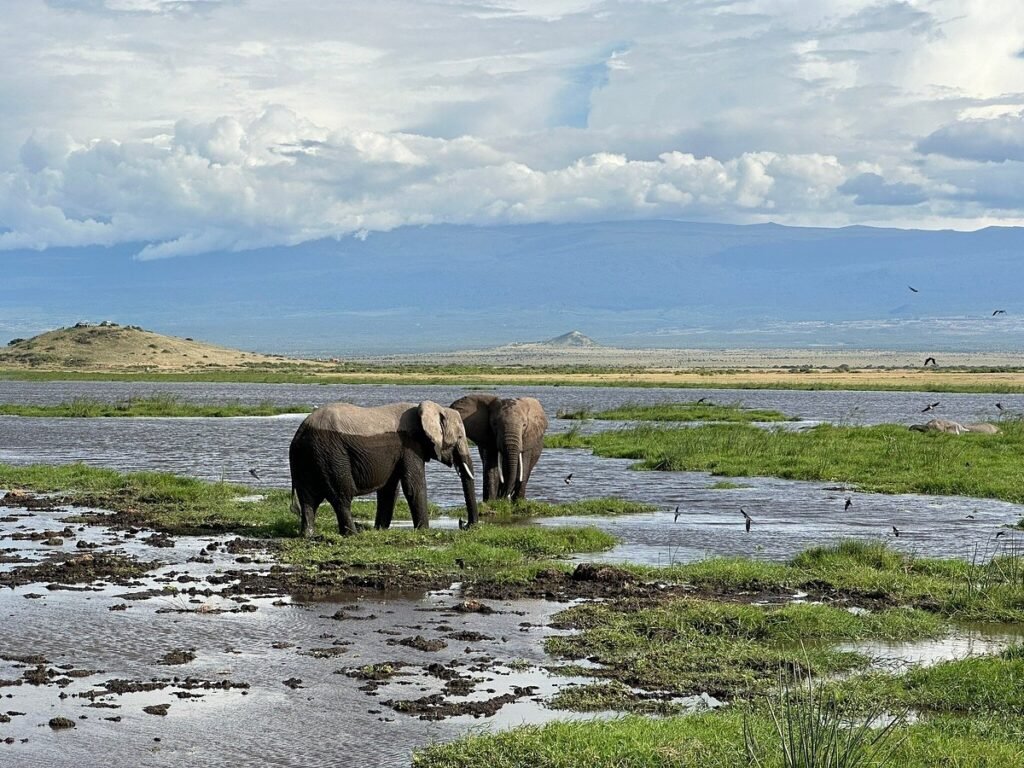
If elephants and landscapes are your priority, Amboseli deserves serious consideration.
If you want classic predator viewing and wide savannahs, the Masai Mara may be central to the itinerary.
If conservation interests you, consider Ol Pejeta.
If you prefer dramatic dry-country landscapes, Samburu provides a completely different environment.
If you want a safari that naturally continues toward the Indian Ocean, Amboseli and Tsavo can create a logical route.
This approach produces a more personal safari than automatically booking the same itinerary everyone else follows.
A 6-Night Kenya Safari for Travellers with Limited Leave
Singapore’s working culture can make annual leave valuable, so not every traveller can spend two weeks on safari.
A compact six-night journey can still work if unnecessary transfers are removed.
Spend your first night in Nairobi after arriving from Singapore.
Continue to Amboseli for two nights, giving yourself time for afternoon and early morning wildlife drives.
Instead of adding several intermediate parks, fly or travel onward according to the selected itinerary and spend the final three nights in the Masai Mara.
The emphasis is quality rather than quantity.
Two major wildlife ecosystems are better than spending six nights continuously packing and unpacking.
A 9-Night Kenya Safari for a More Relaxed Journey
Travellers with more time can build a completely different route.
Begin with two nights in Ol Pejeta, where conservation becomes an important part of the experience.
Continue into the Great Rift Valley and spend two nights around Lake Naivasha.
The journey can then finish with four nights in the greater Masai Mara ecosystem, followed by a final night in Nairobi where necessary for flight connections.
This route avoids trying to include every famous national park.
Instead, it combines conservation, lake scenery and several full days of classic wildlife viewing.
Amboseli: An Excellent Beginning to a Kenya Safari
Amboseli is one of the most recognizable landscapes in East Africa.
Kenya Wildlife Service describes it as an important destination for close encounters with elephant herds and highlights its open plains, acacia woodland, swamps and marshes. The park also supports more than 400 recorded bird species.
Then there is Mount Kilimanjaro.
Although the mountain itself lies across the border in Tanzania, it provides Amboseli with its famous southern backdrop when weather conditions are clear.
For photographers travelling from Singapore, Amboseli can be particularly rewarding.
Do not expect Kilimanjaro to remain visible throughout the day. Clouds frequently develop around the mountain, making early mornings especially valuable.
Spending two or three nights gives you several opportunities rather than relying on one short visit.
The Masai Mara Beyond the Great Migration
The Masai Mara is often the first destination travellers recognise when researching Kenya.
It deserves that reputation, but the reserve should not be marketed only around the Great Migration.
The wider ecosystem supports resident populations of lions, elephants, giraffes, buffaloes, antelopes and many other animals throughout the year.
Cheetahs and leopards are also among the predators safari visitors hope to encounter.
The migration adds another dimension during the appropriate season, but river crossings are natural events.
They cannot be scheduled.
Rainfall, grazing conditions and herd movements determine what happens.
A trustworthy safari specialist should explain this instead of guaranteeing a crossing on a particular date.
Why Singapore Photographers May Love Samburu
Samburu provides strong visual contrast.
The environment is drier and more rugged than the Masai Mara, giving photographs a noticeably different character.
It also gives travellers a reason to explore northern Kenya rather than concentrating entirely on the southern safari circuit.
For serious photographers, the best strategy is usually to stay longer.
Changing accommodation every morning reduces the time available for good light and patient wildlife observation.
Three nights in an excellent wildlife area can be far more productive than three different parks in three days.
Ol Pejeta for Conservation-Minded Travellers
Modern safari tourism should involve more than photographing animals.
Ol Pejeta provides an opportunity to introduce conservation into the journey.
The conservancy is particularly associated with rhino conservation and can add educational depth to a traditional wildlife itinerary.
This makes it suitable for families travelling with teenagers, environmentally conscious travellers and visitors who want to understand the challenges behind protecting African wildlife.
Combining Ol Pejeta with Samburu also creates a geographically sensible northern safari circuit.
Tsavo for Travellers Who Want a Bigger Sense of Wilderness
Tsavo offers scale.
Tsavo West, for example, combines open savannah, volcanic landscapes, hills, rivers and the famous Mzima Springs. Kenya Wildlife Service also highlights features such as the Shetani Lava Flow, rhino conservation, viewpoints and extensive birdlife.
It feels different from a compact wildlife reserve.
Distances can be larger and animals may require more searching, but that is part of the attraction.
For travellers who prefer landscapes and wilderness rather than simply chasing a checklist of animals, Tsavo deserves consideration.
A Smart Safari-and-Beach Route
Singapore travellers already have easy access to excellent beaches across Southeast Asia.
So why add a Kenyan beach?
Because the experience is different.
Kenya’s Indian Ocean coast can become part of the journey rather than a separate resort holiday.
One particularly logical route is Nairobi to Amboseli, then Tsavo West and Tsavo East before continuing toward the coast.
Instead of driving all the way back to Nairobi, you keep moving toward the Indian Ocean.
Spend several nights around Diani or another suitable coastal destination before beginning the journey home.
Kenya Wildlife Service’s protected-area network also includes coastal and marine destinations such as Diani Chale and Kisite Mpunguti.
Kenya Safari Tours from Singapore for Couples
Couples do not need a packed itinerary to have an exceptional safari.
A slower journey often feels more special.
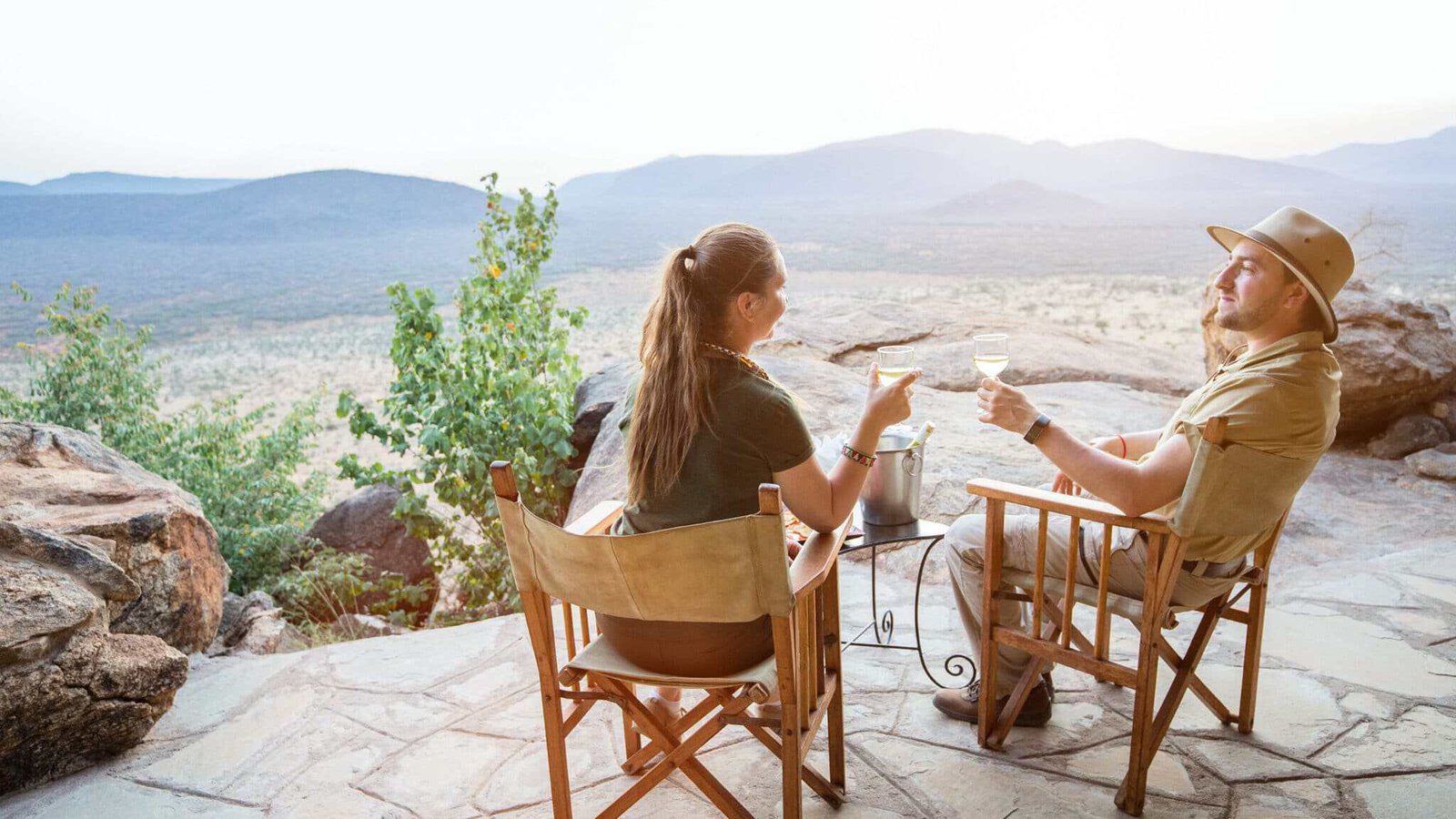
Imagine three nights in a small wildlife camp, followed by another three nights overlooking a completely different landscape and several nights beside the ocean.
Private game drives can provide greater flexibility.
You can remain longer at interesting sightings instead of following the timetable of a larger group.
For anniversaries and honeymoons, tell the safari company why you are travelling. This allows them to recommend properties suited to couples rather than simply choosing the most expensive accommodation.
Kenya Safari Tours from Singapore for Families
Kenya can provide children with an extraordinary introduction to wildlife and conservation.
However, family safaris should be paced carefully.
Children who are fascinated by an elephant for twenty minutes may become less enthusiastic after six hours on a rough road.
Choose accommodation with family-friendly facilities and avoid changing lodges every night.
Private vehicles are particularly valuable for families because the day’s schedule can be adjusted.
Parents should also check minimum age requirements before booking walking safaris, balloon flights or other specialised activities.
A Multigenerational Safari from Singapore
Kenya also works well for families travelling with grandparents, parents and children together.
The key is reducing unnecessary physical demands.
Consider domestic flights for longer sectors, lodges with easy vehicle access and itineraries with at least two nights in most locations.
Ask detailed questions before confirming accommodation.
Can the vehicle reach close to the room?
Are there many stairs?
How far is the restaurant?
Can dietary requirements be accommodated?
These small details may matter more to a multigenerational family than whether the property has a fashionable name.
Mid-Range Safari or Luxury Safari?
The answer depends on what you value.
Mid-range Kenya safaris can provide excellent wildlife experiences, comfortable accommodation and professional guiding without unnecessary extras.
Luxury camps usually offer advantages such as smaller properties, more spacious rooms, premium locations, personalised service and additional privacy.
However, expensive accommodation does not automatically produce better wildlife sightings.
Location and guiding remain extremely important.
When comparing Kenya Safari Tours from Singapore, look beyond photographs of bedrooms and swimming pools.
Ask where the camp is located in relation to the wildlife-viewing area.
Private Conservancies Can Change the Safari Experience
Some travellers may benefit from including a private or community conservancy alongside national parks or reserves.
Conservancy experiences can differ depending on location and management.
Certain properties may offer activities that are unavailable in standard national parks, potentially including guided walks, night drives or more exclusive wildlife viewing.
Never assume these activities are available everywhere.
Ask what is permitted at the specific property you are considering.
A combination of a traditional reserve and a conservancy can provide greater variety.
What Does a Typical Safari Day Feel Like?
Safari days often begin early.
You may wake before sunrise, have coffee or tea and leave camp while temperatures are still cool.
Wildlife can be particularly active during these hours.
Return later for breakfast or continue with a longer morning drive depending on the itinerary.
Midday is often quieter.
You can have lunch, rest, swim or enjoy the lodge.
Another game drive usually begins later in the afternoon as temperatures fall.
Sunset marks the end of activities in many national parks.
For example, Kenya Wildlife Service states that Amboseli’s gates operate from 6:00 a.m. to 6:00 p.m., subject to applicable arrangements for overnight guests.
What to Wear When Coming from Singapore’s Climate
Singapore travellers are accustomed to warm and humid conditions, but Kenyan safari temperatures can be surprising.
Do not pack only tropical clothing.
Early morning drives can feel cold, particularly in open or pop-up-roof safari vehicles.
Bring lightweight trousers, breathable shirts, comfortable closed shoes, a hat and sunglasses.
Add a fleece or light insulated layer for mornings and evenings.
A lightweight waterproof jacket is also useful.
Neutral colours such as khaki, beige, olive and brown are practical in the bush.
Packing Light Matters
If your safari includes small aircraft, luggage becomes more important.
Do not assume the baggage allowance from your international flight will apply to a safari aircraft.
Restrictions vary by airline and aircraft.
Ask your safari company for the exact allowance for every internal flight included in the itinerary.
Soft-sided luggage is often easier to manage than large hard-shell suitcases.
Many lodges also offer laundry services, although availability and restrictions should be confirmed.
Cameras, Phones and Charging
Singapore travellers accustomed to reliable connectivity should remember that safari camps operate in remote environments.
Charging facilities are available at many established properties, but arrangements differ.
Ask before travelling if you depend heavily on cameras, drones, laptops or other electronic equipment.
For wildlife photography, a telephoto lens is useful.
Binoculars are equally valuable.
Kenya Wildlife Service recommends practical safari equipment including cameras, binoculars, sunscreen and insect repellent for visitors to Amboseli.
A smartphone is excellent for landscapes and lodge photographs but may struggle with distant wildlife.
Connectivity in the Bush
One of the pleasures of safari is disconnecting from everyday life.
Wi-Fi may be available at lodges, but quality can vary depending on location.
Do not expect every remote camp to provide the same connection speed you experience in Singapore.
For travellers who need to remain connected for work, ask specifically about connectivity before booking accommodation.
For everyone else, consider the weaker signal part of the experience.
The bush becomes much more interesting when the phone stays in the room occasionally.
Food and Dietary Preferences
Safari properties usually provide meals according to the booked package.
Breakfast, lunch and dinner may be included at remote lodges because there are no nearby restaurants.
Dietary requirements should be communicated early.
Vegetarian meals, food allergies and other requirements can often be accommodated when the camp receives advance notice.
Singapore is famous for enormous culinary variety, so travellers should approach safari dining with different expectations.
Food is part of the experience, but the primary reason for choosing a remote bush camp should be its location, wildlife and hospitality.
When Should You Travel from Singapore?
There is no single best month for every safari.
Drier periods are popular for wildlife viewing, while greener seasons can provide dramatic skies, lush landscapes and excellent birdlife.
Travellers interested in the Great Migration often consider the months when herds may be present in the greater Masai Mara ecosystem.
But migration dates vary.
For families tied to Singapore school holidays, availability becomes particularly important.
Popular lodges and camps can fill well in advance during high-demand travel periods.
Booking early gives families a better selection of rooms and private vehicles.
Can You Travel During Singapore’s Year-End Holiday Period?
Yes.
A December safari can provide a very different festive holiday.
Instead of spending Christmas or New Year in a conventional resort, families can celebrate in a safari lodge surrounded by nature.
Holiday periods can be busy, however.
Flights and premium accommodation may be in strong demand.
Travellers considering Christmas and New Year should plan well ahead and check cancellation and payment conditions carefully.
How Much Do Kenya Safari Tours from Singapore Cost?
There is no reliable single price for a Kenya safari because too many variables affect the total.
Season matters.
Accommodation matters.
Group size matters.
Domestic flights, private vehicles, park fees, room configuration and optional activities also matter.
A couple travelling privately and staying in small luxury camps will pay differently from a family of six sharing vehicle costs and using comfortable mid-range lodges.
Compare value rather than headline price.
What a Professional Safari Quotation Should Show
A safari quotation should make it easy to understand what you are paying for.
It should identify the actual accommodation or clearly explain alternatives.
It should state meal arrangements, transport type, guiding, airport transfers, park fees and included activities.
Exclusions should be equally clear.
International flights, insurance, gratuities, premium drinks and optional activities may be separate depending on the package.
Vague pricing is not helpful.
Transparency is an important part of establishing trust between traveller and safari company.
Choosing a Safari Company Using Principles
Experience, expertise, authoritativeness and trust are especially relevant when choosing a safari operator.
A company demonstrating real experience should understand practical details that cannot be learned from copying an itinerary online.
It should know realistic driving times, suitable park combinations, seasonal conditions, vehicle requirements and the locations of the accommodation it recommends.
Expertise becomes visible through the quality of advice.
If your itinerary is too rushed, a knowledgeable specialist should tell you.
If a cheaper lodge creates hours of additional driving, the operator should explain that trade-off.
Trust comes from transparency.
Look for verifiable company details, clearly written terms, genuine guest reviews, secure payment arrangements and responsive communication.
Do not choose an operator solely because its website appears first in a search result.
Questions to Ask Before Paying a Safari Deposit
Before confirming Kenya Safari Tours from Singapore, ask who will operate the safari on the ground.
Confirm whether the vehicle is private or shared.
Ask which accommodation is guaranteed and what happens if it becomes unavailable.
Understand the cancellation policy.
Check domestic flight luggage restrictions.
Request clarification about park fees and optional activities.
Families should confirm room configurations and children’s policies.
Travellers requiring dietary, mobility or language assistance should put those requirements in writing.
A professional operator should welcome sensible questions.
Wildlife Viewing Should Always Be Ethical
A memorable photograph should never come at the expense of an animal’s welfare.
Kenya Wildlife Service’s Amboseli guidance requires visitors to remain in vehicles except in designated areas, stay on established roads and trails, avoid feeding wildlife and keep an appropriate viewing distance.
Visitors should follow the instructions of professional guides and park authorities.
Avoid pressuring drivers to move closer simply because another vehicle has done so.
Wildlife behaves more naturally when it is given space.
That often results in better observations and better photographs.
Cultural Experiences Need the Same Respect
A Kenya safari can also provide opportunities to learn about communities and cultures.
Approach these experiences with curiosity rather than treating people as tourist displays.
Kenya Wildlife Service’s park guidance emphasizes respecting local culture, traditions and privacy and seeking permission before photographing people.
Ask how community visits are organised and how local residents benefit.
Meaningful tourism should create value on both sides.
Is Kenya Suitable for Repeat Visitors from Singapore?
Absolutely.
A second Kenya safari does not need to repeat the first.
Someone who previously visited Amboseli, Lake Nakuru and the Masai Mara might return for Samburu, Ol Pejeta and Meru.
Another visitor might focus entirely on photography in one ecosystem.
Others may combine Tsavo with the coast.
Kenya Wildlife Service’s protected-area network includes parks and reserves across mountains, forests, wetlands, savannahs, arid environments and marine ecosystems.
There is enough diversity to build several very different journeys.
Frequently Asked Questions About Kenya Safari Tours from Singapore
Do Singapore citizens need a Kenya eTA?
Under Kenya’s current official immigration guidance, Singapore nationals are listed among those exempt from the eTA for stays not exceeding 90 days. Travellers should verify this again before departure because immigration rules can change.
Do I need a yellow fever certificate when returning to Singapore?
Singapore ICA currently requires travellers arriving after recent travel in yellow-fever-risk countries to present a valid yellow fever vaccination certificate, and Kenya appears on Singapore’s risk-country list.
How many days are enough for a first Kenya safari?
Six nights can work for travellers with limited leave if only a few destinations are selected. Around nine or ten nights provides a more relaxed experience.
Is Kenya suitable for children?
Yes, but family itineraries should avoid excessive driving and too many one-night stays. Age restrictions may apply to specific activities.
Is a private safari worth the additional cost?
For couples, families and photographers, a private vehicle can provide considerable flexibility. Whether the additional cost is worthwhile depends on group size and travel style.
Can I combine Kenya with a beach holiday?
Yes. Kenya’s Indian Ocean coastline makes it possible to combine wildlife and beach experiences without leaving the country.
Do I need luxury accommodation to have a good safari?
No. Wildlife experience, guiding and location are more important than simply choosing the most expensive room.
Is the Great Migration guaranteed?
No. Migration movements are natural and depend heavily on rainfall and grazing conditions. Specific river crossings cannot be guaranteed.
Making Kenya Safari Tours from Singapore More Meaningful
The strongest Kenya Safari Tours from Singapore are built around experiences rather than a race between national parks.
Singapore travellers already know what efficient travel looks like. Safari is different.
Sometimes the best decision is to stop.
Remain beside an elephant herd instead of rushing to find another animal. Watch a lion family until they disappear into the grass. Spend an afternoon at camp looking across the landscape. Wake early enough to see the colours change before sunrise.
These moments require time.
That is why a carefully designed six-night safari can sometimes be better than an exhausting ten-night itinerary filled with daily transfers.
Choose destinations that complement one another. Select accommodation for location as well as comfort. Use an experienced guide. Check current immigration and health requirements through official sources. Pay attention to Singapore’s yellow fever requirements for the return journey. Most importantly, leave enough space in the itinerary for Kenya to surprise you.
From the dense urban energy of Singapore to the immense silence of an African plain, the contrast is extraordinary.
A well-planned Kenya Safari Tours from Singapore journey allows travellers to experience that contrast through wildlife, conservation, landscapes, culture and genuine time in nature—the elements that make a Kenyan safari much more than an ordinary overseas holiday.