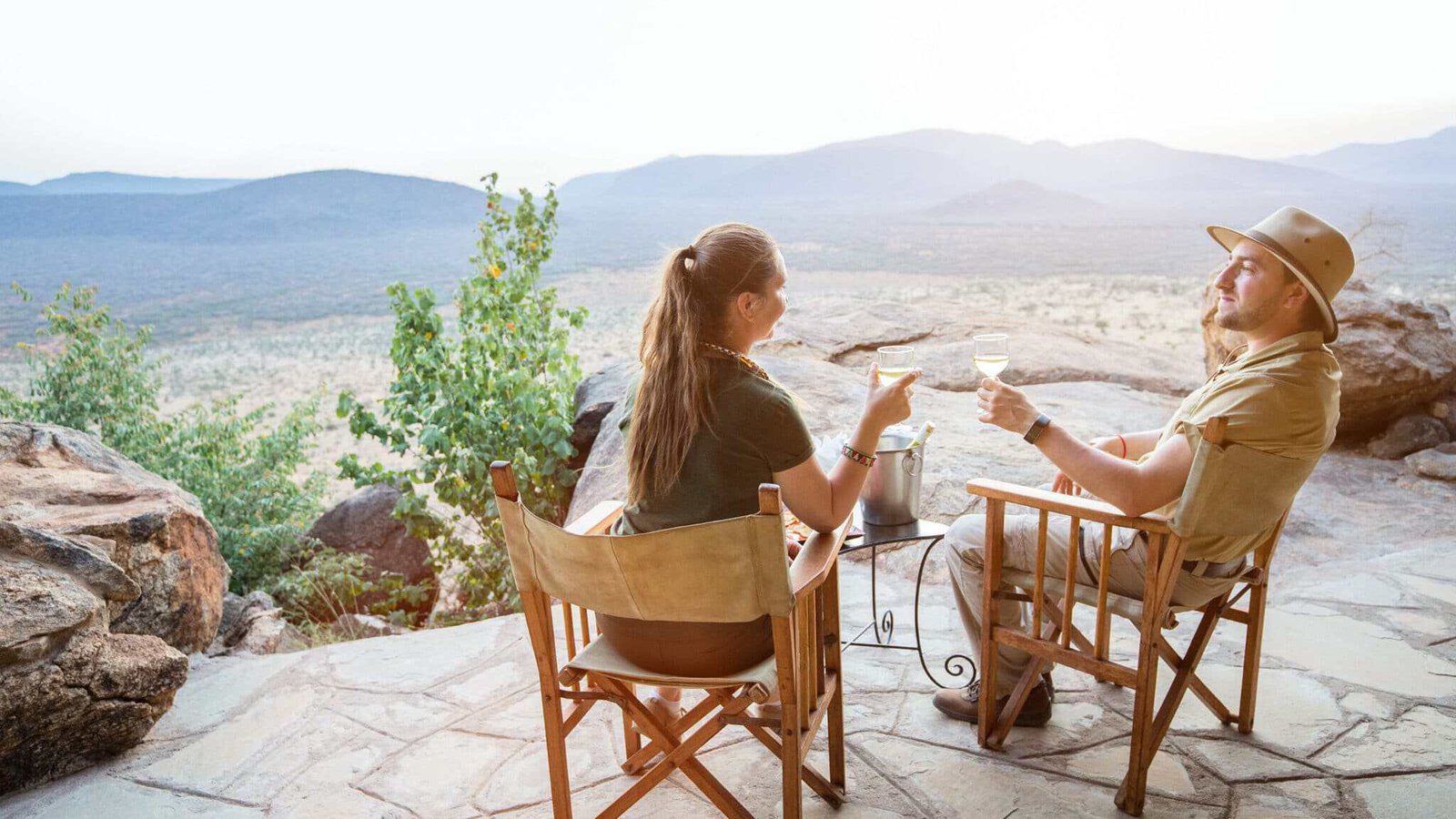
Have you ever dreamt of escaping the noise of everyday life in the city and immersing yourself in a place where nature takes center stage?
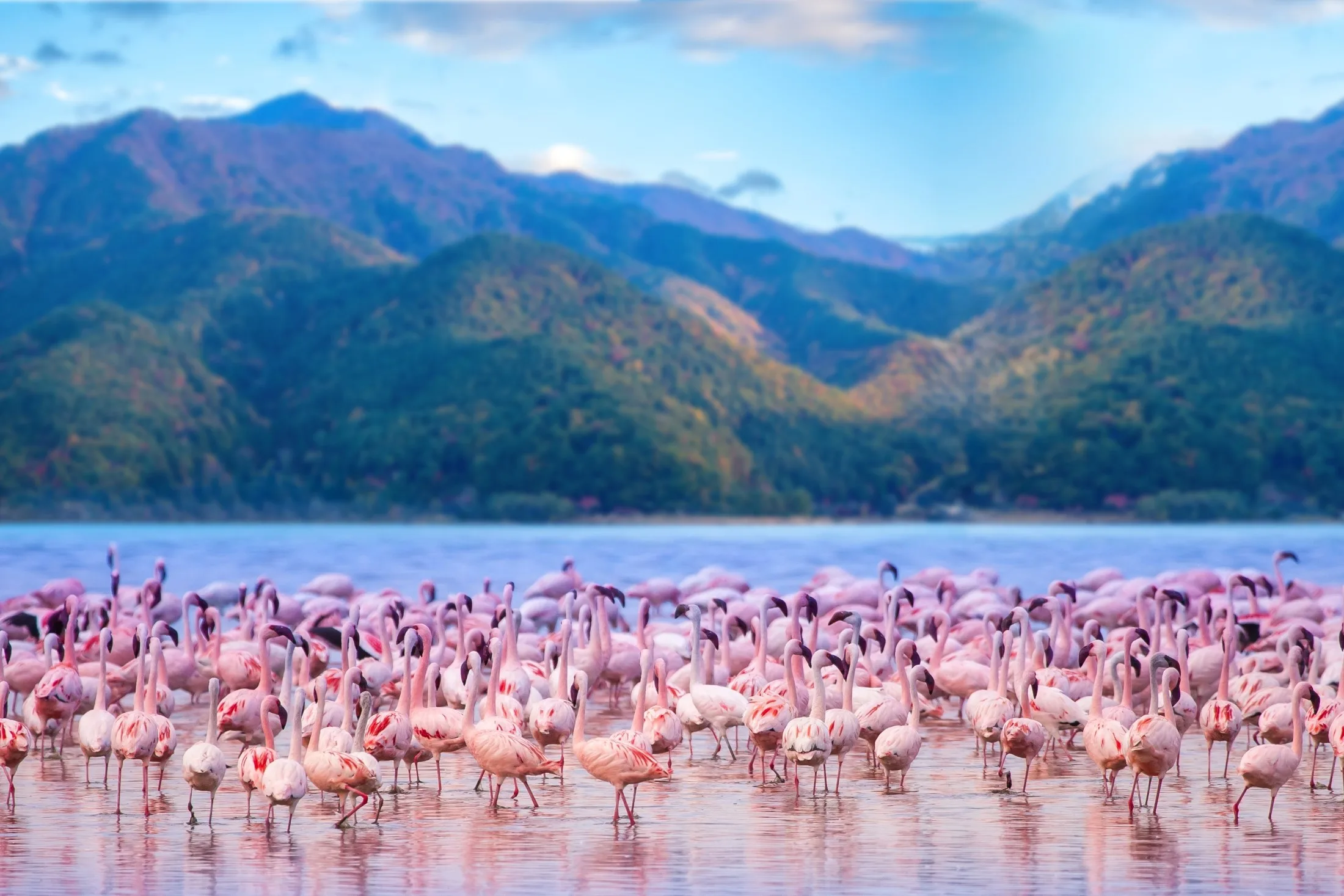
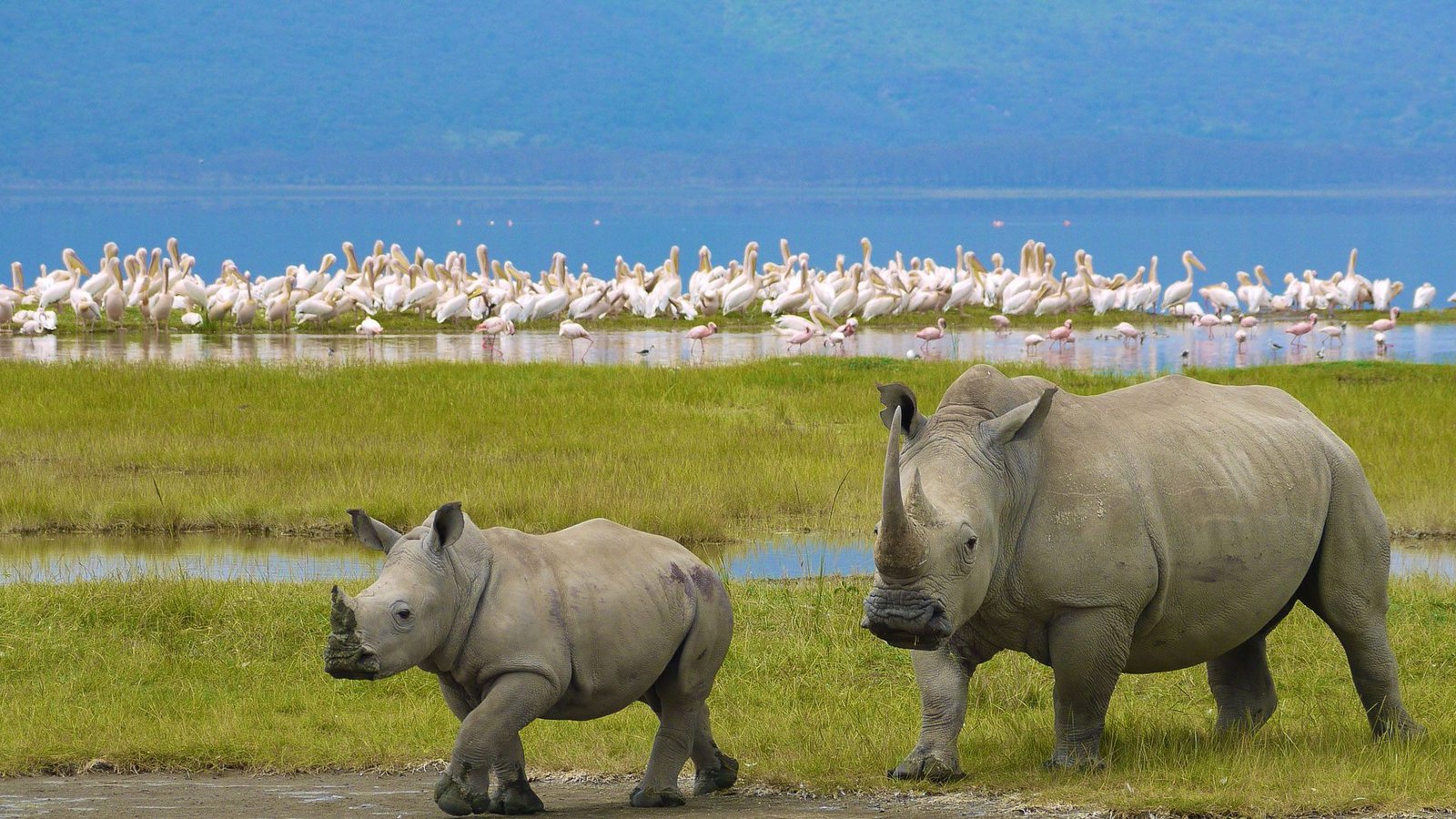
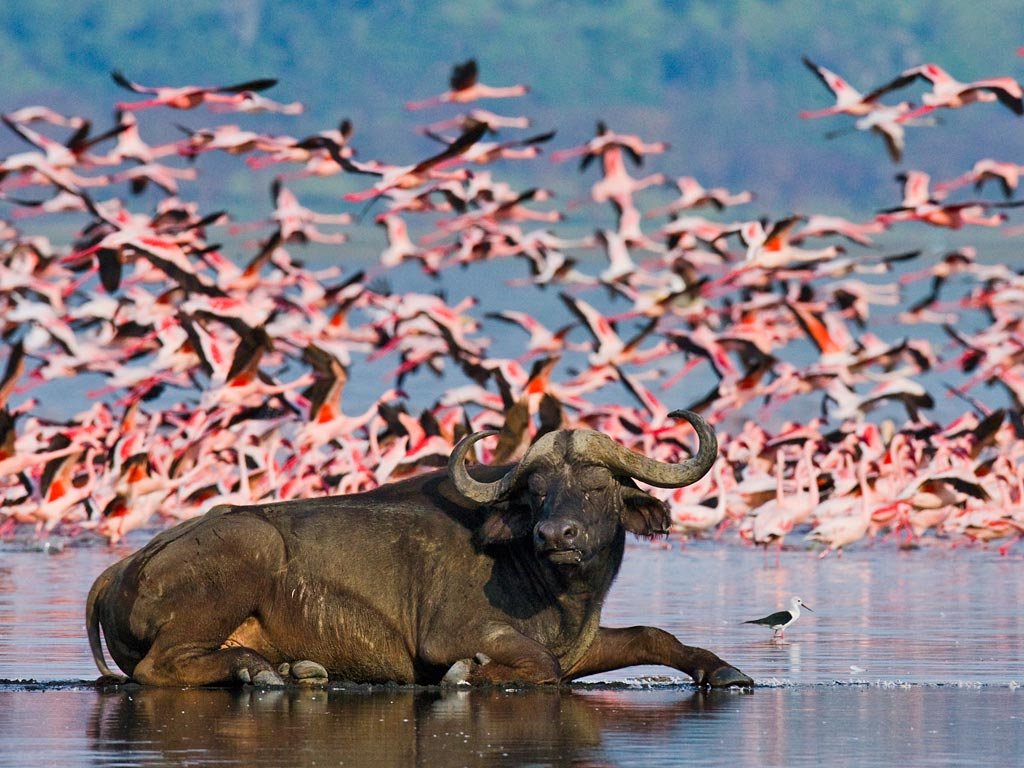
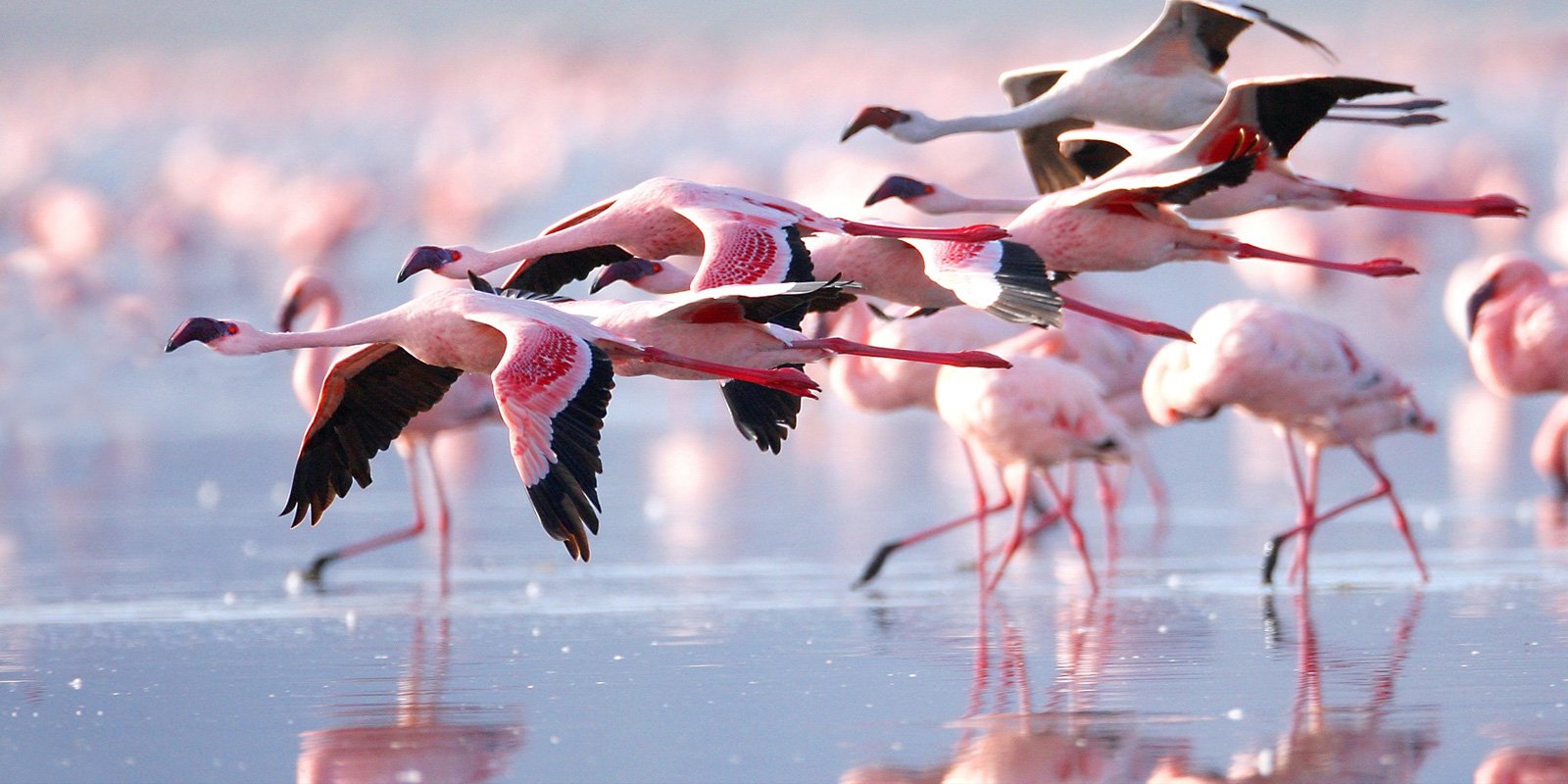
Look no further, Lake Nakuru National Park offers you exactly that. A breathtaking sanctuary where stunning landscapes, diverse wildlife, and unforgettable moments come together, from watching endangered rhinos grazing to spotting a vast population of flamingoes along the lake.
In this guide, you will discover what makes Lake Nakuru National Park one of Kenya’s most iconic safari destinations, ensuring you create a memorable and rewarding adventure.
Why Visit Lake Nakuru Nakuru National Park?
Here are some of the reasons that make Lake Nakuru National Park a must-visit destination;
a) The park is one of Kenya’s leading rhino sanctuaries, providing excellent opportunities to spot the endangered black and white rhinos in their natural habitat.
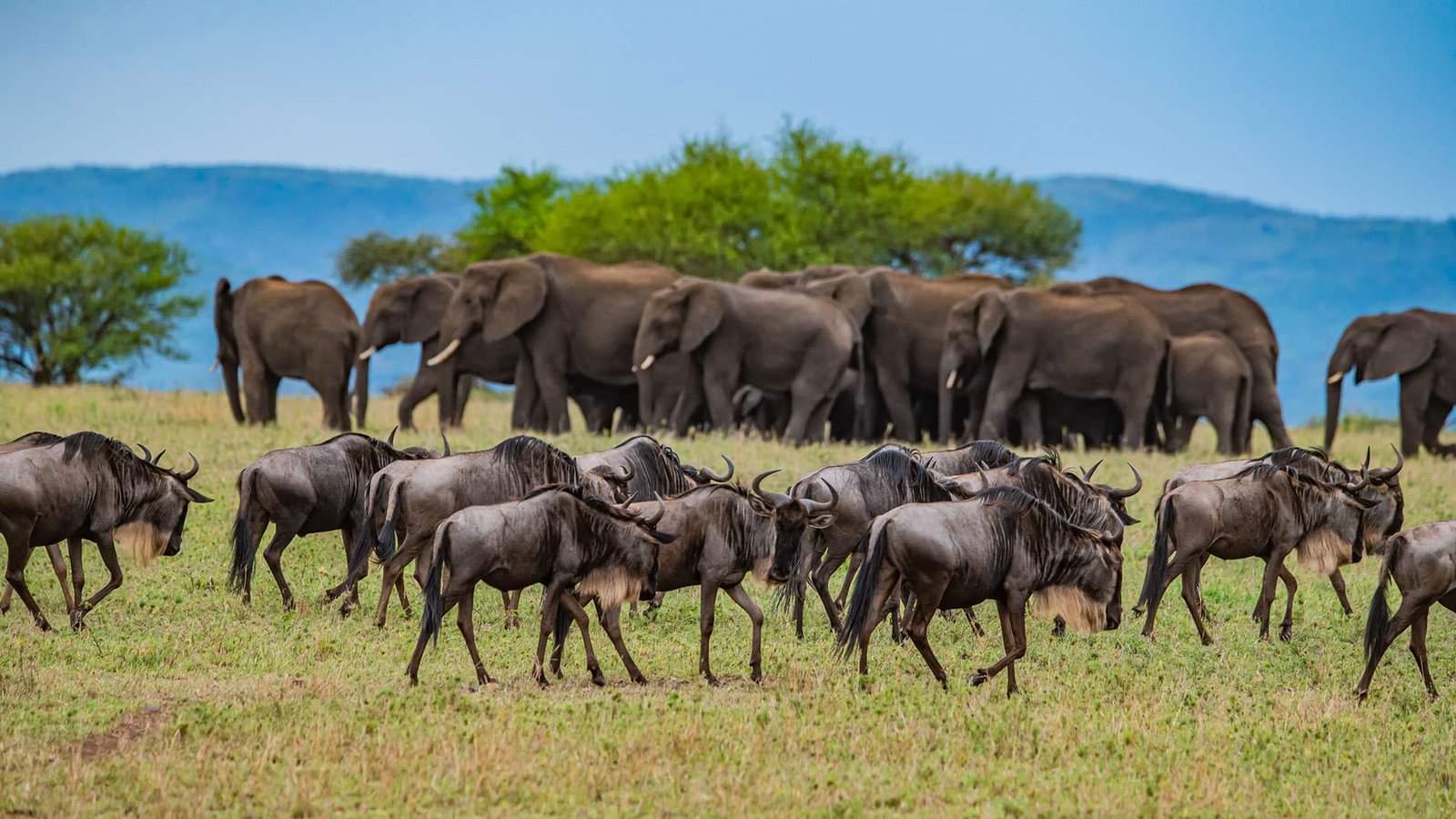
Beyond the rhinos, the park is home to other wild animals like lions, leopards, Rothschild’s giraffes, buffaloes, zebras, waterbucks, baboons and many others.
b) In this destination, you will experience a world-class birdwatching experience since it is home to more than 200 bird species, including pelicans, herons, flamingos, and African fish eagles, just to mention a few.
c) Lake Nakuru Nakuru National Park has scenic viewpoints which create a picturesque setting that is perfect for photography and sightseeing.
d) Visiting the park contributes to ongoing efforts to protect endangered wildlife and preserve one of Kenya’s most important ecosystems.
e) The park is located just 3 to 4 hours from Nairobi using the Nairobi-Nakuru highway, taking you through the Great Rift Valley, one of the popular viewpoints overlooking the escarpment before proceeding to Nakuru.
History of Lake Nakuru National Park
The story of the iconic Lake Nakuru National Park begins in the year 1961, when a small portion of Lake Nakuru was officially set aside for conservation, especially the lake’s exceptional bird population, the flamingos, marking the birth of what is now Lake Nakuru National Park.
Later in the 1980s, Lake Nakuru National Park was designated one of Kenya’s premier rhino sanctuaries.
In recognition of its outstanding ecological significance, Lake Nakuru was inscribed as part of the Kenya Lake system in the Great Rift Valley UNESCO World Heritage Site in 2011, which acknowledges the lake’s global importance for birdlife, biodiversity and ecological processes.
Today, the park stands as a symbol of successful conservation, balancing wildlife protection, scientific research, tourism and community engagement while preserving one of Kenya’s most valuable natural ecosystems.
Where is Lake Nakuru National Park Located?
The Lake Nakuru National Park is located in Kenya’s Rift Valley, south of Nakuru town and 98.5 miles north of Nairobi.
How to Get to Lake Nakuru National Park
Lake Nakuru National Park is one of the most accessible destinations in Kenya, located in Nakuru City, approximately 160 kilimetres northwest of Nairobi.
Moreover, the destination is convenient for both locals and international visitors with several transport options, which are;
● Road Option
This is the most common means of transport to reach the park from Nairobi, taking the Nairobi-Nakuru Highway. The journey takes about 2 to 3 hours, depending on the traffic and stops along the way.
Not that travelers can travel by a private car, tour vehicle, taxi, or public transport to Nakuru Town, and then be transferred to the park.
Best Places to Visit in Lake Nakuru National Park
The Lake Nakuru National Park showcases Kenya’s rich natural heritage through the following attractions;
- Lake Nakuru: Famous for its vast array of more than 450 bird species, including flamingos and pelicans.
- Baboon Cliff: A spectacular viewpoint in the park that provides panoramic views of the lake and wildlife.
Other viewpoints are;
- Out of Africa Lookout
- Lion Hill
- Makalia Falls: This is a picturesque waterwall surrounded by lush vegetation, which is very attractive during the wet season.
- Hyrax Hill Prehistoric Site: One of Kenya’s most important archaeological and historical landmarks, located just 4 kilometers from Nakuru City, managed by the National Museums of Kenya, offering visitors a chance to learn about Kenya’s rich prehistoric heritage through excavated artifacts, reconstructed dwellings and guided tours.
- Menengai Crater: This is one of the largest surviving volcanic craters in the world, located approximately 10 kilometres north of Nakuru City, a top attraction renowned for its dramatic cliffs, dense forests, wildlife, etc.
- Kariandusi Museum: This is also one of the best prehistoric sites in Kenya, located alongthe Nairobi-Nakuru Highway.
Best Things to Do in Lake Nakuru National Park
Lake National Park is one of the best places in Kenya that welcomes every kind of traveler, whether you are a nature lover, adventure enthusiast, cultural explorer, or a birdwatcher, this destination provides a wide range of activities which include;
- Game Drives
- Boat Riding
- Hiking
- Birdwatching
- Archeological Tours
- Take Photographs from the cliffs.
- Explore the local market.
- Enjoy camping and picnics.
Best Places to Stay Near Lake Nakuru National Park
One thing about the Lake Nakuru National Park it has a wide range of accommodation options to suit different budgets, from luxury, mid-range, to budget-friendly options.
Therefore, some of these places are;
- Sarova Lion Hill Game Lodge
- Lake Nakuru Sopa Lodge
- Lake Nakuru Lodge
- The Cliff
- Ziwa Bush Lodge
- Flamingo Hill Tented Camp
- Naishi Bandas
- Mbweha Camp
- Makalia Campsite
- Rhino Campsite
- Lake Elementaita Serena Camp
Lake Nakuru National Park Rates
- East African Citizen (Adult): KES. 1,500
- East African Citizen ( Child): KES. 750
- Kenya Resident ( Adult): KES. 2,025
- Kenya Resident ( Child): KES. 1,050
- Non-Resident ( Adult): USD 90
- Non-Resident ( Child) USD 45
Best Time to Visit Lake Nakuru National Park
The best time to visit Lake Nakuru National Park is during the dry season from January to March and June to October, when wildlife gather around water sources, and the roads are more accessible.
Also, during this season, the skies are clear, offering excellent conditions for game drives, birdwatching, and photography.
However, for those who want to visit during the wet season between April and May, it is also advantageous since the park offers lush greenery, few visitors, and abundant migratory birds.
Conclusion
In conclusion, Lake Nakuru National Park is one of those destinations that you should not miss on your bucket list when you visit Kenya.
Here, you will get to enjoy breathtaking landscapes, abundant wildlife, including the endangered rhinos and Rothschild’s giraffes, rich conservation history, making your experience unforgettable.
Information and facts
Country: Kenya
Best time to visit: January to February and June to October.
Park highlights
- Famous Alkaline Lake: The park is centered around Lake Nakuru, a shallow soda lake that supports a rich variety of birdlife and aquatic ecosystems.
- Rhino Sanctuary: One of Kenya's best places to see both black rhinos and white rhinos, thanks to its successful conservation and breeding programs.
- Exceptional Birdwatching: Home to more than 450 bird species, including flamingos (when conditions are favorable), pelicans, African fish eagles, cormorants, herons, and kingfishers.
- Diverse Wildlife: In addition to rhinos, visitors can spot lions, leopards, buffaloes, Rothschild's giraffes, zebras, waterbucks, impalas, baboons, vervet monkeys, and warthogs.
- Rothschild's Giraffes: The park is an important sanctuary for the endangered Rothschild's giraffe, offering excellent opportunities for close wildlife viewing.
- Scenic Viewpoints: Popular viewpoints such as Baboon Cliff, Lion Hill, and Out of Africa Lookout provide breathtaking panoramic views of the lake, forests, and surrounding landscapes.
- Beautiful Waterfalls: Makalia Falls is a picturesque waterfall within the park, especially impressive during the rainy season.
- Varied Landscapes: The park features acacia woodlands, grasslands, rocky cliffs, euphorbia forests, and lakeshore habitats, creating diverse ecosystems for wildlife.
- Excellent Game Drives: Well-maintained roads make it easy to explore the park and enjoy rewarding game drives throughout the year.