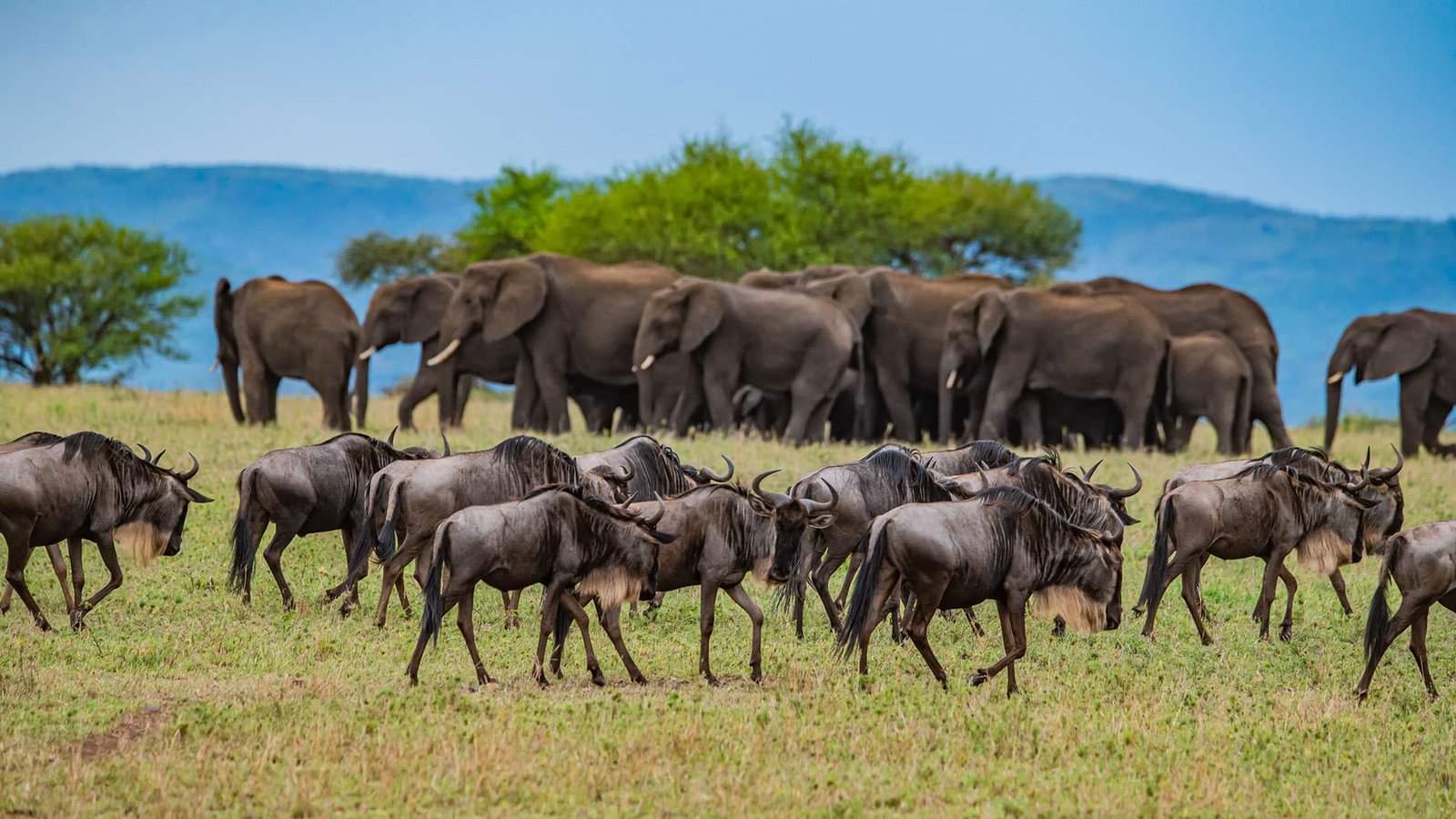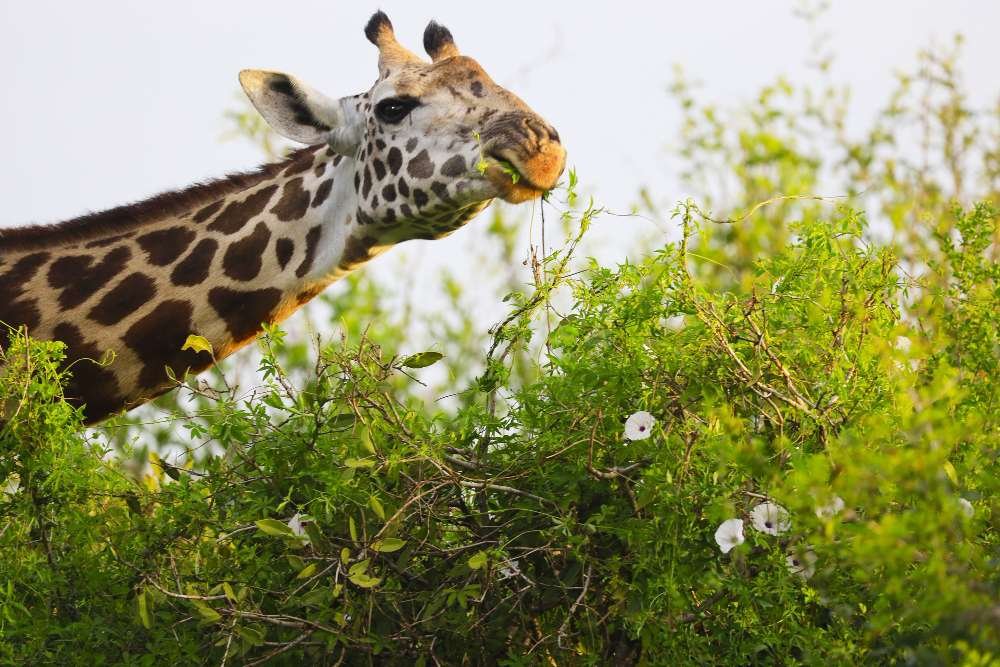

Kenya Safari Tours from Spain offer a completely different kind of holiday for Spanish travellers who want to exchange familiar Mediterranean scenery for Africa’s open savannahs, wildlife-rich reserves, mountain landscapes and tropical Indian Ocean coast.
A journey to Kenya is not simply about seeing lions and elephants. It is about waking before sunrise to watch the plains come alive, listening to the sounds of the bush at night, meeting local communities, watching giraffes move across the horizon and discovering how dramatically the landscape changes from one part of the country to another.
Kenya Wildlife Service describes Kenya’s protected areas as covering savannahs, forests, wetlands, mountains and arid landscapes, supporting wildlife including elephants, lions, rhinos, giraffes and buffaloes.
For travellers arriving from Madrid, Barcelona, Valencia, Málaga and other parts of Spain, Kenya works particularly well as a dedicated wildlife holiday or as a safari combined with several relaxing days beside the Indian Ocean.
This guide to Kenya Safari Tours from Spain focuses on the practical questions Spanish visitors are likely to have: how to travel to Kenya, which parks to combine, what kind of safari to choose, when to travel, entry preparations, accommodation, food, language, health considerations and how to design a journey that feels comfortably paced rather than rushed.
Why Kenya Appeals to Travellers from Spain
Spain and Kenya offer almost opposite travel experiences.
Spain is known for historic cities, Mediterranean beaches, architecture, cuisine and European cultural heritage. Kenya introduces travellers to vast natural spaces where wildlife and landscapes become the centre of the holiday.
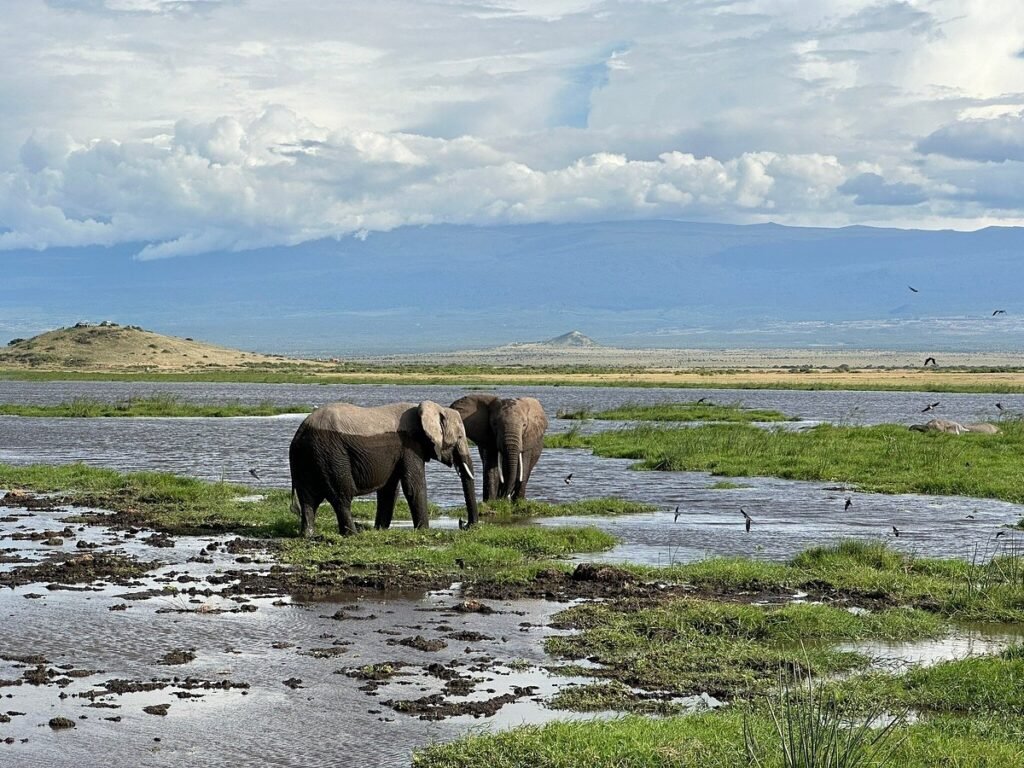
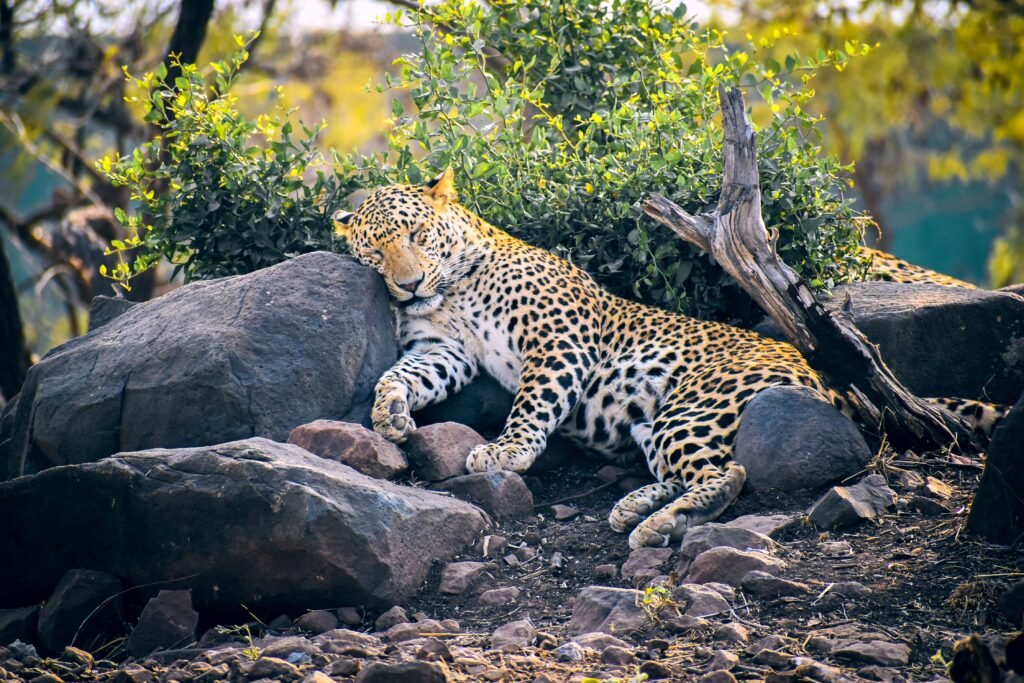
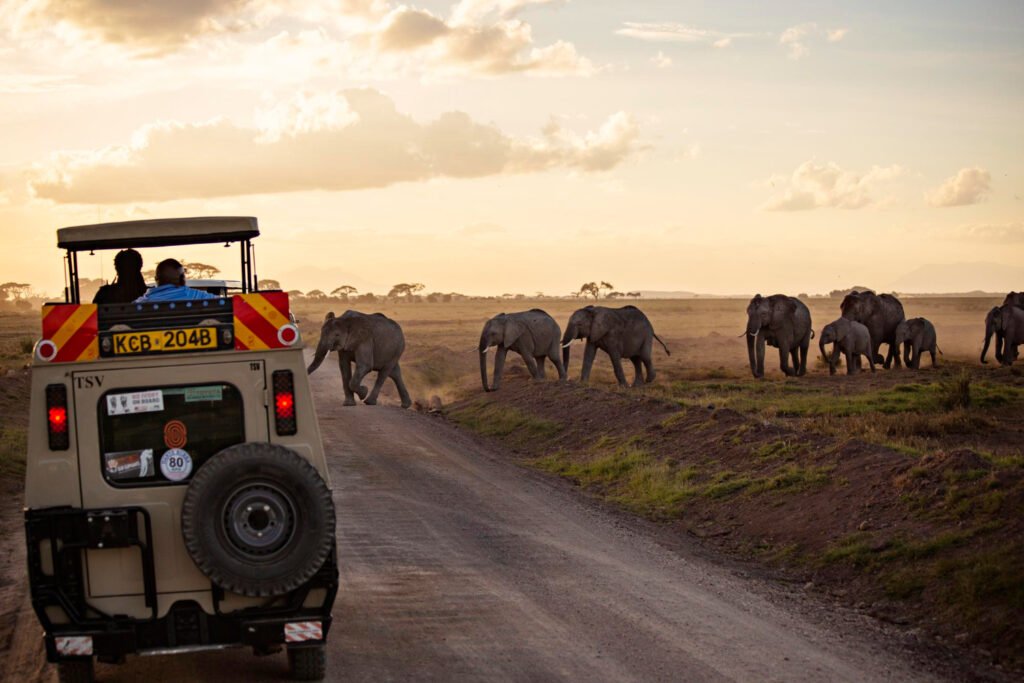
You might have breakfast while watching zebras from your lodge, spend the morning searching for a leopard, stop for lunch overlooking a waterhole and end the day watching elephants cross the plains.
That contrast is one of Kenya’s greatest attractions.
There is also considerable variety within Kenya itself. The red-earth landscapes of Tsavo feel different from the greener areas around the Great Rift Valley. Amboseli provides views toward Mount Kilimanjaro when conditions are clear, while northern Kenya offers dry landscapes and wildlife adapted to more arid conditions.
Kenya Wildlife Service lists Amboseli, Lake Nakuru, Tsavo East, Tsavo West, Aberdare and numerous other protected landscapes among the country’s safari destinations.
For Spanish travellers who already enjoy combining culture, food, nature and beaches during their holidays, Kenya provides an opportunity to do something similar in a completely different environment.
Flying from Spain to Kenya
Nairobi is the main gateway for most Kenya Safari Tours from Spain.
International visitors generally arrive through Jomo Kenyatta International Airport before continuing to their safari destination by road or domestic flight.
Depending on the airline and departure date, travellers from Spain may find itineraries involving connections through major European, Middle Eastern or African aviation hubs. Flight schedules change, so the most sensible approach is to compare the entire journey rather than concentrating only on the cheapest ticket.
Look carefully at connection times, luggage allowances, arrival time in Nairobi and your first safari departure.
Arriving in Nairobi late in the evening and immediately planning a long transfer into the bush can make the beginning of your holiday unnecessarily tiring.
For many visitors, spending the arrival night in Nairobi creates a much smoother introduction to Kenya.
Understanding Kenya’s Entry Requirements Before Leaving Spain
Entry rules should always be checked close to the date of travel because immigration requirements can change.
Kenya currently operates an Electronic Travel Authorisation system. Kenya’s Directorate of Immigration states that foreign visitors, subject to applicable exemptions, should complete the required immigration process before travelling.
For an eTA application, travellers may need a passport valid for at least six months beyond the planned arrival date with at least one blank page, a photograph, contact details, arrival and departure information, accommodation confirmation and a method of payment. Additional documentation can be requested depending on the purpose of travel.
Kenya’s immigration authority says eTA applications are usually processed within three days but recommends applying at least two weeks before travel.
Spanish travellers should use the official Kenya eTA portal rather than relying on unofficial websites.
Check Spanish Government Travel Advice Before Departure
Spanish citizens should also review official travel guidance from Spain before travelling.
The Spanish Ministry of Foreign Affairs maintains country-specific recommendations for Kenya. Its guidance includes information about documentation, security, health and areas where additional caution may be necessary. The guidance available in July 2026 recommends travelling with caution and avoiding certain areas.
This does not mean that standard safari routes should automatically be considered unsafe. It means visitors should make informed decisions, use reputable operators and follow current official guidance rather than relying on information written several years earlier.
Before departure, consult the Spanish Ministry of Foreign Affairs Kenya travel advice for the latest information.
A Better Way to Design a Safari from Spain
One of the biggest safari-planning mistakes is trying to collect national parks as though they were stamps.
Kenya rewards slower travel.
Instead of spending one night in six different locations, consider staying longer in three or four carefully selected areas.
Wildlife does not follow a timetable. A leopard might appear five minutes after another vehicle leaves. Elephants may spend an entire afternoon around a waterhole. Lions that were sleeping during your morning drive may become active near sunset.
Giving yourself time changes the experience.
For visitors coming all the way from Spain, a safari of around eight to eleven nights can provide an excellent balance without following the same traditional week-long route used by many first-time itineraries.
An 8-Night Kenya Safari Route for Travellers from Spain
A distinctive first safari could concentrate on central and northern Kenya before finishing in the Masai Mara.
Night 1: Nairobi
Use your first night to recover from international travel.
Depending on arrival time, you can enjoy dinner, rest and prepare for the journey ahead rather than immediately spending hours on the road.
If you arrive early enough, Nairobi can also become part of the holiday rather than simply an airport stop.
Nairobi National Park is located only about 10 kilometres from Nairobi’s central business district, giving visitors an unusual opportunity to experience wildlife close to a major African capital. (KWS)
Nights 2–3: Samburu
Head north toward Samburu for your first real bush experience.
The dry landscapes make an impressive introduction to safari because they look completely different from southern Kenya.
Samburu is particularly rewarding for travellers interested in photography and wildlife diversity.
Spending two nights allows you to settle into the rhythm of early morning and late afternoon game drives.
Nights 4–5: Ol Pejeta and Mount Kenya Region
Continue toward the central highlands.
Ol Pejeta adds a strong conservation dimension to the journey and provides opportunities for rhino-focused wildlife experiences.
The surrounding Mount Kenya region also changes the scenery considerably after the dry landscapes of Samburu.
Rather than seeing every destination as another game drive, use this section of the journey to learn more about conservation and Kenya’s different ecosystems.
Night 6: Lake Naivasha
Lake Naivasha provides a useful break between traditional game-drive destinations.
Depending on your itinerary, activities can include a boat excursion, birdwatching or visiting nearby attractions.
The slower pace gives you a chance to rest before the final wildlife section.
Nights 7–8: Masai Mara
Finish with one of Africa’s best-known wildlife landscapes.
Two nights provide a strong introduction, although travellers particularly interested in photography may prefer adding a third.
The Masai Mara is about more than finding the Big Five. Spend time watching animal behaviour rather than rushing from sighting to sighting.
After the safari, return to Nairobi by road or consider a domestic flight if you want to reduce travel time.
An Alternative 11-Night Kenya Safari and Coast Experience
Travellers who prefer southern Kenya can create an entirely different route.
Begin with one night in Nairobi and continue to Amboseli for two nights.
Amboseli is particularly appealing to photographers because of its big-game viewing and famous Mount Kilimanjaro backdrop. Kenya Wildlife Service also identifies more than 400 bird species in the park and highlights its Maasai cultural connections. (KWS)
From Amboseli, continue into Tsavo West for two nights before crossing toward Tsavo East for another two nights.
This creates a continuous overland safari rather than repeatedly returning to Nairobi.
The final four nights can be spent on Kenya’s coast.
This route works particularly well for Spanish couples, honeymooners and families who want both adventure and relaxation without squeezing the Masai Mara into every itinerary.
Kenya Is More Than the Masai Mara
The Masai Mara deserves its international reputation, but Kenya Safari Tours from Spain do not have to revolve entirely around it.
Kenya has a remarkably varied network of protected landscapes.
Kenya Wildlife Service manages destinations including Amboseli, Tsavo East, Tsavo West, Lake Nakuru, Nairobi National Park, Aberdare, Meru, Mount Kenya, Hell’s Gate, Shimba Hills and several marine protected areas.
Returning visitors can therefore create a completely different safari without repeating their first journey.
Amboseli for Landscapes and Elephants
Amboseli is one of Kenya’s most visually recognizable safari destinations.
Large mammals moving across relatively open landscapes create excellent photography opportunities, while Mount Kilimanjaro can form a spectacular background when the mountain is visible.
Kenya Wildlife Service highlights big-game viewing, Kilimanjaro scenery, birdlife, Observation Hill and Maasai cultural connections among Amboseli’s attractions.
Amboseli works particularly well when combined with Tsavo rather than automatically pairing it with the Masai Mara.
Tsavo for Travellers Who Want Space
Tsavo is ideal for travellers attracted to a greater feeling of wilderness.
Tsavo East and Tsavo West together create a completely different safari atmosphere from smaller reserves.
The distances can be greater, which means route planning is important.
However, the journey itself becomes part of the experience.
Tsavo is also strategically useful for visitors who want to finish their holiday on Kenya’s coast rather than return to Nairobi.
Meru for a Less Conventional Kenya Safari
Travellers who have already visited Africa or prefer quieter safari areas can consider Meru National Park.
It receives far less international attention than the Masai Mara, yet it forms part of Kenya’s established protected-area network and is promoted by Kenya Wildlife Service as a wildlife safari destination.
Including places such as Meru can make Kenya Safari Tours from Spain more individual, particularly for repeat visitors who want to move beyond Kenya’s most famous route.
Lake Nakuru for a Change of Landscape
Lake Nakuru adds another dimension to a Kenyan journey.
Instead of endless open grasslands, visitors encounter a combination of lake, woodland and surrounding landscapes.
It can fit naturally into a Great Rift Valley itinerary and works well when travelling between central Kenya and the Masai Mara.
Kenya Wildlife Service currently categorizes Lake Nakuru alongside Amboseli among its premium parks.
Aberdare for Forest and Highland Scenery
The Aberdare region feels very different from Kenya’s classic savannah.
Forests, mountains and cooler highland conditions create a refreshing contrast.
This makes the Aberdares particularly interesting for travellers who do not want every day of their safari to look similar.
The park is included among Kenya Wildlife Service’s wilderness protected areas.
When Should Spanish Travellers Visit Kenya?
There is no single month that is perfect for every traveller.
The right period depends on what you want to experience.
Drier periods are popular for traditional wildlife viewing, while greener months can provide beautiful scenery, dramatic skies, birding opportunities and a different photographic atmosphere.
Travellers hoping to see the Great Migration in the Masai Mara often focus on the middle and later part of the year.
However, nature cannot be booked like a theatre performance.
Rainfall influences migration movements, and dramatic river crossings cannot be guaranteed on a specific date.
If your main goal is seeing wildlife rather than one particular migration event, Kenya can provide rewarding safari experiences throughout much of the year.
Escaping the Spanish Winter
Another interesting option is travelling during Spain’s colder months.
A winter safari can provide a dramatic change from European weather and allows visitors to experience Kenya outside the traditional European summer holiday period.
This can be particularly attractive for couples, retired travellers and visitors whose travel dates are flexible.
Seasonal conditions vary between Kenyan regions, so the itinerary should be designed around the actual month of travel rather than using the same route throughout the year.
Safari and Beach: A Natural Combination for Spanish Travellers
Visitors from Spain are already familiar with beach holidays, but Kenya’s Indian Ocean coastline offers a very different setting.
After several days of early starts and game drives, spending time on the coast can make the entire holiday feel more balanced.
Diani is one possibility, while Watamu and other coastal areas provide alternatives depending on your preferred atmosphere.
Kenya Wildlife Service manages several marine protected areas, including Diani Chale, Watamu, Malindi, Mombasa and Kisite Mpunguti. (KWS)
Four or five nights on the coast can work particularly well after a longer safari.
Spanish-Speaking Safari Guides
Language can influence the quality of a safari.
English is widely used within Kenya’s tourism industry, but travellers who prefer Spanish should ask their safari operator whether a Spanish-speaking guide is available.
Do this before confirming the booking.
Spanish-speaking guides may have limited availability during busy travel periods, so requesting one early is important.
A good guide does far more than drive.
The guide interprets animal behaviour, explains landscapes, identifies birds, discusses conservation, answers cultural questions and helps guests understand what they are seeing.
For families or groups who are not confident speaking English, having a Spanish-speaking guide can make the safari significantly more engaging.
Private Safaris Work Particularly Well for Couples and Families
A private safari gives your party its own vehicle and guide.
This provides flexibility that shared departures cannot always offer.
If your children are tired, you can adjust the day’s pace. If you love photography, you can spend longer at a particular sighting. If you prefer birds to big cats, your guide can devote more attention to birdlife.
Couples may also appreciate the privacy.
For groups of four or six travellers coming from Spain together, a private vehicle can become particularly attractive because transport costs are shared among more people.
What Kind of Safari Vehicle Should You Expect?
Many private Kenya safaris use modified 4×4 vehicles designed for wildlife viewing.
Before booking, ask what vehicle will actually be provided.
Important questions include whether every guest has access to a window, whether the vehicle has a viewing roof, how many passengers it carries and whether charging facilities are available.
The cheapest quotation is not always the best value if seven travellers are squeezed into a vehicle for hours every day.
Safari comfort matters because you may spend a significant part of your holiday inside that vehicle.
Safari Lodges Versus Tented Camps
First-time visitors sometimes misunderstand the term “tented camp.”
A permanent safari tent can be very different from an ordinary camping tent.
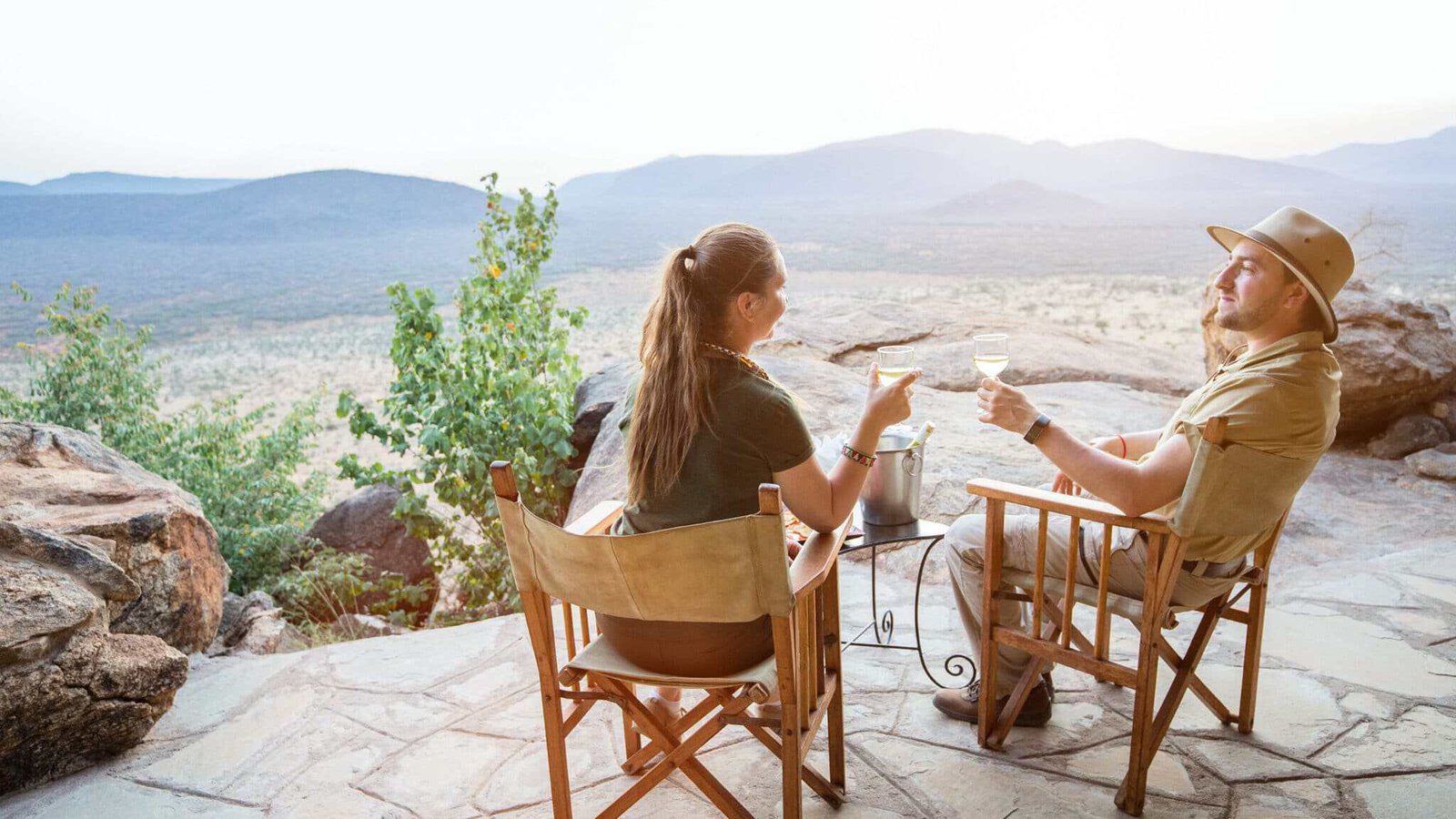
Depending on the property, it may include a proper bed, private bathroom, hot shower, electricity, furniture and a private veranda overlooking the wilderness.
Lodges generally use more conventional permanent buildings.
Neither is automatically better.
A tented camp can provide a stronger feeling of being connected to the bush, while a lodge may offer additional facilities such as larger swimming pools and communal areas.
Try combining both during a longer safari.
Food on a Kenya Safari
Meals are an important part of the experience, particularly because many lodges are far from towns and restaurants.
Safari properties commonly provide breakfast, lunch and dinner according to the meal plan booked.
International and Kenyan dishes are often available, although the exact selection varies considerably between properties.
Spanish travellers with dietary restrictions should provide details before arrival.
Vegetarian, vegan, gluten-free and allergy-related requirements should be communicated when making the reservation rather than waiting until reaching a remote safari camp.
What Should You Pack from Spain?
Avoid overpacking.
Safari clothing should be comfortable, breathable and easy to layer.
Neutral shades such as beige, khaki, olive, brown and grey are practical.
Bring long trousers, lightweight shirts, comfortable walking shoes, sunglasses, a hat and a warm layer for early morning game drives.
Kenya Wildlife Service advises visitors to prepare for changing park climates because some destinations have warm or hot days followed by considerably cooler nights.
A light rain jacket is also useful.
If domestic flights are included, check luggage restrictions before packing because small safari aircraft may have stricter allowances than your international flight from Spain.
Do You Need Formal Clothes?
Generally, no.
Most safari lodges have a relaxed atmosphere.
Comfortable casual clothing is normally sufficient for dinner unless your particular property specifies otherwise.
You will get much more value from good walking shoes, a fleece and a comfortable pair of safari trousers than from formal evening clothing.
If you are combining safari with several nights at a luxury coastal resort, you may want one or two smart-casual outfits for the beach section.
Photography on a Kenya Safari
You do not need to be a professional photographer to return from Kenya with memorable photographs.
Modern smartphones can produce excellent landscape and lodge photographs, but wildlife often appears farther away.
A camera with a telephoto lens provides much greater flexibility for photographing animals while maintaining an appropriate viewing distance.
Bring spare batteries, memory cards and suitable protection against dust.
Most importantly, respect wildlife.
Kenya Wildlife Service park guidance emphasizes established roads and trails, appropriate wildlife-viewing distances and avoiding behaviour that disturbs animals.
No photograph is worth stressing an animal or encouraging unsafe driving.
Travelling to Kenya with Children from Spain
A Kenyan safari can become an extraordinary family experience when the pace is appropriate.
Do not design a child’s safari as though you were planning for adults.
Four consecutive ten-hour game-drive days can become exhausting.
Instead, mix wildlife drives with swimming, lodge time, shorter activities and opportunities to learn about nature.
Choose family-friendly accommodation and check minimum age requirements for specialized activities.
A private vehicle is especially valuable because your family can decide when to return to camp.
Kenya Safari Tours from Spain for Honeymoons
Kenya works beautifully for couples who want more than a conventional resort honeymoon.
Instead of spending the entire holiday beside a swimming pool, you can combine wildlife, private meals, beautiful landscapes and a beach stay.
A honeymoon might include three nights in Amboseli, three nights in a private conservancy or wildlife reserve and five nights on the coast.
Another couple might prefer Samburu, Ol Pejeta and the Masai Mara.
There is no reason every honeymoon should follow the same route.
The strongest itineraries reflect the couple rather than a standard brochure.
Understanding Safari Prices
A Kenya safari cannot be priced accurately based only on the number of days.
Two eight-night safaris can have completely different costs.
Accommodation category, travel season, private versus shared transport, domestic flights, park fees, room type, group size and activities all affect the final amount.
Ask for a clear breakdown of inclusions.
A quotation should tell you which accommodation has been selected, meal arrangements, transportation, park entry arrangements and which activities are included.
It should also identify important exclusions.
This allows you to compare actual value rather than simply choosing the lowest number.
How Far in Advance Should You Book from Spain?
Early planning is particularly useful if your dates coincide with popular European holiday periods.
July, August, Christmas, New Year and Easter can create strong demand at particular safari properties.
Small camps have limited rooms and may fill much earlier than large hotels.
Booking ahead is also important when you require family rooms, triple rooms, honeymoon suites, specific camps or Spanish-speaking guides.
Travellers with flexible dates may have more freedom to consider quieter periods.
Why Local Safari Knowledge Matters
A beautiful itinerary is not necessarily a practical itinerary.
Distances on a map can appear short while actual road journeys take considerably longer.
An experienced Kenya safari specialist should understand realistic transfer times, park gates, seasonal road conditions, lodge locations and which combinations make geographical sense.
This practical knowledge can prevent an itinerary from becoming a series of exhausting transfers.
A responsible operator should also be willing to tell you when your original plan contains too many destinations.
Sometimes removing one park improves the safari more than adding another.
Cultural Experiences Should Be Respectful
Many Spanish visitors are interested in meeting Kenyan communities, particularly Maasai and Samburu communities.
Cultural tourism can add considerable depth to a safari when conducted respectfully.
Ask how the experience benefits the community.
Do not assume every person wants to be photographed. Ask permission before taking close photographs of individuals.
A meaningful cultural experience should encourage conversation and understanding rather than treating people as part of a wildlife sightseeing checklist.
Responsible Wildlife Viewing
A good safari respects the animals being observed.
Follow the instructions of your professional guide and park authorities.
Do not pressure guides to drive too close to wildlife or break park regulations for photographs.
Kenya Wildlife Service emphasizes responsible conduct within protected areas, including maintaining appropriate wildlife-viewing distances, staying on authorized routes where required, not feeding animals and removing litter.
Responsible tourism protects both visitors and wildlife.
Health and Travel Insurance
Health preparation should begin before leaving Spain.
Because recommendations depend on your medical history, itinerary and the regions being visited, discuss vaccinations and malaria prevention with an appropriate travel-health professional.
Comprehensive travel insurance is also strongly advisable.
Look beyond basic baggage coverage.
Consider medical treatment, emergency evacuation, cancellation, interruption and any activities specifically included in your safari.
Spanish government travel advice also recommends having insurance capable of covering unforeseen circumstances while abroad.
Frequently Asked Questions About Kenya Safari Tours from Spain
Is Kenya a good first safari destination?
Yes. Kenya provides a strong combination of established safari infrastructure, wildlife diversity, different ecosystems and accommodation across several comfort levels.
Can I request a Spanish-speaking guide?
Yes, depending on availability. Make the request when planning your safari rather than after arrival.
How long should I stay?
For travellers arriving from Spain, eight to eleven safari nights can provide an excellent experience. Add four or five nights if you want a relaxed beach extension.
Should I visit only the Masai Mara?
No. The Masai Mara is exceptional, but destinations such as Amboseli, Samburu, Ol Pejeta, Tsavo, Meru, Lake Nakuru and the Aberdares can create very different safari experiences.
Can children travel on safari?
Yes. The itinerary should be designed around their ages, interests and tolerance for long drives. Individual lodges and activities may have their own age restrictions.
Should I choose a road safari or fly between parks?
Both can work. Road travel lets you experience more of the country, while domestic flights reduce long transfers. Combining the two can provide a good balance.
Can I add a beach holiday?
Yes. Kenya’s Indian Ocean coastline makes a safari-and-beach combination easy to build into one holiday.
Is Kenya only worth visiting during the Great Migration?
No. Kenya’s resident wildlife, varied ecosystems and numerous protected areas make safari travel possible outside the migration period as well.
Planning Kenya Safari Tours from Spain with Confidence
Kenya Safari Tours from Spain should not feel like a standard package copied from one traveller to another.
A couple from Barcelona planning a honeymoon may need a completely different journey from a family travelling from Madrid with three children. Wildlife photographers may want four nights in one reserve, while first-time visitors may prefer several contrasting landscapes. Some travellers want luxury camps and domestic flights; others would rather spend more time travelling overland and seeing rural Kenya between destinations.
That is why the best starting point is not asking, “How many parks can we visit?”
Ask what you want to experience.
If elephants and landscapes matter most, spend more time around Amboseli. If conservation interests you, include Ol Pejeta. If you want northern scenery, explore Samburu. If open wilderness appeals to you, consider Tsavo or Meru. If you want the classic big-cat safari, make room for the Masai Mara. If relaxation matters just as much as wildlife, finish beside the Indian Ocean.
Kenya rewards travellers who give it time.
A successful safari from Spain combines good wildlife areas, sensible travel distances, knowledgeable guiding, comfortable accommodation and enough flexibility to enjoy unexpected moments.
You may arrive hoping to photograph a lion or see an elephant beneath Kilimanjaro. Yet some of the memories that stay longest can be much simpler: sunrise over the savannah, giraffes appearing beside the road, a quiet evening around camp or the sound of the African bush after darkness falls.
That is what makes Kenya Safari Tours from Spain much more than another long-haul holiday.