
Ibanda-Kyerwa National Park is one of Tanzania’s lesser-known wildlife safari destinations, offering beautiful savannah landscapes, rolling hills, river valleys, and opportunities to experience nature away from the country’s busiest tourist destinations. Located in northwestern Tanzania within the Kagera Region, near the borders with Uganda and Rwanda, the park is part of Tanzania’s expanding network of protected wildlife areas. For travellers looking for unique Tanzania Safari Packages that explore destinations beyond Serengeti National Park, Ngorongoro Crater, and Tarangire National Park, Ibanda-Kyerwa offers a quieter and more remote safari experience.
Covering approximately 200 square kilometres, Ibanda-Kyerwa National Park is one of Tanzania’s smaller national parks. It was officially established in 2019, following the upgrading of the former Ibanda Game Reserve into a national park. Despite its relatively small size, the park protects important wildlife habitats, including open grasslands, wooded savannah, seasonal wetlands, and riverine vegetation. Its location within the Kagera River basin contributes to the area’s ecological importance and provides suitable habitats for several species of mammals, birds, and reptiles.
Unlike Tanzania’s famous Northern Safari Circuit, Ibanda-Kyerwa National Park remains relatively undeveloped for international tourism. The park is particularly attractive for travellers interested in peaceful wildlife encounters, birdwatching, landscape photography, and discovering lesser-visited protected areas. Its open grasslands and gentle hills create scenic surroundings, while the Kagera River and associated wetlands support wildlife throughout different seasons.
Ibanda-Kyerwa National Park is also an interesting destination for travellers exploring northwestern Tanzania or planning cross-border journeys involving Uganda, Rwanda, and Tanzania. Although it does not offer the same established safari infrastructure or concentration of wildlife commonly associated with Serengeti National Park, its remote character provides a different perspective on Tanzania’s natural heritage.
Where Is Ibanda-Kyerwa National Park Located?
Ibanda-Kyerwa National Park is located in Kyerwa District in Tanzania’s Kagera Region, close to the country’s borders with Uganda and Rwanda. The park lies within the wider Kagera River landscape, an important ecological region shared by several East African countries. Its position makes it geographically distinct from the major safari destinations around Arusha and the Serengeti ecosystem.
The surrounding landscape consists of gently rolling hills, grasslands, scattered woodlands, and river valleys. The park’s proximity to the Kagera River contributes to its ecological diversity, particularly during the rainy season when vegetation becomes greener and seasonal water sources support wildlife.
Travellers planning to visit Ibanda-Kyerwa National Park can approach the area through regional road networks connecting towns in Kagera Region. Bukoba is one of the better-known regional transport centres, although actual travel routes and journey times depend on the visitor’s starting location and the park entrance being used. Because tourism infrastructure is limited, visitors should confirm current road access, entrance arrangements, and vehicle requirements before travelling.
For international visitors planning Tanzania Safari Packages that include Ibanda-Kyerwa, the park may be combined with other destinations in northwestern Tanzania. However, it is important to allow sufficient travel time because the park is located far from the traditional Northern Tanzania Safari Circuit.
History and Establishment of Ibanda-Kyerwa National Park
Ibanda-Kyerwa National Park was established in 2019 as part of Tanzania’s efforts to strengthen wildlife conservation and improve the management of protected natural areas. Before becoming a national park, the area was known as Ibanda Game Reserve and was managed under a different conservation framework.
The upgrading of Ibanda Game Reserve to national park status placed the area under the administration of the Tanzania National Parks Authority, commonly known as TANAPA. This change was intended to strengthen wildlife protection, support habitat conservation, and create opportunities for regulated tourism activities.
The park forms part of a wider conservation landscape in northwestern Tanzania, where protected areas play an important role in maintaining wildlife habitats and ecological connections. The Kagera River basin supports a variety of ecosystems, and the protection of grasslands, wetlands, and riverine habitats contributes to the conservation of biodiversity in the region.
Although Ibanda-Kyerwa National Park is relatively new, its natural landscapes have supported wildlife for many years. The park’s development as a tourism destination depends on continued conservation efforts, improvements in visitor facilities, and cooperation between park authorities and surrounding communities.
Wildlife Found in Ibanda-Kyerwa National Park
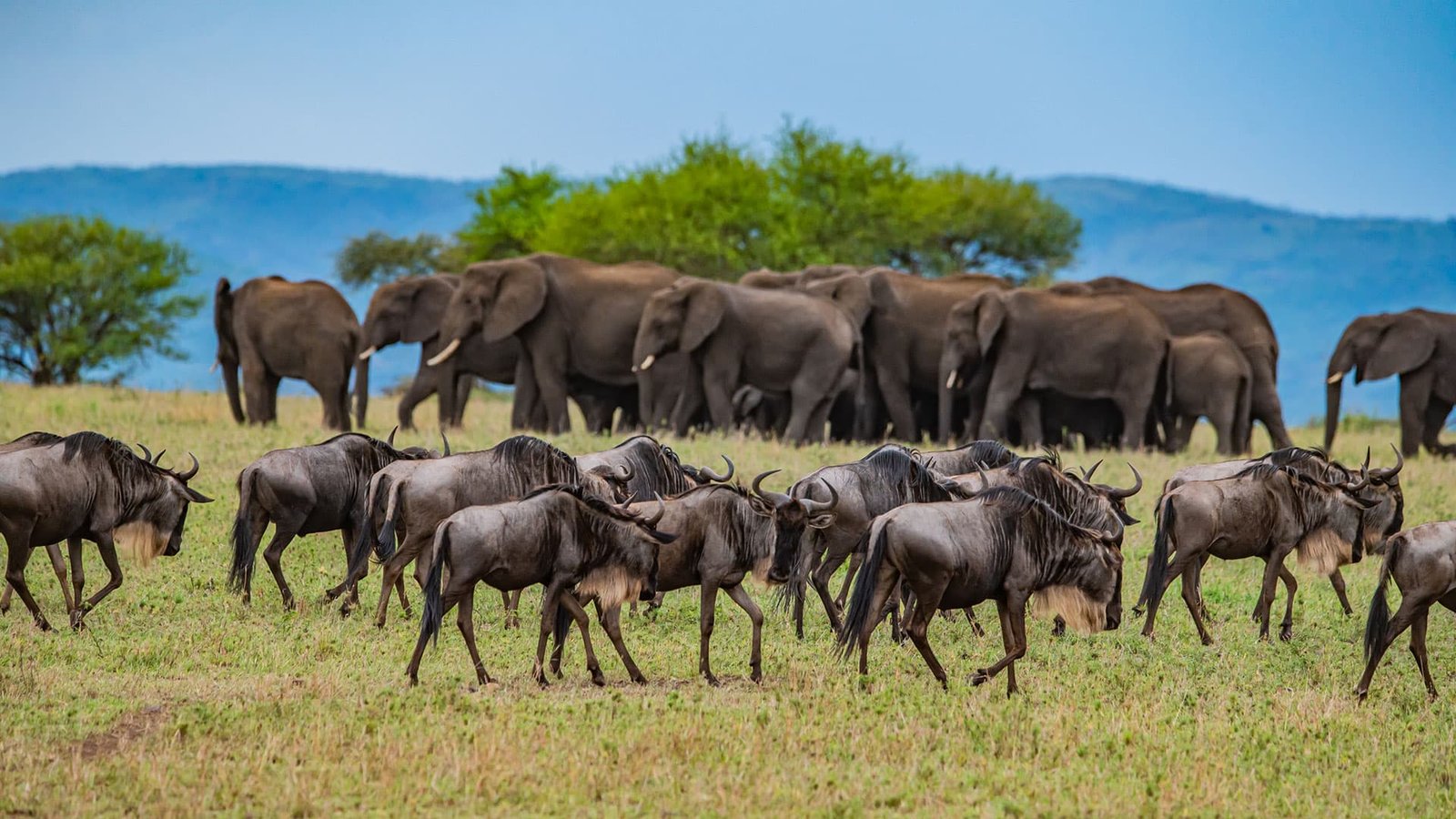
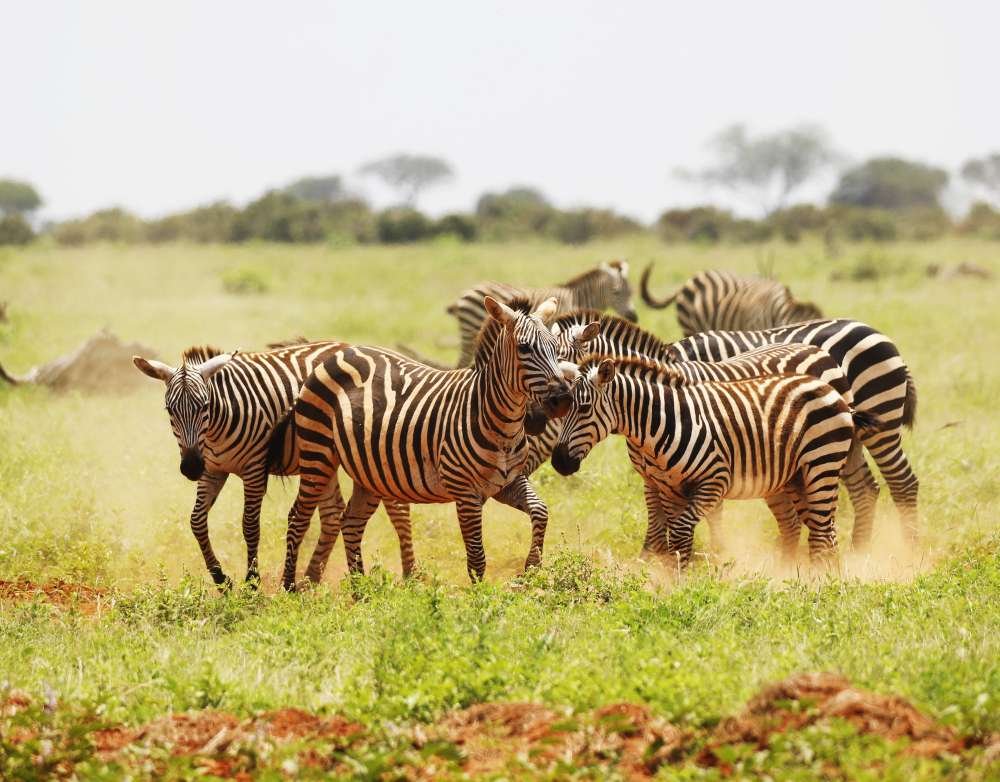
Ibanda-Kyerwa National Park supports several species of wildlife adapted to open grasslands, woodland savannah, and riverine habitats. The park is particularly associated with grazing mammals and antelope species, making it an interesting destination for visitors who enjoy observing wildlife in relatively open landscapes.
Animals reported from the park include impalas, topis, elands, waterbucks, reedbucks, and other antelope species. Buffaloes and hippos are also associated with the wider riverine landscape. Wildlife distribution varies according to rainfall, vegetation, water availability, and seasonal movements.
The park’s open grasslands provide feeding areas for grazing animals, while wooded sections offer shelter and browsing opportunities. Wetlands and riverine habitats support animals that depend on reliable water sources, especially during drier months.
Visitors should understand that Ibanda-Kyerwa is not primarily a Big Five safari destination. Although the park supports a variety of mammals, sightings of large predators and iconic safari species are generally less predictable than in established wildlife destinations such as Serengeti National Park or Ngorongoro Crater.
For travellers interested in wildlife photography, the park’s relatively open landscapes may provide opportunities to photograph antelopes, grazing animals, and birds against scenic natural backgrounds. However, visitors should avoid expecting the same density of wildlife commonly found in Tanzania’s most famous safari parks.
The Kagera River and Natural Landscapes
The Kagera River is one of the important natural features associated with the wider Ibanda-Kyerwa landscape. The river forms part of the extensive Nile drainage system and plays an important ecological role in northwestern Tanzania.
Riverine vegetation, wetlands, and seasonal floodplains provide habitats for aquatic animals, waterbirds, and mammals that depend on water. During the rainy season, the surrounding vegetation becomes greener, creating attractive landscapes and supporting seasonal wildlife activity.
The park also features rolling hills, open savannah, woodland patches, and valleys. These varied landscapes make Ibanda-Kyerwa an appealing destination for nature enthusiasts who appreciate scenery as much as wildlife viewing.
Unlike the dramatic volcanic landscapes of Ngorongoro or the vast plains of Serengeti, Ibanda-Kyerwa offers a quieter environment characterized by gentle hills, grasslands, and riverine ecosystems.
Birdwatching in Ibanda-Kyerwa National Park
Birdwatching is one of the rewarding nature-based activities associated with Ibanda-Kyerwa National Park. The park’s mixture of grasslands, woodlands, wetlands, and riverine habitats creates suitable conditions for different bird species.
Visitors may encounter herons, egrets, kingfishers, raptors, and various grassland and woodland birds. The presence of seasonal wetlands and the nearby Kagera River landscape also provides feeding and breeding habitats for water-dependent species.
Birdwatching conditions can vary throughout the year. The rainy season often brings greener vegetation and increased insect activity, while the dry season may make certain species easier to observe around permanent water sources.
Travellers interested in bird photography should consider visiting early in the morning when temperatures are cooler and bird activity is often higher. Binoculars, a field guide, and a camera with a suitable zoom lens can improve the experience.
Things to Do in Ibanda-Kyerwa National Park
Wildlife game drives are among the main activities visitors can consider when exploring Ibanda-Kyerwa National Park. A game drive provides opportunities to travel through the park’s grasslands and woodland habitats while searching for antelopes, buffaloes, and other wildlife. Because the park is relatively remote and has limited tourism infrastructure, using a suitable 4×4 vehicle and an experienced local driver-guide is recommended.
Nature photography is another attraction, particularly for visitors interested in landscapes, grassland wildlife, and birdlife. The rolling hills and open savannah provide scenic backgrounds, while the riverine environment adds variety to the park’s natural features.
Birdwatching is especially appealing for visitors who enjoy exploring different habitats and identifying lesser-known bird species. Travellers may also be interested in learning about the ecological importance of the Kagera River basin and the conservation challenges facing protected areas in northwestern Tanzania.
Guided nature walks or other specialized activities should only be undertaken where officially permitted. Visitors should confirm activity availability, ranger requirements, and applicable charges with Tanzania National Parks Authority before making arrangements.
Best Time to Visit Ibanda-Kyerwa National Park
Ibanda-Kyerwa National Park can be considered for travel throughout the year, although weather conditions influence wildlife movements, vegetation, and road accessibility. Northwestern Tanzania experiences seasonal rainfall, with wetter periods generally occurring around March to May and October to December.
The drier months, particularly June to September, are generally more convenient for wildlife game drives because vegetation may be less dense and roads can be easier to navigate. Wildlife may also gather around permanent water sources, creating opportunities for observing animals in suitable habitats.
The rainy season transforms the landscape into a greener environment, making it attractive for landscape photography and birdwatching. However, heavy rainfall may affect certain roads and tracks, especially in areas with limited infrastructure.
Travellers planning a safari during the wet season should confirm current road conditions and allow flexibility in their itinerary. Since the park receives relatively few international visitors, obtaining local information before departure is particularly important.
Ibanda-Kyerwa National Park Entrance Fees in 2026 and 2027
Entrance fees for Ibanda-Kyerwa National Park are administered by Tanzania National Parks Authority. Charges may depend on nationality, residency status, age, vehicle category, and the activities selected.
For visitors planning a safari in 2026 or 2027, it is advisable to confirm the latest official tariff directly with the park authorities. A complete, verified park-specific fee schedule for these travel years is not available in this article, and exact entrance charges should not be assumed from older tourism publications.
Additional expenses may include safari vehicle charges, guiding services, accommodation, camping, and other approved activities. Travellers should request a detailed quotation that clearly explains which costs are included and which must be paid separately.
For visitors booking Tanzania Safari Packages through a tour operator, park entrance fees and transport arrangements may be included in the overall safari quotation. However, this should always be confirmed before paying a deposit.
Accommodation in Ibanda-Kyerwa National Park
Accommodation facilities within Ibanda-Kyerwa National Park are limited compared with Tanzania’s more established safari destinations. Visitors should not expect a wide selection of luxury safari lodges, permanent tented camps, or large tourist hotels inside the park.
Depending on current availability and park regulations, travellers may need to arrange accommodation in nearby towns or use approved camping facilities. Any camping arrangements should be confirmed with the park authorities before arrival.
Visitors planning to stay outside the park should consider travel distances, road conditions, and the time required to reach the park entrance. Early morning wildlife activities may require an early departure from accommodation located farther away.
For travellers interested in comfortable accommodation, it may be necessary to plan the visit as part of a broader regional itinerary, with overnight stays in established towns within Kagera Region.
How Many Days Do You Need in Ibanda-Kyerwa National Park?
One to two days may be sufficient for travellers interested in exploring Ibanda-Kyerwa National Park’s main landscapes and enjoying selected wildlife activities. However, the ideal duration depends on the visitor’s starting location, available transport, and the areas of the park that can be accessed.
A one-day visit may be suitable for travellers already staying within reasonable driving distance of the park. Visitors travelling from more distant destinations should allow additional time for transfers.
For wildlife enthusiasts who prefer a relaxed safari experience, two days may provide more flexibility for game drives, birdwatching, and nature photography. However, visitors should confirm the availability of accommodation and guiding services before planning an overnight stay.
Is Ibanda-Kyerwa National Park Worth Visiting?
Ibanda-Kyerwa National Park is worth considering for travellers interested in discovering lesser-known wildlife destinations, exploring peaceful savannah landscapes, and experiencing the natural beauty of northwestern Tanzania.
Its main appeal lies in its quiet environment, open grasslands, riverine habitats, and opportunities to observe antelope species and birdlife. The park may be particularly interesting for experienced safari travellers who have already visited Tanzania’s famous national parks and want to explore a different part of the country.
For first-time safari visitors whose main goal is seeing the Big Five, large predator populations, or the Great Wildebeest Migration, Serengeti National Park and Ngorongoro Crater are generally more suitable destinations.
However, travellers interested in conservation, landscape photography, and remote wilderness experiences may find Ibanda-Kyerwa a rewarding addition to a longer Tanzania safari.
Ibanda-Kyerwa National Park Safari Packages
Ibanda-Kyerwa National Park can be considered as part of customized Tanzania Safari Packages focusing on the country’s lesser-visited western and northwestern regions. Such itineraries may combine wildlife viewing with visits to other protected areas, cultural destinations, and natural attractions around Lake Victoria and the Kagera Region.
Ravina Tours and Travels can assist travellers interested in exploring alternative Tanzania safari destinations by helping assess suitable travel routes, accommodation options, transport requirements, and available activities.
Because Ibanda-Kyerwa remains a developing tourism destination, safari arrangements should be based on confirmed park access, accommodation availability, current fees, and reliable local guiding services.
Frequently Asked Questions About Ibanda-Kyerwa National Park
Where is Ibanda-Kyerwa National Park located?
Ibanda-Kyerwa National Park is located in Kyerwa District, Kagera Region, northwestern Tanzania, close to the country’s borders with Uganda and Rwanda.
How big is Ibanda-Kyerwa National Park?
The park covers approximately 200 square kilometres, making it one of Tanzania’s smaller national parks.
When was Ibanda-Kyerwa National Park established?
Ibanda-Kyerwa National Park was officially established in 2019 after the former Ibanda Game Reserve was upgraded to national park status.
What animals can you see in Ibanda-Kyerwa National Park?
Wildlife associated with the park includes impalas, topis, elands, waterbucks, reedbucks, buffaloes, and other savannah and riverine species. Sightings vary depending on season and habitat.
Can you see the Big Five in Ibanda-Kyerwa National Park?
Ibanda-Kyerwa is not considered a reliable Big Five safari destination. Visitors interested in seeing the Big Five should consider Serengeti National Park or Ngorongoro Crater.
What is the best time to visit Ibanda-Kyerwa National Park?
June to September is generally a favourable period for wildlife viewing because of relatively dry conditions. However, the park can also offer rewarding nature experiences during other seasons.
Is Ibanda-Kyerwa National Park suitable for families?
Families interested in nature and wildlife may enjoy the park, but accommodation, road conditions, and available facilities should be carefully considered before travelling with young children.
Can you visit Ibanda-Kyerwa National Park independently?
Independent visits may be possible, subject to park regulations and current access arrangements. However, using a knowledgeable local driver-guide is recommended because tourism infrastructure is limited.
Conclusion
Ibanda-Kyerwa National Park is one of Tanzania’s emerging wildlife conservation destinations, offering beautiful grasslands, rolling hills, riverine habitats, and opportunities to explore a relatively quiet protected area in northwestern Tanzania.
Established in 2019, the park plays an important role in conserving natural habitats within the wider Kagera River landscape. Although it does not have the extensive tourism infrastructure or wildlife concentrations of Tanzania’s more famous national parks, its remote setting makes it interesting for nature enthusiasts, photographers, and experienced safari travellers.
For visitors interested in exploring lesser-known Tanzania Safari Packages, Ibanda-Kyerwa National Park provides an opportunity to discover a different side of the country’s wildlife heritage. Careful planning, reliable transport, and confirmation of current park arrangements are essential for an enjoyable visit.
Information and facts
Country: Tanzania