
Kilimanjaro National Park is one of Tanzania’s most famous natural attractions and home to Mount Kilimanjaro, the highest mountain in Africa and the world’s tallest free-standing mountain above sea level. Located in northeastern Tanzania, near the border with Kenya, the park attracts thousands of visitors interested in mountain climbing, hiking, nature photography, wildlife, and exploring one of Africa’s most remarkable landscapes. For travellers planning Tanzania Safari Packages that combine adventure with wildlife viewing, Kilimanjaro National Park offers an opportunity to experience Tanzania beyond the traditional game drives of Serengeti National Park, Ngorongoro Crater, and Tarangire National Park.
Mount Kilimanjaro rises approximately 5,895 metres above sea level, making it Africa’s highest peak and one of the world’s famous Seven Summits. The mountain is formed by three volcanic cones known as Kibo, Mawenzi, and Shira. Kibo is the highest and contains Uhuru Peak, the main summit reached by climbers. Mawenzi is known for its dramatic rocky peaks, while Shira is an older volcanic formation that forms part of the mountain’s western landscape. Together, these features create a spectacular mountain environment with forests, moorlands, alpine deserts, glaciers, and snow-covered summit areas.
Kilimanjaro National Park covers approximately 1,688 square kilometres and was established in 1973, becoming operational as a national park in 1977. In 1987, it was recognized as a UNESCO World Heritage Site because of its outstanding natural beauty and ecological importance. The park protects the upper slopes of Mount Kilimanjaro, including important mountain ecosystems that support wildlife, unique plant species, and vital water catchment areas.
Unlike Tanzania’s traditional wildlife safari parks, Kilimanjaro National Park is primarily known for mountain trekking and high-altitude adventure. Visitors can choose from several established climbing routes, including Machame, Marangu, Lemosho, Rongai, Shira, Umbwe, and the Northern Circuit. Each route offers different scenery, difficulty levels, accommodation arrangements, and opportunities for altitude acclimatization.
For travellers who do not wish to climb to the summit, Kilimanjaro National Park also offers shorter hiking experiences, forest walks, scenic viewpoints, and opportunities to learn about the mountain’s natural environment. The park can be combined with wildlife safaris in Tarangire, Lake Manyara, Serengeti, and Ngorongoro, making it an excellent addition to a longer Tanzania adventure holiday.
Where Is Kilimanjaro National Park Located?
Kilimanjaro National Park is located in northeastern Tanzania, within Kilimanjaro Region, close to the border between Tanzania and Kenya. The mountain rises above the surrounding plains and is visible from several locations in northern Tanzania and southern Kenya when weather conditions are clear.
Moshi is the main town associated with Mount Kilimanjaro climbing expeditions. Many travellers stay in Moshi before beginning their trek because it offers accommodation, equipment rental services, restaurants, and access to several mountain entry gates. Arusha is another popular starting point, especially for travellers combining Kilimanjaro climbing with Tanzania wildlife safaris.
Kilimanjaro International Airport is the main international airport serving the region. Visitors arriving at the airport can arrange transfers to Moshi or Arusha, depending on their selected itinerary. The journey to the mountain’s entrance gates varies according to the climbing route and accommodation location.
The park has several official access gates, including Marangu Gate, Machame Gate, Londorossi Gate, Rongai Gate, and Umbwe Gate. Each gate serves different climbing routes, and the appropriate starting point depends on the selected trekking itinerary.
History of Kilimanjaro National Park
Kilimanjaro National Park has a long history of conservation, exploration, and cultural importance. Mount Kilimanjaro has been part of the lives and traditions of surrounding communities for generations, particularly the Chagga people who live on the mountain’s lower slopes.
The mountain became internationally known during the nineteenth century through reports by European explorers and missionaries. In 1889, Hans Meyer and Ludwig Purtscheller completed the first widely documented ascent to the summit of Kibo.
Kilimanjaro National Park was established in 1973 to protect the mountain’s upper slopes and surrounding ecosystems. It officially opened in 1977 and later received UNESCO World Heritage status in 1987.
Today, the park is managed by the Tanzania National Parks Authority, commonly known as TANAPA. Conservation efforts focus on protecting mountain forests, managing trekking activities, preserving biodiversity, and reducing environmental damage caused by tourism and other human activities.
Mount Kilimanjaro: Africa’s Highest Mountain
Mount Kilimanjaro is the main attraction within Kilimanjaro National Park. Standing approximately 5,895 metres above sea level, it is the highest mountain in Africa and one of the most recognizable natural landmarks on the continent.
The mountain consists of three main volcanic cones: Kibo, Mawenzi, and Shira. Kibo is the highest and contains Uhuru Peak, the ultimate destination for most climbers. Mawenzi rises to approximately 5,149 metres and is known for its rugged peaks, while Shira is an ancient volcanic formation forming part of the western mountain landscape.
One of Kilimanjaro’s most remarkable features is the dramatic change in vegetation and climate as visitors climb higher. Trekkers begin in cultivated foothills or montane forests, depending on their route, before passing through heath and moorland, alpine desert, and finally the arctic summit zone.
The mountain’s remaining glaciers and ice fields are among its most famous features. However, scientific research has documented substantial glacier loss over time, making Kilimanjaro an important location for studying climate change and environmental conditions in tropical mountain regions.
Wildlife Found in Kilimanjaro National Park
Although Kilimanjaro National Park is primarily known for mountain climbing, its forests and lower slopes support a variety of wildlife species. The park’s diverse vegetation zones create habitats for mammals, birds, reptiles, and smaller animals adapted to different elevations.
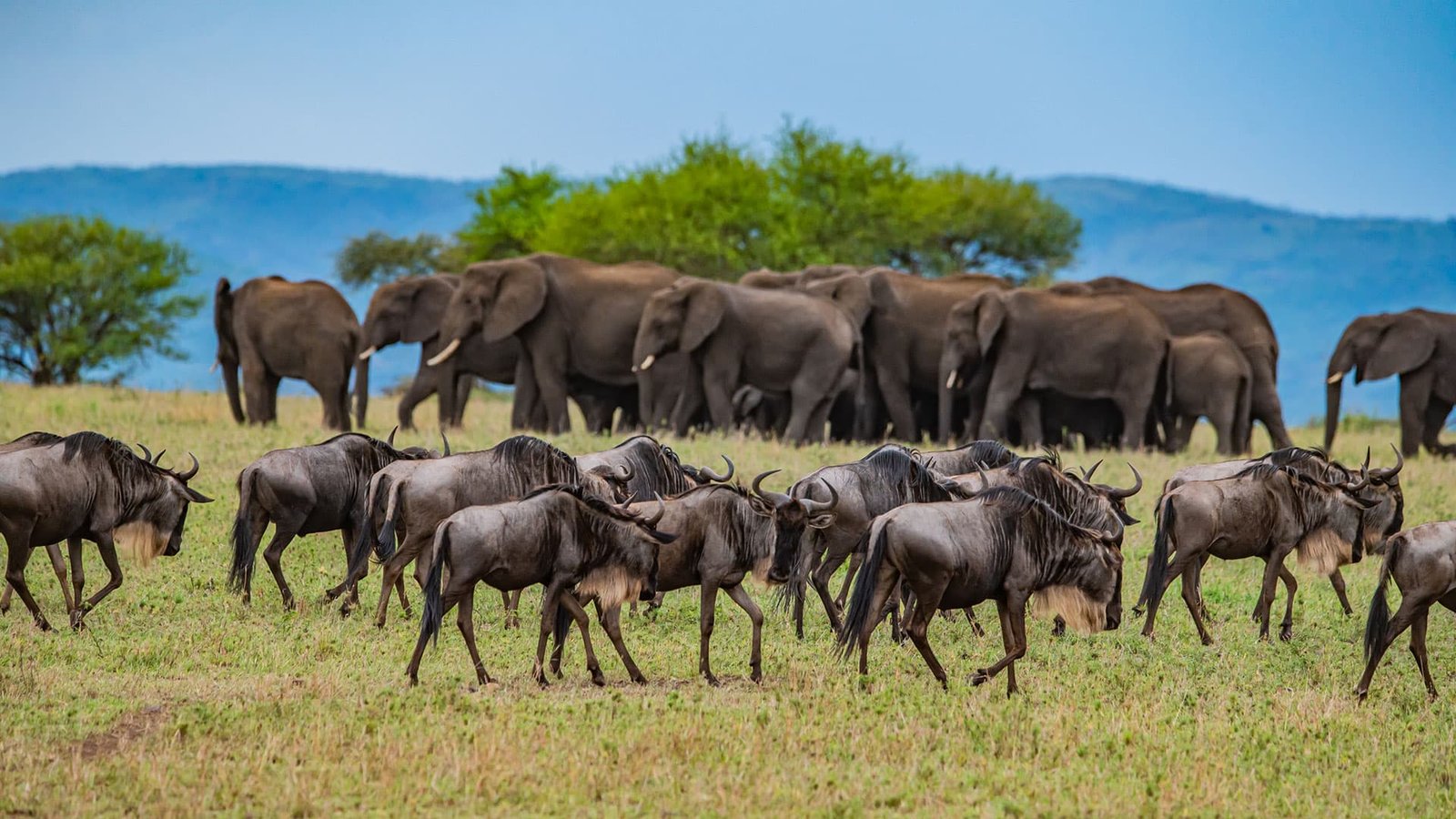
Wildlife associated with the mountain’s forested areas includes blue monkeys, black-and-white colobus monkeys, bushbucks, duikers, and other forest-dwelling mammals. Elephants and buffaloes also occur in parts of the wider Kilimanjaro ecosystem, although encounters on popular climbing routes are uncommon.
The mountain’s forests provide important habitats for numerous bird species, including turacos, hornbills, sunbirds, and birds of prey. Visitors walking through the lower forest zones may hear or observe different birds, particularly during early morning hikes.
As climbers move higher, wildlife becomes less abundant because of colder temperatures, reduced vegetation, and lower oxygen levels. The alpine desert and summit zones support relatively few large animals, although specialized plants and smaller organisms survive under challenging conditions.
Kilimanjaro National Park should not be considered a traditional Big Five safari destination. Travellers interested in extensive wildlife game drives should combine their mountain adventure with national parks such as Tarangire, Serengeti, or Ngorongoro.
Best Mount Kilimanjaro Climbing Routes
Machame Route
The Machame Route, commonly known as the Whiskey Route, is one of the most popular routes for climbing Mount Kilimanjaro. It is famous for its scenic landscapes, varied terrain, and opportunities for gradual altitude acclimatization.
The route usually takes six or seven days, although seven days is generally preferable because it allows more time for acclimatization. Climbers pass through rainforest, moorland, alpine desert, and rocky mountain terrain before reaching Uhuru Peak.
Accommodation along the Machame Route is normally provided in tents at designated campsites. The route is suitable for physically prepared trekkers who are comfortable with multi-day hiking and camping.
Marangu Route
The Marangu Route is commonly known as the Coca-Cola Route and is the only major Kilimanjaro climbing route that offers mountain hut accommodation instead of standard tented camping.
The route typically takes five or six days, although six days provides a more gradual ascent. Climbers pass through rainforest, moorland, and alpine environments before making their summit attempt.
Marangu is sometimes described as an easier route because of its relatively gradual lower sections and hut accommodation. However, reaching the summit remains physically demanding, and altitude sickness is a serious consideration.
Lemosho Route
The Lemosho Route is widely regarded as one of Kilimanjaro’s most scenic trekking routes. It begins on the western side of the mountain and crosses beautiful forest, moorland, and high-altitude landscapes before joining the southern approach towards the summit.
The route commonly takes seven or eight days. An eight-day itinerary generally provides more time for acclimatization and is often preferred by climbers seeking a balanced combination of scenery and gradual altitude gain.
Lemosho is suitable for travellers who want a scenic trekking experience and are prepared for several days of camping and mountain hiking.
Rongai Route
The Rongai Route approaches Mount Kilimanjaro from the northern side, close to the Kenyan border. It offers a different perspective of the mountain and passes through relatively remote landscapes.
The route usually takes six or seven days and is often considered by travellers seeking a quieter climbing experience. Because the northern slopes can receive less rainfall than the southern slopes during certain periods, Rongai may be attractive during wetter months.
However, weather conditions remain unpredictable, and proper altitude acclimatization is essential.
Northern Circuit Route
The Northern Circuit is one of the longest established Kilimanjaro trekking routes and is particularly attractive for travellers who prefer a slower ascent and extensive mountain scenery.
The route commonly takes eight or nine days, although some itineraries are longer. It crosses the western side of the mountain before traversing the quieter northern slopes and approaching the summit.
The additional trekking days can provide more opportunities for acclimatization, making the Northern Circuit a strong option for climbers who prioritize a gradual ascent.
Umbwe Route
The Umbwe Route is one of the steeper and more physically demanding routes on Mount Kilimanjaro. It follows a relatively direct ascent through forest and steep mountain terrain.
Because of its rapid altitude gain, the route is generally more suitable for experienced trekkers who understand the challenges of high-altitude climbing. It is not usually the first recommendation for beginners.
Mount Kilimanjaro Climbing Routes Comparison
| Climbing Route | Typical Duration | Accommodation | Main Advantage |
|---|---|---|---|
| Machame | 6–7 days | Camping | Scenic and varied terrain |
| Marangu | 5–6 days | Mountain huts | Hut accommodation |
| Lemosho | 7–8 days | Camping | Scenery and acclimatization |
| Rongai | 6–7 days | Camping | Quieter northern approach |
| Northern Circuit | 8–9 days | Camping | Longer acclimatization period |
| Umbwe | 6–7 days | Camping | Steep, challenging ascent |
| Shira | 7–8 days | Camping | High western starting point |
Route durations are typical examples rather than fixed requirements. Actual itineraries depend on park regulations, guiding arrangements, and the operator’s selected schedule.
Best Time to Climb Mount Kilimanjaro
Kilimanjaro National Park can be visited throughout the year, but weather conditions have a major influence on trekking comfort, visibility, and summit conditions.
The most popular climbing periods are generally January to early March and June to October. These months often provide relatively drier conditions, although rain, snow, wind, and freezing temperatures can occur at any time.
January and February are often attractive for climbers seeking relatively warm daytime conditions and opportunities for clear mountain views. However, summit temperatures remain extremely cold, especially during early morning summit attempts.
June to October is another popular period because rainfall is generally lower. July, August, and September often attract significant numbers of climbers, so popular routes and campsites may be busier.
March to May is generally associated with the long rainy season, while November often experiences short rains. These periods can bring muddy trails, cloud cover, and more challenging trekking conditions.
Kilimanjaro National Park Entrance Fees in 2026 and 2027
Kilimanjaro National Park fees are administered by the Tanzania National Parks Authority. The total cost of climbing Mount Kilimanjaro involves several different charges, which may include conservation fees, camping or hut fees, rescue fees, guide and porter arrangements, and applicable taxes.
For international visitors, the conservation fee has historically been charged per person per day, while camping or hut accommodation fees are calculated separately. However, travellers planning a climb in 2026 or 2027 should verify the applicable TANAPA tariff before making payments.
A complete, confirmed 2026–2027 tariff schedule has not been established in this article. Therefore, exact current fees should be confirmed with the park authority or a licensed climbing operator.
Climbers should request a detailed quotation that clearly identifies park charges, accommodation, guides, porters, meals, transport, equipment, and other services.
How Much Does It Cost to Climb Mount Kilimanjaro?
The cost of climbing Mount Kilimanjaro varies depending on the route, number of trekking days, group size, accommodation arrangements, and level of service.
As a broad planning estimate rather than a verified current quotation, a standard guided Kilimanjaro climb may cost approximately USD 1,800 to USD 3,500 per person for many six- to eight-day itineraries. Premium private climbs and longer routes may cost considerably more.
Travellers should be cautious about choosing a climbing operator based only on the lowest advertised price. A responsible climbing package should provide properly trained guides, adequate food, suitable camping equipment, emergency procedures, and fair treatment of mountain porters.
Additional expenses may include international flights, travel insurance covering high-altitude trekking, personal equipment, visa fees, tips, and accommodation before or after the climb.
Accommodation in Kilimanjaro National Park
Accommodation within Kilimanjaro National Park depends largely on the selected trekking route. Most routes use designated mountain campsites, where climbers stay in tents provided by their tour operator.
The Marangu Route is different because it uses established mountain huts, including Mandara Hut, Horombo Hut, and Kibo Hut. These facilities provide basic sleeping arrangements but should not be confused with luxury accommodation.
Travellers normally spend at least one night in Moshi or Arusha before beginning their climb. Accommodation options in these towns range from budget guesthouses to comfortable mid-range hotels and luxury properties.
For climbers finishing their expedition, an additional hotel night can provide time to rest before continuing to a wildlife safari or returning home.
How Many Days Do You Need for Kilimanjaro National Park?
The ideal number of days depends on whether visitors are planning a short nature excursion or attempting to reach Uhuru Peak.
Travellers interested in a short hiking experience may consider a one-day guided excursion along an approved lower mountain route. Such activities provide opportunities to explore forest environments without attempting the summit.
For a full Kilimanjaro climb, most itineraries take approximately six to nine days. Longer routes generally allow more time for gradual acclimatization, although they do not eliminate the risk of altitude sickness.
Visitors combining Kilimanjaro with a Tanzania wildlife safari should also allow time for rest and travel between destinations.
Mount Kilimanjaro Altitude Sickness and Safety
Altitude sickness is one of the most important health considerations when climbing Mount Kilimanjaro. As climbers ascend, the amount of oxygen available decreases, making it more difficult for the body to function normally.
Symptoms of acute mountain sickness may include headache, nausea, dizziness, fatigue, and difficulty sleeping. More serious altitude illnesses can affect the brain or lungs and require urgent descent and medical attention.
Climbers should choose itineraries that allow adequate acclimatization, maintain a manageable walking pace, stay properly hydrated, and follow their guide’s instructions. Fitness is important, but even physically fit travellers can develop altitude sickness.
Anyone experiencing worsening symptoms should inform their guide immediately. Severe symptoms, including confusion, difficulty walking, or breathlessness at rest, require emergency action rather than continued ascent.
Before travelling, climbers should discuss high-altitude risks with a qualified healthcare professional and ensure their travel insurance covers trekking at the intended elevation and emergency evacuation.
Kilimanjaro National Park and Tanzania Safari Packages
Kilimanjaro National Park can be combined with Tanzania’s famous wildlife destinations to create a varied adventure holiday. Travellers may begin with a Mount Kilimanjaro climb before continuing to Tarangire National Park, Lake Manyara National Park, Ngorongoro Crater, and Serengeti National Park.
A popular itinerary involves spending seven or eight days climbing Mount Kilimanjaro, followed by four to six days on safari. This combination allows travellers to experience both high-altitude mountain landscapes and Tanzania’s remarkable wildlife.
Visitors who prefer a more relaxed holiday may choose a shorter Kilimanjaro nature excursion followed by a traditional safari. Zanzibar can also be added at the end of the trip for a beach holiday.
Ravina Tours and Travels can assist travellers in planning customized Tanzania Safari Packages that combine Kilimanjaro trekking, wildlife viewing, and beach relaxation according to their travel interests, available time, and budget.
Is Kilimanjaro National Park Worth Visiting?
Kilimanjaro National Park is worth visiting for travellers interested in mountain scenery, outdoor adventure, hiking, nature photography, and experiencing Africa’s highest peak.
The park is particularly appealing to hikers who want to challenge themselves by reaching Uhuru Peak. However, visitors do not need to climb to the summit to appreciate the mountain’s beauty and ecological importance.
Short guided hikes, forest walks, and scenic viewpoints can provide rewarding experiences for travellers with limited time or those who prefer less demanding activities.
For wildlife enthusiasts, Kilimanjaro National Park is best combined with traditional safari destinations because its main attraction is mountain trekking rather than extensive game drives.
Frequently Asked Questions About Kilimanjaro National Park
Where is Kilimanjaro National Park located?
Kilimanjaro National Park is located in northeastern Tanzania, within Kilimanjaro Region, near the border with Kenya. Moshi is one of the main towns used as a starting point for climbing expeditions.
How high is Mount Kilimanjaro?
Mount Kilimanjaro rises approximately 5,895 metres above sea level, making it the highest mountain in Africa.
How big is Kilimanjaro National Park?
The park covers approximately 1,688 square kilometres.
When was Kilimanjaro National Park established?
Kilimanjaro National Park was established in 1973 and officially opened in 1977. It became a UNESCO World Heritage Site in 1987.
What is the best month to climb Mount Kilimanjaro?
January, February, July, August, and September are generally popular months because of relatively favourable trekking conditions. However, weather can change quickly throughout the year.
How many days does it take to climb Mount Kilimanjaro?
Most climbing itineraries take between six and nine days, depending on the selected route and acclimatization schedule.
Can beginners climb Mount Kilimanjaro?
Beginners with suitable physical preparation may attempt Kilimanjaro using an appropriate guided itinerary. However, the mountain is physically demanding, and altitude sickness can affect climbers regardless of fitness.
Do you need a guide to climb Mount Kilimanjaro?
Yes. Kilimanjaro climbing expeditions must follow TANAPA regulations and use authorized guiding arrangements. Independent unguided summit climbs are not permitted.
What animals live in Kilimanjaro National Park?
Wildlife includes monkeys, bushbucks, duikers, forest birds, and other species. Elephants and buffaloes occur in parts of the wider mountain ecosystem, although sightings on common trekking routes are uncommon.
Can you combine Kilimanjaro with Serengeti National Park?
Yes. Many travellers combine a Kilimanjaro climb with wildlife safaris in Serengeti, Ngorongoro, Tarangire, and Lake Manyara.
Is Mount Kilimanjaro a difficult climb?
Kilimanjaro is a challenging high-altitude trek. Although the standard trekking routes do not normally require technical rock-climbing skills, the long walking days, cold temperatures, and altitude make proper preparation essential.
Conclusion
Kilimanjaro National Park is one of Tanzania’s most remarkable natural destinations, offering spectacular mountain landscapes, diverse vegetation zones, unique wildlife habitats, and the opportunity to climb Africa’s highest peak.
From the tropical forests of the lower slopes to the rocky alpine desert and icy summit of Uhuru Peak, Mount Kilimanjaro provides an unforgettable experience for travellers interested in hiking, nature, and outdoor adventure.
Whether visitors choose a short guided nature excursion or a multi-day summit expedition, careful planning is essential. Selecting a suitable route, allowing enough time for acclimatization, using an experienced licensed operator, and preparing for high-altitude conditions can significantly improve the safety and enjoyment of the journey.
For travellers planning Tanzania Safari Packages, Kilimanjaro National Park can be combined with Serengeti, Ngorongoro, Tarangire, Lake Manyara, and Zanzibar to create a memorable African adventure that includes mountain trekking, wildlife safaris, and beach relaxation.
Information and facts
Country: Tanzania