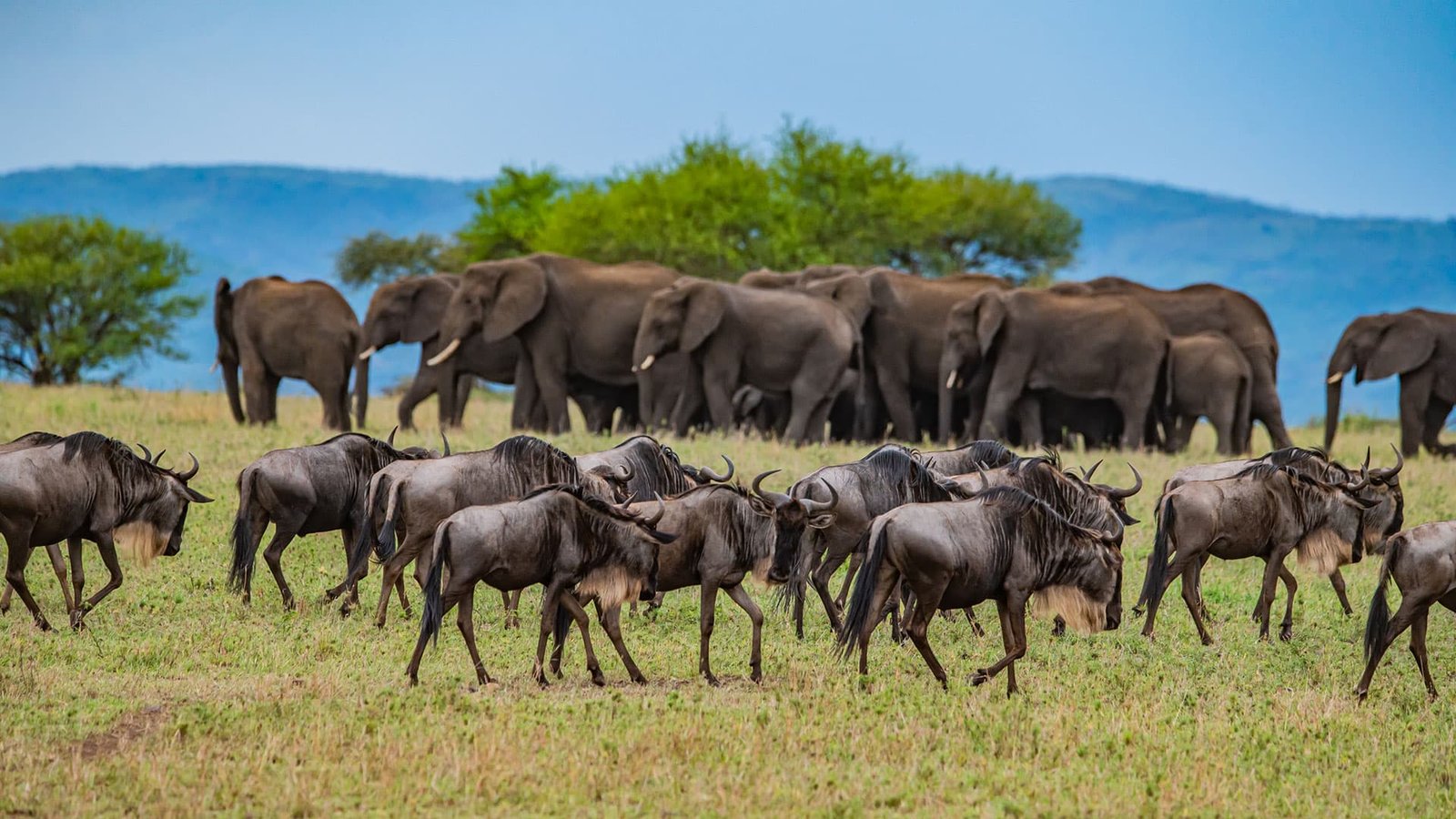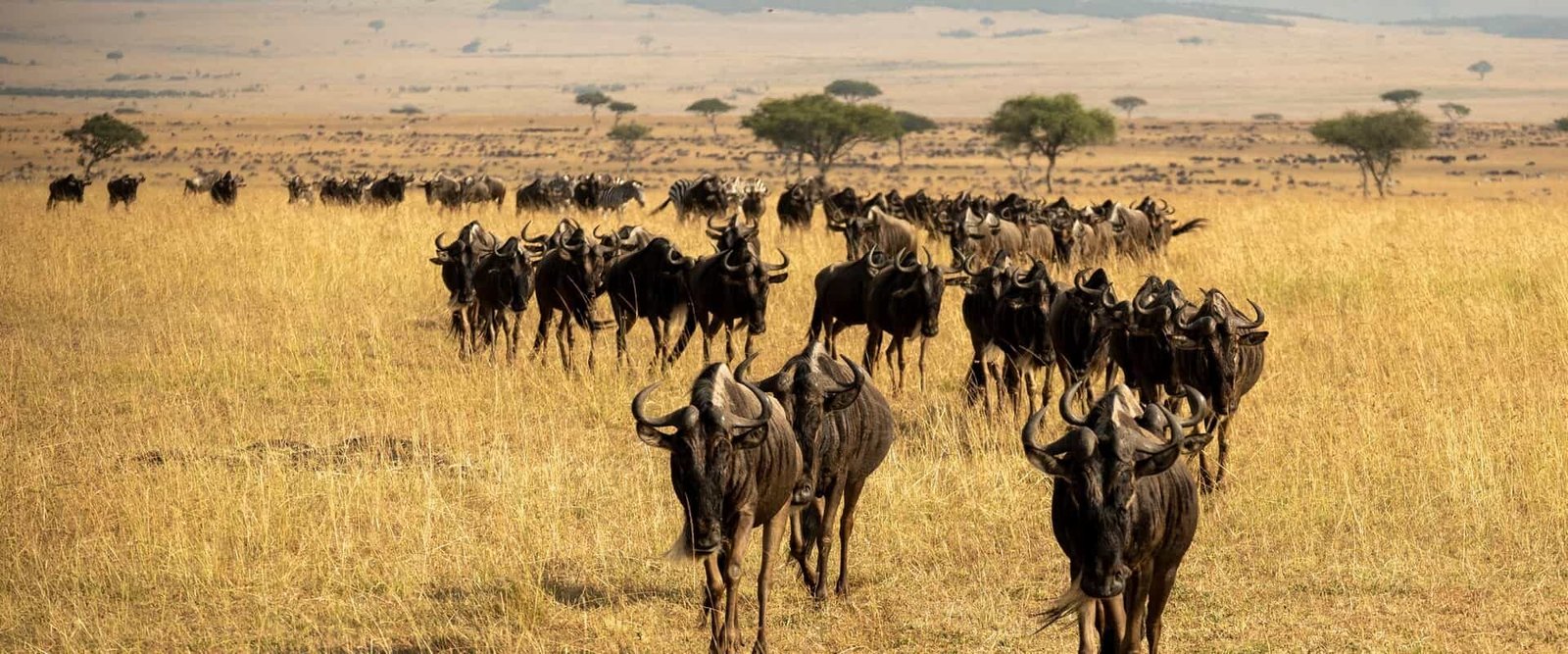

Have you ever imagined watching thousands of wildebeests cross endless golden plains, spotting lions resting under acacia trees, or walking up to the sounds of wildlife just outside your tent?
Visiting Serengeti National Park brings these experiences closer than you think. One of Africa’s most celebrated safari destinations, famous for its incredible wildlife populations, sweeping savannah landscapes, and the spectacular Great Wildebeest Migration. Moreover, despite the wildebeests, the Serengeti is also home to the Big Five, the big cats, and hundreds of bird species.
Therefore, planning your first Serengeti safari can, however, bring up plenty of questions. For instance, which months offer the best wildlife viewing? Where should you stay, and how many days do you need? Should you visit the Central Serengeti following the migration to the north or explore the southern plains, and how much should you budget for the experience?
In this guide, Ravina Tours & Travel takes you through everything you need to know before visiting Serengeti National Park, from the best time to travel to wild experiences, accommodation, park fees, transport, safari cost, and practical planning tips.
Why is Serengeti National Park Famous?
The Serengeti National Park is famous because it offers one of the most extraordinary wildlife experiences in the world.
Here is what makes it one of Africa’s most celebrated safari destinations.
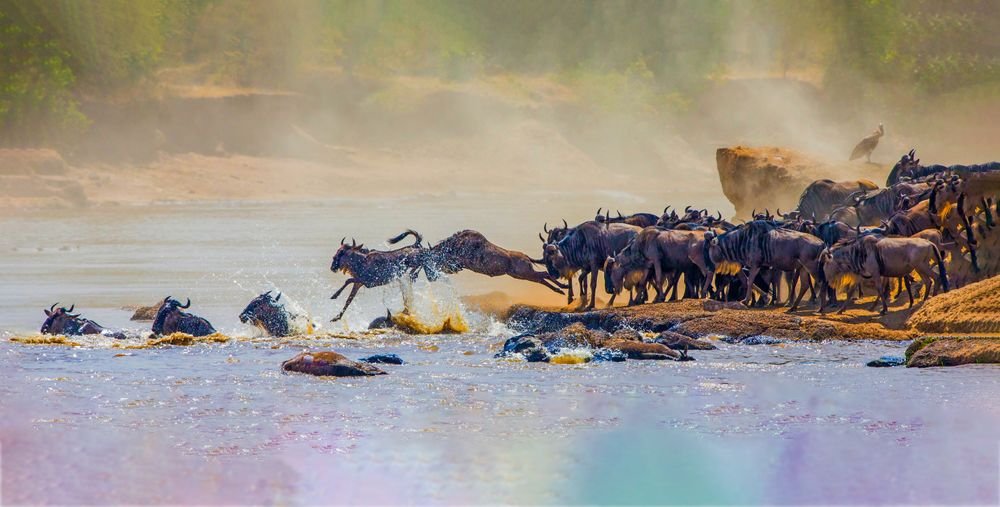
1. The Great Migration is the biggest reason the Serengeti is famous. Every year, approximately 1.5 million wildebeest, accompanied by hundreds of thousands of zebras and gazelles, move across the Serengeti ecosystem in search of grazing and water.
2. The Serengeti is home to an incredible variety of wildlife, including lions, leopards, cheetahs, elephants, zebras, hyenas, African wild dogs, hippos, crocodiles, antelopes, etc.
3. The Serengeti is one of the destinations where visitors can look for the Big Five: lions, leopards, elephants, buffaloes, and rhinos.
4. The Serengeti is recognised as a UNESCO World Heritage Site in 1981 because of its outstanding ecological importance and remarkable wildlife ecosystem.
Where is Serengeti National Park Located?
The Serengeti National Park is located in Northern Tanzania in East Africa, close to the border with Kenya. It lies within the Mara and Simiyu regions and forms part of the larger Serengeti ecosystem, which extends northwards into Kenya’s Masai Mara National Reserve.
How to Get to Serengeti National Park
Getting to Serengeti National Park in northern Tanzania is relatively straightforward, whether you are traveling from Kenya, arriving internationally, or already exploring Tanzania’s northern safari circuit.
Flying
If you have limited time or prefer a more comfortable journey, flying is another convenient way to reach the Serengeti. Scheduled and charter flights operate from destinations such as Arusha, Kilimanjaro, and Zanzibar depending on the airline and season.
The Serengeti has several airstrips serving different sections of the park;
- Seronera Airstrip – Central Serengeti
- Kogatende Airstrip – Northern Serengeti
- Grumeti Airstrip – Western Serengeti
- Ndutu Airstrip – Southern Serengeti
Travelling by Road
Travelling by road is a popular option, particularly for visitors planning a longer northern Tanzania safari.
Most road safaris begin in Arusha, a major tourism hub and starting point for exploring Tanzania’s northern safari destinations.
The advantage of traveling by road is that you get to enjoy the changing scenery along the way, with opportunities to explore other destinations before reaching the Serengeti.
Therefore, depending on your destination within the park, the journey from Arusha can take approximately 7-9 hours or longer, including stops and road conditions.
Different Regions of Serengeti National Park
One of the most fascinating things about visiting Serengeti National Park is that the experience can change significantly depending on which part of the park you explore.
Covering approximately 14, 763 square kilometres, the Serengeti is a vast wilderness divided into several geographical regions, each with its own landscapes, wildlife habitats and seasonal attractions. Some areas are famous for the Great Wildebeest Migration, while some offer quieter safari experiences away from the busier game viewing circuits.
Therefore, understanding these regions is important when planning your safari trip because your choice of location can influence the wildlife you encounter, the accommodation, your stay, and the overall experience.
Here are the main regions of the Serengeti and what makes each one special.
Central Serengeti ( Seronera)
The Central Serengeti, commonly known as Seronera, is one of the most popular areas of the national park. It is particularly loved by first-time safari travelers because of its excellent year-round wildlife viewing opportunities.
Northern Serengeti
If witnessing the famous wildebeest river crossings is high on your safari wish list, Northern Serengeti is one of the best areas to consider. Located close to the Kenyan border, this region is characterised by rolling hills, rocky outcrops, riverine forests and open grasslands.
Western Serengeti
The Western Serengeti, also known as the Western Corridor, is an exciting region characterised by long stretches of grasslands, woodlands, river valleys and the Grumeti River.
Southern Serengeti
The Southern Serengeti is known for its short-grass plains, which provide nutrient-rich grazing that attracts enormous herds of wildebeest and zebras during the calving season. Between January and March, thousands of wildebeests give birth across these plains. This is one of the most exciting times to visit because newborn calves attract predators, creating opportunities to witness natural wildlife interactions.
Eastern Serengeti
Finally, the Eastern Serengeti is known for its expansive grasslands, rocky kopjes, and relatively quieter safari routes. Compared to the Central and northern regions, some parts receive fewer visitors, making it appealing to travelers looking for a more secluded experience.
Best Time to Visit Serengeti National Park
The best time to visit Serengeti National Park depends on the experience you want. Whether you want to see the Great Migration, witness the calving season, or spot wildlife.
Interestingly, the Serengeti is an all-year-round safari destination, meaning there is no single month when wildlife viewing is completely out of season. However, different months offer different experiences because of rainfall, vegetation changes, and the seasonal movement of wildlife.
Top Things to Do in Serengeti National Park
Morning Game Drives
Afternoon Game Drives
Full-day Game Drives
Hot Air Balloon Safaris
Wildlife photography
Birdwatching
Cultural experiences
Where to Stay in Serengeti National Park
Choosing where to stay is just as important as choosing where to visit. The Serengeti National Park is vast, and where you stay can influence the kind of safari experience you enjoy.
One of the important things to consider when booking accommodation in Serengeti is the location. Rather than choosing a property based on the facilities alone, think about the wildlife experience you want to enjoy and the amount of time you want to spend.
Here are some of the best places to consider staying;
- Four Seasons Safari Lodge
- Serengeti Serena Safari Lodge
- Kati Kati Tented Camp
- Sayari Camp
- Grumeti River Lodge
How Much Does a Serengeti Safari Cost
A safari in Serengeti National Park costs anywhere from $250 to over $1,500 per person, depending on your accommodation, travel season, travel arrangements, and the type of safari you choose. For some travelers, the Serengeti is one in a once-in-a-lifetime luxury safari experience; for others, it is an adventure they can enjoy on a more moderate budget.
However, for accurate planning, always request a customized and personalised quotation so that you can understand exactly what you are paying for.
What to Pack for a Serengeti Safari
Neutral-coloured safari clothing
Lightweight trousers and shirts
Warm layers for early morning drives
Hat & Sunglasses
Sunscreen
Insect repellent
Reusable water bottle
Binoculars
A pair of Camera and binoculars
Travel Documents
Final Thoughts
There is just something extraordinary about the Serengeti that is difficult to capture in photographs or describe in words. It could be the sight of thousands of wildebeests moving across the plains, a lioness quietly watching her surroundings from a rocky kopje, or the peaceful feeling of sitting outside your lodge or camp as the African wilderness comes alive around you. These are the moments that make a safari in Serengeti National Park so memorable.
However, enjoying the destination at its fullest starts with understanding how to plan your visit. From your choice of accommodation to transport and safari activities. Whether you are dreaming of following the Great Migration, exploring the park’s wildlife-rich regions, enjoying a family safari, or combining a Tanzanian or southern circuit with a beach escape in Zanzibar, we can help you put together a journey that reflects your interests, travel dates,tes and budget.