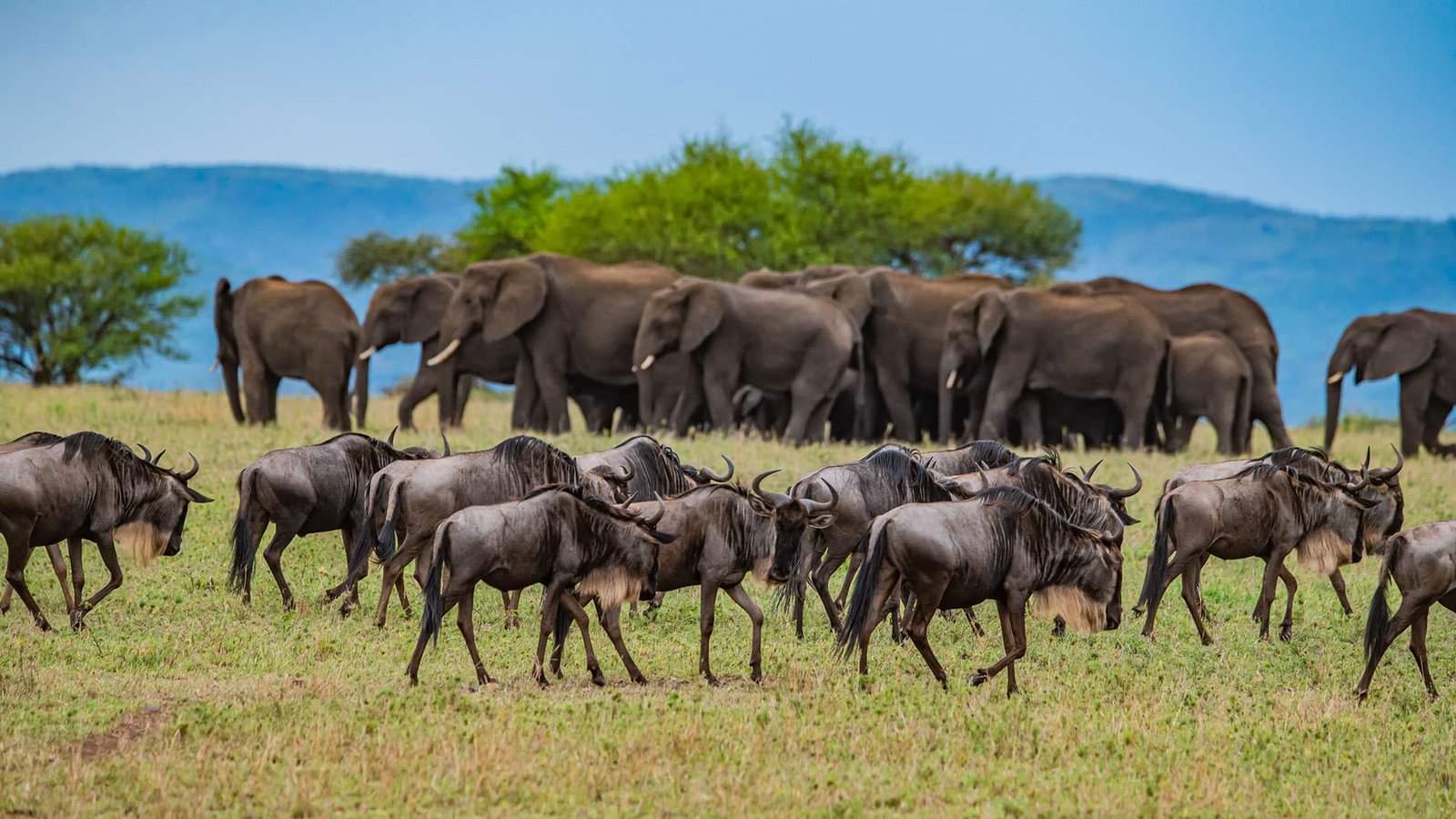
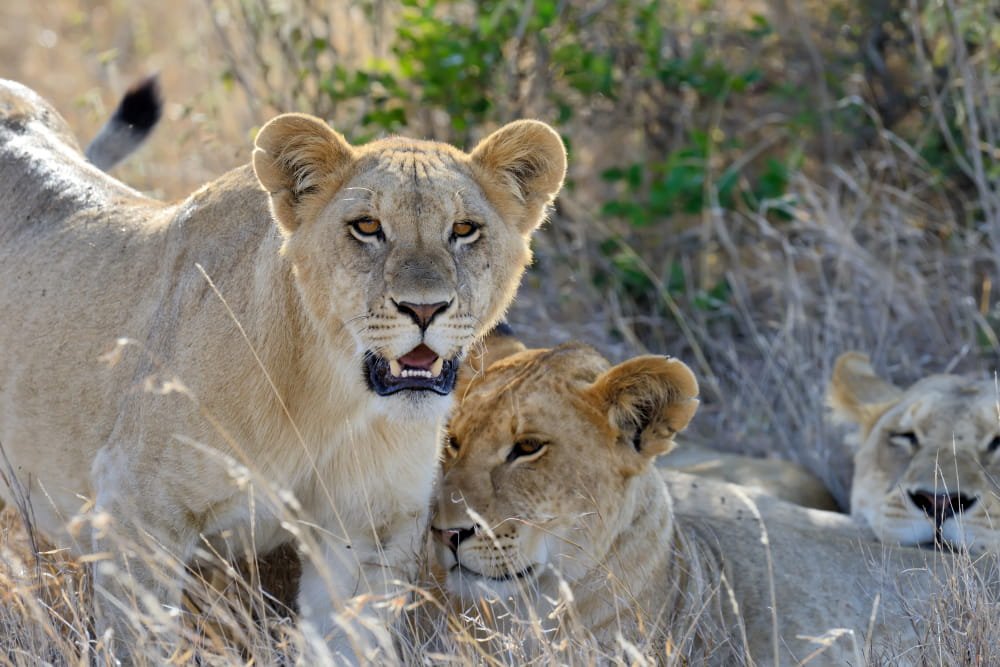
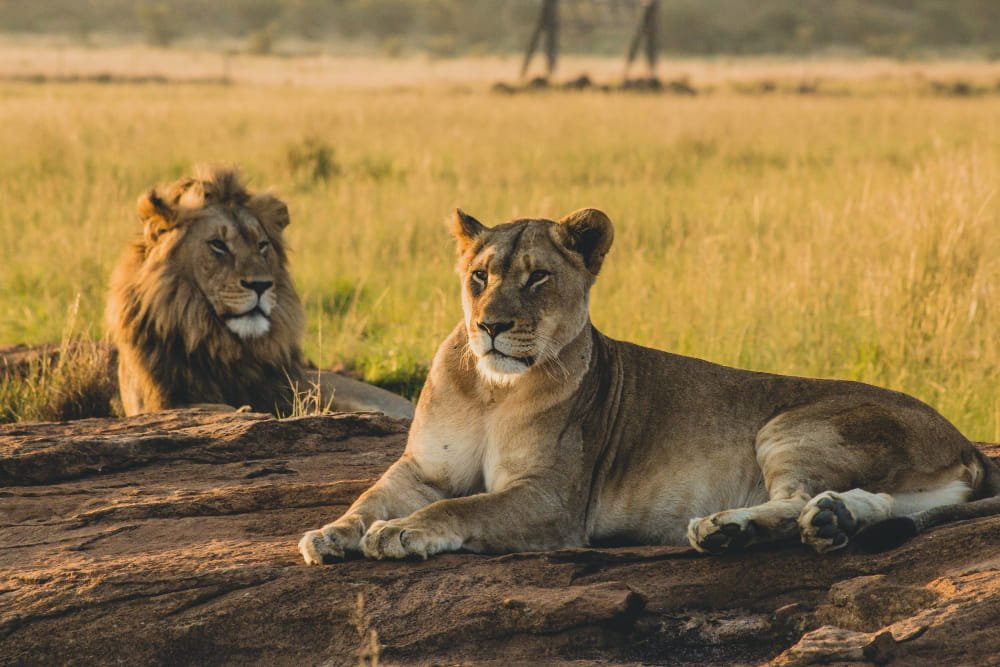
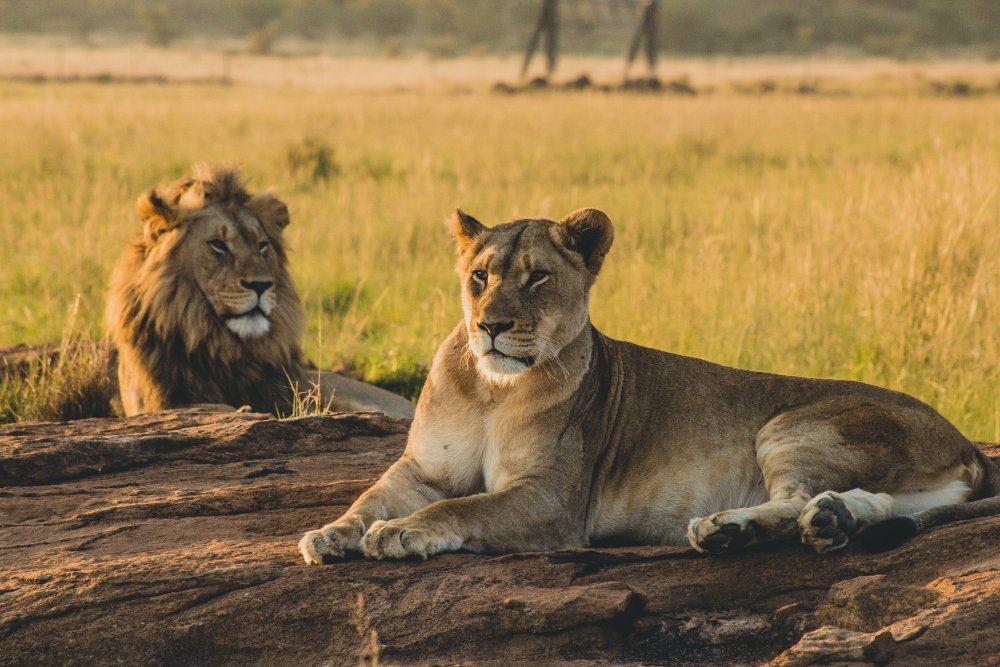
Did you know that the Masai Mara National Reserve is one of the best safari destinations not only in Kenya but on the planet known for its exceptional wildlife biodiversity, especially the Big Five, which include lions, leopards, bufallos, rhinos and elephants as well as other wild animals liked giraffes, zebras, cheetahs, hyenas, hippos, crocodiles, etc and even more than 500 bird species.
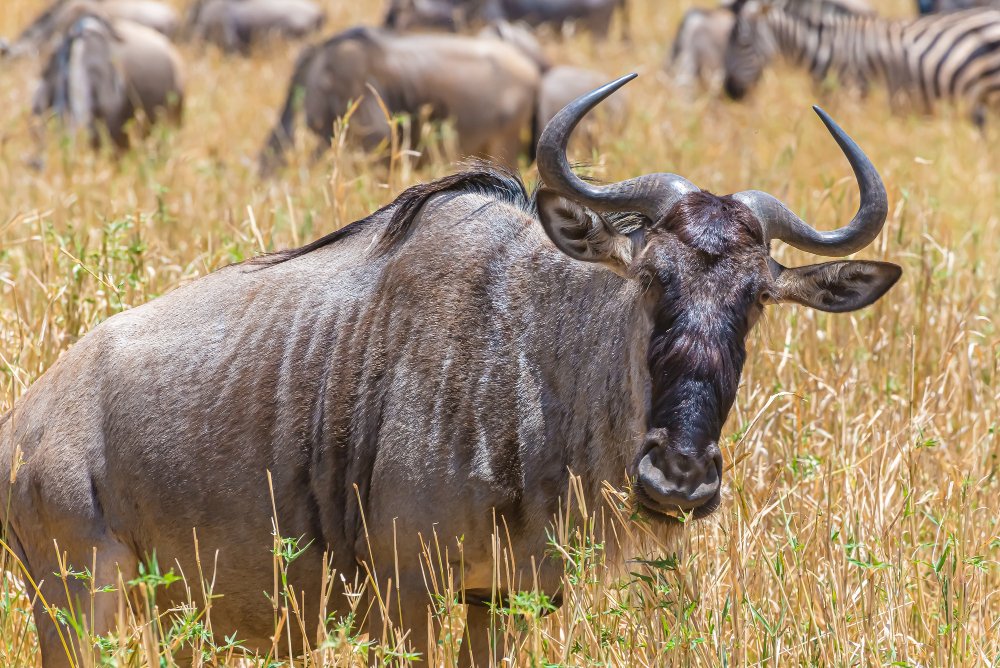
Moreover, one of the attractions that makes the Masai Mara stand out is the Great Migration, one of the seven natural wonders that happens annually between July and October, where thousands of wildebeests journey from the Serengeti National Park in Tanzania into the Mara in search of water and greener pastures.
In addition, beyond its incredible wildlife, the Masai Mara offers rich cultural heritage, especially the Masai culture, whose traditions, culture, hospitality, and respect for the Mara have made a great impact.
In this piece, I will take you through all you need to know about the Masai Mara National Reserve, preparing you before you set foot on the land.
Let’s dive in!
Reasons to Visit the Masai Mara
- A visit to the Masai Mara is more than just a safari. However, it is an opportunity to experience nature in its most authentic way, creating memories that will last a lifetime.
- Most travelers travel to the Mara to witness the Great Migration, where millions of wildebeests cross the Mara River from the Serengeti to the Mar, a but onla y few survive.
- There’s something special about the Mara in the early mornings when the sun rises and late evenings when the sun sets, an experience you should not miss.
- The Masai Mara welcomes every traveler who is seeking a different adventure in the wild. For first-timers, solo travelers, couples, families, and groups of friends.
- Masai Mara offers accommodations for every type of traveler. Depending on your budget and the kind of experience you want to have, you can spend your nights in some of the luxurious safari lodges and tented camps.
Where is the Masai Mara?
The Masai Mara National Reserve is located in Narok County in Southwestern Kenya, bordering Tanzania’s Serengeti National Park, forming what is called a Mara-Serengeti ecosystem, one of the largest wildlife conservation areas in Africa, covering about 1,510 square kilometers.
Moreover, the reserve is surrounded by several private conservancies such as Mara North, Olare Motorogi, Naboisho, Olderkesi, Olkinyei, and Lemek conservancies, offering you exclusive experiences.
How to Get to the Masai Mara National Reserve
Getting to the Masai Mara is part of the safari experience, whether you choose to go by road, enjoying Kenya’s countryside, or take a short flight to the Mara. Both options offer unique and incredible experiences.
● By Road
Traveling to the Mara by road is one of the best options to explore Kenya’s diverse landscapes and countryside with a 4*4 safari Land Cruiser, before you get to your final destination, which takes approximately 5 to 6 hours, depending on the traffic, weather conditions, and the entrance gate you will use.
However, for adventurous travelers, it is also an interesting way to self-drive, but before you set off, it is recommended that you check the road condition, weather conditions, and have your offline GPS ready to guide you to the Mara.
● By Flight
The flight option is considered to be the fastest way to get to the Masai Mara, especially if you are going on a luxurious safari.
Depending on your scheduled flight, it will depart from Wilson Airport in Nairobi to any of the many airstrips in the reserve, taking approximately 45 to 60 minutes as you enjoy spectacular aerial views before landing in the Mara.
Some of these airstrips include Keekorok, Musiara, Ol Kiombo, Kichwa Tembo, Mara North, Mara Serena, just to mention a few.
Masai Mara Safari Experiences
A visit to the Masai Mara is so much more than spotting wildlife. It is more than immersing yourself deeper in the Mara with the following experiences;
1. Hot Air Balloon
The hot air balloon experience is one of the most unforgettable ways to experience the Mara. Imagine yourself floating above the vast savanna as the sun rises over the horizon, as you enjoy the views of giraffes feeding on treetops, lions returning from a morning hun,t and wildebeests well distributed across the Mara.
2. Bush Meals
There’s something special about enjoying meals in the wild. Imagine that bush breakfast after your hot air balloon experience, a bush lunch or bush dinner as you take in the scenery and reflect on the day’s wildlife encounters.
3. Sundowners
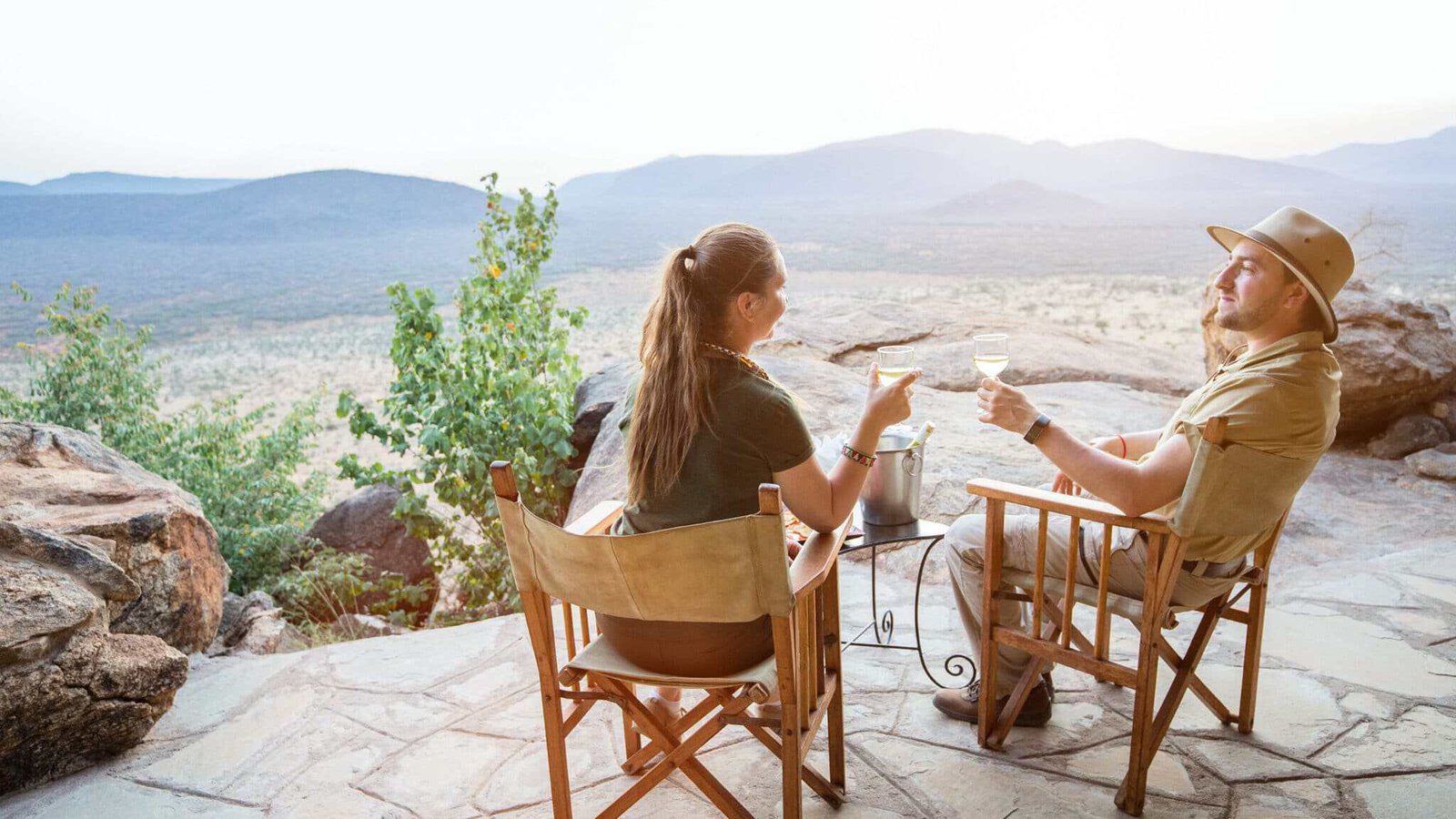
This is one of the most underrated experiences in the Mara, yet it is one of the most beautiful and magical experiences as you watch how the golden sun sets before you call it a day.
4. Walking Safaris
Most travelers, when they visit the Mara, either go for game drives using a 4*4 safari vehicle or a flying safari. Nothing prepares you for how a walking safari makes you see the wilderness from an entirely different perspective.
Note that in most cases, during these walking safaris, you will be accompanied by an experienced tour guide as they narrate stories about the wilderness.
5. Bonfire Experience
After a busy day of exploring the wilderness, there’s no better way to end your day than around a fireplace as you embrace a beautiful rhythm of the wilderness with storytelling sessions.
6. Cultural Visits
One thing about the Mara, you cannot leave without connecting with the people who make the Mara lively through their traditions, culture, and way of life.
Best Places to Stay in the Mara
If you are planning to visit the Mara, the best place you tend to stay depends on your budget and the kind of experience you are looking for;
Therefore, some of these places are;
- Angama Mara
- Governor’s Camp
- Sarova Mara Camp
- Fairmont Mara Safari Club
- Mara Sopa Lodge
- Kichwa Tembo Tented Camp
- Ashnil Mara Camp
- Base Camp Masai Mara
Best Time to Visit the Masai Mara National Reserve
The best time to visit the Masai Mara for the kind of safari experience you want. For instance, if you want to experience the Great Migration, July to October is the best time to visit; if you enjoy the rainy season, March to May would work perfectly; and if you want to enjoy a safari with your family when it is less crowded, June to August is the best time.
What to Carry for a Trip to the Masai Mara
- Light-weight safari outfits with safari colors like beige, brown, or jungle green.
- Closed shoes
- Insect repellent
- A small backpack to carry around
- Sunscreen
- A pair of cameras and binoculars
- Travel documents
- Swimsuits
Conclusion
In conclusion, planning a safari tour to the Masai Mara National Reserve is one of the best decisions you will ever make. Whether you visit during the peak season, the green season, or the low season, the Mara just has something special and unique to offer you that you will live to remember forever even after you leave.
- It is located in southwestern Kenya, along the border with Tanzania.
- The reserve covers about 1,510 square kilometers (583 square miles).
- It is named after the Maasai people, who have lived in the area for centuries, and the word “Mara,” which means “spotted” in the Maa language because of the scattered trees and shrubs across the plains.
- The reserve is one of Africa’s most famous wildlife conservation areas.
- It is well known for the Great Migration, when over a million wildebeests, along with hundreds of thousands of zebras and gazelles, move between the Mara and Serengeti National Park in search of fresh grazing.
- The best time to witness the migration is usually from July to October, especially during the dramatic river crossings.
- The reserve is home to the Big Five: lions, leopards, elephants, buffaloes, and rhinoceroses.
- Other wildlife includes cheetahs, giraffes, hyenas, crocodiles, hippos, jackals, antelopes, and many species of birds.
- More than 500 bird species have been recorded in the reserve.
- The Mara River flows through the reserve and is famous for its crocodiles and hippos, as well as the migration river crossings.
- The reserve attracts visitors from around the world for game drives, hot air balloon safaris, photography, and cultural visits to Maasai communities.
- Tourism in the Maasai Mara plays an important role in supporting conservation efforts and the local economy.