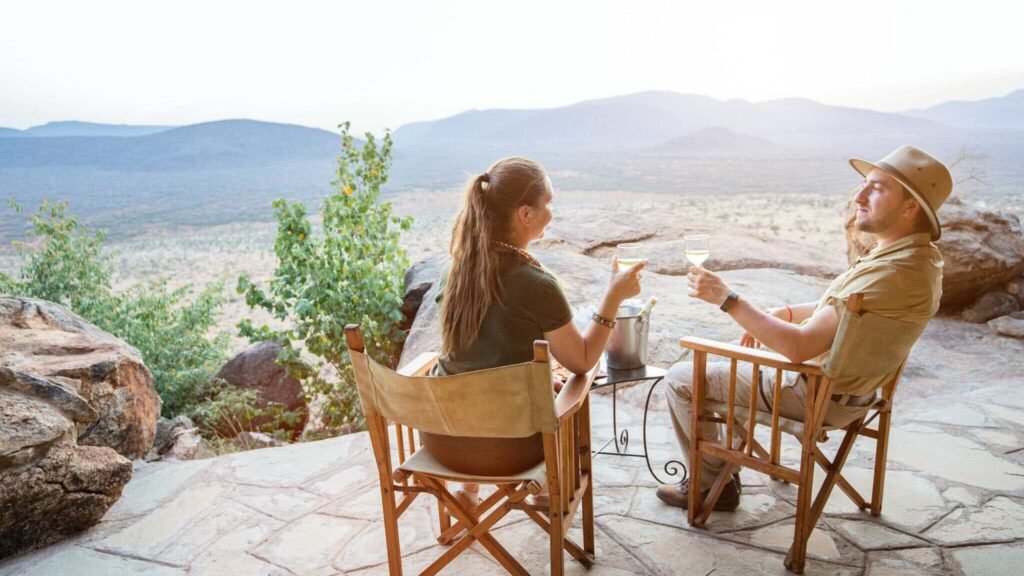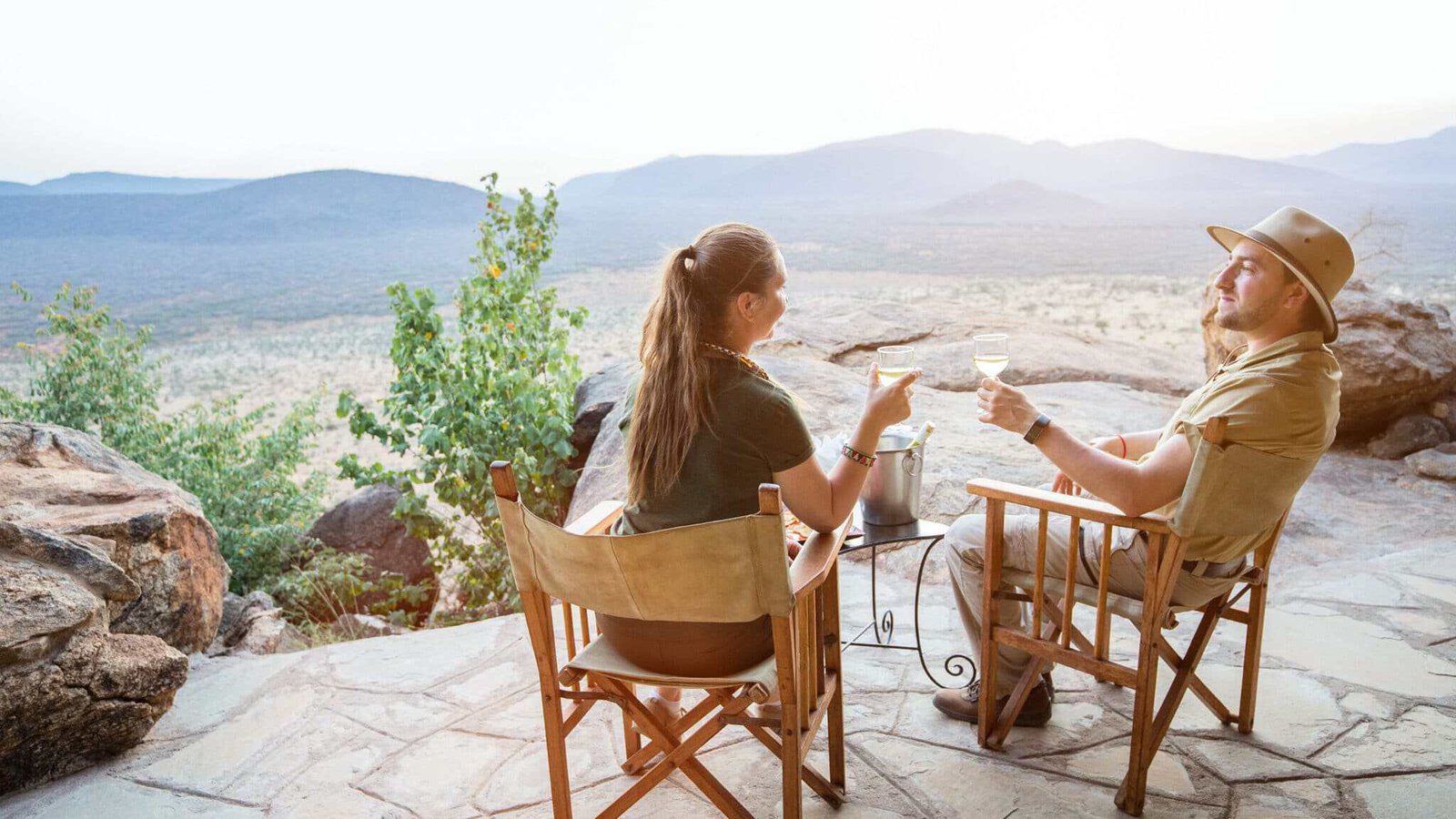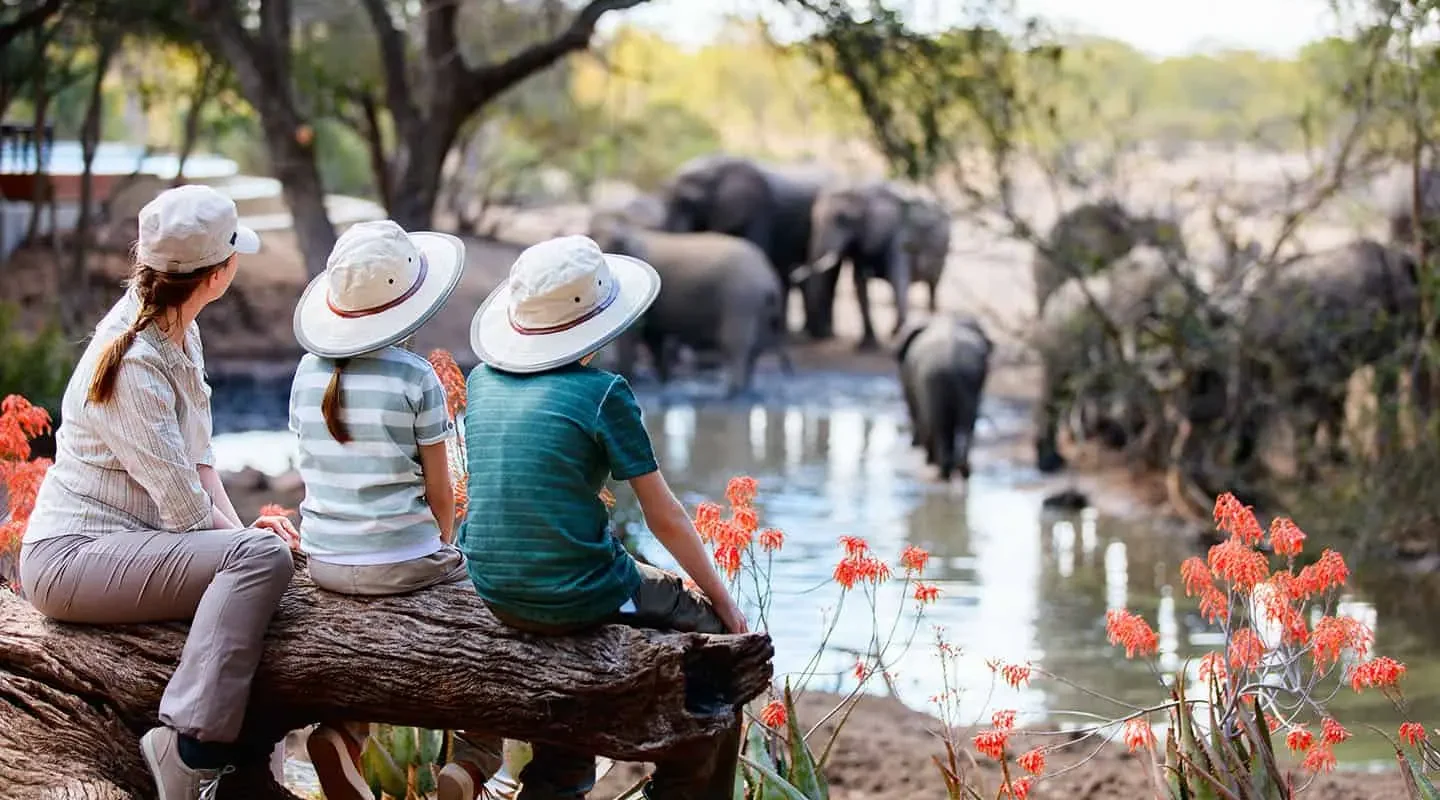

An African safari for family is one of the most rewarding ways to experience Africa together. Instead of simply visiting attractions, families can spend time in nature, watch wild animals in their natural habitats, learn about conservation, discover different cultures, and create memories that children and parents can remember for years. From watching elephants cross the road to seeing lions resting in the grasslands, a family safari can turn a holiday into a real outdoor learning experience.
Africa offers many safari destinations, but not every park, lodge, or safari itinerary is equally suitable for children. The best family safari considers the children’s ages, travel time, accommodation, meal arrangements, game-drive schedules, safety rules, and the physical demands of activities. Choosing the right destination and a well-planned itinerary can make the experience comfortable and enjoyable for everyone.
What Is an African Safari for Family?
An African safari for family is a wildlife-focused holiday designed around the needs of parents and children. Families typically travel in a safari vehicle with an experienced guide and explore protected areas where they can see wildlife in its natural environment.
A family safari can include game drives, nature walks, boat trips, cultural experiences, conservation visits, and educational activities. Depending on the destination and children’s ages, families can choose private safaris, small-group tours, luxury lodges, mid-range camps, or budget camping experiences.
The biggest advantage of a family safari is flexibility. A private safari can allow parents to adjust departure times, stop for breaks, spend longer watching interesting animals, and return to the lodge when younger children become tired.
Why Choose an African Safari for Family?
A family safari offers something that many conventional holidays cannot provide. Children can see elephants, giraffes, zebras, lions, hippos, and other wildlife outside a zoo environment while learning how animals interact with their habitats.
Safari guides often explain animal behavior in ways that children find fascinating. A simple sighting of an elephant can become a lesson about family groups, communication, water, vegetation, and conservation.
Families can also learn about local communities and the importance of protecting wildlife habitats. These experiences can help children develop a stronger understanding of nature and environmental responsibility.
For parents, a safari provides an opportunity to spend meaningful time together away from the distractions of everyday life.
Best African Countries for a Family Safari
Several African countries are excellent for family safaris, but Kenya and South Africa are among the most flexible choices for families.
Kenya offers iconic wildlife destinations such as the Masai Mara, Amboseli, Lake Nakuru, Samburu, Tsavo, and Ol Pejeta. Families can combine safari with a beach holiday on the Kenyan coast, making it possible to enjoy both wildlife and relaxation.
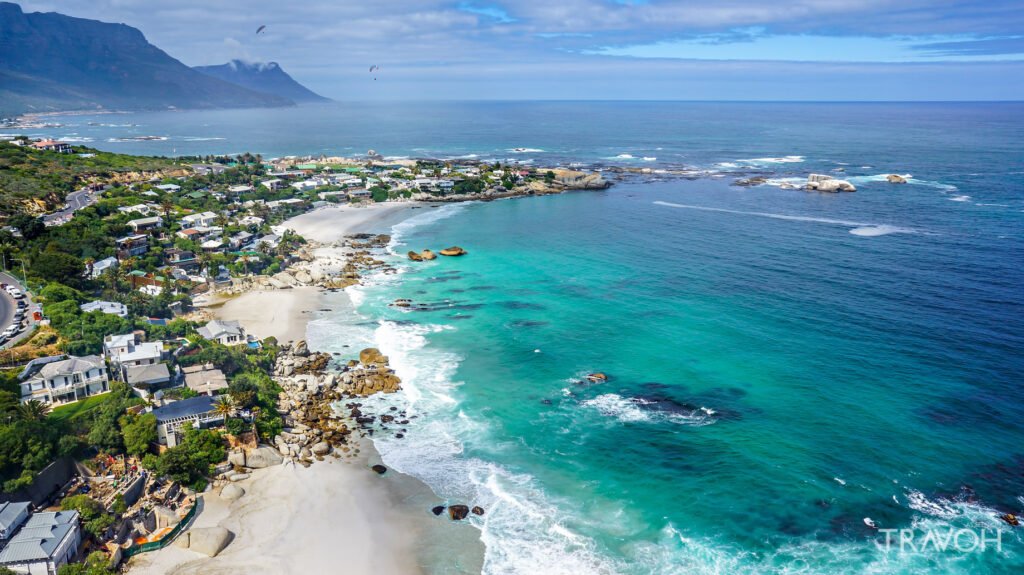
South Africa offers extensive tourism infrastructure, private game reserves, national parks, family-friendly lodges, and a wide range of activities. Families can combine a safari with Cape Town, the Garden Route, beaches, or other attractions.
Tanzania is another excellent choice for families who want to experience the Serengeti and Ngorongoro Crater. Botswana can provide exceptional wilderness experiences for older children and families seeking a more exclusive safari.
Uganda is particularly suitable for families interested in primates, forests, and traditional wildlife, although some activities have age restrictions.
African Safari for Family in Kenya
Kenya is one of the best destinations for a first family safari. The country offers a wide range of safari experiences and accommodation categories, making it easier to match an itinerary to your family budget.
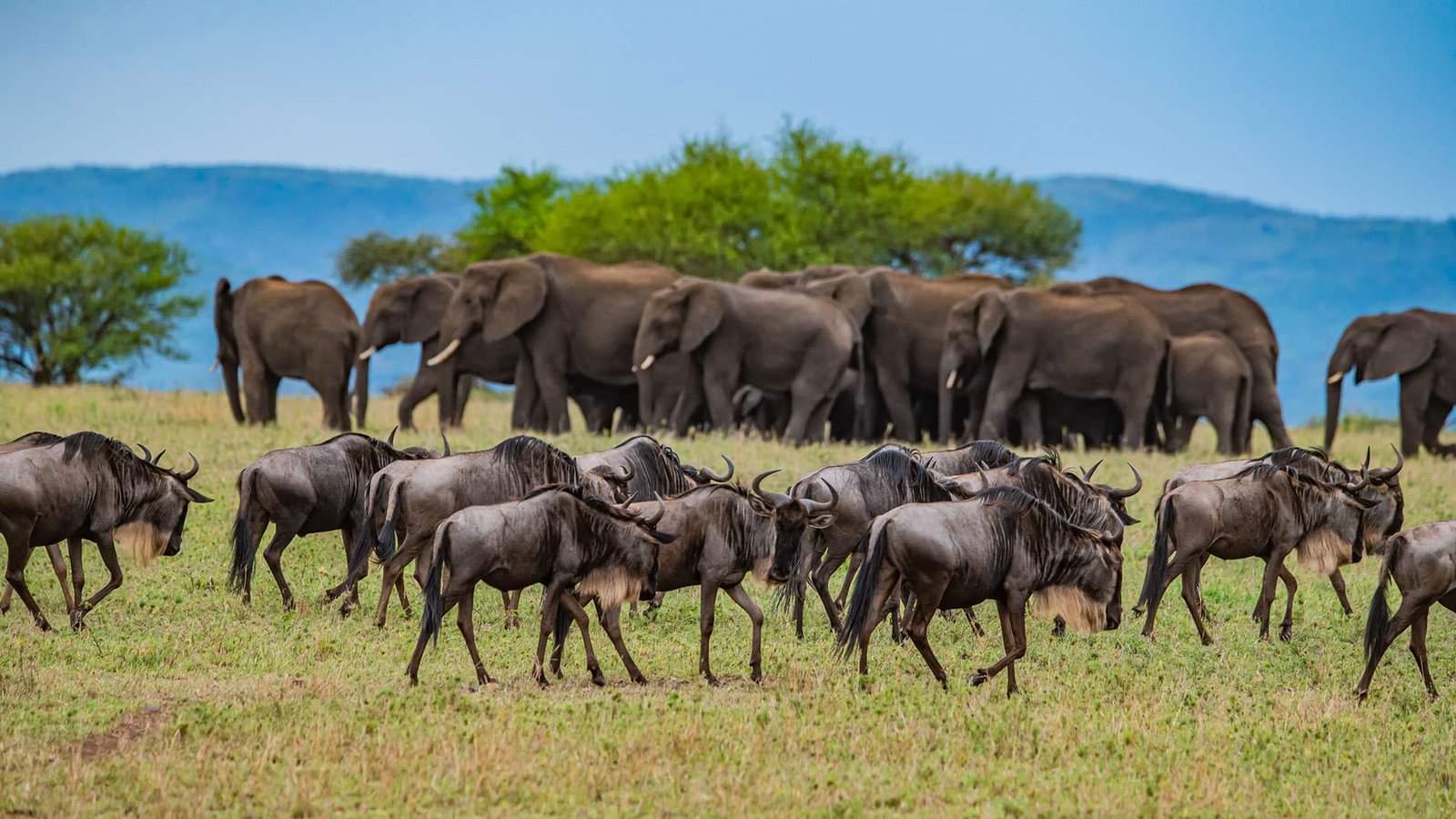
The Masai Mara is a major attraction because of its abundant wildlife and open grasslands. Families may encounter lions, elephants, cheetahs, leopards, buffalo, giraffes, zebras, wildebeest, and many other species.
Amboseli National Park is another excellent family destination. It is famous for its large elephant herds and spectacular views toward Mount Kilimanjaro. The relatively open landscape can also make wildlife easy to spot.
Families can add Lake Nakuru or Ol Pejeta to create a more varied itinerary. Ol Pejeta is particularly interesting for children because of its strong conservation focus.
African Safari for Family in Tanzania
Tanzania provides some of Africa’s most famous wildlife experiences. The Serengeti and Ngorongoro Crater are particularly impressive for families interested in large wildlife populations.
The Serengeti’s open plains provide opportunities to see lions, elephants, giraffes, zebras, wildebeest, gazelles, and other animals. Depending on the time of year, families may also encounter large concentrations of migrating wildebeest and zebra.
Ngorongoro Crater provides a dramatic setting for wildlife viewing. The concentration of animals within the crater can make it an exciting destination for children who want to see several species during a single game drive.
Families should consider travel distances when planning Tanzania itineraries. A well-designed route can reduce unnecessary driving and make the trip more comfortable.
African Safari for Family in South Africa
South Africa is particularly attractive for families because of its infrastructure and range of accommodation. Some private reserves offer children’s programs, family suites, babysitting services, and activities designed for younger travelers.
Kruger National Park and surrounding private reserves provide excellent wildlife opportunities. Families can choose between guided safaris and, in suitable areas, self-drive experiences.
South Africa also makes it easy to combine safari with other attractions. A family can spend several days on safari and then continue to Cape Town or the coast.
This variety can be particularly useful for families because children may enjoy having different activities rather than spending an entire vacation on game drives.
Best Age for a Family African Safari
There is no universal best age for a safari. Families with young children can enjoy wildlife experiences, but the itinerary should be adapted to their needs.
Children around school age often enjoy safari because they can understand basic wildlife information and remain engaged during game drives. Older children and teenagers can usually handle longer drives and more active experiences.
Some safari lodges have minimum age requirements for walking safaris, boat trips, or other activities. Gorilla trekking and certain wilderness experiences can also have specific age restrictions.
Parents should always confirm age requirements before booking activities.
African Safari for Family with Toddlers
Traveling with toddlers requires additional planning. Long drives can be challenging, so shorter transfers and strategically located accommodation are helpful.
Private safari vehicles are often preferable because parents have greater control over the day’s schedule. If a child becomes tired, hungry, or uncomfortable, the family can adjust the plan rather than following a fixed group schedule.
Parents should also choose accommodation with appropriate family rooms, reliable meals, and suitable facilities.
It is important to follow wildlife safety rules carefully. Children should never be allowed to wander away from adults around safari camps or wildlife areas.
African Safari for Family with Teenagers
Teenagers can enjoy a wider range of safari activities. In addition to game drives, families can consider photography, guided nature walks, conservation experiences, cultural visits, boat trips, and other age-appropriate adventures.
Teenagers may also appreciate having opportunities to take photographs and learn about wildlife tracking.
A private safari can be especially useful for families with teenagers because the itinerary can be adjusted around their interests. A knowledgeable guide can turn wildlife sightings into deeper discussions about animal behavior and conservation.
Private vs Group Family Safari
A private safari is often the most comfortable option for families because the itinerary can be customized around the group.
Parents can choose when to begin game drives, when to return for meals, how long to spend at wildlife sightings, and how much driving is appropriate for the children.
A group safari is usually less expensive and can work well for families with older children who are comfortable following a fixed schedule. Group travel can also provide an opportunity to meet other travelers.
The right choice depends on budget, children’s ages, and the family’s preferred level of flexibility.
How Long Should a Family Safari Be?
A family safari does not need to be extremely long. Four to seven safari days can provide a good introduction to wildlife without becoming exhausting.
A three-day safari may work well for families with limited vacation time, particularly if they are visiting a major wildlife destination close to their arrival city.
Five to seven days provides more time to explore different habitats and enjoy several game drives without rushing between destinations.
Longer safaris can be rewarding for older children and teenagers, particularly when combined with rest days or a beach extension.
Best Family Safari Itinerary in Kenya
A seven-day Kenya family safari can provide a good balance between wildlife and manageable travel.
A possible itinerary could begin in Nairobi before continuing to Amboseli National Park. After enjoying elephant viewing and views of Mount Kilimanjaro, the family could travel toward Lake Nakuru or another suitable wildlife destination before continuing to the Masai Mara.
Several nights in the Masai Mara allow enough time for multiple game drives without constantly changing accommodation.
Families can then return to Nairobi or continue to the Kenyan coast for a relaxing beach extension.
The exact route should be adapted to the children’s ages, travel dates, interests, and budget.
Best Family Safari Activities
Game drives are the main activity on most family safaris, but they are not the only option.
Depending on the destination and children’s ages, families may enjoy guided nature walks, boat trips, cultural visits, conservation experiences, birdwatching, photography, and educational activities.
In Kenya, conservation-focused experiences can be particularly valuable for older children. They provide an opportunity to learn about endangered species and the work involved in protecting wildlife.
Some safari camps also offer children’s programs where young travelers can learn about tracks, plants, insects, stars, and local wildlife.
Family Safari Safety
Safety should always be the first consideration when planning an African safari for family.
Wild animals are unpredictable, and children should never approach animals or leave vehicles without permission from a qualified guide. At unfenced camps, families must follow staff instructions about walking between accommodation areas.
Children should remain supervised at all times around water, wildlife, vehicles, and camp facilities.
Parents should also discuss basic safari rules with children before the trip. Simple instructions such as staying quiet near animals, remaining inside the vehicle, and listening to the guide can help keep everyone safe.
What Should Children Wear on Safari?
Children should have comfortable, lightweight clothing suitable for changing temperatures. Early morning game drives can be cool, while afternoons may become hot.
Neutral colors such as beige, brown, olive, and khaki are practical for safari. Comfortable walking shoes, a warm layer, a hat, sunglasses, and sun protection are also useful.
Parents should pack enough clothing for changing weather conditions. Depending on the destination and season, rain jackets may be necessary.
Comfort is more important than fashion. Children should be able to sit comfortably for several hours during game drives.
What Should Families Pack for an African Safari?
Families should pack lightweight clothing, comfortable shoes, hats, sunglasses, sunscreen, insect repellent, reusable water bottles, personal toiletries, and any required medications.
A small day bag is useful for carrying essentials during game drives. Binoculars can make wildlife viewing more enjoyable, especially for older children.
A camera or smartphone can also help children stay engaged by encouraging them to record interesting wildlife observations.
Parents traveling with younger children should bring familiar snacks and any essential child-care items that may not be readily available in remote safari areas.
Food on a Family Safari
Food is an important consideration when traveling with children. Many safari lodges provide meals designed for international travelers, but families should communicate dietary requirements and children’s preferences before arrival.
Parents of younger children may want to confirm whether the lodge can provide simple meals, snacks, or early dinners.
Some safari camps can prepare packed lunches for longer game drives, allowing families to spend more time in the wildlife area without returning to camp for every meal.
Families with allergies should communicate them clearly before travel and confirm how the accommodation will manage special dietary requirements.
Best Time for an African Safari for Family
The best time for a family safari depends on the destination. Dry seasons are often popular because rainfall is lower and wildlife can be easier to locate.
In Kenya and Tanzania, June through October is a popular period for game viewing. January and February can also provide excellent conditions in several East African wildlife areas.
Families who want lower prices may consider shoulder seasons, provided they are comfortable with possible rain.
When traveling with young children, weather and road conditions may be more important than seeing a particular seasonal event. Comfortable travel can make the entire experience more enjoyable.
How Much Does an African Safari for Family Cost?
Family safari prices vary according to destination, number of travelers, accommodation, travel season, vehicle type, park fees, and activities.
Budget family safaris may use shared vehicles, campsites, or simple lodges. Mid-range safaris provide comfortable accommodation and more flexibility, while luxury family safaris can include private vehicles, premium lodges, family suites, and personalized activities.
Private safaris can initially appear more expensive, but the cost is shared among family members and may provide better value because parents have greater control over the itinerary.
When comparing prices, families should check whether accommodation, meals, park fees, transportation, game drives, airport transfers, and activities are included.
How to Make a Family Safari More Affordable
Traveling outside peak season can help reduce accommodation costs. Families can also choose mid-range lodges instead of luxury properties and limit the number of destinations to reduce transportation expenses.
Booking a private vehicle for a family group may sometimes be more practical than booking multiple seats on different activities.
Another effective way to save money is to create a focused itinerary. Spending several nights in one excellent wildlife area can be more valuable than changing accommodation every night.
Parents should also compare complete safari quotations rather than choosing a package based only on the advertised starting price.
Family Safari and Beach Holiday
Combining safari with a beach holiday is one of the best ways to create a balanced family vacation.
In Kenya, families can enjoy a safari in the Masai Mara or Amboseli before traveling to Diani Beach, Mombasa, or Watamu for several days of relaxation.
Tanzania offers a similar combination with the Serengeti or Ngorongoro followed by a Zanzibar beach holiday.
A beach extension gives children time to relax after several days of early mornings and game drives while allowing parents to enjoy a slower pace.
How to Choose a Family-Friendly Safari Lodge
Families should look beyond the room when choosing accommodation. Ask about family rooms, children’s meals, swimming pools, babysitting, children’s activities, minimum ages, and the distance between rooms and common areas.
Location is also important. A lodge close to a wildlife area can reduce long daily transfers and allow families to spend more time enjoying the safari.
Parents should also check whether the property is fenced. At unfenced camps, children require closer supervision because wildlife may move through the area.
Why a Family Safari Is an Educational Experience
A family safari can teach children lessons that are difficult to replicate in a classroom. They can learn how ecosystems work, how predators and prey interact, why elephants need large habitats, and how conservation protects endangered species.
Children can also learn about local cultures and the importance of communities living alongside wildlife.
Encouraging children to keep a safari journal can make the experience even more educational. They can record animals they see, draw pictures, note interesting facts, and write about their favorite moments.
Final Thoughts on an African Safari for Family
An African safari for family can be an unforgettable experience when the itinerary is designed around the needs of both children and adults. Kenya, Tanzania, South Africa, Botswana, Uganda, and Rwanda all offer different family safari opportunities, but the best destination depends on your children’s ages, interests, travel dates, and budget.
Kenya is an especially strong choice for families because it combines excellent wildlife, varied parks, flexible safari packages, experienced guides, and the option to add a beach holiday. South Africa is another excellent choice because of its infrastructure and family-friendly private reserves.
The most important part of planning is not simply choosing the most famous park. Choose suitable accommodation, keep travel times reasonable, use experienced guides, understand wildlife safety rules, and allow children time to rest between activities.
With thoughtful planning, a family safari can be much more than a holiday. It can give children their first close connection with wild nature, introduce them to conservation, and create shared family memories that remain meaningful long after the safari has ended.