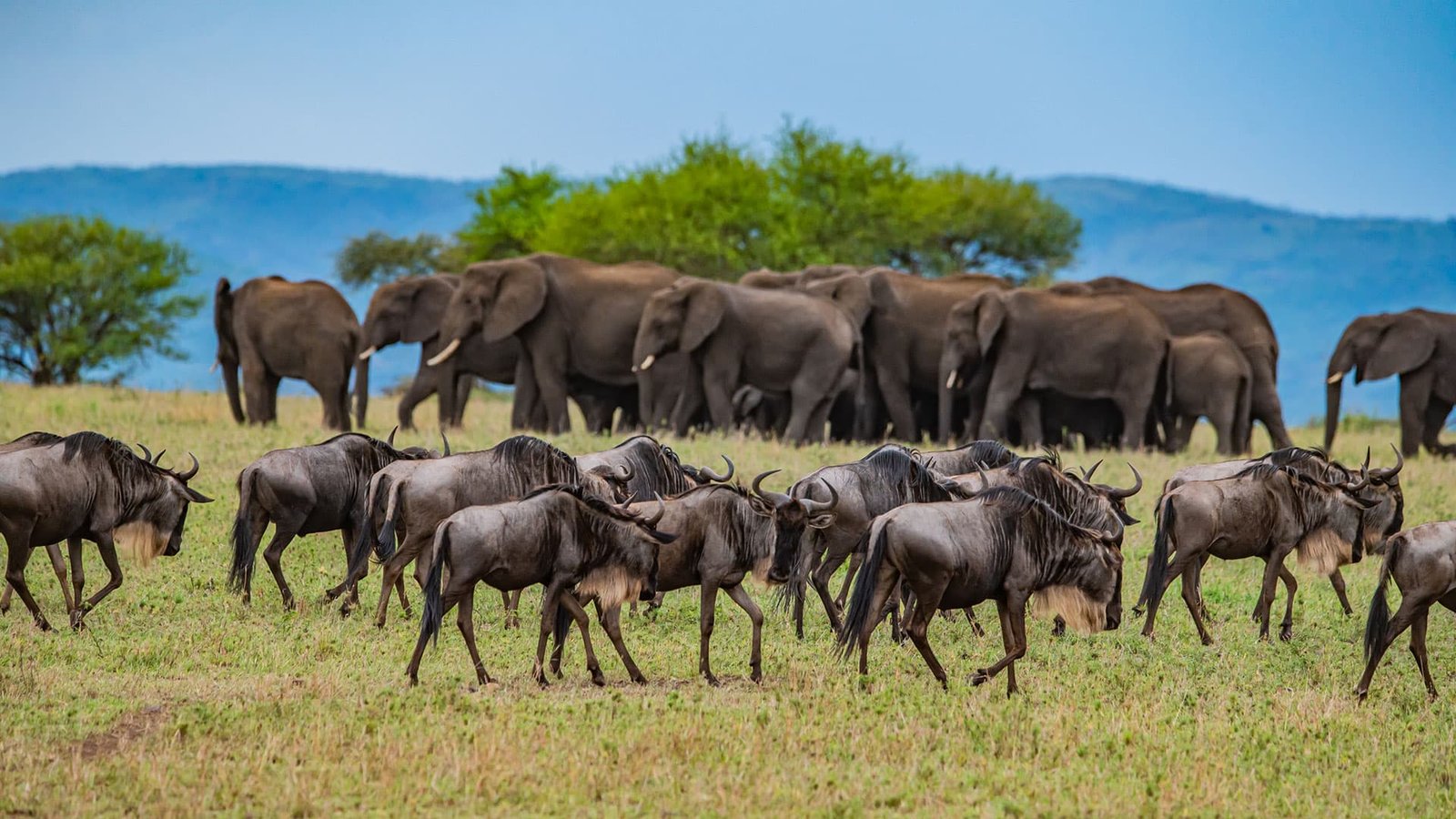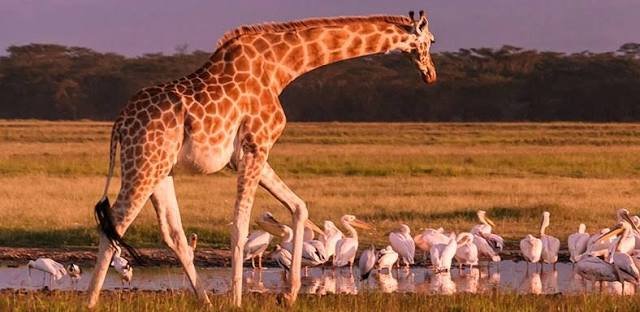

Kenya is one of Africa’s most exciting safari destinations for Japanese travellers seeking unforgettable wildlife encounters, breathtaking landscapes, and authentic African adventures. From the vast savannahs of the Maasai Mara National Reserve to the magnificent elephants of Amboseli National Park and the beautiful white sandy beaches of the Indian Ocean, Kenya Safari Tours from Japan offer a once-in-a-lifetime opportunity to experience the natural beauty of East Africa.
For travellers planning an African safari holiday from Japan, Kenya provides an extraordinary opportunity to observe lions, elephants, giraffes, zebras, cheetahs, and other wildlife in their natural habitats. These experiences are particularly attractive to Japanese visitors who enjoy nature, wildlife photography, outdoor adventures, and cultural exploration.
Japanese travellers departing from Tokyo, Osaka, Nagoya, Fukuoka, and other cities can reach Kenya through international connecting flights. Nairobi, Kenya’s capital city, serves as the main gateway to the country’s leading national parks and wildlife reserves.
At Ravina Tours and Travels, we organise personalised Kenya safari holidays for international visitors, including travellers from Japan. Our safari packages can be customised according to your travel dates, accommodation preferences, wildlife interests, and budget. Whether you are planning your first African safari, a luxury wildlife holiday, a family adventure, or a romantic honeymoon, Kenya offers unforgettable experiences for every type of traveller.
Why Choose Kenya Safari Tours from Japan?
Kenya is one of the best destinations in Africa for Japanese travellers interested in wildlife, nature, and authentic safari experiences. One of the country’s greatest attractions is the opportunity to observe wild animals in their natural habitats rather than in zoos or wildlife parks.
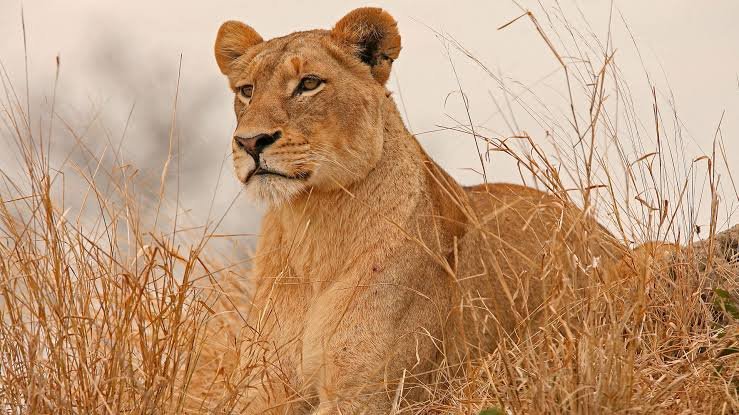
During a Kenya safari holiday, visitors can travel through vast protected wildlife areas in specially designed safari vehicles accompanied by experienced professional guides. These game drives provide opportunities to observe animals behaving naturally, including lions resting beneath acacia trees, elephants moving across open grasslands, giraffes feeding on tall trees, and cheetahs searching for prey.
Another reason to choose Kenya Safari Tours from Japan is the diversity of destinations available within one country. Travellers can explore the famous Maasai Mara National Reserve, photograph elephants beneath Mount Kilimanjaro in Amboseli, encounter rhinoceroses at Lake Nakuru, and discover unique wildlife species in Samburu National Reserve.
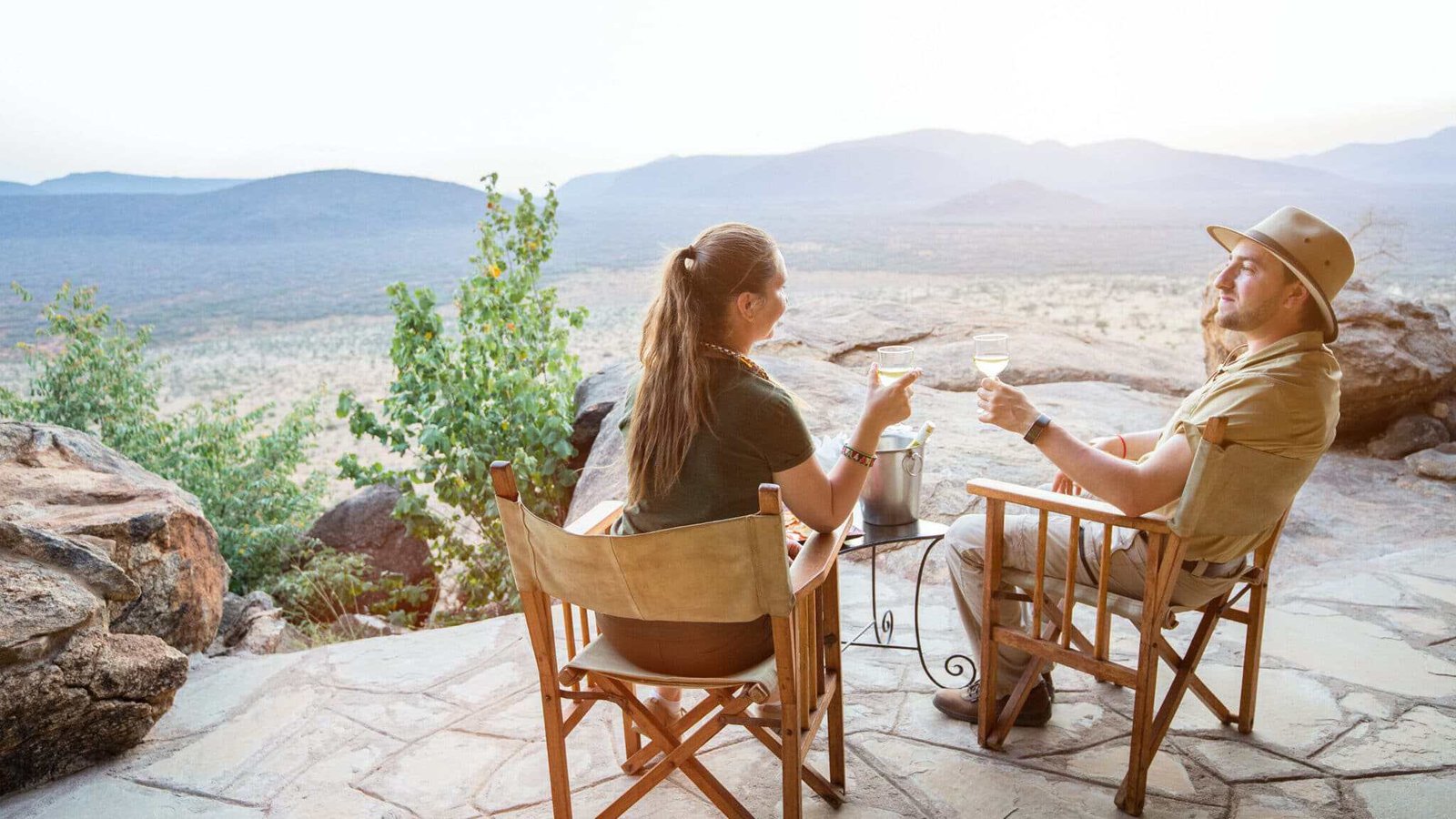
Kenya also offers opportunities to experience Maasai culture, stay in comfortable safari lodges surrounded by nature, and enjoy relaxing beach holidays along the Indian Ocean coastline.
For Japanese honeymooners, couples, families, and photography enthusiasts, combining wildlife safaris with beach relaxation provides an excellent balance of adventure and comfort.
Maasai Mara National Reserve – Kenya’s Most Famous Safari Destination
The Maasai Mara National Reserve is one of Kenya’s most celebrated wildlife destinations and an essential stop for Japanese travellers planning an African safari holiday.
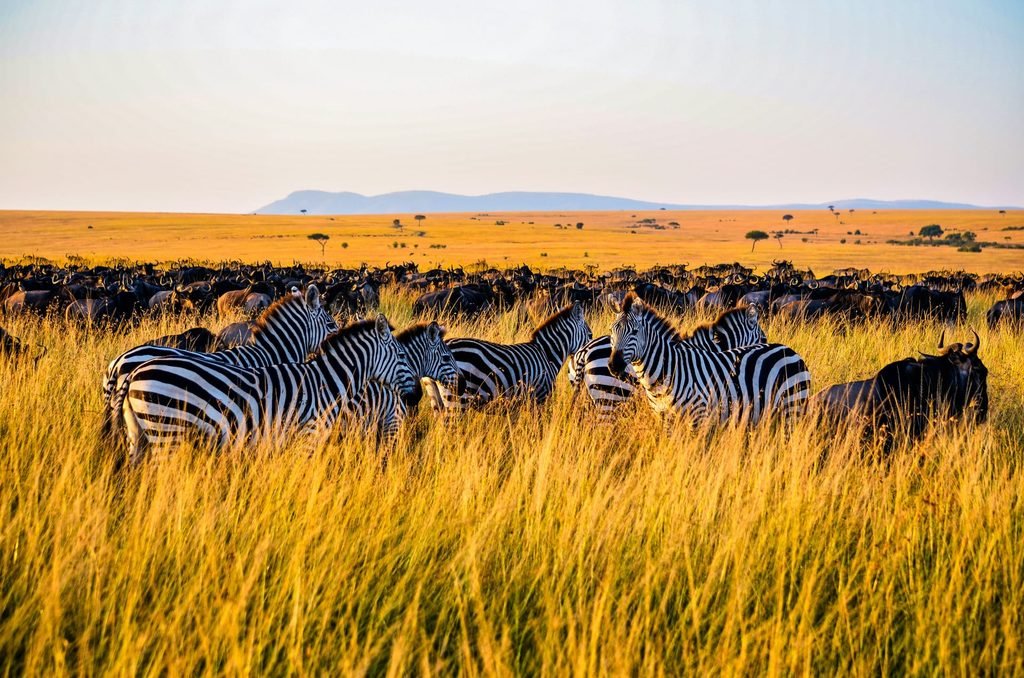
Located in southwestern Kenya, the Maasai Mara is famous for its expansive grasslands, remarkable wildlife diversity, and outstanding predator-viewing opportunities. Visitors may encounter lions, cheetahs, leopards, elephants, buffaloes, giraffes, zebras, wildebeest, and numerous antelope species.
The reserve is particularly attractive for wildlife photography because its open landscapes provide opportunities to observe animals against the beautiful backdrop of the African savannah.
One of the Maasai Mara’s greatest attractions is the Great Wildebeest Migration. Between approximately July and October, large herds of wildebeest and zebras may move from Tanzania’s Serengeti ecosystem into Kenya’s Maasai Mara, depending on rainfall and grazing conditions.
During this period, visitors may have opportunities to witness dramatic wildlife movements and the famous Mara River crossings. These crossings are among Africa’s most remarkable natural spectacles, although their timing cannot be guaranteed.
For Japanese travellers planning a Maasai Mara safari, a minimum stay of two to three nights is recommended. However, spending three or four nights provides more opportunities for wildlife observation, photography, and exploring different areas of the reserve.
Amboseli National Park – Elephants and Mount Kilimanjaro
Amboseli National Park is one of Kenya’s most beautiful wildlife destinations and a popular choice for Japanese travellers interested in wildlife photography and spectacular African landscapes.
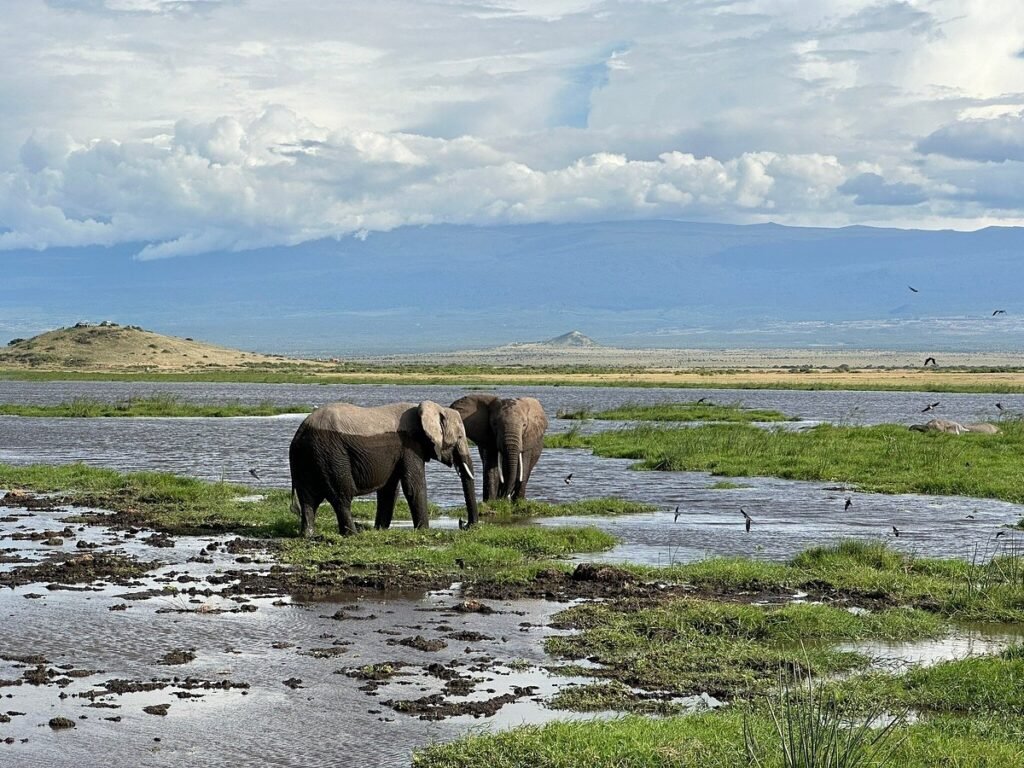
Located in southern Kenya near the Tanzanian border, Amboseli is internationally recognised for its large elephant herds and breathtaking views of Mount Kilimanjaro, Africa’s highest mountain.
The park features expansive grasslands, seasonal wetlands, and open plains supporting diverse wildlife populations. Visitors may encounter elephants, giraffes, zebras, buffaloes, wildebeest, hippos, and numerous bird species.
One of the most memorable experiences in Amboseli is photographing elephants walking across the savannah with Mount Kilimanjaro rising in the background. Although mountain visibility depends on weather conditions, early mornings often provide particularly attractive photography opportunities.
Amboseli is accessible from Nairobi by road and can be combined with the Maasai Mara, Lake Nakuru, and other wildlife destinations in a Kenya safari itinerary.
For Japanese travellers seeking beautiful landscapes and rewarding wildlife encounters, Amboseli National Park is an excellent addition to a Kenya safari holiday.
Lake Nakuru National Park – Rhinoceros Safari and Birdwatching
Lake Nakuru National Park is an outstanding destination for Japanese visitors interested in rhinoceros conservation, birdwatching, and diverse wildlife habitats.
Located in Kenya’s Great Rift Valley, the park is particularly famous for its populations of black and white rhinoceroses. It also provides opportunities to observe buffaloes, giraffes, zebras, waterbucks, and numerous bird species.
Lake Nakuru is internationally recognised for its association with flamingos, although their numbers vary depending on water levels, food availability, and seasonal conditions.
The park’s combination of woodland, grassland, and lakeshore habitats creates rewarding opportunities for wildlife viewing and photography.
For travellers combining the Maasai Mara and Amboseli within one safari itinerary, Lake Nakuru provides an excellent additional destination, increasing the variety of wildlife and landscapes experienced during the holiday.
How to Travel from Japan to Kenya
Japanese travellers visiting Kenya generally use international connecting flights. Major departure airports include Tokyo Narita International Airport, Tokyo Haneda Airport, Kansai International Airport in Osaka, Chubu Centrair International Airport near Nagoya, and Fukuoka Airport.
Depending on the airline and travel date, visitors may travel through major international aviation hubs such as Doha, Dubai, or Addis Ababa before continuing to Nairobi.
Jomo Kenyatta International Airport in Nairobi is the main arrival point for most Kenya safari holidays. Total travel time from Japan to Kenya commonly ranges from approximately 18 to 25 hours or longer, depending on the departure city, flight connections, and transit arrangements.
After arriving in Nairobi, travellers can meet their safari representative and transfer to their hotel before beginning their wildlife adventure.
Because international flights from Japan involve long travel times, spending the first night in Nairobi is recommended. This allows visitors to rest before travelling to Kenya’s national parks.
The Maasai Mara is approximately five to seven hours from Nairobi by road, depending on traffic, road conditions, and the location of the safari accommodation.
Japanese travellers who prefer shorter travel times can also consider fly-in safaris using domestic light aircraft to reach selected wildlife destinations.
Best Time to Visit Kenya for a Safari Holiday from Japan
Kenya is a year-round safari destination, offering different wildlife experiences depending on the season.
| Travel Period | Safari Experience | Recommended For |
|---|---|---|
| January–March | Relatively dry weather and rewarding wildlife viewing | Winter holidays and photography |
| April–May | Green landscapes and fewer visitors | Golden Week and nature photography |
| June | Improving dry-season wildlife conditions | First-time safari travellers |
| July–October | Great Migration season in the Maasai Mara | Summer holidays and migration safaris |
| November–December | Green landscapes and diverse birdlife | Year-end holidays and wildlife tours |
For Japanese travellers planning a Kenya safari during the summer holidays, August is particularly attractive because it falls within the usual Great Wildebeest Migration season.
This period also overlaps with Japan’s Obon holiday season, making it suitable for families, couples, and travellers taking extended summer vacations.
However, the Maasai Mara can be busy during peak migration months, and popular safari lodges often experience high demand. Booking accommodation and safari arrangements well in advance is recommended.
Travellers visiting during Golden Week should be aware that April and May generally coincide with Kenya’s long rainy season. Although the landscapes can be beautifully green, rainfall may affect road conditions and some safari activities.
Recommended 8-Day Kenya Safari Tour from Japan
For Japanese travellers visiting Kenya for the first time, an eight-day safari combining Nairobi, the Maasai Mara, Lake Nakuru, and Amboseli offers an excellent introduction to the country’s wildlife and natural beauty.
The following itinerary covers eight days in Kenya. International travel days between Japan and Kenya should be added separately.
| Day | Destination | Main Experience |
|---|---|---|
| Day 1 | Nairobi | Arrival and hotel transfer |
| Day 2 | Maasai Mara | Scenic journey and afternoon game drive |
| Day 3 | Maasai Mara | Full-day wildlife safari |
| Day 4 | Maasai Mara | Great Migration and Big Five safari |
| Day 5 | Lake Nakuru | Rhinoceros and birdwatching safari |
| Day 6 | Amboseli | Scenic journey and lodge accommodation |
| Day 7 | Amboseli | Elephants and Mount Kilimanjaro |
| Day 8 | Nairobi | Return journey and departure |
Day 1: Arrival in Nairobi from Japan
Your Kenya Safari Tours from Japan begin with your arrival at Jomo Kenyatta International Airport in Nairobi. Upon arrival, a professional safari representative will welcome you and arrange a comfortable transfer to your selected hotel.
After your long international journey, spend the remainder of the day relaxing and preparing for the wildlife adventure ahead.
Day 2: Nairobi to Maasai Mara National Reserve
After breakfast, depart Nairobi and travel towards the world-famous Maasai Mara National Reserve. The journey takes you through the beautiful Great Rift Valley, offering spectacular views of Kenya’s countryside and natural landscapes.
Upon arrival, check in at your safari lodge or tented camp before enjoying your first exciting afternoon game drive, subject to arrival time.
Your safari guide will help you search for lions, giraffes, zebras, elephants, and other wildlife roaming the open plains.
Day 3: Full-Day Maasai Mara Wildlife Safari
Spend the entire day exploring the Maasai Mara National Reserve in search of Africa’s remarkable wildlife.
Your experienced safari driver-guide will take you through different sections of the reserve, where you may encounter lions, cheetahs, elephants, buffaloes, giraffes, and numerous antelope species.
This is an excellent opportunity for Japanese wildlife enthusiasts and photographers to capture memorable images of animals in their natural habitats.
Day 4: Maasai Mara Great Migration Safari
Spend another day exploring the Maasai Mara, focusing on seasonal wildlife movements and opportunities to observe the Big Five.
Between approximately July and October, migrating wildebeest and zebras may be present in the reserve. Your guide will plan the day’s game drives according to wildlife movements, weather conditions, and park regulations.
Although migration river crossings cannot be guaranteed, the Maasai Mara provides rewarding wildlife experiences throughout the year.
Day 5: Maasai Mara to Lake Nakuru National Park
After breakfast, depart the Maasai Mara and travel towards Lake Nakuru National Park.
Upon arrival, enjoy a game drive in search of black and white rhinoceroses, buffaloes, giraffes, zebras, and diverse birdlife.
The park’s beautiful landscapes and varied wildlife habitats provide excellent opportunities for nature photography.
Day 6: Lake Nakuru to Amboseli National Park
After an early breakfast, depart Lake Nakuru and begin your journey towards Amboseli National Park.
This is a relatively long driving day, but it provides an opportunity to experience Kenya’s changing landscapes, rural communities, and beautiful scenery.
Arrive at your safari lodge in the late afternoon or evening, depending on road and traffic conditions.
Day 7: Amboseli National Park – Elephants and Mount Kilimanjaro
Enjoy an exciting day exploring Amboseli National Park, one of Kenya’s most beautiful wildlife destinations.
The park is famous for its large elephant herds and spectacular views of Mount Kilimanjaro.
During your game drives, you may encounter elephants, giraffes, buffaloes, zebras, wildebeest, hippos, and numerous bird species.
Weather permitting, enjoy unforgettable views of elephants walking across the African savannah with Mount Kilimanjaro in the background.
Day 8: Amboseli to Nairobi – Departure
After breakfast, depart Amboseli and return to Nairobi.
Depending on your international flight schedule, you will be transferred to Jomo Kenyatta International Airport for your onward journey.
Because most flights from Kenya to Japan involve international connections, your arrival date in Japan will depend on the selected airline and flight schedule.
Kenya Safari and Beach Holidays from Japan
Japanese travellers planning an extended African holiday can combine wildlife safaris with relaxing beach experiences along Kenya’s beautiful Indian Ocean coastline.
Popular coastal destinations include Diani Beach, Watamu, Malindi, and Mombasa. These destinations offer white sandy beaches, turquoise waters, comfortable beachfront resorts, and opportunities for swimming, snorkelling, and marine excursions.
For example, travellers can spend three nights in the Maasai Mara, two nights in Amboseli, and three or four nights at Diani Beach.
This combination provides an excellent balance between exciting wildlife adventures and peaceful tropical relaxation.
Kenya safari and beach packages are particularly attractive for Japanese honeymooners, couples celebrating anniversaries, and families seeking a varied African holiday.
How Much Does a Kenya Safari Holiday from Japan Cost?
The cost of Kenya Safari Tours from Japan depends on several factors, including the travel season, safari duration, accommodation category, number of travellers, transportation arrangements, and applicable national park entrance fees.
The following estimates provide a general indication of safari package prices. Prices are per person, based on two adults sharing accommodation, and exclude international flights from Japan.
| Safari Package | Estimated Price Per Person |
|---|---|
| 4-Day Maasai Mara Safari | US$700–US$1,300 |
| 5-Day Kenya Wildlife Safari | US$1,100–US$1,900 |
| 7-Day Mid-Range Kenya Safari | US$1,800–US$3,000 |
| 7-Day Luxury Kenya Safari | US$3,500–US$6,500+ |
| 10-Day Kenya Safari and Beach Holiday | US$2,500–US$5,000+ |
These are indicative planning estimates rather than confirmed quotations. Exact prices depend on travel dates, accommodation availability, park fees, and package inclusions.
International flights from Japan, travel insurance, Kenya eTA fees, and personal expenses are generally excluded.
What to Pack for a Kenya Safari Holiday from Japan
Comfortable clothing is recommended for Kenya safari holidays. Although daytime temperatures can be warm, early mornings and evenings may be cool, particularly in higher-altitude destinations such as Nairobi and the Maasai Mara.
Lightweight jackets, fleece clothing, and comfortable walking shoes are useful for early morning game drives.
Neutral-coloured clothing, including beige, khaki, and brown, is generally suitable for safari activities.
Other useful items include binoculars, cameras, sunscreen, hats, sunglasses, insect repellent, and personal medication.
Japanese travellers interested in wildlife photography may benefit from carrying cameras with telephoto lenses, allowing them to photograph animals from a distance without disturbing them.
Kenya commonly uses Type G electrical sockets, and the standard voltage differs from Japan. Travellers should carry suitable plug adapters and confirm that their electronic devices support the local voltage.
Kenya Entry Requirements for Japanese Travellers
Japanese passport holders travelling to Kenya for tourism generally require an approved Electronic Travel Authorisation before departure.
The application process normally requires a valid passport, personal information, travel details, accommodation information, and supporting documents.
Kenya’s official guidance generally requires passports to remain valid for at least six months from the intended arrival date and have at least one blank page.
Travellers should apply well in advance of their planned departure and verify current entry requirements before travelling.
Japanese visitors should also review recommended vaccinations, malaria prevention measures, and suitable international travel insurance.
Frequently Asked Questions About Kenya Safari Tours from Japan
What Is the Best Time to Visit Kenya from Japan?
July to October is particularly popular for travellers interested in the Great Wildebeest Migration in the Maasai Mara. January to March also offers rewarding wildlife viewing conditions, while other months provide different seasonal experiences.
How Long Does It Take to Travel from Japan to Kenya?
Travelling from Japan to Nairobi generally takes approximately 18 to 25 hours or longer, including international flight connections. The total journey time depends on the departure airport, airline, and transit arrangements.
How Many Days Are Recommended for a Kenya Safari from Japan?
A safari lasting three or four days can provide an introduction to the Maasai Mara. However, seven to ten days is recommended for travellers interested in exploring several national parks. Visitors combining wildlife safaris with beach holidays should consider approximately ten to fourteen days in Kenya.
Is Kenya Suitable for First-Time African Safari Travellers?
Yes. Kenya has an established safari tourism industry, experienced guides, comfortable accommodation, and a wide selection of wildlife destinations. Private safari packages can be particularly convenient for first-time visitors.
Are Japanese-Speaking Safari Guides Available in Kenya?
Japanese-speaking safari guides may be available through selected tour operators, but availability can be limited. Travellers should confirm language arrangements before booking. Japanese-speaking guide services through Ravina Tours and Travels are subject to confirmation.
Can I See Lions and Elephants During a Kenya Safari?
Yes. The Maasai Mara provides excellent opportunities to encounter lions, while Amboseli is famous for its large elephant herds. However, wildlife sightings are natural events and cannot be guaranteed.
Are Kenya Safari Tours Suitable for Japanese Families?
Yes. Kenya offers family-friendly safari accommodation, private wildlife tours, and educational experiences that allow children to learn about African animals, ecosystems, and conservation.
Can I Combine a Kenya Safari with a Beach Holiday?
Yes. Travellers can combine wildlife safaris in the Maasai Mara, Amboseli, or other national parks with beach holidays in Diani, Watamu, Malindi, or Mombasa.
Book Your Kenya Safari Tours from Japan with Ravina Tours and Travels
Are you planning an unforgettable African safari holiday from Japan? Discover Kenya’s remarkable wildlife, breathtaking landscapes, and beautiful natural attractions with a personalised safari experience.
At Ravina Tours and Travels, we organise Kenya safari packages featuring the Maasai Mara National Reserve, Amboseli National Park, Lake Nakuru National Park, Samburu National Reserve, and other leading wildlife destinations.
Whether you are planning your first African adventure, a family holiday, a romantic honeymoon, a wildlife photography safari, or a luxury safari experience, our team can help create a customised itinerary based on your travel preferences, dates, and budget.
Japanese travellers departing from Tokyo, Osaka, Nagoya, Fukuoka, and other cities can enjoy professionally organised Kenya safari experiences with carefully selected accommodation, safari transportation, and experienced driver-guides.
Contact Ravina Tours and Travels today to request a personalised Kenya safari quotation and start planning your dream African safari holiday from Japan.