
What if your next safari wasn't just about spotting wildlife from a safari vehicle, but walking alongside one of Africa's most iconic animals in the wild on foot? Welcome to Ziwa Rhino Sanctuary, Uganda's only destination where wild rhinos roam freely, offering a unique experience of tracking southern white rhinos…
1 result
Rhino Trekking at Ziwa Rhino Sanctuary
What if your next safari wasn’t just about spotting wildlife from a safari vehicle, but walking alongside one of Africa’s most iconic animals in the wild on foot?
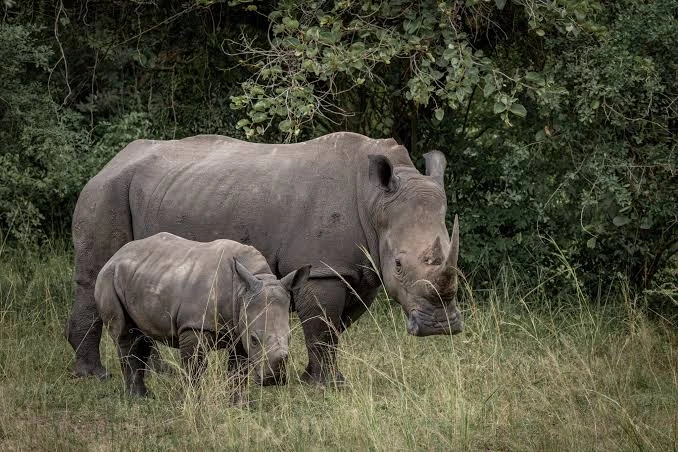
Welcome to Ziwa Rhino Sanctuary, Uganda’s only destination where wild rhinos roam freely, offering a unique experience of tracking southern white rhinos on foot guided by expert guides while supporting the conservation efforts that help restore Uganda’s rhino population.
Whether you are a wildlife enthusiast, a passionate photographer, or just any traveler seeking an authentic safari experience, rhino trekking at Ziwa Sanctuary promises you an unforgettable encounter.
Why Visit Ziwa Rhino Sanctuary
- Ziwa Rhino Sanctuary is the only destination in Uganda that offers far more than a typical safari, it is a destination where adventure, conservation, and unforgettable wildlife encounters come together, allowing you to experience a more intimate side of the African wilderness.
- Besides rhinos, you will spot other wild animals in the sanctuary, like Uganda kobs, bushbucks, warthogs, oribis, waterbucks, monkeys, Rothschild giraffes, hippos, and crocodiles.
- You can combine your Rhino Trekking tour with a game drive at Murchison Falls National Park.
- Depending on your travel interests, you can also enjoy birdwatching, canoe excursions in the wetlands, guided nature walks, and overnight stays surrounded by wildlife.
The Story Behind Ziwa Rhino Sanctuary
The Ziwa Rhino Sanctuary was established in 2005 through a partnership between Rhino Fund Uganda and Uganda Wildlife Authority to reintroduce the southern white rhinos in Uganda.
The long-term goal of the sanctuary is to build a sustainable rhino population and relocate southern white rhinos back to their original habitat in Uganda’s protected areas after they became extinct due to poaching and civil unrest, and only 6 of them were introduced back to the sanctuary.
Since then, the rhino population has grown steadily through successful conservation efforts, making Ziwa Sanctuary one of Africa’s notable rhino sanctuary conservation success stories.
Ziwa Sanctuary Location
Ziwa Sanctuary is located in Nakasongola District, about 176 kilometres north of Kampala on your way to Murchison Falls National Park, covering approximately 70 square kilometres.
How to Get to Ziwa Sanctuary
The most popular way to get to Ziwa Sanctuary is by road, taking 3 to 4 hours from Kampala, depending on traffic. However, if you are traveling from Entebbe, follow the Kampala-Gulu highway, and on arrival at Nakitoma Trading Center, turn off the highway and drive another 4 kilometers to the sanctuary.
Although Ziwa Sanctuary does not have its own airstrip, it can be accessed by combining a domestic charter flight with a road transfer. You will take a charter flight from Entebbe International Airport or Kajjansi Airfield to Pakuba Airstrip in the Murchison Falls National Park area, taking about an hour, then enjoy a 2-hour road transfer to the sanctuary.
What Rhino Trekking is Really Like at Ziwa Rhino Sanctuary
- After arriving at the sanctuary, visitors are briefed by a trained ranger who explains the safety rules and what to expect.
- You will then proceed to walk through the savannah and bush areas while following the signs of the rhinos, such as footprints, dung, and feeding areas. Note that the walk can be more than 30 minutes before spotting any rhino.
- With time, rangers will spot a group of them. Ensure you approach them quietly and watch them from a distance so that you do not disrupt them. You will see them in their natural habitat, grazing, resting, or interacting with their young ones.
Best Things to Do at Ziwa Sanctuary
Ziwa Sanctuary is more than just a place to see rhinos. It offers a mix of wildlife experiences, nature activities, and conservation learning.
Here are some of the other things to do during your visit to Ziwa Sanctuary;
- Rhino Trekking
- Shoebill Canoe excursion
- Bird Watching
- Guided nature walks
- Learning about Rhino Conservation
- Photography
Best Places to Stay at Ziwa Sanctuary
Spending a night at Ziwa Sanctuary is one of the best decisions you will make, allowing you to immerse yourself more deeply in nature.
Therefore, the best places to stay within or near the sanctuary are;
- Amuka Safari Lodge
- Ziwa Rhino Sanctuary Guest House
- Ziwa Rhino Sanctuary Camp Site
- Ziwa Rhino Sanctuary luxury chalets
Best Time for Rhino Trekking
Ziwa Rhino Sanctuary is an all-year-round destination, but the best time to visit depends on the type of experience you want to have.
Also, it is advised that you visit during the dry season, which offers better wildlife viewing and a walking experience. Additionally, ensure you go early in the morning or late in the afternoon.
Ziwa Sanctuary Prices
Ziwa Sanctuary does not charge a general fee. However, the price you pay depends on the kind of experience you are looking forward to having. From rhino trekking to shoebill canoe excursions, etc.
Conservation Impact
Ziwa Rhino Sanctuary has really played a major role in restoring Uganda’s rhino population.
Some of the conservation measures include;
- Protecting rhinos from poaching.
- Supporting wildlife research.
- Creating jobs and supporting local communities.
- Raising conservation awareness.
Visitor Travel Tips at Ziwa Sanctuary
A visit to the Ziwa Sanctuary is one of the most rewarding experiences, but taking a little preparation will help you enjoy it more.
- Ensure you book your activites early in advance, if you will have more experiences besides rhino trekking.
- Morning is the best time for wildlife activities in the sanctuary, ensure you arrive there early.
- Rhino trekking involves too much walking; ensure you wear lightweight and breathable clothing.
- Carry personal essentials such as sunscreen, a reusable water bottle, insect repellent, cameras, binoculars, etc.
- Follow rangers’ instructions.
- Combine activities despite rhino trekking. Include activities such as shoebill canoe excursion, bird watching, nature walking, etc.
- Respect the environment.
What to Wear During Rhino Trekking
- Comfortable walking shoes, you do not have to wear heavy hiking gear.
- Light, breathable clothes.
- Long Trousers
- A hat
- Sunglasses
- Light jacket or sweater
Rhino Trekking Rules
- Visitors must be accompanied by an experienced ranger throughout the trek.
- Maintain a respectful distance from the rhinos.
- Avoid unnecessary noises near rhinos.
- Do not touch or feed the rhinos.
- Avoid flash when taking photos.
- Be patient during rhino trekking.
Conclusion
Rhino trekking at Ziwa Sanctuary is one of those moments that stays with you long after you leave. Unlike other safari experiences, Ziwa gives you a more personal opportunity to connect with nature. Whether you are a first-time visitor, a solo traveler, a wildlife enthusiast, a photographer, or simply someone looking for a different and meaningful experience, Ziwa Sanctuary offers you exactly that.
Important details
- Ziwa Rhino Sanctuary is the only place in Uganda where visitors can see wild rhinos on foot in their natural habitat.
- The sanctuary was established in 2005 to reintroduce southern white rhinos after rhinos became extinct in Uganda due to poaching and habitat loss.
- Rhino trekking is conducted on foot and is led by experienced ranger guides who track the rhinos safely through the sanctuary.
- A typical rhino trekking experience lasts between 1½ and 2½ hours, depending on the location of the rhinos.
- Visitors can observe the rhinos from a safe distance while learning about their behavior, ecology, and conservation.
- The sanctuary is home to a growing population of southern white rhinos, making it one of Africa's leading rhino conservation success stories.
- The long-term goal of the sanctuary is to breed healthy rhinos and eventually return them to Uganda's protected national parks.
- Besides rhinos, visitors may also see Uganda kob, bushbuck, waterbuck, monkeys, warthogs, crocodiles, and numerous bird species.
- The sanctuary covers approximately 70 square kilometers of savannah and woodland habitat.
- More than 300 bird species have been recorded at Ziwa, making it an excellent destination for birdwatching alongside rhino trekking.
Game Drives in Kenya
Have you ever imagined waking up to the sounds of the wild, watching the golden sunrise or sunset over Kenya’s endless plains, and feeling more connected to Kenya?
A game drive is more than just spotting wildlife in a national park or game reserve. It is a journey into the heart of nature, culture, wildlife encounters, and unforgettable stories.
What is a Game Drive?
A game drive is simply a shared experience between you, wildlife, the environment, and the people who ensure you have an unforgettable experience in a safari destination of your choice while in a 4*4 safari vehicle as you observe wild animals in their natural habitat, led by experienced guides.
A game drive gives you a golden opportunity to discover Kenya’s incredible wildlife, from the iconic Big Five, predators, wildebeests, and birdlife.
Remember that every game drive offers a different experience, no two moments are ever the same because nature does not follow a schedule.
Why Go on a Game Drive in Kenya
Over the years, Kenya has been famous for its vast landscapes with wildlife diversity and abundance.
Therefore, some of the reasons why you should go for a game drive at least once in your lifetime are;
- Kenya’s Masai Mara hosts one of the world’s most spectacular events, the Great Migration, where millions of wildebeest travel across the plains in search of greener pastures. A powerful reminder of the beauty, challenges, and resilience of the natural world.
- Going on a game drive in Kenya helps you create unforgettable experiences.
- This experience helps you learn from experienced tour guides about the wild, including explaining animal behaviour, identifying birds and plants, interpreting tracks, and sharing stories that deepen your understanding of Kenya’s ecosystem and culture.
- A game drive offers you an opportunity to slow down and relax.
Best Places to Go for Game Drives in Kenya
Kenya is one of Africa’s most iconic safari destinations with remarkable national parks, national reserves, and conservancies where travelers across the world can experience wildlife in their natural habitat.
Below are some of the best places offering unforgettable game drives that you will live to remember.
They include;
Masai Mara National Reserve
The Masai Mara National Reserve is Kenya’s premier safari destination, famous for its abundant wildlife, from the Big Five to the Wildebeests, and dramatic landscapes.
Amboseli National Park
The Amboseli National Park is located in the foothills of Mount Kilimanjaro, one of the most incredible views during a game drive, as you spot large herds of elephants.
Tsavo East & West National Parks
These 2 destinations are Kenya’s largest and most protected areas, offering more rugged landscapes and adventurous experiences. During game drives, you will spot the red elephants, making it a unique destination.
Lake Nakuru National Park
The Lake Nakuru National Park is renowned for its beautiful lake, bird life, and rhino conservation efforts, hence providing a rewarding game drive experience.
Other destinations that offer the best game drives are;
- Samburu National Reserve
- Nairobi National Park
- Olpejeta Conservancy
- Lewa Conservancy
- Meru National Park
- Hell’s Gate National Park
- Aberdare National Park
- Chyulu Hills National Park
Best Time for Game Drives in Kenya
The best time to go on a game drive depends fully on what you are looking forward to experiencing. However, early mornings and late afternoons during the dry season from June to October or January to March offer the best wildlife spotting experiences.
What to Pack for a Game Drive in Kenya
Packing wisely signifies that you are prepared and ready to enjoy every moment of your game drive.
Therefore, here are some of the essentials to bring along;
- Light, comfortable, breathable, and neutral-colored outfits like Khaki, olive green, brown, or beige to blend with the environment.
- Comfortable closed-toe shoes ideal for walking in designated areas.
- A hat, sunscreen, and sunglasses to protect you from direct sunlight.
- A pair of binoculars to enhance your wildlife viewing.
- Insect repellent
- Personal medications if unwell.
- Travel documents.
- A small backpack to keep your personal essentials during game drives.
Kenya Game Drives Rules & Etiquette
As said earlier, a game drive is a shared experience between you, the wildlife, the environment, and the people who help to make your experience in the wild unforgettable.
Therefore, following these simple rules will help protect nature while you enjoy the game drive.
- Respect wildlife and keep a safe distance
- Stay inside the vehicle the entire trip unless your guide tells you otherwise.
- The wild is a place of patience and observation. Ensure you maintain low voices.
- Do not feed ot touch animals.
- Help protect Kenya’s parks, reserves, and conservancies by keeping the environment clean.
- Avoid using flash while taking pictures.
- Respect the local community and culture.
Conclusion
In conclusion, after a game drive, your experience should not stop when the driver is over, but it should continue through memories, emotions, and stories that become part of your own Kenyan adventure.
Important details
- Game drives are the most popular safari activity in Kenya and offer visitors the chance to see wildlife in their natural habitat.
- A game drive involves exploring national parks, reserves, and conservancies in specially designed safari vehicles led by experienced guides.
- Kenya is home to some of Africa’s most famous safari destinations, including the Maasai Mara National Reserve, Amboseli National Park, Tsavo East National Park, and Samburu National Reserve.
- Morning game drives usually start at sunrise when animals are most active and temperatures are cooler.
- Afternoon game drives provide excellent opportunities to see wildlife before sunset.
- Full-day game drives allow visitors to explore larger areas and maximize wildlife viewing opportunities.
- Kenya is one of the best places in Africa to see the Big Five: lion, leopard, elephant, buffalo, and rhino
- During game drives, visitors may also encounter cheetahs, giraffes, zebras, wildebeests, hyenas, hippos, crocodiles, and numerous antelope species.
- The Maasai Mara is especially famous for predator sightings and the annual Great Migration of wildebeests and zebras.
- Amboseli National Park is known for its large elephant herds and stunning views of Mount Kilimanjaro.
- Tsavo East and Tsavo West National Parks are among the largest protected wildlife areas in Africa and offer excellent game-viewing experiences.
- Professional safari guides use their knowledge and tracking skills to locate wildlife and explain animal behavior.