
Mandara Hut is one of the most important accommodation stops on the famous Marangu Route of Mount Kilimanjaro in Tanzania. Located at approximately 2,700 metres above sea level, Mandara Hut provides climbers with their first overnight mountain accommodation after beginning their journey at Marangu Gate. Surrounded by lush tropical rainforest and beautiful mountain vegetation, the hut offers a peaceful environment where trekkers can rest, enjoy warm meals and prepare for the higher sections of Africa’s tallest mountain.
For travellers planning Mount Kilimanjaro Climbing from UK, Mandara Hut is often the first experience of sleeping on the mountain. Unlike climbing routes such as Machame and Lemosho, which mainly use camping tents, the Marangu Route offers basic mountain huts with shared sleeping facilities. This makes Mandara Hut a popular stop for climbers who prefer a roof over their heads rather than sleeping in tents.
The journey from Marangu Gate to Mandara Hut takes approximately four to six hours, covering around 8 kilometres through one of Kilimanjaro’s most beautiful rainforest sections. Along the way, trekkers may encounter blue monkeys, black-and-white colobus monkeys, colourful birds and a wide variety of indigenous plants.
Mandara Hut is not a luxury lodge or conventional hotel. It is a basic mountain accommodation facility designed to provide shelter and essential services for climbers. Its location, natural surroundings and traditional mountain atmosphere make it a memorable part of the Kilimanjaro climbing experience.
Where Is Mandara Hut Located?
Mandara Hut is located on the southeastern slopes of Mount Kilimanjaro within Kilimanjaro National Park in northern Tanzania. It sits at approximately 2,700 metres above sea level along the Marangu Route, one of the mountain’s oldest and most established climbing trails.
The hut is positioned between Marangu Gate, at approximately 1,860 metres, and Horombo Hut, at approximately 3,700 metres. It serves as the first overnight accommodation for climbers ascending the Marangu Route and is also passed by trekkers returning from higher elevations.
The surrounding landscape is characterised by dense montane rainforest, moss-covered trees, mountain vegetation and relatively cool temperatures. Its location near the upper rainforest zone provides a beautiful contrast to the open moorlands and rocky alpine desert encountered later in the climb.
Mandara Hut can only be reached on foot along the designated mountain trail. There is no direct road access for tourist vehicles, making it an authentic mountain trekking destination.
Getting to Mandara Hut from Marangu Gate
The journey to Mandara Hut begins at Marangu Gate, the main entrance to Kilimanjaro National Park for climbers using the Marangu Route. Travellers normally reach the gate by road from Arusha or Moshi, where most Kilimanjaro climbing tours begin.
Upon arrival at Marangu Gate, climbers complete the required national park registration procedures before meeting their mountain support team. Professional guides, porters and cooks help organise equipment, food supplies and luggage before the trek begins.
The hiking trail gradually ascends through thick tropical rainforest, following a well-established path surrounded by tall indigenous trees and beautiful vegetation. During the rainy season, some sections may become muddy and slippery, making waterproof hiking boots and trekking poles particularly useful.
The walk generally takes between four and six hours, depending on individual fitness, weather conditions and the number of rest stops. The altitude gain is approximately 840 metres, making this first day an important introduction to the physical demands of climbing Mount Kilimanjaro.
Trekkers are encouraged to walk slowly and maintain a comfortable pace rather than rushing to reach the hut. This approach helps conserve energy and supports the gradual adjustment to increasing altitude.
Mandara Hut Accommodation and Sleeping Arrangements
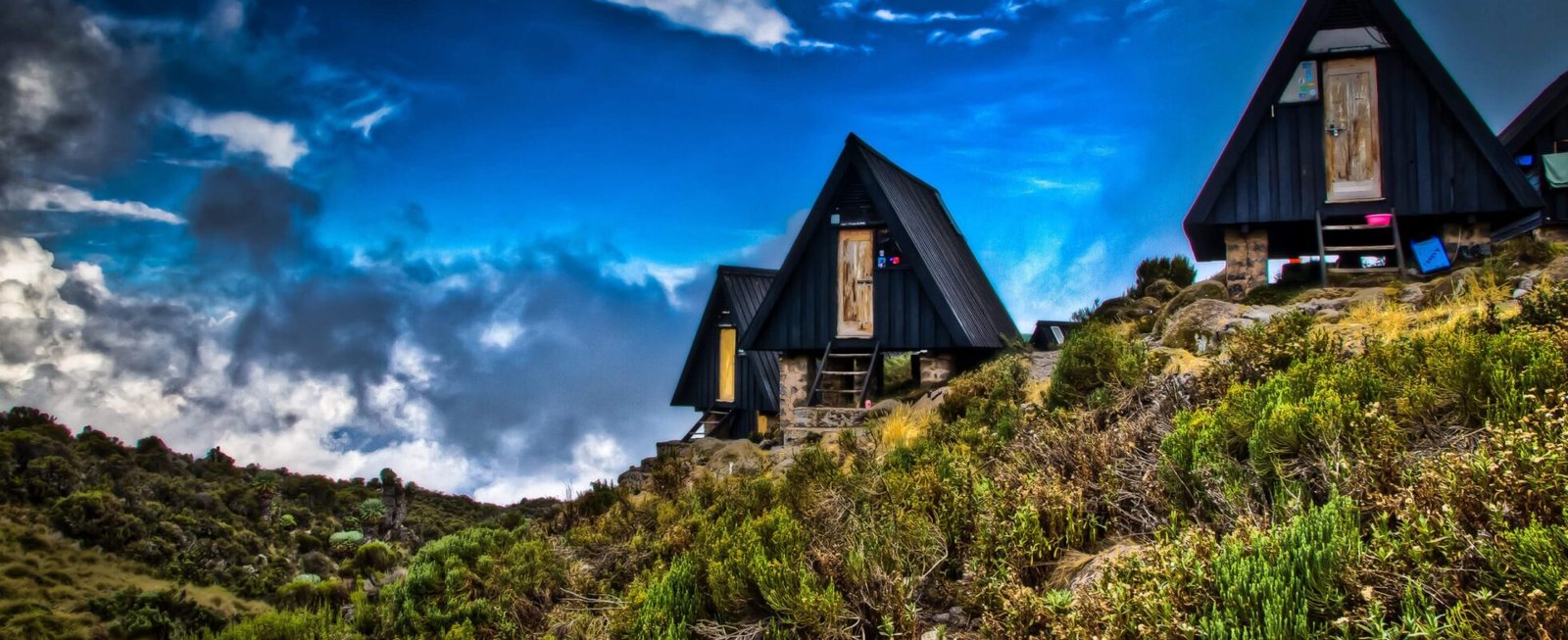
Mandara Hut provides basic shared mountain accommodation for climbers following the Marangu Route. The accommodation consists of simple wooden hut buildings, including distinctive A-frame structures designed to offer shelter from the mountain’s changing weather conditions.
Sleeping arrangements are generally shared, with bunk-style beds or sleeping platforms depending on the allocated building. Climbers should not expect private hotel rooms, luxury bedding or en-suite bathrooms. The facilities are designed for practical mountain accommodation rather than comfort and luxury.
Travellers are expected to bring their own suitable sleeping bags, as temperatures can become cold during the evening and early morning. A sleeping bag appropriate for Kilimanjaro’s mountain conditions is important, even at the relatively lower altitude of Mandara Hut.
Accommodation is normally allocated through the climbing operator and park arrangements. During popular climbing months, the hut can be busy with trekkers from different countries, creating a friendly atmosphere where climbers can share their experiences.
For visitors travelling from the UK, staying at Mandara Hut offers an opportunity to experience traditional mountain accommodation while enjoying the support of professional local guides and porters.
Facilities Available at Mandara Hut
Mandara Hut offers essential facilities intended to support climbers during their overnight stay. These facilities are basic and should not be compared with those of hotels or safari lodges in Arusha, Moshi or other parts of Tanzania.
Sleeping Facilities
The sleeping facilities at Mandara Hut consist of shared mountain accommodation with basic beds or sleeping platforms. Climbers use their own sleeping bags and personal sleeping equipment to remain warm throughout the night.
The rooms are simple and functional, offering protection from rain, wind and cold temperatures. Travellers should pack warm clothing for the evening, as temperatures can drop considerably after sunset.
Dining Facilities
Mandara Hut has communal areas where climbers can enjoy meals prepared by their mountain cooks. Depending on the climbing package, meals generally include lunch upon arrival or during the trek, followed by a warm dinner and breakfast the next morning.
Typical mountain meals may include soup, rice, pasta, potatoes, vegetables, eggs and other foods selected to provide energy for trekking. Menu options depend on the climbing operator and available supplies.
Toilets and Washing Facilities
Basic shared toilet facilities are available at Mandara Hut. These are mountain facilities rather than private hotel bathrooms, and their condition may vary depending on maintenance and visitor numbers.
Climbers should not expect hot showers or modern bathroom facilities. Personal hygiene is generally managed using water supplied by the mountain team, wet wipes and other essential toiletries. Visitors should carry their own toilet paper and hand sanitiser.
Drinking Water
Drinking water is an important part of every Kilimanjaro climbing itinerary. Mountain support teams normally collect water from approved sources and treat it before providing it to climbers.
Travellers should carry reusable water bottles or hydration systems and follow their guide’s advice on drinking sufficient fluids. Untreated water from natural sources should not be consumed.
Electricity and Mobile Network
Mandara Hut is a remote mountain accommodation facility, and climbers should not rely on having electricity, charging sockets or a stable mobile network.
Mobile phone coverage may be available in some sections of the Marangu Route, but reception can be unreliable. Travellers should bring a fully charged power bank and keep electronic devices protected from moisture and cold temperatures.
Wildlife and Nature Around Mandara Hut
One of the most enjoyable parts of staying at Mandara Hut is the opportunity to experience Mount Kilimanjaro’s rainforest environment. The surrounding forest supports a variety of plants, birds and mammals that are adapted to the cool, humid mountain climate.
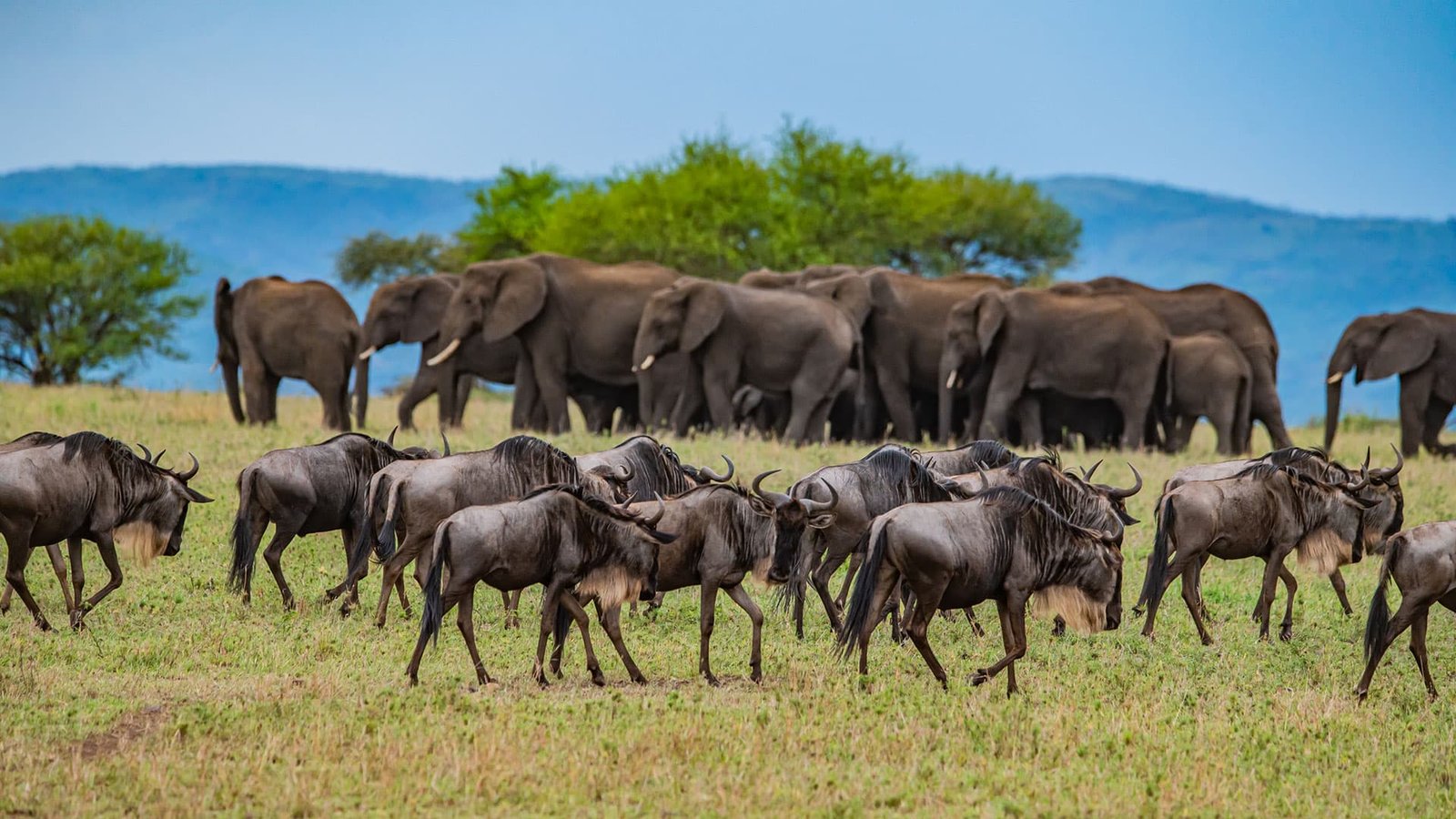
Blue monkeys and black-and-white colobus monkeys are among the animals visitors may encounter along the trail. These primates spend much of their time in the forest canopy, feeding on leaves, fruits and other vegetation. Wildlife sightings are not guaranteed, but walking quietly and observing the trees can improve your chances.
Birdwatchers may also enjoy spotting forest birds, including turacos and hornbills. The forest contains giant ferns, mosses, lichens and other plants that thrive in the moist conditions.
The vegetation surrounding Mandara Hut plays an important role in protecting the mountain’s ecosystem. Visitors should remain on designated trails, avoid disturbing wildlife and carry all litter back down the mountain.
Maundi Crater – A Popular Activity Near Mandara Hut
Maundi Crater is one of the most interesting attractions near Mandara Hut. Located approximately 15–30 minutes’ walk from the accommodation area, this small volcanic crater provides a beautiful viewpoint overlooking the surrounding landscapes of northern Tanzania.
The crater is part of Kilimanjaro’s volcanic history and offers an opportunity to explore the mountain beyond the main trekking trail. Visitors can enjoy views of the forested slopes, surrounding plains and distant landscapes when visibility is good.
Maundi Crater offers panoramic views towards Lakes Chala, Jipe and Nyumba ya Mungu. The viewpoint is particularly rewarding when clouds lift and the surrounding countryside becomes visible.
For climbers spending the night at Mandara Hut, a guided walk to Maundi Crater is a popular optional afternoon activity. The walk provides gentle additional exercise and an opportunity to enjoy the scenery before returning to the hut for dinner.
Mandara Hut to Horombo Hut – The Next Stage of the Marangu Route
After spending the night at Mandara Hut, climbers continue towards Horombo Hut, situated at approximately 3,700 metres above sea level. This is the second major accommodation stop along the Marangu Route.
The trail from Mandara Hut to Horombo Hut covers approximately 12 kilometres and generally takes six to nine hours, depending on walking speed, weather conditions and rest breaks.
The landscape changes significantly during this section. The dense rainforest gradually gives way to heath and moorland, where open grasslands, giant heathers and unusual high-altitude plants dominate the scenery.
As climbers gain altitude, views of Kibo and Mawenzi become more prominent. On clear days, the surrounding plains of northern Tanzania can also be seen stretching into the distance.
The ascent involves approximately 1,000 metres of elevation gain, making it an important stage for altitude adjustment. Climbers should maintain a slow pace, drink sufficient water and report any symptoms of altitude sickness to their guides.
Horombo Hut is also commonly used as an acclimatisation stop on longer Marangu Route itineraries. An additional night here is recommended for climbers who want more time to adjust before continuing towards Kibo Hut and the summit.
Can You Visit Mandara Hut Without Climbing to Uhuru Peak?
Yes, Mandara Hut can be visited as part of a guided Kilimanjaro day hike without attempting the summit. This makes it an attractive option for travellers who want to experience Mount Kilimanjaro but do not have enough time for a full multi-day climb.
A typical day hike begins at Marangu Gate and follows the rainforest trail towards Mandara Hut. After reaching the hut, visitors can enjoy a packed lunch, explore the surrounding area and, if time permits, take a short guided walk to Maundi Crater.
The return journey follows the same trail back to Marangu Gate. The full hike generally involves around 16 kilometres of walking and takes approximately six to nine hours, excluding longer breaks and transfers.
Although the trail does not require technical climbing skills, visitors should have reasonable fitness and suitable walking equipment. The altitude gain and uneven terrain can still make the hike challenging, particularly for people who are not used to longer walks.
Best Time to Visit Mandara Hut
Mandara Hut can be visited throughout the year, although weather conditions vary between seasons. The most popular periods for trekking on Mount Kilimanjaro are generally January to early March and late June to October.
During these months, the mountain often experiences relatively dry conditions, making trekking more comfortable. However, Mandara Hut is located within the rainforest zone, where rainfall, mist and wet trails are possible at any time of year.
April and May are typically among the wetter months, while November often experiences shorter seasonal rains. During wet periods, the rainforest becomes especially green, but the trail may be muddy and slippery.
Travellers should carry waterproof clothing regardless of their travel dates. Morning conditions may be clearer, while clouds and mist can develop later in the day.
What to Pack for an Overnight Stay at Mandara Hut
Preparing properly for Mandara Hut is important because the accommodation is basic and mountain weather can change quickly.
Visitors should bring comfortable, waterproof hiking boots that have already been worn in. A waterproof jacket, warm fleece, thermal clothing and comfortable trekking trousers are also recommended.
A suitable sleeping bag is essential for overnight visitors, as the huts do not provide the same bedding arrangements as conventional hotels. A sleeping bag liner can provide additional comfort and help keep sleeping equipment clean.
Other useful items include a headlamp, reusable water bottles, trekking poles, personal toiletries, hand sanitiser, sunscreen, insect repellent, a power bank and a small first-aid kit.
Climbers should also carry a comfortable daypack for water, snacks, rain protection, medication and other essentials needed during the walk.
Altitude and Safety at Mandara Hut
Mandara Hut stands at approximately 2,700 metres, where some visitors may begin to notice the effects of altitude. Although it is much lower than Kilimanjaro’s summit, the reduced oxygen availability can affect people differently.
Common symptoms of altitude sickness include headaches, nausea, dizziness, unusual tiredness and loss of appetite. Climbers should report these symptoms promptly rather than assuming they are simply caused by exercise.
Walking slowly, resting and drinking normally can support comfort during the climb, but they do not guarantee protection from altitude sickness. Travellers with worsening symptoms should not continue ascending, and serious symptoms require urgent descent and medical assessment.
Mandara Hut is the first overnight stop on the Marangu Route, but spending one night here does not provide enough acclimatisation for the entire climb. Longer itineraries that include an additional acclimatisation day at Horombo Hut are generally preferable to faster summit schedules.
Why Choose the Marangu Route and Mandara Hut?
The Marangu Route is a popular choice for travellers who prefer sleeping in permanent mountain huts rather than tents. Mandara Hut provides the first introduction to this accommodation style, offering shelter and shared facilities after a day of trekking through the rainforest.
The route is also known for its established trails, beautiful vegetation and gradual transition through Kilimanjaro’s ecological zones. For travellers interested in photography, wildlife and mountain landscapes, the journey to Mandara Hut is particularly rewarding.
However, hut accommodation does not make Mount Kilimanjaro an easy climb. Reaching Uhuru Peak still requires good preparation, sufficient acclimatisation, appropriate equipment and professional guidance.
Frequently Asked Questions About Mandara Hut, Kilimanjaro
1. What is the altitude of Mandara Hut on Mount Kilimanjaro?
Mandara Hut is located at approximately 2,700–2,720 metres above sea level on the Marangu Route of Mount Kilimanjaro. It is the first overnight accommodation stop for climbers ascending from Marangu Gate. The hut is surrounded by tropical rainforest and offers basic shared sleeping facilities, dining areas and toilets.
2. How long does it take to hike from Marangu Gate to Mandara Hut?
The hike from Marangu Gate to Mandara Hut generally takes four to six hours, covering approximately 8 kilometres. The trail gradually climbs through tropical rainforest, with an elevation gain of around 840 metres. Walking time depends on fitness, weather, trail conditions and rest breaks.
3. Does Mandara Hut have private rooms and hot showers?
Mandara Hut generally offers shared mountain accommodation rather than private hotel rooms. Climbers sleep in basic wooden huts with bunk-style sleeping arrangements. Shared toilets are available, but visitors should not expect private bathrooms or hot showers. It is important to bring a suitable sleeping bag and personal hygiene supplies.
4. Can beginners hike to Mandara Hut?
Yes, beginners with reasonable fitness can hike to Mandara Hut with a professional mountain guide. The trail is established and does not require technical climbing skills. However, the walk involves several hours of uphill trekking, uneven surfaces and an altitude gain of approximately 840 metres. Proper footwear, suitable clothing and a comfortable walking pace are important.
5. Can I visit Mandara Hut on a one-day Kilimanjaro hike?
Yes, Mandara Hut is a popular destination for guided Kilimanjaro day hikes. Visitors can start at Marangu Gate, walk through the rainforest, enjoy lunch near Mandara Hut and optionally visit Maundi Crater before returning to the gate. This experience is suitable for travellers who want to explore Mount Kilimanjaro without undertaking a full summit expedition.
6. Is Mandara Hut included in Mount Kilimanjaro climbing packages from the UK?
Yes, Mandara Hut is normally included as the first overnight mountain accommodation in Marangu Route climbing packages. UK travellers booking a guided Kilimanjaro climb usually have their mountain hut accommodation arranged as part of the trekking package, together with guides, porters, park fees and meals. International flights, visas, insurance and personal equipment may be excluded, depending on the operator.
Final Thoughts: Staying at Mandara Hut on Mount Kilimanjaro
Mandara Hut is more than just a place to sleep during a Mount Kilimanjaro climb. It is the first major milestone on the Marangu Route, offering visitors a chance to experience the mountain’s beautiful rainforest, unique wildlife and traditional mountain accommodation.
Whether you are planning a full Mount Kilimanjaro climbing adventure or a shorter day hike from Marangu Gate, Mandara Hut provides a memorable introduction to one of Africa’s most famous natural landmarks.
For travellers planning Mount Kilimanjaro Climbing from UK, a well-organised itinerary with experienced local guides, suitable equipment and enough time for acclimatisation will help make the journey safer and more enjoyable.