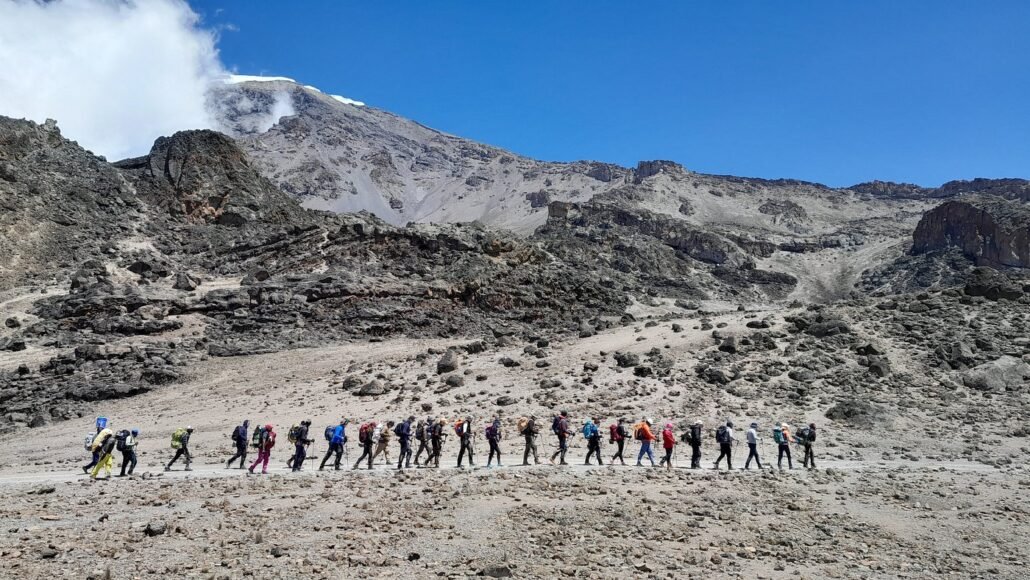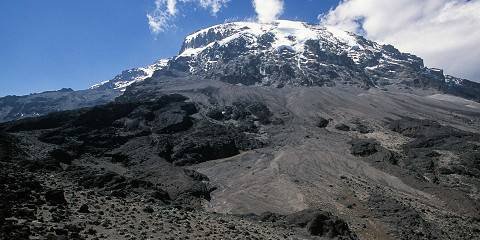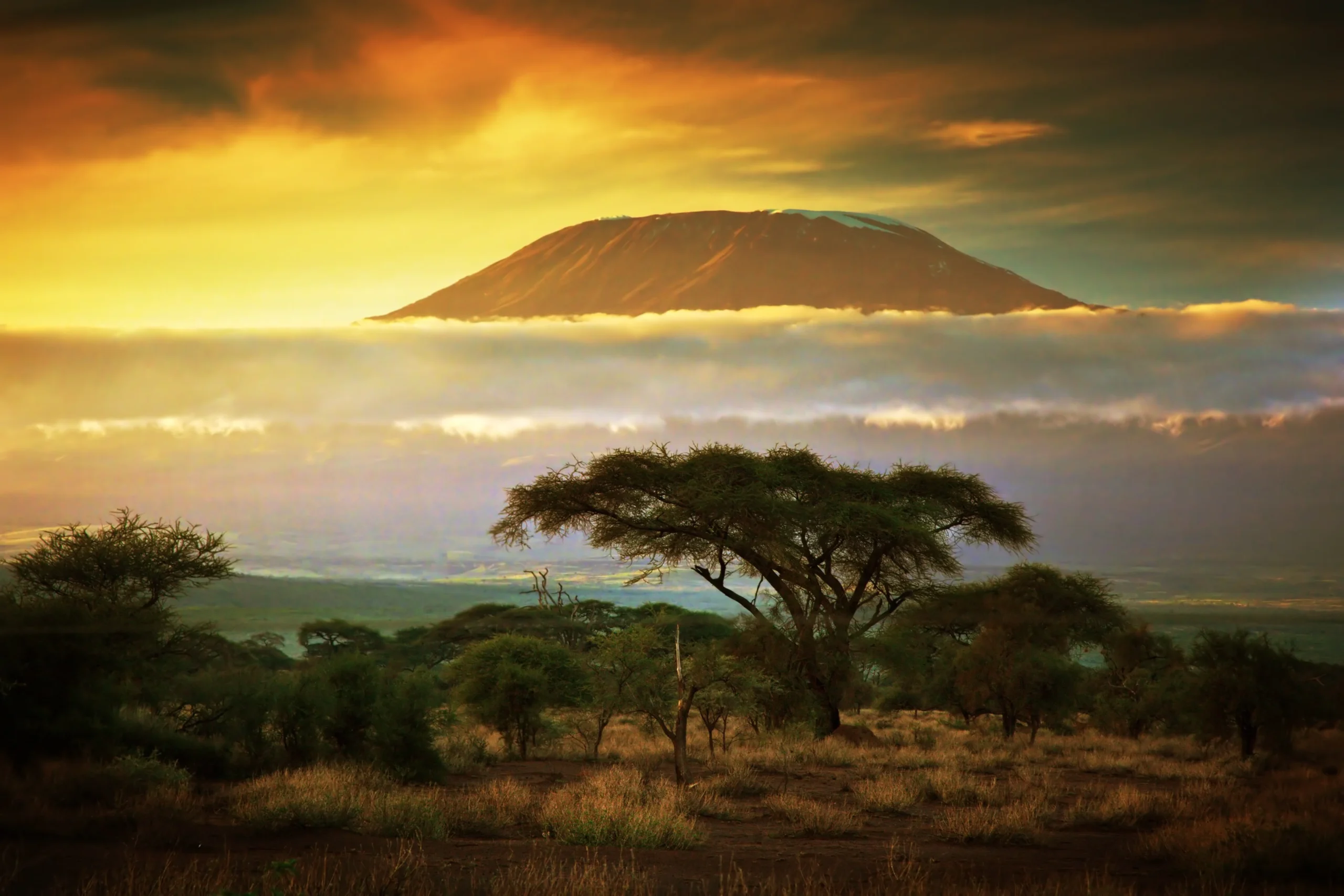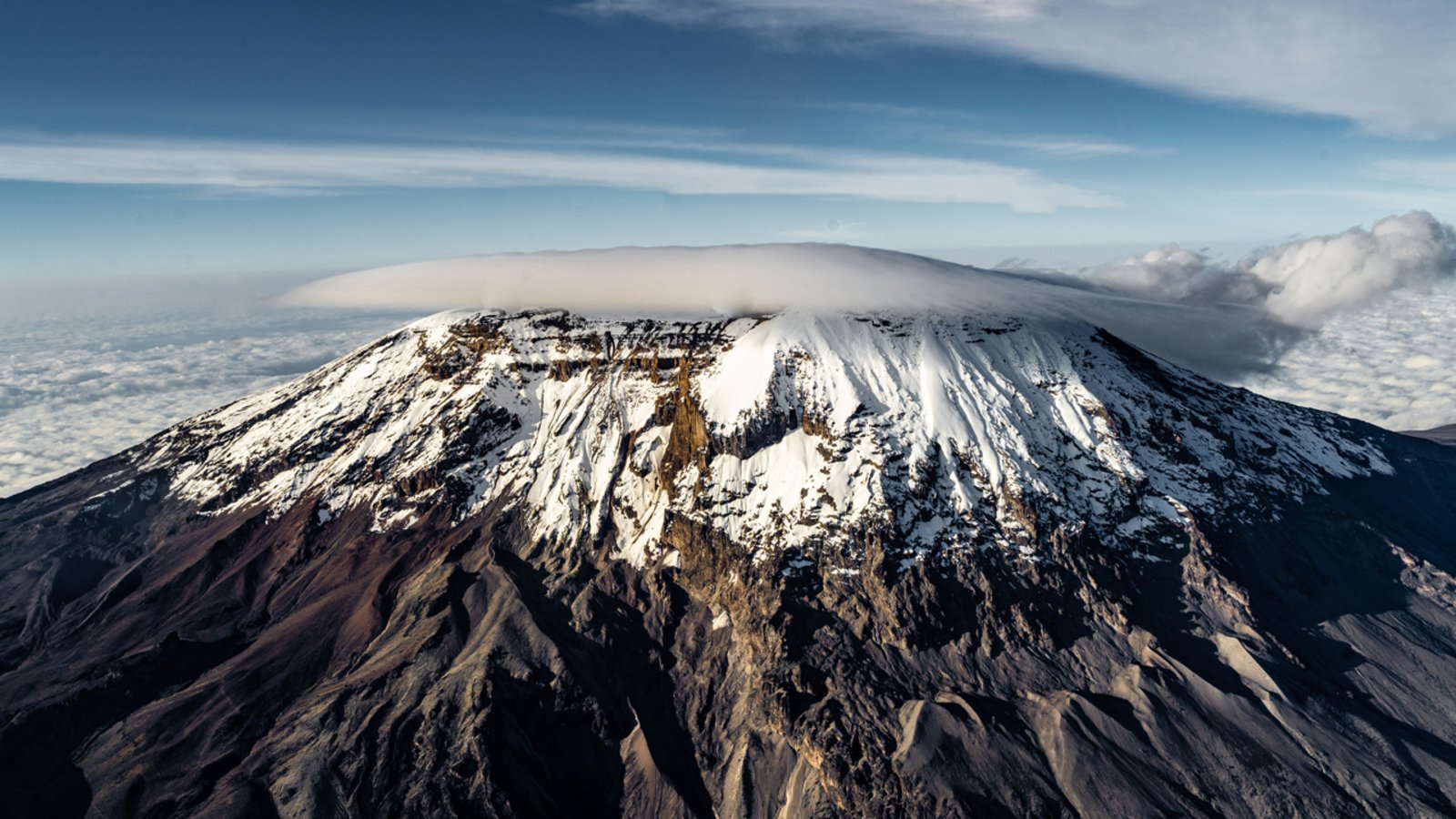
Kilimanjaro Glacier Viewing is one of the most memorable experiences for travellers climbing Mount Kilimanjaro in Tanzania. Standing at 5,895 metres above sea level, Mount Kilimanjaro is the highest mountain in Africa and one of the few places on the continent where visitors can see natural glaciers close to the equator.
The mountain is famous for its snow-covered summit, dramatic volcanic landscapes and ancient ice formations. For many climbers, seeing the glaciers near Uhuru Peak is a special moment after several days of trekking through forests, moorlands and alpine desert.
Whether you are planning a Mount Kilimanjaro climbing adventure or looking for unique activities in Tanzania, glacier viewing offers an opportunity to discover one of Africa’s most remarkable natural attractions.
What Is Kilimanjaro Glacier Viewing?
Kilimanjaro Glacier Viewing is an activity that allows mountain climbers to observe the remaining glaciers and ice formations near the summit of Mount Kilimanjaro. These glaciers are found around the summit area of Kibo, the mountain’s highest volcanic cone.
Unlike ordinary snow, glaciers are formed when layers of snow accumulate, become compressed and gradually turn into dense ice over many years. Kilimanjaro’s remaining ice formations are important features of the mountain’s natural history.
During a guided Kilimanjaro climbing expedition, visitors may see towering walls of ice, frozen surfaces and glacier formations standing above the surrounding volcanic landscape.
The experience is particularly impressive because the mountain rises from the warm plains of Tanzania into a cold, high-altitude environment where ice has survived for thousands of years.
Where Can You See Glaciers on Mount Kilimanjaro?
The remaining glaciers are mainly found around the summit region of Kibo, particularly near the crater rim and upper mountain slopes.
Some of the best-known glacier formations include the Northern Ice Field, Southern Ice Field, Rebmann Glacier and Furtwängler Glacier. Their size and appearance have changed significantly over time as Kilimanjaro’s ice continues to retreat.
1. Northern Ice Field
The Northern Ice Field is one of Kilimanjaro’s major remaining ice formations. Located on the northern side of the summit area, it is known for its striking ice cliffs and high-altitude setting.
Climbers exploring authorised routes near the crater may have opportunities to observe parts of this ice field, depending on their itinerary and the conditions.
2. Southern Ice Field
The Southern Ice Field is another important glacier area near the summit of Kilimanjaro. It contains impressive ice formations that contrast beautifully with the dark volcanic rocks.
Visitors approaching the summit along certain routes may enjoy distant views of the Southern Ice Field, particularly when the weather is clear.
3. Rebmann Glacier
Rebmann Glacier is one of the recognised glacier formations on Mount Kilimanjaro. It is associated with the mountain’s southern summit area and is known for its dramatic ice scenery.
The glacier has become smaller over the years, making its remaining ice formations an important part of Kilimanjaro’s changing landscape.
4. Furtwängler Glacier
Furtwängler Glacier is located within the summit crater area of Kibo. It is named after Walter Furtwängler, who was among the early climbers to reach Kilimanjaro’s summit.
Viewing this glacier generally requires a specialised crater itinerary rather than a standard summit trek. Access depends on the glacier’s condition, authorised routes and mountain safety requirements.
Best Kilimanjaro Climbing Routes for Glacier Viewing
Several Mount Kilimanjaro climbing routes lead towards Uhuru Peak, where climbers may observe glaciers during the final summit ascent.
| Kilimanjaro route | Duration | Glacier viewing experience |
|---|---|---|
| Lemosho Route | 7–8 days | Scenic summit approach with opportunities to view glaciers near the crater rim |
| Machame Route | 6–7 days | Glacier views during the summit ascent via Stella Point |
| Marangu Route | 5–6 days | Possible glacier views between Gilman’s Point and Uhuru Peak |
| Northern Circuit | 8–9 days | Extended acclimatisation trek followed by summit glacier viewing |
| Rongai Route | 6–7 days | Glacier views during the final summit section |
| Umbwe Route | 6–7 days | Challenging ascent with potential glacier views near the summit |
The Lemosho Route and Northern Circuit Route are particularly attractive for travellers who want scenic trekking and more time to acclimatise before reaching the summit.
However, glacier visibility depends on weather, cloud cover, the exact route and the condition of the ice formations. Not every climbing itinerary passes close to the glaciers.
Best Time for Kilimanjaro Glacier Viewing
The best time for Kilimanjaro Glacier Viewing is generally during Tanzania’s main dry seasons, when mountain trails are often less wet and the chances of clear summit views are better.
January to March
January to early March is a popular period for climbing Mount Kilimanjaro. Climbers may enjoy clearer mornings, occasional fresh snow near the summit and beautiful mountain photography opportunities.
Temperatures at higher elevations remain extremely cold, particularly during overnight summit attempts.
June to October
June to October is another popular period for Kilimanjaro climbing. These months generally offer drier trekking conditions and good opportunities for mountain sightseeing.
Clear weather may allow climbers to see the glaciers, volcanic crater and surrounding landscapes from the summit.
Although these periods are generally favourable, Kilimanjaro has unpredictable mountain weather throughout the year. Clear views cannot be guaranteed.
What to Expect During a Kilimanjaro Glacier Viewing Experience
A typical glacier viewing experience forms part of a guided Mount Kilimanjaro summit trek.
Most standard climbing itineraries begin the final summit attempt late at night or shortly after midnight. Climbers walk slowly towards the crater rim, following their mountain guide while adjusting to the cold temperatures and high altitude.
Depending on the route, climbers may reach Stella Point or Gilman’s Point before continuing towards Uhuru Peak.
As daylight begins to appear, the mountain landscape gradually becomes visible. The remaining glaciers can sometimes be seen rising above the volcanic rocks, creating an extraordinary contrast between ice and the surrounding terrain.
The final walk towards Uhuru Peak offers opportunities to admire the summit scenery, take photographs and appreciate the scale of Africa’s highest mountain.
After reaching the summit, climbers usually spend a short time taking photographs before beginning their descent. The time available depends on weather conditions, individual fitness and the mountain guide’s safety assessment.
Photography During Kilimanjaro Glacier Viewing
Kilimanjaro Glacier Viewing is a rewarding experience for travellers interested in mountain photography and natural landscapes.
The remaining glaciers create beautiful photographic scenes, especially when early morning sunlight illuminates the ice formations.
Visitors can photograph the contrast between white glacier walls, dark volcanic rocks and the distant African landscape.
A camera or smartphone with a reliable battery is useful for capturing the experience. However, extremely cold temperatures can reduce battery performance, so keeping spare batteries warm and protected is recommended.
Climbers should always follow their guide’s instructions and remain on safe, authorised trails while taking photographs. Walking towards glacier edges or entering ice formations is not part of a normal summit trek.
Why Are Mount Kilimanjaro’s Glaciers Disappearing?
One of the most important facts about Mount Kilimanjaro is that its glaciers have been shrinking for more than a century.
Scientific research has documented a major reduction in the mountain’s ice coverage since the early twentieth century. Changes in snowfall, atmospheric moisture, temperature and other climate conditions have contributed to the loss of ice.
The glaciers are sensitive to environmental changes because they exist at high altitude in a tropical region.
Researchers continue to study Kilimanjaro’s remaining ice formations to better understand their history and how they are changing.
Although some scientific projections have suggested that the glaciers could disappear within coming decades, the exact timing remains uncertain.
For visitors, glacier viewing is an opportunity to appreciate a rare natural feature while learning about the importance of protecting mountain environments.
Is Kilimanjaro Glacier Viewing Safe?
Kilimanjaro Glacier Viewing can be enjoyed as part of a properly organised summit trek, but climbing at high altitude involves serious risks.
The summit area reaches nearly 5,900 metres above sea level, where oxygen availability is much lower than at sea level. Climbers may experience altitude sickness, exhaustion, dehydration and extremely cold temperatures.
A professional mountain guide will monitor the group’s condition and make decisions about whether it is safe to continue.
Visitors should allow enough time for acclimatisation, wear suitable mountain clothing and follow their guide’s instructions throughout the climb.
Glacier viewing should take place from safe, designated areas. Travellers should not attempt to climb glacier walls, walk on unstable ice or enter crevasses.
What to Wear for Kilimanjaro Glacier Viewing
The summit area of Mount Kilimanjaro can experience freezing temperatures, strong winds and rapidly changing weather.
Climbers should prepare with warm and suitable mountain equipment, including:
- Thermal base layers and insulated clothing
- Waterproof and windproof outer jacket
- Warm gloves and insulated mittens
- Thermal hat or balaclava
- Comfortable, waterproof hiking boots
- Warm trekking socks
- Headlamp for overnight summit trekking
- Sunglasses with strong UV protection
- Sunscreen and lip protection
- Water bottles with protection against freezing
- Camera or smartphone for photography
Good-quality clothing and equipment are important for comfort and safety during the final summit ascent.
Can Beginners Enjoy Kilimanjaro Glacier Viewing?
Yes, beginners with suitable fitness, preparation and professional guidance can enjoy Kilimanjaro Glacier Viewing as part of a summit expedition.
Mount Kilimanjaro is considered a non-technical trekking mountain on its standard routes, meaning climbers do not normally need ropes or advanced mountaineering skills.
However, reaching the summit is physically demanding. Climbers must walk for several days, manage steep sections and cope with reduced oxygen levels.
First-time climbers are generally better suited to longer routes that provide additional time for acclimatisation.
The Lemosho Route and Northern Circuit Route are popular options for travellers seeking a more gradual ascent.
Combining Kilimanjaro Glacier Viewing with a Tanzania Safari
A Mount Kilimanjaro climbing adventure can easily be combined with a Tanzania wildlife safari.
After completing the mountain trek, travellers can explore some of Tanzania’s famous national parks, including Serengeti National Park, Tarangire National Park and the Ngorongoro Crater.
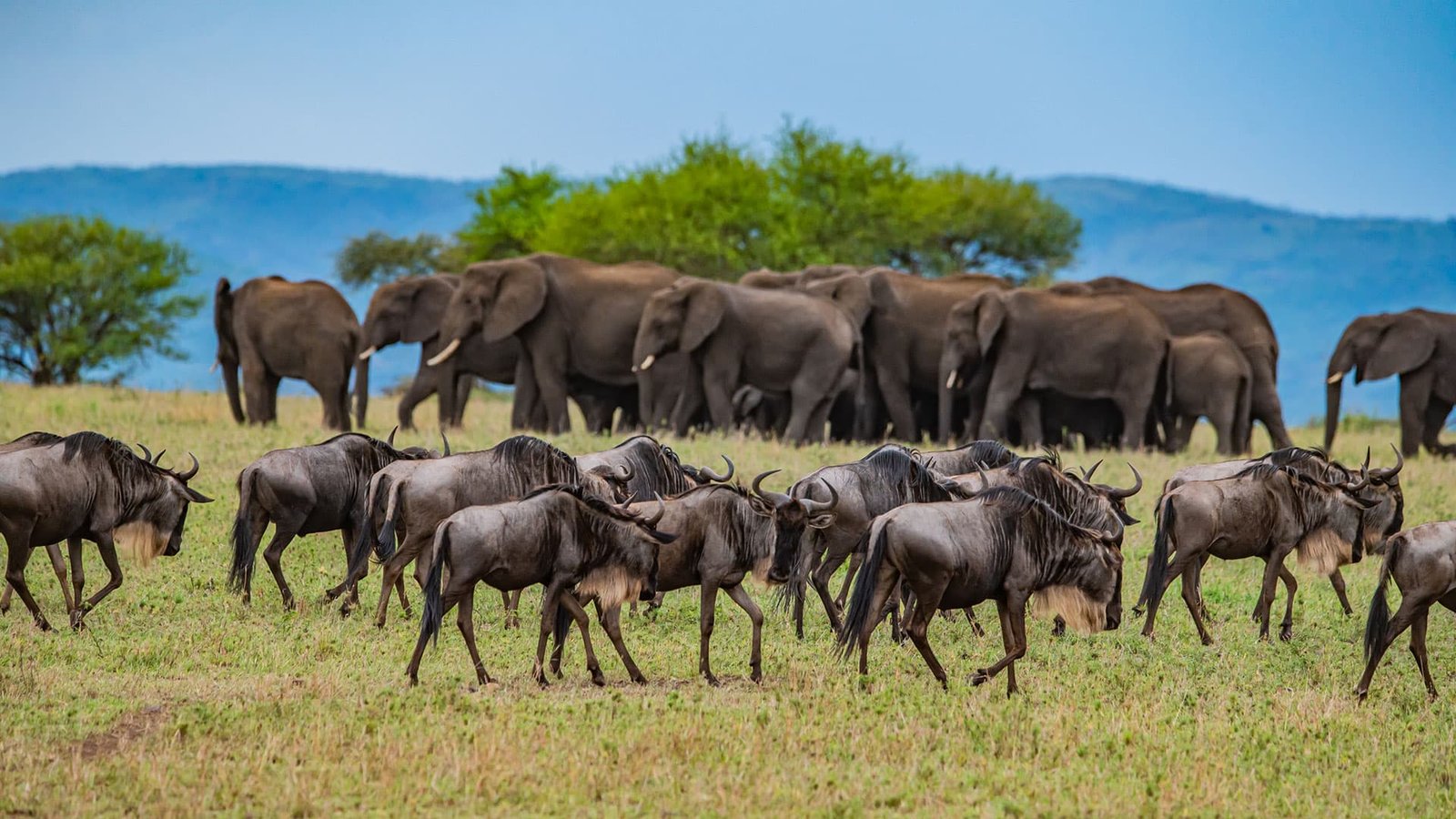
These destinations offer opportunities to see elephants, lions, giraffes, zebras, wildebeest and many other African wildlife species.
For travellers looking for a relaxing holiday after their climb, Zanzibar is another excellent destination. Its warm beaches and Indian Ocean scenery provide a beautiful contrast to the cold mountain environment.
Combining Mount Kilimanjaro climbing with a Tanzania safari allows visitors to experience both mountain adventure and wildlife in one holiday.
Frequently Asked Questions About Kilimanjaro Glacier Viewing
1. Can you see glaciers when climbing Mount Kilimanjaro?
Yes, climbers can see glaciers near the summit of Mount Kilimanjaro, particularly around the crater rim and the route towards Uhuru Peak. The views depend on weather conditions, visibility and the climbing route. Some glaciers are visible from standard summit trails, while others require specialised itineraries.
2. Where are the glaciers located on Mount Kilimanjaro?
The remaining glaciers are mainly located around the summit of Kibo, the highest volcanic cone of Mount Kilimanjaro. Well-known ice formations include the Northern Ice Field, Southern Ice Field, Rebmann Glacier and Furtwängler Glacier. These formations are found at high elevations and are not accessible during ordinary lower-mountain day hikes.
3. What is the best time to see Kilimanjaro glaciers?
The best time for Kilimanjaro Glacier Viewing is generally from January to early March and June to October. These periods often offer favourable trekking conditions and opportunities for clearer summit views. However, mountain weather changes quickly, and visibility cannot be guaranteed.
4. Do you need special equipment to view Kilimanjaro glaciers?
No special glacier-climbing equipment is normally required to view the glaciers from standard Kilimanjaro summit trails. Climbers need suitable high-altitude trekking equipment, including warm clothing, waterproof boots, gloves and head protection. Walking directly on glaciers would require specialist equipment, training and appropriate authorisation.
5. How high do you need to climb to see Kilimanjaro glaciers?
Most glacier viewing opportunities occur near the summit region, generally above 5,000 metres. Climbers reaching Stella Point, Gilman’s Point or Uhuru Peak may see glaciers depending on their position and the weather. The highest point, Uhuru Peak, stands at 5,895 metres above sea level.
6. Are Kilimanjaro’s glaciers disappearing?
Yes, Mount Kilimanjaro’s glaciers have been shrinking significantly over the past century. Scientific studies have documented substantial ice loss, influenced by changes in climate and atmospheric conditions. Researchers continue to monitor the remaining glaciers, although the exact date of their possible disappearance is uncertain.
7. Can I visit Kilimanjaro glaciers without climbing to the summit?
Most close-up glacier viewing experiences require climbing towards the summit area of Mount Kilimanjaro. Visitors who do not wish to undertake a full mountain expedition can enjoy views of the snow-covered mountain from lower elevations, weather permitting, but they will not normally be able to observe the glaciers closely.
8. How many days are needed for Kilimanjaro Glacier Viewing?
Most travellers need approximately 6 to 9 days for a Kilimanjaro climbing expedition that includes summit glacier viewing. The exact duration depends on the selected route and the amount of time allowed for acclimatisation. Longer itineraries can improve acclimatisation opportunities and are often preferred for first-time climbers.
Plan Your Kilimanjaro Glacier Viewing Adventure
Kilimanjaro Glacier Viewing is more than a sightseeing activity. It is an opportunity to experience the beauty of Africa’s highest mountain, explore its unique volcanic landscapes and witness natural ice formations found close to the equator.
From the rainforest trails at the mountain’s base to the cold summit near Uhuru Peak, every stage of the climb offers something different. Seeing the glaciers after several days of trekking can be one of the most rewarding moments of a Tanzania holiday.
With careful planning, suitable equipment and experienced mountain guides, visitors can enjoy an unforgettable Mount Kilimanjaro climbing experience while discovering one of Africa’s most extraordinary natural environments.
Important details:
- 5-10
- Minimum number: 1 Pax
- Tanzania