
Mount Kenya climbing is one of the most rewarding mountain adventures in Africa. Rising to 5,199 metres above sea level, Mount Kenya is Africa’s second-highest mountain after Mount Kilimanjaro. Located in central Kenya, the mountain offers spectacular scenery, challenging high-altitude trekking, dramatic volcanic landscapes, glaciers, rocky peaks and diverse vegetation zones.
For adventure travellers, Mount Kenya climbing provides an opportunity to experience one of Kenya’s most remarkable natural attractions while exploring a mountain ecosystem that changes dramatically with altitude. Climbers can walk through forests, bamboo zones, moorlands and high-altitude alpine landscapes before reaching the rocky summit areas.
Unlike a typical Kenya safari, a Mount Kenya climbing expedition is physically demanding and requires preparation, appropriate equipment and careful acclimatisation. The experience can be tailored to different levels of trekking ability, although reaching the highest summit requires technical climbing skills.
Where Is Mount Kenya?
Mount Kenya is located in central Kenya, approximately 150 kilometres northeast of Nairobi. The mountain lies within Mount Kenya National Park and the surrounding Mount Kenya forest ecosystem.
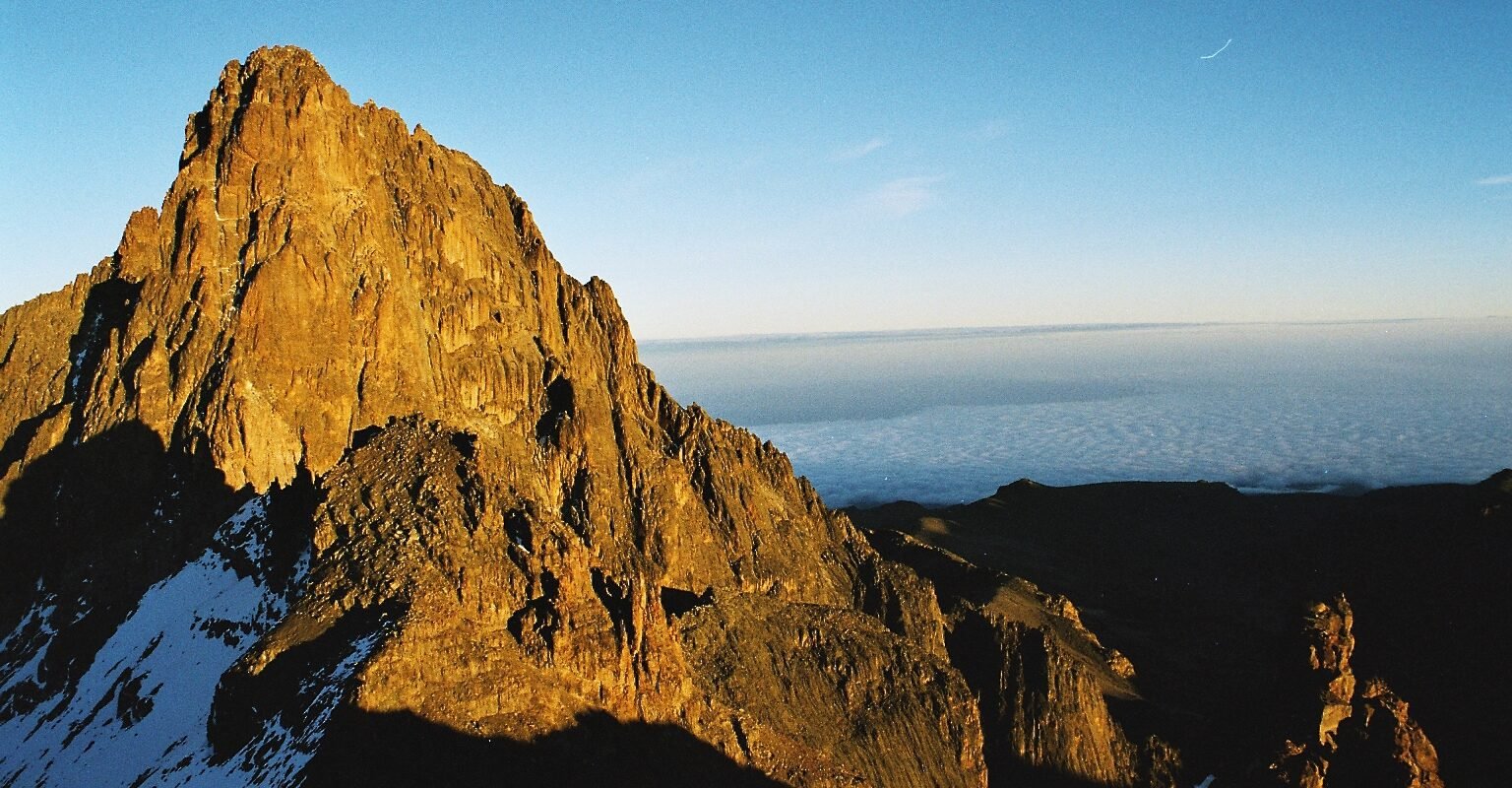
The mountain has three main peaks: Batian, Nelion and Point Lenana. Batian is the highest point at 5,199 metres, while Nelion reaches approximately 5,188 metres. Point Lenana stands at about 4,985 metres and is the highest point that most trekking visitors attempt without technical rock-climbing skills.
For this reason, many Mount Kenya climbing holidays are actually high-altitude trekking expeditions to Point Lenana rather than technical ascents of Batian or Nelion.
Mount Kenya Climbing and Point Lenana
Point Lenana is the most accessible of Mount Kenya’s three main peaks and is the usual summit objective for trekkers. Reaching Point Lenana still requires considerable physical effort because the summit is almost 5,000 metres above sea level.
The final ascent normally begins very early in the morning. Climbers start before sunrise so they can reach the summit around sunrise when weather conditions are often more favourable and the views can be spectacular.
From Point Lenana, climbers can enjoy panoramic views across Mount Kenya’s surrounding landscape. On clear days, the experience can include dramatic views of the mountain’s rocky peaks, valleys, glaciers and distant Kenyan landscapes.
Mount Kenya Climbing Routes
There are several routes used to climb Mount Kenya, with the Naro Moru, Sirimon and Chogoria routes being among the best-known options. Each route offers a different experience in terms of scenery, terrain, accommodation and difficulty.
Naro Moru Route
The Naro Moru Route is one of the most popular approaches to Mount Kenya. It is known for providing a relatively direct route toward the mountain’s higher elevations.
The route passes through forest and moorland before reaching the higher mountain zones. One of its famous sections is the Vertical Bog, where trekkers may encounter wet and challenging terrain depending on weather conditions.
Naro Moru can be suitable for climbers looking for a shorter Mount Kenya trekking itinerary, although the route should not be underestimated. Proper acclimatisation remains important because of the rapid gain in altitude.
Sirimon Route
The Sirimon Route is popular with trekkers because it provides beautiful scenery and generally allows for a more gradual approach to altitude.
The route begins on the northwestern side of Mount Kenya and passes through forest before entering bamboo and moorland zones. As the trek continues, the landscape becomes increasingly alpine.
Sirimon is often chosen by climbers who want a scenic route with good opportunities for acclimatisation. It can also be combined with another route for a more varied Mount Kenya climbing experience.
Chogoria Route
The Chogoria Route is widely regarded as one of the most scenic approaches to Mount Kenya. It approaches the mountain from the eastern side and offers dramatic landscapes throughout the trek.
Trekkers can encounter valleys, cliffs, waterfalls, alpine vegetation and spectacular mountain scenery. The route is particularly attractive to photographers and travellers who want to experience the landscapes of Mount Kenya rather than focus only on reaching the summit.
A popular approach is to ascend using one route and descend using another. For example, climbers can ascend via Sirimon and descend through Chogoria, creating a more varied trekking experience.
How Difficult Is Mount Kenya Climbing?
Mount Kenya climbing is physically demanding, particularly at higher elevations. The difficulty depends on the route, itinerary, weather, altitude and summit objective.
Reaching Point Lenana does not normally require advanced technical climbing skills, but trekkers need good physical fitness and the ability to walk for several hours at high altitude.
The biggest challenge is often altitude rather than technical terrain. As climbers gain elevation, the amount of oxygen available decreases. This can cause altitude-related symptoms such as headaches, tiredness, dizziness, nausea and shortness of breath.
For this reason, climbers should not rush the mountain. A longer itinerary that allows the body more time to adapt to altitude can be safer and more comfortable than attempting to complete the climb as quickly as possible.
How Many Days Are Needed to Climb Mount Kenya?
The number of days required depends on the route and the climber’s experience. Shorter Mount Kenya climbing itineraries can take around four days, while longer expeditions may take five, six or more days.
A longer itinerary generally provides more time for acclimatisation and can make the climb more enjoyable. It also allows travellers to explore the mountain’s different landscapes instead of rushing directly toward the summit.
For first-time high-altitude trekkers, choosing an itinerary with sufficient acclimatisation time is particularly important.
Best Time for Mount Kenya Climbing
Mount Kenya can be climbed during different periods of the year, but weather conditions have a major influence on the experience.
The traditionally drier periods are generally preferred for mountain trekking because trails can be less muddy and visibility may be better. However, mountain weather is unpredictable, and conditions can change rapidly even during generally favourable seasons.
Temperatures also vary considerably with altitude. Lower areas can be relatively warm during the day, while the summit region can be extremely cold, especially before sunrise.
Anyone planning a Mount Kenya climbing expedition should therefore prepare for changing weather rather than relying solely on seasonal averages.
Mount Kenya Climbing Accommodation
Accommodation depends on the route and itinerary. Many trekking expeditions use mountain huts, campsites or tents at different stages of the journey.
Mountain accommodation is generally basic compared with safari lodges and hotels. Climbers should expect simple sleeping arrangements and limited facilities at higher elevations.
The experience is part of the adventure. After spending the day trekking through forests and alpine landscapes, reaching a mountain camp provides an opportunity to rest, eat and prepare for the next stage.
Travellers who prefer greater comfort can combine their mountain expedition with accommodation before and after the trek in nearby towns such as Nanyuki.
What to Pack for Mount Kenya Climbing
Packing correctly is essential for a successful Mount Kenya climbing trip. Weather conditions can change quickly, and temperatures at high altitude can fall significantly.
Essential equipment generally includes warm layers, waterproof clothing, hiking trousers, comfortable trekking boots, warm socks, gloves, a hat and a headlamp. Climbers should also carry a suitable backpack, water bottles or hydration system, sleeping equipment where required and personal toiletries.
Sun protection is also important at high altitude. Sunglasses, sunscreen and a good-quality hat can protect against strong sunlight.
The exact equipment required depends on the route, season and whether camping equipment is provided by the tour operator.
Physical Preparation for Mount Kenya
Good preparation can significantly improve the climbing experience. Trekkers should begin training several weeks or months before the expedition depending on their existing fitness level.
Walking, hiking, running, cycling and stair climbing can help improve cardiovascular fitness and leg strength. Longer weekend hikes are particularly useful because they help the body become accustomed to walking for several hours.
Training should also include carrying a backpack similar to the one that will be used during the climb. This allows the body to become familiar with the additional weight.
However, fitness alone does not eliminate altitude risk. Even very fit people can experience altitude sickness, so gradual acclimatisation and listening to the mountain guide are important.
Mount Kenya Climbing With a Guide
Using an experienced mountain guide is strongly recommended for Mount Kenya climbing. A professional guide can help with route navigation, weather decisions, pacing and general mountain safety.
Guides and support crews can also assist with logistics such as accommodation, meals and equipment depending on the climbing package.
For international travellers, booking through an experienced local tour operator can make planning easier. The operator can arrange transportation from Nairobi, accommodation, park entry arrangements, guides, porters and other logistics required for the expedition.
Mount Kenya Climbing and Safari
One of the best ways to experience Kenya is to combine Mount Kenya climbing with a wildlife safari. After completing the mountain expedition, travellers can continue to destinations such as Ol Pejeta Conservancy, Samburu National Reserve, Lake Nakuru or the Maasai Mara.
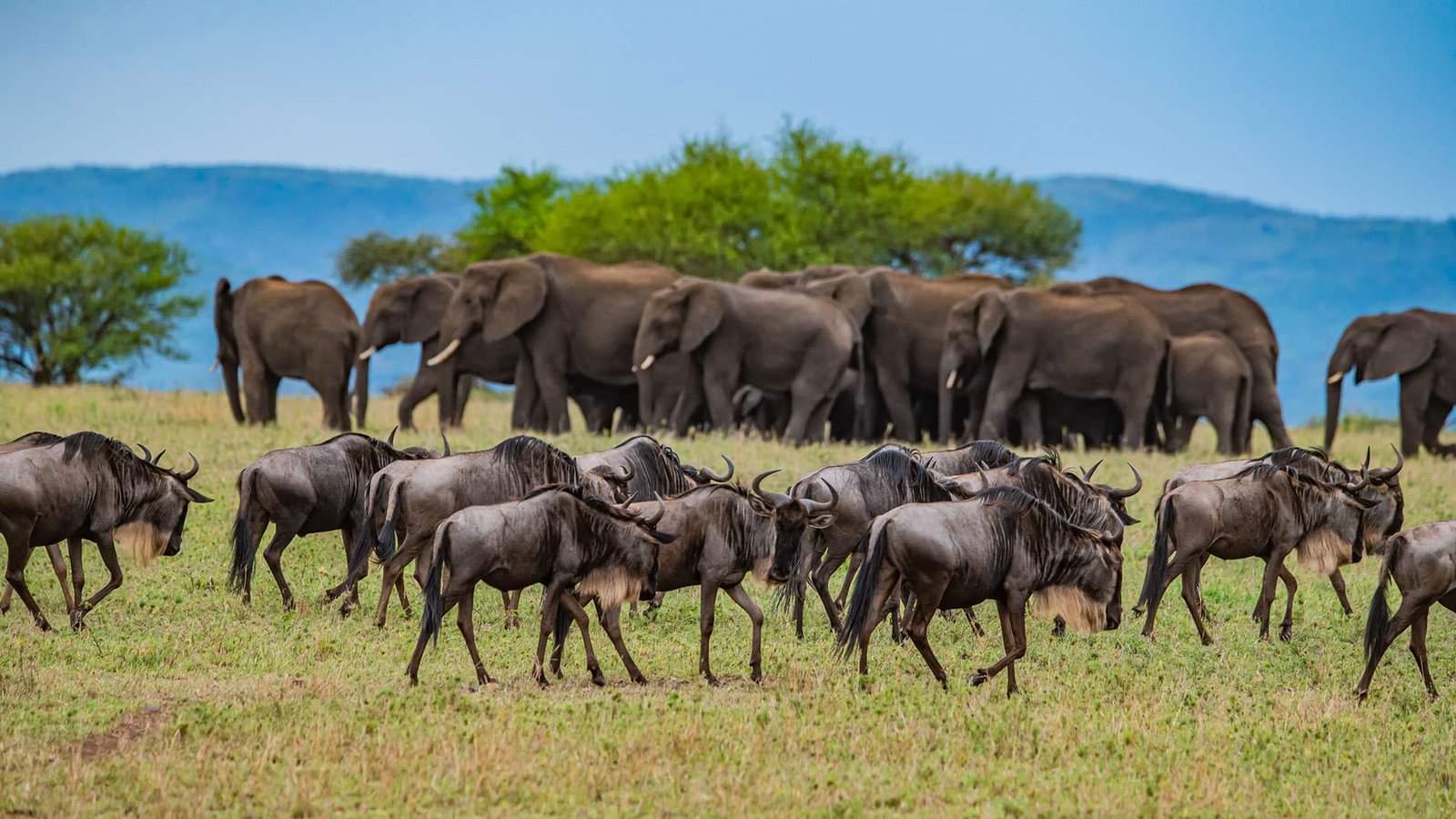
A Mount Kenya and Maasai Mara combination provides two very different Kenyan experiences. The first part focuses on trekking and high-altitude adventure, while the second provides opportunities to see lions, elephants, cheetahs, giraffes, buffaloes and other wildlife.
Travellers with more time can also combine Mount Kenya with Amboseli National Park or a beach holiday along the Kenyan coast.
Mount Kenya Climbing for Beginners
Beginners can attempt Mount Kenya, particularly Point Lenana, provided they are reasonably fit and choose an appropriate itinerary. Previous high-altitude climbing experience is not always necessary for the trekking routes, but preparation is important.
First-time climbers should avoid selecting an itinerary based solely on the shortest number of days. Allowing additional time for acclimatisation can improve the overall experience.
A qualified guide should also assess the group during the climb and advise whether it is safe to continue toward higher elevations.
Technical climbing of Batian and Nelion is different. These peaks require appropriate mountaineering experience, technical equipment and specialist climbing skills.
Mount Kenya Climbing Cost
The cost of a Mount Kenya climbing expedition depends on several factors. These include the number of days, route, group size, accommodation, transportation, guide and porter services, park fees, meals and equipment.
Private climbs generally cost more than joining a group because the costs of guides, transportation and logistics are shared by fewer people.
Travellers should request a detailed quotation that clearly explains what is included and excluded. Important costs to check include mountain park fees, accommodation, meals, guide services, porter services, transportation and equipment rental.
Why Climb Mount Kenya?
Mount Kenya climbing offers much more than reaching a summit. The journey takes travellers through several distinct ecological zones and provides an opportunity to experience one of Kenya’s most spectacular natural environments.
The changing scenery is one of the highlights. Lower sections of the mountain can feature dense forests, while higher areas transition into bamboo, moorland and alpine landscapes. Near the summit, the environment becomes rocky and dramatic.
Reaching Point Lenana at sunrise can be the defining moment of the expedition. Standing near the summit after several days of trekking provides a strong sense of achievement and offers spectacular views across the mountain landscape.
Final Thoughts
Mount Kenya climbing is an exceptional adventure for travellers who want to experience Kenya beyond traditional wildlife safaris. With its dramatic scenery, diverse vegetation zones, high-altitude landscapes and challenging trekking routes, Mount Kenya provides an unforgettable experience for adventure travellers.
Point Lenana is the most common objective for trekkers, while Batian and Nelion are technical climbing objectives requiring specialist skills. The Naro Moru, Sirimon and Chogoria routes provide different ways to explore the mountain, with each offering its own scenery and challenges.
For the best experience, travellers should prepare physically, choose an appropriate itinerary, allow sufficient time for acclimatisation, carry suitable equipment and climb with experienced guides. Combining Mount Kenya climbing with a Kenya safari can make the trip even more memorable by bringing together mountain adventure and African wildlife in one holiday.
Important details:
- Kenya