
Have you ever stood somewhere so high that the world behind you felt different, where the noise of everyday life disappears, and it’s just you, the mountain, and the sky?
That is the exact feeling that most mountain climbers experience in Kenya.
When most travelers want to come to Kenya, their minds go straight to wildlife safaris without remembering that there is another world of Kenya that not so many travelers get to experience.
Kenya offers mountain climbing adventures unlike anywhere else in Africa, from the legendary slopes of Mount Kenya to the hidden beauty of lesser-known mountains like Mount Suswa, providing unforgettable experiences for hikers, climbers, and nature lovers at all levels, whether you are a beginner climber, intermediate climber, or an advanced climber.
What Nobody Tells You Before Mountain Climbing in Kenya
- Mountain climbing in Kenya is often described as a test of strength, endurance, and determination, but there are parts of the experience that rarely appear in travel brochures. The real challenge is found in the quiet moments, unexpected challenges, and the lessons the mountain teaches you along the way.
- Many people expect mountain climbing to be about altitude and reaching the highest point. But one of the biggest surprises is how quickly the environment changes as you gain elevation.
- Many visitors are always surprised to learn that Kenya’s mountains can be extremely cold, even though Kenya is located near the equator.
- Most climbers focus on the distance covered to reach the top of the mountain, but altitude is clearly the major factor that demands most respect. As you climb, your body has to adapt to thinner air.
- During mountain climbing, most climbers dream about reaching the summit, but the most memorable moments happen before reaching the summit, such as sharing stories around the campsite after a long day, walking through landscapes that feel untouched, and discovering plants and wildlife that thrive in those extreme conditions, etc.
Why Mountain Climbing is an Unforgettable Experience in Kenya
- The mountain climbing adventure tests and strengthens you. In that, mountain climbing is a physical challenge but also a mental journey that requires patience and determination.
- Every climber creates unique memories.
- Kenya’s mountains are living ecosystems. As you climb, you will discover rare nature and wildlife. You may encounter a rock hyrax resting on a cliff, sunbirds moving through mountain vegetation, unique alpine plants, and forest wildlife that survive in lower mountain zones. Therefore, the mountains become a place of discovery, not just a destination.
Best Mountains to Climb in Kenya
Kenya’s mountains offer some of the most rewarding climbing experiences in Africa.
Note that each mountain has a different personality. Some will challenge you with altitude and rugged terrain, while others will excite you with incredible views, unique landscapes, and unforgettable encounters with nature.
Below are some of the best mountains to climb in Kenya;
Mount Kenya
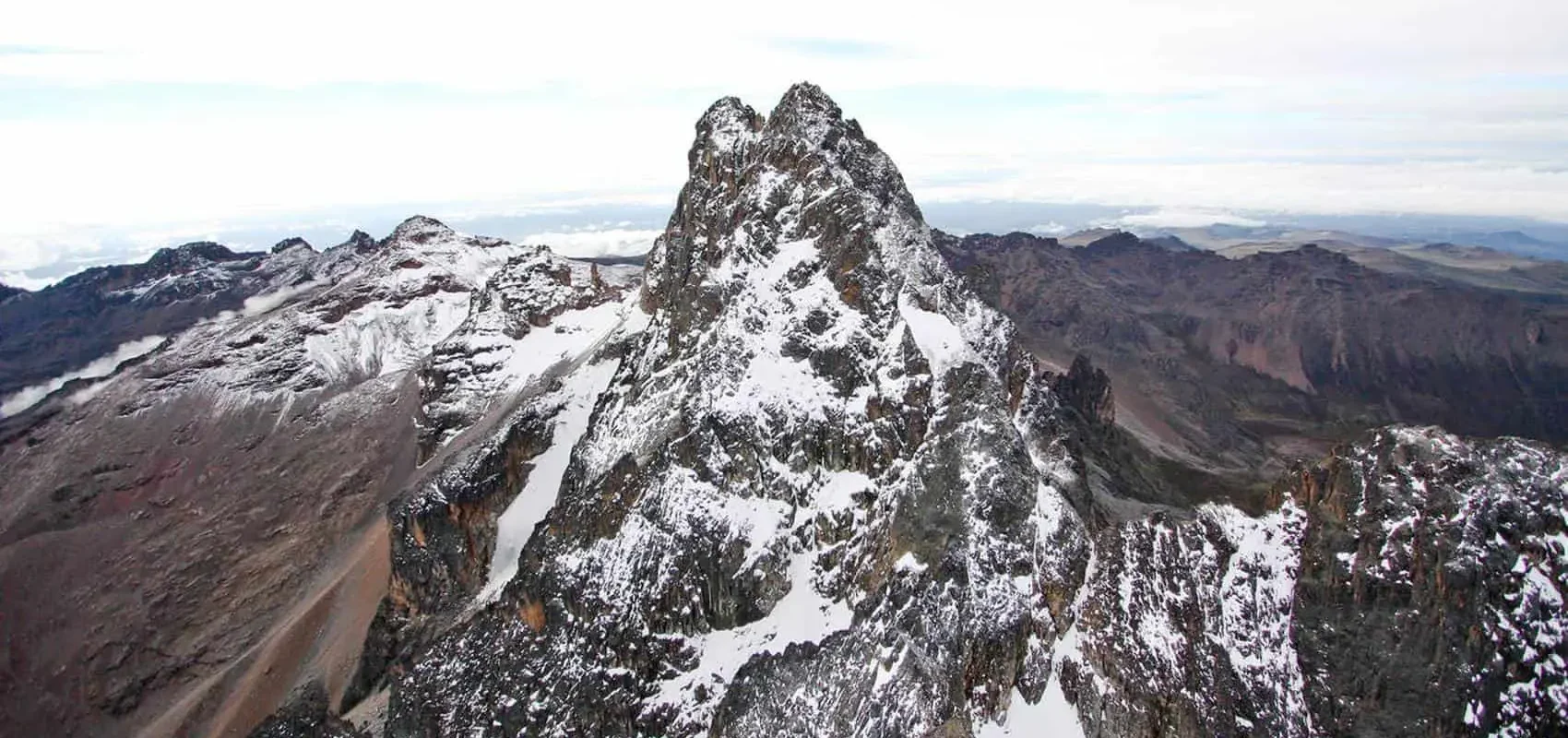
No list of Kenyan mountains is complete without Mount Kenya, Africa’s second-highest mountain and iconic climbing destination.
Mount Kenya offers an incredible journey through the changing ecosystems, from lush forests and bamboo zones to open moorlands, alpine valleys, and rocky summit landscapes.
Most climbers aim for Point Lenana, which is 4,985 metres above sea level, and can easily be reached without technical climbing skills, ideal for beginner climbers, while experienced climbers can attempt the technical peaks of Batian and Nelion.
Mount Longonot
Mount Longonot is also one of the best mountain climbing destinations located in the Great Rift Valley region. Note that the hike on this mountain involves a steep climb to the crater rim, followed by an optional walk around the crater edge. On clear days, climbers enjoy clear views of Lake Naivasha, the Rift Valley, and the surrounding landscapes.
Mount Elgon
Mount Elgon is one of East Africa’s oldest volcanic mountains, located along the Kenya-Uganda border, offering incredible trekking experiences through forests, waterfalls, caves, and peaceful landscapes.
The mountain is known for its massive caldera, which is one of the largest in the world, and quieter trails, making it ideal for nature lovers and hikers seeking a peaceful wilderness experience.
Mount Suswa
Mount Suswa is one of Kenya’s hidden volcanic gems, offering Kenya’s most unique hiking experiences in the Great Rift Valley region, known for its double-peaked volcano, unusual landscapes, underground lava caves, breathtaking views, and fewer crowds.
Aberdare Mountain Ranges
The Aberdare Mountains offer a different kind of mountain adventure. Instead of dramatic summit climbs, visitors get to experience beautiful highland trails, dense forests, waterfalls, etc.
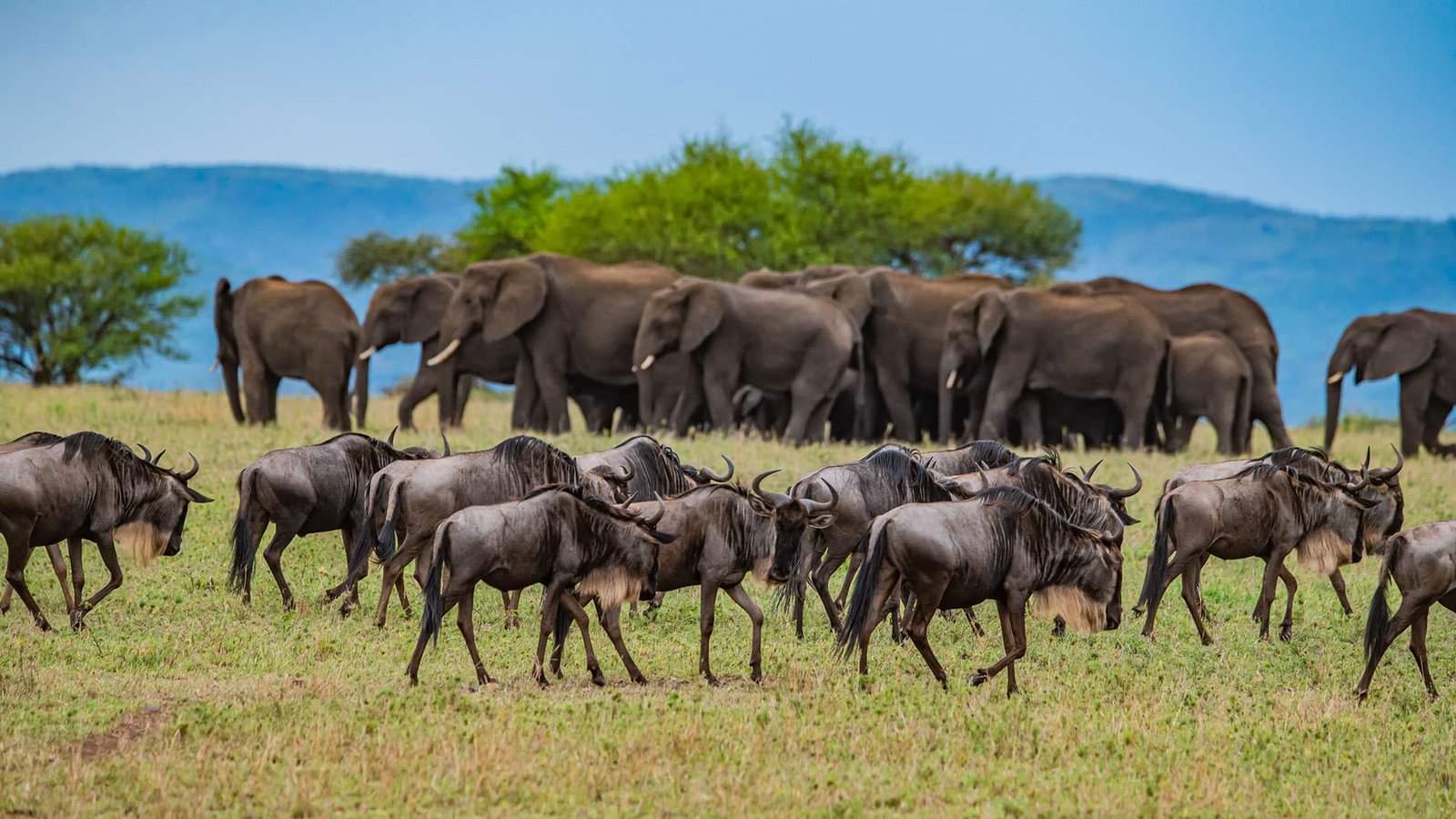
Moreover, the mountain range is home to diverse wildlife, including elephants, buffaloes, zebras, and birdlife.
Mount Kulal
Lastly, Mount Kulal, which is located in northern Kenya near Lake Turkana in Marsabit County, rises to approximately 2,285 meters above sea level, offering a different mountain experience. At first glance, its surroundings appear dry and rugged, but as you climb, you will be surprised to see a lush forest ecosystem that has developed around its slopes, creating a green island.
The Best Time to Go Mountain Climbing in Kenya
The best time to go Mountain climbing in Kenya definitely depends on the mountain that you choose to climb, your experience level, and the kind of adventure you want.
Kenya’s mountains can be climbed throughout the year, but choosing the right season can make all the difference between a challenging trek and an unforgettable experience.
Therefore, the best climbing season is during the dry season when trails are more stable, skies are clearer, and mountain views are at their most spectacular.
How Difficult is Mountain Climbing in Kenya?
Kenya’s mountains offer a wide range of mountain experiences, from gentle hikes that can be completed in a day to demanding high-altitude climbs.
Therefore, the difficulty of mountain climbing in Kenya depends on several factors like the mountain you choose, the altitude, the route, the weather conditions, your fitness level, and your adaptability level to changing environments. However, while some climbs are accessible to beginners, other mountains can test even advanced climbers.
The important thing to understand is that mountain climbing in Kenya is not about physical strength but about patience and preparation.
What to Pack for Mountain Climbing in Kenya
Many first-time climbers assume that Kenya’s warm climate means that mountain conditions will also be warm. The truth is that these high-altitude areas experience extremely cold conditions, and what you pack allows you to focus on the views, the journey, and the incredible landscapes around you.
- Heavy clothes for the mountain changing conditions
- Strong hiking boots
- A comfortable backpack
- Sleeping equipment & camping Gear
- A reusable water bottle
- Water purification tablets
- Energy snacks like nuts, energy bars, dried fruits, and chocolate
- First-aid kit
- Sun protection essentials
- Cameras & Binoculars
Mountain Climbing Safety Tips in Kenya
- Choose a mountain that matches your experience. If you are a beginner, consider Mount Longonot or Mount Suswa before trying Mount Suswa,
- Hire a certified local guide.
- Give your body time to adjust to the altitude.
- Check the weather before you begin climbing.
- Wear the correct mountain climbing clothing, gear, and footwear.
- Stay hydrated and eat regularly.
- Pace Yourself.
- Respect the environment and wildlife.
- Carry a basic first-aid kit.
- Know when to turn back.
Conclusion
Mountain climbing in Kenya is an incredible adventure, but the best experiences are built on preparation and smart decisions. So whether you are planning your first hike or preparing for a multi-day expedition, Kenya offers mountains that inspire, challenge, and reward in equal measure.
Come prepared, respect the environment, climb responsibly, and take time to enjoy the journey, not just the destination.
Important details:
- Kenya is home to some of Africa’s most spectacular mountains, making it a popular destination for mountain climbing and hiking.
- The highest mountain in Kenya is Mount Kenya, which rises to 5,199 meters above sea level and is Africa’s second-highest mountain after Mount Kilimanjaro.
- Mount Kenya is a UNESCO World Heritage Site and one of the country’s most important natural landmarks.
- The mountain has three main peaks: Batian, Nelion, and Point Lenana. Point Lenana is the most commonly climbed peak by trekkers.
- Most climbers take between 4 and 6 days to reach Point Lenana, allowing time for acclimatization.
- Popular climbing routes on Mount Kenya include the Sirimon Route, Chogoria Route, and Naro Moru Route.
- The Chogoria Route is famous for its beautiful scenery, including waterfalls, forests, valleys, and alpine lakes.
- Mount Kenya is home to unique wildlife such as buffaloes, elephants, colobus monkeys, and numerous bird species.
- Climbers pass through different vegetation zones, from dense forests to bamboo forests, moorlands, and alpine deserts.
- The best time for mountain climbing in Kenya is during the dry seasons from January to March and June to October.
- Mountain climbing in Kenya offers breathtaking views of valleys, glaciers, lakes, and surrounding landscapes.
- Besides Mount Kenya, hikers can also explore mountains such as Mount Longonot, Mount Elgon, and the Aberdare Ranges.
- Kenya