
The Ngorongoro Crater descent is a guided wildlife safari that takes visitors approximately 600 metres from the crater rim to the crater floor in northern Tanzania. The crater is the world’s largest intact, unfilled volcanic caldera and is home to thousands of wild animals, including Africa’s Big Five. Visitors can enjoy beautiful landscapes, close wildlife encounters and excellent photography opportunities throughout the year.
The Ngorongoro Crater descent is one of the most popular activities on a Tanzania safari. It can be combined with Serengeti National Park, Tarangire National Park, Lake Manyara and the Ndutu calving season.
What Is the Ngorongoro Crater Descent?
The Ngorongoro Crater descent involves travelling down a steep, winding road from the crater rim to the crater floor using a 4×4 safari vehicle. The crater floor covers approximately 260 square kilometres and features open grasslands, forests, freshwater springs, swamps and an alkaline lake.
The crater was formed millions of years ago when a large volcano collapsed. Today, it forms part of the Ngorongoro Conservation Area, a UNESCO World Heritage Site known for its wildlife, natural beauty and geological history.
Unlike the Great Wildebeest Migration, which follows seasonal rainfall, many animals in Ngorongoro Crater remain within the area throughout the year. This makes it a reliable destination for wildlife viewing.
What to Expect During the Ngorongoro Crater Descent
Your safari normally begins early in the morning after breakfast at your lodge or tented camp. Your driver-guide will take you towards the crater rim, where you may stop at a viewpoint to enjoy the beautiful scenery and take photographs.
The descent takes you through winding roads surrounded by mountain vegetation. As you approach the crater floor, the landscape opens into large grasslands filled with wildlife.
Your guide will explore different parts of the crater in search of lions, elephants, rhinos, buffaloes and other animals. Throughout the game drive, your guide will explain animal behaviour, local habitats and the history of the conservation area.
Depending on your safari programme, you will enjoy a packed lunch at a designated picnic site before continuing your game drive and ascending from the crater.
Ngorongoro Crater Descent and Ascent Roads
There are three main roads connecting the crater rim to the crater floor. These roads help manage vehicle movement and protect the natural environment.
| Road | Purpose |
|---|---|
| Seneto Road | Descent into the crater |
| Lerai Road | Ascent from the crater |
| Lemala Road | Descent and ascent |
The road used during your safari depends on your accommodation location, weather conditions and conservation authority regulations.
Wildlife to See During the Ngorongoro Crater Descent
Ngorongoro Crater is one of the best places in Tanzania to see a wide variety of wildlife within a relatively small area. The availability of water and grazing land supports large numbers of animals throughout the year.
Lions
Ngorongoro Crater is well known for its resident lion population. Visitors may encounter lions resting beside safari tracks, walking across the grasslands or hunting wildebeest and zebras.
Black Rhinos
The crater is one of Tanzania’s most important habitats for endangered black rhinos. Although sightings are not guaranteed, visitors have a chance of seeing these rare animals during a game drive.
African Elephants
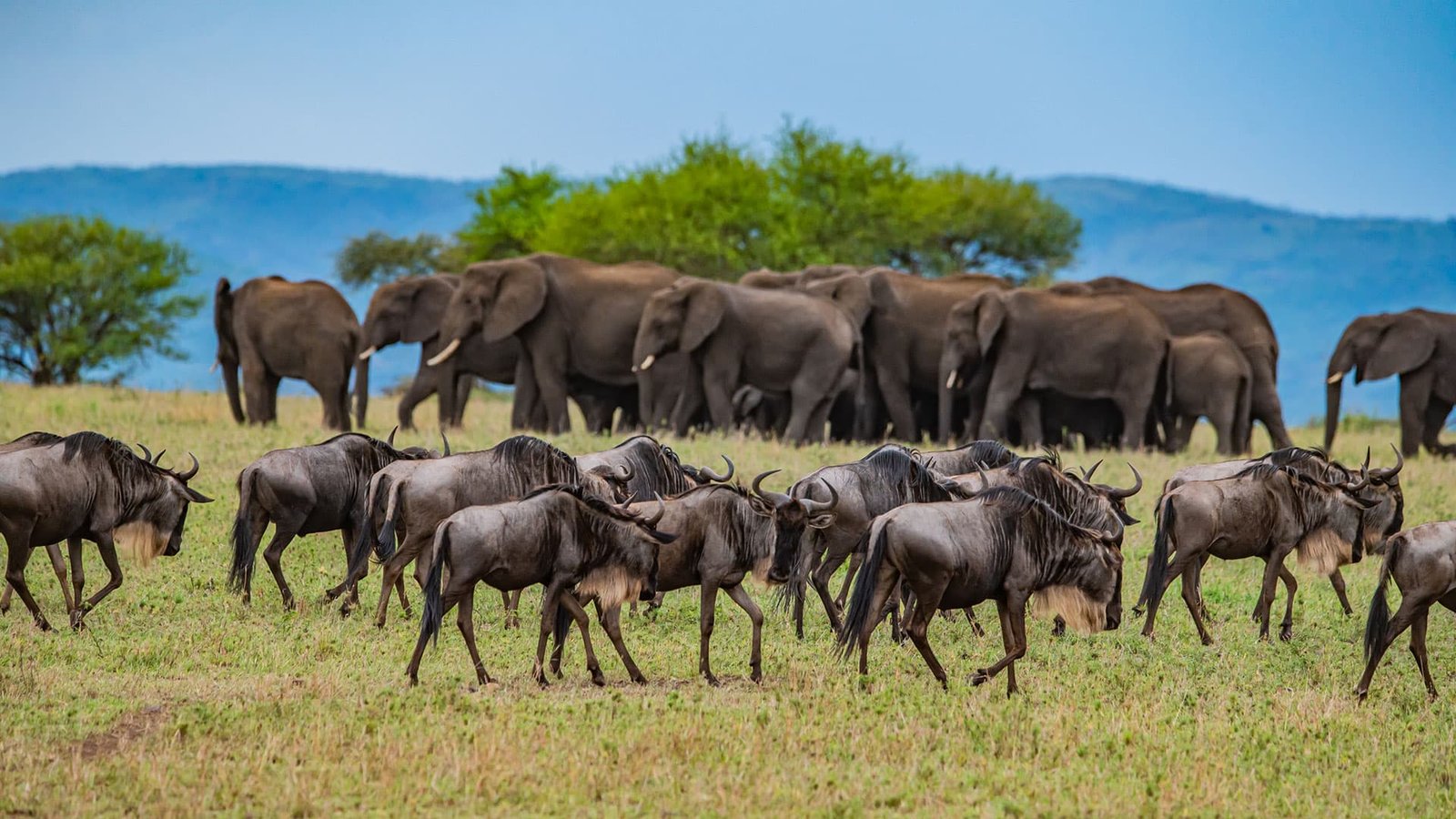
Large elephants, particularly mature bulls, can often be found around forests, swamps and grasslands. Some are known for their impressive tusks.
Buffaloes
African buffaloes are commonly seen grazing in large herds across the crater floor. They are among the easiest members of the Big Five to encounter in Ngorongoro.
Leopards
Leopards live in and around the crater but are more difficult to spot because of their secretive behaviour. They are more likely to be found in wooded areas.
Other Wildlife
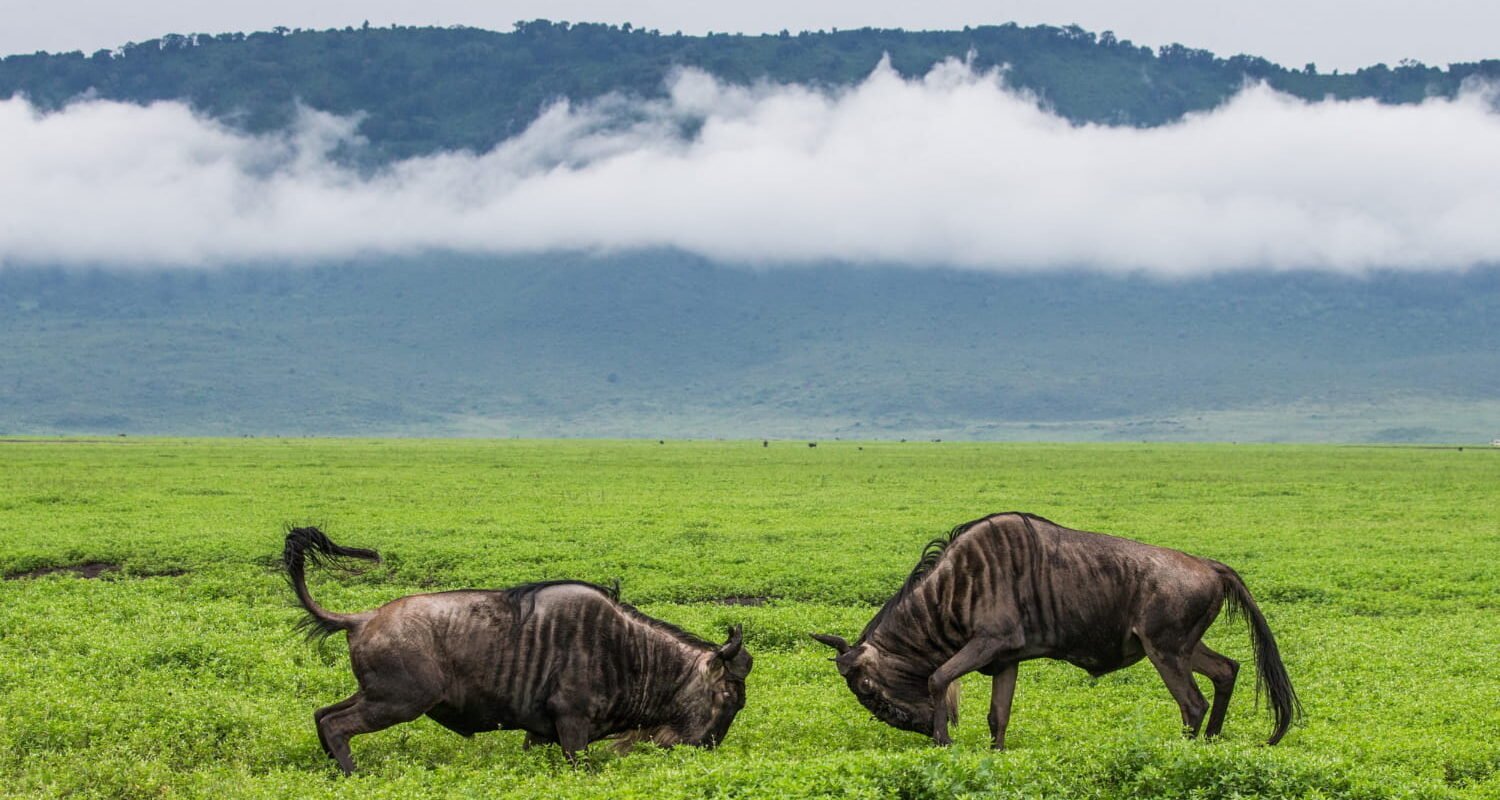
Visitors can also encounter wildebeest, zebras, spotted hyenas, hippos, jackals, gazelles, warthogs, ostriches and numerous bird species. Flamingos may be seen around Lake Magadi, depending on water levels and seasonal conditions.
Main Attractions Inside Ngorongoro Crater
Lake Magadi
Lake Magadi is a shallow alkaline lake located on the crater floor. It attracts flamingos and other waterbirds when conditions are suitable. The surrounding grasslands provide excellent opportunities to see grazing animals and predators.
Lerai Forest
Lerai Forest is known for its tall fever trees and beautiful woodland scenery. The forest provides shelter for elephants, monkeys and various bird species. It is also a good area to enjoy nature photography.
Ngoitokitok Springs
Ngoitokitok Springs is a freshwater area and one of the popular picnic locations inside Ngorongoro Crater. Visitors can enjoy their packed lunch at designated areas while observing hippos and waterbirds from a safe distance.
Gorigor Swamp
Gorigor Swamp provides an important source of water for wildlife. Elephants, buffaloes, hippos and several bird species can be found around this wetland habitat.
Ngorongoro Grasslands
The open grasslands cover much of the crater floor. They support large populations of wildebeest, zebras, gazelles and buffaloes. Lions and hyenas also use these areas to search for prey.
Best Time for Ngorongoro Crater Descent
The best time for a Ngorongoro Crater descent is generally from June to October, when the weather is relatively dry and wildlife is easier to spot. However, the crater offers excellent wildlife viewing throughout the year.
| Travel period | Safari experience |
|---|---|
| January to February | Green landscapes and excellent wildlife viewing |
| March to May | Rainy season, fewer visitors and lush scenery |
| June to October | Dry weather and excellent wildlife viewing |
| November to December | Short rains and beautiful green landscapes |
January and February are particularly suitable for travellers combining Ngorongoro Crater with the Ndutu wildebeest calving season.
The early morning is usually the best time to descend into the crater because temperatures are cooler, wildlife may be more active and there are often fewer safari vehicles.
How Long Does the Ngorongoro Crater Descent Take?
A Ngorongoro Crater game drive typically lasts between five and six hours. However, visitors should set aside most of the day to allow enough time for transfers, entry formalities, descent, wildlife viewing, lunch and ascent.
The actual driving time from the crater rim to the floor depends on the road used and prevailing road conditions.
Your safari guide will plan the game drive according to the permitted visiting hours and applicable crater regulations.
Ngorongoro Crater Descent Fees
Visitors descending into Ngorongoro Crater must pay applicable conservation area entrance fees and a separate crater service fee. The conservation area entrance fee is charged per person, while the crater service fee is charged per vehicle per descent.
Additional costs may include vehicle entry fees, accommodation concession fees and applicable taxes.
Travelling with other people in a shared safari vehicle can reduce the crater service cost per person. Private safaris offer greater flexibility but may cost more for solo travellers and couples.
When booking a Tanzania safari with Ravina Tours & Travels, the applicable crater descent fees can be included in your safari quotation.
Official fees are subject to change and should be confirmed before booking.
How Much Does a Ngorongoro Crater Safari Cost?
The cost of a Ngorongoro Crater safari depends on the number of travellers, accommodation category, travel season and departure location.
Travellers can choose between budget, mid-range and luxury safari packages. A private safari generally costs more than a shared safari because vehicle and guide expenses are not shared with other groups.
A complete safari package can include accommodation, meals, conservation fees, crater descent fees, professional guide services and transport in a 4×4 safari vehicle.
Requesting a personalised quotation is the best way to establish the total cost of your Ngorongoro Crater safari.
Safari Vehicles Used for Ngorongoro Crater Descent
A 4×4 safari Land Cruiser with a pop-up roof is the preferred vehicle for exploring Ngorongoro Crater. These vehicles are suitable for steep roads, uneven terrain and changing weather conditions.
The pop-up roof provides travellers with better views of wildlife and opportunities to take photographs while remaining inside the vehicle.
A private Land Cruiser is particularly suitable for families, couples and wildlife photographers who want greater flexibility during their game drives.
Where to Stay Before Ngorongoro Crater Descent
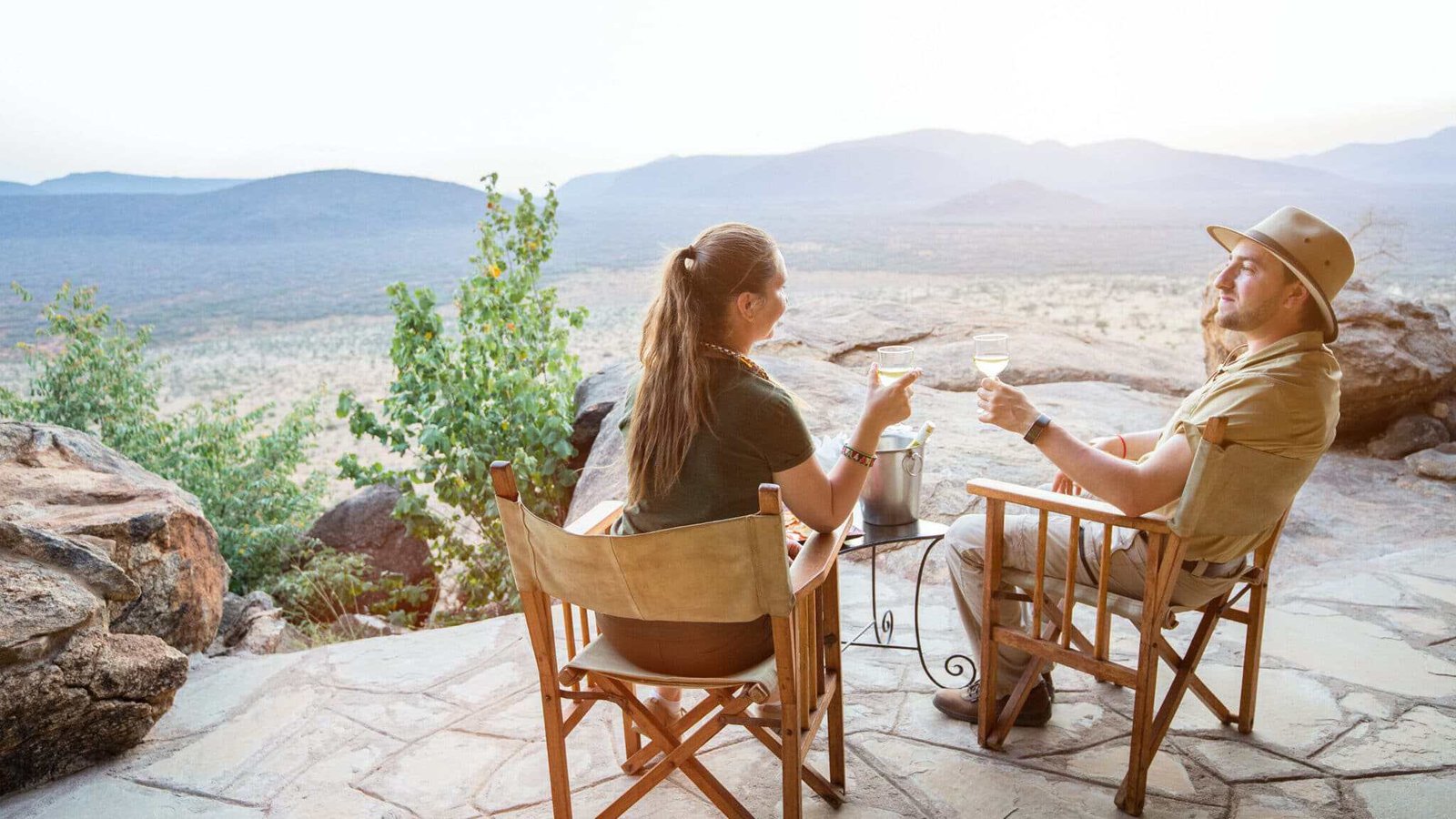
Travellers can stay along the Ngorongoro Crater rim, within the wider conservation area or in the nearby town of Karatu.
Staying near the crater rim offers beautiful views and convenient access to the descent roads. Karatu provides a wider selection of accommodation options, often at more affordable prices.
| Accommodation | Location |
|---|---|
| Ngorongoro Serena Safari Lodge | Crater rim |
| Ngorongoro Sopa Lodge | Crater rim |
| The Highlands | Ngorongoro Conservation Area |
| Ngorongoro Lion’s Paw Camp | Near the crater rim |
| Ngorongoro Farm House | Karatu |
| Ngorongoro Marera Mountain View Lodge | Karatu |
| The Retreat at Ngorongoro | Karatu |
| Kitela Lodge | Karatu |
| Gibb’s Farm | Karatu |
Accommodation availability, operating status and access arrangements should be confirmed before making a reservation.
Ngorongoro Crater Descent Rules and Regulations
Visitors must follow conservation regulations to protect wildlife and preserve the natural environment.
Travellers must remain inside their safari vehicles except at designated stopping areas. Feeding animals, littering, disturbing wildlife and driving outside authorised tracks are prohibited.
Safari vehicles must use designated descent and ascent roads and follow the permitted visiting hours. Your professional safari guide will explain the relevant rules before entering the crater.
Responsible wildlife viewing helps protect Ngorongoro Crater for future generations.
What to Wear During Ngorongoro Crater Descent
The Ngorongoro Crater rim is located at a high altitude and can be quite cold in the early morning. Temperatures usually become warmer as you descend to the crater floor.
Wear comfortable safari clothing in neutral colours such as khaki, brown, beige and olive green. Carry a warm jacket for the morning and a lightweight waterproof jacket during the rainy season.
Sunscreen, sunglasses, a hat, insect repellent, binoculars and a camera are also recommended.
Is Ngorongoro Crater Descent Suitable for Children?
Yes, the Ngorongoro Crater descent is suitable for families travelling with children. The large variety of wildlife makes the experience both enjoyable and educational.
Families with young children may benefit from booking a private safari vehicle, which allows greater flexibility for bathroom breaks, meals and wildlife viewing.
Parents should explain basic safari safety rules to their children and ensure they follow the guide’s instructions throughout the experience.
How to Get to Ngorongoro Crater
Ngorongoro Crater is approximately 180 kilometres from Arusha by road. The journey generally takes around three to four hours to the crater rim, depending on traffic, road conditions and entry formalities.
Travellers arriving at Kilimanjaro International Airport can spend their first night in Arusha before continuing to Ngorongoro.
Visitors can also fly to Lake Manyara Airstrip and continue by road to their accommodation in Karatu or the Ngorongoro Conservation Area.
Combining Ngorongoro Crater Descent With Other Safari Destinations
Ngorongoro Crater is conveniently located along Tanzania’s Northern Safari Circuit, making it easy to combine with several popular wildlife destinations.
Tarangire National Park is famous for its large elephant herds and baobab trees. Serengeti National Park offers excellent opportunities to see big cats and the Great Wildebeest Migration.
Between January and March, travellers can combine Ngorongoro Crater with the Ndutu calving season to witness newborn wildebeest and predator activity.
Visitors can also finish their Tanzania safari with a relaxing beach holiday in Zanzibar.
Frequently Asked Questions About Ngorongoro Crater Descent
How deep is the Ngorongoro Crater descent?
The Ngorongoro Crater descent is approximately 600 metres from the crater rim to the floor. Visitors travel along designated winding roads using suitable safari vehicles.
Can you see the Big Five in Ngorongoro Crater?
Yes, all five members of Africa’s Big Five occur in Ngorongoro Crater. These include lions, elephants, buffaloes, black rhinos and leopards. However, seeing all five during a single game drive is not guaranteed.
Is the Ngorongoro Crater descent safe?
The Ngorongoro Crater descent is generally safe when travelling with an experienced safari driver in a suitable 4×4 vehicle. The roads are steep in some sections, and drivers must follow conservation regulations and adjust to weather conditions.
Are there toilets inside Ngorongoro Crater?
Yes, toilets are available at designated visitor and picnic areas inside the crater. Your safari guide will help you plan bathroom breaks during the game drive.
Can you have lunch inside Ngorongoro Crater?
Yes, visitors can enjoy packed lunches at designated picnic sites inside the crater. Ngoitokitok Springs is one of the popular locations for a picnic lunch.
Can you walk inside Ngorongoro Crater?
Visitors cannot freely walk around the crater floor. Travellers must remain inside their safari vehicles except at designated stopping areas. Guided walking safaris can be arranged in other permitted parts of the conservation area.
Are there giraffes inside Ngorongoro Crater?
Giraffes are rarely found on the Ngorongoro Crater floor. They are more commonly seen in the surrounding conservation area and other Tanzania national parks. The steep crater walls are believed to limit their movement into the crater.
Is one day enough for Ngorongoro Crater?
Yes, one day is generally enough to explore the main wildlife habitats inside Ngorongoro Crater. Spending the previous night in Karatu or near the crater rim allows you to start your game drive early.
Is the Ngorongoro Crater descent worth it?
Yes, the Ngorongoro Crater descent is one of the most rewarding safari experiences in Tanzania. Its beautiful scenery, diverse wildlife and opportunities to see endangered black rhinos make it a highlight of the Northern Safari Circuit.
Book Your Ngorongoro Crater Descent With Ravina Tours & Travels
Discover one of Africa’s most remarkable wildlife destinations with Ravina Tours & Travels. We arrange personalised Tanzania safari packages combining Ngorongoro Crater with Serengeti National Park, Tarangire National Park, Ndutu and Zanzibar.
Whether you are planning a family safari, romantic honeymoon, luxury holiday or wildlife photography adventure, our team can help you select suitable accommodation, professional safari guides and a comfortable 4×4 safari vehicle.
Contact us to start planning your Tanzania safari.
WhatsApp: +254 722 103 340
Email: info@ravinatoursandtravels.com
Important details:
- Tanzania