
Choosing the best time of year to go on African safari depends on where you want to travel, what wildlife you want to see, your preferred weather, and your budget. Africa is a huge continent with many different climates and ecosystems, so safari conditions are not the same everywhere. A month that offers excellent wildlife viewing in Kenya may have very different conditions in Botswana, South Africa, Uganda, or Tanzania.
For many popular safari destinations in East and Southern Africa, the dry season from June to October is considered one of the best periods for traditional game viewing. During these months, vegetation is often thinner, rainfall is lower, and animals may gather around permanent water sources. However, the green seasons can also provide exceptional wildlife experiences, beautiful landscapes, fewer tourists, and potentially better accommodation prices.
There is therefore no single month that can be called the best time of year to go on African safari for everyone. The right time depends on the experience you want.
What Is the Best Time of Year to Go on African Safari?
For travelers planning their first safari, June through October is a strong general recommendation. These months coincide with dry-season conditions across many of Africa’s most famous safari areas. With less vegetation and fewer natural water sources, wildlife can become easier to locate.
The dry season is especially popular in Kenya, Tanzania, Botswana, Zambia, Zimbabwe, Namibia, and parts of South Africa. However, conditions vary between countries and even between different parks within the same country.
January and February can also be excellent months, particularly in Tanzania’s Serengeti, where the wildebeest calving season creates opportunities to see newborn animals and increased predator activity.
November and December can bring seasonal rains to many areas. These months can produce green landscapes and excellent birdwatching while offering a quieter safari experience in some destinations.
Best Time of Year to Go on Safari in Kenya
Kenya can be visited for safari throughout the year, but June to October is among the most popular periods. The weather is generally drier in many wildlife areas, and game viewing can be excellent.
The Masai Mara is particularly attractive during the months when the Great Migration moves through the Kenya-Tanzania ecosystem. July to October is commonly associated with the period when large numbers of wildebeest may be found in the Mara, although the exact timing changes according to rainfall and grazing conditions.
January and February are also good months for Kenya safaris. These months can provide relatively dry conditions and good wildlife viewing without the same level of peak-season demand found during some summer months.
The long rains generally occur around March or April through May, although rainfall patterns vary. These months can offer greener scenery, fewer visitors, and potentially lower accommodation prices.
Best Time to Visit the Masai Mara
If the Great Migration is your priority, July through October is one of the most popular periods to visit the Masai Mara. During this time, large herds can enter Kenya after moving north through the Serengeti.
However, travelers should understand that the migration is not a scheduled event with guaranteed dates. The herds follow rainfall and fresh grazing, so their exact location changes every year.
The Masai Mara is still an excellent destination outside the migration period. Resident lions, leopards, cheetahs, elephants, buffalo, giraffes, zebras, and numerous antelope species remain in the ecosystem throughout the year.
For travelers who want good wildlife without peak migration crowds, January and February can be particularly appealing.
Best Time of Year to Go on Safari in Tanzania
Tanzania offers some of Africa’s most famous safari experiences, including the Serengeti, Ngorongoro Crater, and Tarangire National Park.
June to October is a popular period for Tanzania because many areas experience dry conditions. Wildlife can become concentrated around rivers and remaining water sources, making game viewing productive.
January and February are particularly interesting for travelers interested in the Serengeti calving season. Large numbers of wildebeest give birth, creating an important period for both newborn animals and predators.
The best time to visit Tanzania therefore depends heavily on your priorities. Travelers focused on the Great Migration should plan around animal movements, while travelers simply interested in general wildlife viewing have greater flexibility.
Best Time for the Great Migration
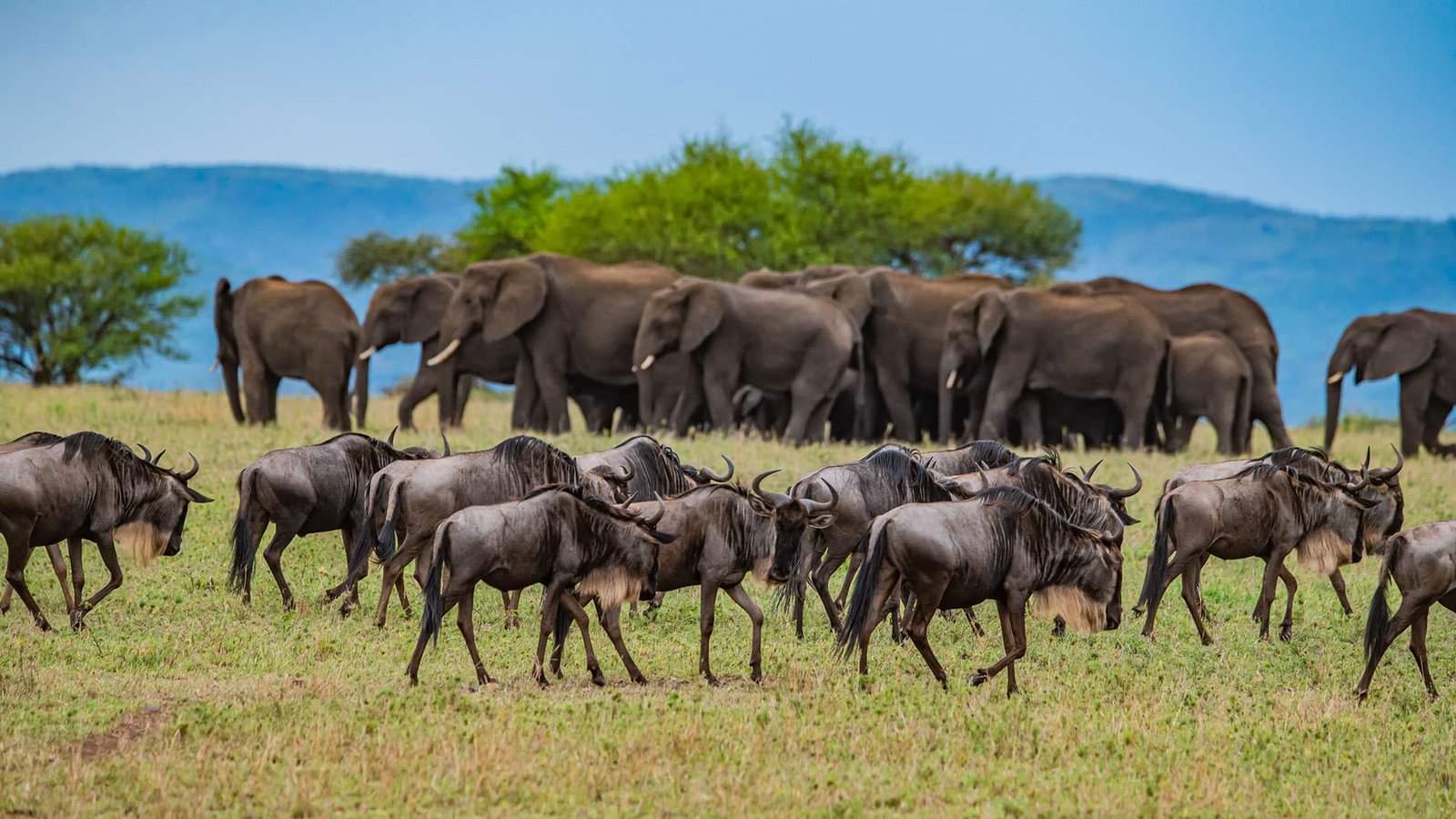
The Great Migration is one of the biggest reasons travelers ask about the best time of year to go on African safari. The migration involves huge numbers of wildebeest, zebra, and gazelles moving through Tanzania’s Serengeti and Kenya’s Masai Mara.
There is no single migration month because the animals are continuously moving. January and February are associated with calving in the southern Serengeti. Around May and June, the herds begin moving toward northern grazing areas, while July through October can bring large concentrations into the northern Serengeti and Masai Mara.
The famous Mara and Grumeti River crossings are unpredictable. Some travelers may witness dramatic crossings, while others may visit during the same period and see the herds in different areas.
For this reason, it is better to plan a migration safari around the general seasonal movement rather than expecting a guaranteed river crossing.
Best Time of Year to Go on Safari in Botswana
Botswana is an exceptional safari destination, particularly for travelers interested in remote wilderness, elephants, and the Okavango Delta.
June to October is generally considered one of the best periods to visit Botswana. This is the dry season, but the Okavango Delta can have high water levels because floodwaters from rainfall farther upstream arrive later.
The combination of water and dry surrounding landscapes can create excellent conditions for wildlife viewing. Travelers may experience game drives, boat trips, and mokoro excursions depending on the location and water levels.
Botswana’s peak safari season can be expensive, especially for luxury camps. Travelers looking for lower rates may consider shoulder seasons.
Best Time of Year to Go on Safari in South Africa
South Africa provides year-round safari opportunities, particularly in the Kruger region and surrounding private reserves.
May through September is generally a popular period for wildlife viewing because it is cooler and drier in many areas. Vegetation becomes thinner, and animals may gather near water sources.
The summer months can provide a different safari experience. Rain brings fresh vegetation, landscapes become greener, and many animals give birth during this period. Birdwatching can also be particularly rewarding.
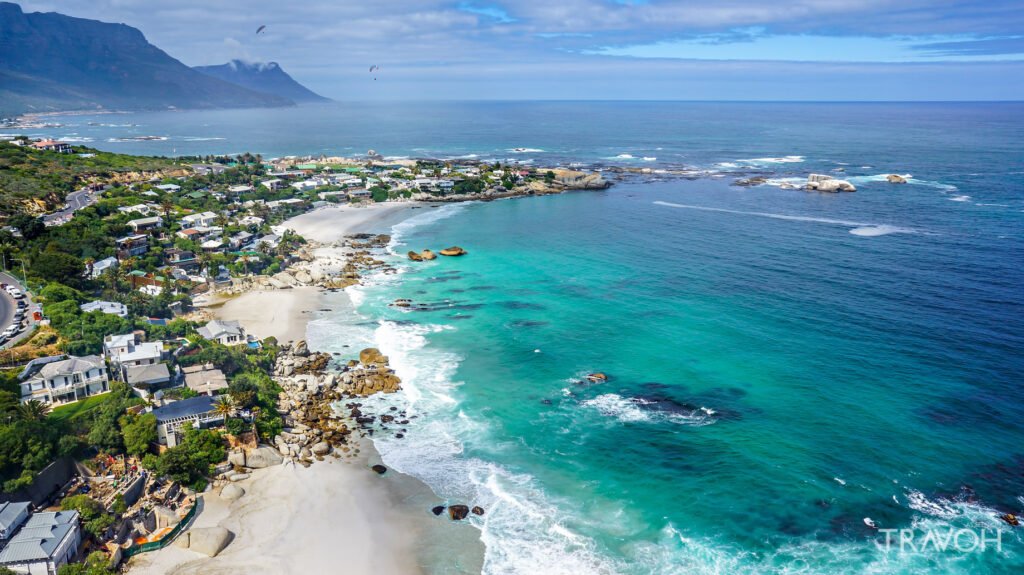
South Africa’s developed tourism infrastructure makes it a flexible destination for travelers who want to combine safari with Cape Town, the Garden Route, beaches, mountains, or other attractions.
Best Time of Year to Go on Safari in Uganda
Uganda offers a combination of traditional wildlife safaris and primate experiences. Travelers can visit destinations such as Queen Elizabeth National Park, Murchison Falls National Park, Kibale National Park, and Bwindi Impenetrable National Park.
The drier periods are often preferred for gorilla and chimpanzee trekking because trails can be less muddy. However, Uganda is a rainforest destination in several areas, so rain can occur throughout the year.
For a combined Uganda safari, the best travel period should take into account both wildlife viewing and trekking conditions.
Best Time of Year to Go on Safari in Rwanda
Rwanda is particularly famous for mountain gorilla trekking in Volcanoes National Park. It can be visited throughout the year, although the drier periods are often preferred for trekking.
The forest environment remains wet even during relatively dry periods, and weather can change quickly in mountainous areas. Travelers should prepare for muddy trails and changing conditions regardless of their travel month.
Rwanda can be a strong choice for travelers who want a more focused primate experience rather than a traditional savanna safari.
Best Safari Months for Wildlife Viewing
January can be an excellent safari month in Tanzania, particularly during the Serengeti calving season. Kenya can also offer good wildlife viewing in several parks.
February continues to be a strong month for Tanzania and Kenya, especially for travelers interested in young animals and predator activity.
March can offer good wildlife experiences, although rainfall patterns become more variable in some destinations.
April and May are wetter in several East African safari regions. These months can be less crowded and may provide lower accommodation rates, but travelers should expect occasional rain and muddy roads in some areas.
June marks the beginning of the popular dry-season period in many safari destinations. Wildlife viewing conditions generally become increasingly favorable.
July and August are among the busiest safari months, particularly in Kenya and Tanzania. They are popular for dry weather and migration-related experiences.
September remains an excellent month for many safari destinations and can sometimes offer slightly fewer visitors than the busiest periods.
October is often excellent for wildlife viewing because water becomes scarce in many areas, encouraging animals to gather around permanent sources.
November brings rain to several regions. Green landscapes, migratory birds, and newborn animals can make this an attractive month for travelers who do not mind showers.
December can be rewarding for safari, particularly outside the busiest holiday periods. Green scenery and seasonal wildlife activity can create beautiful conditions.
Dry Season vs Green Season Safari
The dry season is often recommended because animals can be easier to find. Grass and vegetation may be shorter, visibility can improve, and wildlife often gathers around water.
However, the dry season is not automatically better for every traveler. It can be hotter, busier, and more expensive in popular destinations.
Green-season safaris offer lush vegetation, colorful landscapes, dramatic skies, and excellent birdwatching. Many animals give birth during periods when food is abundant, creating interesting opportunities for observing young wildlife.
Green seasons can also provide more affordable accommodation in some destinations. Travelers who prioritize value and photography may find these periods particularly attractive.
Best Time for an Affordable African Safari
If price is an important factor, consider traveling during shoulder or green seasons. Safari accommodation rates can be lower when demand decreases, although pricing varies by lodge, park, and country.
April and May can be more affordable in parts of East Africa because of the long rains. November can also offer attractive rates in some destinations.
However, travelers should compare the entire package rather than focusing only on accommodation prices. Park fees, transportation, meals, activities, and transfers can significantly influence the final safari cost.
Best Time for a Luxury Safari
Luxury safari travelers often choose June to October because of the combination of dry weather and strong wildlife viewing. These months are particularly popular for premium camps in Kenya, Tanzania, Botswana, and other leading safari destinations.
Traveling during a shoulder season can provide a different advantage. Some camps may have fewer guests, allowing for a more private atmosphere. Green landscapes can also create exceptional photographic opportunities.
Luxury safari pricing depends heavily on the property, location, season, and level of exclusivity. A remote luxury camp can remain expensive even outside the main peak season.
Best Time for a Family Safari
Families should consider more than wildlife when selecting safari dates. Weather, road conditions, children’s ages, accommodation policies, and the length of game drives all matter.
Dry-season travel can be convenient because roads are generally easier to navigate in many safari areas. Wildlife may also be easier to locate, reducing the time spent searching for animals.
Families who are flexible can consider shoulder seasons for potentially lower prices and fewer visitors. Private vehicles can also provide additional flexibility because parents can adjust the timing and pace of game drives.
Best Time for Safari Photography
Photography opportunities exist throughout the year, but different seasons create different results.
Dry-season photography often provides clear views of wildlife against open backgrounds. Animals may gather around waterholes, creating opportunities for action and interaction.
Green-season photography provides lush scenery, vibrant vegetation, dramatic clouds, and softer landscapes. Newborn animals and migratory birds can also add variety to a photographer’s portfolio.
The best time for photography depends on whether you prefer wildlife portraits, predator action, landscapes, birds, or environmental photographs.
Does Rain Ruin an African Safari?
Rain does not automatically ruin a safari. In many cases, rain can improve the visual beauty of the landscape and create memorable experiences.
Short afternoon storms can be followed by dramatic sunsets and clear skies. Rain can also bring animals and birds to life, while fresh vegetation provides food for herbivores.
However, heavy rainfall can affect road conditions in certain parks. Some remote tracks may become muddy or difficult to navigate. This is why choosing an experienced local safari operator is important when traveling during wetter periods.
How to Choose the Right Safari Season
Begin with your destination. Kenya, Tanzania, Botswana, South Africa, Uganda, and Rwanda all have different seasonal patterns.
Next, identify your main wildlife goal. If you want the Great Migration, your dates should match the expected movement of the herds. If you want gorilla trekking, consider trekking conditions in Uganda or Rwanda. If you want excellent elephant viewing, consider destinations such as Amboseli or Chobe according to seasonal conditions.
Then consider your budget. Peak seasons generally cost more, while shoulder and green seasons can offer better value.
Finally, think about your tolerance for crowds and weather. Some travelers prefer the predictable conditions of peak dry season, while others enjoy the quieter atmosphere and lush scenery of the green season.
Is There a Bad Time to Go on African Safari?
There is rarely a completely bad time to go on safari. Each season has advantages and disadvantages.
The wet season can make some roads challenging, but it can also produce beautiful scenery and excellent birdwatching. The dry season can offer excellent wildlife viewing but may be hotter and more crowded.
The most important factor is matching expectations with conditions. If you know what the season is likely to offer, you can prepare appropriately and enjoy the experience.
Best Time of Year to Go on African Safari: Final Verdict
The best time of year to go on African safari for general wildlife viewing is often between June and October, when dry-season conditions provide excellent opportunities in many of Africa’s leading safari destinations. Wildlife can be easier to spot, animals may gather around water, and roads are often more accessible.
However, the best period changes according to your destination and safari goals. January and February can be excellent for Tanzania’s calving season. July to October is popular for the Kenya-Tanzania migration. Botswana is particularly impressive during the dry months when the Okavango Delta can provide exceptional water-based experiences. South Africa offers strong safari opportunities during its cooler dry season, while Uganda and Rwanda provide primate experiences across much of the year.
Rather than choosing a month simply because it is considered peak safari season, plan around the destination, wildlife, weather, budget, and type of experience you want. With the right itinerary and realistic expectations, Africa can deliver an extraordinary safari experience in every season.