Have you ever imagined standing on the highest point in Africa, after days of trekking through forests, rocky trails, and landscapes?
Mount Kilimanjaro climbing is an adventure many travelers dream about, but turning that dream into reality takes more than booking a trip and packing hiking boots. If you are planning to climb Mount Kilimanjaro in 2027, understanding what lies ahead will help you prepare, choose the right route, and make the most of your experience.
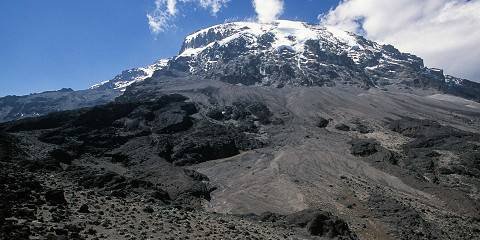
Mount Kilimanjaro is located in northern Tanzania, rising to 5,895 metres ( 19,341 feet) above sea level, making it the highest mountain in Africa.
What makes the climb fascinating is that you do not need advanced mountaineering skills or technical climbing for the standard trekking routes. However, this doesn’t mean that the journey is easy; you will spend several days walking at different elevations, experience changing temperatures, and need to give your body enough time to adjust to the reduced oxygen levels as you ascend.
Therefore, understanding altitude sickness, choosing a suitable itinerary, and travelling with a responsible mountain operator can help you prepare for the challenges ahead.
In this guide, Ravina Tours and Travel will take you through everything you need to know about climbing Mount Kilimanjaro in 2027, from comparing routes to choosing the best time to climb, understanding costs, training requirements, packing essentials, safety precautions, and what happens on summit night. This guide will offer you practical information to help you plan with confidence. Whether you are a first-time trekker, an experienced hiker, or any traveler hoping to combine Mount Kilimanjaro climbing with a Tanzania safari.
What Makes Climbing Mount Kilimanjaro Different
Climbing Mount Kilimanjaro is different from many mountain adventures because you can travel through several natural environments and reach the highest point in Africa without needing advanced technical mountaineering skills on the standard trekking routes.
Here are some of the reasons that make climbing Mount Kilimanjaro different;
1. The landscapes change as you gain altitude, making every stage of the trek feel different.
2. Many people assume that reaching a mountain as high as Mount Kilimanjaro requires ropes, specialised climbing equipment, and years of mountaineering experience. However, its standard routes are non-technical, meaning that most of the ascent involves hiking rather than technical rock climbing. This makes Mount Kilimanjaro accessible to many first-time mountain trekkers.
3. Reaching the summit is always about patience, not speed. Moving at a slow pace helps you conserve energy and reduces the temptation to push too hard at higher elevations. Your body needs time to adjust to the altitude, and rushing can make the climb more difficult.
Note that summit night can be demanding. Climbers commonly begin the final ascent during the night, walking for hours in the cold, dark conditions before reaching Uhuru Peak. Yes, it is an achievement, but it is very important to understand that not everyone reaches the top.
4. There are different routes to match different travel preferences. Mount Kilimanjaro is not a one-route mountain. For example, the Machame Route is popular for climbers who want varied landscapes and a camping experience; the Lemosho Route is known for its scenic approach; the Marangu Route offers hut accommodation, while the Northern Circuit provides a longer journey around much of the mountain.
However, the right route depends on how much time you have, your budget, your trekking experience, and your preferences.
5. Mount Kilimanjaro climbing goes beyond reaching Uhuru Peak. It is about the days spent trekking, shared meals at the camp, meeting your mountain crew, and watching the landscape change.
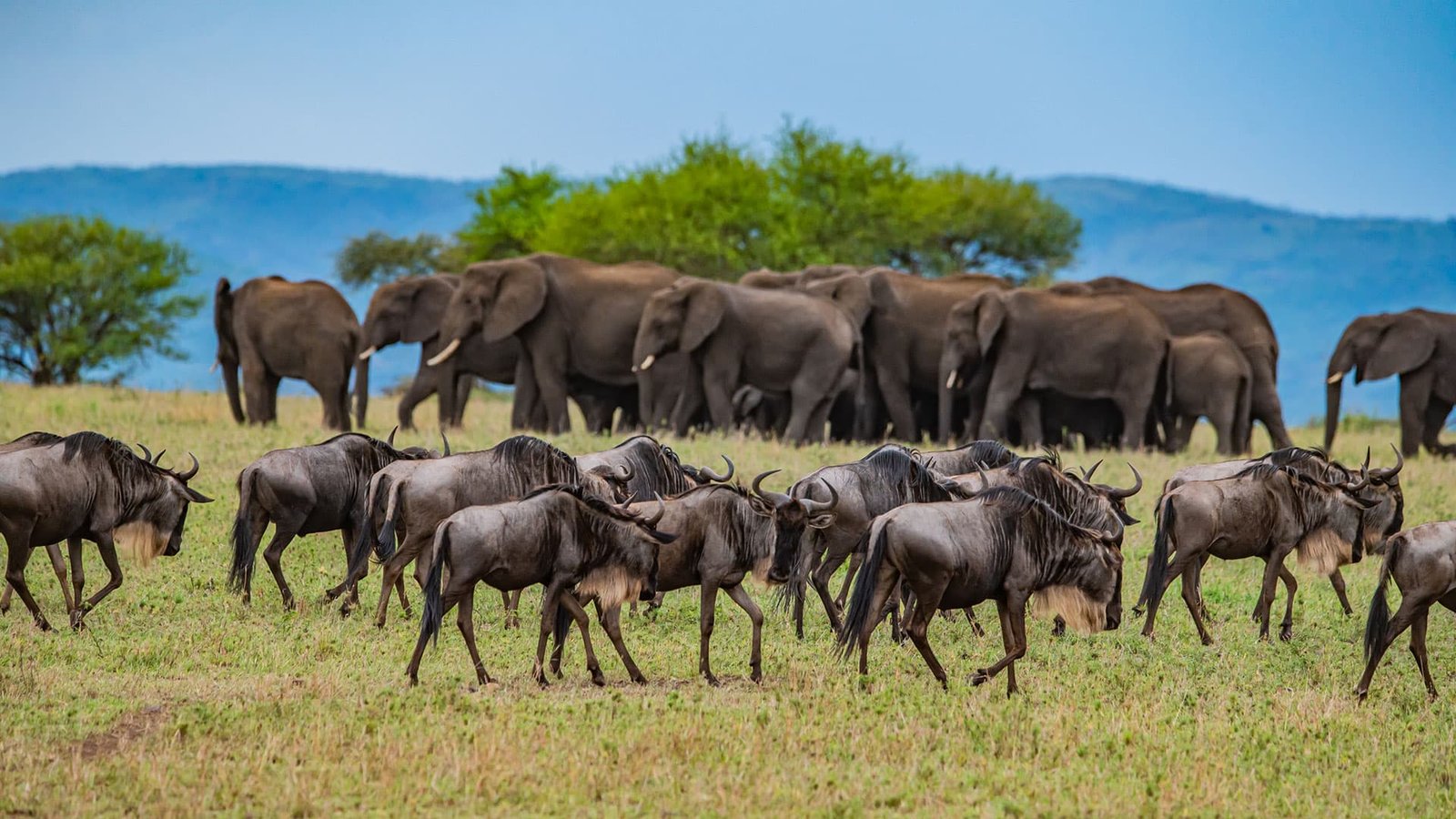
6. Climbing Mount Kilimanjaro can be part of a longer Tanzania safari tour depending on your schedule and budget. You could combine the trek with a wildlife safari in the Serengeti, Ngorongoro Crater, Tarangire National Park, or spend a few days relaxing on Zanzibar’s beaches afterwards.
Which Mount Kilimanjaro Route Should You Choose
The route you choose for Mount Kilimanjaro climbing can shape your entire experience, from the scenery you see and where you sleep to how much time your body has to adjust to the altitude.
If you are planning your climb in 2027, do not choose a route simply because it is popular or advertised at a lower price. Think about how many days you have, your trekking experience, your preferred level of comfort, and most importantly, the time available for acclimatization.
Note that there is no single route for everyone. Some travellers want a scenic trek with time to enjoy the journey, others prefer sleeping in mountain huts instead of tents, while some have a longer holiday and want a quieter approach to the summit.
So which Mount Kilimanjaro Route should you choose in 2027?
The answer to this definitely depends on your available time, budget, trekking experience, preferred accommodation, and how gradually you want to ascend. If this is your first attempt, consider a route with a longer itinerary rather than choosing the shortest option simply to save some coins. Spending more time on the mountain can give your body additional opportunities to adjust to the altitude.
Therefore, Mount Kilimanjaro Routes;
1. Lemosho Route
If you want a beautiful route with time to experience different landscapes, the Lemosho route is an excellent option to consider. You can begin your trek in a forested area, with open moorland, rocky terrain and impressive views of the mountain. Therefore its longer itinerary for about 7 to 8 days allows you more time for acclimatization than shorter climbs.
However, a longer climb generally involves additional park fees, meals, crew arrangements and camping costs. Therefore, you should expect to sleep in tents rather than mountain huts.
2. Machame Route/ Whiskey Route
The Machame Route is one of Kilimanjaro’s most popular climbing routes.
It starts from the south and takes trekkers through the forest, open heathland and rocky high-altitude terrain before reaching the summit.
However, the route can be busy, especially during popular climbing seasons. Some sections like the Barranco Wall, involve scrambling over rocky terrain.
If you have a limited holiday window but still want a rewarding climb, consider a 7-day Machame itinerary rather than automatically selecting the shortest version.
3. Marangu Route/ Coca-Cola Route
Marangu Route offers a different experience because it uses designated mountain huts rather than tented camps for travelers who are uncomfortably sleeping in tents, this can be an important advantage.
The route starts from the southeast and follows the same trail for the ascent and descent. Along the way, you pass through forest and moorland before reaching the higher altitude around Kibo Hut.
however, do not assume that Marangu Route is easy simply because its trail is often percieved as less demanding in places. The altitude remains a major challenge, and the shorter 5-day itinerary gives relatively little time for acclimatization.
4. Rongai Route
Rongai Route starts from the north close to the Kenyan border. It is often less-crowded than the popular southern routes and offers a different perspective of the mountain. However, the northern side can receive less rainfall than the southern slopes during some periods, making Rongai Route worth considering when comparing seasonal conditions.
5. Northern Circuit
If you have enough time and budget, the northern circuit is worth serious consideration. It follows a longer route around much of Kilimanjaro, including the mountain’s quieter northern slopes. Its main advantage is the opportunity for a more gradual ascent over a longer itinerary. The route also provides extensive views and a less crowded experience along some sections.
Therefore, if reaching the summit is your priority and you have enough time, consider the Northern Circuit. Its longer schedule offers useful acclimatisation opportunities, but your individual response to altitude still determines your climb progresses.
Umbwe Route
Umbwe Route is known for its steep, direct ascent and demanding early stages. It approaches the mountain from the south and gains elevation relatively quickly before joining trails used by other routes.
Its dramatic landscape may appeal to experienced trekkers but a short itinerary should not be confused with easier climb.
Note that for first -time climbers, a route with a more gradual ascent is worth considering.
7. Shira Route
The Shira Route approaches from the western side of Mount Kilimanjaro and crosses the Shira Plateau. It shares some terrain with Lemosho, but the initial approach can begin at a substantially higher elevation. This matters because starting high can be challenging for someone who has not had time to acclimatise. The route’s suitability therefore depends on how the itinerary manages the early elevation gain.
If you are still unsure which Kilimanjaro Route is the best for you, use these practical guidelines to narrow down your options;
- For a first-time climber consider Lemosho Route over 7 or 8 days, or Machame over 7 days.
- For more time to acclimatise, compare the 8-day Lemosho and longer Northern Circuit itineraries.
- For hut accommodation, look at Marangu Route, ideally with enough 8 days for a sensible ascent.
- For a quieter experience, consider Rongai or the Northern Circuit.
- For experienced trekkers seeking a steep challenge, consider the Umbwe Route.
- For a limited budget, compare the total costs of each route but do not sacrifice essential safety arrangements or choose an itinerary that rushes the ascent simply to save money.
Therefore, before booking your 2027 climb, ask for a day-by-day itinerary, the total cost, accommodation details, park-fee inclusions, guide arrangements, and emergency procedures.
What Happens During a Typical Mount Kilimanjaro Climb
Before climbing Mount Kilimanjaro, it is good to understand what your days on the mountain will actually look like. You might imagine spending the entire day walking uphill, but the experience is more structured than that. Each day has its own walking distance, changes in elevation, rest perieods and opportunties to prepare for the next stage.
Below is what a typical Mount Kilimanjaro climb looks like;
Your adventure usually begins with arrival at Kilimanjaro Airport, followed by a transfer to your hotel in Moshi or Arusha. Depending on your travel arrangements, you may have time to rest, explore the area and meet your climbing team.
Before the trek begins, your operator will arrange a briefing and equipment check. This is your opportunity to confirm that you have suitable hiking boots, warm clothers, waterproof layers, a handlamp, and other essentials.
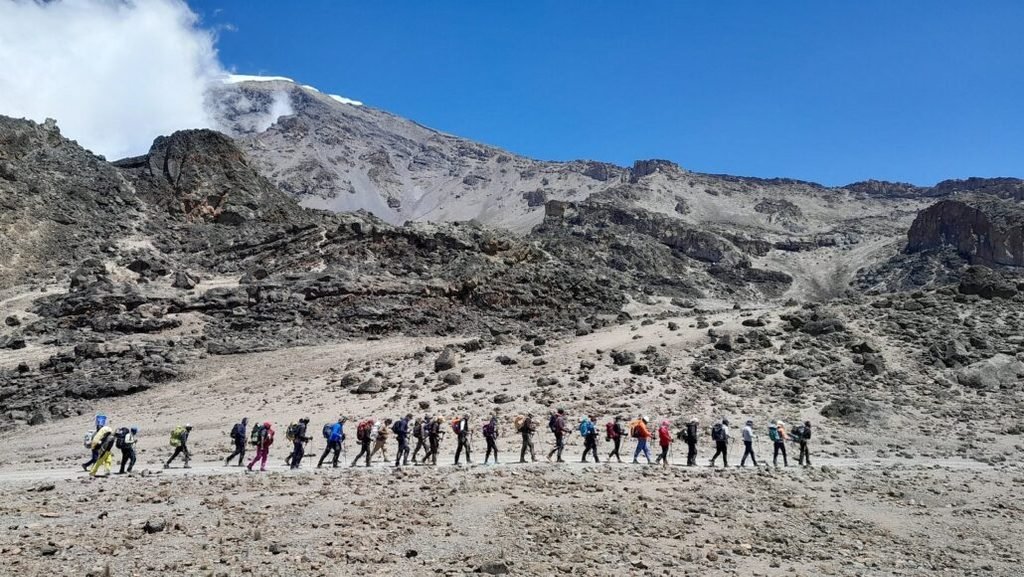
Once you are on the mountain, your day will generally begin early. On camping routes, your crew may bring you a warm drink and water for washing before breakfast. You will pack your daypack, organise your main luggage for the porter and prepare for the day’s trek.
After breakfast, your guide will explain the day’s routr and expected conditions. Walking commonly begins in the morning with regular breaks for water, snacks, photogrphs and lunch. You will often hear Swahili phrases like pole pole meaning slowly slowly. This is an important part of the Kilimanjaro experience helping you conserve energy and avoid pushing yourself unnecessarily as the altitude increases.
Depending on your route, you may begin beneath the trees of montane forest, continue through heathland and moorland, and eventually reach the dry, rocky landscape of the alpine desert. As you go, your guide will explain when to rest, how to manage the pace and what to expect at the next stage.
On camping routes, you will usually reach the camp in the afternoon, where the crew prepares the campsite and meals. On the Marangu Route, you will stay in designated mountain huts instead. After arrival take time to drink fluids, eat, rest and prepare your equipment for the following day. For meals, make sure you tell your operator about dietary requirements before travelling so they can confirm what can be provided.
Not every day is about moving towards the summit as quickly as possible. Some itineraries include acclimatisation hikes or rest periods to give your body additional time to adjust to the altitude.
The Summit night is often the most physically and mentally demanding stage of Mount kilimanjaro trekking. On many itineraries, you leave the high camp around midnight and begin walking slowly in darkness, wearing warm layers and using a headlamp to see the trail.
After the summit attempt. you still have to descend. This can be tiring because you may already have spent many hours walking, and the steep or loose terrain can put pressure on your knees and legs. Depending on your route and itinerary, you may descend to a lower camp before continuing towards the park gate on a later day.
Once you complete the trek, you will usually transfer back to your hotel for a shower, a proper rest and a meal. Allow yourself time to recover before scheduling stranuous activities. If you are planning a Tanzania safari or Zanzibar beach extension, discuss the timing with your operator so that you do not have to rush immediately after the climb.
How Long Does It Take to Climb Mount Kilimanjaro
If you are planning to climb Mount Kilimanjaro in 2027, one of the first things to consider is how many days you need to set aside. The climb usually takes about 5 to 9 days on the mountain. Depending on the route you get to choose and the itinerary arranged for you,you may have shorter options or longer giving you more time to adjust to the altitude.
Although it may be tempting to choose the shortest itinerary to save money or fit your holiday schedule, climbing Mount Kilimanjaro is not a race. Your body needs time to adapt to the decreasing oxygen availability as you gain elevation. Therefore, a longer itinerary can provide additional acclimatisation opportunities, although it cannot guarantee that you will reach the summit.
Best Time to Climb Mount Kilimanjaro
Choosing the best time to climb Mount Kilimanjaro can make a real difference to your trekking experience. Although the mountain can be climbed throughout the year, some months generally offer more favourable weather, clearer views, and drier trails than others.
For most travelers, January to early March and Late June to October are the best periods to climb Mount Kilimanjaro. These windows tend to have more stable weather, although conditions can change quickly at high altitude.
In addition, your travel dates also depend on your preferred routes, budget, tolerance for cold, and whether you want to combine your climb with a Tanzania safari or a Zanzibar beach holiday.
How to Prepare for Mount Kilimanjaro Climbing
Preparing for climbing Mount Kilimanjaro in 2027 involves more than packing hiking boots and booking your trip.
The better you prepare, the more comfortable you may feel during the trek and the better equipped you will be to handle unexpected challenges.
1. Start training at least 8-12 weeks before your climb to develop endurance. You can train on:
- Walking & hiking
- Cardiovascular exercise
- Strength Training
- Hill & Stair Training
2. Choose a route that allows time to acclimatise.
3. Learn the symptoms of altitude sickness.
4. pack the right clothing for changing temperatures.
5. Prepare mentally for long days and difficult moments.
6. Eat well, stay hydrated. And get enough rest
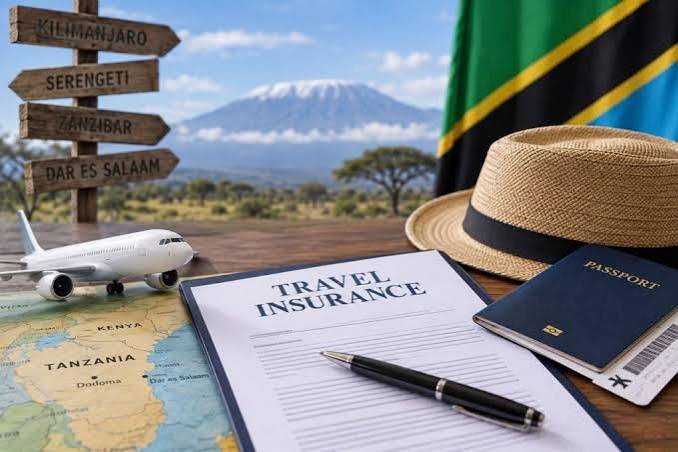
7. Arrange travel documents, insurancem and a medical check
8. Budget for more than the package price
What to Pack for Mount Kilimanjaro Climbing
If you are wondering what to pack for climbing Mount Kilimanjaro we got you covered. We believe the goal is to bring everything you need without overloading your daypack.
Here is a practical Kilimanjaro packing list to help you prepare your 2027 adventure;
- Clothing for every climate zone
- Hiking boots and foot wear
- Essential Gear and equipment
- First- Aid and Health essentials
- Food, snacks & hydration
- Travel documents, money & electronics
- Headlamp
- Sunscreen
How Much Does It Cost to Climb Mount Kilimanjaro
One of the biggest questions travelers ask when planning to climb Mount Kilimanjaro is how much they should budget for the entire adventure.
The cost of climbing Mount Kilimanjaro in 2027 depends on your chosen route, the number of days on the mountain, your group size, the level of service you prefer, and what the trekking package includes.
However, a guided Kilimanjaro guide may cost approximately US $ 2,000 to US $ 3,500 per person for a standard package, while longer private climbs can cost more.
So, before booking, remember that the advertised package price is not necessarily the total cost of your holiday.
Final Thoughts
If you are planning to climb Mount Kilimanjaro in 2027, this adventure will include careful planning, patience, and a willingness to challenge yourself. From choosing the right route and season to preparing your body, packing suitable gear, and understanding the costs. Every decision can shape your experience of Africa’s highest mountain.
At Ravina Tours and Travel, we can help you explore Mount Kilimanjaro climbing options and plan an itinerary that suits your schedule, preferences, and budget.
Ready to climb Mount Kilimanjaro in 2027? Contact us today to discuss your preferred climbing dates. Compare routes and request a personalized quotation.