
Planning an African safari often starts with one important question: how much for African safari experiences? The answer depends on several factors, including the country you visit, the number of safari days, accommodation level, time of year, transportation, activities, park fees, and whether you choose a private or shared safari. A short budget safari can cost considerably less than a luxury private safari, while a longer trip covering several countries can require a much larger investment.
For most international travelers, a realistic African safari budget can range from about $150 to $350 per person per day for a basic or budget safari, approximately $350 to $800 per person per day for a comfortable mid-range safari, and $800 to $1,500 or more per person per day for a luxury safari. These are general planning ranges rather than fixed prices because safari rates change according to destination, season, accommodation, group size, and inclusions.
How Much Does an African Safari Cost?
When asking how much for African safari travel, it is useful to think about the total cost per person rather than only the price of a safari package. A three-day safari in Kenya or Tanzania may start at a relatively affordable rate, while a seven- to ten-day private safari with premium lodges, internal flights, and exclusive activities can cost several thousand dollars per traveler.
A budget African safari generally uses simple lodges, tented camps, or public campsites and may involve shared transportation. This option is popular with students, backpackers, young travelers, and visitors who want to spend more of their budget on wildlife experiences rather than accommodation. Although accommodation is simpler, a well-organized budget safari can still provide excellent game viewing and professional guiding.
A mid-range safari provides a balance between comfort and cost. Travelers can expect comfortable lodges, tented camps, private or shared safari vehicles depending on the package, good meals, and knowledgeable guides. For many first-time safari travelers, this category offers one of the best combinations of comfort, wildlife viewing, and value.
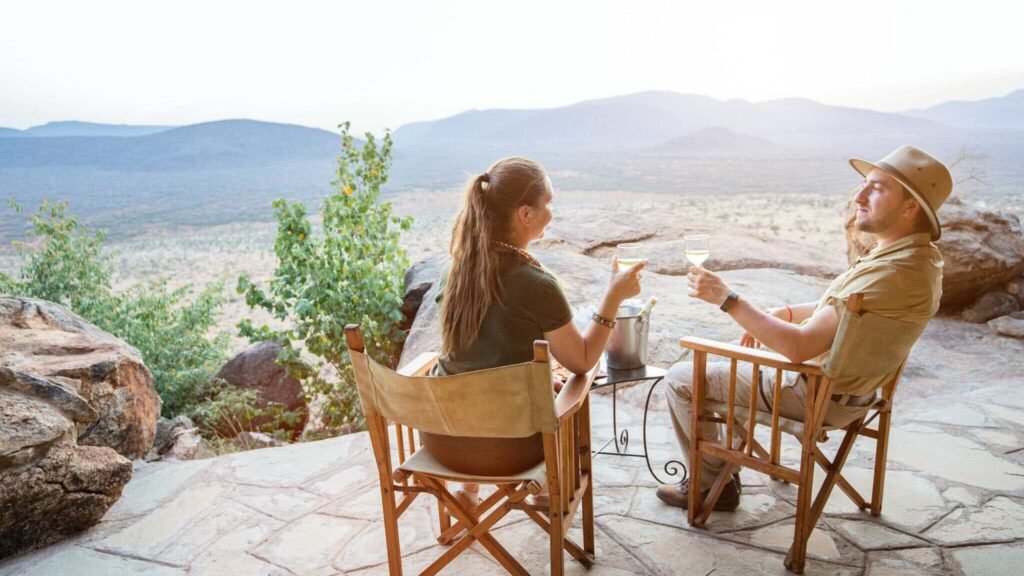
Luxury safaris are designed for travelers who want premium accommodation, private vehicles, personalized service, gourmet dining, and additional experiences. Luxury camps and lodges are often located in prime wildlife areas, allowing guests to spend more time in the bush and enjoy a higher level of privacy. Some luxury safaris also include private charter flights, spa treatments, private dining, and exclusive conservation or cultural experiences.
How Much Is a Kenya Safari?
Kenya is one of Africa’s most popular safari destinations and offers options for almost every budget. A budget Kenya safari can cost around $150 to $300 per person per day, depending on the itinerary, season, accommodation, and whether transportation is shared. Mid-range trips commonly fall around $300 to $600 per person per day, while luxury private safaris can cost $700 to $1,500 or more per person per day.
The Masai Mara is usually one of the most requested destinations because of its large wildlife population, excellent predator sightings, and the annual wildebeest migration. However, safari prices in the Masai Mara can vary considerably between the low, shoulder, and peak seasons. Accommodation close to prime wildlife areas can also command higher rates.
A Kenya safari does not have to focus only on the Masai Mara. Travelers can combine destinations such as Amboseli National Park, Lake Nakuru, Lake Naivasha, Samburu, Ol Pejeta, Tsavo East, and Tsavo West. Combining several parks can increase the overall cost because of additional transportation, accommodation, and conservation or park fees, but it can also provide a more varied safari experience.
How Much Is a Tanzania Safari?
Tanzania is another leading safari destination, particularly for travelers interested in the Serengeti, Ngorongoro Crater, Tarangire National Park, and the Great Migration. A budget Tanzania safari may cost approximately $200 to $350 per person per day, while mid-range safaris can range from around $350 to $700 per person per day. Luxury safaris can exceed $1,000 per person per day, especially when premium camps, private vehicles, and internal flights are included.
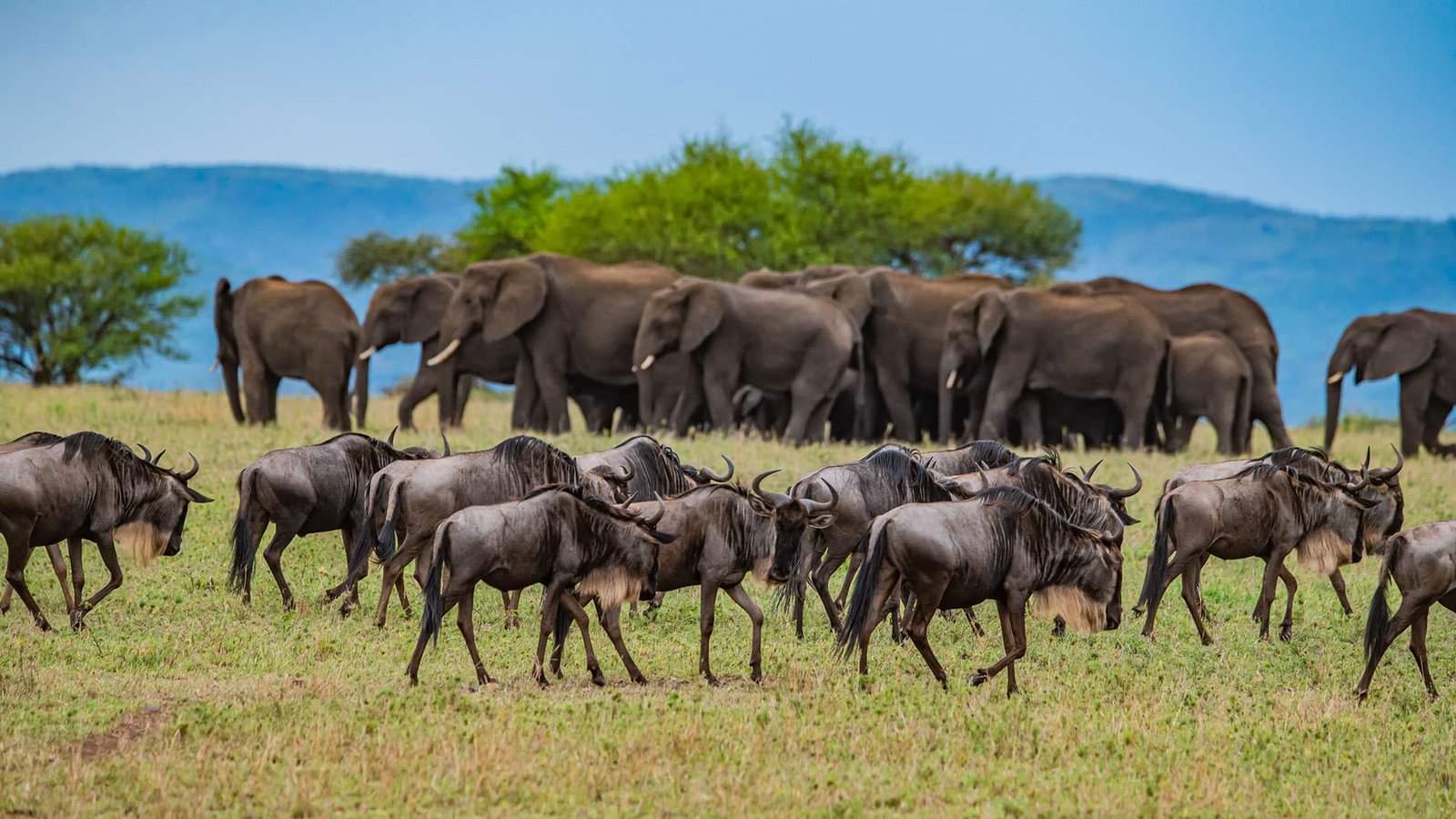
The Serengeti is a major reason travelers choose Tanzania. Its huge grasslands support large populations of wildebeest, zebra, gazelles, lions, cheetahs, and other wildlife. During certain periods of the year, travelers may witness the Great Migration, although the exact location of the herds changes throughout the year.
The Ngorongoro Crater can also influence the cost of a Tanzania safari because of conservation and vehicle-related charges associated with the area. However, the opportunity to experience its remarkable concentration of wildlife makes it one of the most valuable additions to a northern Tanzania itinerary.
How Much Does a 3-Day African Safari Cost?
A three-day African safari is a good option for travelers with limited time. Depending on the destination and accommodation, a budget three-day safari may cost approximately $450 to $900 per person. A mid-range experience can cost around $900 to $1,800 per person, while luxury options may exceed $2,000 per person.
Short safaris can be more expensive per day than longer trips because fixed costs such as vehicle hire, guide services, transfers, and park fees are spread over fewer days. This is important when comparing safari packages. A very low advertised price may also exclude park fees, meals, accommodation, airport transfers, or other essential services.
How Much Does a 5-Day African Safari Cost?
A five-day safari provides enough time to explore more than one major destination without requiring a very long vacation. Budget travelers may spend approximately $750 to $1,500 per person, while mid-range safaris can cost around $1,500 to $3,000 per person. Luxury five-day safaris can cost $4,000 or considerably more depending on accommodation and services.
Five days can work particularly well for a Kenya safari combining destinations such as Amboseli and the Masai Mara or for a northern Tanzania itinerary covering Tarangire, Ngorongoro, and the Serengeti. The best combination depends on your arrival airport, travel dates, wildlife priorities, and preferred pace.
How Much Does a 7-Day African Safari Cost?
Seven days is one of the most popular safari durations because it provides enough time for several game drives while allowing travelers to experience multiple landscapes. A budget seven-day safari may cost approximately $1,050 to $2,100 per person. Mid-range trips can range from $2,100 to $4,200 per person, while luxury safaris may cost $5,000 to $10,000 or more.
A seven-day Kenya safari could combine Nairobi, Lake Nakuru, and the Masai Mara, while a longer route might include Amboseli or another wildlife destination. In Tanzania, seven days can allow a traveler to explore Tarangire, the Serengeti, and Ngorongoro with a carefully planned route.
What Is Included in an African Safari Price?
Understanding inclusions is one of the most important parts of answering how much for African safari travel. A reputable safari quotation should clearly explain what you are paying for. Common inclusions can include accommodation, meals, transportation in a safari vehicle, professional driver-guide services, game drives, and selected park or conservation fees.
Some packages also include airport transfers, bottled drinking water, cultural visits, boat trips, domestic flights, and other activities. However, these services are not automatically included in every safari package. Travelers should carefully compare inclusions rather than choosing a safari solely because it has the lowest advertised price.
Accommodation is another major part of the total cost. Public campsites can make a safari considerably cheaper, while permanent tented camps, boutique lodges, and luxury safari camps increase the price. The location of the property also matters. Accommodation inside or close to a major wildlife area can cost more because it reduces driving time and provides easier access to game-viewing areas.
What Is Usually Not Included?
International flights are normally separate from the safari package unless specifically stated. Travelers should also check whether visas, travel insurance, tips, alcoholic beverages, laundry, personal purchases, optional activities, and some conservation or park fees are included.
Tipping is another expense to consider. Safari guides, drivers, camp staff, and other service providers may receive tips depending on the quality of service and local tipping customs. Rather than treating tipping as a hidden cost, include a reasonable tipping budget when planning your overall African safari expenses.
Travel insurance should also be considered. A suitable policy can provide protection against unexpected medical expenses, trip cancellation, delays, baggage problems, or emergency evacuation depending on the policy. Travelers should read the terms carefully and confirm that safari activities are covered.
How Does the Season Affect African Safari Prices?
The time of year can have a major effect on safari prices. Peak seasons generally attract higher accommodation rates because demand is strong and wildlife experiences are highly sought after. In popular destinations, prices can rise significantly during major migration periods and holiday seasons.
Low-season travel can offer better value. Some lodges and camps reduce their rates during quieter months, allowing travelers to experience excellent wildlife viewing at a lower overall cost. However, weather conditions and wildlife patterns vary between destinations, so a lower price should not be the only consideration.
Shoulder seasons can provide an attractive middle ground. Travelers may benefit from reduced rates while still enjoying good wildlife viewing and fewer visitors. The ideal travel period depends on the specific country and park because African safari destinations do not all experience the same weather or wildlife conditions at the same time.
How Much Does a Luxury African Safari Cost?
A luxury African safari can range from approximately $800 to more than $1,500 per person per day, with some exclusive experiences costing substantially more. The price reflects premium accommodation, personalized service, private vehicles, high-quality meals, prime locations, and additional experiences.
Luxury safari camps often have fewer rooms, allowing staff to provide more personalized attention. Some camps are located in private conservancies or concessions where guests may enjoy activities that are restricted or unavailable in national parks, depending on local regulations.
Luxury does not necessarily mean better wildlife sightings. Wildlife is unpredictable, and even the most expensive safari cannot guarantee a particular animal encounter. The main advantages of luxury travel are usually comfort, privacy, service, location, flexibility, and the overall quality of the experience.
How Much Does a Budget African Safari Cost?
A budget African safari can be an excellent choice for travelers who prioritize wildlife over luxury accommodation. Prices can start around $150 to $250 per person per day in some destinations, although actual rates depend on the season, group size, itinerary, and inclusions.
Budget safaris may use shared safari vehicles, public campsites, basic tented accommodation, or simple lodges. Meals may be prepared at campsites or included as part of the accommodation package. The experience can still be highly rewarding because the primary attraction is the wildlife and landscape rather than the room itself.
Travelers should be careful with extremely cheap safari offers. A price that appears unusually low may exclude park fees, accommodation, meals, transfers, or important services. Always request a detailed quotation before making a booking.
Private Safari or Group Safari: Which Costs Less?
Group safaris are generally less expensive because transportation and guide costs are shared among several travelers. This makes them attractive to budget-conscious visitors. Shared safaris can also be a social way to experience Africa and meet travelers from different countries.
Private safaris cost more because the vehicle, guide, and itinerary can be dedicated to your group. However, the additional cost can provide greater flexibility. You can often adjust the pace of game drives, choose preferred destinations, spend longer at wildlife sightings, and select accommodation that matches your travel style.
For families, couples, photographers, and small groups, a private safari can sometimes offer better overall value despite the higher initial price. The cost should therefore be considered alongside the level of flexibility and personalization you receive.
How Much Money Should You Budget for a 10-Day African Safari?
For a ten-day safari, a budget traveler could plan for approximately $1,500 to $3,000 per person, while a comfortable mid-range safari may cost around $3,000 to $6,000. Luxury ten-day safaris can range from $7,000 to $15,000 or more depending on the destination and level of service.
A ten-day itinerary provides enough time to explore several parks and potentially combine safari with a beach holiday. For example, travelers visiting Kenya can combine wildlife destinations with the Indian Ocean coast. Tanzania travelers may combine a northern safari with Zanzibar, although adding flights and beach accommodation will increase the overall budget.
How Can You Make an African Safari More Affordable?
The easiest way to reduce safari costs is to travel during a lower-demand season, choose comfortable mid-range or budget accommodation, join a shared safari where appropriate, and focus on fewer destinations. Moving between too many parks can increase transportation expenses and reduce the amount of time available for wildlife viewing.
Booking a safari with a reputable local tour operator can also help travelers understand exactly what is included. Local operators often have practical knowledge of routes, accommodation, park regulations, seasonal conditions, and logistics. A good operator should explain the advantages and limitations of different options instead of simply offering the cheapest possible quotation.
Another effective approach is to choose destinations that match your interests rather than trying to visit every famous park. A well-planned safari in two or three excellent wildlife areas can be more rewarding than a rushed itinerary covering five or six destinations.
Is an African Safari Worth the Cost?
For many travelers, an African safari is a once-in-a-lifetime experience and offers value that goes beyond the accommodation or number of game drives. You are paying for access to protected wilderness areas, professional guides, conservation programs, transportation, hospitality, and the opportunity to observe wild animals in their natural environment.
The value of a safari also depends on how it is planned. A carefully designed itinerary reduces unnecessary driving, selects suitable accommodation, and considers seasonal wildlife movements. This can make the experience more enjoyable while helping travelers use their budget efficiently.
The best African safari is not necessarily the cheapest or most expensive option. It is the safari that matches your budget, travel dates, interests, comfort level, and expectations. Understanding the complete cost before booking helps prevent unexpected expenses and allows you to choose an experience that delivers genuine value.
Final Guide to How Much for African Safari
So, how much for African safari travel? As a broad planning guide, budget travelers should consider around $150 to $350 per person per day, mid-range travelers around $350 to $800 per person per day, and luxury travelers from approximately $800 to $1,500 or more per person per day. These figures can vary significantly depending on the country, season, accommodation, group size, itinerary, and services included.
When comparing safari packages, look beyond the headline price. Check accommodation standards, park and conservation fees, meals, transportation, guide services, game drives, transfers, taxes, and optional activities. A transparent quotation makes it easier to compare different operators and understand the true cost of your trip.
For travelers planning their first African safari, Kenya and Tanzania offer particularly diverse options, from affordable camping adventures to premium private safaris. With the right itinerary and realistic budget, it is possible to experience Africa’s extraordinary wildlife without spending more than necessary. The key is to plan early, compare like-for-like packages, choose the right season, and work with an experienced safari operator that clearly explains what your investment includes.
How Much for an African Safari? A Complete Cost Guide for 2026
Planning an African safari often starts with one important question: how much for African safari experiences? The answer depends on several factors, including the country you visit, the number of safari days, accommodation level, time of year, transportation, activities, park fees, and whether you choose a private or shared safari. A short budget safari can cost considerably less than a luxury private safari, while a longer trip covering several countries can require a much larger investment.
For most international travelers, a realistic African safari budget can range from about $150 to $350 per person per day for a basic or budget safari, approximately $350 to $800 per person per day for a comfortable mid-range safari, and $800 to $1,500 or more per person per day for a luxury safari. These are general planning ranges rather than fixed prices because safari rates change according to destination, season, accommodation, group size, and inclusions.
How Much Does an African Safari Cost?
When asking how much for African safari travel, it is useful to think about the total cost per person rather than only the price of a safari package. A three-day safari in Kenya or Tanzania may start at a relatively affordable rate, while a seven- to ten-day private safari with premium lodges, internal flights, and exclusive activities can cost several thousand dollars per traveler.
A budget African safari generally uses simple lodges, tented camps, or public campsites and may involve shared transportation. This option is popular with students, backpackers, young travelers, and visitors who want to spend more of their budget on wildlife experiences rather than accommodation. Although accommodation is simpler, a well-organized budget safari can still provide excellent game viewing and professional guiding.
A mid-range safari provides a balance between comfort and cost. Travelers can expect comfortable lodges, tented camps, private or shared safari vehicles depending on the package, good meals, and knowledgeable guides. For many first-time safari travelers, this category offers one of the best combinations of comfort, wildlife viewing, and value.
Luxury safaris are designed for travelers who want premium accommodation, private vehicles, personalized service, gourmet dining, and additional experiences. Luxury camps and lodges are often located in prime wildlife areas, allowing guests to spend more time in the bush and enjoy a higher level of privacy. Some luxury safaris also include private charter flights, spa treatments, private dining, and exclusive conservation or cultural experiences.
How Much Is a Kenya Safari?
Kenya is one of Africa’s most popular safari destinations and offers options for almost every budget. A budget Kenya safari can cost around $150 to $300 per person per day, depending on the itinerary, season, accommodation, and whether transportation is shared. Mid-range trips commonly fall around $300 to $600 per person per day, while luxury private safaris can cost $700 to $1,500 or more per person per day.
The Masai Mara is usually one of the most requested destinations because of its large wildlife population, excellent predator sightings, and the annual wildebeest migration. However, safari prices in the Masai Mara can vary considerably between the low, shoulder, and peak seasons. Accommodation close to prime wildlife areas can also command higher rates.
A Kenya safari does not have to focus only on the Masai Mara. Travelers can combine destinations such as Amboseli National Park, Lake Nakuru, Lake Naivasha, Samburu, Ol Pejeta, Tsavo East, and Tsavo West. Combining several parks can increase the overall cost because of additional transportation, accommodation, and conservation or park fees, but it can also provide a more varied safari experience.
How Much Is a Tanzania Safari?
Tanzania is another leading safari destination, particularly for travelers interested in the Serengeti, Ngorongoro Crater, Tarangire National Park, and the Great Migration. A budget Tanzania safari may cost approximately $200 to $350 per person per day, while mid-range safaris can range from around $350 to $700 per person per day. Luxury safaris can exceed $1,000 per person per day, especially when premium camps, private vehicles, and internal flights are included.
The Serengeti is a major reason travelers choose Tanzania. Its huge grasslands support large populations of wildebeest, zebra, gazelles, lions, cheetahs, and other wildlife. During certain periods of the year, travelers may witness the Great Migration, although the exact location of the herds changes throughout the year.
The Ngorongoro Crater can also influence the cost of a Tanzania safari because of conservation and vehicle-related charges associated with the area. However, the opportunity to experience its remarkable concentration of wildlife makes it one of the most valuable additions to a northern Tanzania itinerary.
How Much Does a 3-Day African Safari Cost?
A three-day African safari is a good option for travelers with limited time. Depending on the destination and accommodation, a budget three-day safari may cost approximately $450 to $900 per person. A mid-range experience can cost around $900 to $1,800 per person, while luxury options may exceed $2,000 per person.
Short safaris can be more expensive per day than longer trips because fixed costs such as vehicle hire, guide services, transfers, and park fees are spread over fewer days. This is important when comparing safari packages. A very low advertised price may also exclude park fees, meals, accommodation, airport transfers, or other essential services.
How Much Does a 5-Day African Safari Cost?
A five-day safari provides enough time to explore more than one major destination without requiring a very long vacation. Budget travelers may spend approximately $750 to $1,500 per person, while mid-range safaris can cost around $1,500 to $3,000 per person. Luxury five-day safaris can cost $4,000 or considerably more depending on accommodation and services.
Five days can work particularly well for a Kenya safari combining destinations such as Amboseli and the Masai Mara or for a northern Tanzania itinerary covering Tarangire, Ngorongoro, and the Serengeti. The best combination depends on your arrival airport, travel dates, wildlife priorities, and preferred pace.
How Much Does a 7-Day African Safari Cost?
Seven days is one of the most popular safari durations because it provides enough time for several game drives while allowing travelers to experience multiple landscapes. A budget seven-day safari may cost approximately $1,050 to $2,100 per person. Mid-range trips can range from $2,100 to $4,200 per person, while luxury safaris may cost $5,000 to $10,000 or more.
A seven-day Kenya safari could combine Nairobi, Lake Nakuru, and the Masai Mara, while a longer route might include Amboseli or another wildlife destination. In Tanzania, seven days can allow a traveler to explore Tarangire, the Serengeti, and Ngorongoro with a carefully planned route.
What Is Included in an African Safari Price?
Understanding inclusions is one of the most important parts of answering how much for African safari travel. A reputable safari quotation should clearly explain what you are paying for. Common inclusions can include accommodation, meals, transportation in a safari vehicle, professional driver-guide services, game drives, and selected park or conservation fees.
Some packages also include airport transfers, bottled drinking water, cultural visits, boat trips, domestic flights, and other activities. However, these services are not automatically included in every safari package. Travelers should carefully compare inclusions rather than choosing a safari solely because it has the lowest advertised price.
Accommodation is another major part of the total cost. Public campsites can make a safari considerably cheaper, while permanent tented camps, boutique lodges, and luxury safari camps increase the price. The location of the property also matters. Accommodation inside or close to a major wildlife area can cost more because it reduces driving time and provides easier access to game-viewing areas.
What Is Usually Not Included?
International flights are normally separate from the safari package unless specifically stated. Travelers should also check whether visas, travel insurance, tips, alcoholic beverages, laundry, personal purchases, optional activities, and some conservation or park fees are included.
Tipping is another expense to consider. Safari guides, drivers, camp staff, and other service providers may receive tips depending on the quality of service and local tipping customs. Rather than treating tipping as a hidden cost, include a reasonable tipping budget when planning your overall African safari expenses.
Travel insurance should also be considered. A suitable policy can provide protection against unexpected medical expenses, trip cancellation, delays, baggage problems, or emergency evacuation depending on the policy. Travelers should read the terms carefully and confirm that safari activities are covered.
How Does the Season Affect African Safari Prices?
The time of year can have a major effect on safari prices. Peak seasons generally attract higher accommodation rates because demand is strong and wildlife experiences are highly sought after. In popular destinations, prices can rise significantly during major migration periods and holiday seasons.
Low-season travel can offer better value. Some lodges and camps reduce their rates during quieter months, allowing travelers to experience excellent wildlife viewing at a lower overall cost. However, weather conditions and wildlife patterns vary between destinations, so a lower price should not be the only consideration.
Shoulder seasons can provide an attractive middle ground. Travelers may benefit from reduced rates while still enjoying good wildlife viewing and fewer visitors. The ideal travel period depends on the specific country and park because African safari destinations do not all experience the same weather or wildlife conditions at the same time.
How Much Does a Luxury African Safari Cost?
A luxury African safari can range from approximately $800 to more than $1,500 per person per day, with some exclusive experiences costing substantially more. The price reflects premium accommodation, personalized service, private vehicles, high-quality meals, prime locations, and additional experiences.
Luxury safari camps often have fewer rooms, allowing staff to provide more personalized attention. Some camps are located in private conservancies or concessions where guests may enjoy activities that are restricted or unavailable in national parks, depending on local regulations.
Luxury does not necessarily mean better wildlife sightings. Wildlife is unpredictable, and even the most expensive safari cannot guarantee a particular animal encounter. The main advantages of luxury travel are usually comfort, privacy, service, location, flexibility, and the overall quality of the experience.
How Much Does a Budget African Safari Cost?
A budget African safari can be an excellent choice for travelers who prioritize wildlife over luxury accommodation. Prices can start around $150 to $250 per person per day in some destinations, although actual rates depend on the season, group size, itinerary, and inclusions.
Budget safaris may use shared safari vehicles, public campsites, basic tented accommodation, or simple lodges. Meals may be prepared at campsites or included as part of the accommodation package. The experience can still be highly rewarding because the primary attraction is the wildlife and landscape rather than the room itself.
Travelers should be careful with extremely cheap safari offers. A price that appears unusually low may exclude park fees, accommodation, meals, transfers, or important services. Always request a detailed quotation before making a booking.
Private Safari or Group Safari: Which Costs Less?
Group safaris are generally less expensive because transportation and guide costs are shared among several travelers. This makes them attractive to budget-conscious visitors. Shared safaris can also be a social way to experience Africa and meet travelers from different countries.
Private safaris cost more because the vehicle, guide, and itinerary can be dedicated to your group. However, the additional cost can provide greater flexibility. You can often adjust the pace of game drives, choose preferred destinations, spend longer at wildlife sightings, and select accommodation that matches your travel style.
For families, couples, photographers, and small groups, a private safari can sometimes offer better overall value despite the higher initial price. The cost should therefore be considered alongside the level of flexibility and personalization you receive.
How Much Money Should You Budget for a 10-Day African Safari?
For a ten-day safari, a budget traveler could plan for approximately $1,500 to $3,000 per person, while a comfortable mid-range safari may cost around $3,000 to $6,000. Luxury ten-day safaris can range from $7,000 to $15,000 or more depending on the destination and level of service.
A ten-day itinerary provides enough time to explore several parks and potentially combine safari with a beach holiday. For example, travelers visiting Kenya can combine wildlife destinations with the Indian Ocean coast. Tanzania travelers may combine a northern safari with Zanzibar, although adding flights and beach accommodation will increase the overall budget.
How Can You Make an African Safari More Affordable?
The easiest way to reduce safari costs is to travel during a lower-demand season, choose comfortable mid-range or budget accommodation, join a shared safari where appropriate, and focus on fewer destinations. Moving between too many parks can increase transportation expenses and reduce the amount of time available for wildlife viewing.
Booking a safari with a reputable local tour operator can also help travelers understand exactly what is included. Local operators often have practical knowledge of routes, accommodation, park regulations, seasonal conditions, and logistics. A good operator should explain the advantages and limitations of different options instead of simply offering the cheapest possible quotation.
Another effective approach is to choose destinations that match your interests rather than trying to visit every famous park. A well-planned safari in two or three excellent wildlife areas can be more rewarding than a rushed itinerary covering five or six destinations.
Is an African Safari Worth the Cost?
For many travelers, an African safari is a once-in-a-lifetime experience and offers value that goes beyond the accommodation or number of game drives. You are paying for access to protected wilderness areas, professional guides, conservation programs, transportation, hospitality, and the opportunity to observe wild animals in their natural environment.
The value of a safari also depends on how it is planned. A carefully designed itinerary reduces unnecessary driving, selects suitable accommodation, and considers seasonal wildlife movements. This can make the experience more enjoyable while helping travelers use their budget efficiently.
The best African safari is not necessarily the cheapest or most expensive option. It is the safari that matches your budget, travel dates, interests, comfort level, and expectations. Understanding the complete cost before booking helps prevent unexpected expenses and allows you to choose an experience that delivers genuine value.
Final Guide to How Much for African Safari
So, how much for African safari travel? As a broad planning guide, budget travelers should consider around $150 to $350 per person per day, mid-range travelers around $350 to $800 per person per day, and luxury travelers from approximately $800 to $1,500 or more per person per day. These figures can vary significantly depending on the country, season, accommodation, group size, itinerary, and services included.
When comparing safari packages, look beyond the headline price. Check accommodation standards, park and conservation fees, meals, transportation, guide services, game drives, transfers, taxes, and optional activities. A transparent quotation makes it easier to compare different operators and understand the true cost of your trip.
For travelers planning their first African safari, Kenya and Tanzania offer particularly diverse options, from affordable camping adventures to premium private safaris. With the right itinerary and realistic budget, it is possible to experience Africa’s extraordinary wildlife without spending more than necessary. The key is to plan early, compare like-for-like packages, choose the right season, and work with an experienced safari operator that clearly explains what your investment includes.