
Have you ever looked up in the sky during a safari and wondered what you were missing? Welcome to Kenya, one of the world's premier birdwatching destinations, offering an extraordinary diversity of habitats with more than 1,000 recorded bird species, from the flamingo-filled lake in the Great Rift Valley to…
3 results
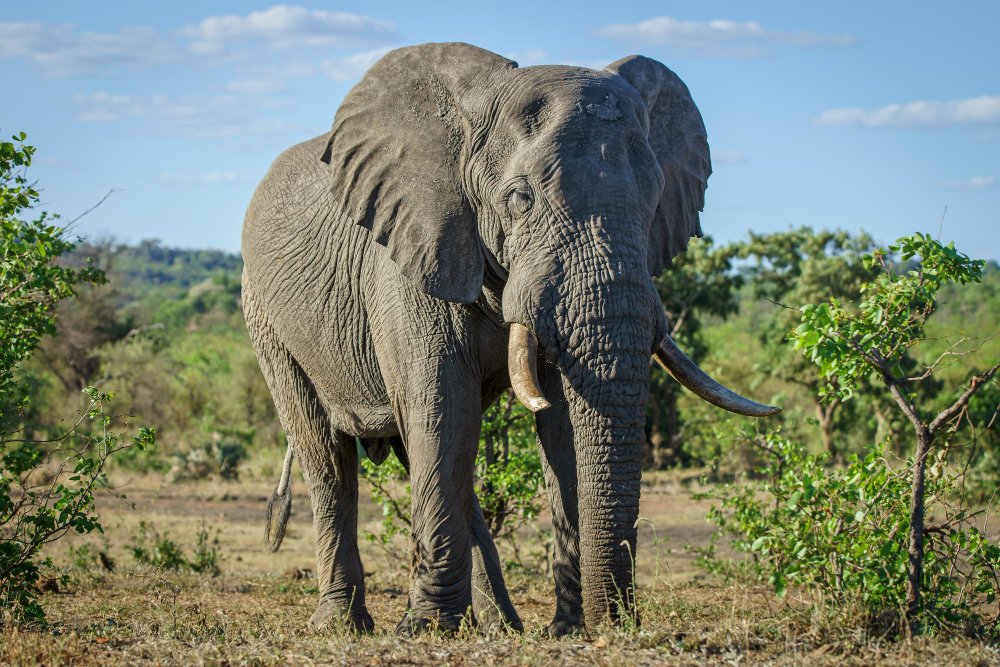
Have you ever imagined waking up to the sounds of the wild, watching the golden sunrise or sunset over Kenya's endless plains, and feeling more connected to Kenya? A game drive is more than just spotting wildlife in a national park or game reserve. It is a journey into the…
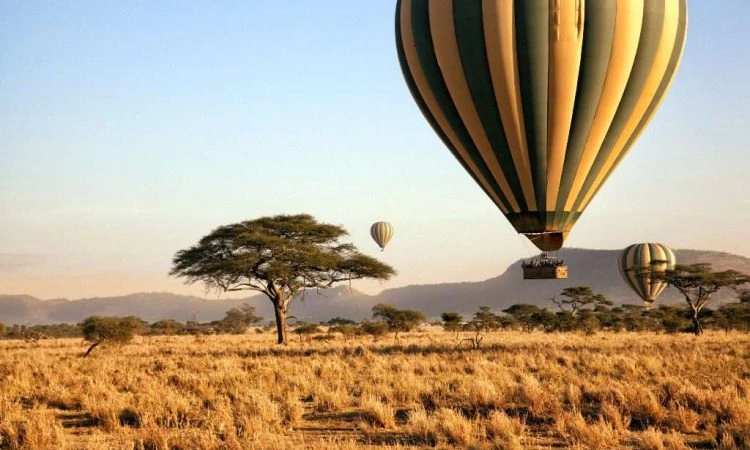
Duration: 3 HOURS
Hot Air Balloon Safaris
Duration: 3 HOURS
Have you ever imagined watching the African sun rise while silently floating above wildebeests, elephants, giraffes, and endless golden plains? A hot air balloon safari is one of those moments that photos can never truly capture. As the world below slowly comes to life, you will watch elephants wandering through…
Bird Watching in Kenya
Have you ever looked up in the sky during a safari and wondered what you were missing?
Welcome to Kenya, one of the world’s premier birdwatching destinations, offering an extraordinary diversity of habitats with more than 1,000 recorded bird species, from the flamingo-filled lake in the Great Rift Valley to the dense forests of Western Kenya to the open savannahs of the Masai Mara. Whether you are a beginner or an expert, Kenya offers exceptional bird-watching opportunities.
In this guide, you will discover the best bird-watching destinations in Kenya, some of the iconic and rare bird species that you can look out for, the ideal time, and practical advice ensuring you have an unforgettable bird watching experience.
Why Birdwatching is an Unforgettable Experience in Kenya
- What makes Kenya truly special is the incredible variety of bird species found across the country. Whether you are an expert or a first-timer, Kenya offers endless opportunities for discovery.
- You can experience birdwatching in any ecosystem of your choice. Whether it is the Mara, Lake Nakuru, Paradise Lost, Ngong Forest Sanctuary, Karura Forest, Tsavo East, the list is endless.
- Bird watching in Kenya is an exciting experience because you never know what you might encounter next. It is not like a game drive where you can target a specific wild animal.
- Kenya combines birdwatching with world-class safari experiences in some of its iconic National Parks, Reserves, or Conservancies. You do not have to choose whether to see the Big Five and enjoy incredible birdlife, they happen together.
Bird Watching Destinations in Kenya
A question that most travelers tend to ask is, Where do you go when you want to experience Kenya’s incredible birdlife at its very best?
Here are some of the places where you can experience Kenya’s incredible birdlife;
- Lake Nakuru National Park
- Nairobi National Park
- Masai Mara National Reserve
- Samburu National Reserve
- Tsavo East National Park
- Mt. Kenya National Park
- Aberdare National Park
- Kakamega Forest
- Arabukosokoke Forest
- Lake Baringo
- Lake Bogoria National Reserve
- Taita Hills
- Lake Elementaita Wildlife Sanctuary
- Karura Forest
- Ngong Road Forest Sanctuary
- Oldonyo Sabuk National Park
Top 10 Iconic Birds to See in Kenya
What are some of the iconic birds that truly capture the spirit of Kenya?
While Kenya is home to more than 1,100 bird species, just a few stand out because of their beauty, size, behaviour and unforgettable presence.
Therefore, these are some of the iconic birds that make bird watchers stop and take binoculars to capture them up close.
- Lilac-breasted Roller
- African Fish Eagle
- Secretary Bird
- Grey Crowned Crane
- Kori Bustard
- Shoebill
- Southern Ground hornbill
- Saddle-billed stork
- African Hoopoe
- African Harrier Hawk
These iconic species represent only a small part of Kenya’s extraordinary bird diversity, and spotting them is not about adding names to your checklist, but about experiencing the colors, sounds, and wild landscapes that make birdwatching in Kenya one of the most rewarding adventures.
Best Time for Birdwatching in Kenya
One thing about Kenya’s birdlife is that every season brings something special from across the world. Unlike wildlife, which depends on specific seasons for better sightings, birdwatching is rewarding all year round.
However, for many birdwatchers, the best time to go birdwatching is from October to April. During this season, millions of migratory birds arrive from Europe and Asia to escape the northern winter. This creates incredible diversity, with wetlands, forests, and grasslands becoming even more active. This time, also make it a spectacular moment for photographers because most bird species display bright breeding plumage, perform courtship behaviours, and become more vocal.
Essential Bird Watching Equipments
What do you really need to enjoy birdwatching in Kenya?
While a good pair of eyes and a pair of curiosity are the most important tools, having the right equipment can transform your birdwatching experience.
Therefore, ensure that you have the following before going for a birdwatching adventure;
- Binoculars
- A bird field guide book
- Camera
- Notebook or birding app
- Comfortable clothing and footwear
- Sun protection
- Spotting Scope for experts
- Bird Call Identification tool
- Small Backpack
- An open mind
Birdwatching Tips
- Early mornings are the golden hours for birdwatching. As the sun rises, birds tend to become more active.
- Learn to listen to the bird sounds before you even look.
- Bird watching is not a race, be patient and give birds time to appear.
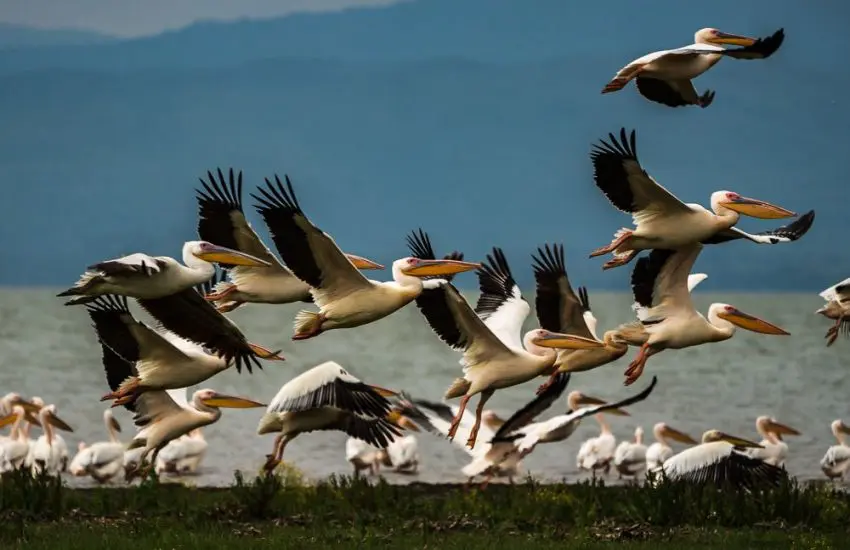
- Learn where different birds live in each ecosystem. For instance, flamingoes, pelicans, kingfishers, and herons are found in lakes and wetlands.
- Birds are usually highly alert and can disappear quickly when they sense danger. Ensure you move slowly and quietly.
- Use your binoculars correctly.
- Take notes and keep a bird checklist. Record details such as species name, location, date, time, behaviour observed, and other interesting notes during your birdwatching adventure.
- Respect birds and their habitats.
- For beginners, hire a local bird guide.
Conclusion
Birdwatching in Kenya is more than just searching for birds. It is a journey and an invitation to explore, especially for beginners, for experienced birdwatchers, it is an opportunity to take in new challenges, and for photographers and nature lovers, it is an experience to create memories and learn something new.
Important details
- Kenya is one of Africa’s top birdwatching destinations, with more than 1,100 recorded bird species.
- The country’s diverse habitats, including savannahs, forests, mountains, wetlands, lakes, and coastal areas, support a remarkable variety of birdlife.
- Kenya is home to both resident and migratory bird species, attracting birdwatchers from around the world.
- The best birdwatching seasons are generally from November to April, when migratory birds from Europe and Asia are present.
- Lake Nakuru National Park is famous for its large numbers of flamingos and over 450 bird species.
- Lake Naivasha is one of the best places to see fish eagles, kingfishers, cormorants, herons, and pelicans
- Kakamega Forest is Kenya’s only tropical rainforest and is home to many rare forest bird species.
- Arabuko Sokoke Forest along the Kenyan coast hosts several bird species found nowhere else in the country.
- Samburu National Reserve is known for dry-country bird species and impressive birds of prey.
- The Maasai Mara is not only famous for wildlife but also for more than 500 bird species, including vultures, eagles, secretary birds, and ostriches.
- Kenya’s Rift Valley lakes are internationally recognized as important bird habitats.
- Birdwatchers can see some of Africa’s largest birds, including ostriches, kori bustards, and ground hornbills.
Bush Breakfasts
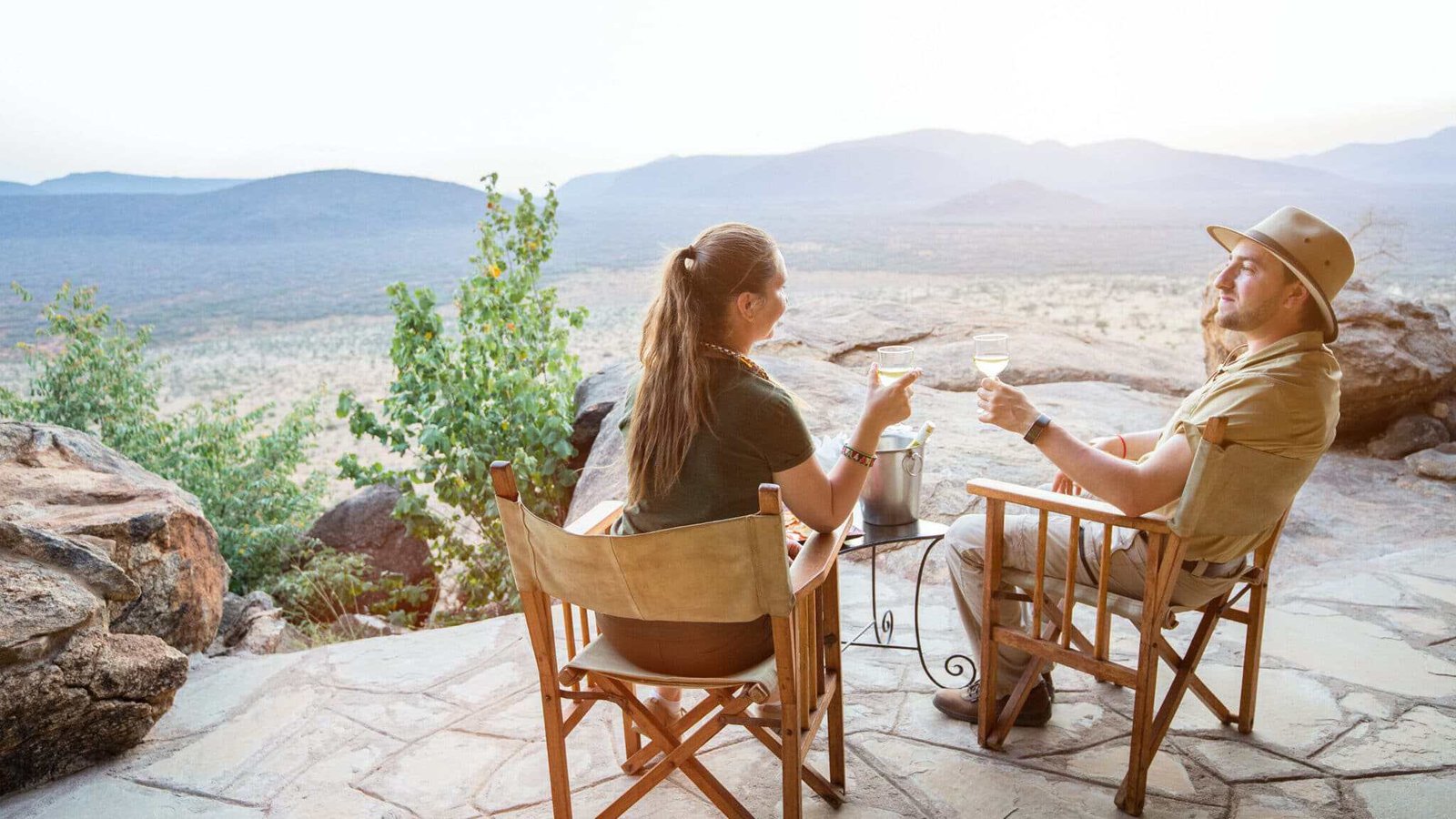
Imagine starting your day with a beautifully set breakfast in the heart of the African wilderness, surrounded by breathtaking scenery, fresh morning air, and the sounds of nature.
A private bush breakfast is more than a luxurious meal, it is a personalized safari experience designed around your special occasion.
Whether you are celebrating your honeymoon, marking your wedding anniversary, planning a romantic marriage proposal, surprising a loved one on their birthday, or bringing family together for a memorable gathering, the breathtaking landscapes of Kenya provide the perfect setting. From the iconic plains of the Masai Mara to the elephant-filled landscapes of Amboseli to the exclusive conservancies of Laikipia and the wilderness of Tsavo.
What is a Bush Breakfast
A bush breakfast is a unique outdoor dining experience enjoyed in the heart of the African Wilderness, usually after a morning game drive or hot air balloon safari.
Instead of returning to your lodge for breakfast, you will be treated to a freshly prepared meal in a carefully selected scenic location, surrounded by nature and often with wildlife grazing from a distance. Whether you are overlooking the endless plains of the Mara, the snow-capped peak of Mount Kilimanjaro in Amboseli, or the rugged landscapes of Tsavo, each bush breakfast offers a different perspective of Kenya’s incredible wilderness.
Why You Should Experience a Bush Breakfast
- A bush breakfast lets you enjoy a freshly prepared meal in a spectacular outdoor setting, surrounded by open savannahs, acacia trees and stunning landscapes.
- After spending the early hours tracking wildlife, spotting the Big Five, or on a hot air balloon safari, there is no better reward than sitting down to a delicious breakfast in the wild. It is the perfect time to relax, share stories from the morning sightings and soak in the beauty around you.
- Bush breakfasts combine the flavours of a hearty breakfast with the charm of outdoor dining.
- This moment offers you an opportunity to create lasting memories with loved ones. Whether you are traveling as a couple, family, or among friends, a bush breakfast is the perfect way.
- A bush breakfast is one of the signature experiences of a luxury Kenya safari. From elegant table settings and attentive service to gourmet meals served in extraordinary locations. Every detail is designed to make you feel special while keeping you connected to nature.
What to Expect During a Bush Breakfast
If you have never experienced a bush breakfast before, you are in for something truly special. It is not about enjoying a delicious meal outdoors, but it is about becoming part of the African wilderness, where every moment feels carefully crafted yet wonderfully natural.
Here are some of the things to expect:
- Your day usually starts before sunrise when the African bush is most active.
- After your morning game drive, your guide will lead you to a carefully chosen location in the wilderness.
- Before the meal begins, you will be welcomed by the lodge’s hospitality team with freshly brewed Kenyan coffee, tea, hot chocolate, or refreshing fruit juice.
- One of the most exciting parts of the experience is that nature does not stop while you eat. You will see giraffes browsing nearby, zebras grazing, elephants crossing the plains, or colourful birds flying overhead.
- You will get time to relax and soak it all in.
Private Bush Breakfasts for Special Occasions
A bush breakfast is not just a memorable safari experience, it is also one of the most unique ways to celebrate life’s special moments, like:
- Honeymoons
- Birthdays
- Anniversaries
- Proposals
- Family Celebrations
What is Served at a Bush Breakfast
A bush breakfast is always prepared by experienced chefs and served fresh in a beautifully arranged outdoor setting. The menu combines classic breakfast favourites with local flavours to create a satisfying start to your day, such as:
- Fresh tropical fruits
- Eggs cooked to your preference
- Sausages and crispy bacon
- Freshly baked bread and pastries
- Pancakes and sweet treats
- Cereals, yogurt, and Granola
- Fresh juices, coffee, and tea
- Sparkling wine or Champagne
Best Places to Experience a Bush Breakfast
One of the things that makes a bush breakfast so special is that no two locations are ever the same.
If you are planning a Kenya Safari, these are some of the best places to experience an authentic bush breakfast;
- Maasai Mara National Reserve
- Amboseli National Park
- Samburu National Reserve
- Ol Pejeta Conservancy
- Tsavo National Park
Best Time to Enjoy a Bush Breakfast
One of the best things about a bush breakfast is that it can be enjoyed throughout the year. However, the experience becomes even more memorable when the weather is pleasant, wildlife is active, and the scenery is at its most spectacular.
Also, the dry season is widely considered the best time to enjoy a bush breakfast in Kenya. During this season, the weather is cool in the early morning, and the skies are clear. This period also coincides with the Great Wildebeest Migration in the Masai Mara, offering the chance to enjoy breakfast after witnessing one of the world’s greatest wildlife spectacles.
Bush Breakfast Etiquette
Here are some of the simple etiquette tips to keep in mind during your bush breakfast in Kenya:
- Respect the Wildlife
- Dress Comfortably
- Arrive on Time
- Appreciate the hospitality
- Enjoy the moment
Conclusion
In conclusion, bush breakfasts have become one of the signature experiences of luxury safaris in Kenya.
They provide travelers with the chance to slow down after an exciting morning of wildlife viewing, share stories over a hearty meal, and appreciate the beauty of nature in a way that few other experiences can offer.
A bush breakfast is not just breakfast, it is one of those rare travel moments where exceptional food, breathtaking scenery, and unforgettable safari memories come together in perfect harmony.
Game Drives in Kenya
Have you ever imagined waking up to the sounds of the wild, watching the golden sunrise or sunset over Kenya’s endless plains, and feeling more connected to Kenya?
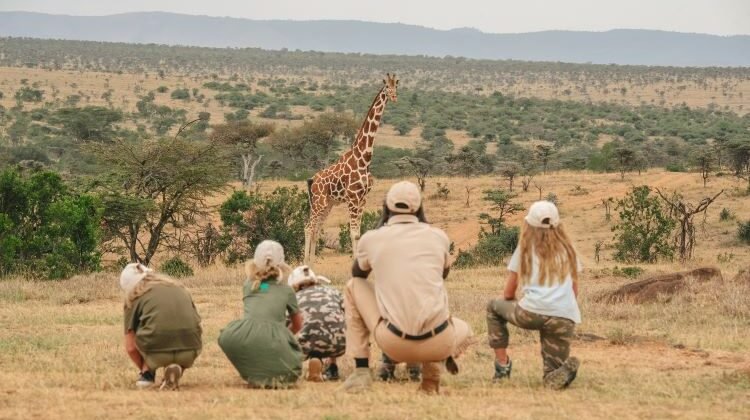
A game drive is more than just spotting wildlife in a national park or game reserve. It is a journey into the heart of nature, culture, wildlife encounters, and unforgettable stories.
What is a Game Drive?
A game drive is simply a shared experience between you, wildlife, the environment, and the people who ensure you have an unforgettable experience in a safari destination of your choice while in a 4*4 safari vehicle as you observe wild animals in their natural habitat, led by experienced guides.
A game drive gives you a golden opportunity to discover Kenya’s incredible wildlife, from the iconic Big Five, predators, wildebeests, and birdlife.
Remember that every game drive offers a different experience, no two moments are ever the same because nature does not follow a schedule.
Why Go on a Game Drive in Kenya
Over the years, Kenya has been famous for its vast landscapes with wildlife diversity and abundance.
Therefore, some of the reasons why you should go for a game drive at least once in your lifetime are;
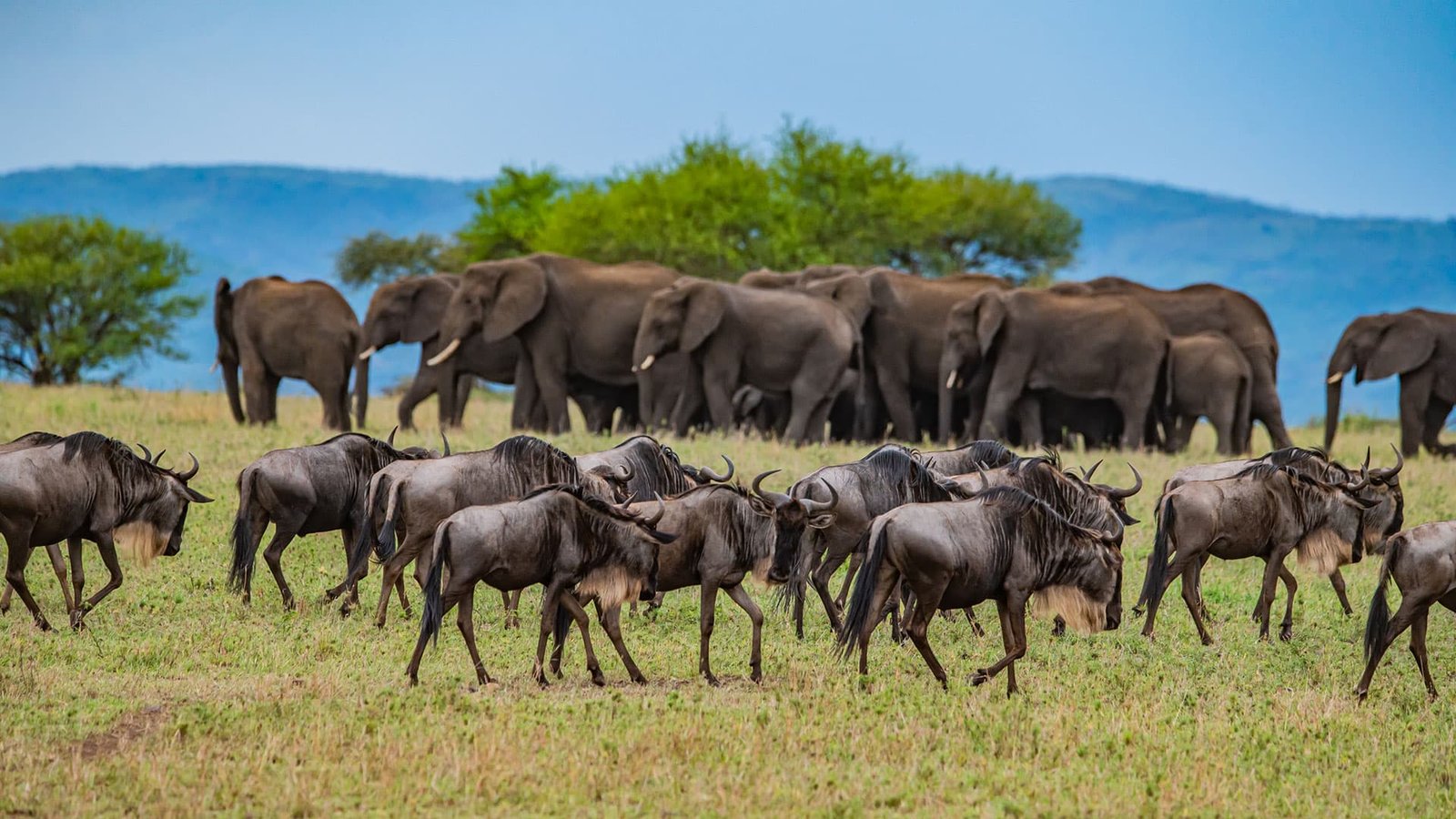
- Kenya’s Masai Mara hosts one of the world’s most spectacular events, the Great Migration, where millions of wildebeest travel across the plains in search of greener pastures. A powerful reminder of the beauty, challenges, and resilience of the natural world.
- Going on a game drive in Kenya helps you create unforgettable experiences.
- This experience helps you learn from experienced tour guides about the wild, including explaining animal behaviour, identifying birds and plants, interpreting tracks, and sharing stories that deepen your understanding of Kenya’s ecosystem and culture.
- A game drive offers you an opportunity to slow down and relax.
Best Places to Go for Game Drives in Kenya
Kenya is one of Africa’s most iconic safari destinations with remarkable national parks, national reserves, and conservancies where travelers across the world can experience wildlife in their natural habitat.
Below are some of the best places offering unforgettable game drives that you will live to remember.
They include;
Masai Mara National Reserve
The Masai Mara National Reserve is Kenya’s premier safari destination, famous for its abundant wildlife, from the Big Five to the Wildebeests, and dramatic landscapes.
Amboseli National Park
The Amboseli National Park is located in the foothills of Mount Kilimanjaro, one of the most incredible views during a game drive, as you spot large herds of elephants.
Tsavo East & West National Parks
These 2 destinations are Kenya’s largest and most protected areas, offering more rugged landscapes and adventurous experiences. During game drives, you will spot the red elephants, making it a unique destination.
Lake Nakuru National Park
The Lake Nakuru National Park is renowned for its beautiful lake, bird life, and rhino conservation efforts, hence providing a rewarding game drive experience.
Other destinations that offer the best game drives are;
- Samburu National Reserve
- Nairobi National Park
- Olpejeta Conservancy
- Lewa Conservancy
- Meru National Park
- Hell’s Gate National Park
- Aberdare National Park
- Chyulu Hills National Park
Best Time for Game Drives in Kenya
The best time to go on a game drive depends fully on what you are looking forward to experiencing. However, early mornings and late afternoons during the dry season from June to October or January to March offer the best wildlife spotting experiences.
What to Pack for a Game Drive in Kenya
Packing wisely signifies that you are prepared and ready to enjoy every moment of your game drive.
Therefore, here are some of the essentials to bring along;
- Light, comfortable, breathable, and neutral-colored outfits like Khaki, olive green, brown, or beige to blend with the environment.
- Comfortable closed-toe shoes ideal for walking in designated areas.
- A hat, sunscreen, and sunglasses to protect you from direct sunlight.
- A pair of binoculars to enhance your wildlife viewing.
- Insect repellent
- Personal medications if unwell.
- Travel documents.
- A small backpack to keep your personal essentials during game drives.
Kenya Game Drives Rules & Etiquette
As said earlier, a game drive is a shared experience between you, the wildlife, the environment, and the people who help to make your experience in the wild unforgettable.
Therefore, following these simple rules will help protect nature while you enjoy the game drive.
- Respect wildlife and keep a safe distance
- Stay inside the vehicle the entire trip unless your guide tells you otherwise.
- The wild is a place of patience and observation. Ensure you maintain low voices.
- Do not feed ot touch animals.
- Help protect Kenya’s parks, reserves, and conservancies by keeping the environment clean.
- Avoid using flash while taking pictures.
- Respect the local community and culture.
Conclusion
In conclusion, after a game drive, your experience should not stop when the driver is over, but it should continue through memories, emotions, and stories that become part of your own Kenyan adventure.
Important details
- Game drives are the most popular safari activity in Kenya and offer visitors the chance to see wildlife in their natural habitat.
- A game drive involves exploring national parks, reserves, and conservancies in specially designed safari vehicles led by experienced guides.
- Kenya is home to some of Africa’s most famous safari destinations, including the Maasai Mara National Reserve, Amboseli National Park, Tsavo East National Park, and Samburu National Reserve.
- Morning game drives usually start at sunrise when animals are most active and temperatures are cooler.
- Afternoon game drives provide excellent opportunities to see wildlife before sunset.
- Full-day game drives allow visitors to explore larger areas and maximize wildlife viewing opportunities.
- Kenya is one of the best places in Africa to see the Big Five: lion, leopard, elephant, buffalo, and rhino
- During game drives, visitors may also encounter cheetahs, giraffes, zebras, wildebeests, hyenas, hippos, crocodiles, and numerous antelope species.
- The Maasai Mara is especially famous for predator sightings and the annual Great Migration of wildebeests and zebras.
- Amboseli National Park is known for its large elephant herds and stunning views of Mount Kilimanjaro.
- Tsavo East and Tsavo West National Parks are among the largest protected wildlife areas in Africa and offer excellent game-viewing experiences.
- Professional safari guides use their knowledge and tracking skills to locate wildlife and explain animal behavior.
Hot Air Balloon Safaris
Have you ever imagined watching the African sun rise while silently floating above wildebeests, elephants, giraffes, and endless golden plains?
A hot air balloon safari is one of those moments that photos can never truly capture. As the world below slowly comes to life, you will watch elephants wandering through the grasslands, giraffes gliding across the savannah, and perhaps even a pride of lions returning from a night’s hunt, all from a breathtaking bird’s-eye view.
This is not just another activity to add to your itinerary, it is an experience that changes the way you see the wild. Whether you are planning your first safari, celebrating a honeymoon, or simply looking for an unforgettable adventure, this once-in-a-lifetime experience offers you memories you’ll treasure long after you have left Kenya’s spectacular landscapes behind.
What is a Hot Air Balloon Safari?
A hot air balloon safari is one of the most unique and unforgettable ways to experience Kenya’s breathtaking wildlife and landscapes. Unlike the usual game drive, where you explore the savanna by a safari vehicle, a hot air balloon safari lifts you high above the plains, offering a peaceful bird’s-eye view of nature as the sun rises over the horizon.
Why a Hot Air Balloon Safari Should Be on Your Bucket List
Some travel experiences are exciting, while others stay with you for a lifetime. A hot air balloon safari in Kenya is one of those rare adventures that combines breathtaking scenery, incredible wildlife, and unforgettable moments into a single morning.
Below are some of the major reasons why a hot air balloon safari should be on your bucket list;
- You get the golden opportunity to witness the sunrise with panoramic views of the wilderness.
- You get to see wildlife from a whole new perspective.
- Unlike a game drive, where the sound of an engine accompanies your journey, a hot air balloon drifts quietly with the wind. The silence creates a sense of calm that allows you to fully appreciate the beauty of the landscape and the wildlife below.
- A hot air balloon safari offers you a truly unforgettable experience, whether you are celebrating a honeymoon, anniversary, birthday, or simply ticking a lifelong dream.
- After landing, the adventure continues with a traditional champagne bush breakfast served in the heart of the wilderness surrounded by nature. You will enjoy a freshly prepared meal while reflecting on the incredible experience you just had.
- A hot air balloon safari offers some of the best photography opportunities in Kenya. From sweeping aerial landscapes to wildlife roaming freely below.
Who Should Try a Hot Air Balloon Safari?
- Romantic Couples
- Honeymooners
- Families
- Solo Travelers
- Wildlife Photographers
- First-time safari visitors
Best Places for Hot Air Balloon Safaris
Kenya is home to some of Africa’s most spectacular landscapes, making it one of the best destinations in the world for a hot air balloon safari.
Here are some of the best places to enjoy this unforgettable adventure;
Maasai Mara National Reserve
The Maasai Mara is Kenya’s most famous destination for hot air balloon safaris, and for a good reason. Floating above the endless golden plains at sunrise offers unmatched views of one of Africa’s richest wildlife ecosystems.
During the Great Migration that happens between July and October, you will witness thousands of wildebeest, zebras, and gazelles crossing the savannah from an unforgettable aerial perspective.
Throughout the year, the Mara also offers excellent chances of spotting the Big Five, making it the most popular location for balloon safaris.
Other Destinations to enjoy the Hot air balloon safaris include;
- Amboseli National Park
- Laikipia conservancies
- Samburu National Reserve
- Tsavo National Park
While every destination offers an unforgettable hot air balloon experience, the Maasai Mara National Reserve remains the ultimate choice for a hot air balloon safari in Kenya. Its abundant wildlife, endless savannahs, and world-famous Great Migration create a spectacular backdrop that is hard to match.
What to Expect During Your Hot Air Balloon Safari
If it is your first hot air balloon safari, you might be wondering what the experience is really like. The truth is, this experience is far more than the usual game drive with a safari vehicle. However, this is a carefully planned adventure that begins before sunrise and ends with a memorable bush breakfast in the heart of the wilderness.
Here is what to expect during the hot air balloon safari from start to finish;
- Your adventure starts long before the sun rises. Most hot air balloon safaris begin between 4:30 am and 5:00 am, when you will be picked up from your hotel lodge or camp and driven to the launch site.
- On arrival, you will watch the balloon come to life. One of the most fascinating parts of the experience before the flight. You will see powerful burners fill the colourful balloon with hot air as it slowly rises from the ground, making it a spectacular sight that is worth arriving early for.
- Before boarding, your pilot will give a detailed safety briefing and explain what to expect during take-off, the flight, and landing.
- As the basket gently lifts off the ground, you will slowly leave the trees behind and begin floating silently above the landscape. Within minutes, the entire savannah unfolds beneath you, revealing a breathtaking panorama that is impossible to appreciate from the ground.
- For the next 45 minutes to an hour, you will drift with the wind, enjoying uninterrupted views of Kenya’s spectacular landscape.
Depending on where you are flying, you may see varieties of wildlife like elephants wandering below, giraffes browsing treetops, herds of zebras and wildbeests crossing the plains, or even predators like lions and cheetahs beginning their morning activities. - As the sun rises over the horizon, the landscape is bathed in warm golden light, one of the most magical moments of the entire experience and a dream for photographers.
- Your experienced pilot will later guide the balloon to a gentle landing while the ground crew follows throughout the journey to meet you at the landing site.
- After landing, the adventure continues with a delicious bush breakfast served in a scenic location surrounded by nature.
- You will finally receive your flight certificate, a thoughtful keepsake that celebrates your unforgettable journey over the African wilderness.
Wildlife You May See from the Sky
- Elephants
- lions
- Giraffes
- Wildebeest
- Zebras
- Buffaloes
- Hippos
- Crocodiles
- Rhinos
Best Time for Hot Air Balloon Safari
One of the best things about the hot air ballon safari in Kenya is that it can be enjoyed throughout the year. However, this experience can vary depending on the season, wildlife movements and weather conditions.
So, choosing the right time to fly will help you make the most of this once in a lifetime adventure and tabove all the seasons, the dry season is widely considered the best timr for a hot air balloon safari. From June to October, the grass is shorter, water sources become limited and wildlife gather arouns rivers and water holes, making animals easier to spot from above.
If you are flying over the Maasai Mara National Reserve, this period is the best as you will get the opportunity to witness the Great Wildebeest migration. Seeing this spectacle from above is one of the most unforgettable experiences in Africa.
How Safe Are Hot Air Balloon Safaris in Kenya
If you are considering a hot air balloon safari for the first time in Kenya, it is very normal to be anxious and wonder about its safety.
The good news is that the hot air balloon safaris in Kenya are considered very safe when operated by licensed and experienced companies. In fact, thousands of visitors enjoy this unforgettable experience every year without incidents.
From the moment you arrive at the Launch site to the time you land, every aspect of the flight is carefully planned to ensure your safety and comfort.
Also, before you take off, your pilot will explain everything you need to know including;
- How to board the basket safely.
- What to expect during the flight.
- The correct landing position.
- Safety procedures to follow during take-off and landing.
What to Wear and Pack for Your Balloon Safari
- Neutral clothing
- Warm jacket
- Sunglasses
- Camera
- Binoculars
- Comfortable shoes
- A wide-brimmed hat
Hot Air Balloon Safari Prices in Kenya
A hot air balloon safari is considered one of Kenya’s most exclusive safari experiences, but for many travelers, it is worth every dollar.
The prices reflect far more than the 45-minute flight.You are paying for experienced pilots, specialized aviation equipment, safety standards, ground support, park logistics and unforgettable sunrise adventure over some of Africa’s most iconic landscapes.
While prices vary slightly depending on the destination, season and operator, most shared balloon safaris in Kenya cost between USD 450 and USD 550 per adult and USD 325 and USD 370 per child.
Note that child rate and minimum age requirements vary between operators. Most require children at least 5 to 7 years old and tall enough to safely see over the basket.
Tips Before You Fly and during Your Hot Air Balloon Safari
A hot air balloon safari is unlike any other wildlife experience and a little preparation csn make your adventure even more enjoyable. From what you wear to how to make the most of the flight, the practical tips will help you relax and fully appreciate every moment in the sky.
Before you Fly:
- Dress in layer bacause at those wee hours of the morning temperatures can be quite cool especially in the Maasai Mara and other high altitude safari destinations.
- Space inside the hot air balloon is limited. Therefore, only bring with you essentials such as your camera, smart phone, sunglasses, binoculars and a small backpack if necessary.
- Most hot air balloon safaris include a hearty bush breakfast after landing, so there is no need for a large meal before your flight.
- Arrive with an open mind and enjoy the adventure and appreciate the beauty of the landscape unfolding beneath you.
During the Flight:
- Follow instructions to the letter during the entire experience.
- Remain inside the baskent throughout the entire flight and avoid leaning over the edge or attempting to move around unnecessarily.
- Take time to enjoy the moment and respect the peace and quiet.
- Follow the landing instructions.
- After landing, take time to enjoy the traditional bush breakfast and celebrate your flight as you connect with fellow travellers and soak in the incredible setting before continuing with the rest of your safari.
Final Thoughts
A hot air balloon safari is not just another activity to tick off your itinerary, it is one of those rare travel experiences that stay with you forever. As the sun rises across the savannah and wildlife below the Mara, you will see Kenya from a perspective that few ever do. Whether you are celebrating a special occasion or simply chasing unforgettable moments, floating above Africa’s iconic landscapes is an adventure you will remember long after you return home.
Important details
- Duration: 3 HOURS
- Kenya and Tanzania are among the best destinations in Africa for hot air balloon safaris.
- The most popular locations for balloon safaris are the Maasai Mara National Reserve in Kenya and the Serengeti National Park in Tanzania.
- Hot air balloon safaris begin before sunrise, allowing guests to watch the African wilderness come to life as the sun rises.
- Flights usually last between 45 minutes and 1 hour, depending on weather conditions and wind direction.
- Balloon safaris offer a unique bird’s-eye view of wildlife, including elephants, lions, leopards, cheetahs, giraffes, zebras, buffaloes, and antelopes.
- During the Great Migration, visitors can witness thousands of wildebeests and zebras moving across the plains from above.
- Hot air balloons move with the wind, providing a smooth and peaceful flight experience.
- The open landscapes of the Maasai Mara and Serengeti make them ideal locations for balloon safaris.
- Professional and licensed pilots control the balloon by changing altitude to find suitable wind currents.
- Balloon safaris provide outstanding opportunities for wildlife and landscape photography.
- After landing, guests are traditionally treated to a bush breakfast in the wilderness.
Ngorongoro Crater Descent: A Complete Safari Guide
The Ngorongoro Crater descent is a guided wildlife safari that takes visitors approximately 600 metres from the crater rim to the crater floor in northern Tanzania. The crater is the world’s largest intact, unfilled volcanic caldera and is home to thousands of wild animals, including Africa’s Big Five. Visitors can enjoy beautiful landscapes, close wildlife encounters and excellent photography opportunities throughout the year.
The Ngorongoro Crater descent is one of the most popular activities on a Tanzania safari. It can be combined with Serengeti National Park, Tarangire National Park, Lake Manyara and the Ndutu calving season.
What Is the Ngorongoro Crater Descent?
The Ngorongoro Crater descent involves travelling down a steep, winding road from the crater rim to the crater floor using a 4×4 safari vehicle. The crater floor covers approximately 260 square kilometres and features open grasslands, forests, freshwater springs, swamps and an alkaline lake.
The crater was formed millions of years ago when a large volcano collapsed. Today, it forms part of the Ngorongoro Conservation Area, a UNESCO World Heritage Site known for its wildlife, natural beauty and geological history.
Unlike the Great Wildebeest Migration, which follows seasonal rainfall, many animals in Ngorongoro Crater remain within the area throughout the year. This makes it a reliable destination for wildlife viewing.
What to Expect During the Ngorongoro Crater Descent
Your safari normally begins early in the morning after breakfast at your lodge or tented camp. Your driver-guide will take you towards the crater rim, where you may stop at a viewpoint to enjoy the beautiful scenery and take photographs.
The descent takes you through winding roads surrounded by mountain vegetation. As you approach the crater floor, the landscape opens into large grasslands filled with wildlife.
Your guide will explore different parts of the crater in search of lions, elephants, rhinos, buffaloes and other animals. Throughout the game drive, your guide will explain animal behaviour, local habitats and the history of the conservation area.
Depending on your safari programme, you will enjoy a packed lunch at a designated picnic site before continuing your game drive and ascending from the crater.
Ngorongoro Crater Descent and Ascent Roads
There are three main roads connecting the crater rim to the crater floor. These roads help manage vehicle movement and protect the natural environment.
| Road | Purpose |
|---|---|
| Seneto Road | Descent into the crater |
| Lerai Road | Ascent from the crater |
| Lemala Road | Descent and ascent |
The road used during your safari depends on your accommodation location, weather conditions and conservation authority regulations.
Wildlife to See During the Ngorongoro Crater Descent
Ngorongoro Crater is one of the best places in Tanzania to see a wide variety of wildlife within a relatively small area. The availability of water and grazing land supports large numbers of animals throughout the year.
Lions
Ngorongoro Crater is well known for its resident lion population. Visitors may encounter lions resting beside safari tracks, walking across the grasslands or hunting wildebeest and zebras.
Black Rhinos
The crater is one of Tanzania’s most important habitats for endangered black rhinos. Although sightings are not guaranteed, visitors have a chance of seeing these rare animals during a game drive.
African Elephants
Large elephants, particularly mature bulls, can often be found around forests, swamps and grasslands. Some are known for their impressive tusks.
Buffaloes
African buffaloes are commonly seen grazing in large herds across the crater floor. They are among the easiest members of the Big Five to encounter in Ngorongoro.
Leopards
Leopards live in and around the crater but are more difficult to spot because of their secretive behaviour. They are more likely to be found in wooded areas.
Other Wildlife
Visitors can also encounter wildebeest, zebras, spotted hyenas, hippos, jackals, gazelles, warthogs, ostriches and numerous bird species. Flamingos may be seen around Lake Magadi, depending on water levels and seasonal conditions.
Main Attractions Inside Ngorongoro Crater
Lake Magadi
Lake Magadi is a shallow alkaline lake located on the crater floor. It attracts flamingos and other waterbirds when conditions are suitable. The surrounding grasslands provide excellent opportunities to see grazing animals and predators.
Lerai Forest
Lerai Forest is known for its tall fever trees and beautiful woodland scenery. The forest provides shelter for elephants, monkeys and various bird species. It is also a good area to enjoy nature photography.
Ngoitokitok Springs
Ngoitokitok Springs is a freshwater area and one of the popular picnic locations inside Ngorongoro Crater. Visitors can enjoy their packed lunch at designated areas while observing hippos and waterbirds from a safe distance.
Gorigor Swamp
Gorigor Swamp provides an important source of water for wildlife. Elephants, buffaloes, hippos and several bird species can be found around this wetland habitat.
Ngorongoro Grasslands
The open grasslands cover much of the crater floor. They support large populations of wildebeest, zebras, gazelles and buffaloes. Lions and hyenas also use these areas to search for prey.
Best Time for Ngorongoro Crater Descent
The best time for a Ngorongoro Crater descent is generally from June to October, when the weather is relatively dry and wildlife is easier to spot. However, the crater offers excellent wildlife viewing throughout the year.
| Travel period | Safari experience |
|---|---|
| January to February | Green landscapes and excellent wildlife viewing |
| March to May | Rainy season, fewer visitors and lush scenery |
| June to October | Dry weather and excellent wildlife viewing |
| November to December | Short rains and beautiful green landscapes |
January and February are particularly suitable for travellers combining Ngorongoro Crater with the Ndutu wildebeest calving season.
The early morning is usually the best time to descend into the crater because temperatures are cooler, wildlife may be more active and there are often fewer safari vehicles.
How Long Does the Ngorongoro Crater Descent Take?
A Ngorongoro Crater game drive typically lasts between five and six hours. However, visitors should set aside most of the day to allow enough time for transfers, entry formalities, descent, wildlife viewing, lunch and ascent.
The actual driving time from the crater rim to the floor depends on the road used and prevailing road conditions.
Your safari guide will plan the game drive according to the permitted visiting hours and applicable crater regulations.
Ngorongoro Crater Descent Fees
Visitors descending into Ngorongoro Crater must pay applicable conservation area entrance fees and a separate crater service fee. The conservation area entrance fee is charged per person, while the crater service fee is charged per vehicle per descent.
Additional costs may include vehicle entry fees, accommodation concession fees and applicable taxes.
Travelling with other people in a shared safari vehicle can reduce the crater service cost per person. Private safaris offer greater flexibility but may cost more for solo travellers and couples.
When booking a Tanzania safari with Ravina Tours & Travels, the applicable crater descent fees can be included in your safari quotation.
Official fees are subject to change and should be confirmed before booking.
How Much Does a Ngorongoro Crater Safari Cost?
The cost of a Ngorongoro Crater safari depends on the number of travellers, accommodation category, travel season and departure location.
Travellers can choose between budget, mid-range and luxury safari packages. A private safari generally costs more than a shared safari because vehicle and guide expenses are not shared with other groups.
A complete safari package can include accommodation, meals, conservation fees, crater descent fees, professional guide services and transport in a 4×4 safari vehicle.
Requesting a personalised quotation is the best way to establish the total cost of your Ngorongoro Crater safari.
Safari Vehicles Used for Ngorongoro Crater Descent
A 4×4 safari Land Cruiser with a pop-up roof is the preferred vehicle for exploring Ngorongoro Crater. These vehicles are suitable for steep roads, uneven terrain and changing weather conditions.
The pop-up roof provides travellers with better views of wildlife and opportunities to take photographs while remaining inside the vehicle.
A private Land Cruiser is particularly suitable for families, couples and wildlife photographers who want greater flexibility during their game drives.
Where to Stay Before Ngorongoro Crater Descent
Travellers can stay along the Ngorongoro Crater rim, within the wider conservation area or in the nearby town of Karatu.
Staying near the crater rim offers beautiful views and convenient access to the descent roads. Karatu provides a wider selection of accommodation options, often at more affordable prices.
| Accommodation | Location |
|---|---|
| Ngorongoro Serena Safari Lodge | Crater rim |
| Ngorongoro Sopa Lodge | Crater rim |
| The Highlands | Ngorongoro Conservation Area |
| Ngorongoro Lion’s Paw Camp | Near the crater rim |
| Ngorongoro Farm House | Karatu |
| Ngorongoro Marera Mountain View Lodge | Karatu |
| The Retreat at Ngorongoro | Karatu |
| Kitela Lodge | Karatu |
| Gibb’s Farm | Karatu |
Accommodation availability, operating status and access arrangements should be confirmed before making a reservation.
Ngorongoro Crater Descent Rules and Regulations
Visitors must follow conservation regulations to protect wildlife and preserve the natural environment.
Travellers must remain inside their safari vehicles except at designated stopping areas. Feeding animals, littering, disturbing wildlife and driving outside authorised tracks are prohibited.
Safari vehicles must use designated descent and ascent roads and follow the permitted visiting hours. Your professional safari guide will explain the relevant rules before entering the crater.
Responsible wildlife viewing helps protect Ngorongoro Crater for future generations.
What to Wear During Ngorongoro Crater Descent
The Ngorongoro Crater rim is located at a high altitude and can be quite cold in the early morning. Temperatures usually become warmer as you descend to the crater floor.
Wear comfortable safari clothing in neutral colours such as khaki, brown, beige and olive green. Carry a warm jacket for the morning and a lightweight waterproof jacket during the rainy season.
Sunscreen, sunglasses, a hat, insect repellent, binoculars and a camera are also recommended.
Is Ngorongoro Crater Descent Suitable for Children?
Yes, the Ngorongoro Crater descent is suitable for families travelling with children. The large variety of wildlife makes the experience both enjoyable and educational.
Families with young children may benefit from booking a private safari vehicle, which allows greater flexibility for bathroom breaks, meals and wildlife viewing.
Parents should explain basic safari safety rules to their children and ensure they follow the guide’s instructions throughout the experience.
How to Get to Ngorongoro Crater
Ngorongoro Crater is approximately 180 kilometres from Arusha by road. The journey generally takes around three to four hours to the crater rim, depending on traffic, road conditions and entry formalities.
Travellers arriving at Kilimanjaro International Airport can spend their first night in Arusha before continuing to Ngorongoro.
Visitors can also fly to Lake Manyara Airstrip and continue by road to their accommodation in Karatu or the Ngorongoro Conservation Area.
Combining Ngorongoro Crater Descent With Other Safari Destinations
Ngorongoro Crater is conveniently located along Tanzania’s Northern Safari Circuit, making it easy to combine with several popular wildlife destinations.
Tarangire National Park is famous for its large elephant herds and baobab trees. Serengeti National Park offers excellent opportunities to see big cats and the Great Wildebeest Migration.
Between January and March, travellers can combine Ngorongoro Crater with the Ndutu calving season to witness newborn wildebeest and predator activity.
Visitors can also finish their Tanzania safari with a relaxing beach holiday in Zanzibar.
Frequently Asked Questions About Ngorongoro Crater Descent
How deep is the Ngorongoro Crater descent?
The Ngorongoro Crater descent is approximately 600 metres from the crater rim to the floor. Visitors travel along designated winding roads using suitable safari vehicles.
Can you see the Big Five in Ngorongoro Crater?
Yes, all five members of Africa’s Big Five occur in Ngorongoro Crater. These include lions, elephants, buffaloes, black rhinos and leopards. However, seeing all five during a single game drive is not guaranteed.
Is the Ngorongoro Crater descent safe?
The Ngorongoro Crater descent is generally safe when travelling with an experienced safari driver in a suitable 4×4 vehicle. The roads are steep in some sections, and drivers must follow conservation regulations and adjust to weather conditions.
Are there toilets inside Ngorongoro Crater?
Yes, toilets are available at designated visitor and picnic areas inside the crater. Your safari guide will help you plan bathroom breaks during the game drive.
Can you have lunch inside Ngorongoro Crater?
Yes, visitors can enjoy packed lunches at designated picnic sites inside the crater. Ngoitokitok Springs is one of the popular locations for a picnic lunch.
Can you walk inside Ngorongoro Crater?
Visitors cannot freely walk around the crater floor. Travellers must remain inside their safari vehicles except at designated stopping areas. Guided walking safaris can be arranged in other permitted parts of the conservation area.
Are there giraffes inside Ngorongoro Crater?
Giraffes are rarely found on the Ngorongoro Crater floor. They are more commonly seen in the surrounding conservation area and other Tanzania national parks. The steep crater walls are believed to limit their movement into the crater.
Is one day enough for Ngorongoro Crater?
Yes, one day is generally enough to explore the main wildlife habitats inside Ngorongoro Crater. Spending the previous night in Karatu or near the crater rim allows you to start your game drive early.
Is the Ngorongoro Crater descent worth it?
Yes, the Ngorongoro Crater descent is one of the most rewarding safari experiences in Tanzania. Its beautiful scenery, diverse wildlife and opportunities to see endangered black rhinos make it a highlight of the Northern Safari Circuit.
Book Your Ngorongoro Crater Descent With Ravina Tours & Travels
Discover one of Africa’s most remarkable wildlife destinations with Ravina Tours & Travels. We arrange personalised Tanzania safari packages combining Ngorongoro Crater with Serengeti National Park, Tarangire National Park, Ndutu and Zanzibar.
Whether you are planning a family safari, romantic honeymoon, luxury holiday or wildlife photography adventure, our team can help you select suitable accommodation, professional safari guides and a comfortable 4×4 safari vehicle.
Contact us to start planning your Tanzania safari.
WhatsApp: +254 722 103 340
Email: info@ravinatoursandtravels.com