3-Day Ndutu Calving Season and Ngorongoro Crater Safari

*n/a = not available. This tour is unavailable for solo travelers.
Experience the wildlife of Tanzania’s southern Serengeti ecosystem and Ngorongoro Crater on this three-day safari from Arusha. Your journey combines game drives around Ndutu with an overnight stay at Kontiki Ndutu Camp, a comfortable lodge stay in Karatu and a morning exploring the crater floor.
This Tanzania safari holiday is best suited to travellers with limited time who want to explore the southern migration grounds. January to March is the main calving season planning window, although rainfall determines the location of the herds. Wildlife sightings, births and predator activity cannot be guaranteed.
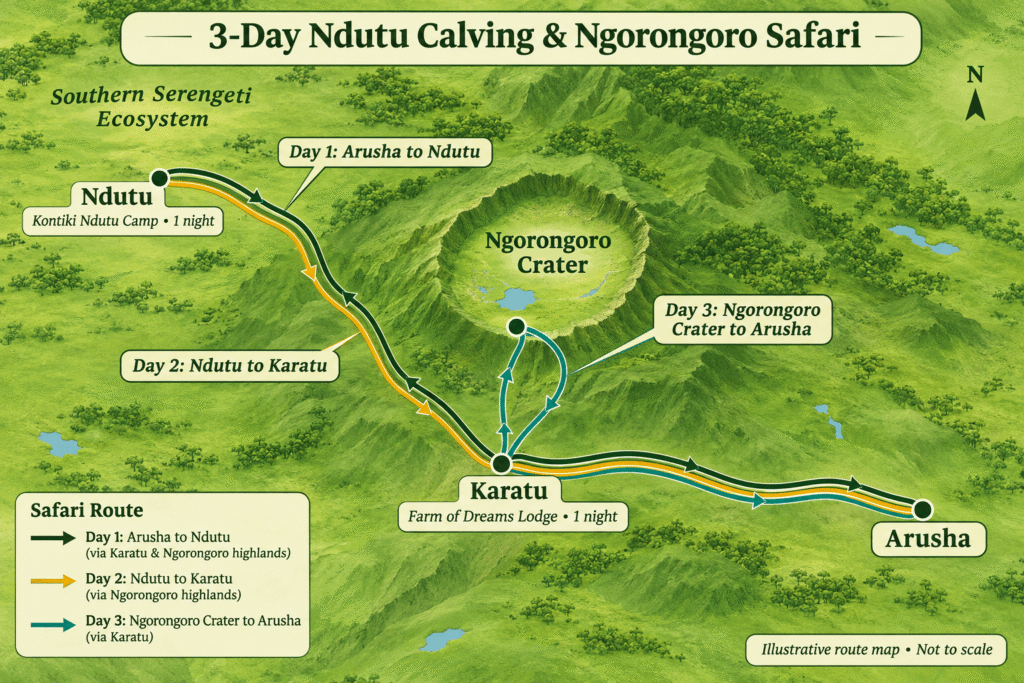
Your safari begins with an early collection from your accommodation in Arusha. Meet your professional safari guide for a briefing covering the journey, wildlife viewing and arrangements for your overnight stay. Have breakfast before departure, as breakfast is not included on this first day.
Leave Arusha with packed lunch boxes and travel towards the Ngorongoro highlands. The journey takes you through changing landscapes, from busy roadside towns and cultivated countryside to cooler highland forests and the open plains of the southern Serengeti ecosystem. There will be opportunities for comfort stops along the way, with any sightseeing stops kept brief to protect your afternoon game-viewing time.
Allow much of the morning and part of the afternoon for this transfer. As a planning estimate, Arusha to Ndutu can take approximately six to eight hours, depending on your pickup point, gate formalities, road conditions and the camp’s precise location. Your guide will choose a suitable designated place for your packed lunch.
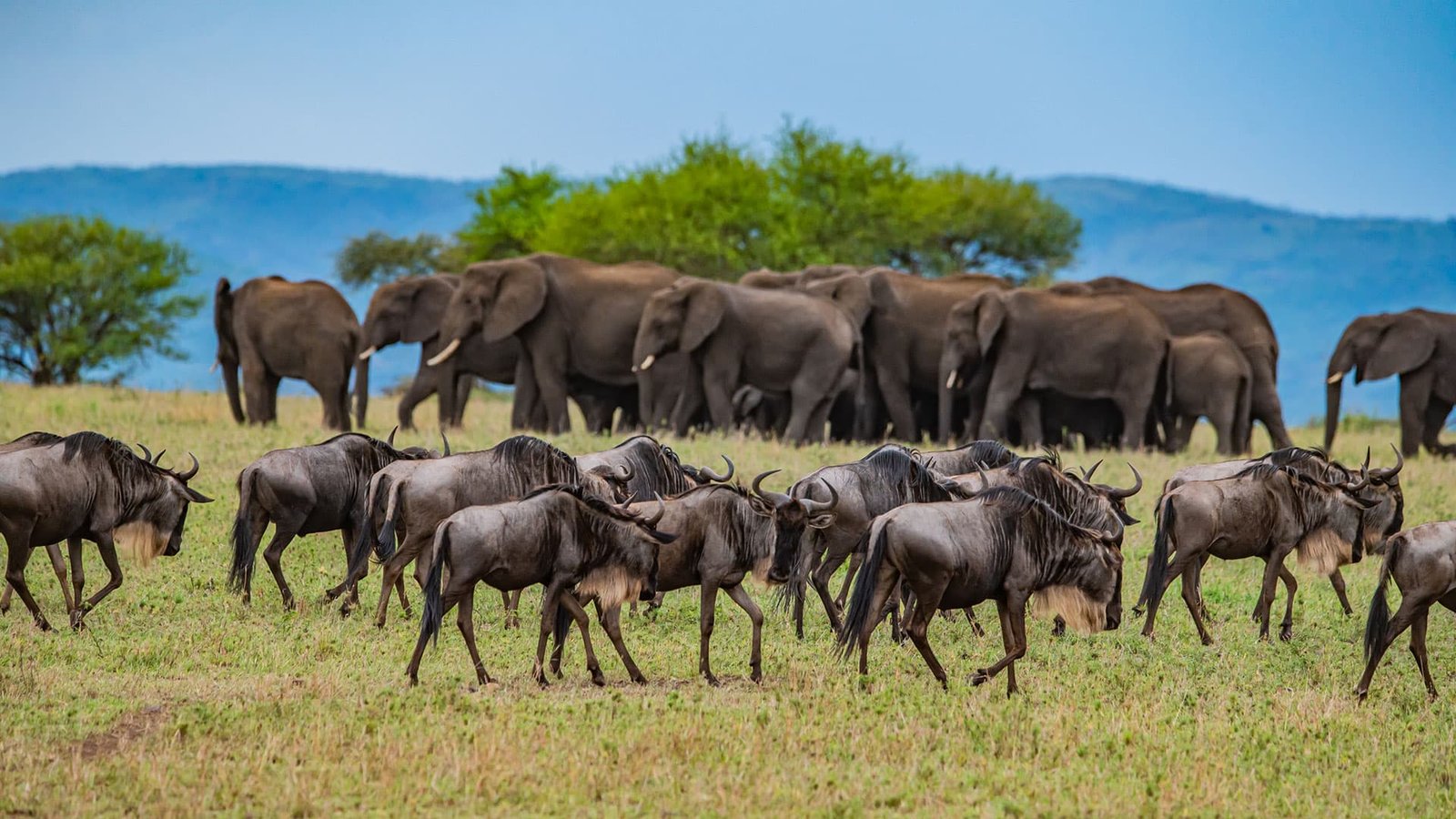
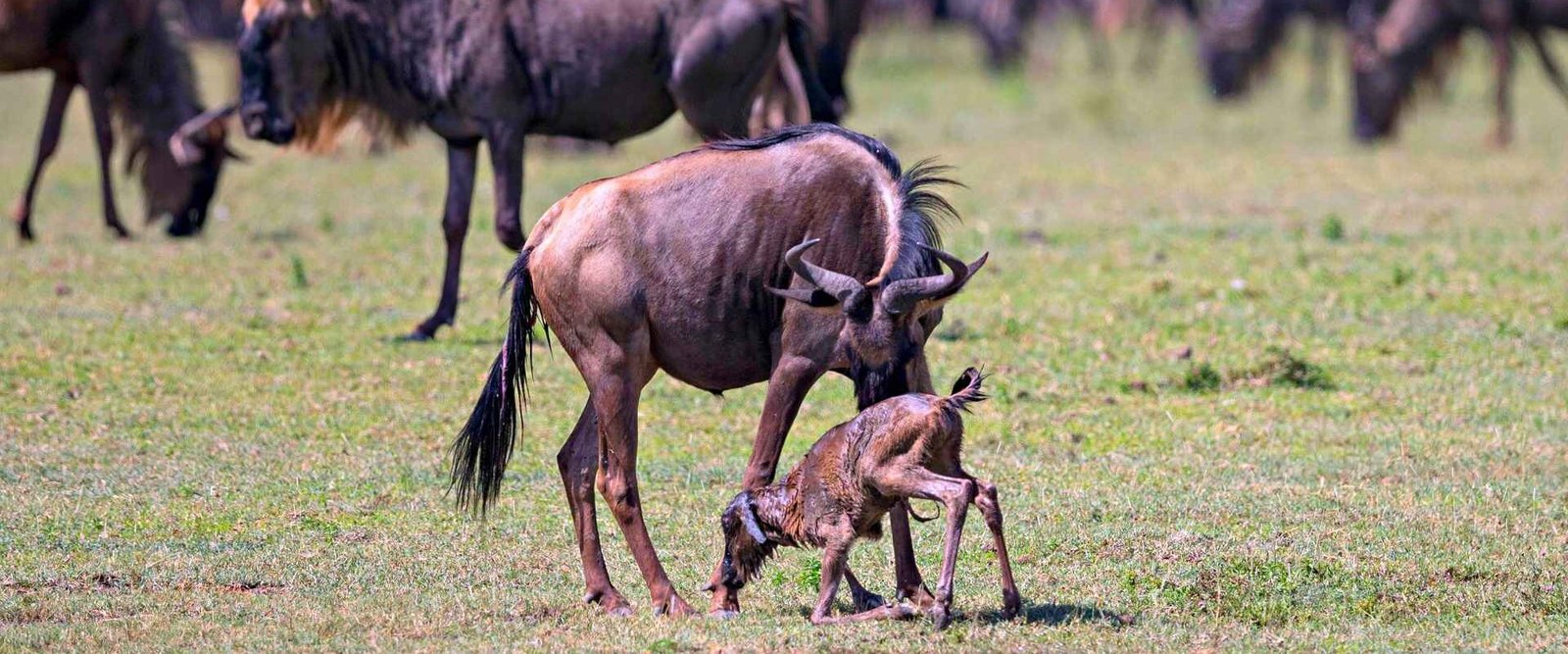
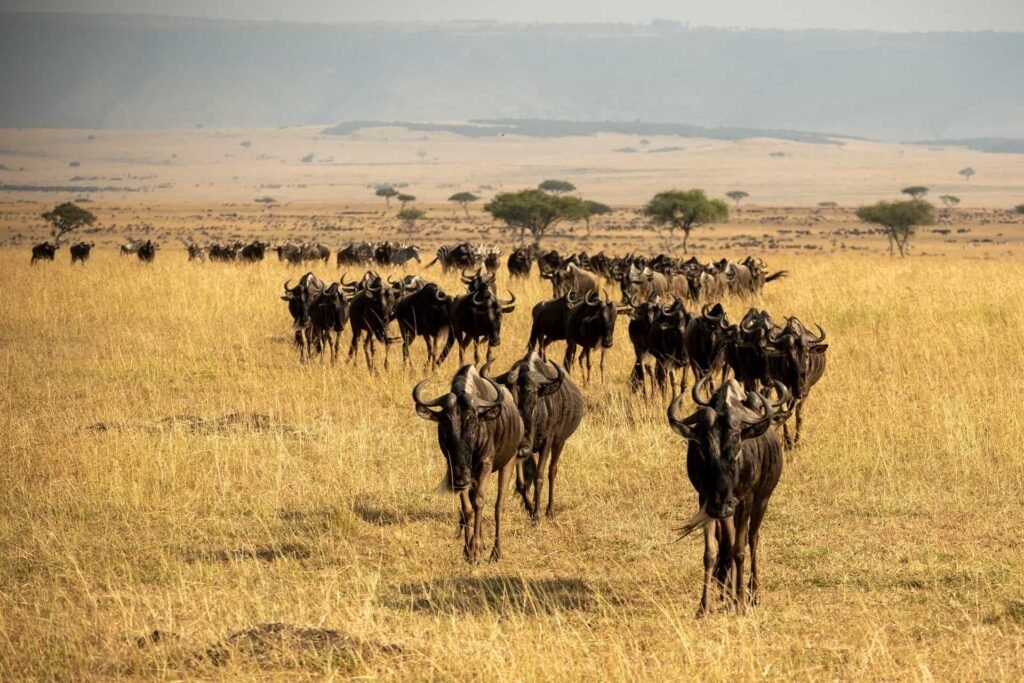
On reaching Ndutu, begin your first game drive through its grasslands, woodland and seasonal wetland habitats. During the migration season, look for wildebeest and zebra grazing across the plains, sometimes accompanied by young calves. Your guide will explain how rainfall and fresh grazing influence the movement of the herds.
The Tanzania Tourist Board identifies late December to April as the main period for visiting Ndutu for the migration, with calving generally taking place between January and March. The herds move through a broad area, so your guide will adjust the afternoon’s route to recent sightings and local conditions. tanzaniatourism.com
Alongside the herds, search for lions resting near cover, cheetahs watching the open plains and hyenas moving between feeding areas. Take time to enjoy smaller sightings too, including antelopes, birds and the changing colours of the landscape. Your guide will keep a respectful distance from animals, particularly mothers with newborn calves.
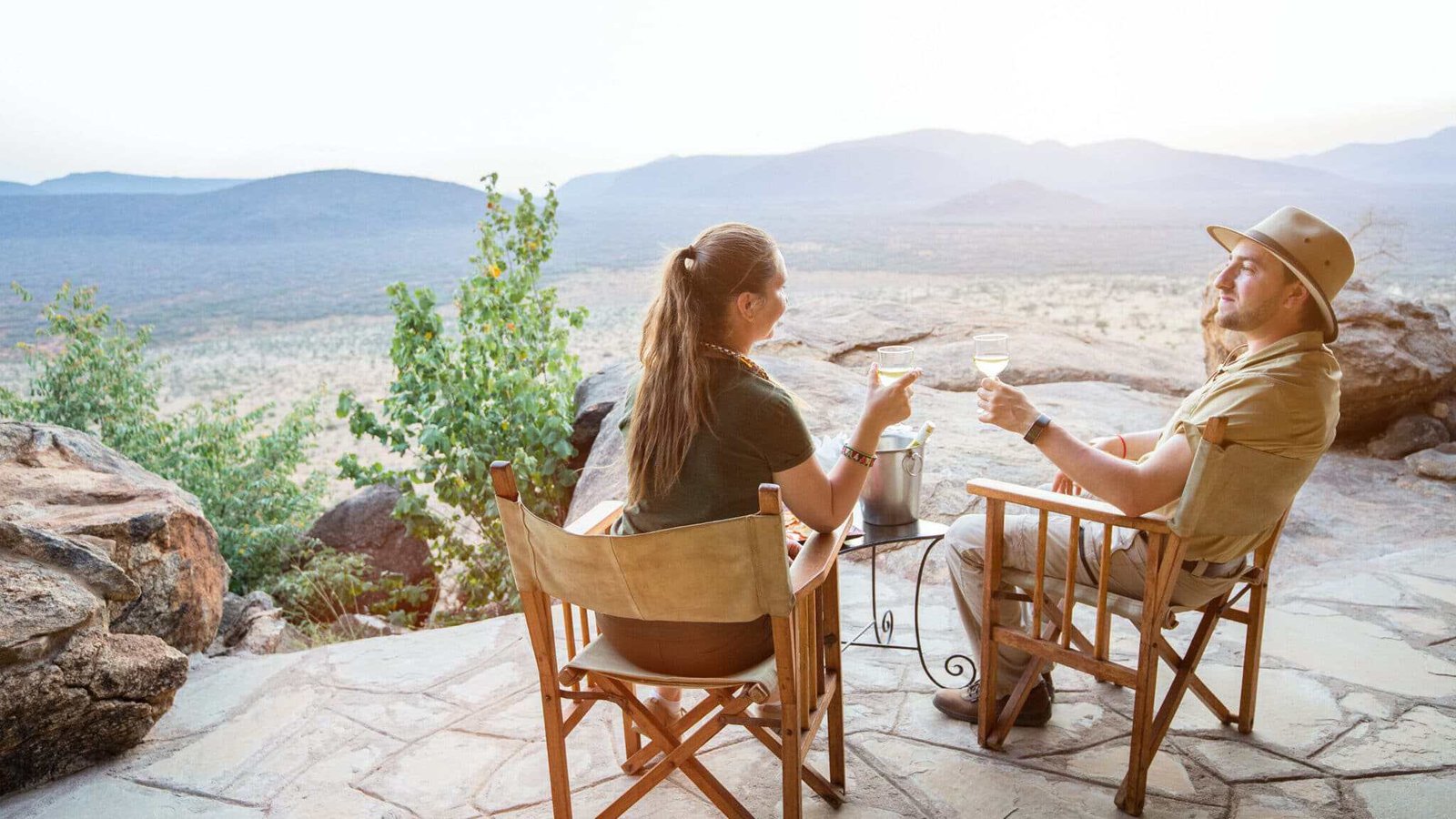
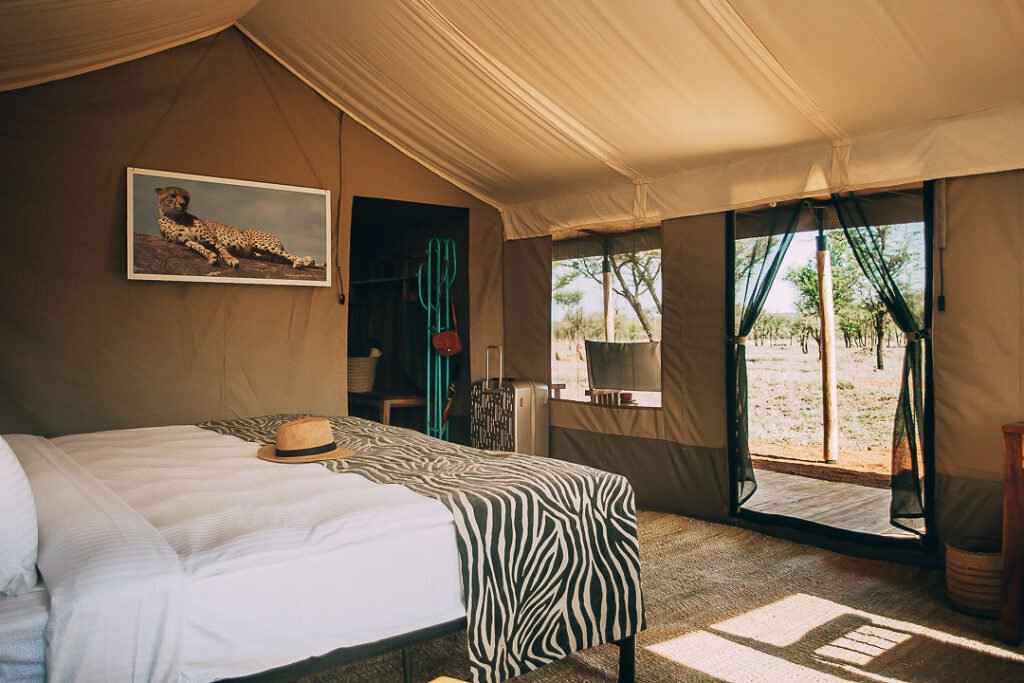
Later, continue to Kontiki Ndutu Camp for check-in and dinner. Settle into your tent and enjoy the atmosphere of a night in the bush. Follow the camp team’s instructions about moving around after dark and request an escort whenever required.
Accommodation: Kontiki Ndutu Camp.
Meals: Packed lunch and dinner. Breakfast is not included.
Drinks: As specified in your supplied package, excluding spirits and liquor; confirm the included selection in the final quotation.
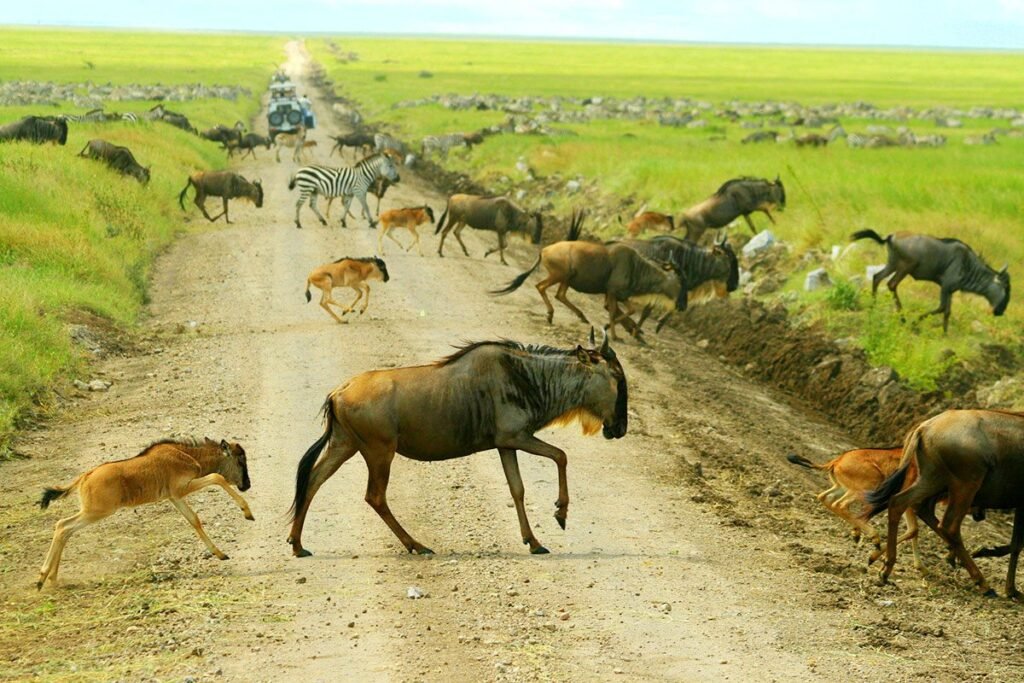
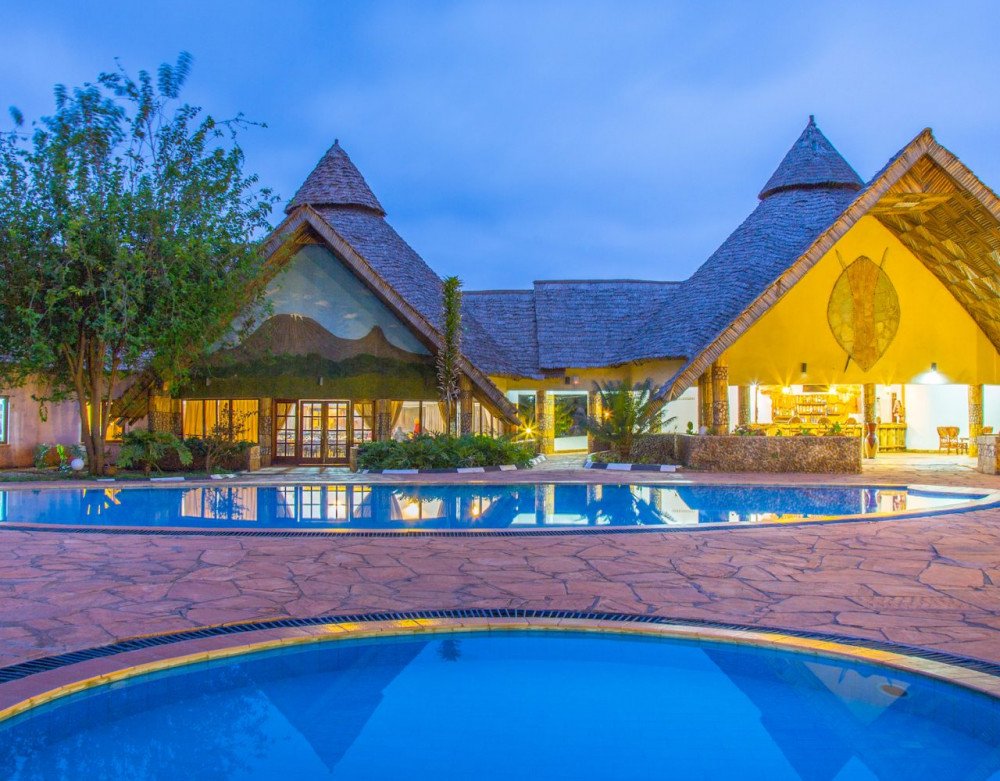
Wake early for breakfast before returning to the plains with your guide. Morning light offers attractive conditions for photography, while cooler temperatures can provide opportunities to observe animals moving, feeding or interacting before the day becomes warmer.
Explore a selection of habitats rather than following a fixed wildlife checklist. Your guide may spend time on the short-grass plains, around woodland edges or near seasonal water sources, depending on where animals have recently been seen. During the calving period, you may encounter wildebeest mothers with young calves, zebra herds and predators watching from nearby cover.
Allow time to observe behaviour without rushing between sightings. Watching a calf follow its mother, a cheetah scan the grassland or a group of wildebeest move towards fresh grazing can be as rewarding as finding a large predator. Births and hunts are natural events that may occur, but they cannot be scheduled.
Although Ndutu supports resident wildlife throughout the year, the main migration herds are seasonal visitors. Once they move north, travellers should expect a different experience from the large herd gatherings associated with the calving season.
Lunch will be arranged around the day’s movements, either as a packed meal at a designated stop or at camp if the confirmed programme allows. Afterwards, begin the journey towards Karatu through the Ngorongoro Conservation Area.
The transfer requires several hours, so this day combines a morning game drive with a substantial afternoon journey. An approximate planning allowance is four to six hours from Ndutu to Karatu, depending on the starting location, stops and road conditions. Your guide may bring departure forward when necessary to allow a comfortable arrival at the lodge.
Reach Farm of Dreams Lodge in Karatu, check in and settle into your room. Enjoy dinner and prepare for an early start the following morning. Keep a warm layer ready for the journey into the Ngorongoro highlands.
Accommodation: Farm of Dreams Lodge, Karatu.
Meals: Breakfast, lunch and dinner.
Drinks: As specified in your supplied package, excluding spirits and liquor; confirm the included selection before booking.
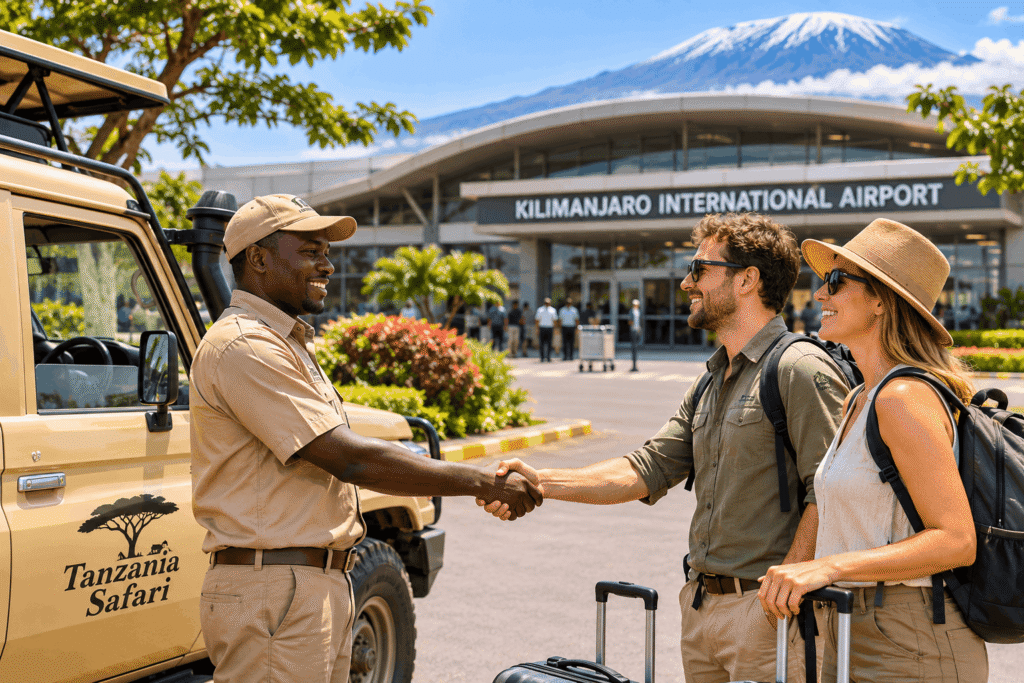
After an early breakfast, depart Farm of Dreams Lodge and drive towards the Ngorongoro Conservation Area entrance. Continue through the forested highlands towards the crater rim. If weather and timing allow, pause at a viewpoint to appreciate the scale of the landscape before making your descent.
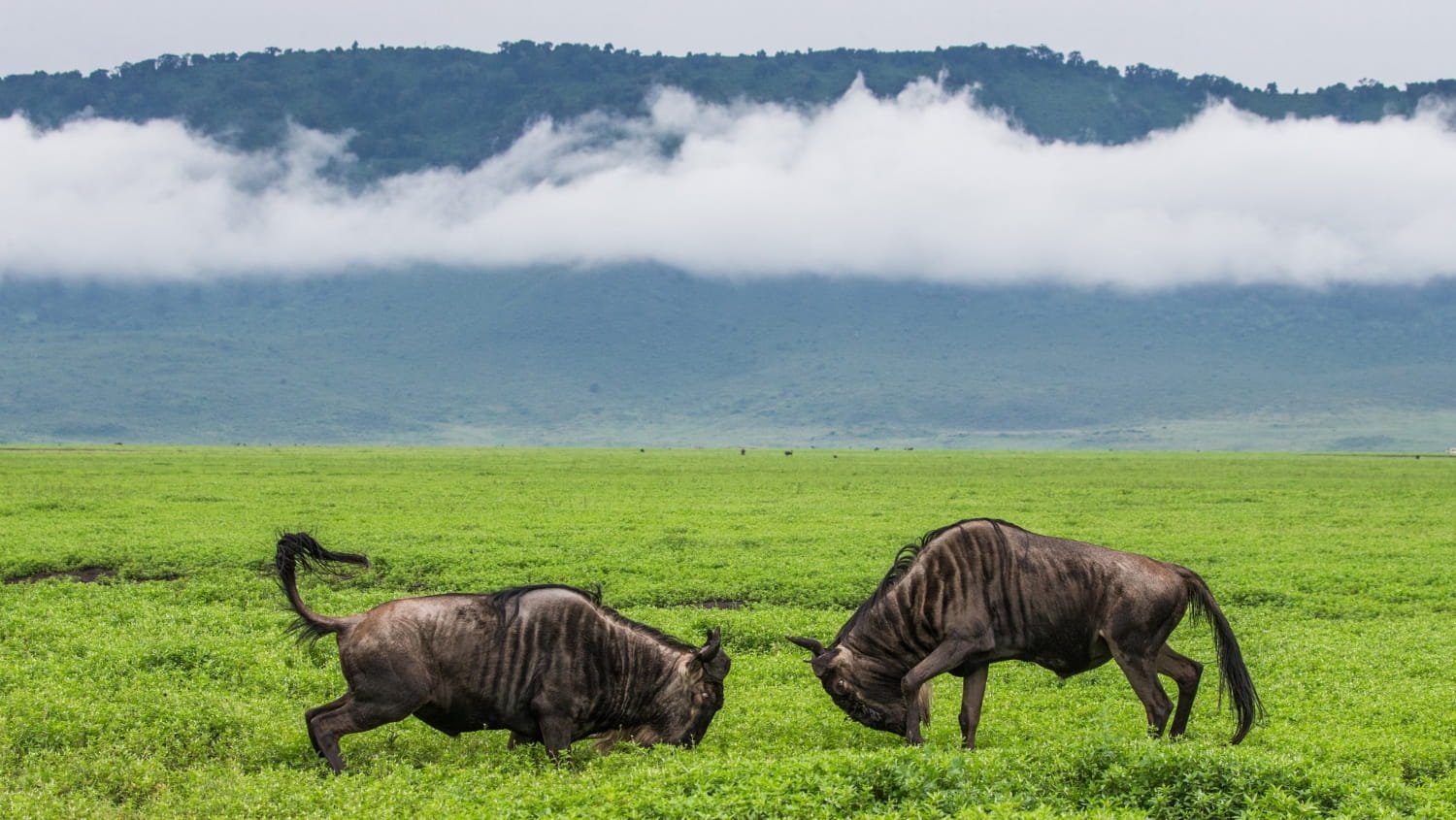
Ngorongoro Crater is a vast volcanic caldera within the UNESCO-listed Ngorongoro Conservation Area. UNESCO describes it as the world’s largest inactive, intact and unfilled volcanic caldera. Its enclosed landscape contains several habitats that make a morning game drive especially varied.
Descend approximately 600 metres to the crater floor and begin exploring with your guide. Travel between open grassland, marshes, woodland and the lake area, looking for the animals using each habitat.
You may encounter buffalo, zebra, wildebeest, gazelles and hyenas, together with lions and elephants. Watch for hippos around suitable pools and enjoy the birdlife along the wetlands. Flamingo numbers vary with water levels and feeding conditions.
The crater also provides an opportunity to search for the threatened black rhinoceros. A sighting is a possibility rather than a promise, and animals may be far from the vehicle. Binoculars are useful for observing wildlife without disturbing it. Ngorongoro’s importance for threatened species, including black rhino, is recognised by UNESCO.
Your guide will manage the game drive around the applicable permit conditions and the return journey to Arusha. Enjoy your packed lunch at a designated picnic site, following guidance about keeping food secure around birds and other animals.
After lunch, ascend from the crater and begin the drive back to Arusha. Arrival will normally be in the late afternoon or early evening, subject to the time spent in the crater, road conditions and traffic. Your safari ends with a drop-off at Arusha Clock Tower.
Accommodation: None; end of safari.
Meals: Breakfast and packed lunch. Dinner is not included.
Drinks: As specified in your supplied package, excluding spirits and liquor.