3-Day Private Budget Kenya Safari to Masai Mara Game Reserve
-
A 3-day Masai Mara safari gives you a good introduction to one of Kenya’s most famous wildlife destinations, with several opportunities to explore the reserve on guided game drives. The itinerary includes an afternoon game drive on the first day, followed by morning and afternoon game drives on the second day. These drives provide different wildlife-viewing conditions and allow your guide to explore various parts of the reserve.
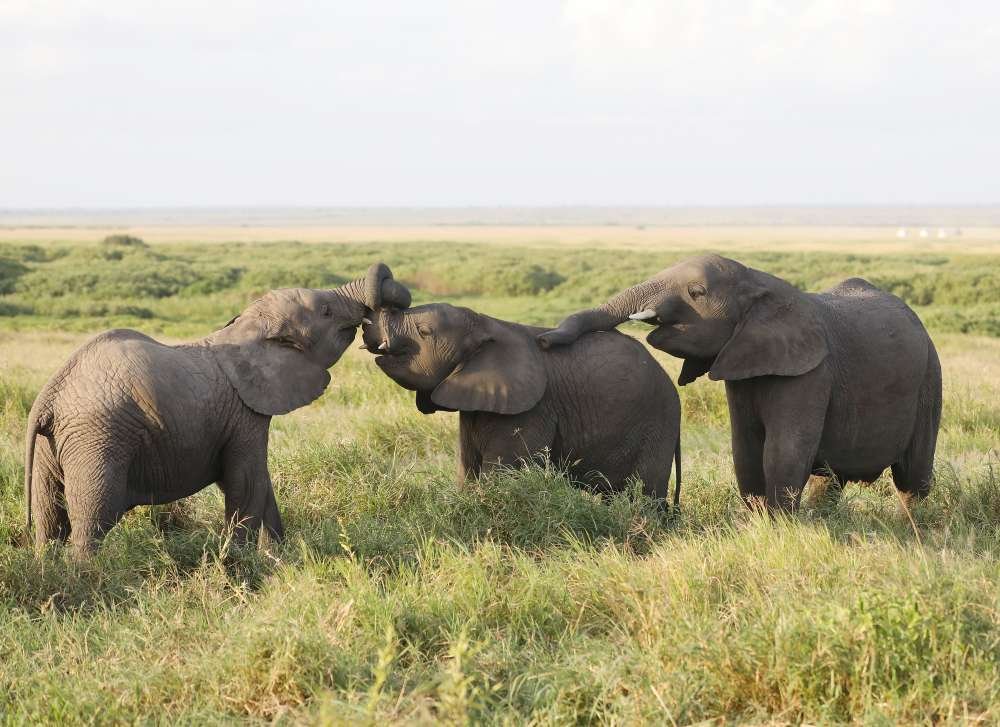
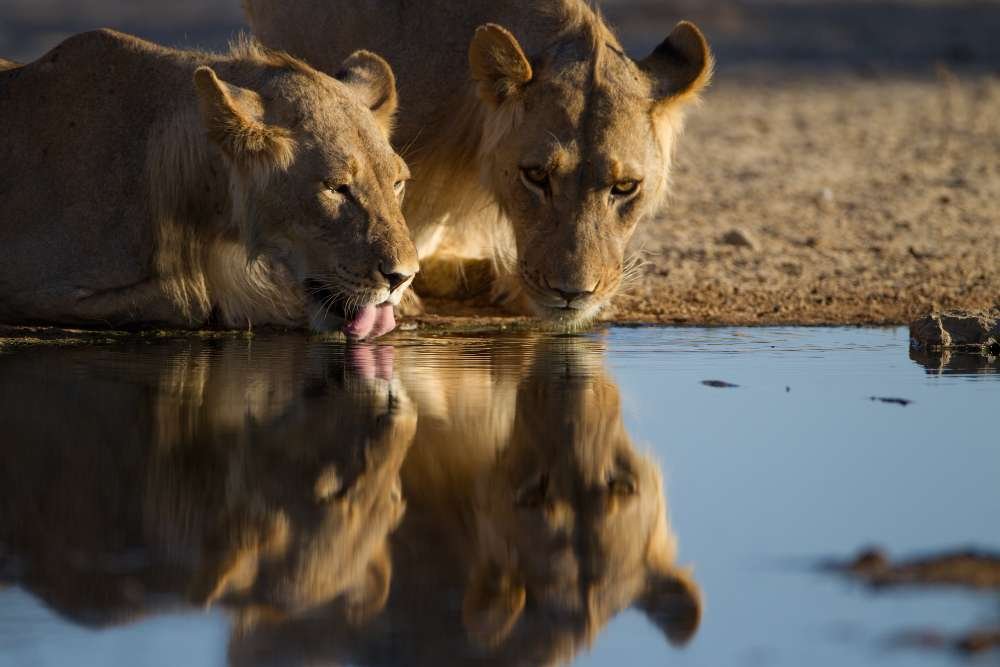
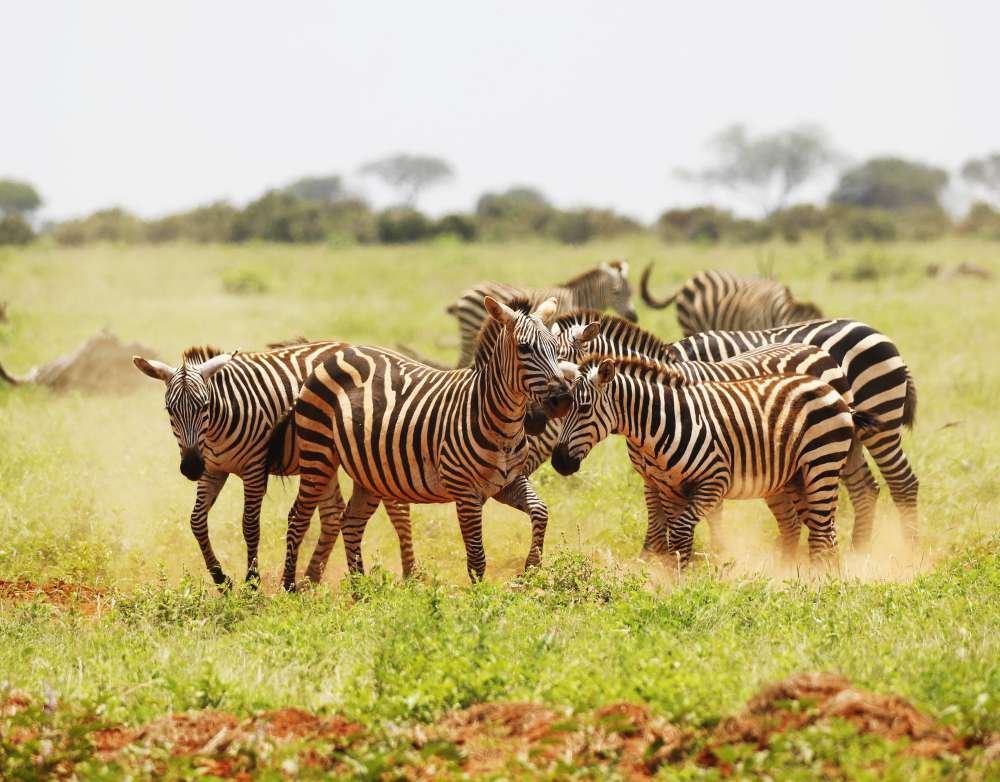
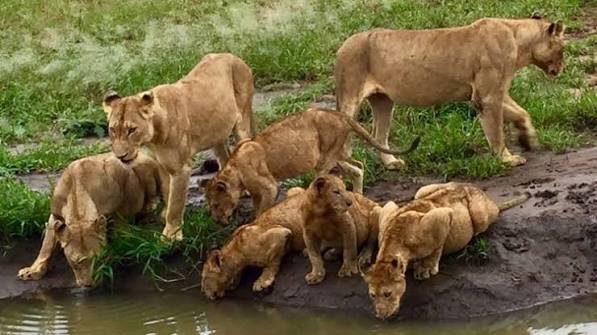
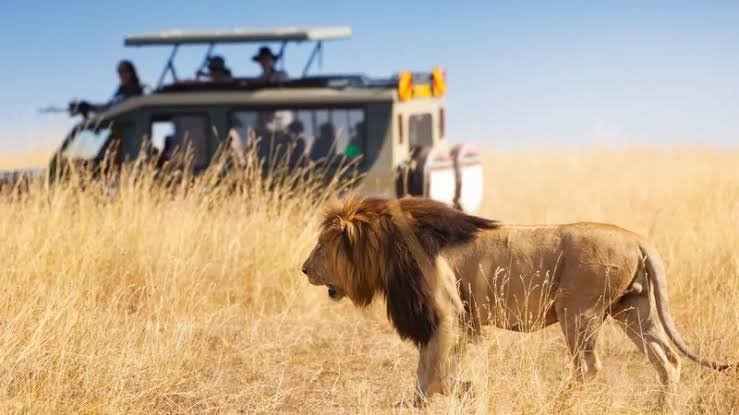
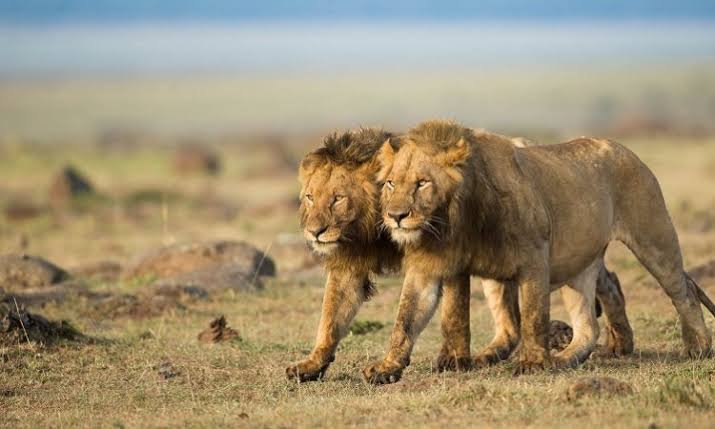
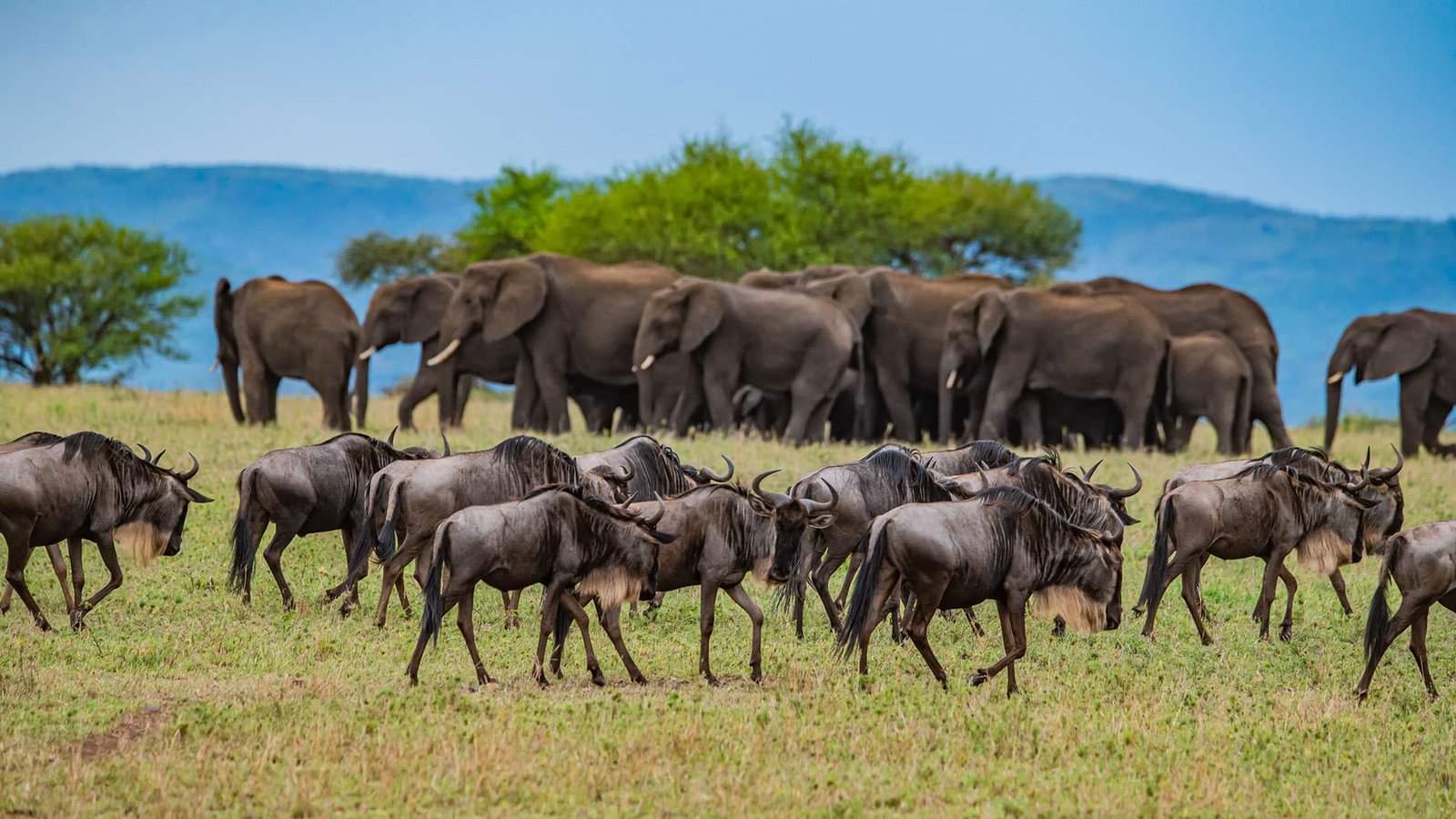
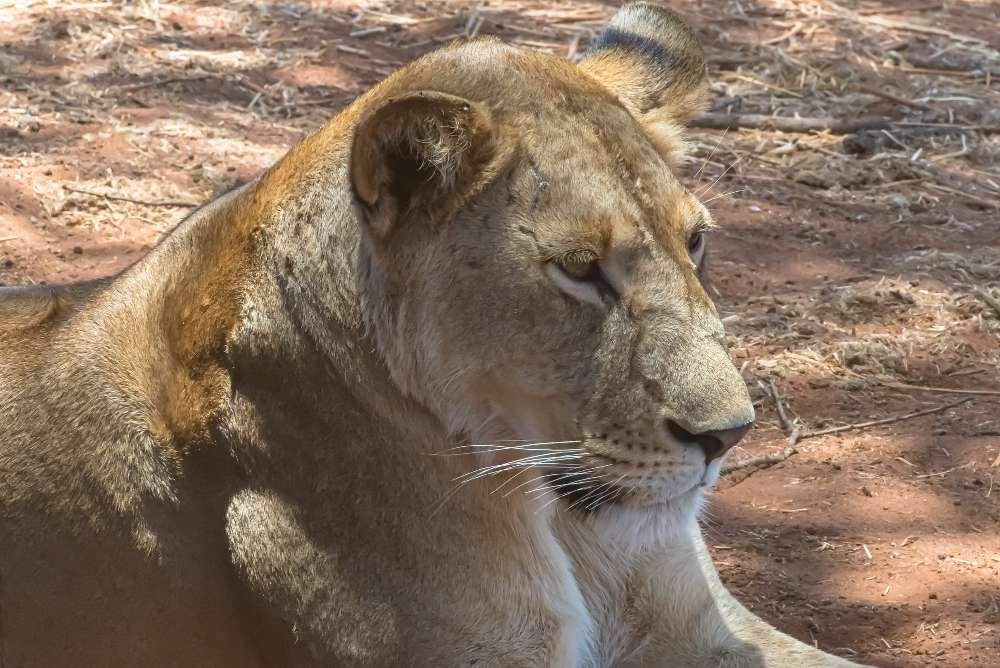
The Masai Mara is particularly well known for its abundant plains wildlife and predators. Depending on the season, location and daily animal movements, you may encounter lions, elephants, giraffes, cheetahs, zebras, wildebeest, gazelles, buffaloes, hyenas and many bird species. The reserve’s open grasslands can make wildlife relatively easy to spot, although sightings can never be guaranteed because animals are wild and constantly moving.
The Masai Mara is also part of the greater Serengeti-Mara ecosystem and is famous for the annual wildebeest migration. The migration generally occurs at different times between the Serengeti and the Mara ecosystem, with the timing influenced by rainfall and grazing conditions. Therefore, travelers should not book the safari based solely on a guaranteed migration sighting.
Your safari driver-guide plays an important role in the experience. Guides use their knowledge of animal behavior, recent sightings, tracks and the landscape to identify promising wildlife-viewing areas while following applicable reserve rules.
For photography enthusiasts, the combination of open landscapes, abundant wildlife and early and late game drives provides excellent opportunities to capture memorable safari images.
-
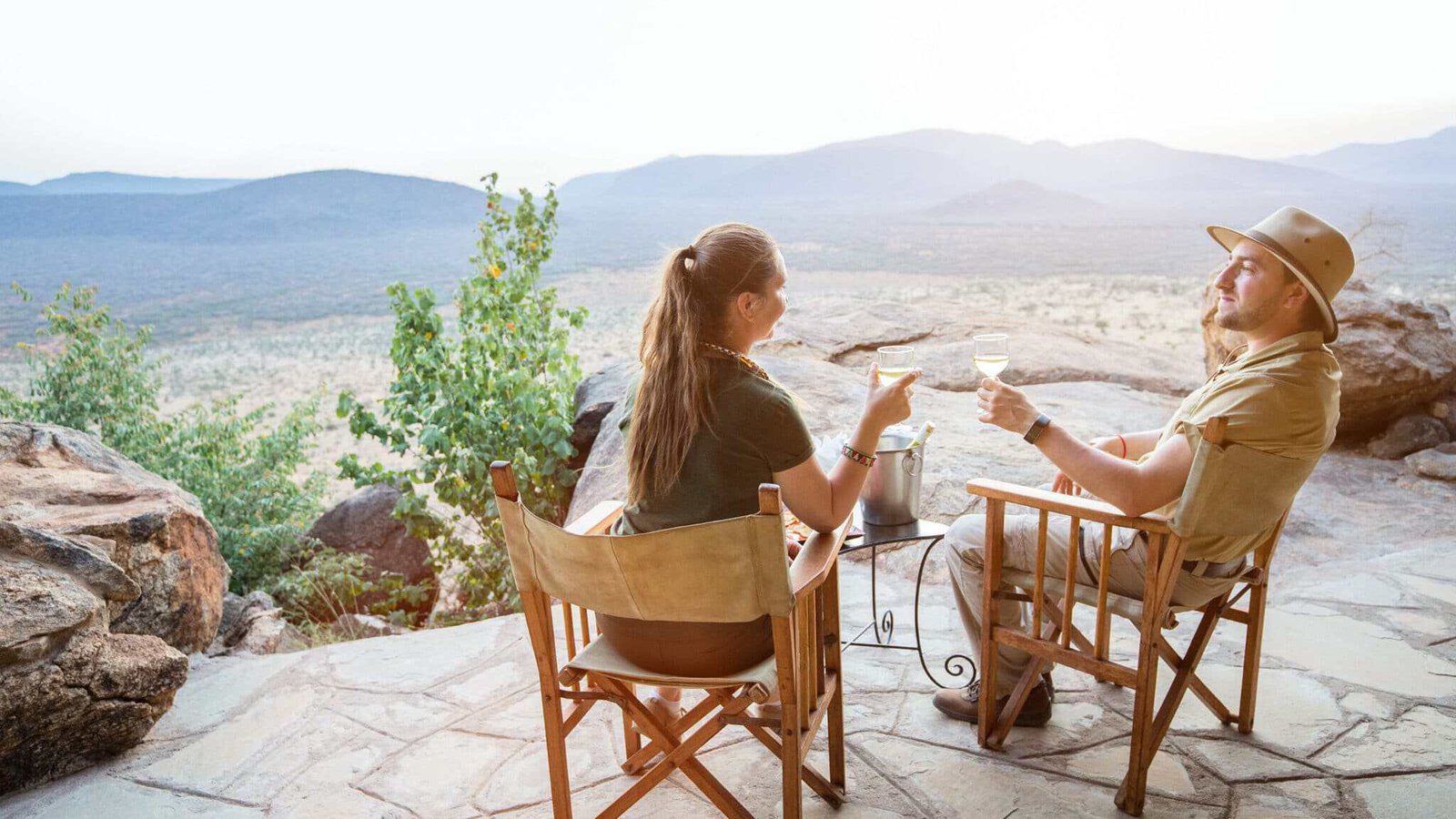
Accommodation on this safari is designed for travelers looking for a budget-friendly way to experience the Masai Mara without paying for a luxury lodge or high-end safari camp. The itinerary specifies Lenchada Tourist Camp or a similar property, located outside the Masai Mara National Reserve.
The camp provides a practical base for safari activities while keeping accommodation costs relatively affordable. Staying outside the reserve can be an attractive option for budget-conscious travelers, although the exact travel time between the accommodation and the reserve gates can vary depending on the camp’s location, road conditions and the gate being used.
The accommodation is generally based on tented-camp facilities rather than a conventional city hotel. Travelers should therefore expect a more safari-oriented experience, with facilities suited to visitors spending most of their days exploring the reserve.
Two nights of accommodation are included in the itinerary. Meals are provided according to the daily schedule, with lunch and dinner on Day 1, all main meals on Day 2 and breakfast and a picnic lunch on Day 3. Drinking water is included, while other beverages may be available at additional cost.
Because safari camps and room availability can change, the final property should be confirmed in writing before booking. If Lenchada Tourist Camp is unavailable, the operator may provide a comparable alternative.
Travelers who require a specific room type, private facilities or particular accessibility arrangements should communicate these requirements before paying a deposit.
Pre- and post-safari accommodation in Nairobi is not included in the standard package, but it can generally be arranged for an additional cost if required.
-
The package is structured to cover the essential components needed for a short Masai Mara safari, while several personal and optional expenses remain the responsibility of the traveler. Understanding these inclusions and exclusions before booking helps prevent unexpected costs during the trip.
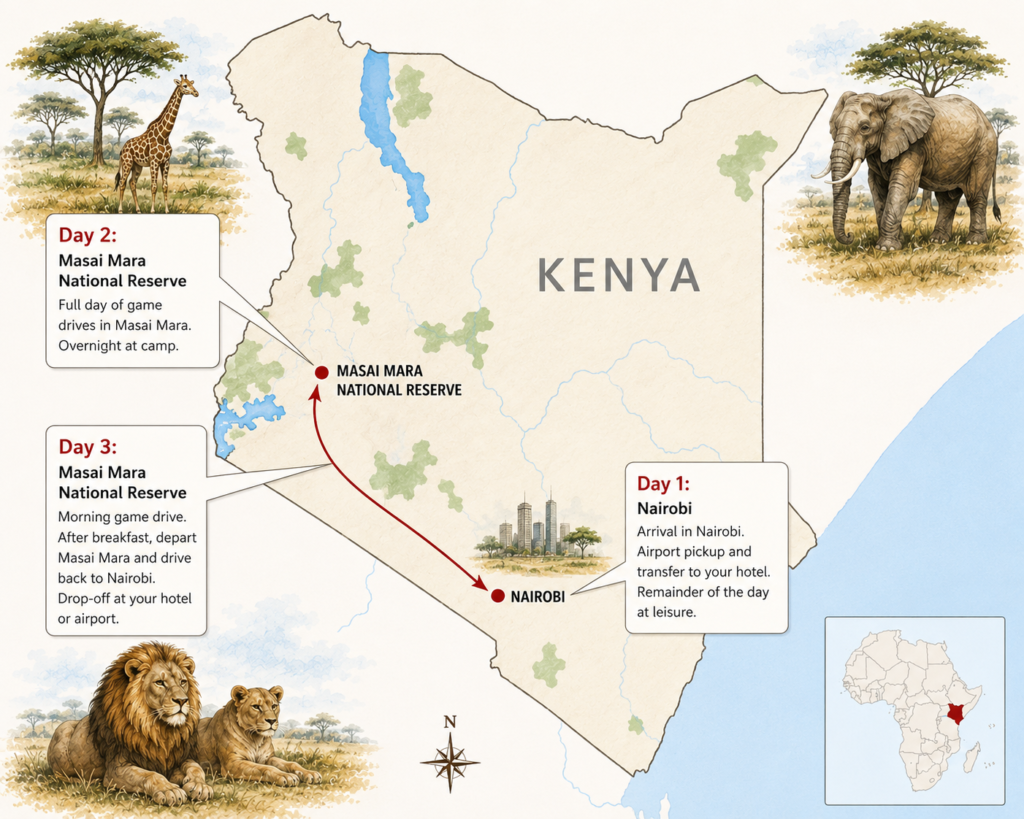
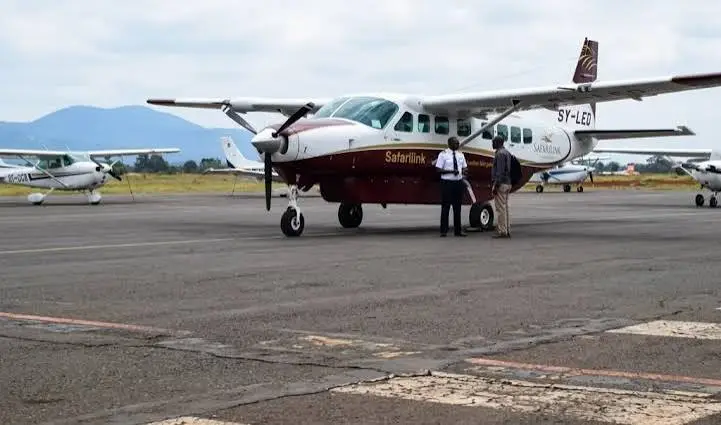
The itinerary includes pickup from Jomo Kenyatta International Airport or a Nairobi hotel at the beginning of the safari and drop-off at the airport or preferred Nairobi hotel at the end. Safari transportation, guided game drives and accommodation for two nights at Lenchada Tourist Camp or a comparable budget property are also part of the planned itinerary.
Meals are included according to the schedule. Day 1 includes lunch and dinner, Day 2 includes breakfast, lunch and dinner, while Day 3 includes breakfast and a picnic lunch. Drinking water is also included.
The scheduled game drives include an afternoon drive on Day 1 and morning and afternoon drives on Day 2. The safari also includes the road journey between Nairobi and the Masai Mara, including the scenic route through the Great Rift Valley.
Expenses normally excluded include international and domestic flights, travel insurance, personal purchases, alcoholic and other drinks, tips, laundry, telephone expenses and souvenirs. The optional Maasai village visit is also not included unless specifically added to the booking.
Pre- and post-safari accommodation in Nairobi is available at an additional cost.
Because safari packages differ between operators, travelers should request a detailed written quotation confirming whether Masai Mara reserve/conservation fees, vehicle costs and all applicable taxes are included. This is particularly important because park and conservation fees can change over time.
-
The Masai Mara is a year-round safari destination, but the experience can vary depending on rainfall, vegetation, wildlife movements, visitor numbers and seasonal conditions. The best time for your trip therefore depends on whether your priority is general wildlife viewing, favorable weather, lower visitor numbers or the possibility of seeing the wildebeest migration.
June to October is commonly regarded as one of the strongest periods for general wildlife viewing. These months are generally drier, and vegetation can be less dense, which may make animals easier to locate. Wildlife often gathers around remaining water sources, creating good opportunities for game viewing.
August to October is traditionally associated with the period when wildebeest may be present in the Masai Mara ecosystem as part of their wider annual movement between Kenya and Tanzania. However, the migration is a natural phenomenon rather than a scheduled event. The exact timing and location of the herds vary each year depending largely on rainfall and availability of fresh grazing.
December to March can also provide rewarding wildlife viewing, with generally warmer conditions and opportunities to see resident animals. The landscape may be greener depending on recent rainfall.
Traveling during the popular dry-season months can mean higher demand for accommodation and safari services. Budget travelers may therefore consider shoulder or lower-demand periods, when availability and pricing can sometimes be more favorable.
Regardless of when you travel, there is no guarantee that you will see particular animals. A good guide will adapt the game-drive route to current wildlife activity and prevailing conditions.
For this three-day itinerary, travelers should choose their travel dates based on their priorities rather than relying on a single “best month.”
-
Yes, three days can be enough for travelers who want a relatively short introduction to the Masai Mara, particularly when their schedule or budget does not allow for a longer safari. This itinerary provides multiple game drives while keeping the overall trip to three days.
The first day is primarily a travel day from Nairobi to the Masai Mara. After the journey through the Great Rift Valley and lunch at the camp, you have an afternoon game drive. This provides your first opportunity to explore the reserve and begin looking for wildlife.
Day 2 is the main wildlife-viewing day. You have both a morning and afternoon game drive, giving you substantially more time inside the reserve. The early morning drive is particularly useful because temperatures are cooler and many animals are active. The afternoon drive offers another opportunity to explore different areas and observe wildlife later in the day.
Day 3 involves the return journey to Nairobi, with an optional Maasai village visit before departure and a picnic lunch en route. Because the final day is primarily a travel day, most of the dedicated safari time is concentrated on Days 1 and 2.
A longer safari would provide more time to explore different sections of the reserve and increase the number of opportunities to encounter particular species. However, a three-day itinerary works well for first-time visitors, travelers with limited vacation time and those combining the Masai Mara with other destinations in Kenya.
Ultimately, the ideal safari length depends on your interests, budget and travel schedule. If wildlife photography, birdwatching or a slower-paced safari is your priority, adding extra days can provide a more relaxed experience and more opportunities for wildlife observation.
3-Day Private Budget Kenya Safari to Masai Mara Game Reserve
Dry Season June to October 2027
2 persons
1,252.00 USD *
4 persons
1,039.00 USD *
6 persons
972.00 USD *
Price Per Person include guide, safari vehicle, accommodation and park entrance. International fees are excluded.
Here’s how your price comes together.Included
-
Airport or Nairobi hotel pickup and drop-off
-
Private or shared safari transport
-
Professional English-speaking driver-guide
-
Masai Mara game drives
-
Drinking water during the safari
Excluded
-
Anything not mentioned in the inclusions