
6-Day Calving & Carnivores Safari in Southern Serengeti
-
The best time to visit Tanzania for a safari is during the dry season, from June to October, when wildlife viewing is generally at its best. During these months, the weather is usually sunny, rainfall is limited, and animals gather around rivers, waterholes and other reliable water sources, making them easier to spot. This is an excellent time to enjoy Tanzania safari holidays in famous wildlife destinations such as Serengeti National Park, Ngorongoro Crater, Tarangire National Park and Lake Manyara National Park.
However, Tanzania is a year-round safari destination, and the best month to travel depends on the wildlife experiences you want to enjoy. Whether you dream of witnessing the Great Wildebeest Migration, seeing newborn animals during the calving season, photographing big cats or enjoying a quieter safari with fewer visitors, each season offers something special.
June to October – Best for Wildlife Viewing and the Great Migration
June to October is widely considered the best period for Tanzania safari tours because the dry weather makes wildlife easier to find. As vegetation becomes thinner and water sources become more limited, elephants, zebras, giraffes, buffaloes, lions and other animals are often seen around permanent water sources.
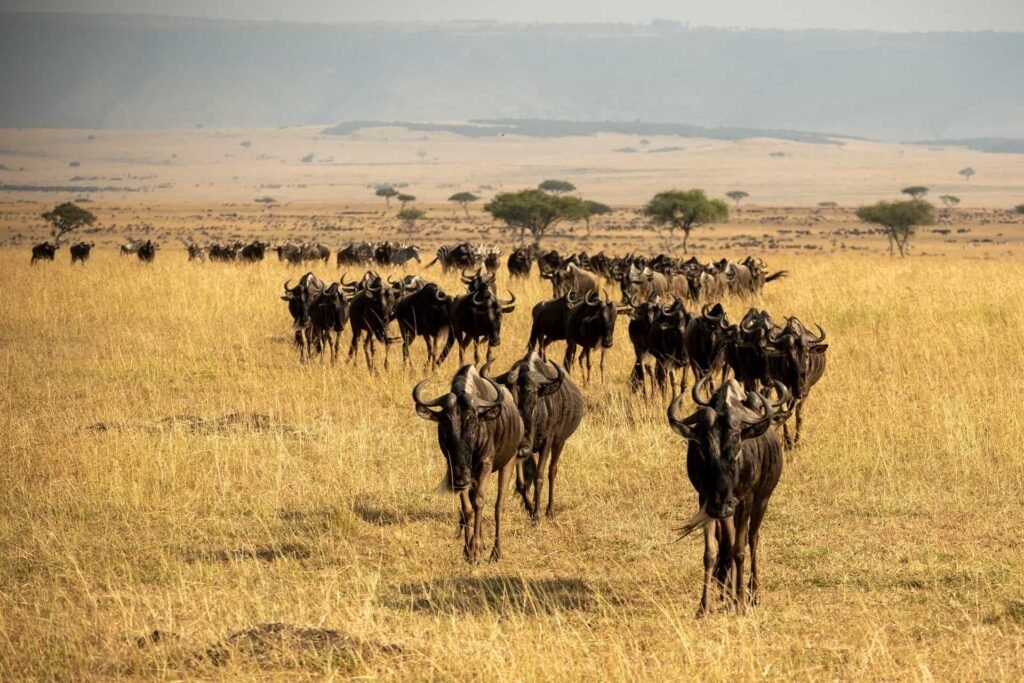
In Serengeti National Park, the Great Migration is a major attraction. From approximately July to October, large herds of wildebeests and zebras are often found in the northern Serengeti, where some attempt to cross the Mara River. These dramatic crossings are among Africa’s most famous wildlife experiences, although their timing and location cannot be guaranteed.
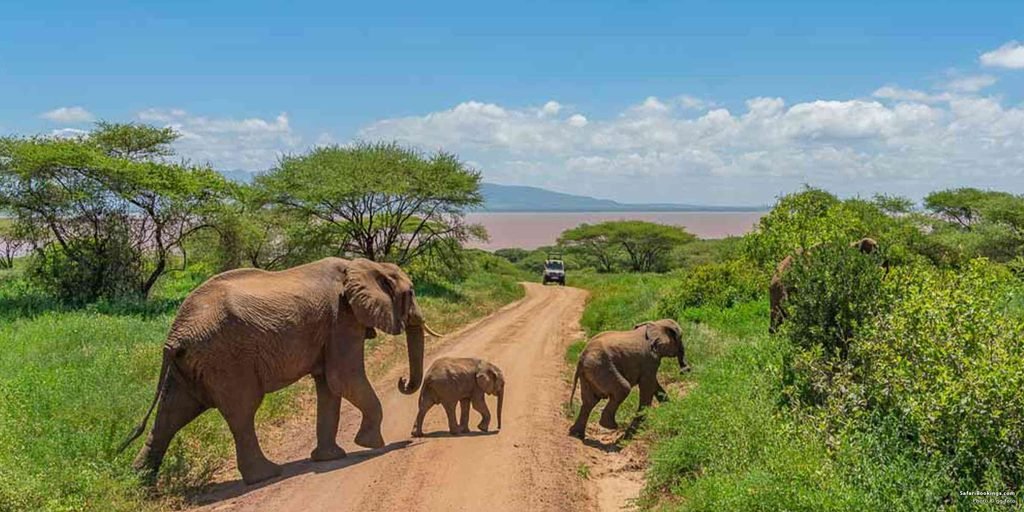
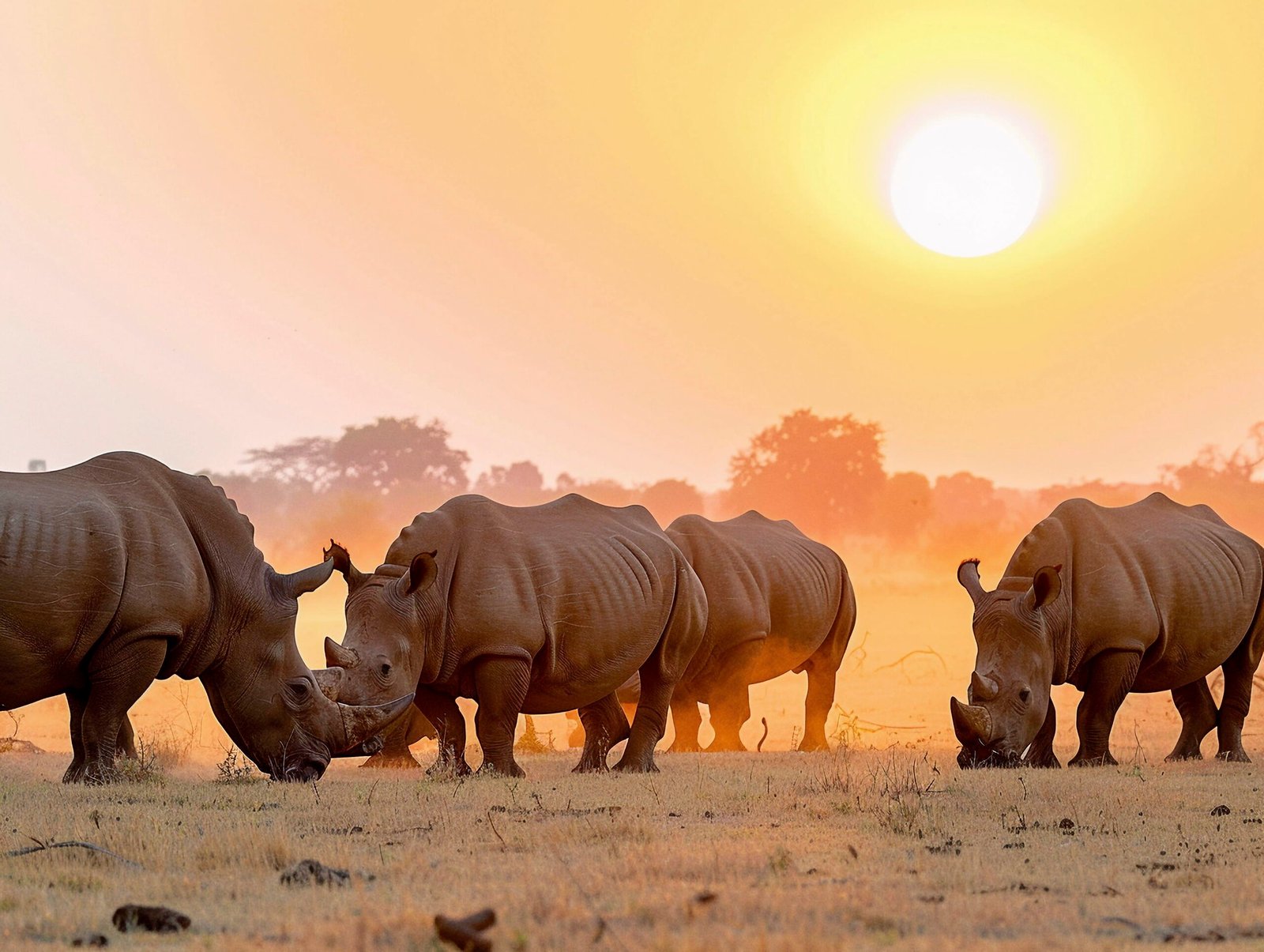
Tarangire National Park is particularly rewarding during the dry season because large elephant herds and other animals gather around the Tarangire River. Ngorongoro Crater also offers excellent wildlife viewing, including opportunities to spot the endangered black rhinoceros.
The main disadvantage of visiting during this period is that popular parks and safari lodges can be busy, particularly between July and September. Accommodation prices are also generally higher, so booking several months in advance is recommended.
January to March – Best for Wildebeest Calving and Predator Sightings
January to March is another excellent period for Tanzania safari holidays, especially for travellers interested in the Great Migration calving season.
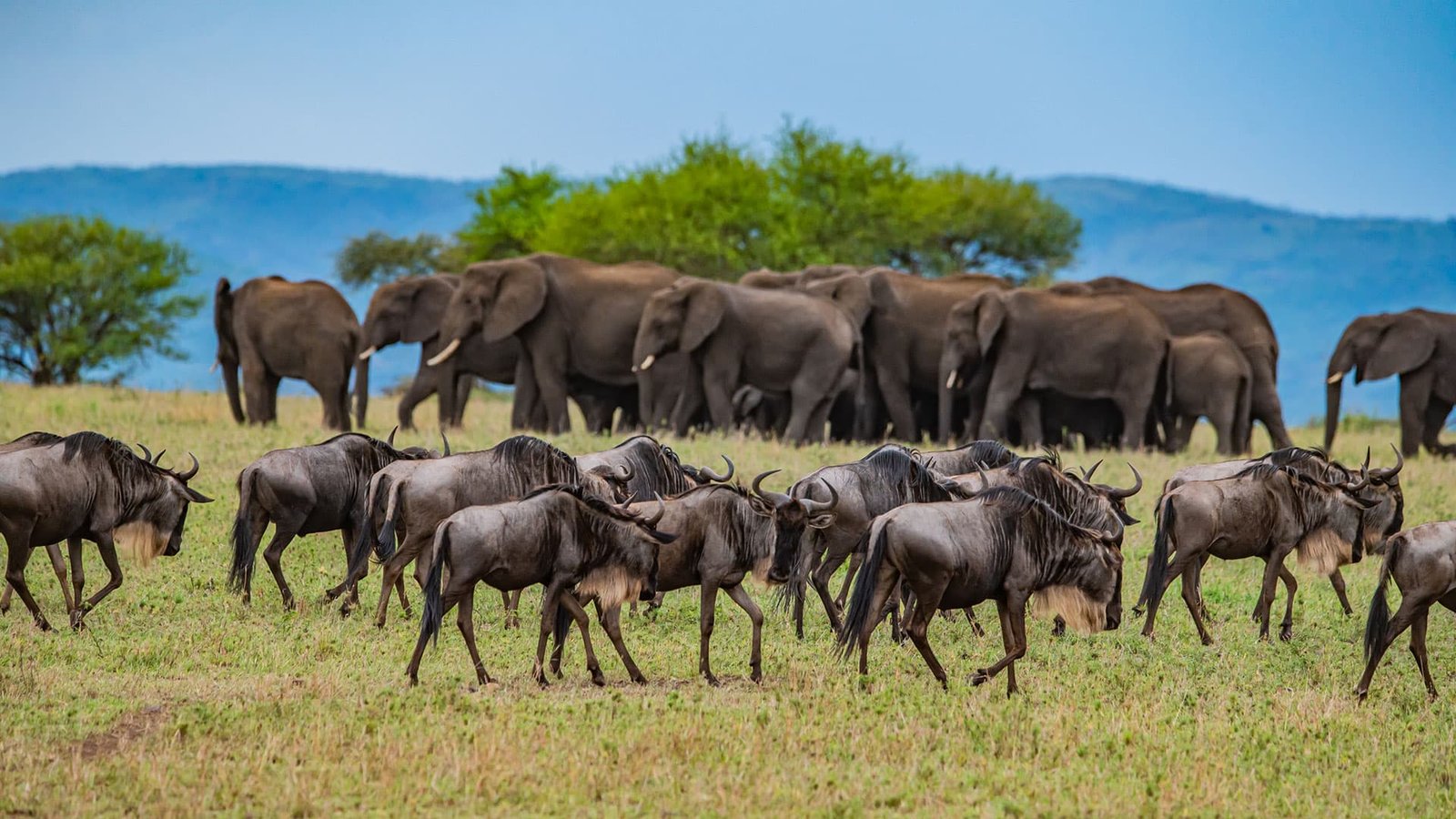
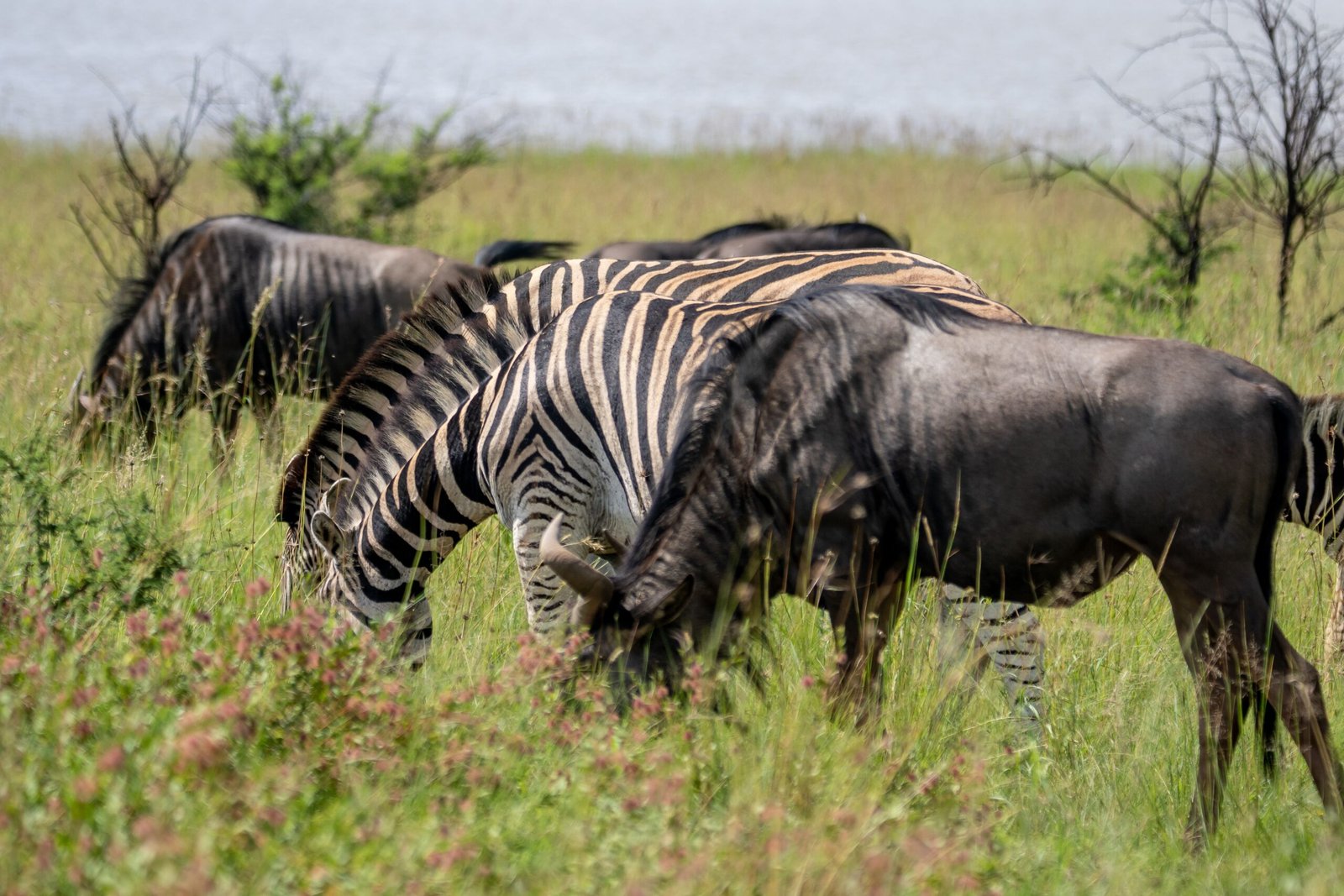
During this time, large wildebeest herds are commonly found across the southern Serengeti and Ndutu plains, depending on rainfall and grazing conditions. The main calving period usually occurs between late January and February, when hundreds of thousands of wildebeest calves are born over a relatively short period.
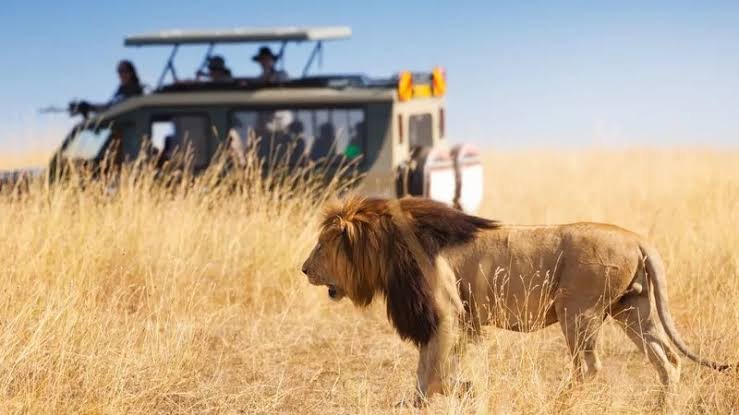
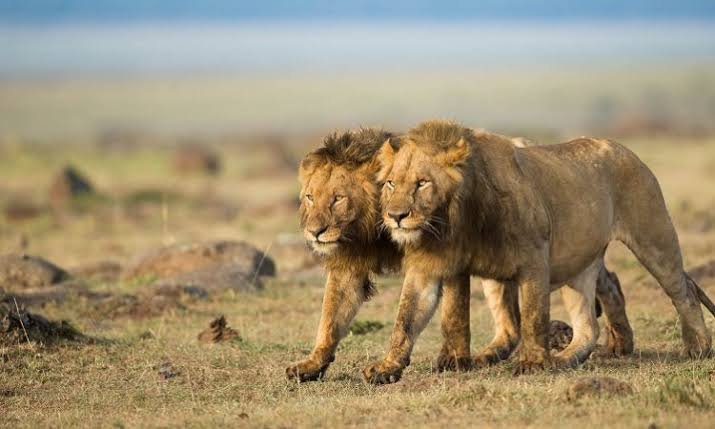
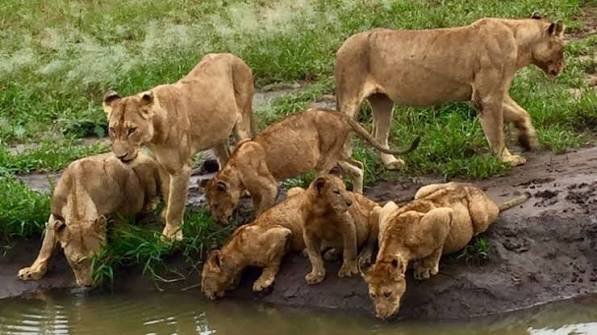
The abundance of young animals attracts predators such as lions, cheetahs, leopards and hyenas, creating excellent opportunities for wildlife photography and observing natural predator-prey behaviour.
The landscapes are often green following seasonal rainfall, making this a beautiful time for photography. Occasional rain showers are possible, but many safari activities can still be enjoyed.
For travellers planning a Tanzania safari focused on newborn wildebeests, big cats and the southern Serengeti, February is often one of the most rewarding months.
April to May – Best for Green Landscapes and Quieter Safaris
April and May generally fall within Tanzania’s main rainy season, often called the long rains. During this period, many safari destinations become lush and green, with beautiful landscapes and excellent birdwatching opportunities.
These months can appeal to travellers seeking quieter Tanzania safari holidays, as visitor numbers are often lower than during the peak dry season. Some safari camps and lodges also offer reduced seasonal rates.
However, heavy rainfall can make certain roads muddy and difficult to navigate, particularly in remote areas of the Serengeti. Some seasonal camps may close temporarily, and wildlife can be more widely dispersed because water is readily available.
For travellers who prioritise lower visitor numbers and green scenery over predictable weather, April and May can still be enjoyable, provided the itinerary is carefully planned.
November to December – Best for Birdwatching and Beautiful Scenery
November and December usually bring Tanzania’s short rains, although rainfall patterns vary from year to year. These showers often transform dry landscapes into green grasslands, creating attractive conditions for wildlife photography.
Migratory birds begin arriving in many areas, making this an excellent period for birdwatching. Wildlife remains present throughout the national parks, and the Serengeti’s migrating herds generally begin moving towards the eastern and southern plains as grazing conditions change.
November can be particularly attractive for travellers who prefer fewer crowds. December is also popular for Christmas and New Year safari holidays, when accommodation demand and prices may increase significantly.
Best Time to Visit Tanzania for Different Safari Experiences
Safari experience Recommended months Best overall wildlife viewing June to October Great Migration river crossings July to October Wildebeest calving season Late January to February Big-cat and predator viewing Year-round, especially during calving Tarangire elephant safaris July to October Birdwatching November to April Quieter, potentially cheaper safaris April, May and November Tanzania safari and Zanzibar beach holiday June to October or January to February These recommendations follow general seasonal patterns described by Tanzania National Parks and tourism guidance. Actual conditions vary with rainfall and wildlife movements.
TANAPA+2
So, Which Month Should You Choose for Your Tanzania Safari Holiday?
For first-time visitors planning Tanzania safari holidays, July, August, September and October are excellent choices because of the generally dry weather, rewarding wildlife viewing and opportunities to see the Great Migration in the northern Serengeti.
If your main interest is witnessing newborn wildebeests and predator activity, February is particularly rewarding. Travellers looking for beautiful green landscapes, fewer safari vehicles and potentially lower accommodation prices may prefer November or the quieter months of April and May.
Ultimately, Tanzania offers unforgettable safari experiences throughout the year. The most important factor is choosing the right national parks, safari accommodation and itinerary for your travel dates. A well-planned Tanzania safari tour can provide excellent wildlife encounters in almost any season, even when the Great Migration is taking place in a different part of the Serengeti.
.
-
This safari covers Tarangire National Park, Southern Serengeti National Park, Central Serengeti National Park, and Ngorongoro Crater. Each destination offers unique landscapes and amazing wildlife experiences.
-
You may see elephants, lions, leopards, cheetahs, giraffes, zebras, buffaloes, wildebeests, rhinos, and many bird species. Wildlife sightings depend on the season and animal movements.
-
You will stay in comfortable lodges and safari camps selected for your comfort and location. Accommodation is included in the safari package as stated in the itinerary.
-
The package includes park fees, accommodation, safari activities, a professional driver-guide, transportation, airport transfers, taxes, and meals and drinks as specified in the itinerary. International flights, tips, visas, travel insurance, and personal expenses are not included.
6-Day Calving & Carnivores Safari in Southern Serengeti
Mid Season Jan 1, 2027 - Dec 31, 2027
2 persons
2,823.00 USD *
4 persons
2,384.00 USD *
6 persons
2,237.00 USD *
* Indicative costs per person, excluding international airline tickets
Here’s how your price comes together.Included
-
Park fees for non-residents.
-
All safari activities unless optional.
-
All accommodation as per itinerary.
-
Professional safari driver-guide.
-
All safari transportation.
-
All taxes and VAT.
-
Return airport transfers.
-
Meals as specified in the itinerary.
-
Drinks as specified in the itinerary.
Excluded
-
International flights to and from Tanzania.
-
Extra accommodation before or after the safari.
-
Tips: Recommended US$10 per person per day.
-
Personal expenses: Souvenirs, travel insurance, and visa fees.
-
Government tax increases and additional park fees.