
Have you ever looked up in the sky during a safari and wondered what you were missing? Welcome to Kenya, one of the world's premier birdwatching destinations, offering an extraordinary diversity of habitats with more than 1,000 recorded bird species, from the flamingo-filled lake in the Great Rift Valley to…
4 results
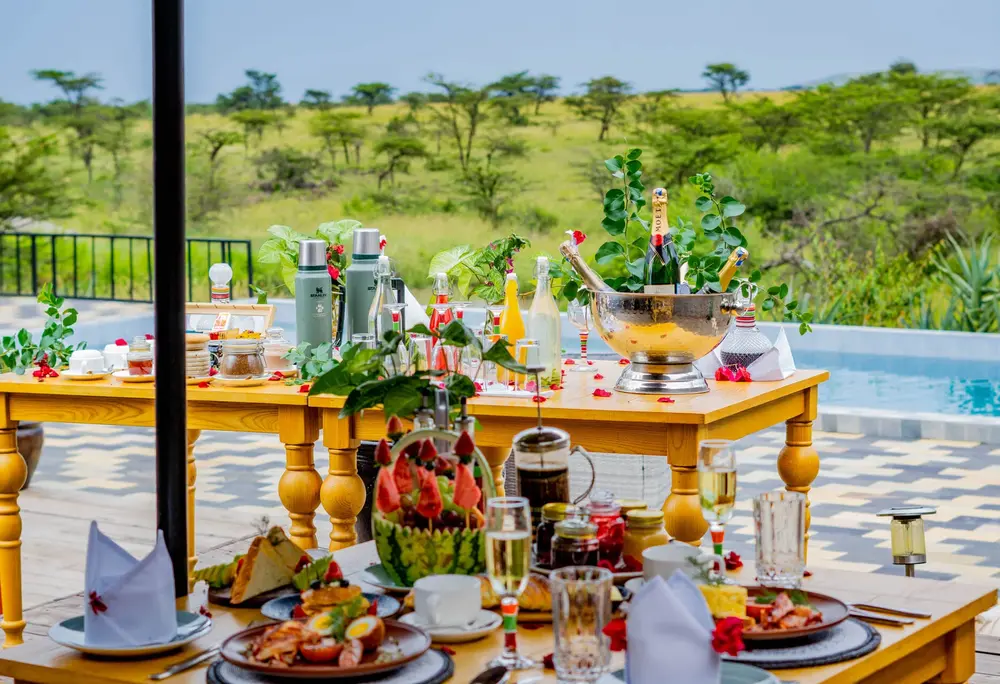
Imagine starting your day with a beautifully set breakfast in the heart of the African wilderness, surrounded by breathtaking scenery, fresh morning air, and the sounds of nature. A private bush breakfast is more than a luxurious meal, it is a personalized safari experience designed around your special occasion. Whether…
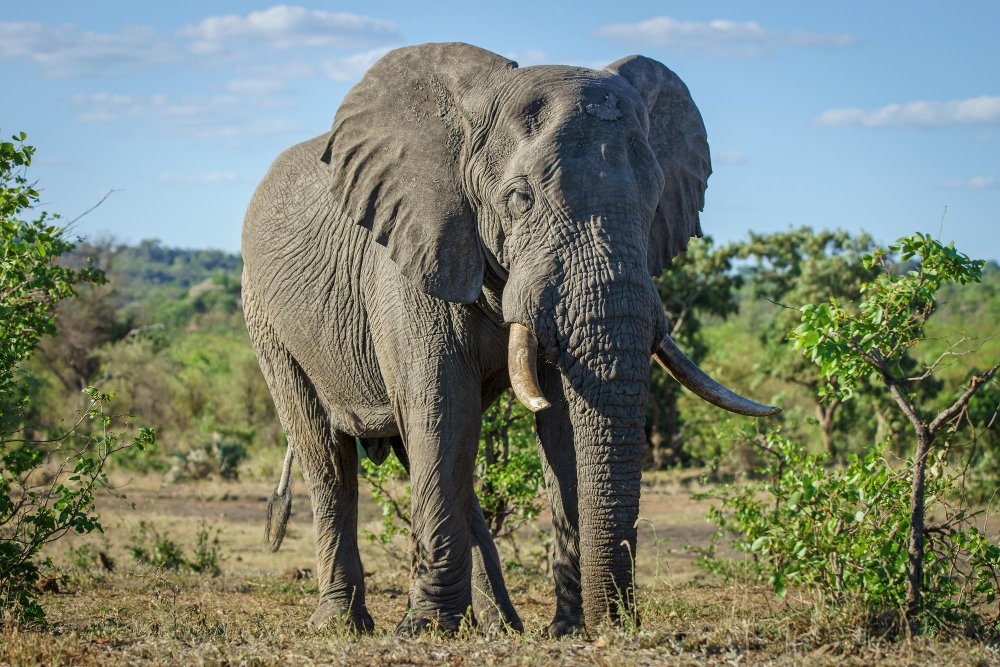
Have you ever imagined waking up to the sounds of the wild, watching the golden sunrise or sunset over Kenya's endless plains, and feeling more connected to Kenya? A game drive is more than just spotting wildlife in a national park or game reserve. It is a journey into the…
Duration: 3 HOURS
Hot Air Balloon Safaris
Duration: 3 HOURS
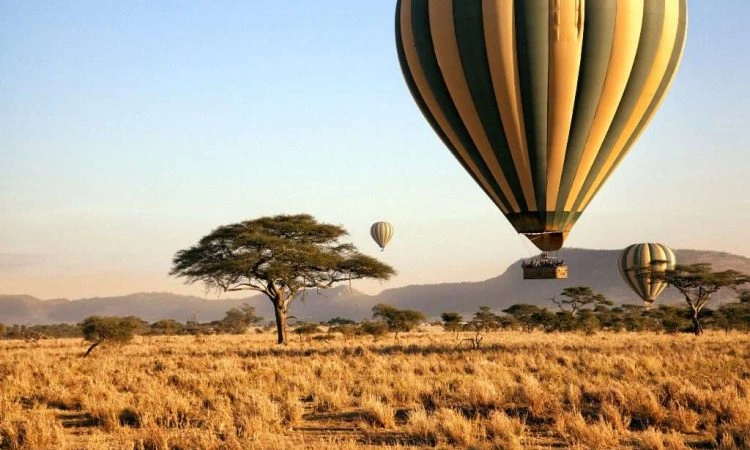
Have you ever imagined watching the African sun rise while silently floating above wildebeests, elephants, giraffes, and endless golden plains? A hot air balloon safari is one of those moments that photos can never truly capture. As the world below slowly comes to life, you will watch elephants wandering through…
Bird Watching in Kenya
Have you ever looked up in the sky during a safari and wondered what you were missing?
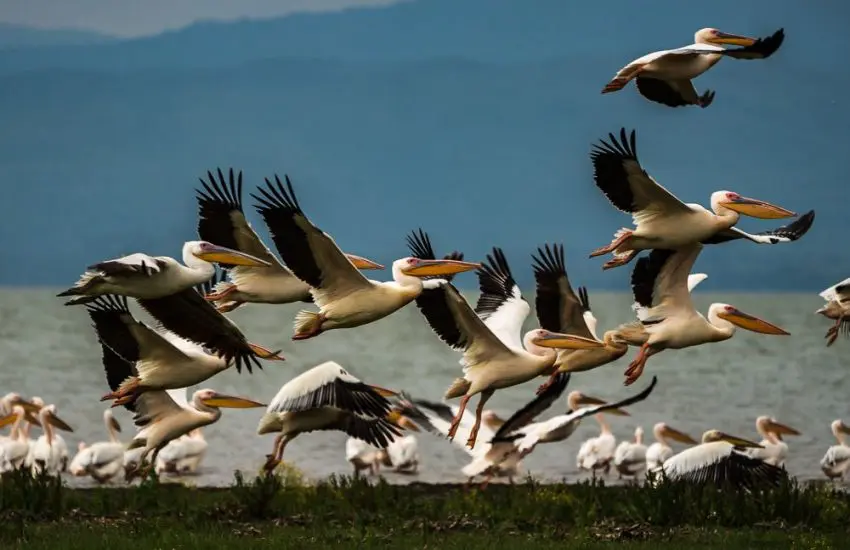
Welcome to Kenya, one of the world’s premier birdwatching destinations, offering an extraordinary diversity of habitats with more than 1,000 recorded bird species, from the flamingo-filled lake in the Great Rift Valley to the dense forests of Western Kenya to the open savannahs of the Masai Mara. Whether you are a beginner or an expert, Kenya offers exceptional bird-watching opportunities.
In this guide, you will discover the best bird-watching destinations in Kenya, some of the iconic and rare bird species that you can look out for, the ideal time, and practical advice ensuring you have an unforgettable bird watching experience.
Why Birdwatching is an Unforgettable Experience in Kenya
- What makes Kenya truly special is the incredible variety of bird species found across the country. Whether you are an expert or a first-timer, Kenya offers endless opportunities for discovery.
- You can experience birdwatching in any ecosystem of your choice. Whether it is the Mara, Lake Nakuru, Paradise Lost, Ngong Forest Sanctuary, Karura Forest, Tsavo East, the list is endless.
- Bird watching in Kenya is an exciting experience because you never know what you might encounter next. It is not like a game drive where you can target a specific wild animal.
- Kenya combines birdwatching with world-class safari experiences in some of its iconic National Parks, Reserves, or Conservancies. You do not have to choose whether to see the Big Five and enjoy incredible birdlife, they happen together.
Bird Watching Destinations in Kenya
A question that most travelers tend to ask is, Where do you go when you want to experience Kenya’s incredible birdlife at its very best?
Here are some of the places where you can experience Kenya’s incredible birdlife;
- Lake Nakuru National Park
- Nairobi National Park
- Masai Mara National Reserve
- Samburu National Reserve
- Tsavo East National Park
- Mt. Kenya National Park
- Aberdare National Park
- Kakamega Forest
- Arabukosokoke Forest
- Lake Baringo
- Lake Bogoria National Reserve
- Taita Hills
- Lake Elementaita Wildlife Sanctuary
- Karura Forest
- Ngong Road Forest Sanctuary
- Oldonyo Sabuk National Park
Top 10 Iconic Birds to See in Kenya
What are some of the iconic birds that truly capture the spirit of Kenya?
While Kenya is home to more than 1,100 bird species, just a few stand out because of their beauty, size, behaviour and unforgettable presence.
Therefore, these are some of the iconic birds that make bird watchers stop and take binoculars to capture them up close.
- Lilac-breasted Roller
- African Fish Eagle
- Secretary Bird
- Grey Crowned Crane
- Kori Bustard
- Shoebill
- Southern Ground hornbill
- Saddle-billed stork
- African Hoopoe
- African Harrier Hawk
These iconic species represent only a small part of Kenya’s extraordinary bird diversity, and spotting them is not about adding names to your checklist, but about experiencing the colors, sounds, and wild landscapes that make birdwatching in Kenya one of the most rewarding adventures.
Best Time for Birdwatching in Kenya
One thing about Kenya’s birdlife is that every season brings something special from across the world. Unlike wildlife, which depends on specific seasons for better sightings, birdwatching is rewarding all year round.
However, for many birdwatchers, the best time to go birdwatching is from October to April. During this season, millions of migratory birds arrive from Europe and Asia to escape the northern winter. This creates incredible diversity, with wetlands, forests, and grasslands becoming even more active. This time, also make it a spectacular moment for photographers because most bird species display bright breeding plumage, perform courtship behaviours, and become more vocal.
Essential Bird Watching Equipments
What do you really need to enjoy birdwatching in Kenya?
While a good pair of eyes and a pair of curiosity are the most important tools, having the right equipment can transform your birdwatching experience.
Therefore, ensure that you have the following before going for a birdwatching adventure;
- Binoculars
- A bird field guide book
- Camera
- Notebook or birding app
- Comfortable clothing and footwear
- Sun protection
- Spotting Scope for experts
- Bird Call Identification tool
- Small Backpack
- An open mind
Birdwatching Tips
- Early mornings are the golden hours for birdwatching. As the sun rises, birds tend to become more active.
- Learn to listen to the bird sounds before you even look.
- Bird watching is not a race, be patient and give birds time to appear.
- Learn where different birds live in each ecosystem. For instance, flamingoes, pelicans, kingfishers, and herons are found in lakes and wetlands.
- Birds are usually highly alert and can disappear quickly when they sense danger. Ensure you move slowly and quietly.
- Use your binoculars correctly.
- Take notes and keep a bird checklist. Record details such as species name, location, date, time, behaviour observed, and other interesting notes during your birdwatching adventure.
- Respect birds and their habitats.
- For beginners, hire a local bird guide.
Conclusion
Birdwatching in Kenya is more than just searching for birds. It is a journey and an invitation to explore, especially for beginners, for experienced birdwatchers, it is an opportunity to take in new challenges, and for photographers and nature lovers, it is an experience to create memories and learn something new.
Important details
- Kenya is one of Africa’s top birdwatching destinations, with more than 1,100 recorded bird species.
- The country’s diverse habitats, including savannahs, forests, mountains, wetlands, lakes, and coastal areas, support a remarkable variety of birdlife.
- Kenya is home to both resident and migratory bird species, attracting birdwatchers from around the world.
- The best birdwatching seasons are generally from November to April, when migratory birds from Europe and Asia are present.
- Lake Nakuru National Park is famous for its large numbers of flamingos and over 450 bird species.
- Lake Naivasha is one of the best places to see fish eagles, kingfishers, cormorants, herons, and pelicans
- Kakamega Forest is Kenya’s only tropical rainforest and is home to many rare forest bird species.
- Arabuko Sokoke Forest along the Kenyan coast hosts several bird species found nowhere else in the country.
- Samburu National Reserve is known for dry-country bird species and impressive birds of prey.
- The Maasai Mara is not only famous for wildlife but also for more than 500 bird species, including vultures, eagles, secretary birds, and ostriches.
- Kenya’s Rift Valley lakes are internationally recognized as important bird habitats.
- Birdwatchers can see some of Africa’s largest birds, including ostriches, kori bustards, and ground hornbills.
Bush Breakfasts
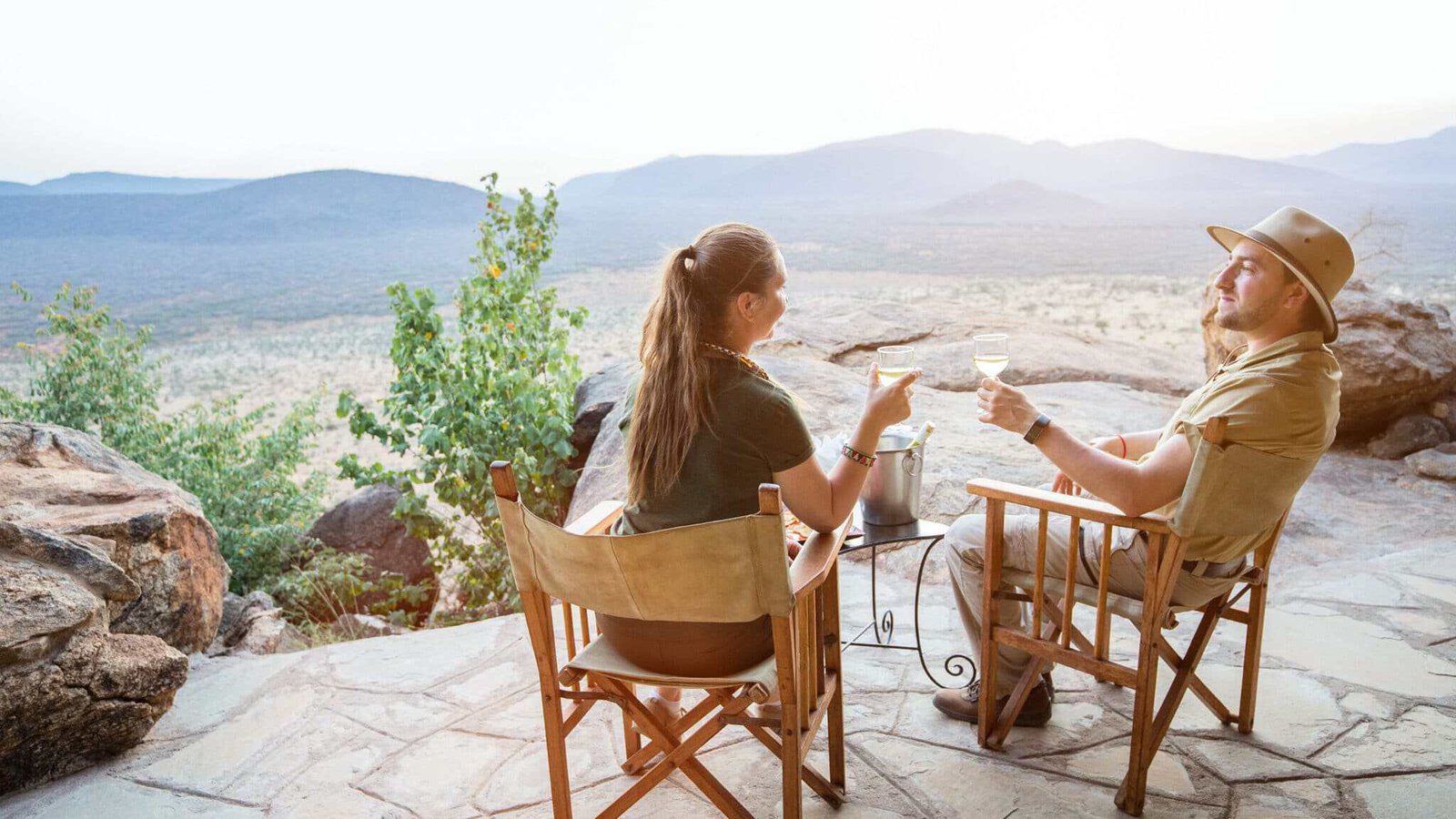
Imagine starting your day with a beautifully set breakfast in the heart of the African wilderness, surrounded by breathtaking scenery, fresh morning air, and the sounds of nature.
A private bush breakfast is more than a luxurious meal, it is a personalized safari experience designed around your special occasion.
Whether you are celebrating your honeymoon, marking your wedding anniversary, planning a romantic marriage proposal, surprising a loved one on their birthday, or bringing family together for a memorable gathering, the breathtaking landscapes of Kenya provide the perfect setting. From the iconic plains of the Masai Mara to the elephant-filled landscapes of Amboseli to the exclusive conservancies of Laikipia and the wilderness of Tsavo.
What is a Bush Breakfast
A bush breakfast is a unique outdoor dining experience enjoyed in the heart of the African Wilderness, usually after a morning game drive or hot air balloon safari.
Instead of returning to your lodge for breakfast, you will be treated to a freshly prepared meal in a carefully selected scenic location, surrounded by nature and often with wildlife grazing from a distance. Whether you are overlooking the endless plains of the Mara, the snow-capped peak of Mount Kilimanjaro in Amboseli, or the rugged landscapes of Tsavo, each bush breakfast offers a different perspective of Kenya’s incredible wilderness.
Why You Should Experience a Bush Breakfast
- A bush breakfast lets you enjoy a freshly prepared meal in a spectacular outdoor setting, surrounded by open savannahs, acacia trees and stunning landscapes.
- After spending the early hours tracking wildlife, spotting the Big Five, or on a hot air balloon safari, there is no better reward than sitting down to a delicious breakfast in the wild. It is the perfect time to relax, share stories from the morning sightings and soak in the beauty around you.
- Bush breakfasts combine the flavours of a hearty breakfast with the charm of outdoor dining.
- This moment offers you an opportunity to create lasting memories with loved ones. Whether you are traveling as a couple, family, or among friends, a bush breakfast is the perfect way.
- A bush breakfast is one of the signature experiences of a luxury Kenya safari. From elegant table settings and attentive service to gourmet meals served in extraordinary locations. Every detail is designed to make you feel special while keeping you connected to nature.
What to Expect During a Bush Breakfast
If you have never experienced a bush breakfast before, you are in for something truly special. It is not about enjoying a delicious meal outdoors, but it is about becoming part of the African wilderness, where every moment feels carefully crafted yet wonderfully natural.
Here are some of the things to expect:
- Your day usually starts before sunrise when the African bush is most active.
- After your morning game drive, your guide will lead you to a carefully chosen location in the wilderness.
- Before the meal begins, you will be welcomed by the lodge’s hospitality team with freshly brewed Kenyan coffee, tea, hot chocolate, or refreshing fruit juice.
- One of the most exciting parts of the experience is that nature does not stop while you eat. You will see giraffes browsing nearby, zebras grazing, elephants crossing the plains, or colourful birds flying overhead.
- You will get time to relax and soak it all in.
Private Bush Breakfasts for Special Occasions
A bush breakfast is not just a memorable safari experience, it is also one of the most unique ways to celebrate life’s special moments, like:
- Honeymoons
- Birthdays
- Anniversaries
- Proposals
- Family Celebrations
What is Served at a Bush Breakfast
A bush breakfast is always prepared by experienced chefs and served fresh in a beautifully arranged outdoor setting. The menu combines classic breakfast favourites with local flavours to create a satisfying start to your day, such as:
- Fresh tropical fruits
- Eggs cooked to your preference
- Sausages and crispy bacon
- Freshly baked bread and pastries
- Pancakes and sweet treats
- Cereals, yogurt, and Granola
- Fresh juices, coffee, and tea
- Sparkling wine or Champagne
Best Places to Experience a Bush Breakfast
One of the things that makes a bush breakfast so special is that no two locations are ever the same.
If you are planning a Kenya Safari, these are some of the best places to experience an authentic bush breakfast;
- Maasai Mara National Reserve
- Amboseli National Park
- Samburu National Reserve
- Ol Pejeta Conservancy
- Tsavo National Park
Best Time to Enjoy a Bush Breakfast
One of the best things about a bush breakfast is that it can be enjoyed throughout the year. However, the experience becomes even more memorable when the weather is pleasant, wildlife is active, and the scenery is at its most spectacular.
Also, the dry season is widely considered the best time to enjoy a bush breakfast in Kenya. During this season, the weather is cool in the early morning, and the skies are clear. This period also coincides with the Great Wildebeest Migration in the Masai Mara, offering the chance to enjoy breakfast after witnessing one of the world’s greatest wildlife spectacles.
Bush Breakfast Etiquette
Here are some of the simple etiquette tips to keep in mind during your bush breakfast in Kenya:
- Respect the Wildlife
- Dress Comfortably
- Arrive on Time
- Appreciate the hospitality
- Enjoy the moment
Conclusion
In conclusion, bush breakfasts have become one of the signature experiences of luxury safaris in Kenya.
They provide travelers with the chance to slow down after an exciting morning of wildlife viewing, share stories over a hearty meal, and appreciate the beauty of nature in a way that few other experiences can offer.
A bush breakfast is not just breakfast, it is one of those rare travel moments where exceptional food, breathtaking scenery, and unforgettable safari memories come together in perfect harmony.
Game Drives in Kenya
Have you ever imagined waking up to the sounds of the wild, watching the golden sunrise or sunset over Kenya’s endless plains, and feeling more connected to Kenya?
A game drive is more than just spotting wildlife in a national park or game reserve. It is a journey into the heart of nature, culture, wildlife encounters, and unforgettable stories.
What is a Game Drive?
A game drive is simply a shared experience between you, wildlife, the environment, and the people who ensure you have an unforgettable experience in a safari destination of your choice while in a 4*4 safari vehicle as you observe wild animals in their natural habitat, led by experienced guides.
A game drive gives you a golden opportunity to discover Kenya’s incredible wildlife, from the iconic Big Five, predators, wildebeests, and birdlife.
Remember that every game drive offers a different experience, no two moments are ever the same because nature does not follow a schedule.
Why Go on a Game Drive in Kenya
Over the years, Kenya has been famous for its vast landscapes with wildlife diversity and abundance.
Therefore, some of the reasons why you should go for a game drive at least once in your lifetime are;
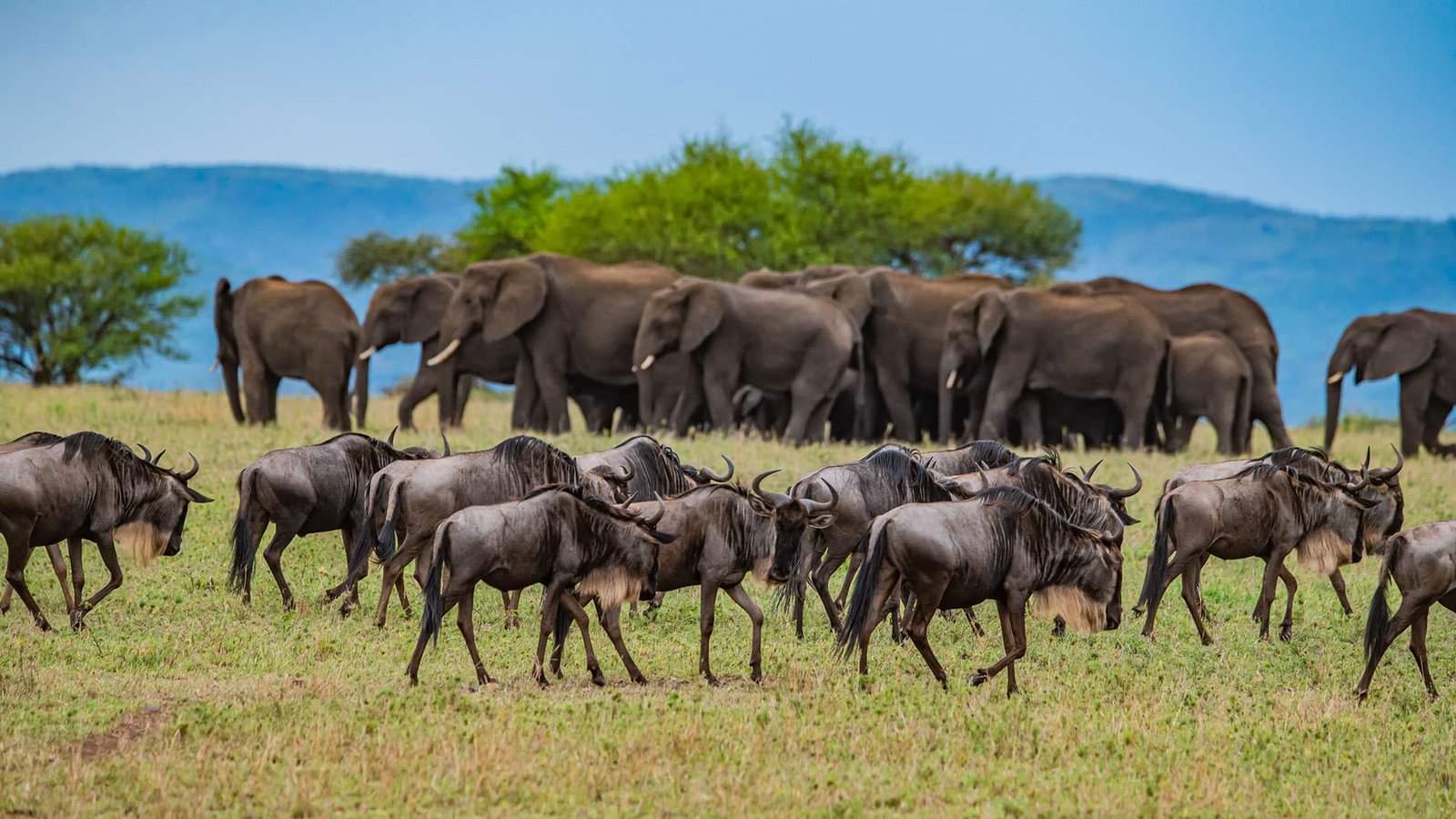
- Kenya’s Masai Mara hosts one of the world’s most spectacular events, the Great Migration, where millions of wildebeest travel across the plains in search of greener pastures. A powerful reminder of the beauty, challenges, and resilience of the natural world.
- Going on a game drive in Kenya helps you create unforgettable experiences.
- This experience helps you learn from experienced tour guides about the wild, including explaining animal behaviour, identifying birds and plants, interpreting tracks, and sharing stories that deepen your understanding of Kenya’s ecosystem and culture.
- A game drive offers you an opportunity to slow down and relax.
Best Places to Go for Game Drives in Kenya
Kenya is one of Africa’s most iconic safari destinations with remarkable national parks, national reserves, and conservancies where travelers across the world can experience wildlife in their natural habitat.
Below are some of the best places offering unforgettable game drives that you will live to remember.
They include;
Masai Mara National Reserve
The Masai Mara National Reserve is Kenya’s premier safari destination, famous for its abundant wildlife, from the Big Five to the Wildebeests, and dramatic landscapes.
Amboseli National Park
The Amboseli National Park is located in the foothills of Mount Kilimanjaro, one of the most incredible views during a game drive, as you spot large herds of elephants.
Tsavo East & West National Parks
These 2 destinations are Kenya’s largest and most protected areas, offering more rugged landscapes and adventurous experiences. During game drives, you will spot the red elephants, making it a unique destination.
Lake Nakuru National Park
The Lake Nakuru National Park is renowned for its beautiful lake, bird life, and rhino conservation efforts, hence providing a rewarding game drive experience.
Other destinations that offer the best game drives are;
- Samburu National Reserve
- Nairobi National Park
- Olpejeta Conservancy
- Lewa Conservancy
- Meru National Park
- Hell’s Gate National Park
- Aberdare National Park
- Chyulu Hills National Park
Best Time for Game Drives in Kenya
The best time to go on a game drive depends fully on what you are looking forward to experiencing. However, early mornings and late afternoons during the dry season from June to October or January to March offer the best wildlife spotting experiences.
What to Pack for a Game Drive in Kenya
Packing wisely signifies that you are prepared and ready to enjoy every moment of your game drive.
Therefore, here are some of the essentials to bring along;
- Light, comfortable, breathable, and neutral-colored outfits like Khaki, olive green, brown, or beige to blend with the environment.
- Comfortable closed-toe shoes ideal for walking in designated areas.
- A hat, sunscreen, and sunglasses to protect you from direct sunlight.
- A pair of binoculars to enhance your wildlife viewing.
- Insect repellent
- Personal medications if unwell.
- Travel documents.
- A small backpack to keep your personal essentials during game drives.
Kenya Game Drives Rules & Etiquette
As said earlier, a game drive is a shared experience between you, the wildlife, the environment, and the people who help to make your experience in the wild unforgettable.
Therefore, following these simple rules will help protect nature while you enjoy the game drive.
- Respect wildlife and keep a safe distance
- Stay inside the vehicle the entire trip unless your guide tells you otherwise.
- The wild is a place of patience and observation. Ensure you maintain low voices.
- Do not feed ot touch animals.
- Help protect Kenya’s parks, reserves, and conservancies by keeping the environment clean.
- Avoid using flash while taking pictures.
- Respect the local community and culture.
Conclusion
In conclusion, after a game drive, your experience should not stop when the driver is over, but it should continue through memories, emotions, and stories that become part of your own Kenyan adventure.
Important details
- Game drives are the most popular safari activity in Kenya and offer visitors the chance to see wildlife in their natural habitat.
- A game drive involves exploring national parks, reserves, and conservancies in specially designed safari vehicles led by experienced guides.
- Kenya is home to some of Africa’s most famous safari destinations, including the Maasai Mara National Reserve, Amboseli National Park, Tsavo East National Park, and Samburu National Reserve.
- Morning game drives usually start at sunrise when animals are most active and temperatures are cooler.
- Afternoon game drives provide excellent opportunities to see wildlife before sunset.
- Full-day game drives allow visitors to explore larger areas and maximize wildlife viewing opportunities.
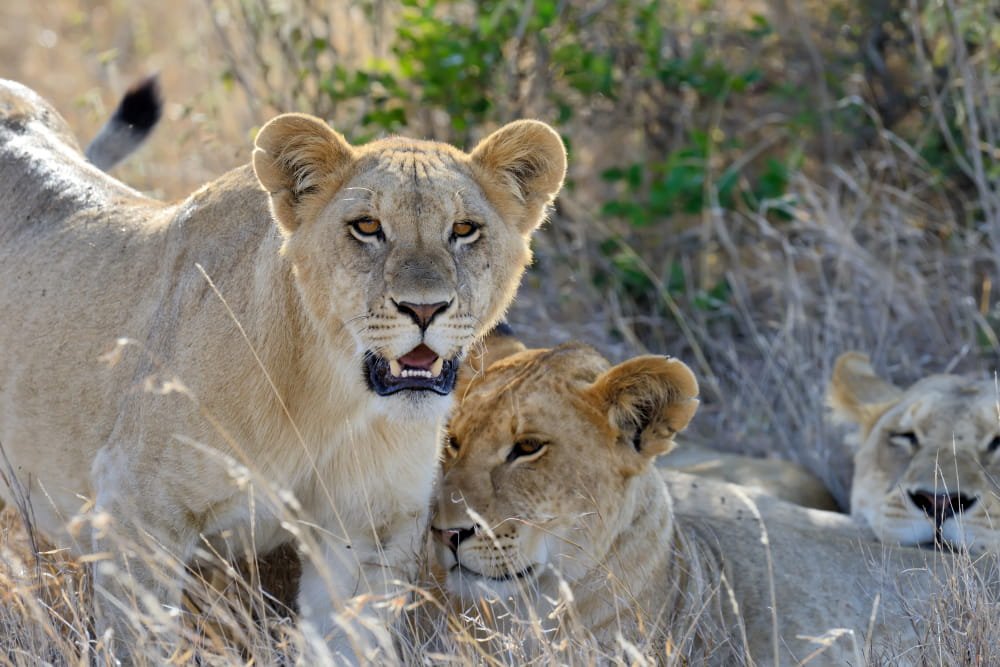
- Kenya is one of the best places in Africa to see the Big Five: lion, leopard, elephant, buffalo, and rhino
- During game drives, visitors may also encounter cheetahs, giraffes, zebras, wildebeests, hyenas, hippos, crocodiles, and numerous antelope species.
- The Maasai Mara is especially famous for predator sightings and the annual Great Migration of wildebeests and zebras.
- Amboseli National Park is known for its large elephant herds and stunning views of Mount Kilimanjaro.
- Tsavo East and Tsavo West National Parks are among the largest protected wildlife areas in Africa and offer excellent game-viewing experiences.
- Professional safari guides use their knowledge and tracking skills to locate wildlife and explain animal behavior.
Hot Air Balloon Safaris
Have you ever imagined watching the African sun rise while silently floating above wildebeests, elephants, giraffes, and endless golden plains?
A hot air balloon safari is one of those moments that photos can never truly capture. As the world below slowly comes to life, you will watch elephants wandering through the grasslands, giraffes gliding across the savannah, and perhaps even a pride of lions returning from a night’s hunt, all from a breathtaking bird’s-eye view.
This is not just another activity to add to your itinerary, it is an experience that changes the way you see the wild. Whether you are planning your first safari, celebrating a honeymoon, or simply looking for an unforgettable adventure, this once-in-a-lifetime experience offers you memories you’ll treasure long after you have left Kenya’s spectacular landscapes behind.
What is a Hot Air Balloon Safari?
A hot air balloon safari is one of the most unique and unforgettable ways to experience Kenya’s breathtaking wildlife and landscapes. Unlike the usual game drive, where you explore the savanna by a safari vehicle, a hot air balloon safari lifts you high above the plains, offering a peaceful bird’s-eye view of nature as the sun rises over the horizon.
Why a Hot Air Balloon Safari Should Be on Your Bucket List
Some travel experiences are exciting, while others stay with you for a lifetime. A hot air balloon safari in Kenya is one of those rare adventures that combines breathtaking scenery, incredible wildlife, and unforgettable moments into a single morning.
Below are some of the major reasons why a hot air balloon safari should be on your bucket list;
- You get the golden opportunity to witness the sunrise with panoramic views of the wilderness.
- You get to see wildlife from a whole new perspective.
- Unlike a game drive, where the sound of an engine accompanies your journey, a hot air balloon drifts quietly with the wind. The silence creates a sense of calm that allows you to fully appreciate the beauty of the landscape and the wildlife below.
- A hot air balloon safari offers you a truly unforgettable experience, whether you are celebrating a honeymoon, anniversary, birthday, or simply ticking a lifelong dream.
- After landing, the adventure continues with a traditional champagne bush breakfast served in the heart of the wilderness surrounded by nature. You will enjoy a freshly prepared meal while reflecting on the incredible experience you just had.
- A hot air balloon safari offers some of the best photography opportunities in Kenya. From sweeping aerial landscapes to wildlife roaming freely below.
Who Should Try a Hot Air Balloon Safari?
- Romantic Couples
- Honeymooners
- Families
- Solo Travelers
- Wildlife Photographers
- First-time safari visitors
Best Places for Hot Air Balloon Safaris
Kenya is home to some of Africa’s most spectacular landscapes, making it one of the best destinations in the world for a hot air balloon safari.
Here are some of the best places to enjoy this unforgettable adventure;
Maasai Mara National Reserve
The Maasai Mara is Kenya’s most famous destination for hot air balloon safaris, and for a good reason. Floating above the endless golden plains at sunrise offers unmatched views of one of Africa’s richest wildlife ecosystems.
During the Great Migration that happens between July and October, you will witness thousands of wildebeest, zebras, and gazelles crossing the savannah from an unforgettable aerial perspective.
Throughout the year, the Mara also offers excellent chances of spotting the Big Five, making it the most popular location for balloon safaris.
Other Destinations to enjoy the Hot air balloon safaris include;
- Amboseli National Park
- Laikipia conservancies
- Samburu National Reserve
- Tsavo National Park
While every destination offers an unforgettable hot air balloon experience, the Maasai Mara National Reserve remains the ultimate choice for a hot air balloon safari in Kenya. Its abundant wildlife, endless savannahs, and world-famous Great Migration create a spectacular backdrop that is hard to match.
What to Expect During Your Hot Air Balloon Safari
If it is your first hot air balloon safari, you might be wondering what the experience is really like. The truth is, this experience is far more than the usual game drive with a safari vehicle. However, this is a carefully planned adventure that begins before sunrise and ends with a memorable bush breakfast in the heart of the wilderness.
Here is what to expect during the hot air balloon safari from start to finish;
- Your adventure starts long before the sun rises. Most hot air balloon safaris begin between 4:30 am and 5:00 am, when you will be picked up from your hotel lodge or camp and driven to the launch site.
- On arrival, you will watch the balloon come to life. One of the most fascinating parts of the experience before the flight. You will see powerful burners fill the colourful balloon with hot air as it slowly rises from the ground, making it a spectacular sight that is worth arriving early for.
- Before boarding, your pilot will give a detailed safety briefing and explain what to expect during take-off, the flight, and landing.
- As the basket gently lifts off the ground, you will slowly leave the trees behind and begin floating silently above the landscape. Within minutes, the entire savannah unfolds beneath you, revealing a breathtaking panorama that is impossible to appreciate from the ground.
- For the next 45 minutes to an hour, you will drift with the wind, enjoying uninterrupted views of Kenya’s spectacular landscape.
Depending on where you are flying, you may see varieties of wildlife like elephants wandering below, giraffes browsing treetops, herds of zebras and wildbeests crossing the plains, or even predators like lions and cheetahs beginning their morning activities. - As the sun rises over the horizon, the landscape is bathed in warm golden light, one of the most magical moments of the entire experience and a dream for photographers.
- Your experienced pilot will later guide the balloon to a gentle landing while the ground crew follows throughout the journey to meet you at the landing site.
- After landing, the adventure continues with a delicious bush breakfast served in a scenic location surrounded by nature.
- You will finally receive your flight certificate, a thoughtful keepsake that celebrates your unforgettable journey over the African wilderness.
Wildlife You May See from the Sky
- Elephants
- lions
- Giraffes
- Wildebeest
- Zebras
- Buffaloes
- Hippos
- Crocodiles
- Rhinos
Best Time for Hot Air Balloon Safari
One of the best things about the hot air ballon safari in Kenya is that it can be enjoyed throughout the year. However, this experience can vary depending on the season, wildlife movements and weather conditions.
So, choosing the right time to fly will help you make the most of this once in a lifetime adventure and tabove all the seasons, the dry season is widely considered the best timr for a hot air balloon safari. From June to October, the grass is shorter, water sources become limited and wildlife gather arouns rivers and water holes, making animals easier to spot from above.
If you are flying over the Maasai Mara National Reserve, this period is the best as you will get the opportunity to witness the Great Wildebeest migration. Seeing this spectacle from above is one of the most unforgettable experiences in Africa.
How Safe Are Hot Air Balloon Safaris in Kenya
If you are considering a hot air balloon safari for the first time in Kenya, it is very normal to be anxious and wonder about its safety.
The good news is that the hot air balloon safaris in Kenya are considered very safe when operated by licensed and experienced companies. In fact, thousands of visitors enjoy this unforgettable experience every year without incidents.
From the moment you arrive at the Launch site to the time you land, every aspect of the flight is carefully planned to ensure your safety and comfort.
Also, before you take off, your pilot will explain everything you need to know including;
- How to board the basket safely.
- What to expect during the flight.
- The correct landing position.
- Safety procedures to follow during take-off and landing.
What to Wear and Pack for Your Balloon Safari
- Neutral clothing
- Warm jacket
- Sunglasses
- Camera
- Binoculars
- Comfortable shoes
- A wide-brimmed hat
Hot Air Balloon Safari Prices in Kenya
A hot air balloon safari is considered one of Kenya’s most exclusive safari experiences, but for many travelers, it is worth every dollar.
The prices reflect far more than the 45-minute flight.You are paying for experienced pilots, specialized aviation equipment, safety standards, ground support, park logistics and unforgettable sunrise adventure over some of Africa’s most iconic landscapes.
While prices vary slightly depending on the destination, season and operator, most shared balloon safaris in Kenya cost between USD 450 and USD 550 per adult and USD 325 and USD 370 per child.
Note that child rate and minimum age requirements vary between operators. Most require children at least 5 to 7 years old and tall enough to safely see over the basket.
Tips Before You Fly and during Your Hot Air Balloon Safari
A hot air balloon safari is unlike any other wildlife experience and a little preparation csn make your adventure even more enjoyable. From what you wear to how to make the most of the flight, the practical tips will help you relax and fully appreciate every moment in the sky.
Before you Fly:
- Dress in layer bacause at those wee hours of the morning temperatures can be quite cool especially in the Maasai Mara and other high altitude safari destinations.
- Space inside the hot air balloon is limited. Therefore, only bring with you essentials such as your camera, smart phone, sunglasses, binoculars and a small backpack if necessary.
- Most hot air balloon safaris include a hearty bush breakfast after landing, so there is no need for a large meal before your flight.
- Arrive with an open mind and enjoy the adventure and appreciate the beauty of the landscape unfolding beneath you.
During the Flight:
- Follow instructions to the letter during the entire experience.
- Remain inside the baskent throughout the entire flight and avoid leaning over the edge or attempting to move around unnecessarily.
- Take time to enjoy the moment and respect the peace and quiet.
- Follow the landing instructions.
- After landing, take time to enjoy the traditional bush breakfast and celebrate your flight as you connect with fellow travellers and soak in the incredible setting before continuing with the rest of your safari.
Final Thoughts
A hot air balloon safari is not just another activity to tick off your itinerary, it is one of those rare travel experiences that stay with you forever. As the sun rises across the savannah and wildlife below the Mara, you will see Kenya from a perspective that few ever do. Whether you are celebrating a special occasion or simply chasing unforgettable moments, floating above Africa’s iconic landscapes is an adventure you will remember long after you return home.
Important details
- Duration: 3 HOURS
- Kenya and Tanzania are among the best destinations in Africa for hot air balloon safaris.
- The most popular locations for balloon safaris are the Maasai Mara National Reserve in Kenya and the Serengeti National Park in Tanzania.
- Hot air balloon safaris begin before sunrise, allowing guests to watch the African wilderness come to life as the sun rises.
- Flights usually last between 45 minutes and 1 hour, depending on weather conditions and wind direction.
- Balloon safaris offer a unique bird’s-eye view of wildlife, including elephants, lions, leopards, cheetahs, giraffes, zebras, buffaloes, and antelopes.
- During the Great Migration, visitors can witness thousands of wildebeests and zebras moving across the plains from above.
- Hot air balloons move with the wind, providing a smooth and peaceful flight experience.
- The open landscapes of the Maasai Mara and Serengeti make them ideal locations for balloon safaris.
- Professional and licensed pilots control the balloon by changing altitude to find suitable wind currents.
- Balloon safaris provide outstanding opportunities for wildlife and landscape photography.
- After landing, guests are traditionally treated to a bush breakfast in the wilderness.
Maasai Village Visit in Kenya
A safari experience in Kenya is not complete without a Maasai village visit.
A Maasai village visit in Kenya offers you the chance to slow down, step into a different way of life, and connect with a community whose traditions have been passed down for generations.
As you arrive in a Maasai village, you are likely to be greeted by the sound of traditional songs, beautifully dressed Maasai women, and welcoming smiles of families eager to share their culture. What makes this experience special isn’t just what you see, but the conversations you have and the perspective that you will gain.
In this guide, we will take you through everything you need to know, from what to expect during your visit, the best places to experience the Maasai culture, practical travel tips, responsible tourism advice, and how to make the most of this unforgettable cultural encounter.
What is a Maasai Village?
A Maasai village is a traditional settlement where Maasai families live together as a close-knit community. These villages reflect the Maasai people’s deep connection to their culture, livestock, and environment.
Unlike modern towns, the Maasai villages are designed around communal living. Most families are usually from the same extended family or clan. They often share a fenced homestead built from locally available materials such as mud, sticks, grass, and cow dung to protect them and their livestock from wild animals.
What to Expect During Your Visit
- Visiting a Maasai village is a cultural experience that offers you the opportunity to learn about Maasai history, traditional dances, explore a manyatta, and their way of life that has endured for centuries.
- Many Maasai villages tend to showcase handmade crafts created by local artisans, especially women. You will have the chance to see beautifully crafted beadwork, jewelry, sandals, carvings, and other traditional items. However, if you choose to purchase a souvenir, you are not only taking home an item, but you are also directly supporting local families and community projects.
- Depending on the time that you visit the Maasai village, you may get the time to observe everyday activities like when they are herding livestock, preparing meals, collecting water, or taking care of their children. These moments provide an authentic look at life beyond cultural demonstration and help you appreciate the culture more.
- One of the most rewarding parts of the Maasai village visit is the opportunity to have a genuine conversation. Whether you are curious about education, conservation, family life, or how traditions have changed over time, many community members are happy to share their experiences.
By the end of your visit, you’ll leave with far more than photographs. You will gain a greater appreciation for the Maasai culture and their commitment to preserving their heritage and their important role in tourism.
History of Maasai Culture
The Maasai are one of Kenya’s most recognizable indigenous communities, renowned for their rich cultural heritage, vibrant traditions, and enduring connection to the land.
For centuries, they have lived across the grasslands of southern Kenya, where their pastoral way of life has shaped both their identity and the landscapes they call home.
According to the history and traditions of the Maasai, they are believed to have migrated south from the lower Nile Valley, moving through the Great Rift Valley, before settling in the present-day Kenya and Tanzania between the 15th and 18th centuries.
Today, the Maasai continue to balance tradition with modern life. Many families still practice pastoralism while others engage in farming, education, entrepreneurship, conservation, and community-based tourism. Also, the Maasai leaders play an important role in wildlife conservation, helping protect the iconic ecosystems such as the Masai Mara National Reserve and the Amboseli National Park while promoting sustainable livelihoods for the locals.
Best Places to Visit a Maasai Village in Kenya
The Maasai communities are widely spread in Kenya, particularly in regions known for their vast savannahs and abundant wildlife.
Below are some of the destinations where you can enjoy authentic Maasai culture in Kenya and learn about their traditions, history, and daily life.
● Maasai Mara National Reserve
The Maasai Mara National Reserve is the most popular destination for a Maasai village visit. The region offers visitors the chance to combine an unforgettable wildlife safari with an immersive cultural experience.
Many villages near the reserve welcome visitors for a guided tour that involves traditional dances, storytelling, visits to manyattas, and demonstrations of Maasai customs.
It is an excellent choice if you are visiting during the Great Migration or staying at a nearby safari lodge.
● Amboseli National Park
Despite the park being famous for its large elephant herds and spectacular views of Mt. Kilimanjaro, it is also home to many Maasai communities.
During this village visit, you will learn about their pastoral life, traditional medicine, livestock management and the community’s relationship with the surrounding environment.
● Loita Hills
For travelers looking for a less-visited destination, the Loita Hills offer a more intimate cultural experience. This region is home to the Maasai communities that continue to practice many traditional customs.
● Lake Naivasha
A visit to Lake Naivasha can easily be combined with a Maasai cultural experience. Several nearby communities offer village tours where visitors can learn about local traditions, participate in cultural activities, and purchase handmade crafts directly from artisans.
● Kajiado County
Kajiado County is one of the traditional homelands of the Maasai people in Kenya. It is an ideal destination for travelers who want to experience Maasai culture without travelling so far.
● Laikipia County
Laikipia also offers an authentic Maasai culture experience within or near community conservancies where they work alongside conservation organizations to protect wildlife while maintaining their traditional pastoral lifestyle.
How Much Does a Maasai Village Visit Cost
The cost of visiting a Maasai Village in Kenya can vary depending on the location, the type of experience, and whether it is included as part of a safari package.
However, if you are visiting a Maasai village near popular safari destinations like the Maasai Mara or Amboseli, the fee is often collected directly by the community or arranged through your tour operator.
Best Time to Visit
A Maasai village can be visited throughout the year, but the best time depends on your travel plans. Most travelers combine them with a safari, making the dry season from June to October the most popular time to go.
Morning Visits or Afternoon Visits
Most cultural tours are scheduled in the morning or late afternoon. Morning visits often provide softer lighting for photography and a chance to observe the start of their daily routines, while the afternoon visits can be combined with a morning game drive before returning to your lodge.
However, regardless of when you visit, a Maasai village offers a unique opportunity to experience Kenya’s rich cultural heritage and connect with a community that has preserved its traditions for generations.
Responsible Travel Tips
A visit to a Maasai village is an opportunity to learn from a community with a rich cultural heritage, and being a respectful and responsible visitor helps create meaningful interactions while ensuring that tourism benefits local families and supports the preservation of Maasai traditions.
Here are some of the simple ways to make your visit a positive experience for everyone;
- Dress modestly and respectfully
- Always ask before taking photos
- Support local artisans
- Respect local customs
- Help keep the village and surrounding environment clean
Frequently Asked Questions ( FAQs)
1. Is a Maasai Village visit worth it?
For many travelers, the answer is yes. This Maasai village tour is worth it provided you choose an authentic, community-led experience and go with realistic expectations.
2. How long does the tour take?
Most Maasai village visits last between one and two hours, giving visitors enough time to explore the village.
3. What should I wear during the visit?
There’s no official dress code for visiting a Maasai Village, but dressing comfortably and respectfully is appreciated.
4. Can I take photos?
Yes, you can take photos during most village visits. However, it is important to remember that you are visiting a living community. Being respectful and asking for permission will help ensure a positive experience for both you and the local people you meet.
5. Do I need a guide?
In most cases, yes. It is the best way to enjoy a respectful and authentic experience. A local guide does much more than just lead you around the village. They explain the history, traditions, customs, and daily life of the Maasai community, helping you understand the cultural significance behind what you see.
Important details
- Price: $35 USD per person - prices subject to change
- Duration: 3 hours
- Traditional Maasai welcome with songs and dances
- Experience the famous Maasai jumping dance (Adumu)
- Visit a traditional Maasai manyatta (homestead)
- Meet Maasai warriors and village elders
- Learn about Maasai culture, customs, and traditions
- Discover the Maasai's pastoral lifestyle and cattle keeping
- Watch a traditional fire-making demonstration
- Explore authentic Maasai homes and their unique construction
- Learn about traditional herbal medicine and survival skills
- Shop for authentic handmade Maasai beadwork and souvenirs