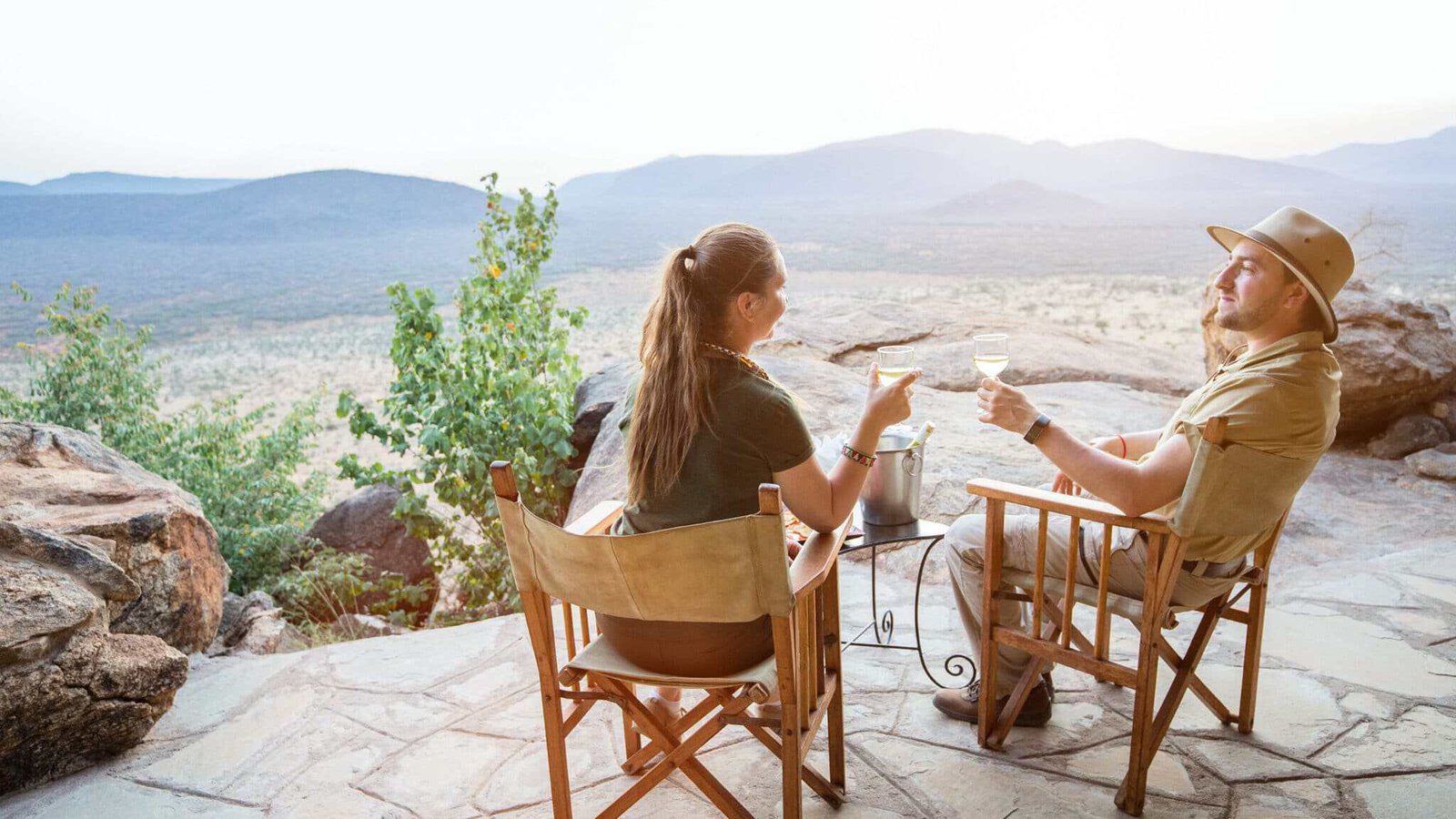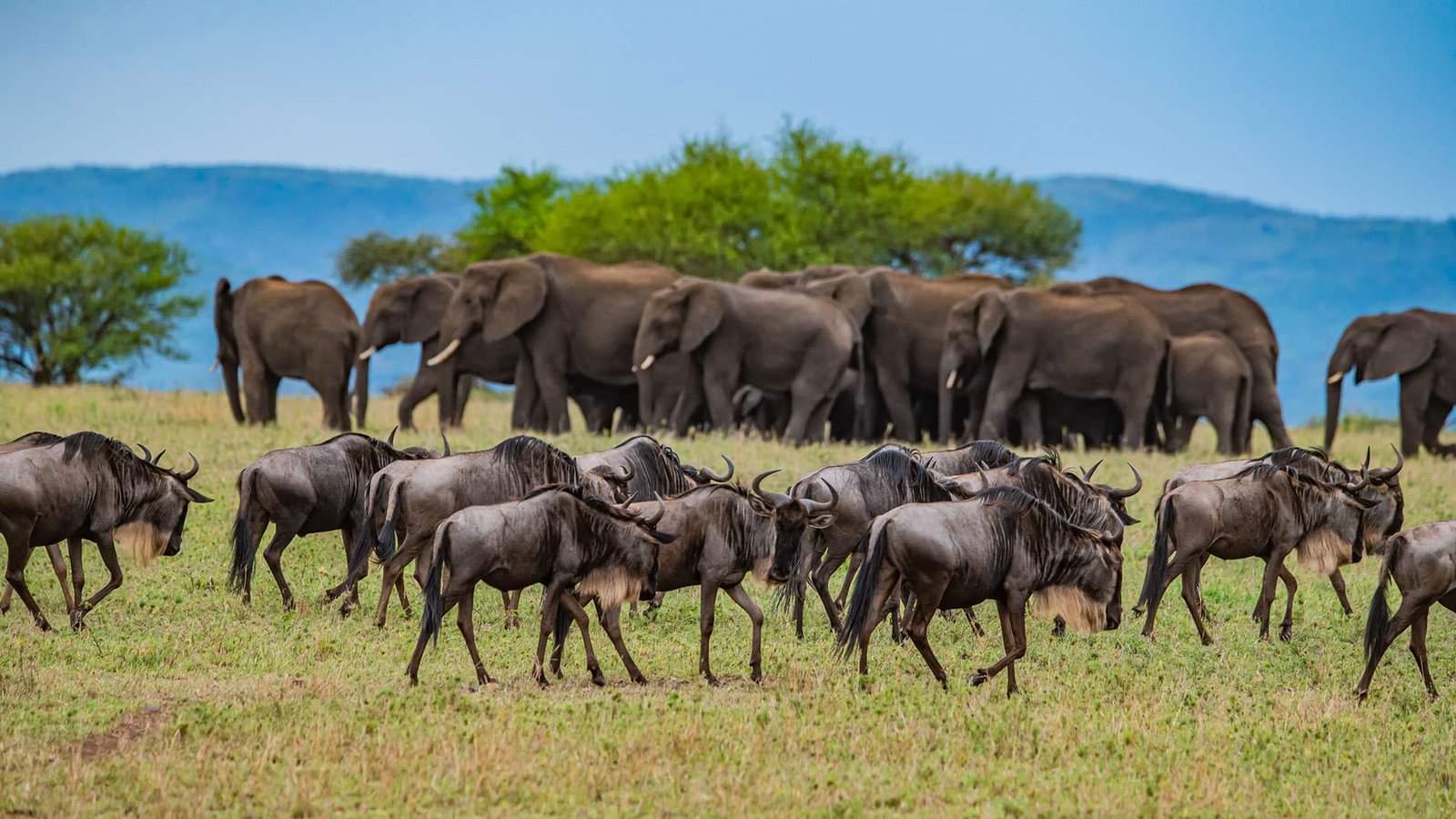

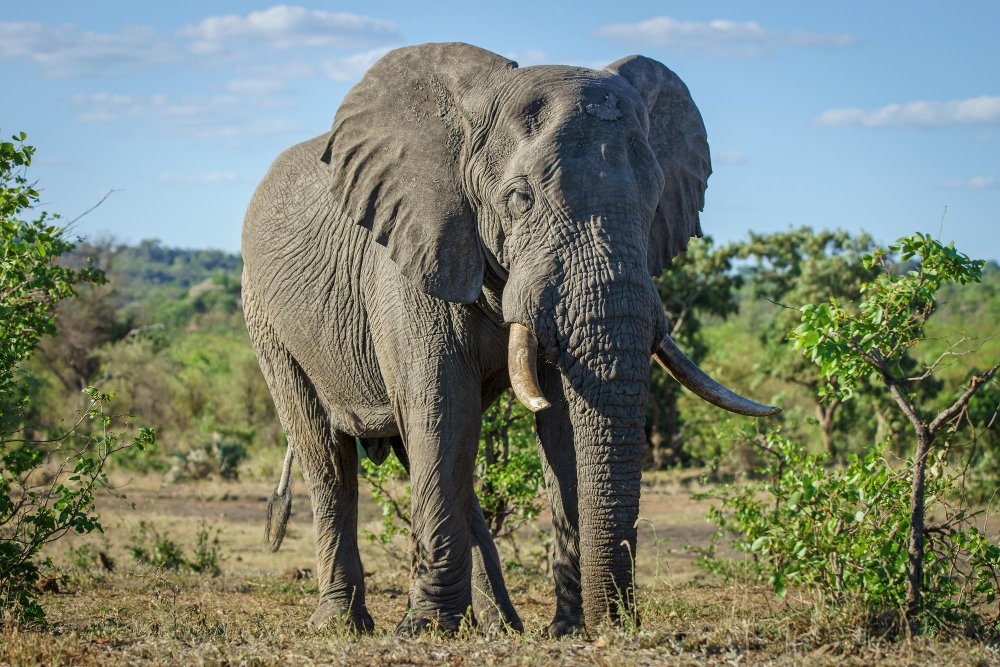
Have you ever imagined waking up to the sounds of the wild, watching the golden sunrise or sunset over Kenya's endless plains, and feeling more connected to Kenya? A game drive is more than just spotting wildlife in a national park or game reserve. It is a journey into the…
1 result
Boat Riding in Lake Naivasha
Lake Naivasha is one of Kenya’s most beautiful freshwater lakes that offers travelers a peaceful escape where wildlife, breathtaking scenery and unforgettable adventures come together.
The lake is popularly known for its large population of hippos and incredible birdlife, and what stands out is a boat ride across its calm, wild-rich waters, which lets you experience nature from a completely different perspective.
Whether you are visiting Lake Naivasha as a day trip from Nairobi or part of a longer safari through Kenya’s Great Rift Valley, a boat ride is an experience that you should not miss out on.
What to Expect During a Boat Ride on Lake Naivasha
A boat ride on Lake Naivasha is one of the most relaxing and rewarding wildlife experiences in Kenya.
Here is what to expect:
- Your journey will begin at one of the boat jetties around Lake Naivasha, where you will meet your boat captain or guide after purchasing your ticket or checking in with your tour operator. Later, you will receive a brief safety introduction, and you will be provided with a life jacket before boarding the boat.
- As the boat leaves, you will immediately notice the calm waters and stunning scenery surrounding the lake with a backdrop of trees and distant hills, making it a perfect time for relaxing, taking photos, and enjoying the fresh air.
- During your ride, you will spot hippos in their natural habitat. Your boat captain will maintain a safe distance while sharing interesting facts about their behaviour, habitat and why they are considered one of Africa’s most dangerous wild animals.
- You will also see a variety of bird species like African fish eagle, pelicans, cormorants, kingfishers, herons, etc.
- Many boat tours include or offer the option of stopping at Crescent Island. A private wildlife sanctuary known for its walking safaris.
- During your boat ride, you will encounter beautiful views offering you countless photo opportunities.
- You get an opportunity to learn about the lake’s ecosystem and its importance.
- The journey will end after approximately 1 to 2 hours with a camera or a smartphone full of photos and a deeper appreciation of nature.
Best Places to Start Your Boat Ride
There are several convenient locations around Lake Naivasha where you can begin your boat ride. Whether you are staying at a lakeside lodge, visiting for the day,y or planning to combine your boat ride with other attractions, you will find plenty of departure points offering easy access to the lake.
Here are some of the best places to start your adventure;
- Lake Naivasha Public Boat Jetty Crescent Island Boat Landing
- Lake Naivasha Country Club
- Enashipai Resort & Spa
- Naivasha Sawela Lodge
- Naivasha Sopa Resort
Nearby Attractions
A boat ride on Lake Naivasha is just the beginning of what the region offers.
Here are some of the top attractions to explore nearby;
- Hell’s Gate National Park
- Olkaria Geothermal Spa
- Cresent Island
- Mt. Longonot
- Elsamere Conservation Center
- Crater Lake Game Sanctuary
- Lake Oloiden
- Santuary Farm
Best Time for a Boat Ride
A boat ride on Lake Naivasha is enjoyable all year round, but the dry season from June to October is considered the best time for a boat ride because the weather is sunny, making it calm and ideal for boat riding. This is also a popular time for travelers who are combining a Lake Naivasha boat ride with a safari in nearby destinations.
Boat Ride Cost
A boat ride on Lake Naivasha is one of the best experiences. However, prices vary depending on the duration of the tour, whether you choose a shared or private boat ride, and if your trip includes additional attractions like Crescent Island.
On average, expect to pay between KES 1,000 and KES 3,000 per person for a standard 1-hour boat ride, KES 2,000 to KES 3,500 per person for a combination to Crescent Island, and KES 4,000 to KES 8,000 for a sunset cruise or a customized boat tour.
Boat Ride Safety Tips
- Since the lake is home to wild animals like hippos, it is important to respect both the water and wildlife throughout the journey.
- Wear your life jacket for the entire trip.
- Keep a safe distance from hippos.
- Stay seated unless told otherwise.
- Listen to your boat captain.
- Keep your hands inside the boat.
- Supervise children.
- Enjoy the boat ride responsibly.
Conclusion
In conclusion, a boat ride on Lake Naivasha is more than just a scenic cruise; it is more of an opportunity to experience Kenya’s most beautiful freshwater lakes from a unique perspective. From watching hippos to spotting different bird species and panoramic views of the Great Rift Valley. Every moment on the lake offers something memorable.
If you are looking for an unforgettable experience that showcases the natural beauty of Kenya beyond the normal safari, a boat ride on Lake Naivasha deserves a place on your travel itinerary.
Frequently Asked Questions
1. Is a boat ride worth it?
Absolutely! For many travelers, a boat ride on Lake Naivasha is one of the highlights of visiting Kenya’s Great Rift Valley. Moreover, the experience is also affordable compared to many safari activities.
2. How long does the boat ride on Lake Naivasha take?
A standard boat ride on Lake Naivasha typically lasts between 30 minutes and 1 hour, making it ideal for travelers on a day trip.
3. Is the boat ride safe?
Yes, a boat ride on Lake Naivasha is generally safe when you follow basic safety guidelines. The lake is home to wild animals, especially hippos, so you are advised to always listen to your guide and maintain a safe distance.
4. Can children go on the boat ride?
Yes, children can go on a boat ride on Lake Naivasha, making it one of the most family-friendly activities. However, ensure you supervise your children closely near the edge of the boat and warn them not to touch the water or approach wildlife.
Important details
- Price: $33 USD per person - prices subject to change
- Duration: 3
- Minimum number: 1 Pax
- One of Kenya's only two freshwater lakes in the Great Rift Valley.
- Located approximately 90 km (56 miles) northwest of Nairobi.
- Sits at an altitude of about 1,884 meters (6,181 feet) above sea level.
- Covers an area that varies between 120–150 square kilometers, depending on rainfall.
- The name "Naivasha" comes from the Maasai word "Nai'posha," meaning "rough water."
- Home to over 400 species of birds, making it a premier birdwatching destination.
- Supports large populations of hippopotamuses, often seen grazing along the shoreline at night.
- Unlike many Rift Valley lakes, Lake Naivasha is freshwater, supporting abundant fish species.
- Offers popular activities including boat safaris, birdwatching, fishing, cycling, hiking, and nature walks.
- Frequently visited by wildlife such as giraffes, zebras, waterbucks, impalas, buffaloes, and vervet monkeys.
Maasai Village Visit in Kenya
A safari experience in Kenya is not complete without a Maasai village visit.
A Maasai village visit in Kenya offers you the chance to slow down, step into a different way of life, and connect with a community whose traditions have been passed down for generations.
As you arrive in a Maasai village, you are likely to be greeted by the sound of traditional songs, beautifully dressed Maasai women, and welcoming smiles of families eager to share their culture. What makes this experience special isn’t just what you see, but the conversations you have and the perspective that you will gain.
In this guide, we will take you through everything you need to know, from what to expect during your visit, the best places to experience the Maasai culture, practical travel tips, responsible tourism advice, and how to make the most of this unforgettable cultural encounter.
What is a Maasai Village?
A Maasai village is a traditional settlement where Maasai families live together as a close-knit community. These villages reflect the Maasai people’s deep connection to their culture, livestock, and environment.
Unlike modern towns, the Maasai villages are designed around communal living. Most families are usually from the same extended family or clan. They often share a fenced homestead built from locally available materials such as mud, sticks, grass, and cow dung to protect them and their livestock from wild animals.
What to Expect During Your Visit
- Visiting a Maasai village is a cultural experience that offers you the opportunity to learn about Maasai history, traditional dances, explore a manyatta, and their way of life that has endured for centuries.
- Many Maasai villages tend to showcase handmade crafts created by local artisans, especially women. You will have the chance to see beautifully crafted beadwork, jewelry, sandals, carvings, and other traditional items. However, if you choose to purchase a souvenir, you are not only taking home an item, but you are also directly supporting local families and community projects.
- Depending on the time that you visit the Maasai village, you may get the time to observe everyday activities like when they are herding livestock, preparing meals, collecting water, or taking care of their children. These moments provide an authentic look at life beyond cultural demonstration and help you appreciate the culture more.
- One of the most rewarding parts of the Maasai village visit is the opportunity to have a genuine conversation. Whether you are curious about education, conservation, family life, or how traditions have changed over time, many community members are happy to share their experiences.
By the end of your visit, you’ll leave with far more than photographs. You will gain a greater appreciation for the Maasai culture and their commitment to preserving their heritage and their important role in tourism.
History of Maasai Culture
The Maasai are one of Kenya’s most recognizable indigenous communities, renowned for their rich cultural heritage, vibrant traditions, and enduring connection to the land.
For centuries, they have lived across the grasslands of southern Kenya, where their pastoral way of life has shaped both their identity and the landscapes they call home.
According to the history and traditions of the Maasai, they are believed to have migrated south from the lower Nile Valley, moving through the Great Rift Valley, before settling in the present-day Kenya and Tanzania between the 15th and 18th centuries.
Today, the Maasai continue to balance tradition with modern life. Many families still practice pastoralism while others engage in farming, education, entrepreneurship, conservation, and community-based tourism. Also, the Maasai leaders play an important role in wildlife conservation, helping protect the iconic ecosystems such as the Masai Mara National Reserve and the Amboseli National Park while promoting sustainable livelihoods for the locals.
Best Places to Visit a Maasai Village in Kenya
The Maasai communities are widely spread in Kenya, particularly in regions known for their vast savannahs and abundant wildlife.
Below are some of the destinations where you can enjoy authentic Maasai culture in Kenya and learn about their traditions, history, and daily life.
● Maasai Mara National Reserve
The Maasai Mara National Reserve is the most popular destination for a Maasai village visit. The region offers visitors the chance to combine an unforgettable wildlife safari with an immersive cultural experience.
Many villages near the reserve welcome visitors for a guided tour that involves traditional dances, storytelling, visits to manyattas, and demonstrations of Maasai customs.
It is an excellent choice if you are visiting during the Great Migration or staying at a nearby safari lodge.
● Amboseli National Park
Despite the park being famous for its large elephant herds and spectacular views of Mt. Kilimanjaro, it is also home to many Maasai communities.
During this village visit, you will learn about their pastoral life, traditional medicine, livestock management and the community’s relationship with the surrounding environment.
● Loita Hills
For travelers looking for a less-visited destination, the Loita Hills offer a more intimate cultural experience. This region is home to the Maasai communities that continue to practice many traditional customs.
● Lake Naivasha
A visit to Lake Naivasha can easily be combined with a Maasai cultural experience. Several nearby communities offer village tours where visitors can learn about local traditions, participate in cultural activities, and purchase handmade crafts directly from artisans.
● Kajiado County
Kajiado County is one of the traditional homelands of the Maasai people in Kenya. It is an ideal destination for travelers who want to experience Maasai culture without travelling so far.
● Laikipia County
Laikipia also offers an authentic Maasai culture experience within or near community conservancies where they work alongside conservation organizations to protect wildlife while maintaining their traditional pastoral lifestyle.
How Much Does a Maasai Village Visit Cost
The cost of visiting a Maasai Village in Kenya can vary depending on the location, the type of experience, and whether it is included as part of a safari package.
However, if you are visiting a Maasai village near popular safari destinations like the Maasai Mara or Amboseli, the fee is often collected directly by the community or arranged through your tour operator.
Best Time to Visit
A Maasai village can be visited throughout the year, but the best time depends on your travel plans. Most travelers combine them with a safari, making the dry season from June to October the most popular time to go.
Morning Visits or Afternoon Visits
Most cultural tours are scheduled in the morning or late afternoon. Morning visits often provide softer lighting for photography and a chance to observe the start of their daily routines, while the afternoon visits can be combined with a morning game drive before returning to your lodge.
However, regardless of when you visit, a Maasai village offers a unique opportunity to experience Kenya’s rich cultural heritage and connect with a community that has preserved its traditions for generations.
Responsible Travel Tips
A visit to a Maasai village is an opportunity to learn from a community with a rich cultural heritage, and being a respectful and responsible visitor helps create meaningful interactions while ensuring that tourism benefits local families and supports the preservation of Maasai traditions.
Here are some of the simple ways to make your visit a positive experience for everyone;
- Dress modestly and respectfully
- Always ask before taking photos
- Support local artisans
- Respect local customs
- Help keep the village and surrounding environment clean
Frequently Asked Questions ( FAQs)
1. Is a Maasai Village visit worth it?
For many travelers, the answer is yes. This Maasai village tour is worth it provided you choose an authentic, community-led experience and go with realistic expectations.
2. How long does the tour take?
Most Maasai village visits last between one and two hours, giving visitors enough time to explore the village.
3. What should I wear during the visit?
There’s no official dress code for visiting a Maasai Village, but dressing comfortably and respectfully is appreciated.
4. Can I take photos?
Yes, you can take photos during most village visits. However, it is important to remember that you are visiting a living community. Being respectful and asking for permission will help ensure a positive experience for both you and the local people you meet.
5. Do I need a guide?
In most cases, yes. It is the best way to enjoy a respectful and authentic experience. A local guide does much more than just lead you around the village. They explain the history, traditions, customs, and daily life of the Maasai community, helping you understand the cultural significance behind what you see.
Important details
- Price: $35 USD per person - prices subject to change
- Duration: 3 hours
- Traditional Maasai welcome with songs and dances
- Experience the famous Maasai jumping dance (Adumu)
- Visit a traditional Maasai manyatta (homestead)
- Meet Maasai warriors and village elders
- Learn about Maasai culture, customs, and traditions
- Discover the Maasai's pastoral lifestyle and cattle keeping
- Watch a traditional fire-making demonstration
- Explore authentic Maasai homes and their unique construction
- Learn about traditional herbal medicine and survival skills
- Shop for authentic handmade Maasai beadwork and souvenirs
Visiting Observation Hill in Amboseli National Park
Observation Hill, also known as Nomatior, is one of the most rewarding places to visit during a safari in Amboseli National Park. Rising above the surrounding plains, the hill gives visitors a completely different view of the park, allowing you to see the wide savannah, wetlands, wildlife and the magnificent Mount Kilimanjaro from an elevated position. Kenya Wildlife Service identifies Observation Hill as one of the park’s main attractions and notes that it offers panoramic views as well as cultural history associated with the Ndorobo community.
For many visitors, the highlight is not simply reaching the top of the hill but experiencing the contrast between Amboseli’s dry, open landscape and the green wetlands that support wildlife throughout the year. On a clear day, Mount Kilimanjaro rises dramatically on the southern horizon, creating one of the most recognizable landscapes in Kenya. The mountain itself is across the border in Tanzania, but Amboseli provides an exceptional setting for viewing it because of the park’s broad, relatively open plains.
Why Observation Hill Is Special
Most of an Amboseli safari is experienced from inside a safari vehicle. Observation Hill provides something different because it is a designated place where visitors can leave the vehicle and explore on foot. This makes the experience more personal and gives you the opportunity to stretch your legs after a game drive while taking in the scenery from several viewpoints.
The climb is relatively short, but the path includes rocky and stepped sections, so comfortable walking shoes are recommended. Once you reach the higher part of the hill, the landscape opens dramatically. The seemingly endless plains of Amboseli stretch in different directions, while wetlands provide striking green patches in the otherwise dry environment.
The elevated viewpoint also helps visitors understand the scale of the Amboseli ecosystem. From ground level, you may concentrate on individual elephants, zebras or giraffes. From Observation Hill, you can step back and see how these animals, wetlands, woodland and open grasslands form one interconnected landscape.
The View of Mount Kilimanjaro
One of the main reasons travelers include Observation Hill in their Kenya safari tours is the opportunity to see Mount Kilimanjaro from an impressive panoramic viewpoint. At 5,895 metres, Kilimanjaro is Africa’s highest mountain. Its snow and ice-covered summit can appear above the clouds on clear days, creating a spectacular backdrop to Amboseli’s wildlife landscape.
The mountain is not guaranteed to be visible throughout the day. Clouds can form around the summit, particularly as the day progresses. For this reason, early morning is often a good time to look for a clear view. Late afternoon can also produce beautiful light across the plains, although visibility of the summit depends on the weather.
Photographers should take advantage of the changing perspective from the hill. Instead of photographing Kilimanjaro alone, look for layers in the landscape. Elephants moving through the wetlands, acacia trees on the plains and the mountain rising behind them can create a powerful image that captures the character of Amboseli.
Wildlife Seen From Observation Hill
Observation Hill is not a conventional wildlife-viewing platform where every animal is guaranteed to appear beneath you. Instead, it provides a broad perspective over areas where wildlife frequently moves.
Elephants are among the most memorable animals to look for. Amboseli is particularly famous for its large elephant population, and Kenya Wildlife Service describes the park as a premier destination for close encounters with large elephant herds.
From the elevated viewpoint, you may see elephants moving between the open plains and wetland areas. Depending on the season and time of day, other animals that may be visible include buffaloes, zebras, wildebeest, giraffes and various antelope species. Lions and other predators may also be present elsewhere in the park, although spotting them from Observation Hill is a matter of luck rather than something that can be guaranteed.
Binoculars are especially useful here. Animals that appear small to the naked eye can become much easier to identify when viewed through binoculars or a telephoto camera lens.
Looking Across the Amboseli Swamps
The wetlands are one of the most important features you can appreciate from Observation Hill. Amboseli may appear dry and dusty in many areas, yet permanent and seasonal wetlands provide important water and feeding areas for wildlife.
The swamps are closely connected to the wider Mount Kilimanjaro ecosystem. Underground water associated with the mountain helps sustain wetland areas within Amboseli, creating green oases in a landscape that can otherwise appear remarkably dry. These wet areas attract elephants, buffaloes, hippos and many species of birds.
From the top of Observation Hill, the contrast is particularly clear. You can look across dry plains and then see a green wetland filled with life. This is one of the best places to understand why Amboseli supports such a rich concentration of wildlife despite its relatively dry climate.
Birdwatching at Observation Hill
Observation Hill is also worth visiting for bird lovers. Amboseli National Park is recognized by Kenya Wildlife Service as an Important Bird Area and supports more than 400 bird species, including numerous birds of prey.
The combination of wetlands, grasslands, woodland and open skies creates different habitats for birds. While standing on the hill, watch the sky for birds of prey and scan the wetlands for waterbirds. You may also hear bird calls before locating the birds themselves.
A pair of binoculars makes the experience much more rewarding. A good guide can also help identify birds that might otherwise appear as distant shapes moving across the landscape.
The Cultural History of Observation Hill
Observation Hill is not only a scenic attraction. It also has cultural significance. Kenya Wildlife Service records that the hill was historically inhabited by hunters and honey gatherers known as the Ndorobo, and that signs and traces of their presence have been found in the area. The Maasai name Nomatior is associated with pottery.
This history adds another layer to a visit. Amboseli is not simply an untouched wilderness separated from people. The wider ecosystem has long been connected to communities whose livelihoods, traditions and cultural practices developed around the landscape.
For travelers interested in responsible tourism, this is an important reminder that a Kenya safari involves more than wildlife photography. Understanding the relationship between people, land, livestock and wildlife can make the experience more meaningful.
The Best Time to Visit Observation Hill
Observation Hill can be visited during a game drive at different times of the day, but your experience can change considerably depending on the timing.
Early morning is particularly attractive if your priority is Mount Kilimanjaro. The air can be clearer before clouds build around the mountain, and the softer morning light is excellent for photography. Wildlife is also generally more active during the cooler hours.
Late afternoon provides a different atmosphere. The light becomes warmer, the landscape develops deeper shadows and the plains can look particularly beautiful as the sun begins to fall. This can be an excellent time for landscape photography.
During the dry season, wildlife often becomes easier to locate around permanent water sources, while the roads can generally be easier to navigate. During the wet seasons, the landscape becomes greener and birdlife can be particularly rewarding, although clouds may reduce the chances of seeing Kilimanjaro clearly.
Because weather conditions can change quickly, it is best to treat the mountain view as a bonus rather than a guarantee.
Photography From Observation Hill
Few locations in Kenya offer such an easy opportunity to combine landscape photography with wildlife photography. Observation Hill gives photographers height, space and multiple layers within a single frame.
For a classic Amboseli photograph, look for elephants in the foreground with Mount Kilimanjaro behind them. However, do not limit yourself to this composition. Try wider landscape photographs showing the wetlands, acacia trees and open plains. You can also photograph birds in flight or wildlife moving across the distant landscape.
A telephoto lens is useful for wildlife, while a wider lens is better for capturing the scale of the landscape. Early morning and late afternoon provide softer natural light, while midday can be useful for observing the ecosystem in strong, clear light.
Patience is important. Sometimes the best photograph appears after several minutes of waiting for an elephant to move into the right position or for the clouds around Kilimanjaro to clear.
How Long Should You Spend There?
Observation Hill does not normally require several hours on its own. The visit can be incorporated naturally into a morning or afternoon game drive. The amount of time you spend depends on your interests.
A traveler mainly interested in seeing the viewpoint may spend a relatively short period climbing the hill, taking photographs and returning to the vehicle. Wildlife photographers, birdwatchers and travelers who enjoy landscapes may want to stay longer.
Your safari guide can also combine the visit with nearby wildlife-viewing areas, making Observation Hill one part of a larger Amboseli game-drive experience.
What to Bring
Comfortable shoes are important because you will be walking on a rocky and uneven trail. Carry drinking water, especially during warmer parts of the day. Kenya Wildlife Service also recommends visitors carry essentials such as cameras, binoculars, sunscreen, insect repellent and a basic first-aid kit when visiting Amboseli.
A hat and lightweight clothing are useful because the sun can be strong. If photography is important to you, bring spare batteries or a power bank and enough memory-card space.
Most importantly, carry binoculars if you have them. The elevated viewpoint makes distant wildlife much easier to appreciate with magnification.
Safety and Responsible Visiting
Observation Hill is inside a protected wildlife area, so visitors should follow the instructions of their guide and park authorities. The fact that you can leave the vehicle at this designated location does not mean that visitors can walk freely throughout the park.
Kenya Wildlife Service advises visitors to remain in their vehicles except in designated areas, stay on established roads and trails, avoid disturbing wildlife and maintain appropriate distances from animals. Visitors are also expected to take their rubbish with them and avoid single-use plastics, which are prohibited in national parks.
When walking around Observation Hill, remain on the designated path and avoid approaching wildlife. Do not attempt to get closer to an animal simply for a better photograph. A good safari experience is about observing animals without changing their natural behavior.
Is Observation Hill Worth Visiting?
Yes. Observation Hill is one of the places that can turn an ordinary game drive into a more complete Amboseli experience.
The attraction combines several things that make Amboseli special: panoramic scenery, elephant habitat, wetlands, birdlife, cultural history and the extraordinary presence of Mount Kilimanjaro. Kenya Wildlife Service specifically lists Observation Hill among the park’s key attractions, making it a natural stop for visitors exploring Amboseli.
For first-time visitors, it provides an excellent introduction to the geography of the park. For photographers, it offers elevated compositions that are difficult to achieve from the vehicle. For families, it provides a chance to get out, walk briefly and enjoy the scenery. For wildlife enthusiasts, it offers a broader understanding of how animals use the different habitats across the ecosystem.
Most importantly, Observation Hill gives you time to slow down. Safari is not always about driving from one animal sighting to another. Sometimes the most memorable moment is simply standing above the plains, watching elephants move through the wetlands while Mount Kilimanjaro rises beyond the horizon.
Including Observation Hill in Your Amboseli Safari
A well-planned Amboseli safari should leave room for both wildlife viewing and landscape experiences. Observation Hill fits naturally into a full-day game drive because it allows travelers to break up time in the vehicle while enjoying one of the park’s best panoramic viewpoints.
A typical day can begin with an early morning game drive when temperatures are cooler and wildlife is active. After exploring the plains and wetlands, your guide can include Observation Hill as a scenic stop. You can climb to the viewpoint, take photographs, enjoy the landscape and learn more about the ecology and history of the area before continuing with the game drive.
For travelers planning Kenya safari tours, combining Observation Hill with Amboseli’s elephant-viewing areas creates a balanced experience. You get close encounters with wildlife at ground level and then a completely different perspective from above.
The result is more than a photograph of Mount Kilimanjaro. It is an opportunity to understand the relationship between the mountain, wetlands, wildlife and people that makes Amboseli one of Kenya’s most distinctive safari destinations.
Important details
- Duration: 1 hr
- Observation Hill is also known by its Maasai name, Nomatior (also rendered Nomatior/Noomotioo)
- Location: It is located within Amboseli National Park, overlooking the park's plains and wetland areas. It is particularly valuable because it provides an elevated perspective of the Amboseli ecosystem.
- Main attraction: The hill offers panoramic views across Amboseli, including its swamps, open plains, woodland and wildlife areas. KWS specifically describes Observation Hill as offering panoramic park views.
- Mount Kilimanjaro views: From the hill, visitors can look toward Mount Kilimanjaro, whose 5,895–5,896 m summit forms the iconic backdrop to Amboseli.
Game Drives in Kenya
Have you ever imagined waking up to the sounds of the wild, watching the golden sunrise or sunset over Kenya’s endless plains, and feeling more connected to Kenya?
A game drive is more than just spotting wildlife in a national park or game reserve. It is a journey into the heart of nature, culture, wildlife encounters, and unforgettable stories.
What is a Game Drive?
A game drive is simply a shared experience between you, wildlife, the environment, and the people who ensure you have an unforgettable experience in a safari destination of your choice while in a 4*4 safari vehicle as you observe wild animals in their natural habitat, led by experienced guides.
A game drive gives you a golden opportunity to discover Kenya’s incredible wildlife, from the iconic Big Five, predators, wildebeests, and birdlife.
Remember that every game drive offers a different experience, no two moments are ever the same because nature does not follow a schedule.
Why Go on a Game Drive in Kenya
Over the years, Kenya has been famous for its vast landscapes with wildlife diversity and abundance.
Therefore, some of the reasons why you should go for a game drive at least once in your lifetime are;
- Kenya’s Masai Mara hosts one of the world’s most spectacular events, the Great Migration, where millions of wildebeest travel across the plains in search of greener pastures. A powerful reminder of the beauty, challenges, and resilience of the natural world.
- Going on a game drive in Kenya helps you create unforgettable experiences.
- This experience helps you learn from experienced tour guides about the wild, including explaining animal behaviour, identifying birds and plants, interpreting tracks, and sharing stories that deepen your understanding of Kenya’s ecosystem and culture.
- A game drive offers you an opportunity to slow down and relax.
Best Places to Go for Game Drives in Kenya
Kenya is one of Africa’s most iconic safari destinations with remarkable national parks, national reserves, and conservancies where travelers across the world can experience wildlife in their natural habitat.
Below are some of the best places offering unforgettable game drives that you will live to remember.
They include;
Masai Mara National Reserve
The Masai Mara National Reserve is Kenya’s premier safari destination, famous for its abundant wildlife, from the Big Five to the Wildebeests, and dramatic landscapes.
Amboseli National Park
The Amboseli National Park is located in the foothills of Mount Kilimanjaro, one of the most incredible views during a game drive, as you spot large herds of elephants.
Tsavo East & West National Parks
These 2 destinations are Kenya’s largest and most protected areas, offering more rugged landscapes and adventurous experiences. During game drives, you will spot the red elephants, making it a unique destination.
Lake Nakuru National Park
The Lake Nakuru National Park is renowned for its beautiful lake, bird life, and rhino conservation efforts, hence providing a rewarding game drive experience.
Other destinations that offer the best game drives are;
- Samburu National Reserve
- Nairobi National Park
- Olpejeta Conservancy
- Lewa Conservancy
- Meru National Park
- Hell’s Gate National Park
- Aberdare National Park
- Chyulu Hills National Park
Best Time for Game Drives in Kenya
The best time to go on a game drive depends fully on what you are looking forward to experiencing. However, early mornings and late afternoons during the dry season from June to October or January to March offer the best wildlife spotting experiences.
What to Pack for a Game Drive in Kenya
Packing wisely signifies that you are prepared and ready to enjoy every moment of your game drive.
Therefore, here are some of the essentials to bring along;
- Light, comfortable, breathable, and neutral-colored outfits like Khaki, olive green, brown, or beige to blend with the environment.
- Comfortable closed-toe shoes ideal for walking in designated areas.
- A hat, sunscreen, and sunglasses to protect you from direct sunlight.
- A pair of binoculars to enhance your wildlife viewing.
- Insect repellent
- Personal medications if unwell.
- Travel documents.
- A small backpack to keep your personal essentials during game drives.
Kenya Game Drives Rules & Etiquette
As said earlier, a game drive is a shared experience between you, the wildlife, the environment, and the people who help to make your experience in the wild unforgettable.
Therefore, following these simple rules will help protect nature while you enjoy the game drive.
- Respect wildlife and keep a safe distance
- Stay inside the vehicle the entire trip unless your guide tells you otherwise.
- The wild is a place of patience and observation. Ensure you maintain low voices.
- Do not feed ot touch animals.
- Help protect Kenya’s parks, reserves, and conservancies by keeping the environment clean.
- Avoid using flash while taking pictures.
- Respect the local community and culture.
Conclusion
In conclusion, after a game drive, your experience should not stop when the driver is over, but it should continue through memories, emotions, and stories that become part of your own Kenyan adventure.
Important details
- Game drives are the most popular safari activity in Kenya and offer visitors the chance to see wildlife in their natural habitat.
- A game drive involves exploring national parks, reserves, and conservancies in specially designed safari vehicles led by experienced guides.
- Kenya is home to some of Africa’s most famous safari destinations, including the Maasai Mara National Reserve, Amboseli National Park, Tsavo East National Park, and Samburu National Reserve.
- Morning game drives usually start at sunrise when animals are most active and temperatures are cooler.
- Afternoon game drives provide excellent opportunities to see wildlife before sunset.
- Full-day game drives allow visitors to explore larger areas and maximize wildlife viewing opportunities.
- Kenya is one of the best places in Africa to see the Big Five: lion, leopard, elephant, buffalo, and rhino
- During game drives, visitors may also encounter cheetahs, giraffes, zebras, wildebeests, hyenas, hippos, crocodiles, and numerous antelope species.
- The Maasai Mara is especially famous for predator sightings and the annual Great Migration of wildebeests and zebras.
- Amboseli National Park is known for its large elephant herds and stunning views of Mount Kilimanjaro.
- Tsavo East and Tsavo West National Parks are among the largest protected wildlife areas in Africa and offer excellent game-viewing experiences.
- Professional safari guides use their knowledge and tracking skills to locate wildlife and explain animal behavior.