6 Days Mount Kilimanjaro Climbing – Marangu Route
-
Yes, the 6 Days Marangu Route is suitable for beginners who are physically fit, properly prepared and comfortable walking for several hours each day. It is one of the most popular Mount Kilimanjaro climbing routes because it follows an established trail and provides permanent mountain huts instead of camping tents. However, reaching Uhuru Peak at 5,895 metres is physically demanding, and beginners should not underestimate the effects of high altitude.
The six-day itinerary includes an additional acclimatisation day at Horombo Hut, where climbers hike towards Mawenzi Ridge before returning to sleep at a lower altitude. This extra day helps the body adjust to reduced oxygen levels before continuing towards Kibo Hut and the summit.
From a mountain guiding perspective, we recommend that first-time climbers prepare with regular walking, hill hiking and cardiovascular exercise before travelling to Tanzania. Climbers should also understand that physical fitness alone does not prevent altitude sickness. Anyone with relevant medical concerns should seek advice from a healthcare professional experienced in high-altitude travel before booking.
-
The 6 Days Kilimanjaro Marangu Route is considered a challenging high-altitude trek, although it does not normally require technical mountaineering skills. Most days involve approximately four to eight hours of walking, while the summit day can take 10 to 15 hours or longer, including the descent to Horombo Hut.
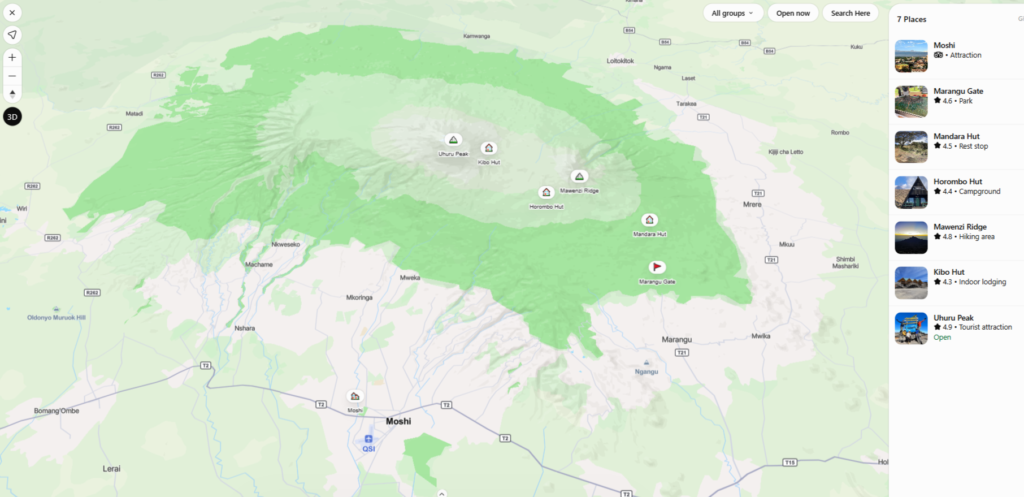
The first two days involve a gradual climb through rainforest and moorland. On Day 3, climbers complete an acclimatisation hike towards Mawenzi Ridge. Day 4 crosses the alpine desert towards Kibo Hut, where the altitude makes walking more tiring.
Day 5 is the most difficult part of the climb. The summit attempt usually begins around midnight, with climbers ascending steep volcanic terrain towards Gilman’s Point and continuing to Uhuru Peak. Temperatures can fall well below freezing, and strong winds may make conditions more demanding.
Our recommended approach is to walk slowly, take regular breaks, drink sufficient water and follow the mountain guide’s instructions. Climbers should report any symptoms of altitude sickness immediately rather than attempting to continue through serious discomfort.
-
The best time to climb Mount Kilimanjaro using the Marangu Route is generally from January to early March and from June to October. These periods usually offer more favourable trekking conditions, with a better chance of clear mountain views and less rainfall than during the main rainy seasons.
January to early March can provide beautiful mountain scenery, occasional snow near the summit and clear mornings. June to October is another popular climbing season, particularly for visitors combining Kilimanjaro climbing with a Tanzania wildlife safari.
April and May are usually among the wettest months, while November can experience shorter seasonal rains. During wetter periods, the rainforest trails may become muddy and visibility can be limited by clouds.
However, Mount Kilimanjaro has its own mountain climate, and weather conditions can change quickly at any time of year. Even during the dry season, climbers should prepare for rain, freezing temperatures, strong winds and possible snowfall near the summit.
We recommend choosing travel dates based on your preferred weather conditions, physical preparation and overall Tanzania holiday plans rather than expecting guaranteed clear weather.
-
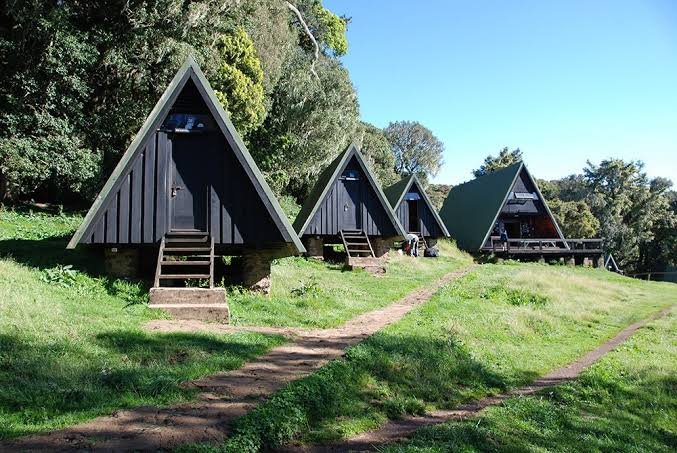
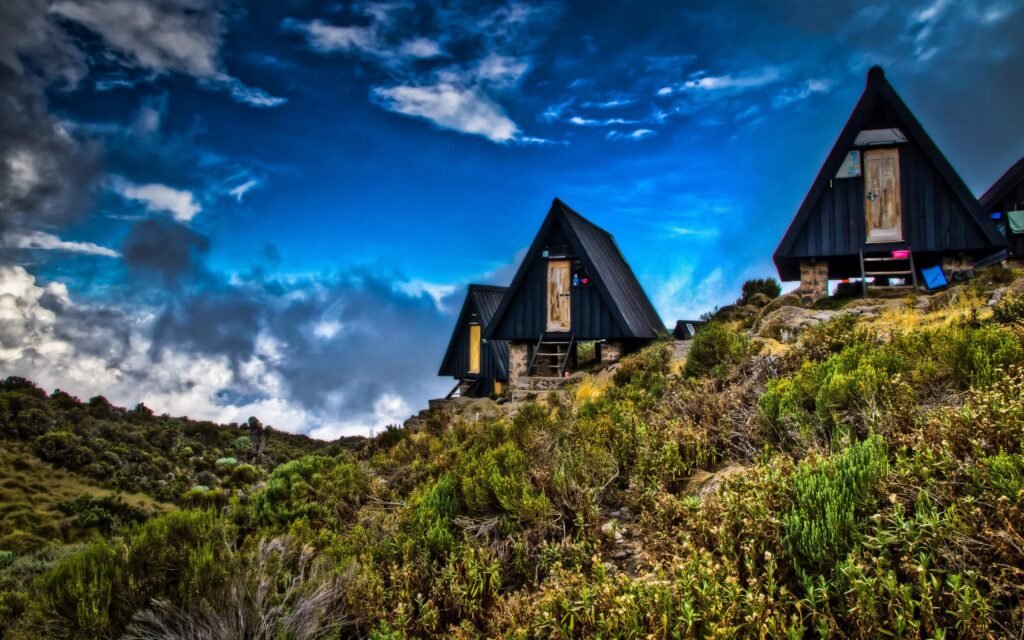
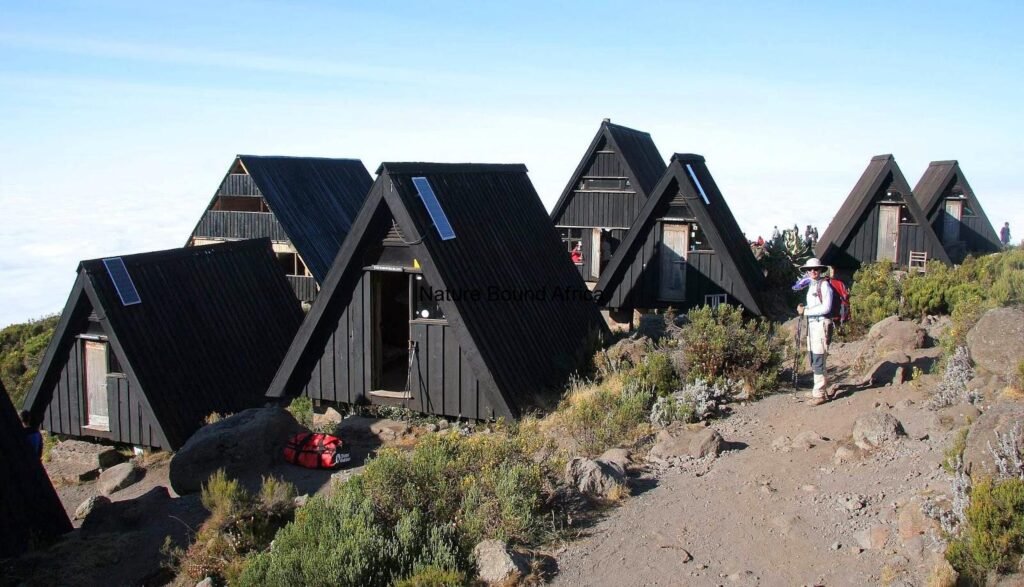
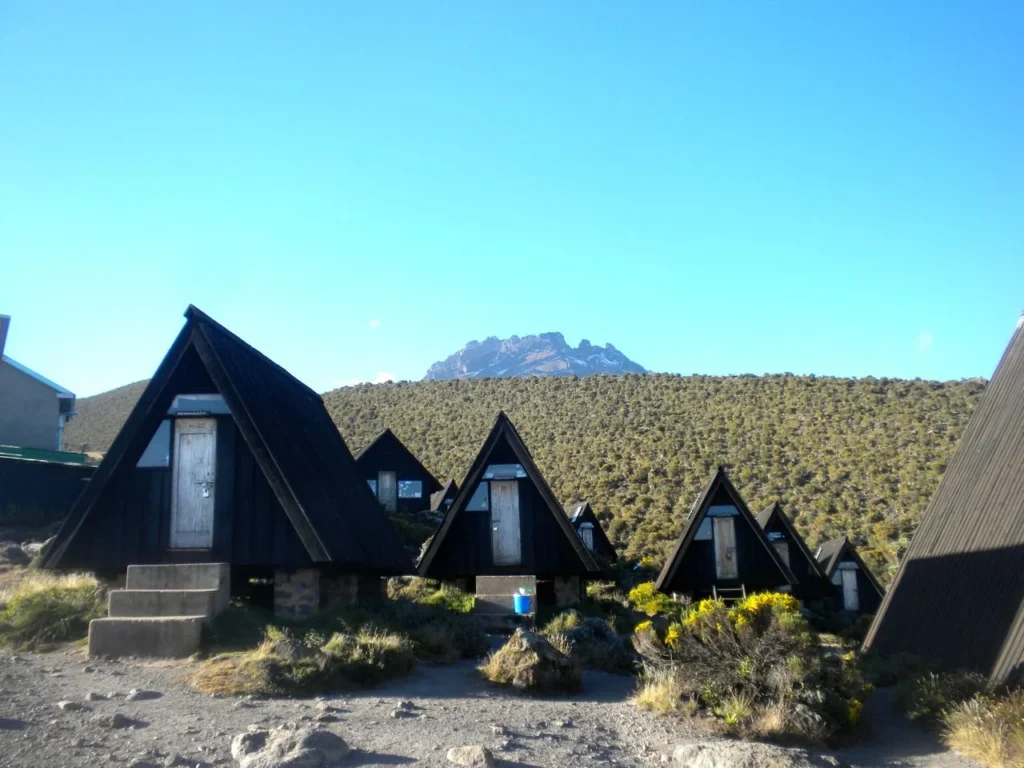
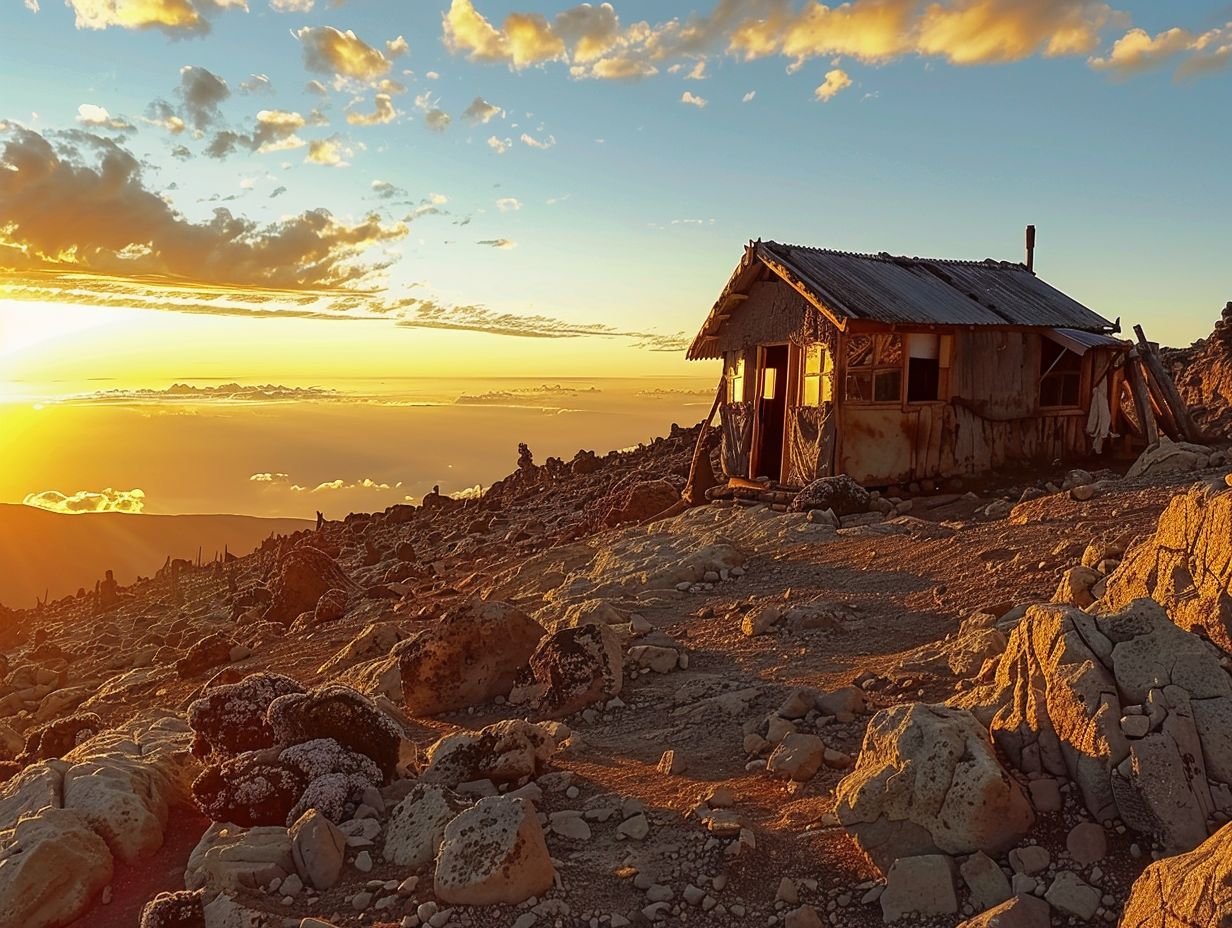
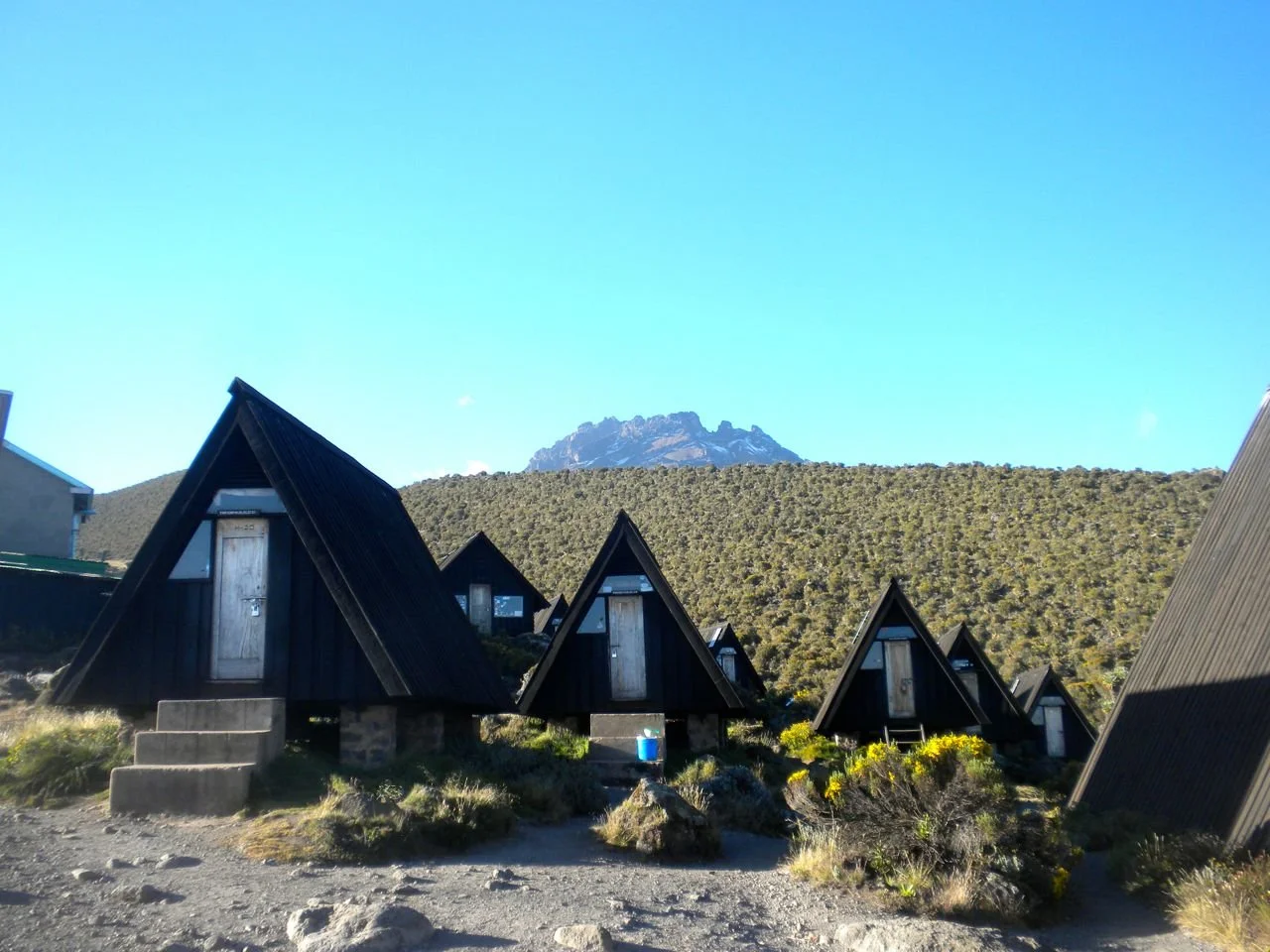
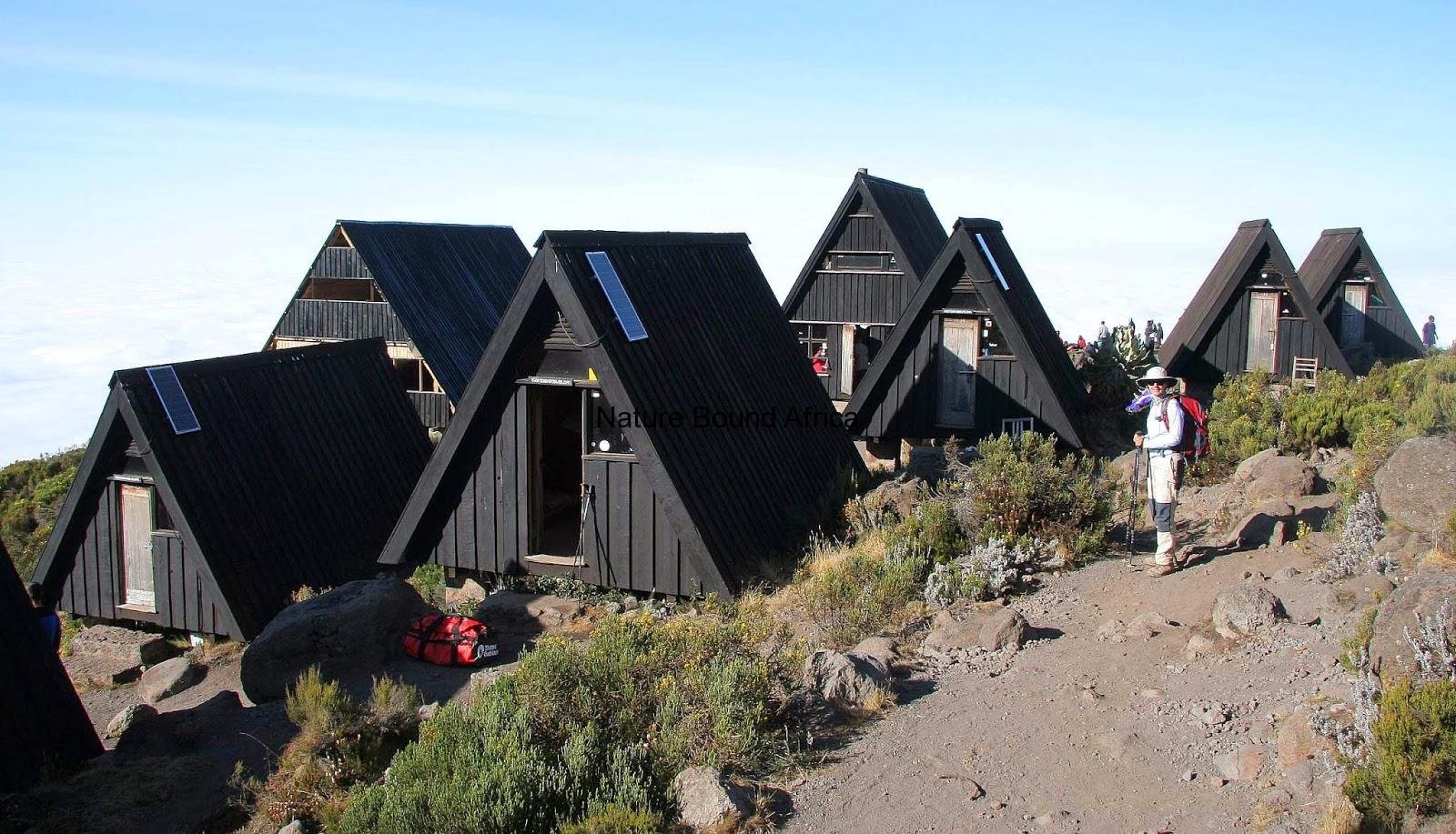
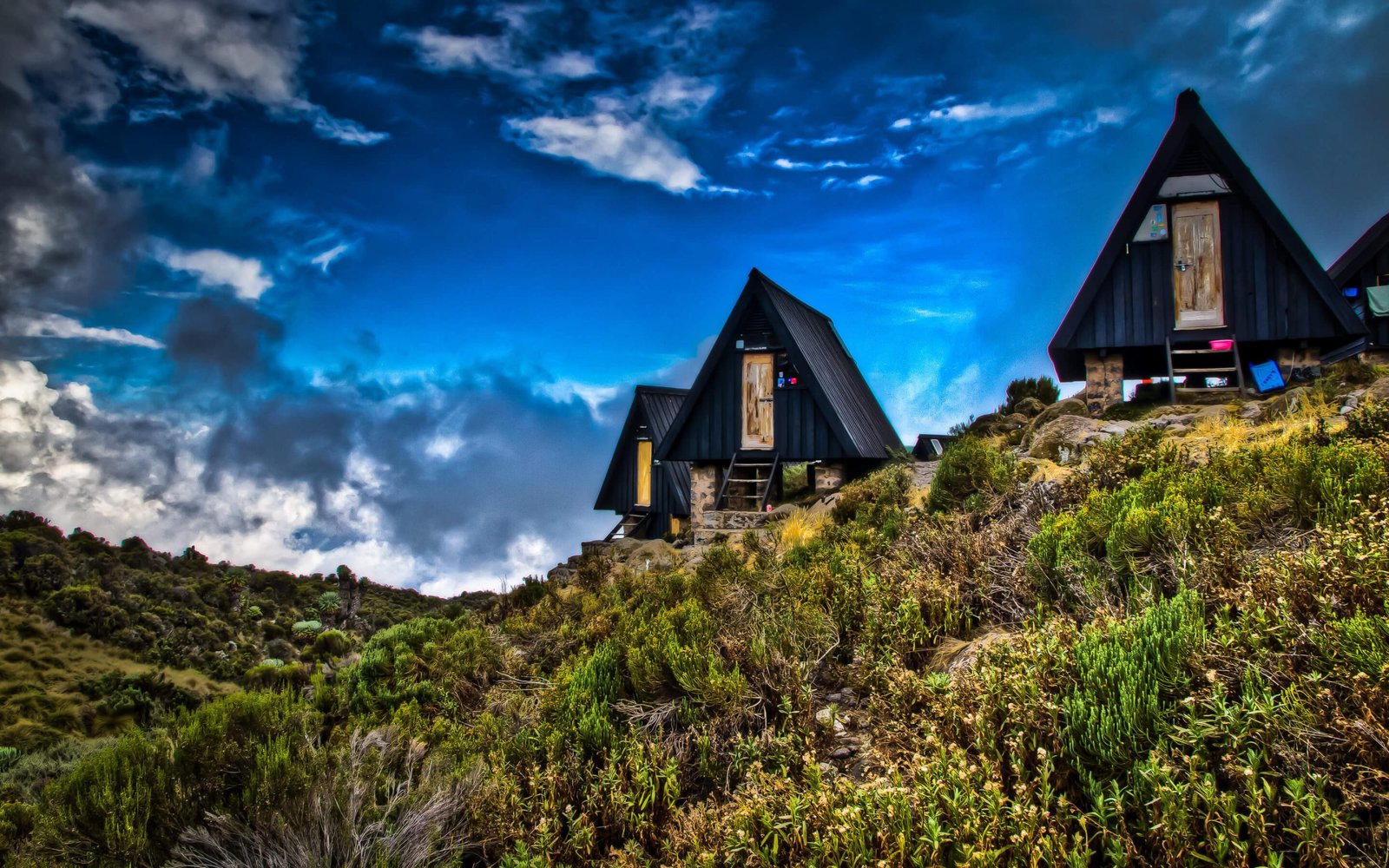
The 6 Days Marangu Route provides basic accommodation in permanent mountain huts at Mandara Hut, Horombo Hut and Kibo Hut. Unlike most other Mount Kilimanjaro climbing routes, Marangu does not require climbers to sleep in camping tents during the standard itinerary.
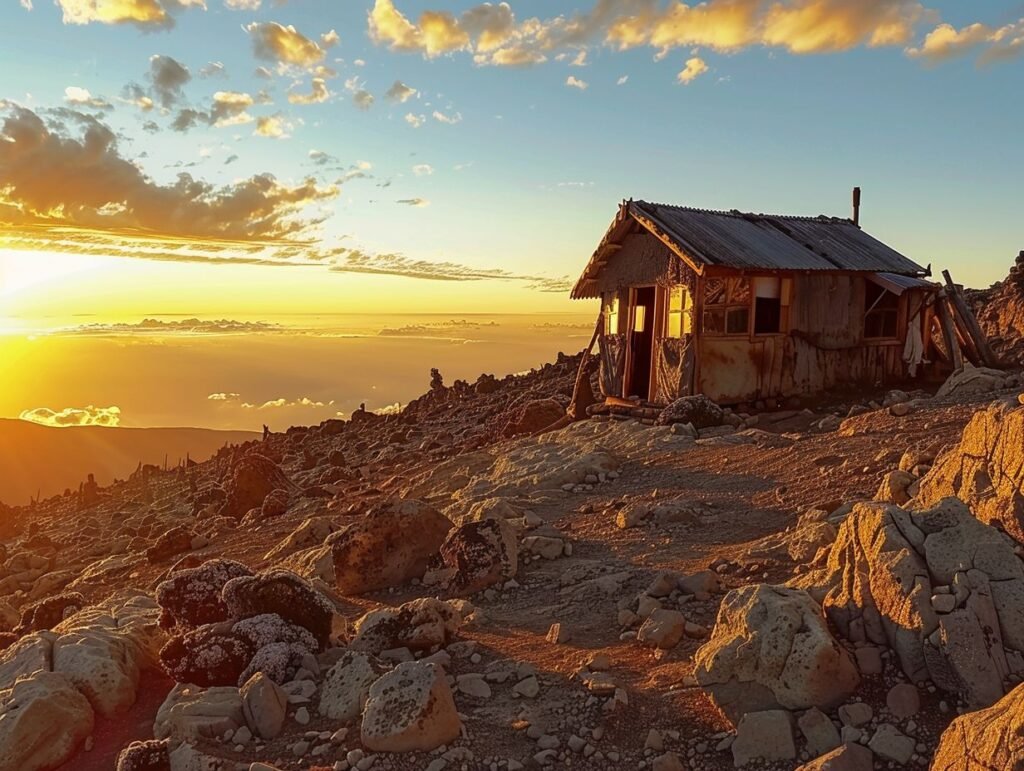
Mandara Hut is located within the rainforest zone at approximately 2,700 metres. Horombo Hut stands at around 3,720 metres and offers views of Kibo and Mawenzi when the weather is clear. Kibo Hut, at approximately 4,700 metres, is the final overnight stop before the summit attempt.
Accommodation is generally shared, with simple sleeping spaces and mattresses. Climbers should bring a suitable sleeping bag because temperatures become much colder as the altitude increases.
Toilet facilities are available at the hut locations, although their standard and availability may vary. Facilities are basic, and climbers should not expect private bathrooms, hot showers or hotel-style accommodation.
Meals are normally prepared by the mountain cook and served in designated dining areas. Drinking water is provided by the climbing team and should be properly treated before consumption.
We recommend bringing personal toiletries, toilet paper, a headlamp, warm sleeping clothes and a power bank, as electricity and charging facilities should not be relied upon.
-
The chances of reaching Uhuru Peak on the 6 Days Marangu Route depend on acclimatisation, weather conditions, individual health and how well the climber responds to high altitude. No professional mountain operator can guarantee that every traveller will reach the summit.
The six-day itinerary offers an advantage over the shorter five-day Marangu Route because it includes an additional acclimatisation day at Horombo Hut. During this day, climbers hike towards Mawenzi Ridge at approximately 4,400 metres before returning to Horombo Hut to sleep.
This helps climbers spend more time adjusting to altitude, although it does not eliminate the risk of altitude sickness. Some people may experience symptoms even when they are physically fit and have followed a careful climbing schedule.
Altitude sickness can affect anyone, regardless of age or previous trekking experience. Symptoms may include headaches, nausea, dizziness and unusual tiredness. More serious symptoms, including confusion, difficulty walking straight or breathlessness at rest, require urgent attention and descent.
For travellers who have more time available, a longer Kilimanjaro climbing itinerary may provide better opportunities for gradual acclimatisation.
We recommend selecting an experienced, licensed mountain operator with trained guides, appropriate emergency equipment and clear procedures for monitoring altitude-related illness.
-
For the 6 Days Mount Kilimanjaro Climbing adventure, you should pack warm layered clothing, comfortable hiking boots, a suitable sleeping bag and essential personal trekking equipment. Kilimanjaro passes through several climate zones, so climbers must prepare for warm rainforest conditions, cold mountain evenings and freezing summit temperatures.
During the first days of the climb, lightweight trekking trousers, breathable shirts and waterproof clothing are useful. As you move towards Horombo and Kibo huts, insulated jackets, thermal base layers and warm gloves become increasingly important.
For summit night, we recommend a warm down or synthetic insulated jacket, thermal trousers, insulated gloves or mittens, a warm hat, a windproof outer layer and suitable hiking boots. A headlamp with spare batteries is essential because the summit attempt usually begins in darkness.
Other useful items include trekking poles, sunglasses, sunscreen, lip balm, reusable water bottles, personal medication, energy snacks and a small first-aid kit.
Your main luggage is normally carried by the mountain porters, subject to applicable weight limits. You will carry a smaller daypack containing drinking water, snacks, rain protection, extra clothing and personal essentials.
Before travelling, ask your mountain operator for a complete equipment checklist and confirm whether sleeping bags, trekking poles or warm jackets are available for hire in Moshi.
-
Yes, the 6 Days Kilimanjaro Marangu Route can easily be combined with a Tanzania wildlife safari or Zanzibar beach holiday. Many international travellers choose to climb Mount Kilimanjaro before exploring Tanzania’s national parks or relaxing along the Indian Ocean coast.
After completing your climb and returning to Moshi, you can travel to Arusha, the main starting point for northern Tanzania wildlife safaris. From Arusha, you can visit Tarangire National Park, Ngorongoro Crater, Lake Manyara National Park and Serengeti National Park.
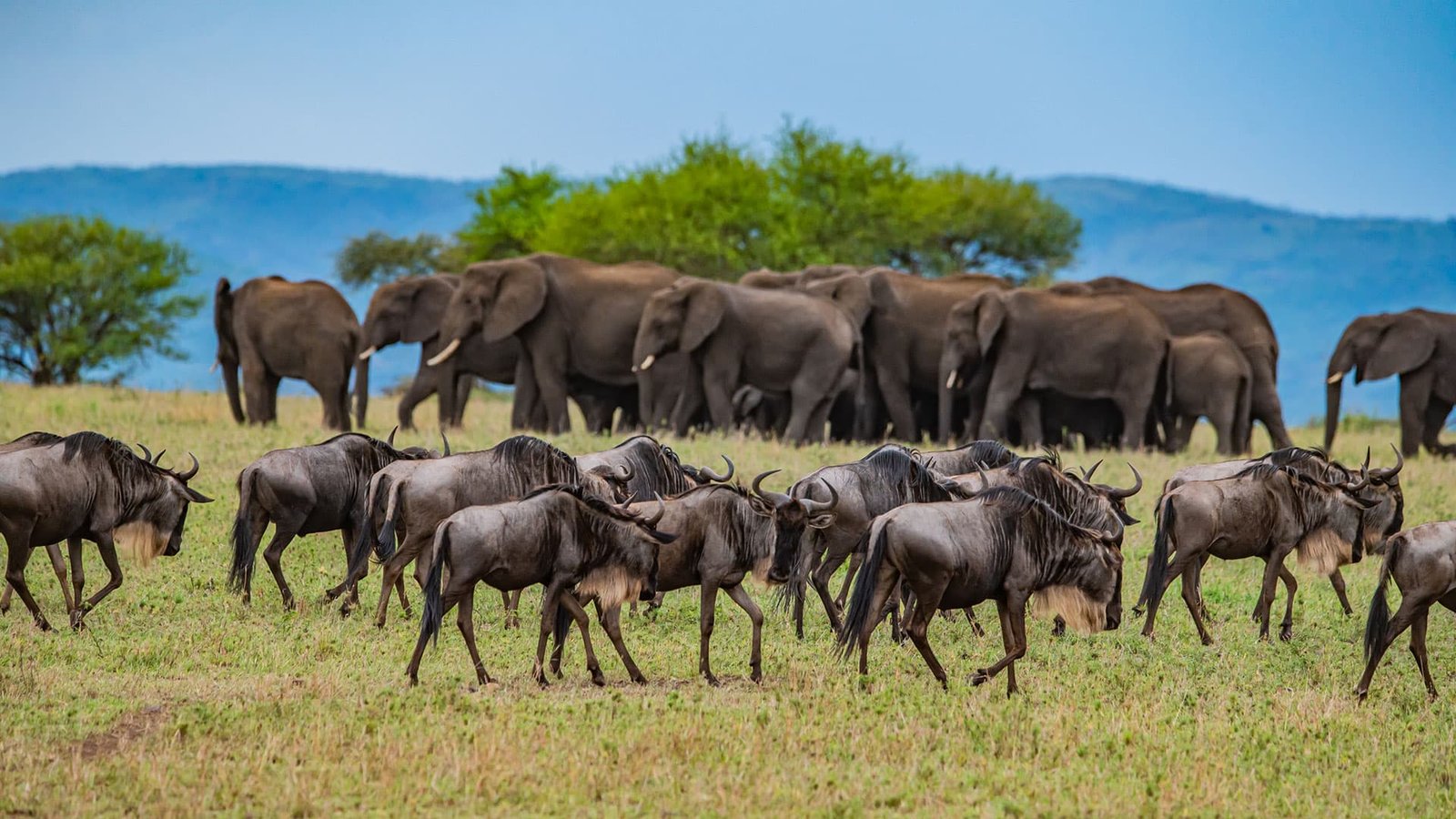
A two-day safari may include Tarangire and Ngorongoro, while a four- to six-day itinerary provides more time to explore the Serengeti and other wildlife destinations. During game drives, visitors may see elephants, lions, giraffes, zebras, wildebeest and many other animals in their natural habitats.
Travellers looking for relaxation can also fly to Zanzibar after their Kilimanjaro climb. Zanzibar offers beautiful white-sand beaches, warm ocean waters, cultural tours in Stone Town and opportunities for snorkelling and other marine activities.
We recommend allowing at least one comfortable rest day after the mountain climb before beginning a demanding travel schedule. This gives you time to recover from the long summit day and enjoy the next part of your Tanzania holiday.
A combined Kilimanjaro climbing and Tanzania safari package is an excellent choice for travellers who want to experience mountain adventure, African wildlife and beach relaxation during one trip.
6 Days Mount Kilimanjaro Climbing – Marangu Route
Start Sates Jan 1, 2026 - Dec 31, 2026
2 persons
1,366.00 USD *
Start dates Jan 1, 2027 - Dec 31, 2027
2 persons
1,411.00 USD *
* Indicative costs per person, excluding international airline tickets
Here’s how your price comes together.Included
-
All Kilimanjaro National Park entrance fees.
-
Mountain hut accommodation for 5 nights.
-
Professional, licensed mountain guides.
-
Experienced mountain porters and cook.
-
All meals during the climb as specified in the itinerary.
-
Safe drinking water throughout the trek.
-
Return transfers between Moshi and Marangu Gate.
-
Kilimanjaro camping or hut fees, as applicable.
-
Mountain rescue fees charged by the national park.
-
Acclimatisation hike to Mawenzi Ridge.
-
Summit certificate for qualifying climbers.
-
Government taxes applicable to the included services.
Excluded
-
International and domestic flights.
-
Tanzania tourist visa fees.
-
Accommodation in Moshi before and after the climb.
-
Travel insurance covering high-altitude trekking and emergency evacuation.
-
Personal mountain climbing equipment and clothing.
-
Sleeping bags and personal trekking gear.
-
Tips for mountain guides, porters and cooks.
-
Alcoholic beverages, soft drinks and personal snacks.
-
Laundry services and other personal expenses.