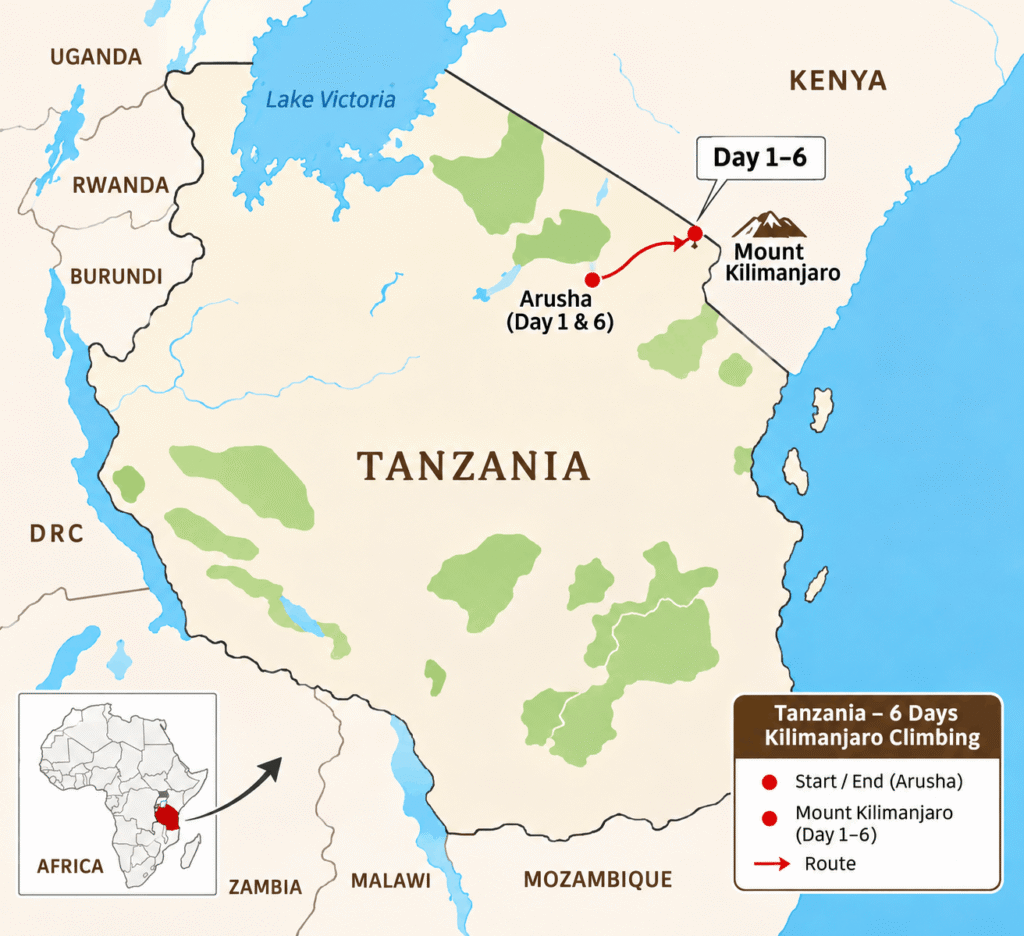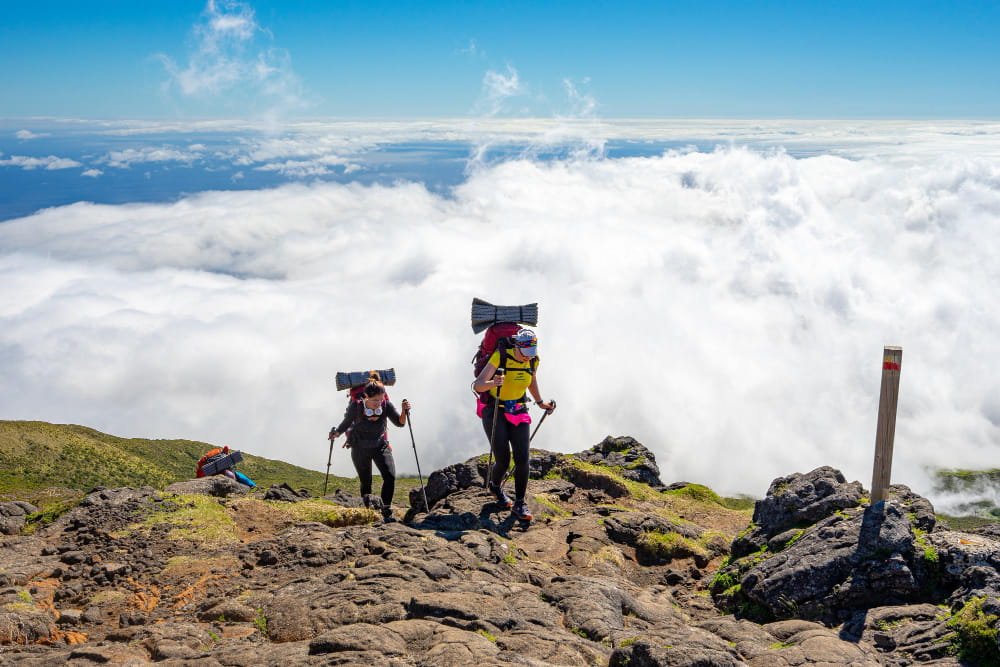

6 Days Mount Kilimanjaro Machame Climbing Tour
-
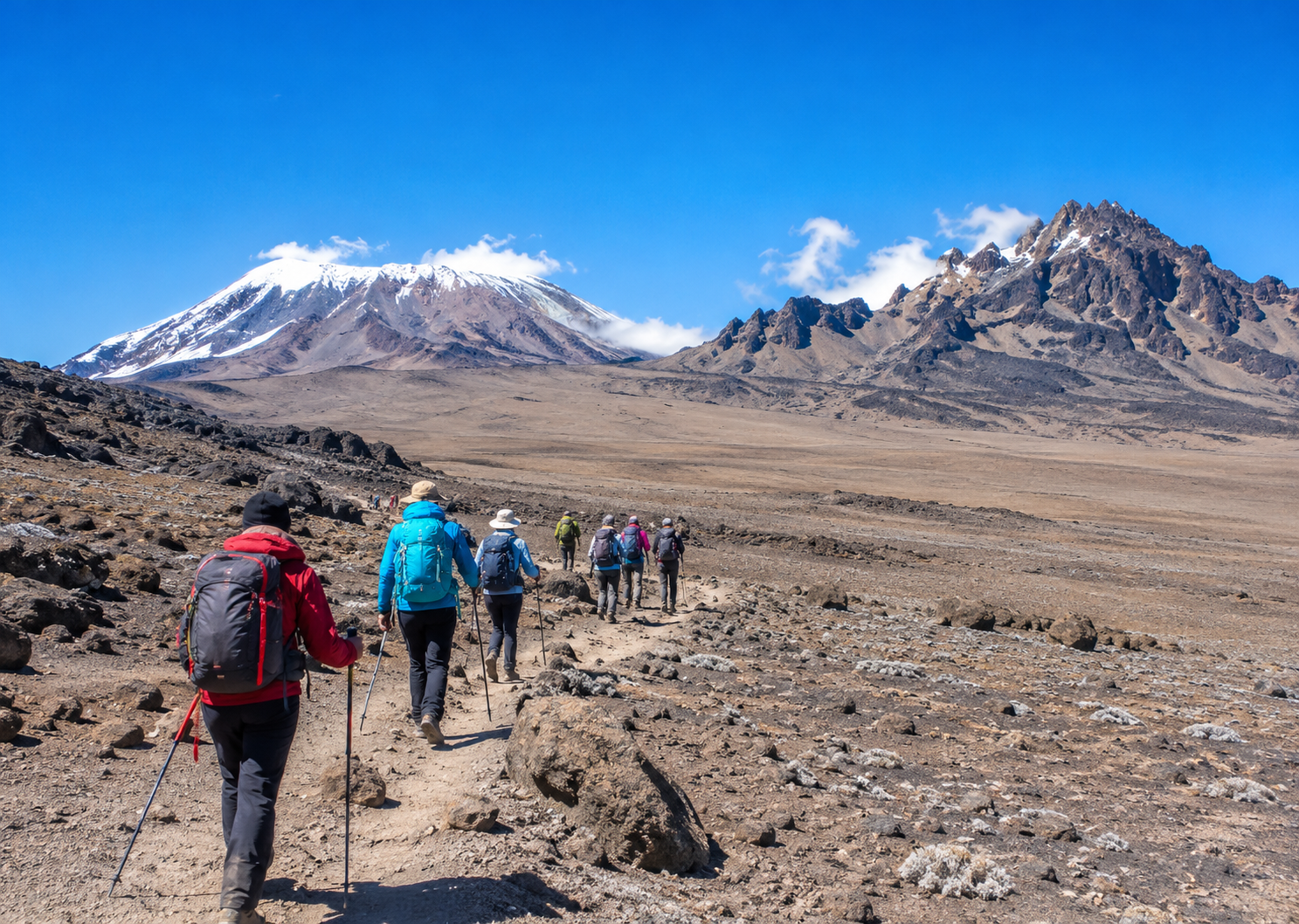
Mount Kilimanjaro climbing on the 6-day Machame Route is considered challenging because of the high altitude, steep trails, changing weather conditions and long trekking hours. Although the route does not require technical mountaineering skills, climbers need good physical fitness, mental determination and proper preparation before attempting the summit.
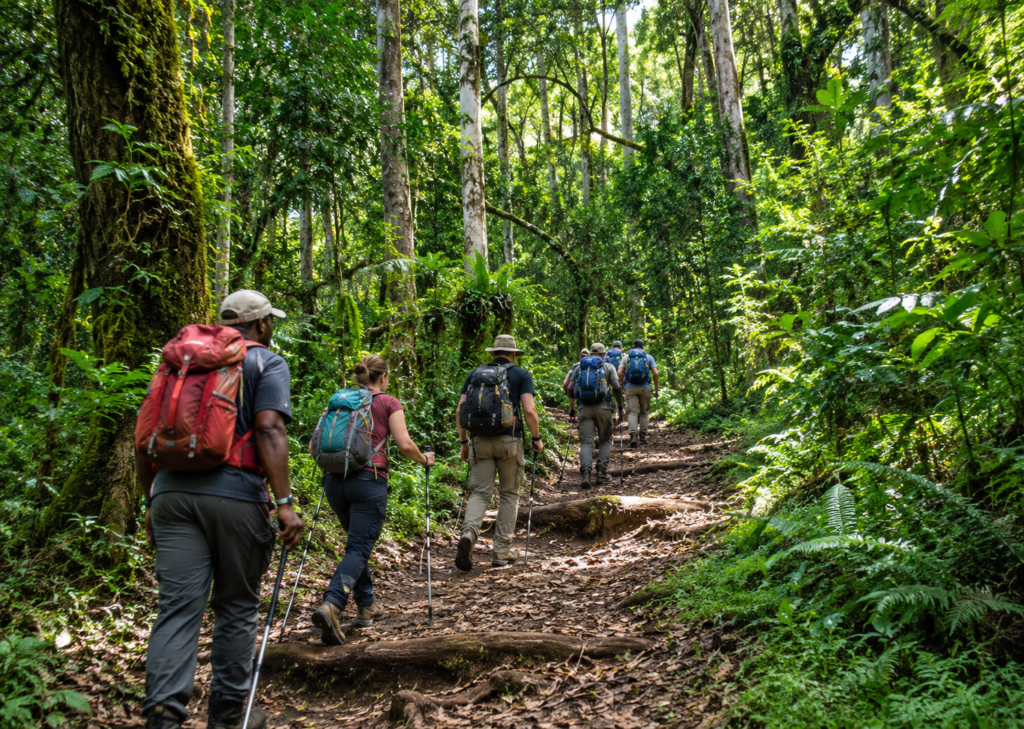
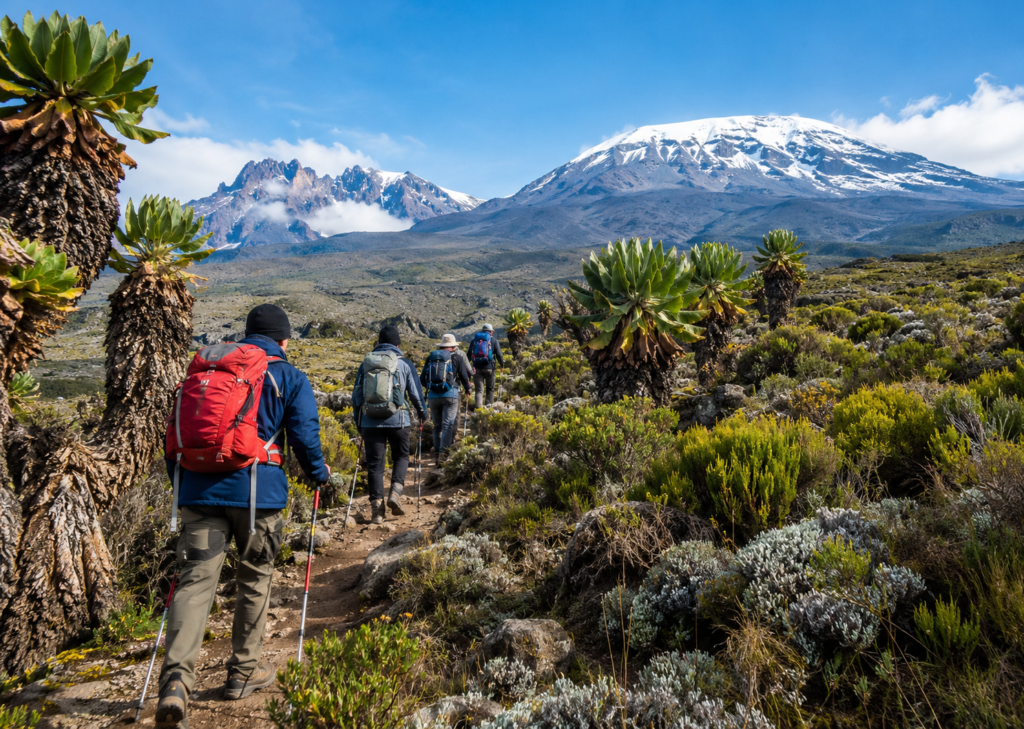
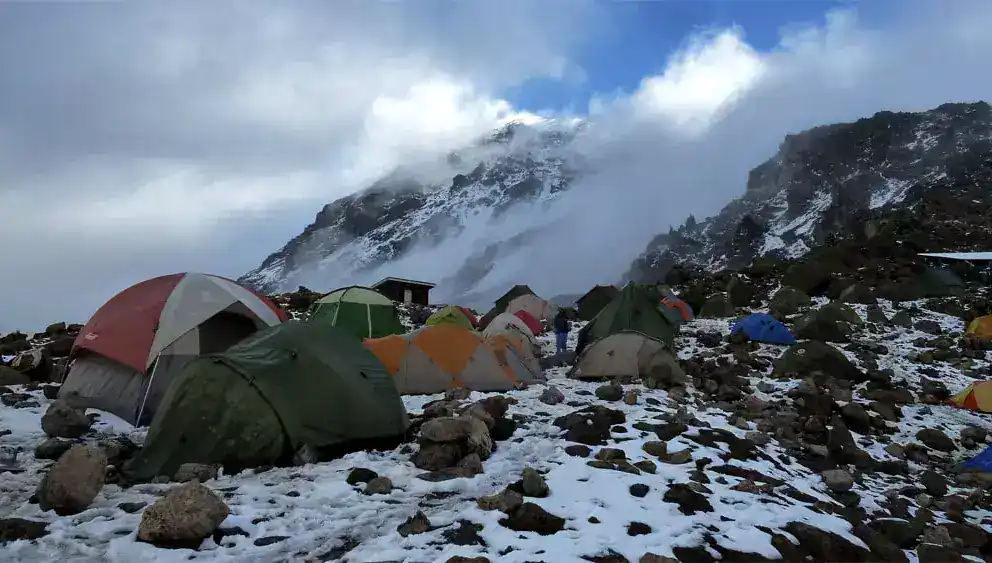
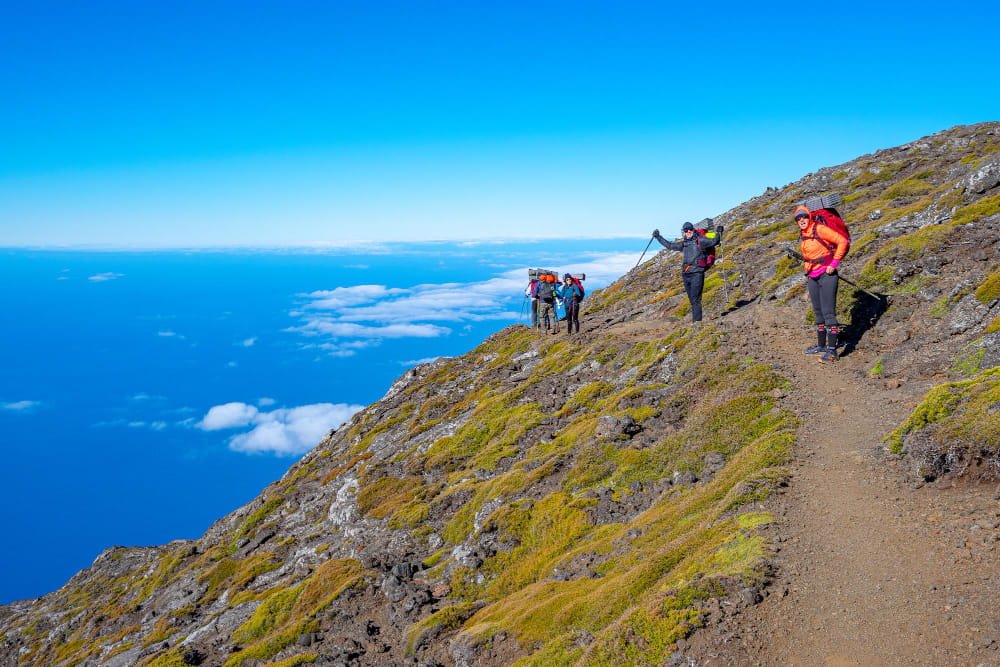
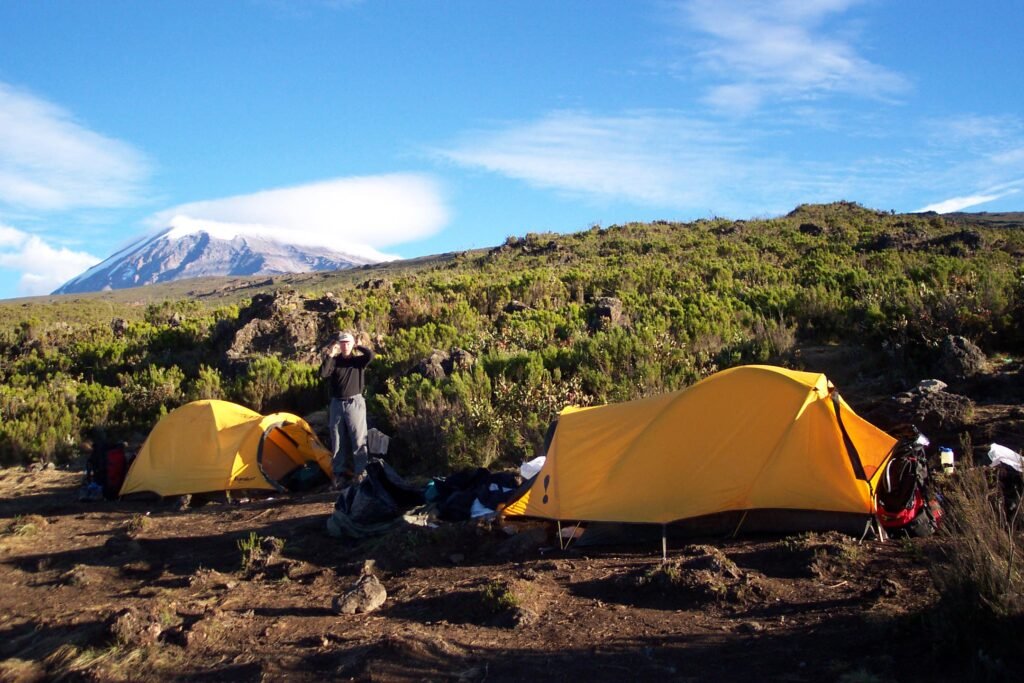
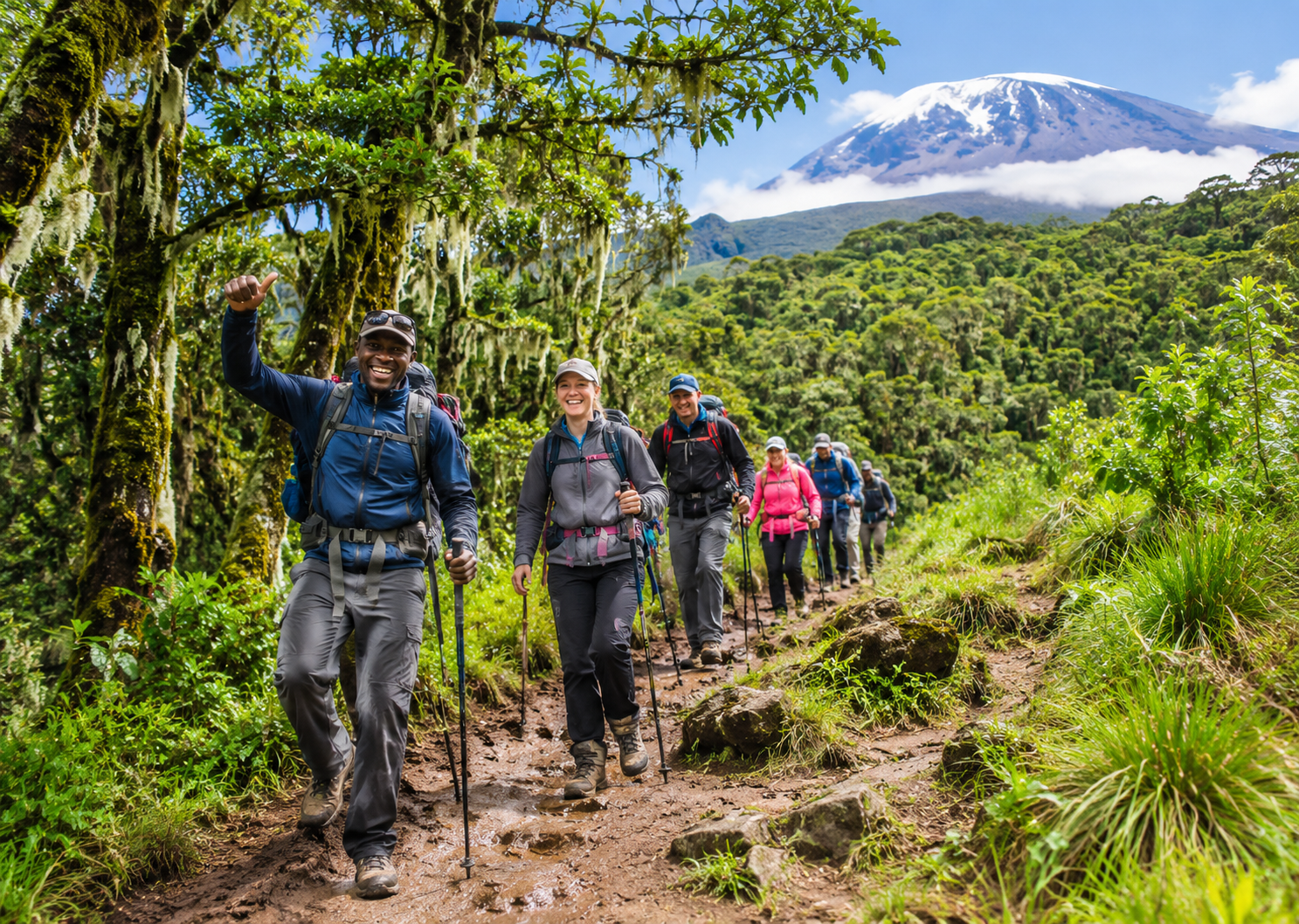
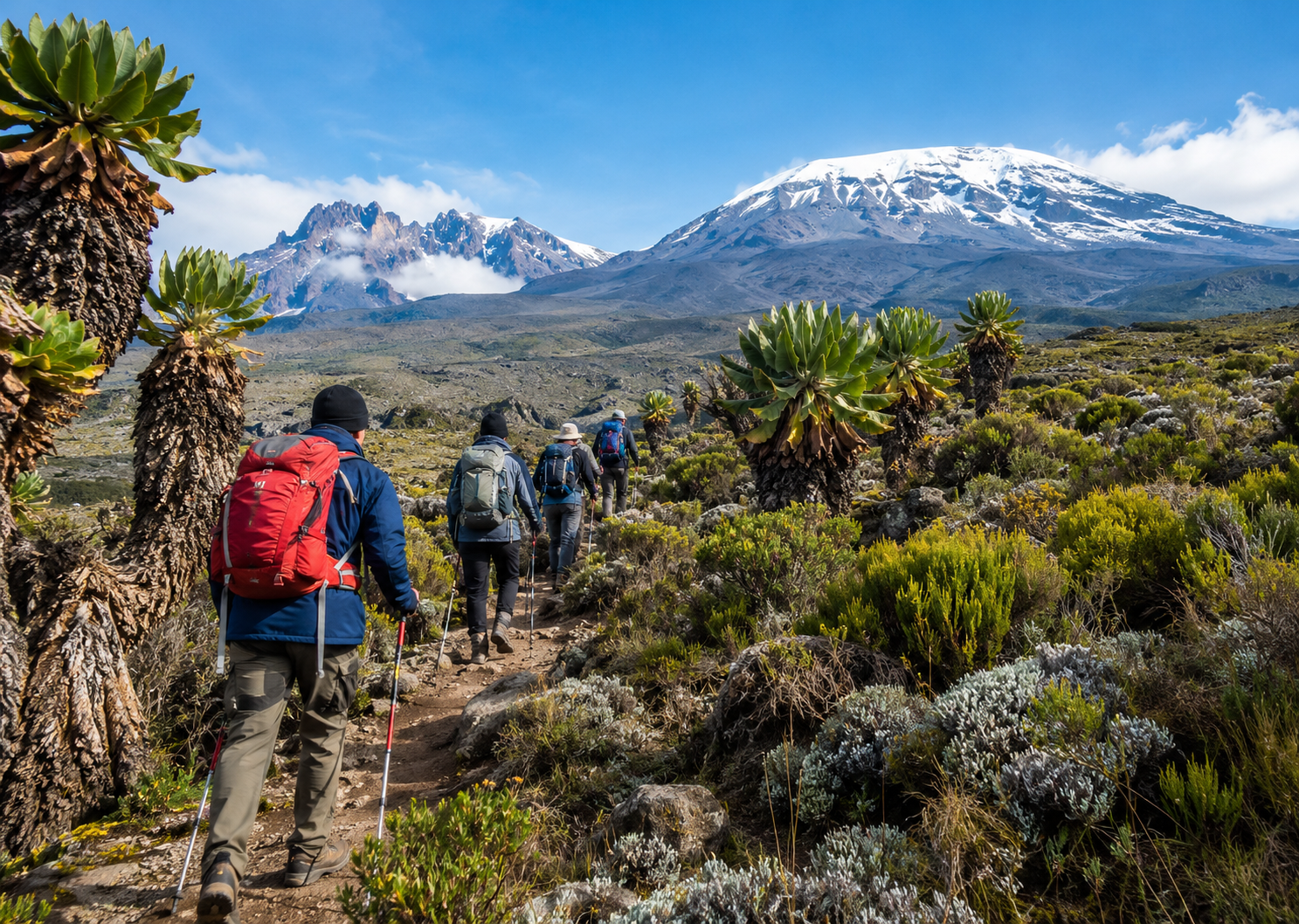
The Machame Route takes climbers through different landscapes, including tropical rainforest, moorland, alpine desert and the cold summit zone. Each day involves approximately four to ten hours of hiking, while summit day can take 12 to 16 hours, including the descent to Mweka Camp.
One of the biggest challenges is altitude sickness, which can affect even experienced hikers. The six-day itinerary provides less time for acclimatisation than the seven-day option, making it more demanding for beginners. Climbers are encouraged to walk slowly, drink sufficient water and inform their mountain guides immediately if they experience headaches, nausea or dizziness.
For first-time climbers, the seven-day Machame Route is generally recommended because it provides an additional day for acclimatisation. However, physically prepared travellers with suitable trekking experience may choose the six-day itinerary after considering the risks.
-
The best time for Mount Kilimanjaro climbing in Tanzania is generally from January to early March and from June to October, when the mountain usually experiences more favourable trekking conditions. These periods are popular because they often offer clearer skies, relatively dry trails and better visibility of the surrounding landscapes.
January and February are excellent months for climbers who prefer relatively warmer daytime conditions and opportunities to enjoy clear views of Kibo Peak and the surrounding mountain scenery. However, temperatures near the summit can still fall well below freezing.
June to October is another popular climbing season. These months generally have less rainfall, making the trails easier to navigate. July, August and September can be particularly busy, so booking early is advisable.
April and May are usually the wettest months on Mount Kilimanjaro. Heavy rainfall can make the rainforest trails muddy and slippery, while cloud cover may reduce visibility. November also experiences short rains, although climbing is still possible.
Regardless of the season, Mount Kilimanjaro has unpredictable mountain weather. Climbers should always carry waterproof clothing, warm layers and suitable trekking equipment. Choosing the right season improves the overall experience but does not guarantee favourable weather or summit success.
-
The cost of a six-day Mount Kilimanjaro climbing tour through the Machame Route commonly ranges from approximately USD 1,500 to USD 2,500 or more per person, depending on the tour operator, group size, quality of camping equipment and services included. This is an indicative planning range rather than a confirmed quotation.
Most organised Kilimanjaro climbing packages include national park entrance fees, camping fees, professional mountain guides, porters, a mountain cook, meals during the trek, drinking water and transfers between the starting and finishing points of the climb.
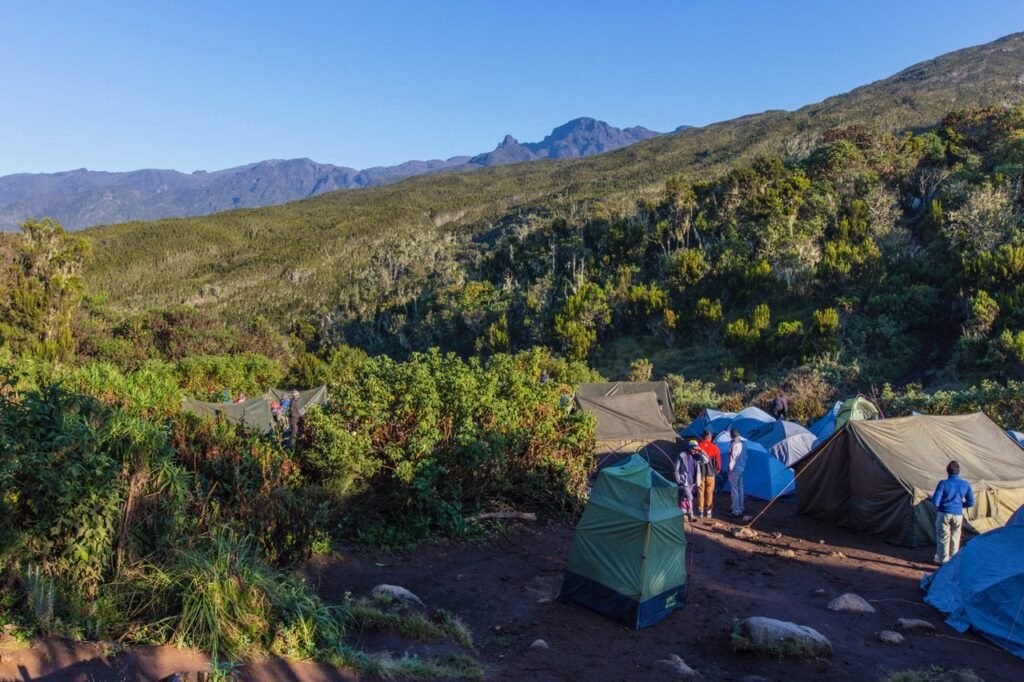
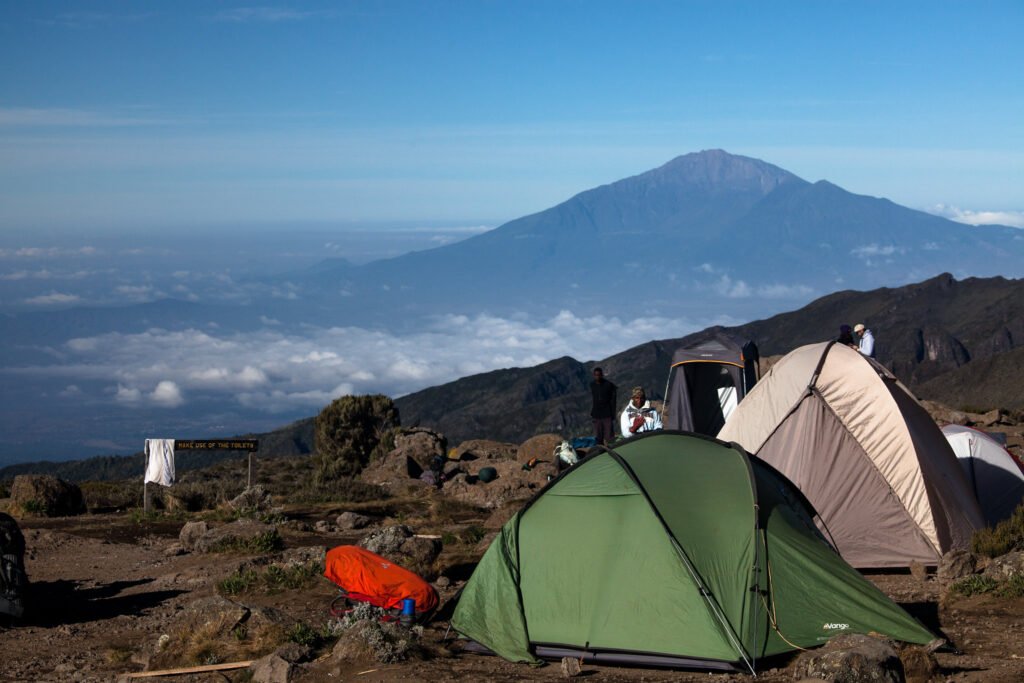
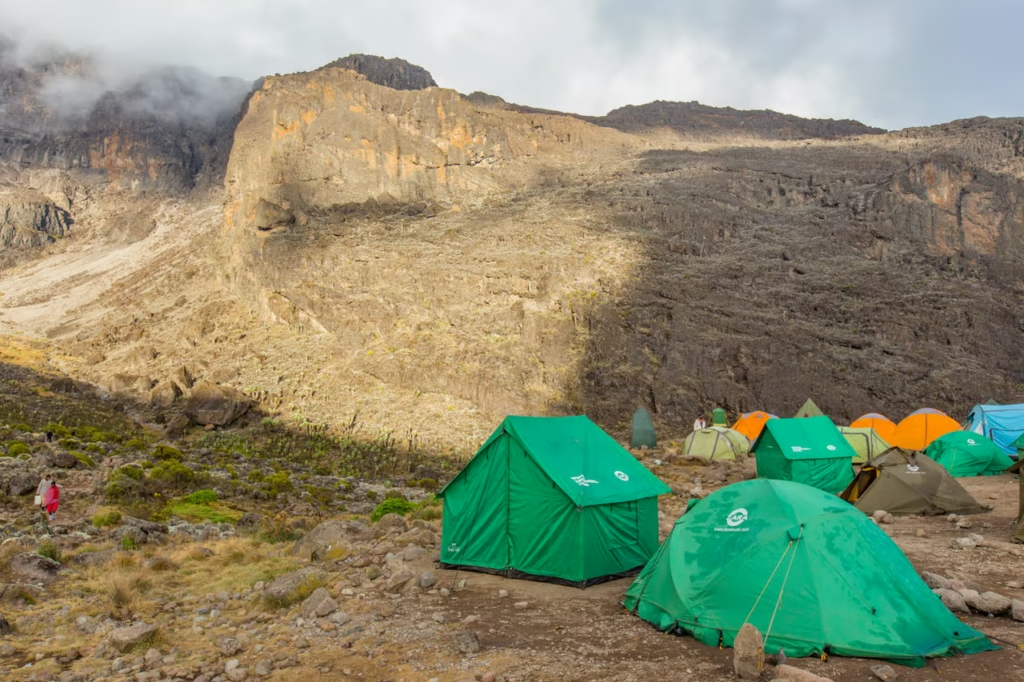
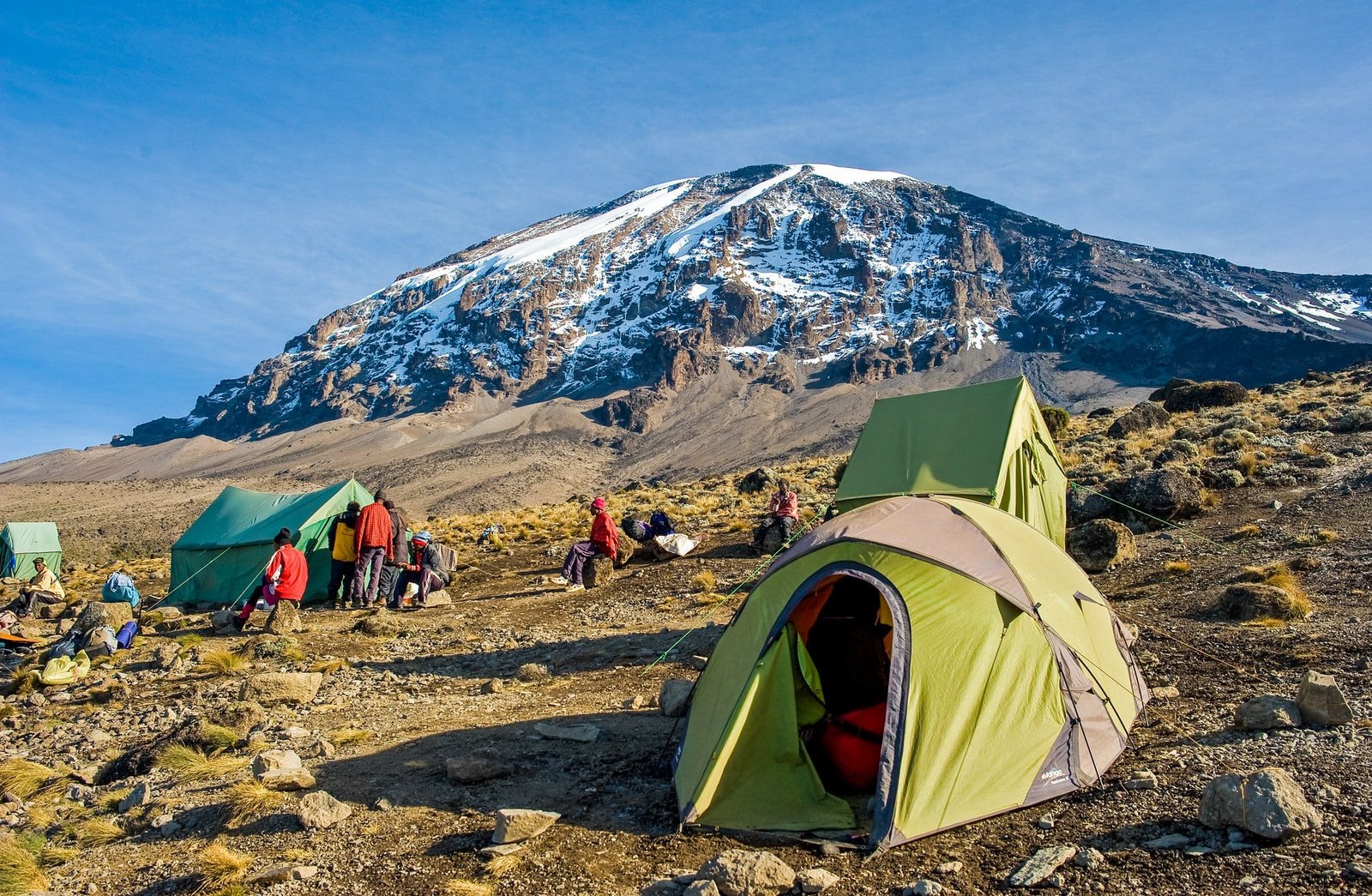
Accommodation is provided in mountain tents at designated campsites along the Machame Route. A mountain support team carries shared camping equipment, prepares meals and assists with the daily camp arrangements.
However, international flights, Tanzania visa fees, travel insurance, personal climbing equipment, sleeping bags, tips and hotel accommodation before or after the climb are often excluded.
When comparing Mount Kilimanjaro climbing packages, travellers should consider more than the advertised price. It is important to confirm the operator’s licensing, mountain safety procedures, guide qualifications, emergency arrangements, porter welfare standards and exactly what is included in the package.
A well-organised climbing tour should provide a clear itinerary, transparent pricing and reliable support throughout the expedition. Choosing an operator that follows proper mountain safety practices is more important than selecting the cheapest available package.
-
Preparing for Mount Kilimanjaro climbing requires physical training, suitable trekking equipment and an understanding of the challenges associated with high-altitude hiking. Ideally, climbers should begin preparing at least eight to twelve weeks before departure, although the amount of training needed depends on their existing fitness and hiking experience.
Regular hiking is one of the most effective ways to prepare for Kilimanjaro. Walking on hills, climbing stairs and completing longer hikes with a daypack can help strengthen the legs and improve endurance. Cardiovascular exercises such as cycling, swimming and jogging can also support overall fitness.
Climbers should practise walking for several hours on consecutive days because the Machame Route involves sustained physical activity over six days. Training with the trekking boots and daypack you intend to use on the mountain can help prevent discomfort during the climb.
Essential equipment includes waterproof hiking boots, thermal base layers, insulated jackets, waterproof outerwear, warm gloves, a hat, trekking poles, a headlamp and a sleeping bag suitable for sub-zero temperatures. Sunglasses, sunscreen, reusable water bottles and personal hygiene items are also important.
Before travelling, climbers should consult a healthcare professional about high-altitude trekking, particularly if they have existing medical conditions. It is also important to arrange travel insurance that specifically covers trekking up to 5,895 metres and emergency evacuation.
Proper preparation can make Mount Kilimanjaro climbing more comfortable and enjoyable, but good fitness alone does not prevent altitude sickness.
-
The chances of reaching Uhuru Peak on the six-day Machame Route depend on several factors, including acclimatisation, individual response to altitude, physical preparation, weather conditions and the quality of mountain guiding services. There is no single reliable summit success percentage that applies to every climber or tour operator.
Uhuru Peak stands at 5,895 metres above sea level, where the reduced oxygen availability makes physical activity considerably more demanding. Even fit and experienced hikers can develop altitude sickness, which may prevent them from completing the climb.
One of the most important factors influencing summit success is the amount of time allowed for acclimatisation. The six-day Machame Route includes a climb-high, sleep-low section around Lava Tower and Barranco Camp, but it offers less acclimatisation time than the seven-day itinerary.
To improve your chances of reaching the summit, maintain a slow and steady walking pace, follow your guide’s instructions, eat regularly, stay appropriately hydrated and get sufficient rest. Report any symptoms of altitude sickness immediately rather than attempting to push through them.
Choosing experienced mountain guides who monitor climbers carefully and follow established safety procedures is equally important. Your guide should be prepared to recommend descent if your health deteriorates.
Travellers whose schedules allow should consider the seven-day Machame Route because the additional acclimatisation time can improve the likelihood of reaching the summit.
6 Days Mount Kilimanjaro Machame Climbing Tour
Start dates Jan 1, 2026 - Dec 31, 2026
2 persons
1.45 USD *
4 persons
1.36 USD *
6 persons
1.27 USD *
Start dates Jan 1, 2027 - Dec 31, 2027
2 persons
1.45 USD *
4 persons
1.36 USD *
6 persons
1.27 USD *
* Indicative costs per person, excluding international airline tickets
Here’s how your price comes together.Included
-
Kilimanjaro National Park entry and camping fees.
-
Professional mountain guides.
-
Mountain porters and cook.
-
Five nights of camping accommodation.
-
Camping tents and sleeping mats.
-
Breakfast, lunch and dinner during the climb, except dinner on the final day.
-
Drinking water prepared during the trek.
-
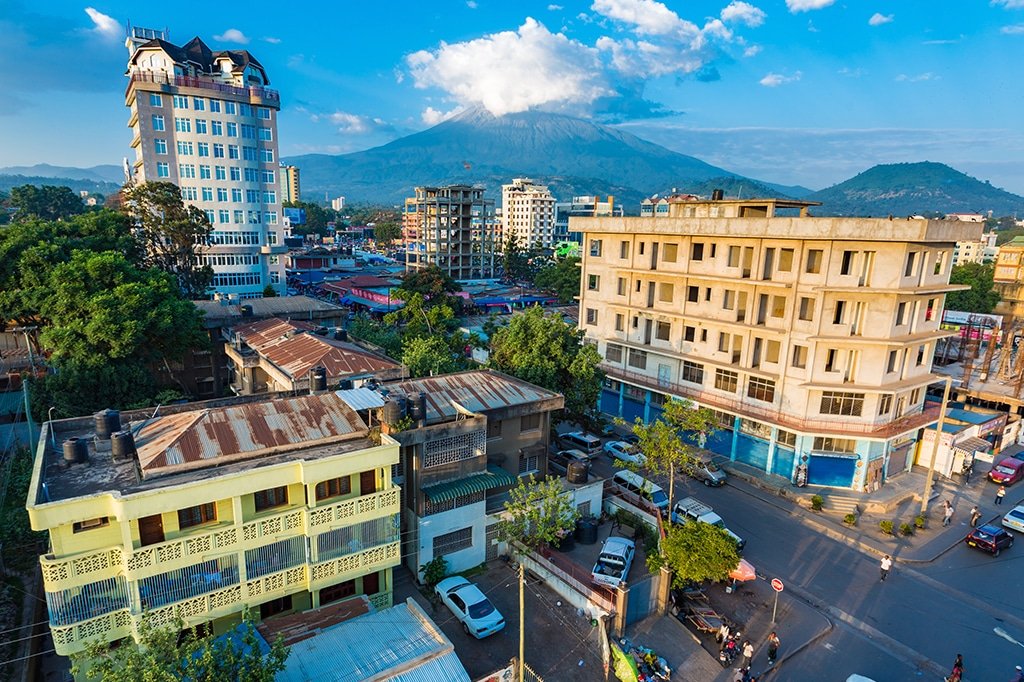
Transfers from Arusha to Machame Gate and from Mweka Gate to Arusha or Moshi.
-
Mountain rescue fees required by the park.
Excluded
-
International and domestic flights.
-
Tanzania visa fees.
-
Accommodation before and after the climb.
-
Airport transfers unless separately confirmed.
-
Personal trekking equipment and sleeping bag.