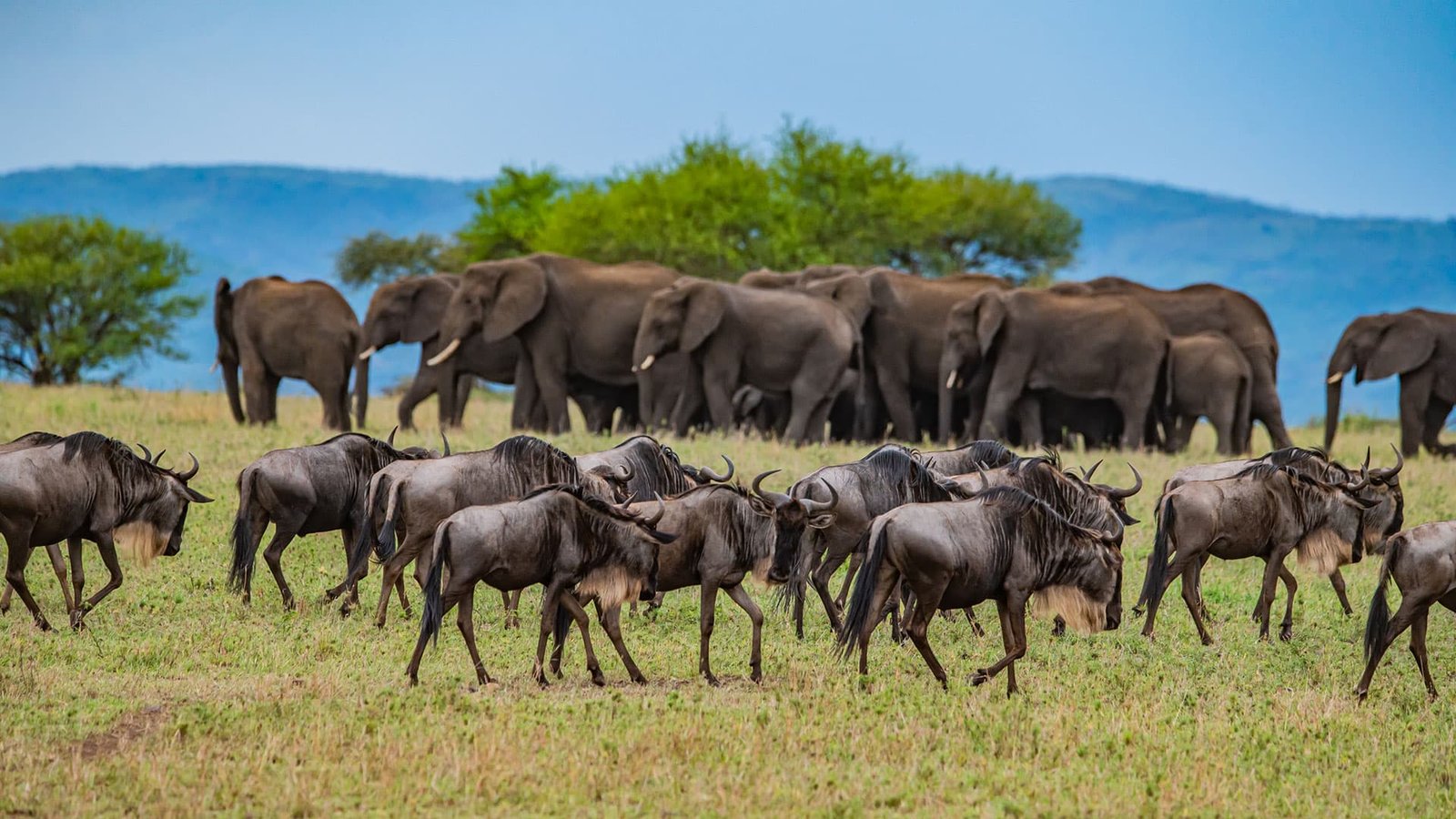
A Kenya Safari trip from the UK basically offers a unique opportunity to enjoy spectacular wildlife, breathtaking views and also the great migration whereby Wildebeest are crossing the Mara River every year between July and August. From the morning game drives which gives an opportunity to see lion doing the hunting to the photography of majestic lions beneath Mount Kilimanjaro in Amboseli National Park, Kenya offers rewarding wildlife experiences for the trip lovers.
Kenya is one of the leading travel destinations in Africa for safari, especially the africa safari trips lovers from London, Manchester, Birmingham, Edinburgh, Glasgow and other parts of the United Kingdom.
Kenya has a well established tourism sector with professional guides, comfortable accommodation options, flexible pricing and payment system and not forgetting the extensive network of National parks and Game Reserves which is suitable for the first time visitors, couples, families and even honeymooners.
A typical Kenya safari holiday from the UK lasts between 7 to 14 Days, although there are shorter and longer itineraries, depending with what you need.You can explore popular safari destinations such as the Masai Mara, Amboseli, Lake Nakuru, Lake Naivasha, Ol Pejeta and Samburu National Reserves.
Each of the destinations always have something unique it offers.
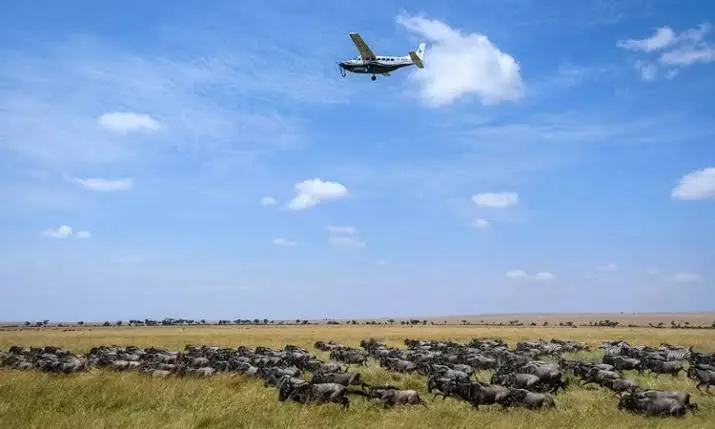
One of the Key attractions in Kenya, especially for British tourists is the Great Wildebeest Migration, whereby more than 1 million wildebeests and Zebras move between Tanzania’s Serengeti ecosystem and Kenya’s Masai Mara.
The Great Migration normally happens between July and August, though this particularly are affected by natural factors such as rainfall patterns and grazing conditions.
For the Britons, Kenya also offers amazing opportunities to combine bush and beach holidays. Whether you prefer affordable group joining, a private mid range safari holiday and even a bespoke luxury safari experience Kenya is suitable for all types of holiday seekers.
Why Should i Choose Kenya for My Safari Holiday from UK?
Kenya is one of Africa’s most exciting safari destinations, offering British travellers an unforgettable combination of wildlife, breathtaking landscapes, rich African culture, luxury safari lodges, and beautiful Indian Ocean beaches. Whether you are planning your first African adventure, a romantic honeymoon, a family holiday, or a once-in-a-lifetime wildlife experience, a Kenya safari holiday from the UK provides an excellent opportunity to discover the natural beauty and wildlife of East Africa.
From the world-famous Maasai Mara National Reserve, where the Great Wildebeest Migration attracts visitors from around the world, to the magnificent elephants of Amboseli National Park and the white sandy beaches of Diani, Kenya offers remarkable diversity within one destination. British holidaymakers can enjoy thrilling game drives, comfortable accommodation, guided wildlife experiences, cultural encounters, and relaxing beach holidays, all within a carefully planned itinerary.
One of the greatest advantages of choosing Kenya for an African safari holiday is the variety of experiences available. Visitors can explore several national parks, search for the Big Five, photograph spectacular African landscapes, and finish their adventure beside the warm waters of the Indian Ocean. With safari packages ranging from affordable group tours to exclusive luxury experiences, Kenya caters to different travel styles, budgets, and holiday durations.
Exceptional Big Five Wildlife Viewing
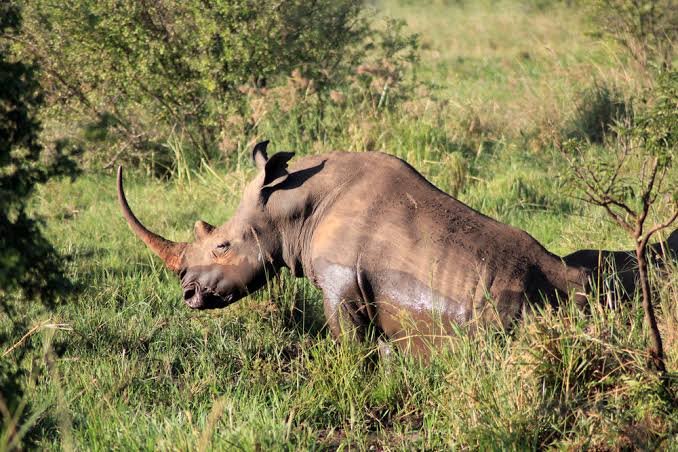
Kenya is home to the Big Five: lion, leopard, elephant, buffalo and rhinoceros. Travellers can search for these animals across several national parks and conservancies. The Masai Mara is particularly famous for its big cats, while Ol Pejeta Conservancy and Lake Nakuru offer important rhino-viewing opportunities. Amboseli is known for its large elephant herds.
Although wildlife sightings are never guaranteed, choosing complementary safari destinations improves the variety of animals and habitats visitors can experience.
Direct and Connecting Flights from the UK
British travellers can reach Kenya through international flights to Nairobi. Depending on airline schedules, visitors may choose direct flights from London Heathrow or connecting services through major international hubs.
Year-Round Safari Opportunities
Kenya offers rewarding wildlife experiences throughout the year. The dry seasons generally provide excellent game viewing, while the greener months offer attractive landscapes, birdwatching and opportunities to see young animals.
Flexible Safari Packages
Visitors can choose private safaris, small-group departures, family holidays, honeymoon experiences, luxury fly-in safaris and combined Kenya safari and beach holidays.
English-Speaking Safari Guides
English is an official language in Kenya and is widely used in tourism. British visitors can comfortably communicate with professional driver-guides, hotel staff and safari operators.
Best National Parks to Visit on a Kenya Safari Trip from UK
Kenya has more than 20 national parks and numerous national reserves and conservancies. Choosing the right destinations depends on the number of days available, travel interests, season and budget.
1. Masai Mara National Reserve – Best for the Great Migration and Big Cats
The Masai Mara National Reserve is Kenya’s most famous wildlife destination and a leading attraction for British tourists planning an African safari. Located in southwestern Kenya, the reserve is celebrated for its extensive grasslands, large populations of predators and seasonal wildebeest migration.
The Masai Mara is particularly rewarding for travellers hoping to see lions, cheetahs, leopards, elephants, buffaloes, giraffes, zebras and numerous antelope species. Its open landscape makes wildlife viewing and photography especially enjoyable.
Between approximately July and October, migrating wildebeest and zebras may move into the Mara from Tanzania’s Serengeti. Visitors sometimes witness dramatic river crossings, where large herds attempt to cross rivers occupied by crocodiles. However, these crossings are unpredictable and cannot be guaranteed on a particular day.
A typical Masai Mara safari from the UK should include at least two or three nights, allowing enough time for several game drives and different wildlife experiences. Travellers interested in the Great Migration should consider three or four nights for greater flexibility.
Accommodation options range from affordable safari camps to comfortable mid-range lodges and exclusive luxury tented camps. Popular choices include Mara Serena Safari Lodge, Sarova Mara Game Camp, Ashnil Mara Camp, Zebra Plains Mara Camp and several camps in surrounding conservancies.
2. Amboseli National Park – Best for Elephants and Mount Kilimanjaro Views
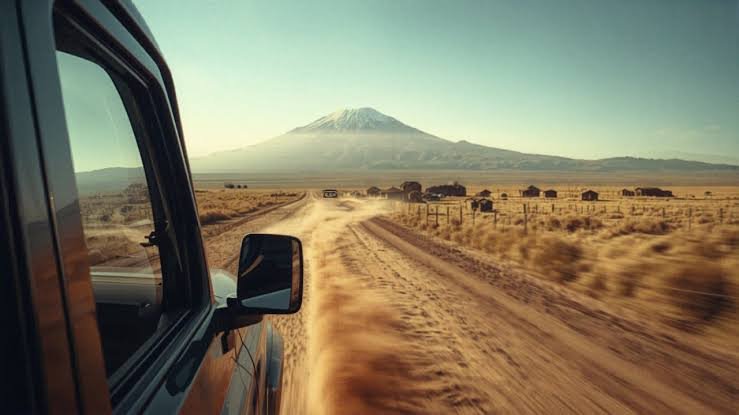
Amboseli National Park is one of Kenya’s most photographed wildlife destinations. The park is famous for its large elephant herds and spectacular views of Mount Kilimanjaro, Africa’s highest mountain, which stands across the border in Tanzania.
Amboseli offers an excellent safari experience for British travellers who want to observe elephants in their natural environment. Visitors can watch elephants feeding in wetlands, walking across open plains and interacting within family groups.
Other animals found in Amboseli include lions, buffaloes, zebras, giraffes, wildebeest, hyenas and numerous bird species. The park’s varied habitats include seasonal lakebeds, marshes, grasslands and acacia woodland.
Morning game drives are particularly rewarding because Mount Kilimanjaro is often more visible before clouds develop around the mountain.
Most Kenya safari itineraries include two nights in Amboseli. Accommodation options include Ol Tukai Lodge, Amboseli Serena Safari Lodge, Kibo Safari Camp, Tulia Amboseli Safari Camp and Amboseli Sopa Lodge.
3. Lake Nakuru National Park – Best for Rhinos and Birdwatching
Situated in Kenya’s Great Rift Valley, Lake Nakuru National Park is a popular destination for travellers who want to see rhinoceroses and explore one of Kenya’s beautiful freshwater and alkaline lake landscapes.
The park supports both black and white rhinos, making it an important destination for conservation-focused wildlife safaris. Visitors may also encounter buffaloes, giraffes, zebras, baboons, waterbucks and various predators.
Lake Nakuru is historically famous for its flamingos, although their numbers change with water conditions, food availability and seasonal movements. Birdwatchers can also observe pelicans, fish eagles, herons and other waterbirds.
The park can be visited as part of a road safari between Nairobi and the Masai Mara. One night is generally suitable, although two nights allow more time for wildlife viewing.
Accommodation includes Sarova Lion Hill Game Lodge, Lake Nakuru Lodge and The Cliff.
4. Samburu National Reserve – Best for Unique Northern Kenya Wildlife
Samburu National Reserve offers a different safari experience from the grasslands of southern Kenya. Located in the country’s northern region, Samburu features dry landscapes, rocky hills, acacia woodland and the Ewaso Ng’iro River.
The reserve is especially famous for the Samburu Special Five, a group of distinctive animals associated with northern Kenya: Grevy’s zebra, reticulated giraffe, gerenuk, Beisa oryx and Somali ostrich.
Visitors may also see elephants, lions, leopards, crocodiles and numerous bird species. The river provides an important source of water and attracts wildlife, particularly during dry periods.
Samburu is suitable for repeat safari visitors, photographers and British travellers interested in exploring less familiar wildlife destinations.
Two or three nights are recommended. Accommodation options include Samburu Intrepids, Ashnil Samburu Camp, Elephant Bedroom Camp and Sarova Shaba Game Lodge in nearby Shaba National Reserve.
5. Tsavo East and Tsavo West National Parks – Best for Wilderness and Safari-Beach Combinations
Tsavo East National Park and Tsavo West National Park form one of Kenya’s largest protected wildlife landscapes.
Tsavo East is famous for its wide-open spaces, red-earth landscapes and elephants that often appear reddish after dust bathing. The park is also home to lions, buffaloes, giraffes, zebras and numerous antelope species.
Tsavo West features a more varied landscape, including volcanic hills, rocky terrain, woodland and natural springs. Mzima Springs is among its best-known attractions, with clear pools that support hippos and crocodiles.
These parks are particularly suitable for British travellers planning a Kenya safari and beach holiday because they can be combined with coastal destinations such as Mombasa, Watamu and Diani Beach.
Popular accommodation includes Ashnil Aruba Lodge, Satao Camp, Salt Lick Safari Lodge in Taita Hills Wildlife Sanctuary and Kilaguni Serena Safari Lodge.
Best Time to Visit Kenya for a Safari from the UK
Kenya is a year-round safari destination, but the best travel period depends on the type of wildlife experience you want. Weather conditions, accommodation prices, school holidays and wildlife movements all influence the ideal time to visit.
Seasonal safari planning guide
Illustrative wildlife-viewing suitability by month, not measured wildlife data. Scores are relative planning guidance.
Planning illustration only. Weather and wildlife movements vary from year to year.
January to March – Excellent for Wildlife and Photography
January, February and early March are often good months for Kenya safaris. Many areas experience relatively dry conditions, making it easier to observe animals around water sources and open landscapes.
These months are particularly suitable for visiting Amboseli, Samburu, Lake Nakuru and the Masai Mara. Photographers may enjoy clear morning skies, warm weather and opportunities to see young wildlife.
April to May – Green Season and Potential Savings
April and May generally fall within Kenya’s main rainy season. Rainfall can be heavy, especially in some highland and western areas, and certain roads may become muddy or difficult to use.
However, the countryside becomes green and beautiful, with excellent conditions for landscape photography and birdwatching. Some lodges offer reduced rates during this period, although others may temporarily close.
June to October – Popular for Dry-Season Safaris and Migration
June through October is one of the most popular periods for Kenya safari holidays from the UK. Dry conditions often make wildlife easier to spot, while July to October is the main period associated with migration viewing in the Masai Mara.
August and September are particularly popular among British families because they coincide with the UK summer school holidays. As a result, accommodation prices can be higher, and popular safari camps may sell out months in advance.
For travellers planning a Great Migration safari, booking early is recommended.
November to December – Green Landscapes and Festive Safaris
November often brings short rains to parts of Kenya, although rainfall patterns vary. December is popular for Christmas and New Year safari holidays, with families and couples combining wildlife experiences with beach relaxation.
Wildlife remains present throughout the year, making these months suitable for visitors who cannot travel during the main dry season.
How Much Does a Kenya Safari Trip from the UK Cost?
The cost of a Kenya safari holiday depends on travel dates, accommodation category, safari duration, number of travellers, transport arrangements and included activities.
British travellers should also consider international flights, travel insurance, entry authorisation, gratuities and personal expenses.
The following are indicative planning ranges rather than live package quotations. They assume two adults sharing accommodation, with safari transport, meals as specified, accommodation and standard scheduled game drives included. International flights are excluded.
| Safari package | Indicative price per person |
|---|---|
| 3–4 day budget Masai Mara safari | £350–£750 |
| 5–6 day mid-range Kenya safari | £900–£1,700 |
| 7–8 day mid-range Kenya safari | £1,500–£2,600 |
| 10-day mid-range Kenya safari | £2,000–£3,500 |
| 7–10 day luxury Kenya safari | £3,500–£7,500+ |
| 12–14 day safari and beach holiday | £2,700–£5,500+ |
Prices are approximate and may change significantly during the migration season, Christmas holidays and other busy periods. Private safari prices also depend on how many travellers share the vehicle.
The Kenya Wildlife Service explains that safari costs vary with itinerary length, accommodation standard, park fees and activities. Park entry fees are an important part of the total package price and should be clearly identified in quotations.
What Affects the Price of a Kenya Safari?
Accommodation category: Budget camps, mid-range lodges and luxury tented camps have different nightly rates. Properties inside protected areas or private conservancies may also charge additional fees.
Season of travel: July to October is generally more expensive in popular migration areas because demand is high.
Private or group safari: Group-joining safaris distribute transport costs among several travellers, while private safaris provide exclusive use of a vehicle and greater itinerary flexibility.
Transport type: Road safaris usually cost less than fly-in safaris, although domestic flights can save valuable travel time.
Park entrance fees: National park and reserve charges can make a significant difference to the total price, especially on longer itineraries.
Optional activities: Hot-air balloon safaris, guided walking experiences, private conservancy activities and cultural visits may increase the total holiday cost.
Flights from the UK to Kenya
Most international visitors arriving from the United Kingdom enter Kenya through Jomo Kenyatta International Airport (NBO) in Nairobi.
London Heathrow is a key departure airport for Kenya-bound travellers. Depending on current schedules, passengers may find direct services to Nairobi or connecting flights through cities such as Doha, Dubai, Istanbul and Addis Ababa.
Travellers departing from Manchester, Birmingham, Edinburgh or Glasgow may need to connect through London or another international hub.
A direct flight from London to Nairobi generally takes around nine hours, while connecting journeys often take 12–18 hours or longer, depending on the route and connection time.
Return economy flights can vary considerably in price. As a broad planning allowance, travellers might budget approximately £500–£1,100 per person, with higher fares possible during peak school holidays and for late bookings. These figures are not verified current airfares.
British travellers should compare baggage allowances, connection times, arrival hours and ticket conditions before booking. For a safari beginning on the day of arrival, morning flights can be convenient, but visitors should allow time for immigration, baggage collection and potential delays.
For travellers arriving late in the evening, an overnight stay in Nairobi is often the most comfortable option.
Recommended 7-Day Kenya Safari Itinerary from the UK
A seven-day Kenya safari is an excellent choice for British travellers who want to experience the country’s leading wildlife destinations without spending too much time on the road. This itinerary combines Amboseli National Park, Lake Naivasha, Lake Nakuru and the Masai Mara National Reserve.
7 Days Kenya Wildlife Safari
Nairobi → Amboseli → Naivasha → Nakuru → Masai Mara → Nairobi
Day 1: Arrival in Nairobi and Transfer to Amboseli National Park
Upon arrival at Jomo Kenyatta International Airport, your safari driver-guide will welcome you and provide a short briefing about your Kenya safari holiday. You will then depart Nairobi and travel south towards Amboseli National Park.
The journey normally takes approximately four to five hours, depending on road conditions, traffic and stops along the way.
After arriving at your safari lodge, enjoy lunch and some time to relax before an afternoon game drive, if your arrival time allows.
Amboseli is famous for its elephants and beautiful views of Mount Kilimanjaro. During your game drive, you may encounter elephants, buffaloes, zebras, giraffes and various bird species.
Dinner and overnight at Ol Tukai Lodge, Amboseli Serena Safari Lodge or a comparable mid-range property.
Day 2: Full-Day Safari in Amboseli National Park
After breakfast, spend the day exploring Amboseli National Park. Early morning is an excellent time to photograph elephants against Mount Kilimanjaro, particularly when the mountain is visible.
Your guide will explore different wildlife habitats, including grasslands, wetlands and open plains. Amboseli’s marshes attract many animals, making them rewarding locations for wildlife viewing.
You may also visit Observation Hill, which provides panoramic views across the park and surrounding landscape.
Lunch can be enjoyed at your lodge or as a packed picnic during an extended game drive. Continue exploring the park in the afternoon before returning for dinner and overnight accommodation.
Day 3: Amboseli to Lake Naivasha
Enjoy breakfast before departing Amboseli for Lake Naivasha in the Great Rift Valley.
This is a long road journey, generally requiring approximately six to eight hours or more, depending on traffic and stops.
Upon arrival, check in at your lodge and enjoy views of the surrounding lake environment.
Depending on your arrival time, you may take an optional boat ride on Lake Naivasha to observe hippos and birdlife. A guided visit to Crescent Island is another possible activity, subject to timing and additional fees.
Dinner and overnight at Lake Naivasha Sopa Resort, Sawela Lodges or a similar property.
Day 4: Lake Naivasha to Lake Nakuru National Park
After breakfast, depart for Lake Nakuru National Park, approximately two hours away, depending on the starting point and traffic.
Upon entering the park, begin a game drive through its diverse habitats. Lake Nakuru is particularly well known for its rhinos, making it an important stop for travellers hoping to see the Big Five during their Kenya safari.
You may also encounter buffaloes, Rothschild’s giraffes, zebras, waterbucks and numerous bird species.
Enjoy lunch at your lodge before continuing with an afternoon game drive. Dinner and overnight at Lake Nakuru Lodge, Sarova Lion Hill Game Lodge or a comparable property.
Day 5: Lake Nakuru to Masai Mara National Reserve
After breakfast, depart for the Masai Mara National Reserve, travelling through the beautiful landscapes of Kenya’s Rift Valley.
The journey generally takes around five to six hours, depending on road conditions and the location of your safari camp.
Arrive in time for lunch, if possible, and enjoy a short rest before heading out for an afternoon game drive.
The Masai Mara offers excellent opportunities to see lions, elephants, buffaloes, cheetahs, giraffes and other wildlife.
During the migration season, large herds of wildebeest and zebras may be present across the reserve.
Dinner and overnight at Sarova Mara Game Camp, Ashnil Mara Camp, Zebra Plains Mara Camp or a similar property.
Day 6: Full-Day Masai Mara Safari Experience
Spend a full day exploring the Masai Mara National Reserve, one of Africa’s most famous wildlife destinations.
After an early breakfast, depart with your driver-guide for an extended game drive. The reserve’s grasslands provide excellent opportunities to observe predators, herbivores and birdlife.
During July to October, your guide may explore areas where migrating wildebeest and zebras are active, depending on current wildlife movements.
A picnic lunch allows you to spend more time in the reserve without returning to camp during the middle of the day.
Travellers may also choose an optional early morning hot-air balloon safari, which provides a unique aerial perspective of the landscape. Balloon flights require advance booking and are charged separately.
Return to your camp for dinner and overnight accommodation.
Day 7: Masai Mara to Nairobi and Departure
After breakfast, check out and begin the return journey to Nairobi. The drive normally takes approximately five to six hours, although traffic and road conditions may extend the journey.
Depending on your international flight departure time, you may enjoy lunch in Nairobi or arrange a short city excursion.
Your driver-guide will transfer you to Jomo Kenyatta International Airport for your return flight to the United Kingdom.
For greater comfort, travellers with early flights or tight connections should consider an additional night in Nairobi.
Best Kenya Safari Packages from the UK
Different safari packages are available depending on holiday duration, budget and travel interests.
| Safari package | Duration | Ideal for |
|---|---|---|
| Masai Mara Wildlife Safari | 3–4 days | Short wildlife holidays |
| Amboseli and Masai Mara Safari | 5–6 days | Elephants and big cats |
| Kenya Big Five Safari | 7 days | First-time safari visitors |
| Kenya Classic Wildlife Safari | 8–10 days | Families and couples |
| Kenya Great Migration Safari | 7–10 days | July–October travellers |
| Kenya Safari and Diani Beach | 10–14 days | Wildlife and relaxation |
| Luxury Kenya Fly-in Safari | 7–12 days | Premium safari holidays |
Kenya Safari and Beach Holidays from the UK

One of the best ways to experience Kenya is by combining a wildlife safari with a beach holiday along the Indian Ocean.
British visitors can begin their holiday with several days exploring the Masai Mara, Amboseli or Tsavo National Parks before travelling to the coast.
Diani Beach
Diani Beach is one of Kenya’s most popular beach destinations, known for its white sands, palm trees, warm waters and wide selection of resorts.
It is especially suitable for honeymooners, couples and families looking for relaxation after a busy safari.
Watamu Beach
Watamu is famous for its beautiful beaches, coral reefs and marine activities. Visitors can enjoy snorkelling, boat excursions and relaxing stays at beachfront resorts.
Mombasa
Mombasa offers beach accommodation alongside historical and cultural attractions. Visitors can explore Fort Jesus, Old Town and the surrounding coastal areas.
A popular Kenya safari and beach holiday lasts approximately 10–14 days, combining five to seven days on safari with four to six nights at the coast.
Kenya Entry Requirements for British Citizens
British passport holders planning a Kenya safari must check the country’s entry requirements before departure.
Passport Requirements
For ordinary British citizen passports, UK government guidance states that visitors need a passport valid for at least six months after arrival in Kenya, with at least two blank pages.
Kenya Electronic Travel Authorisation (eTA)
Most British tourists must obtain an approved Kenya Electronic Travel Authorisation before travelling. Applications are completed online through Kenya’s official immigration system.
The Kenyan authorities recommend applying at least two weeks before departure, even though normal processing may be faster.
Travellers should prepare their passport, photograph, travel itinerary, accommodation details and payment information. An approved eTA permits travel to Kenya but does not guarantee admission at the border
Vaccinations and Health Precautions
Travellers should seek professional travel-health advice before visiting Kenya. Recommended vaccinations and malaria prevention measures depend on personal health circumstances, destinations and the planned activities.
A yellow fever vaccination certificate may be required when arriving from a country classified as having a risk of yellow fever transmission. Travellers arriving directly from the UK generally do not need this certificate solely because they are entering Kenya, but connecting routes and previous travel can affect requirements.
Travel Insurance and Safety
Comprehensive travel insurance is strongly recommended. Travellers should check that their policy covers safari activities, medical treatment, emergency evacuation, flight disruption and any additional activities planned during their holiday.
The UK’s Foreign, Commonwealth & Development Office advises against travel to certain parts of Kenya. Visitors should review the latest regional guidance and ensure their itinerary and insurance comply with relevant travel advisories.
What to Pack for a Kenya Safari from the UK
Packing appropriately helps British travellers remain comfortable throughout their African safari.
- Lightweight, breathable clothing in neutral colours such as khaki, beige, brown and olive green.
- A warm jacket or fleece for early morning and evening game drives.
- Comfortable walking shoes and sandals.
- A wide-brimmed hat, sunglasses and sunscreen.
- Binoculars and a camera with spare batteries or memory cards.
- Insect repellent and personal medication.
- A reusable water bottle and small daypack.
- Passport, approved eTA, travel insurance documents and booking confirmations.
- UK-compatible travel electronics with an appropriate adapter where necessary.
Kenya uses Type G electrical sockets, the same general plug type used in the United Kingdom, although travellers should still check their devices’ voltage compatibility.
For domestic safari flights, baggage allowances can be more restrictive than international flights, and soft-sided bags may be required.
Private Kenya Safari vs Group-Joining Safari from the UK
British travellers can choose between private and group-joining safari packages.
A private Kenya safari provides exclusive use of a safari vehicle and the services of a dedicated driver-guide. This option offers flexibility in departure times, wildlife viewing, photography stops and accommodation choices.
Private safaris are particularly suitable for families, honeymooners, photographers and travellers with specific interests.
Group-joining safaris are generally more affordable because transport and guiding costs are shared among several guests. They are popular among solo travellers, couples and visitors seeking budget-friendly safari holidays.
However, group safaris operate according to fixed schedules, and accommodation choices may be limited.
For travellers seeking greater comfort and flexibility, a private safari in a 4×4 Land Cruiser is often a worthwhile option.
Kenya Safari Trip from UK: Frequently Asked Questions
1. How much does a Kenya safari trip from the UK cost?
A seven-day mid-range Kenya safari may cost approximately £1,500–£2,600 per person sharing, excluding international flights. Luxury safaris can cost considerably more, particularly during the Great Migration season.
2. What is the best month to visit Kenya from the UK?
July, August, September and October are popular months for wildlife safaris, especially for travellers interested in the Great Migration. January and February are also excellent months for general wildlife viewing.
3. How long is the flight from London to Kenya?
A direct flight from London Heathrow to Nairobi generally takes around nine hours. Connecting flights may take 12–18 hours or longer, depending on the route.
4. Do British citizens need a visa for Kenya?
British tourists generally need an approved electronic travel authorisation rather than a traditional tourist visa. Travellers should apply before departure and check current entry rules.
5. Is Kenya safe for British tourists?
Kenya has an established safari tourism industry, but visitors should take normal travel precautions and follow current UK government advice. Some regions are subject to specific travel warnings. Reputable operators can help plan routes and accommodation appropriately.
6. Can I see the Big Five on a Kenya safari?
Yes. Kenya is home to lions, leopards, elephants, buffaloes and rhinos. Combining destinations such as the Masai Mara, Lake Nakuru and Ol Pejeta can improve the opportunity to see all five, although sightings are not guaranteed.
7. How many days do I need for a Kenya safari?
Seven to ten days is a good duration for a first-time Kenya safari. Travellers combining wildlife viewing with a beach holiday may prefer 10–14 days.
8. Can I book a Kenya safari from Manchester or Birmingham?
Yes. Travellers from Manchester, Birmingham, Edinburgh, Glasgow and other UK cities can arrange Kenya safari packages and travel to Nairobi using suitable international flight connections.
9. Is Kenya suitable for a family safari from the UK?
Yes. Kenya offers family-friendly safari lodges, private game drives and wildlife experiences suitable for children. Families should choose age-appropriate activities and check any lodge or conservancy age restrictions before booking.
10. Can I combine Kenya and Tanzania in one safari?
Yes. A combined Kenya and Tanzania safari can include the Masai Mara, Serengeti, Ngorongoro Crater and other destinations. Most combined safaris require approximately 10–14 days for a comfortable itinerary.
Why Book Your Kenya Safari Trip with Ravina Tours and Travels?
Planning a Kenya Safari Trip from UK becomes easier when working with a Kenya-based tour operator who understands local wildlife destinations, travel routes, accommodation options and seasonal safari conditions.
Ravina Tours and Travels Ltd offers customised Kenya safari itineraries designed around different travel interests, budgets and holiday durations. Travellers can explore options for private wildlife safaris, luxury holidays, mid-range adventures, family safaris, honeymoon trips and combined Kenya–Tanzania experiences.
A well-planned safari should consider realistic driving times, suitable accommodation locations, seasonal wildlife movements and transparent pricing. Travellers should receive a clear itinerary explaining what is included, which activities are optional and which expenses must be paid separately.
Whether you are travelling from London, Manchester, Birmingham, Edinburgh or elsewhere in the UK, a personalised Kenya safari package can help you experience the country’s remarkable wildlife and landscapes at a comfortable pace.
Conclusion: Plan Your Kenya Safari Holiday from the UK
A Kenya Safari Trip from UK is an excellent choice for travellers seeking an authentic African wildlife experience. From the wildlife-rich plains of the Masai Mara to the elephant herds of Amboseli, the rhino sanctuaries of Lake Nakuru and the beautiful beaches of the Kenyan coast, Kenya offers extraordinary holiday experiences.
The best safari itinerary depends on your budget, travel dates, preferred accommodation and wildlife interests. For first-time visitors, a seven- to ten-day safari provides a rewarding introduction to Kenya’s national parks and reserves. Travellers with more time can extend their holiday to include Tanzania or the Indian Ocean coast.
By booking early, selecting suitable travel dates and working with a knowledgeable local safari operator, British travellers can enjoy a well-organised and memorable Kenya safari holiday.
Start planning your Kenya safari trip from the UK with Ravina Tours and Travels and discover the beauty of Africa’s wildlife, landscapes and cultures.