Landscapes in Kenya
Kenya is a land of extraordinary contrasts, where every horizon reveals a new story written by nature. From the endless golden plains of the Maasai Mara, where wildlife moves freely beneath endless skies, to the dramatic cliffs and ancient formations of the Great Rift Valley, Kenya’s landscapes showcase the incredible diversity of Africa’s wilderness. Towering mountains, mist-covered forests, shimmering lakes, volcanic landscapes, and the turquoise shores of the Indian Ocean create a breathtaking mosaic of natural wonders.
The Maasai Mara – Endless Savannah Plains
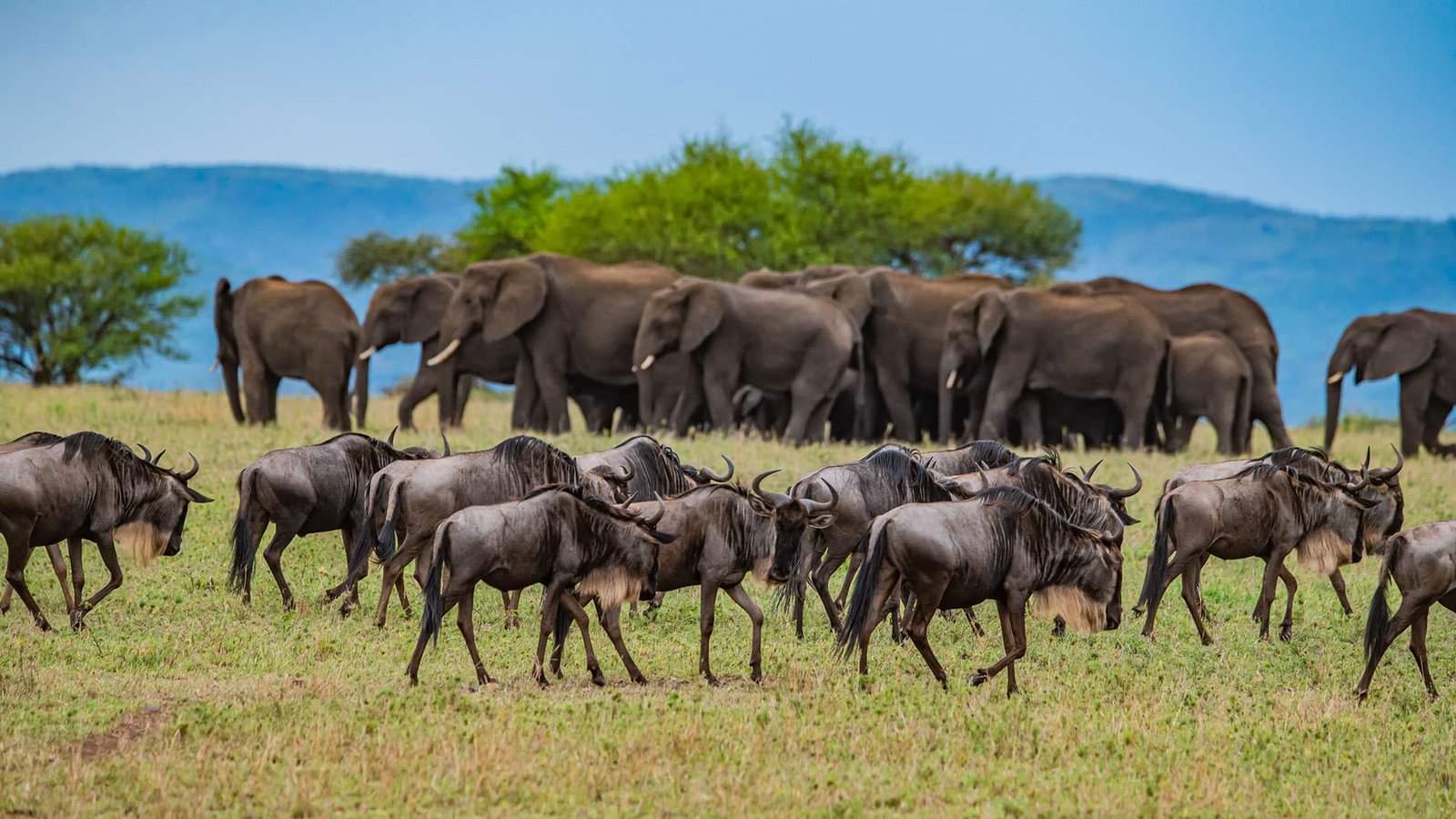
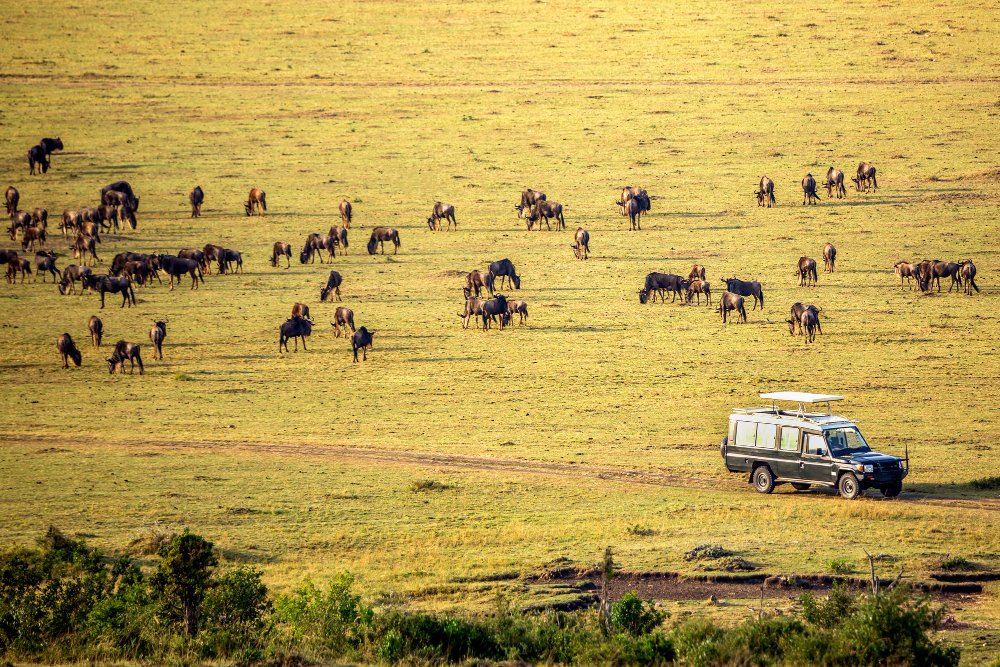
The Maasai Mara is one of Kenya’s most celebrated landscapes and a symbol of Africa’s wild beauty. Located in the southwestern part of the country, this vast wilderness is characterized by rolling golden grasslands, open horizons, and scattered acacia trees that create the perfect setting for unforgettable safari experiences. The landscape stretches endlessly, allowing visitors to witness nature unfolding across one of the world’s most famous wildlife destinations.
The Mara’s rich ecosystem supports an incredible variety of animals, including lions, elephants, cheetahs, leopards, giraffes, buffaloes, and large herds of zebras and wildebeest. The open plains make wildlife viewing exceptional, offering clear views of animals moving, grazing, and interacting in their natural environment. During the Great Migration, the landscape transforms into a spectacular stage as millions of wildebeest and zebras journey across the plains in search of fresh grazing areas.
Beyond its wildlife, the Maasai Mara offers breathtaking scenery throughout the year. Sunrise paints the savannah in warm golden colors, while evening sunsets create dramatic views across the horizon. Visitors can enjoy game drives, guided nature experiences, cultural encounters with local communities, and unforgettable photography opportunities.
The landscape of the Maasai Mara represents the true spirit of Kenya’s wilderness, where wildlife, nature, and culture exist together in remarkable harmony. It remains a must-visit destination for travelers seeking an authentic African safari experience filled with adventure, beauty, and unforgettable moments.
The Great Rift Valley – A Land of Dramatic Beauty
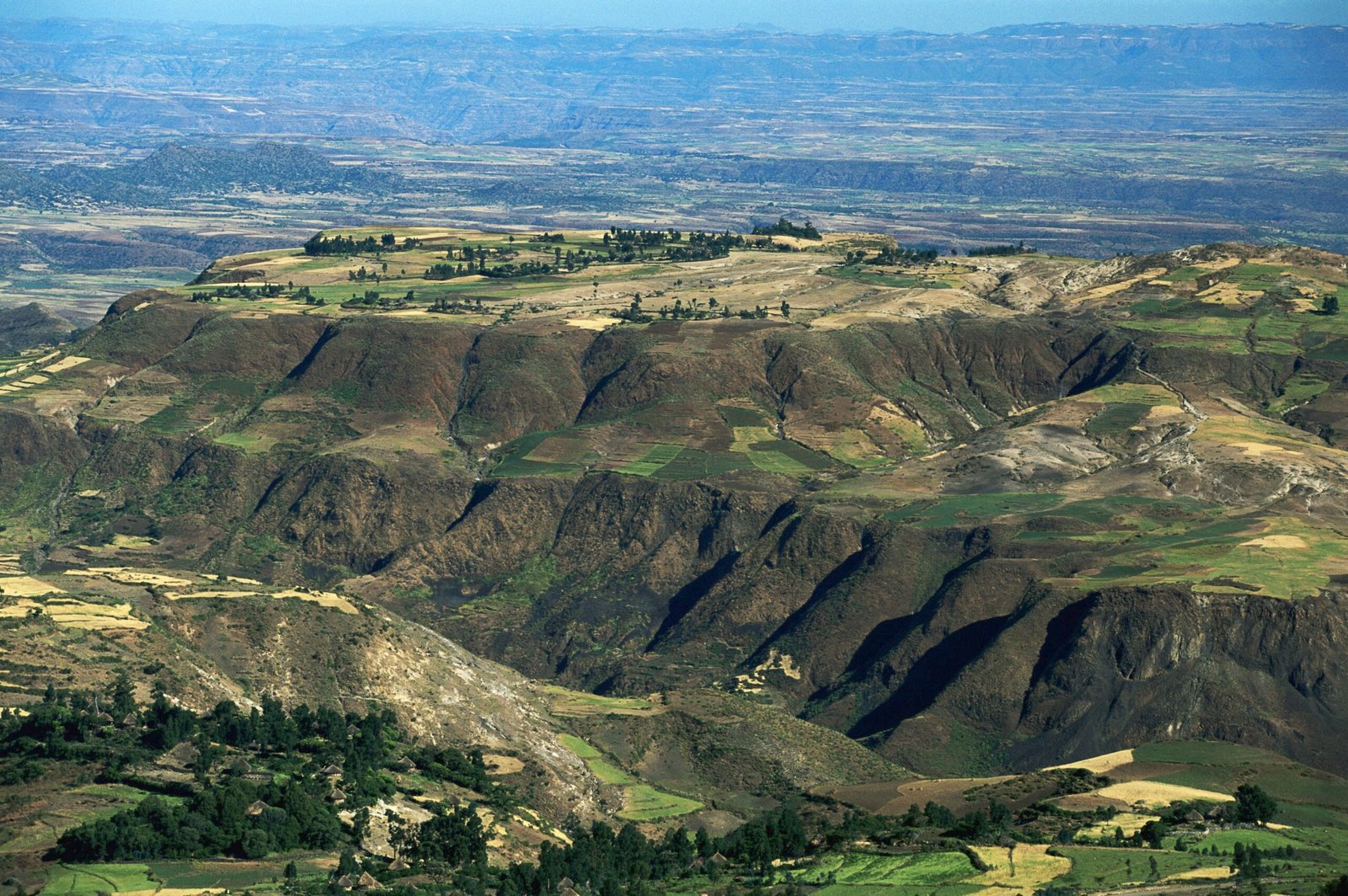
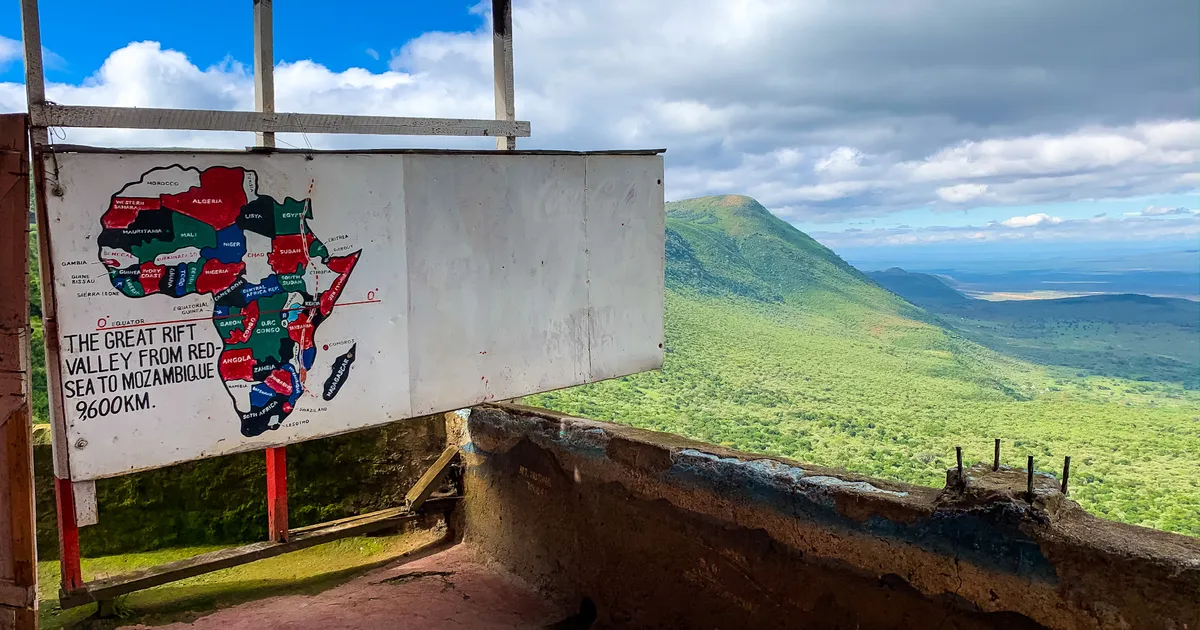
The Great Rift Valley is one of Kenya’s most extraordinary natural landscapes, shaped over millions of years by powerful geological forces. Stretching through the country, this dramatic region is defined by towering escarpments, volcanic mountains, fertile valleys, and beautiful lakes surrounded by breathtaking scenery. The combination of rugged terrain and diverse ecosystems makes the Rift Valley one of Kenya’s most fascinating destinations for exploration and adventure.
The landscape is home to some of Kenya’s most impressive natural attractions, including Lake Nakuru, Lake Naivasha, Lake Bogoria, and Lake Elementaita. These lakes provide important habitats for thousands of birds, including flamingos, pelicans, and eagles, while surrounding forests and grasslands support wildlife such as giraffes, zebras, rhinos, and other species. The region’s volcanic history has also created unique features such as craters, hot springs, and dramatic viewpoints overlooking the valley below.
Visitors can explore scenic viewpoints, enjoy wildlife safaris, hike through volcanic landscapes, and discover communities that have lived within this remarkable environment for generations. The changing colors of the valley, from green landscapes after the rains to golden grasslands during dry seasons, create a constantly evolving natural masterpiece.
The Great Rift Valley showcases Kenya’s incredible geological diversity and offers travelers a deeper appreciation of the forces that shaped the landscapes, ecosystems, and cultures found throughout this extraordinary region.
Amboseli – Views of Mount Kilimanjaro
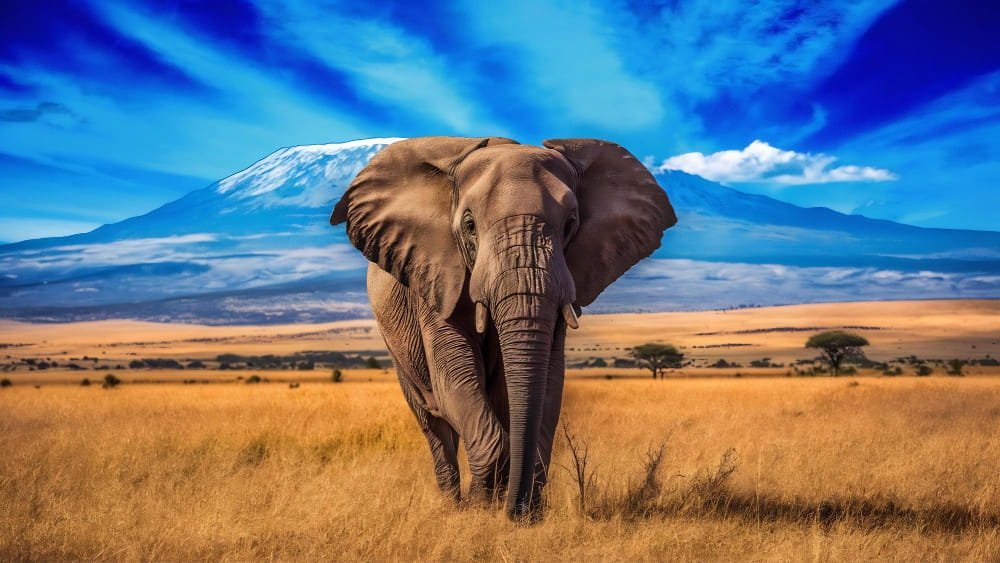
Amboseli is one of Kenya’s most visually stunning landscapes, famous for its breathtaking views of Mount Kilimanjaro rising dramatically above the surrounding plains. Located near Kenya’s southern border with Tanzania, this iconic destination combines wide-open savannah, seasonal wetlands, dusty plains, and breathtaking mountain scenery to create one of Africa’s most recognizable landscapes.
The presence of Mount Kilimanjaro provides a spectacular backdrop for wildlife viewing, especially during early mornings and evenings when the mountain often appears clearly above the clouds. This remarkable setting has made Amboseli one of the most photographed safari destinations in the world. Visitors can capture unforgettable scenes of elephants walking across open plains with the snow-capped mountain towering in the distance.
Amboseli is particularly famous for its large elephant populations, which are among the most studied in Africa. The park’s varied habitats also support lions, cheetahs, giraffes, zebras, buffaloes, and numerous bird species. The seasonal wetlands provide essential water sources, attracting wildlife throughout the year and creating excellent opportunities for observation and photography.
Beyond its natural beauty, Amboseli offers meaningful cultural experiences with local communities who have maintained strong connections with the land and wildlife. Visitors can learn about traditional lifestyles, conservation efforts, and the importance of protecting this unique ecosystem.
With its unforgettable combination of wildlife, open landscapes, and mountain views, Amboseli represents one of Kenya’s most iconic natural treasures and a destination where every moment feels truly extraordinary.
Create Kenya Safari Tours & Tanzania Safaris You've Always Imagined
Begin Your Safari Journey Today
Let's Turn Your Dream African Safari Into Reality

Let's Plan Your Kenya Safari Tours & Tanzania Safaris!
Let our experienced safari specialists guide your journey.
USA: +254 72210-3340 other countries