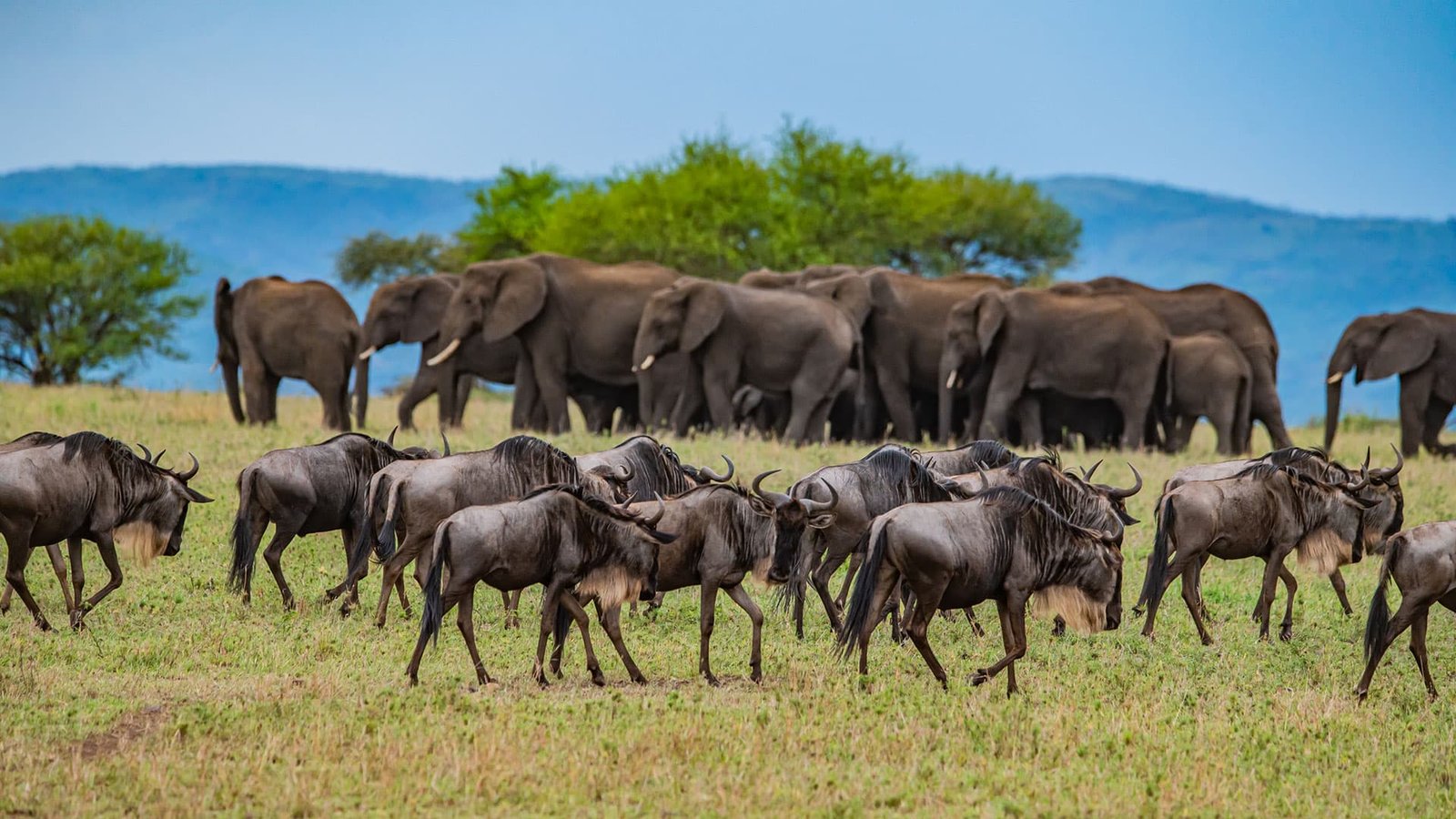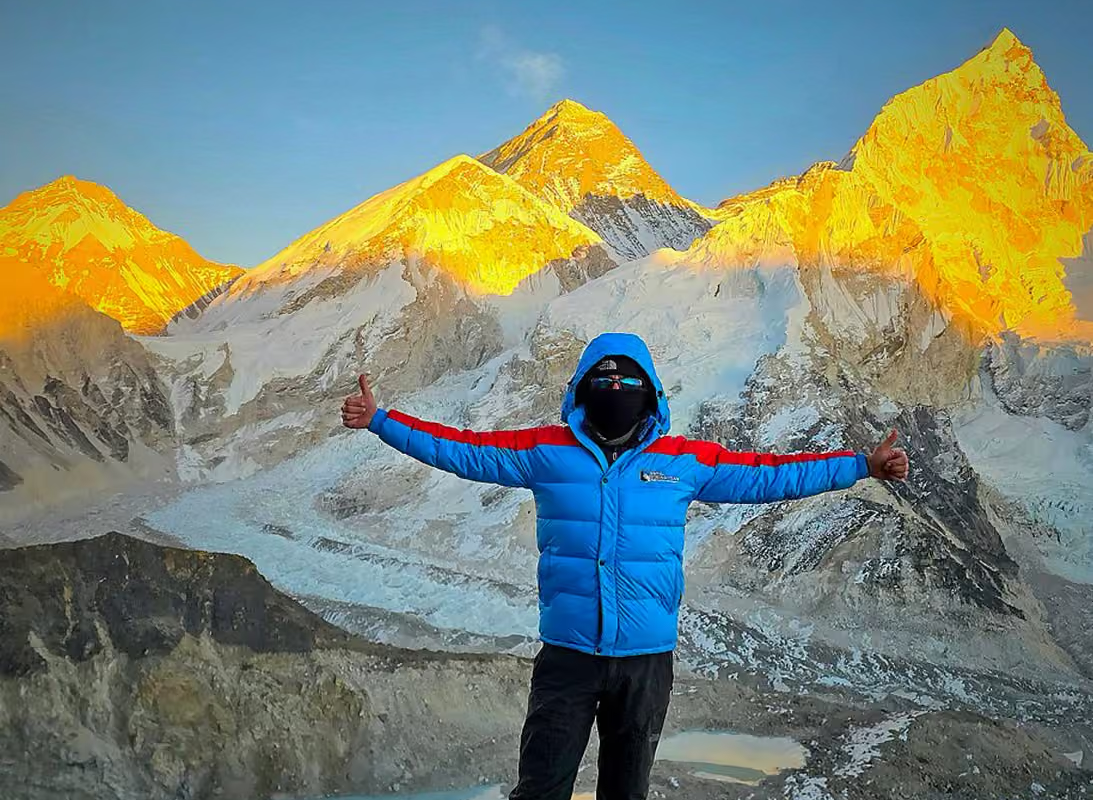

Two mountain trips come up again and again when people start dreaming about high-altitude travel: climbing Mount Kilimanjaro in Tanzania and trekking to Everest Base Camp in Nepal. Both climb past 5,000 meters. Both ask you to cope with thin air as well as sore legs. And yet they feel nothing alike. Kilimanjaro is about standing on the roof of Africa. The Everest Base Camp trek is more about the walk itself, through Himalayan villages, old monasteries and mountains so huge they hardly look real.
So which one is right for you? It comes down to your fitness, how many days you can spare, the kind of travel you enjoy, and what you actually want out of the trip.
Kilimanjaro vs. Everest Base Camp: Key Differences
| Feature | Mount Kilimanjaro | Everest Base Camp |
| Location | Tanzania | Nepal |
| Maximum destination altitude | 5,895 m | 5,364 m |
| Main objective | Reach Uhuru Peak | Reach Everest Base Camp |
| Typical trekking duration | 5–9 days | 11–14 days |
| Accommodation | Camping or mountain huts | Himalayan teahouses |
| Main challenge | Demanding summit ascent | Consecutive days of high-altitude trekking |
| Best seasons | January–March, June–October | March–May, September–November |
| Cultural experience | Tanzanian mountain communities | Sherpa culture and Buddhist heritage |
On their standard routes, neither trip needs technical mountaineering skills. That said, you can’t just turn up and wing it. Both take real preparation, plenty of stamina and a sensible approach to acclimatization.
1. Trekking Experience: Summit Challenge vs. Himalayan Journey
Climbing Mount Kilimanjaro
Kilimanjaro shoots up out of the Tanzanian plains and tops out at 5,895 meters on Uhuru Peak.
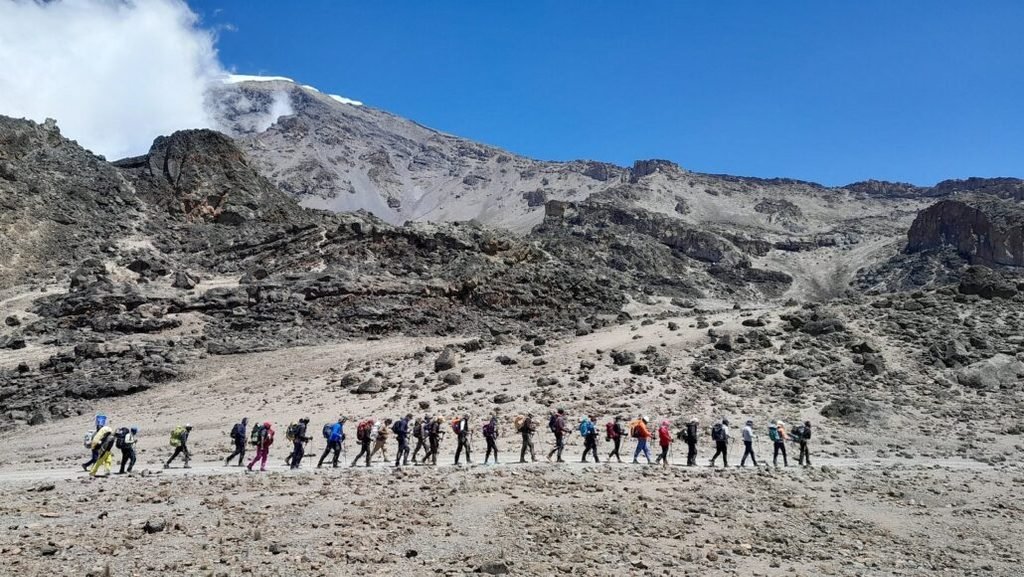
On the way up, you walk through rainforest, then moorland, then alpine desert, and finally bare volcanic ground. The popular routes are Machame, Lemosho, Marangu and the Northern Circuit.
Summit day is usually the hard part. Most trekkers set off around midnight, pushing up steep ground in freezing cold, and reach the top close to sunrise. For plenty of people, that moment is the payoff for years of wanting to do it.
Trekking to Everest Base Camp
The Everest Base Camp Trek is a longer story, set in Nepal’s Khumbu region.
The classic route starts in Lukla, then winds through Phakding, Namche Bazaar, Tengboche and Dingboche before arriving at base camp, roughly 5,364 meters up. You cross suspension bridges, pass Buddhist monasteries and walk through traditional Sherpa settlements, with big Himalayan views almost the whole way.
A lot of itineraries add Kala Patthar, a viewpoint well known for its wide look at Everest and the peaks around it.
Here’s the big difference from Kilimanjaro: you aren’t summiting anything. What you get is the Himalayas themselves, taken slowly, as you inch closer to the foot of Everest.
2. Which Is More Difficult?
The two trips are hard in different ways.
Kilimanjaro usually has the tougher summit day. Depending on the route and the conditions, climbers can be on their feet for 10–15 hours across the final ascent and the descent. Cold, steep slopes and little time to acclimatize on shorter itineraries all pile on top of that.
Everest Base Camp is more of a slow grind. You’ll typically walk four to seven hours a day, with a few longer days and some punishing climbs thrown in. The trail is uneven, with stone steps, rocky ground and big changes in elevation. And although base camp sits lower than Kilimanjaro’s summit, altitude is still something to take seriously.
The way I’d put it: Kilimanjaro tests whether you can push through one intense summit push, while Everest Base Camp tests your stamina over many days in a row.
3. Altitude and Acclimatization
On both trips, looking after your body at altitude matters a lot.
Kilimanjaro’s summit is about 531 meters higher than Everest Base Camp. Still, how fast you go up often counts for more than the top height you reach. Shorter Kilimanjaro itineraries leave little room to adjust, so a longer route with a sensible ascent schedule can cut down altitude-related risks.
Everest Base Camp itineraries normally build in rest days at Namche Bazaar and Dingboche. Those pauses let your body catch up before you head higher.
Altitude sickness can hit anyone, including experienced and very fit hikers. Don’t brush off a headache, nausea, dizziness or strange tiredness. If symptoms get worse, you may need to stop climbing or head back down.
Neither route promises smooth acclimatization. That’s why good guides and a willingness to change the plan on the day make such a difference.
4. Accommodation and Cultural Experiences
Where you sleep shapes how each trip feels.
Most Kilimanjaro routes mean camping, with a support crew handling tents, meals and gear. The exception is the Marangu Route, which uses shared mountain huts. Camping gives you a proper wilderness feel, though the cold nights and basic facilities can wear you down.
On the Everest Base Camp trek, you’ll mostly stay in locally run teahouses. Expect simple rooms, hot meals and a shared dining area. Things get more basic the higher you go, especially around Lobuche and Gorak Shep.
The cultural side is different too.
Kilimanjaro brings you into contact with Tanzanian mountain communities and the skill of the local climbing teams. Plenty of visitors pair the climb with a wildlife safari in the Serengeti or the Ngorongoro Conservation Area.
Everest Base Camp gives you a much longer stretch of Sherpa heritage, Buddhist monasteries, prayer flags and traditional Himalayan villages. If you care about culture as much as scenery, the Everest route is especially rewarding.
5. How Nepal Hiking Team Helps Travelers to Reach Everest Base Camp
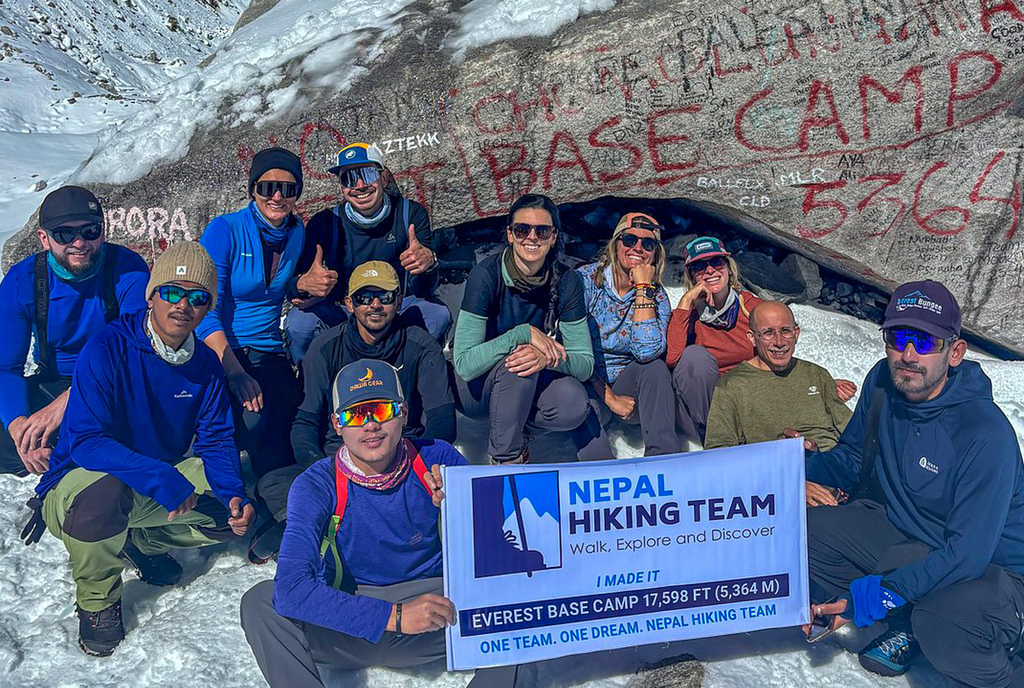
You can’t just wing it to Base Camp on Everest. It needs careful planning, guides who know their way, and a realistic picture of what it’s like to live at high altitude. Established in 2009, Nepal Hiking Team offers well organized itineraries and local support on the ground for international travelers trekking in the Himalayas.
Its Everest Base Camp Trek includes set acclimatization days in Namche Bazaar and Dingboche, so people can adjust as the elevation rises.
Local guides stay with the group the whole way, keeping an eye on everyone’s health and advising on changing mountain conditions. They carry first-aid supplies and pulse oximeters, and the company deals with permits, mountain lodging, meals, transport and porters. Small-group departures are capped at ten people, and private treks are available too.
The focus is on sensible pacing and good decisions, not pushing people onward whatever the weather or their health is doing.
No operator can guarantee that everyone reaches base camp. Still, proper acclimatization, experienced guides and reliable logistics can help you prepare and handle the challenges along the way.
6. Best Seasons and Travel Costs
Kilimanjaro is usually best climbed from January to early March, or from June through October, when drier weather is more likely.
Everest Base Camp is busiest in spring, March to May, and in autumn, September to November.
The weather in the mountains changes on both, so a flexible attitude helps.
Costs vary a lot depending on how long the itinerary is, which operator you pick, the group size and what’s included. Kilimanjaro packages generally cover park fees, guides, porters, meals and camping. Everest Base Camp packages commonly include permits, guides, porters, teahouse stays, meals and domestic transport.
Don’t choose the advertised price alone. Compare what each package actually includes, and look closely at acclimatization schedules, how experienced the staff are and what the emergency procedures look like.
7. Which Adventure Should You Choose?
Choose Kilimanjaro if you want:
- The achievement of summiting Africa’s highest mountain.
- A shorter adventure with an intense summit challenge.
- Camping beneath African skies.
- The chance to combine climbing with a Tanzanian safari.
Choose Everest Base Camp if you prefer:
- A longer journey through spectacular Himalayan landscapes.
- Traditional villages and Sherpa cultural experiences.
- Teahouse accommodation rather than camping.
- Trekking beneath Everest and other enormous Himalayan peaks.
Both are doable for beginners who prepare properly, but neither is a walk in the park.
Final Thoughts
Kilimanjaro and Everest Base Camp are two excellent ways to meet the world’s great mountains.
Kilimanjaro rewards you with a summit and Africa’s striking volcanic scenery. Everest Base Camp is a longer, culture-rich journey beneath the highest mountain on Earth.
Neither one is better across the board.
Pick the trip that fits your goals, your fitness, your interests and the time you have. With good preparation and respect for the mountain, either one can turn into the trip you remember for the rest of your life.
Frequently Asked Questions
Is Kilimanjaro harder than Everest Base Camp?
Kilimanjaro usually has the harder summit day, while Everest Base Camp asks for more endurance over consecutive days. In the end, your own fitness, how your body handles altitude and the way the itinerary is built all affect how tough either one feels.
Can beginners complete Everest Base Camp or Kilimanjaro?
Yes. Well-prepared beginners can manage both, as long as they have decent fitness, proper acclimatization, experienced guides and a clear idea of the altitude risks.
Is Everest Base Camp higher than Kilimanjaro?
No. Kilimanjaro reaches 5,895 meters, while Everest Base Camp sits at about 5,364 meters.
Which adventure offers better scenery?
Kilimanjaro has a mix of ecological zones and volcanic landscapes. Everest Base Camp gives you glaciers, Himalayan peaks, traditional settlements and dramatic mountain valleys.