
Bwindi Impenetrable National Park is one of the most extraordinary wildlife destinations in Africa and among the most important protected conservation areas in Uganda. Located in southwestern Uganda along the edge of the Albertine Rift Valley, this UNESCO World Heritage Site is internationally recognised for its remarkable biodiversity, ancient tropical rainforest, and exceptional mountain gorilla trekking experiences. The national park is one of the few places in the world where travellers can observe endangered mountain gorillas living freely in their natural forest habitat.
Covering approximately 321 square kilometres, Bwindi Impenetrable National Park is home to a significant proportion of the world’s remaining mountain gorillas. Its dense vegetation, steep hills, mist-covered valleys, and ancient forest landscapes create a remarkable environment for wildlife conservation and nature-based tourism. The park protects hundreds of plant and animal species, including forest elephants, chimpanzees, monkeys, forest antelopes, butterflies, and numerous bird species. However, mountain gorillas remain its most famous attraction, drawing wildlife enthusiasts, photographers, conservationists, and adventure travellers from around the world.
For visitors planning a Uganda safari, Bwindi Impenetrable National Park offers a wildlife experience that is very different from traditional African savannah safaris. Instead of travelling across open grasslands in safari vehicles, visitors enter the tropical rainforest on foot, accompanied by trained Uganda Wildlife Authority rangers and professional trekking guides. The journey involves navigating forest trails, climbing hills, crossing small streams, and exploring dense vegetation while searching for a habituated mountain gorilla family.
The opportunity to observe mountain gorillas in the wild is widely regarded as one of Africa’s most memorable wildlife encounters. Watching these intelligent primates feed, groom, interact, and care for their young provides a fascinating insight into their natural behaviour and complex social relationships. Gorilla trekking also plays an important role in conservation by generating revenue that supports wildlife protection, park management, and neighbouring communities.
Beyond gorilla trekking, Bwindi Impenetrable National Park offers birdwatching, guided forest walks, nature photography, cultural experiences, and opportunities to explore the landscapes and traditions of southwestern Uganda. Whether you are planning a luxury Uganda gorilla safari, a private Uganda wildlife tour, or a combined Uganda and Kenya safari, Bwindi is an exceptional destination for travellers seeking meaningful wildlife encounters and unforgettable African adventures.
Where Is Bwindi Impenetrable National Park Located?
Bwindi Impenetrable National Park is located in southwestern Uganda, near the borders of Rwanda and the Democratic Republic of the Congo. The park lies within the Kigezi Highlands and forms part of the Albertine Rift region, an area recognised for its remarkable biodiversity and unique ecosystems. Its mountainous terrain, tropical rainforest, deep valleys, and steep forested slopes create a distinctive landscape that differs significantly from Uganda’s savannah national parks.
The national park extends across parts of Kanungu, Kabale, and Kisoro districts, with its various trekking sectors accessible through different routes. The surrounding region is characterised by beautiful hills, terraced agricultural landscapes, rural villages, and forested mountains that create scenic journeys for visitors travelling to the park.
Travellers visiting Bwindi Impenetrable National Park from Kampala or Entebbe generally require approximately eight to ten hours by road, although travel times vary according to the trekking sector, traffic, weather, and road conditions. The journey passes through Uganda’s countryside, providing opportunities to enjoy the changing landscapes of central and southwestern Uganda.
Visitors seeking a faster journey can arrange domestic flights from Entebbe to Kihihi or Kisoro airstrips, followed by a road transfer to their selected lodge. Flight schedules and transfer times depend on the destination sector and accommodation location. Flying safaris are particularly suitable for luxury travellers, honeymooners, and visitors with limited time.
Bwindi Impenetrable National Park can also be accessed from Rwanda through an international road transfer from Kigali, subject to border formalities, visa requirements, and the travel conditions applicable at the time. This option can be convenient for travellers combining Rwanda and Uganda gorilla trekking experiences.
History of Bwindi Impenetrable National Park
Bwindi Impenetrable National Park has a long conservation history linked to the protection of one of Africa’s oldest and most biologically diverse tropical forests. The forest is believed to have persisted through major climatic changes over thousands of years, allowing many plant and animal species to survive and evolve within its complex habitats.
Parts of the Bwindi forest were first placed under formal protection during the colonial period, when forest reserves were established to safeguard important natural resources and wildlife habitats. Over time, conservation authorities recognised the area’s exceptional ecological importance, particularly its role in protecting mountain gorillas and numerous endemic species associated with the Albertine Rift.
In 1991, Bwindi was officially designated as a national park, strengthening legal protection for its wildlife and forest ecosystems. The establishment of the park introduced more formal conservation management and helped create the foundation for regulated gorilla tourism.
In 1994, Bwindi Impenetrable National Park was recognised as a UNESCO World Heritage Site because of its outstanding biodiversity and ecological importance. This international designation highlighted the park’s role in protecting rare and endangered species and preserving one of Africa’s most valuable forest ecosystems.
The history of Bwindi is also closely connected to the Indigenous Batwa people, whose traditional livelihoods and cultural practices were associated with the forest. The creation of the national park restricted traditional access to forest resources and contributed to the displacement and marginalisation of Batwa communities. Responsible tourism initiatives increasingly recognise the importance of supporting Batwa cultural heritage, community participation, and fair economic opportunities.
Today, Bwindi Impenetrable National Park is one of Uganda’s most important conservation destinations. Its international reputation for mountain gorilla trekking has contributed to the development of tourism infrastructure, wildlife research, ranger programmes, and conservation partnerships involving government agencies, local communities, and conservation organisations.
Gorilla Trekking in Bwindi Impenetrable National Park
Gorilla trekking is the main attraction in Bwindi Impenetrable National Park and one of the most remarkable wildlife experiences available in Africa. This activity allows visitors to enter the tropical rainforest and observe habituated mountain gorilla families in their natural environment. Unlike gorillas living in zoos or wildlife sanctuaries, the mountain gorillas of Bwindi roam freely through the forest, feeding on vegetation, interacting with family members, and moving between different habitats.
A typical gorilla trekking experience begins early in the morning with a briefing conducted by Uganda Wildlife Authority rangers at the designated trekking headquarters. During the briefing, visitors receive information about gorilla behaviour, trekking procedures, conservation guidelines, and safety requirements. Participants are then organised into small trekking groups and assigned to a habituated gorilla family according to the park’s operational arrangements.
The trek itself can take anywhere from approximately one hour to several hours before reaching the gorillas, depending on their location, the terrain, weather conditions, and the walking pace of the group. Some gorilla families may be relatively close to the starting point, while others may be located deeper inside the forest or on steep mountain slopes.
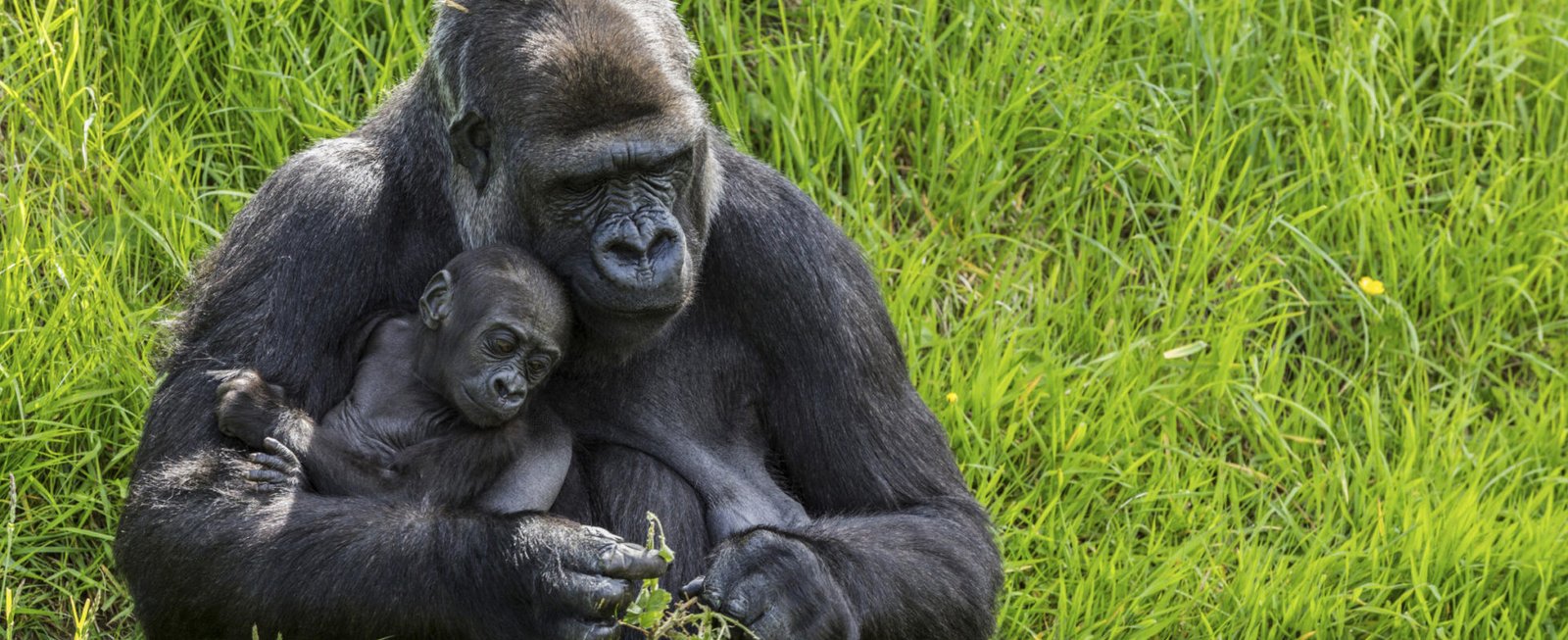
Once the gorillas are located, visitors participating in standard gorilla trekking are normally allowed to spend up to one hour observing them. During this time, travellers may witness silverbacks resting, young gorillas playing, mothers caring for infants, and family members feeding or grooming one another.
The experience is carefully regulated to protect the gorillas from unnecessary disturbance and reduce the risk of transmitting human illnesses. Visitors must follow ranger instructions, maintain the required distance, avoid touching the animals, and comply with all applicable health and safety rules.
Gorilla trekking in Bwindi Impenetrable National Park is more than an adventure activity. It is also an important conservation experience because permit revenue helps finance wildlife protection, ranger operations, habitat management, and community programmes.
Gorilla Trekking Sectors in Bwindi Impenetrable National Park
Bwindi Impenetrable National Park has four main gorilla trekking sectors: Buhoma, Ruhija, Rushaga, and Nkuringo. Each sector offers access to different habituated gorilla families, accommodation options, and trekking routes. Choosing the correct sector is important because the park is mountainous, and travelling between sectors can take several hours.
Buhoma Gorilla Trekking Sector
Buhoma is located in the northern section of Bwindi Impenetrable National Park and is one of the oldest and most established gorilla trekking areas in Uganda. It was the first sector where organised gorilla tourism developed, making it an important destination in the history of mountain gorilla conservation.
The Buhoma sector is known for its established tourism infrastructure, comfortable safari lodges, beautiful forest landscapes, and access to habituated gorilla families. Visitors staying in Buhoma can enjoy gorilla trekking, guided nature walks, birdwatching, and community-based cultural experiences.
Buhoma is particularly convenient for travellers combining Bwindi Impenetrable National Park with Queen Elizabeth National Park, especially itineraries travelling through the Ishasha region, which is famous for its tree-climbing lions.
Ruhija Gorilla Trekking Sector
Ruhija is located in the eastern section of Bwindi Impenetrable National Park and is recognised for its elevated landscapes, beautiful mountain views, and exceptional birdwatching opportunities. The sector provides access to habituated gorilla families and offers a peaceful atmosphere for visitors interested in both primates and forest ecology.
The surrounding forests contain a remarkable variety of bird species, including several associated with the Albertine Rift region. Birdwatchers visiting Ruhija may have opportunities to observe rare forest birds while exploring authorised trails with experienced guides.
Ruhija is suitable for travellers seeking a combination of gorilla trekking, birdwatching, scenic landscapes, and a quieter forest environment.
Rushaga Gorilla Trekking Sector
Rushaga is located in the southern section of Bwindi Impenetrable National Park and is one of the most popular destinations for gorilla trekking in Uganda. The sector provides access to several habituated mountain gorilla families and is particularly well known for offering the Gorilla Habituation Experience.
Visitors travelling to Rushaga can participate in standard gorilla trekking or, where permits are available, a more extended gorilla habituation activity. The sector’s mountainous terrain, dense vegetation, and beautiful forest scenery create an adventurous trekking environment.
Rushaga is particularly suitable for travellers who want a choice of gorilla experiences or are interested in spending additional time observing gorilla behaviour.
Nkuringo Gorilla Trekking Sector
Nkuringo is located in the southwestern section of Bwindi Impenetrable National Park and is known for its dramatic mountain scenery and challenging trekking terrain. The sector offers spectacular views across the surrounding highlands, with distant volcanic landscapes visible under suitable weather conditions.
Gorilla trekking in Nkuringo can involve steep ascents and descents, making it particularly attractive to physically active travellers who enjoy hiking and outdoor adventure. However, the difficulty of individual treks varies according to the location of the assigned gorilla family.
The sector also offers access to beautiful accommodation properties and guided forest activities. Travellers seeking a combination of mountain scenery, comfortable lodging, and gorilla trekking may find Nkuringo especially rewarding.
Gorilla Habituation Experience in Bwindi Impenetrable National Park
The Gorilla Habituation Experience is one of the most distinctive wildlife activities available in Bwindi Impenetrable National Park. Unlike standard gorilla trekking, which normally allows visitors up to one hour with an already habituated gorilla family, the habituation experience offers up to four hours in the presence of a gorilla group undergoing the process of becoming accustomed to carefully managed human observation.
Gorilla habituation is a gradual conservation and research process conducted by trained specialists, researchers, and wildlife authorities. During this process, gorillas become familiar with the presence of people while continuing to live naturally within their forest environment.
Visitors participating in the Gorilla Habituation Experience accompany authorised personnel into the forest and may observe aspects of gorilla behaviour that are particularly interesting to wildlife enthusiasts and photographers. The activity is generally conducted in the Rushaga area, subject to Uganda Wildlife Authority arrangements.
The experience is limited to a small number of visitors and requires a special permit. It is particularly suitable for travellers who want a longer gorilla encounter and are prepared for potentially demanding trekking conditions.
Although the habituation experience allows more time with gorillas than standard trekking, visitors must still follow strict conservation guidelines. The gorillas remain wild animals, and the duration and nature of encounters depend on the park’s safety and conservation requirements.
Wildlife in Bwindi Impenetrable National Park
Although mountain gorillas are the main attraction, Bwindi Impenetrable National Park protects a remarkable diversity of wildlife. Its dense forest ecosystem provides habitats for numerous mammals, birds, reptiles, amphibians, and insects, making it one of Uganda’s most important biodiversity conservation areas.
Mountain Gorillas in Bwindi
Mountain gorillas are the most famous residents of Bwindi Impenetrable National Park. These endangered primates live in family groups typically led by dominant adult males known as silverbacks. A gorilla family may include adult females, juveniles, infants, and other males, depending on its social structure.
Mountain gorillas spend much of their time feeding on leaves, shoots, stems, bark, and other plant materials. Their behaviour includes grooming, resting, playing, travelling, and maintaining social relationships within the family group.
The Bwindi-Sarambwe census conducted in 2018 and released in 2019 recorded 459 mountain gorillas across the wider Bwindi-Sarambwe ecosystem. This remains an important published population benchmark, although the actual population may have changed since that survey.
Chimpanzees in Bwindi Forest
Bwindi Impenetrable National Park is also home to chimpanzees, making it an important protected habitat for two of Africa’s great ape species. Chimpanzees live in forest communities and feed on fruits, leaves, insects, and other available foods.
A dedicated chimpanzee census conducted in 2025 and reported by the Uganda Wildlife Authority in 2026 estimated 426 chimpanzees within Bwindi Impenetrable National Park. This research provides valuable information for long-term primate conservation and forest management.
Although chimpanzees inhabit Bwindi, the park is not generally promoted as a conventional chimpanzee trekking destination. Travellers specifically interested in organised chimpanzee tracking should consider Kibale National Park, which is one of Uganda’s leading destinations for this activity.
Forest Elephants in Bwindi
Forest elephants are among the larger mammals inhabiting Bwindi Impenetrable National Park. These animals play an important ecological role by dispersing seeds, influencing vegetation growth, and creating pathways through dense forest habitats.
Unlike elephants living in open savannah environments, forest elephants can be difficult to observe because of the thick vegetation and challenging terrain. Sightings during ordinary gorilla trekking activities are uncommon, but their presence contributes to the ecological importance of the park.
Monkeys and Other Primates
Bwindi Impenetrable National Park supports several monkey species, including black-and-white colobus monkeys, L’Hoest’s monkeys, and other forest-dwelling primates. These animals inhabit different levels of the forest canopy and contribute to the ecosystem through seed dispersal and other ecological processes.
Visitors exploring forest trails may encounter monkeys feeding in trees, moving through branches, or calling to members of their groups. Primate sightings can add an interesting dimension to guided nature walks and birdwatching excursions.
Forest Antelopes and Smaller Mammals
The park is also home to forest antelopes and smaller mammals adapted to life beneath the dense rainforest canopy. These animals often remain concealed within vegetation and may be difficult to observe during short visits.
Their presence demonstrates the ecological complexity of Bwindi Impenetrable National Park and highlights the importance of protecting the entire forest ecosystem rather than focusing exclusively on mountain gorillas.
Birdwatching in Bwindi Impenetrable National Park
Bwindi Impenetrable National Park is one of Uganda’s leading birdwatching destinations and an important location for observing rare species associated with the Albertine Rift region. More than 340 bird species have been recorded in the park, including several that are restricted to this part of Africa.
The forest’s varied elevations, dense vegetation, and different ecological zones provide habitats for a remarkable diversity of birds. Visitors may encounter forest specialists, colourful sunbirds, turacos, flycatchers, and numerous other species while exploring authorised trails.
Among the notable birds associated with Bwindi are the African green broadbill, Grauer’s swamp warbler, and several other Albertine Rift endemics. Some species are difficult to locate and require patience, specialised knowledge, and favourable conditions.
Birdwatching activities are particularly rewarding in the Ruhija and Buhoma areas, where guided forest trails provide access to different habitats. Experienced birding guides can help visitors identify species through their calls, behaviour, and preferred environments.
For travellers interested in combining birdwatching with gorilla trekking, spending several nights in Bwindi provides time to explore different sections of the forest and enjoy a more comprehensive wildlife experience.
Things to Do in Bwindi Impenetrable National Park
1. Mountain Gorilla Trekking
Mountain gorilla trekking is the main reason most travellers visit Bwindi Impenetrable National Park. The experience involves hiking through the rainforest with authorised rangers to locate a habituated gorilla family. Once the gorillas are found, visitors can observe their natural behaviour for a limited period while following strict conservation guidelines. This activity is suitable for travellers who are physically prepared for forest trekking and want to experience one of Africa’s most extraordinary wildlife encounters.
2. Gorilla Habituation Experience
The Gorilla Habituation Experience allows visitors to spend an extended period observing a gorilla group undergoing habituation. The activity is conducted under the supervision of authorised wildlife personnel and offers opportunities to learn about gorilla behaviour and conservation research. It is particularly attractive to wildlife photographers and travellers seeking a more specialised primate experience.
3. Guided Forest Nature Walks
Guided nature walks provide opportunities to explore Bwindi’s tropical rainforest beyond the main gorilla trekking routes. Visitors can learn about forest plants, insects, birds, primates, and the ecological relationships that sustain this remarkable environment. Walks are conducted along authorised trails with qualified guides and may vary in duration and physical difficulty.
4. Birdwatching Safaris
Birdwatching is another rewarding activity in Bwindi Impenetrable National Park. The forest supports hundreds of bird species, including several associated with the Albertine Rift. Guided birdwatching excursions allow visitors to explore suitable habitats while learning about bird identification, behaviour, and conservation.
5. Batwa Cultural Experiences
Cultural experiences involving Batwa communities provide opportunities to learn about Indigenous forest traditions, cultural heritage, storytelling, and historical relationships with the Bwindi landscape. Responsible cultural tourism should be community-led, respectful, and designed to provide fair benefits to participating communities. Visitors should also recognise the historical displacement and challenges experienced by Batwa people following the establishment of protected forest areas.
6. Wildlife and Nature Photography
Bwindi Impenetrable National Park offers excellent opportunities for wildlife and landscape photography. Its mist-covered hills, dense rainforest, mountain gorillas, forest birds, and dramatic vegetation create beautiful photographic subjects. Photographers should prepare for changing light conditions, high humidity, and occasional rainfall while following all wildlife viewing regulations.
Best Time to Visit Bwindi Impenetrable National Park Uganda
Bwindi Impenetrable National Park can be visited throughout the year, but weather conditions influence trekking difficulty, trail accessibility, and the overall travel experience. The park receives substantial rainfall because of its tropical forest environment, and rain is possible even during relatively dry months.
June to September: Popular Gorilla Trekking Season
June to September is one of the most popular periods for visiting Bwindi Impenetrable National Park. These months are generally associated with relatively drier conditions, which can make forest trails easier to navigate compared with periods of heavy rainfall.
The reduced likelihood of prolonged rain can improve trekking comfort, although trails may still be muddy and slippery. Gorilla sightings remain dependent on the location of the assigned family rather than the season alone.
Because this is a popular travel period, visitors should arrange gorilla permits and accommodation well in advance.
December to February: Another Favourable Trekking Period
December to February is another commonly recommended period for gorilla trekking in Uganda. Rainfall is often lower than during the main rainy seasons, making it attractive for visitors planning forest hikes and other outdoor activities.
These months can also be suitable for travellers combining Bwindi with Queen Elizabeth National Park, Kibale National Park, and other Uganda safari destinations.
March to May: Long Rainy Season
March to May is generally associated with heavier rainfall in southwestern Uganda. During this period, forest vegetation becomes particularly lush, and the surrounding landscapes are often covered in mist.
Although gorilla trekking continues when conditions permit, trails may become muddy and physically demanding. Visitors should prepare for wet weather and allow flexibility in their travel arrangements.
The rainy season can appeal to photographers and travellers who enjoy green landscapes, but suitable waterproof clothing and hiking equipment are especially important.
October to November: Short Rainy Season
October and November commonly experience increased rainfall, although weather patterns vary from year to year. The forest remains beautiful, and gorilla trekking is still possible, subject to operational and safety conditions.
Travellers visiting during these months should prepare for slippery trails, changing weather, and possible transport delays.
Gorilla Trekking Permit Costs in Bwindi Impenetrable National Park
A gorilla trekking permit is mandatory for visitors wishing to participate in organised mountain gorilla trekking in Bwindi Impenetrable National Park. Permits are issued through the Uganda Wildlife Authority and are subject to availability, visitor category, travel date, and the designated trekking sector.
For foreign non-resident visitors, the standard gorilla trekking permit rate in 2026 is US$800 per person. The standard Gorilla Habituation Experience permit is US$1,500 per person in 2026. Other visitor categories, including foreign residents, eligible African nationals, and East African Community citizens, may qualify for different rates.
Revised permit tariffs and seasonal discounts may apply to certain travel dates, including changes scheduled for 2027. Travellers should confirm the applicable Uganda Wildlife Authority tariff before making payments or finalising their safari itinerary.
The standard gorilla trekking permit generally covers the authorised trekking activity, ranger guiding services, and the permitted time spent observing a habituated gorilla family. Accommodation, transport, personal equipment, porter services, and other safari expenses are normally arranged separately unless included in a tour package.
Because the number of visitors allowed to trek each gorilla family is limited, permits can sell out during popular travel periods. Early booking is particularly important for visitors travelling during June, July, August, September, December, and other high-demand periods.
Gorilla Trekking Rules and Safety Guidelines
Gorilla trekking in Bwindi Impenetrable National Park is carefully managed to protect mountain gorillas and ensure visitor safety. Uganda Wildlife Authority rangers provide instructions before each trek, and all participants must follow the applicable regulations.
The minimum age for gorilla trekking is generally 15 years. Visitors who are ill with potentially contagious conditions may not be permitted to trek because mountain gorillas are vulnerable to human diseases. Maintaining the required distance from gorillas, avoiding direct contact, and following ranger instructions are essential conservation measures.
Visitors should avoid sudden movements, loud noises, and behaviour that could disturb the gorillas. Flash photography is prohibited, and all waste must be carried out of the forest.
The trekking experience can involve steep hills, slippery paths, thick vegetation, and changing weather conditions. Travellers should wear suitable hiking boots, long trousers, long-sleeved clothing, and waterproof jackets. Hiring a local porter can provide practical assistance during difficult sections of the trek while supporting local employment.
Accommodation in Bwindi Impenetrable National Park
Bwindi Impenetrable National Park offers a wide range of accommodation options, including luxury forest lodges, mid-range safari properties, and budget-friendly guesthouses. Most accommodation facilities are located near the main trekking sectors rather than deep inside the protected national park.
Luxury Gorilla Safari Lodges
Luxury accommodation in Bwindi focuses on comfortable rooms, scenic forest views, personalised hospitality, and convenient access to gorilla trekking headquarters. Well-known properties include Sanctuary Gorilla Forest Camp, Bwindi Lodge by Volcanoes Safaris, Clouds Mountain Gorilla Lodge, and other premium lodges around the park.
These properties are particularly suitable for honeymooners, luxury travellers, and visitors seeking high-quality accommodation before and after demanding gorilla trekking activities.
Mid-Range Gorilla Safari Lodges
Mid-range accommodation provides a balance between comfort and affordability. Visitors can find lodges offering private rooms, meals, beautiful forest views, and convenient transfers to trekking starting points.
Mid-range properties are suitable for couples, families with eligible trekking participants, small groups, and travellers seeking a comfortable Uganda gorilla safari without the cost of high-end luxury accommodation.
Budget Accommodation in Bwindi
Budget accommodation is available around several trekking sectors and may include guesthouses, simple lodges, and community-based accommodation facilities. These properties provide practical options for travellers seeking to reduce accommodation expenses while participating in gorilla trekking.
When choosing accommodation, visitors should prioritise the location of their assigned trekking sector. Booking a lodge far from the designated briefing point can result in long early morning transfers and additional transport costs.
How Many Days Do You Need in Bwindi Impenetrable National Park?
The ideal duration for visiting Bwindi Impenetrable National Park depends on your travel arrangements, interests, and overall Uganda safari itinerary. For many travellers, a three-day safari is sufficient to travel to the park, participate in one gorilla trek, and return to the starting destination.
A four-day safari provides a more relaxed experience, allowing additional time for forest walks, birdwatching, cultural activities, or a second gorilla trekking experience if separate permits are available.
Travellers interested in the Gorilla Habituation Experience, specialised photography, or extensive birdwatching may prefer longer stays.
For visitors combining Bwindi with other destinations such as Queen Elizabeth National Park, Kibale National Park, or Lake Mburo National Park, a Uganda safari lasting seven to ten days can provide a more comprehensive wildlife experience.
Suggested 4-Day Bwindi Gorilla Trekking Safari Itinerary
Day 1: Entebbe or Kampala to Bwindi Impenetrable National Park
Your Uganda gorilla safari begins with a morning departure from Entebbe or Kampala towards southwestern Uganda. The journey passes through scenic countryside, rural communities, agricultural landscapes, and beautiful highland scenery before reaching the Bwindi region.
Depending on your selected trekking sector and road conditions, the journey may take most of the day. Upon arrival at your lodge, check in and enjoy the surrounding forest environment before dinner and overnight accommodation.
Day 2: Mountain Gorilla Trekking in Bwindi Forest
After an early breakfast, transfer to the designated gorilla trekking headquarters for a briefing by Uganda Wildlife Authority rangers. You will receive information about trekking procedures, safety guidelines, and conservation requirements before beginning the forest adventure.
Accompanied by experienced guides and rangers, enter Bwindi Impenetrable Forest in search of your assigned habituated mountain gorilla family. The trek may involve walking through dense vegetation, climbing steep slopes, and crossing uneven forest terrain.
Once the gorillas are located, enjoy the permitted observation period while watching their natural behaviour. Afterwards, return to the trekking headquarters and transfer to your lodge for relaxation, dinner, and overnight accommodation.
Day 3: Forest Nature Walk and Cultural Experience
Spend the day exploring additional attractions around Bwindi Impenetrable National Park. Depending on your interests and the activities available near your lodge, enjoy a guided forest walk, birdwatching excursion, or a responsibly organised cultural experience with a local community.
The day provides an opportunity to appreciate the park’s biodiversity beyond mountain gorillas and learn more about the conservation challenges and cultural heritage of the surrounding region.
Return to your lodge in the afternoon for relaxation and overnight accommodation.
Day 4: Bwindi Impenetrable National Park to Entebbe or Kampala
After breakfast, check out of your lodge and begin the return journey to Entebbe or Kampala. Enjoy the beautiful landscapes of southwestern Uganda along the way, with suitable stops for refreshments and rest.
Depending on your travel arrangements, the safari concludes with a transfer to your hotel or Entebbe International Airport. Travellers planning international departures should allow sufficient time for the road journey and possible delays.
Conservation Importance of Bwindi Impenetrable National Park
Bwindi Impenetrable National Park plays an essential role in protecting endangered mountain gorillas and preserving one of Africa’s most biologically important forest ecosystems. Its UNESCO World Heritage designation recognises the park’s exceptional biodiversity, ecological significance, and importance to global conservation.
The park protects numerous threatened species and provides a vital habitat for forest wildlife. Its vegetation also contributes to watershed protection, soil stability, and the maintenance of ecological processes that support surrounding landscapes.
Gorilla tourism generates revenue that helps finance conservation activities, including ranger patrols, wildlife monitoring, habitat protection, and park management. Carefully regulated tourism can also create economic incentives for neighbouring communities to support conservation.
However, Bwindi faces continuing challenges, including pressure from surrounding human populations, potential wildlife disease transmission, habitat disturbance, and human-wildlife conflict. Long-term conservation requires cooperation between wildlife authorities, researchers, tourism operators, and local communities.
Responsible visitors contribute by following park regulations, supporting ethical tourism operators, and respecting wildlife and neighbouring communities.
Frequently Asked Questions About Bwindi Impenetrable National Park
Where Is Bwindi Impenetrable National Park Located?
Bwindi Impenetrable National Park is located in southwestern Uganda near the borders with Rwanda and the Democratic Republic of the Congo. The park forms part of the Albertine Rift region and is famous for its tropical rainforest and endangered mountain gorillas.
What Is Bwindi Impenetrable National Park Famous For?
Bwindi Impenetrable National Park is most famous for mountain gorilla trekking. It is one of the few destinations in the world where visitors can observe endangered mountain gorillas living freely in their natural forest habitat. The park is also recognised for its biodiversity, birdwatching, and UNESCO World Heritage status.
How Much Does Gorilla Trekking Cost in Bwindi?
For foreign non-resident visitors, the standard gorilla trekking permit costs US$800 per person in 2026. Other rates may apply depending on residency, nationality, travel dates, and current Uganda Wildlife Authority tariffs. Accommodation, transport, and other safari expenses are generally additional.
What Is the Best Month to Visit Bwindi Impenetrable National Park?
June to September and December to February are commonly recommended for gorilla trekking because these periods generally experience relatively drier weather. However, gorilla trekking is available throughout the year when park conditions permit.
Is Gorilla Trekking in Bwindi Safe?
Gorilla trekking is a regulated wildlife activity conducted under the supervision of trained Uganda Wildlife Authority rangers and guides. Visitors must follow safety instructions and conservation rules. As with any wilderness activity, risks cannot be eliminated entirely, particularly because of steep terrain, weather conditions, and the presence of wild animals.
How Difficult Is Gorilla Trekking in Bwindi?
Gorilla trekking can range from moderately demanding to physically challenging, depending on the location of the assigned gorilla family and the condition of the forest trails. Visitors should prepare for uneven ground, steep slopes, muddy paths, and potentially several hours of walking.
Can Children Go Gorilla Trekking in Bwindi?
The minimum age for gorilla trekking in Uganda is generally 15 years. Families travelling with younger children can explore alternative activities outside the trekking programme, subject to the facilities and arrangements available at their selected accommodation.
How Many Gorillas Are in Bwindi Impenetrable National Park?
The 2018 Bwindi-Sarambwe census, released in 2019, recorded 459 mountain gorillas across the wider Bwindi-Sarambwe ecosystem. This figure includes the connected forest landscape and should not be presented as a current, exact population count for Bwindi National Park alone.
Can You Visit Bwindi from Rwanda?
Yes. Travellers can access Bwindi Impenetrable National Park from Kigali, Rwanda, through international road transfers. This route can be convenient for visitors combining Rwanda and Uganda safari experiences, subject to border requirements and travel arrangements.
Is Bwindi Impenetrable National Park Worth Visiting?
Bwindi Impenetrable National Park is one of Africa’s most rewarding destinations for travellers interested in mountain gorillas, forest wildlife, conservation, and nature-based adventures. The opportunity to observe endangered mountain gorillas in their natural habitat makes it a distinctive addition to an African safari itinerary.
Why Visit Bwindi Impenetrable National Park Uganda?
Bwindi Impenetrable National Park is one of the most remarkable destinations in Uganda and a leading location for mountain gorilla trekking in Africa. Its ancient rainforest, exceptional biodiversity, beautiful mountain landscapes, and conservation importance create an unforgettable setting for wildlife enthusiasts and adventure travellers.
Unlike traditional savannah safaris, a visit to Bwindi involves exploring a tropical forest environment where endangered mountain gorillas live naturally among dense vegetation and steep mountain slopes. The experience offers an opportunity to observe these extraordinary animals while learning about their behaviour, habitat, and the conservation efforts required to protect them.
Beyond gorilla trekking, visitors can enjoy birdwatching, guided forest walks, nature photography, and cultural experiences that provide a deeper understanding of southwestern Uganda.
For travellers seeking a comprehensive Uganda safari, Bwindi can be combined with Queen Elizabeth National Park, Kibale National Park, Lake Mburo National Park, and other wildlife destinations. It can also form part of a longer East African safari that includes Kenya’s Maasai Mara or Tanzania’s Serengeti.
Book Your Bwindi Gorilla Trekking Safari with Ravina Tours and Travels
Discover the extraordinary beauty of Bwindi Impenetrable National Park with a personalised Uganda safari designed around your travel dates, accommodation preferences, and interests. Whether you are planning a luxury gorilla trekking safari, a private Uganda wildlife tour, a honeymoon adventure, or a combined Kenya and Uganda safari, Ravina Tours and Travels can help you organise a suitable itinerary.
Your Bwindi gorilla trekking package can be arranged to include gorilla permit booking assistance, comfortable accommodation, professional safari transport, transfers, and additional wildlife experiences according to your preferred itinerary.
Plan your Bwindi Impenetrable National Park safari with Ravina Tours and Travels and experience one of Africa’s most extraordinary wildlife adventures.
Information and facts
Country: Uganda