
Katavi National Park is one of Tanzania’s most remote and remarkable wildlife safari destinations, famous for its large concentrations of African buffaloes, elephants, hippos, crocodiles, and predators. Located in western Tanzania, the park offers an authentic wilderness experience away from the busy tourist routes of Serengeti National Park, Ngorongoro Crater, and Tarangire National Park. For travellers interested in exclusive Tanzania Safari Packages, remote African wilderness, and exceptional wildlife photography, Katavi National Park provides an opportunity to explore one of the country’s least crowded national parks.
Covering approximately 4,471 square kilometres, Katavi National Park is among Tanzania’s larger protected wildlife areas. The park is characterized by extensive floodplains, seasonal lakes, miombo woodlands, river systems, and open grasslands. These habitats support a remarkable variety of wildlife, particularly during the dry season when animals gather around the remaining water sources. Unlike some of Tanzania’s more developed safari destinations, Katavi offers a sense of isolation, with relatively few safari vehicles and large areas of wilderness.
One of the park’s most famous attractions is the Katuma River system, which plays an important role in supporting wildlife throughout the year. During the dry season, water becomes scarce across the surrounding landscape, encouraging hippos, crocodiles, buffaloes, elephants, and other animals to gather around the river and remaining pools. These seasonal concentrations create impressive wildlife-viewing opportunities and dramatic scenes of animals competing for limited water resources.
Katavi National Park is particularly attractive for experienced safari travellers, wildlife photographers, birdwatchers, and visitors who prefer remote destinations with fewer tourists. Although reaching the park can be more expensive and time-consuming than visiting Tanzania’s Northern Safari Circuit, its wild landscapes and seasonal wildlife concentrations make it one of the country’s most distinctive safari destinations.
Where Is Katavi National Park Located?
Katavi National Park is located in western Tanzania, within Katavi Region, in a relatively remote part of the country. The park lies east of Lake Tanganyika and is associated with the broader western Tanzania wilderness landscape. Its location places it far from the popular safari destinations around Arusha, making it an excellent option for travellers interested in exploring Tanzania beyond the traditional Northern Safari Circuit.
The park’s landscape includes extensive floodplains, woodland savannah, seasonal lakes, and river valleys. Its remote location has helped preserve a wilderness atmosphere, although surrounding communities and changing land-use patterns continue to make conservation important.
Visitors can reach Katavi National Park by road or air. Road journeys from major cities can be lengthy, and some routes may become difficult during the rainy season. For travellers with limited time, scheduled or chartered light-aircraft flights are often the most convenient option, subject to current airline operations and flight availability.
Mpanda is one of the main regional centres associated with access to Katavi National Park. Travellers arriving by road or regional air services may use Mpanda as a transit point before continuing towards the park. The exact transfer arrangements depend on the selected accommodation and park entry route.
History of Katavi National Park
Katavi National Park has a long conservation history, with protected-area status dating back to the twentieth century. The area was originally established as a protected reserve before later receiving national park status. Over time, the protected area was expanded to safeguard important wildlife habitats, seasonal floodplains, and woodland ecosystems.
The park takes its name from Katavi, a figure associated with local traditional beliefs and cultural history. According to local traditions, Katavi is connected with the spiritual significance of the surrounding landscape. This cultural background adds another dimension to the park’s natural heritage.
Today, Katavi National Park is managed by the Tanzania National Parks Authority, commonly known as TANAPA. Conservation efforts focus on protecting wildlife populations, maintaining important habitats, regulating tourism activities, and addressing threats such as illegal hunting and habitat disturbance.
Although Katavi is less internationally famous than Serengeti National Park, its ecological importance is considerable. The park protects extensive floodplain and woodland habitats that support large mammals, predators, birds, and aquatic wildlife.
Wildlife Found in Katavi National Park
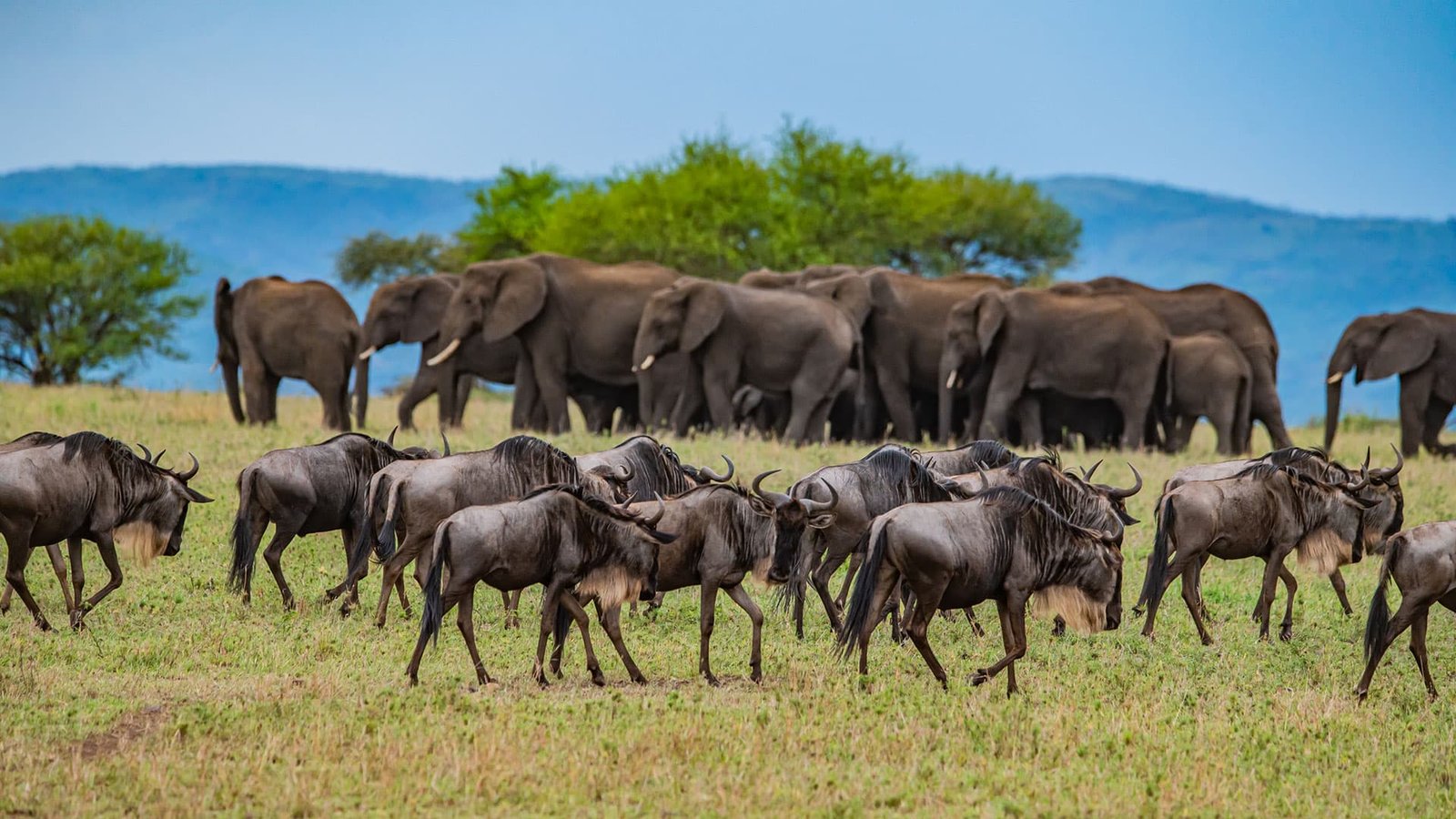
Katavi National Park is particularly famous for its large populations of African buffaloes, elephants, hippos, crocodiles, and various antelope species. During the dry season, buffaloes may gather in impressive herds across the open floodplains, while elephants move between woodland areas and remaining water sources.
African lions are among the park’s major predators and may be encountered around areas where prey animals gather. Leopards and spotted hyenas also inhabit the park, although sightings depend on location, timing, and wildlife movements. The presence of large herbivore populations creates important feeding opportunities for predators throughout the year.
Hippos are one of Katavi’s most recognizable wildlife attractions. During the dry season, large numbers may gather in shrinking pools along the Katuma River system. These concentrations can create dramatic scenes as animals compete for space and water. Nile crocodiles are also found in the park’s rivers and wetlands, sometimes becoming particularly visible when water levels decline.
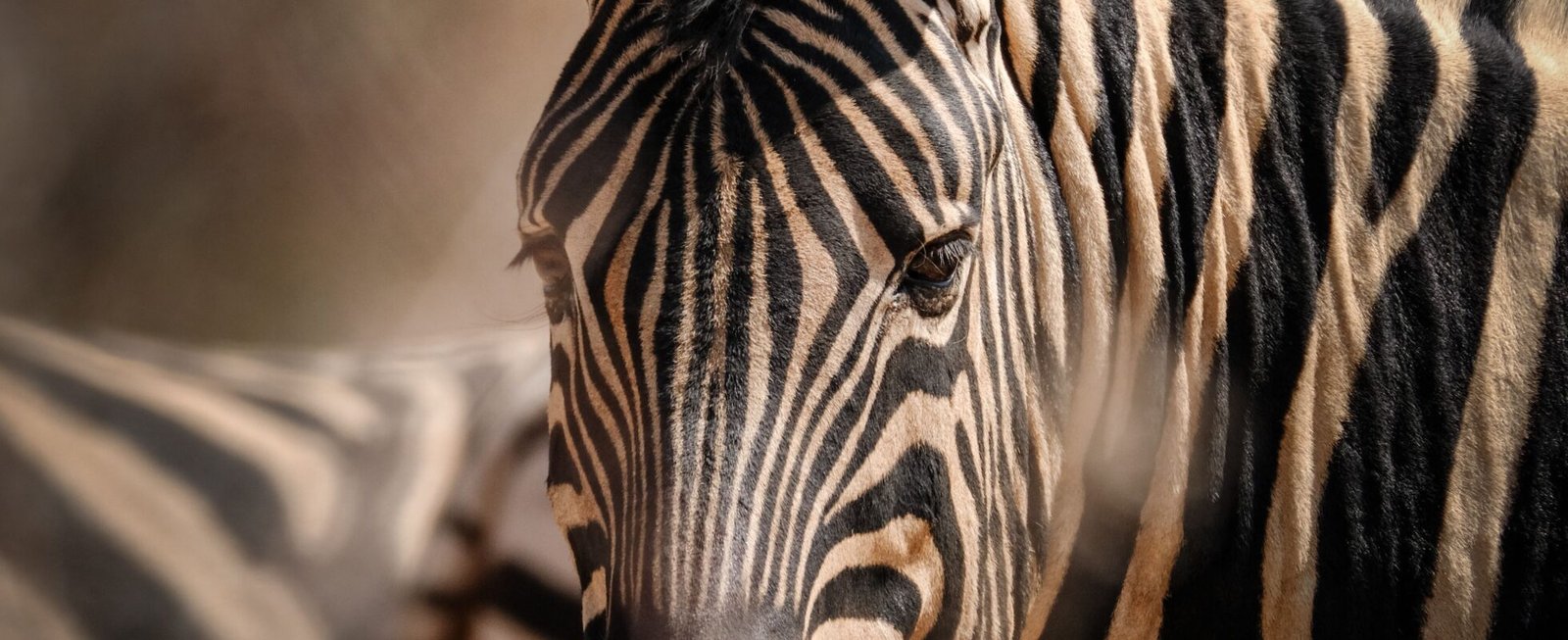
Other animals found in Katavi National Park include zebras, giraffes, waterbucks, impalas, topis, elands, hartebeests, and various smaller mammals. The park’s woodland and floodplain habitats support different wildlife communities, making game drives rewarding for visitors interested in more than just the Big Five.
The Katuma River and Seasonal Wildlife Concentrations
The Katuma River is one of the most important natural features of Katavi National Park. Together with the park’s seasonal lakes and floodplains, it provides essential water resources for wildlife during different times of the year.
During the rainy season, water spreads across the floodplains and seasonal wetlands, allowing animals to move more widely through the park. As the dry season progresses, water levels decline and wildlife becomes increasingly concentrated around permanent or remaining water sources.
These seasonal changes are particularly important for hippos, crocodiles, buffaloes, and elephants. Hippos may gather in large groups in shrinking pools, while crocodiles remain near available water. Buffaloes and other grazing animals may also move towards the river system as surrounding grasslands become drier.
For wildlife photographers, the Katuma River and surrounding floodplains can provide exceptional opportunities to observe animal behaviour, predator-prey interactions, and the effects of seasonal environmental changes.
Katavi National Park’s Main Attractions
Chada Plain
Chada Plain is one of the scenic open grassland areas associated with Katavi National Park. The surrounding landscape supports grazing wildlife, particularly during favourable seasonal conditions. Visitors may encounter buffaloes, elephants, antelopes, and predators moving across the plains.
The open terrain also provides opportunities for landscape photography, especially during early morning and late afternoon when sunlight creates beautiful colours across the grasslands.
Lake Chada
Lake Chada is one of the seasonal lakes within the Katavi ecosystem. Its water levels change throughout the year, influencing wildlife distribution and vegetation patterns.
During wetter periods, the lake and surrounding wetlands support aquatic wildlife and birds. As conditions become drier, animals may concentrate around remaining water sources.
Lake Katavi
Lake Katavi is another important seasonal wetland within the park. Its surrounding grasslands and floodplains provide habitats for grazing mammals, birds, and other wildlife.
The lake’s appe
Information and facts
Country: Tanzania