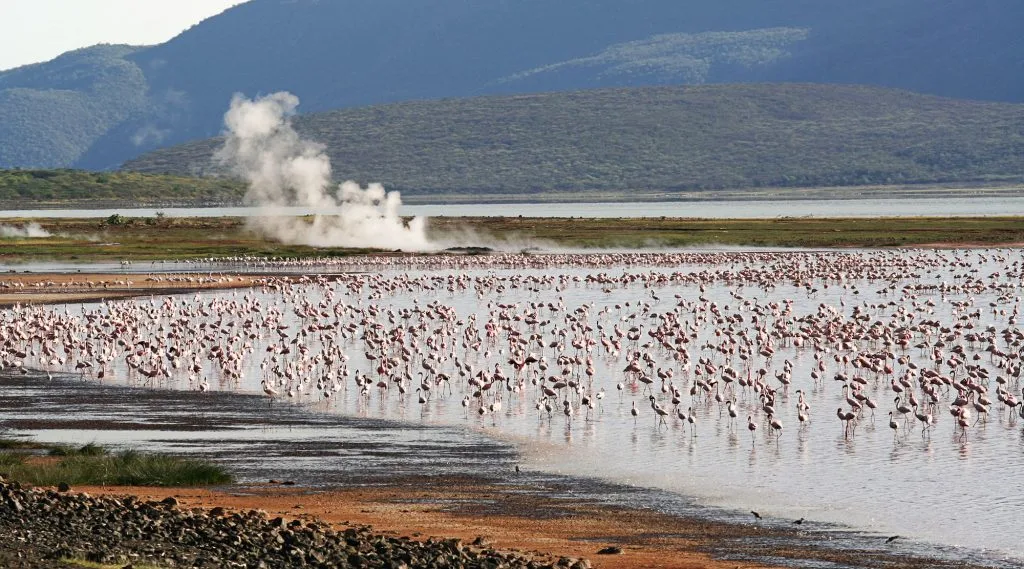

Have you ever imagined standing beside a steaming hot spring while thousands of flamingos transform an entire lakeshore into a sea of pink?
That is exactly the magic of Lake Bogoria National Reserve, a destination where nature constantly surprises you. Hidden in the heart of Kenya’s Great Rift Valley, Lake Bogoria is one of the country’s most remarkable natural treasures, renowned for its bubbling geysers, boiling springs, abundant birdlife and breathtaking scenery. Making it an ideal destination for nature lovers, photographers, birdwatchers, and adventurous travelers.
Why Visit Lake Bogoria National Reserve
- Lake Bogoria is one of the world’s most important feeding grounds for lesser flamingos, creating one of the most breathtaking wildlife spectacles in Africa.
- As you walk along the designated trails, you will encounter steaming hot springs, bubbling pools, and powerful geysers shooting hot water into the air. A fascinating reminder that the Great Rift Valley is still geologically active.
- Beyond the lesser flamingos, you can enjoy more than 350 bird species having been recorded here, such as the African fish eagles. Herons, pelicans, hornbills, kingfishers, etc perfect for bird lovers.
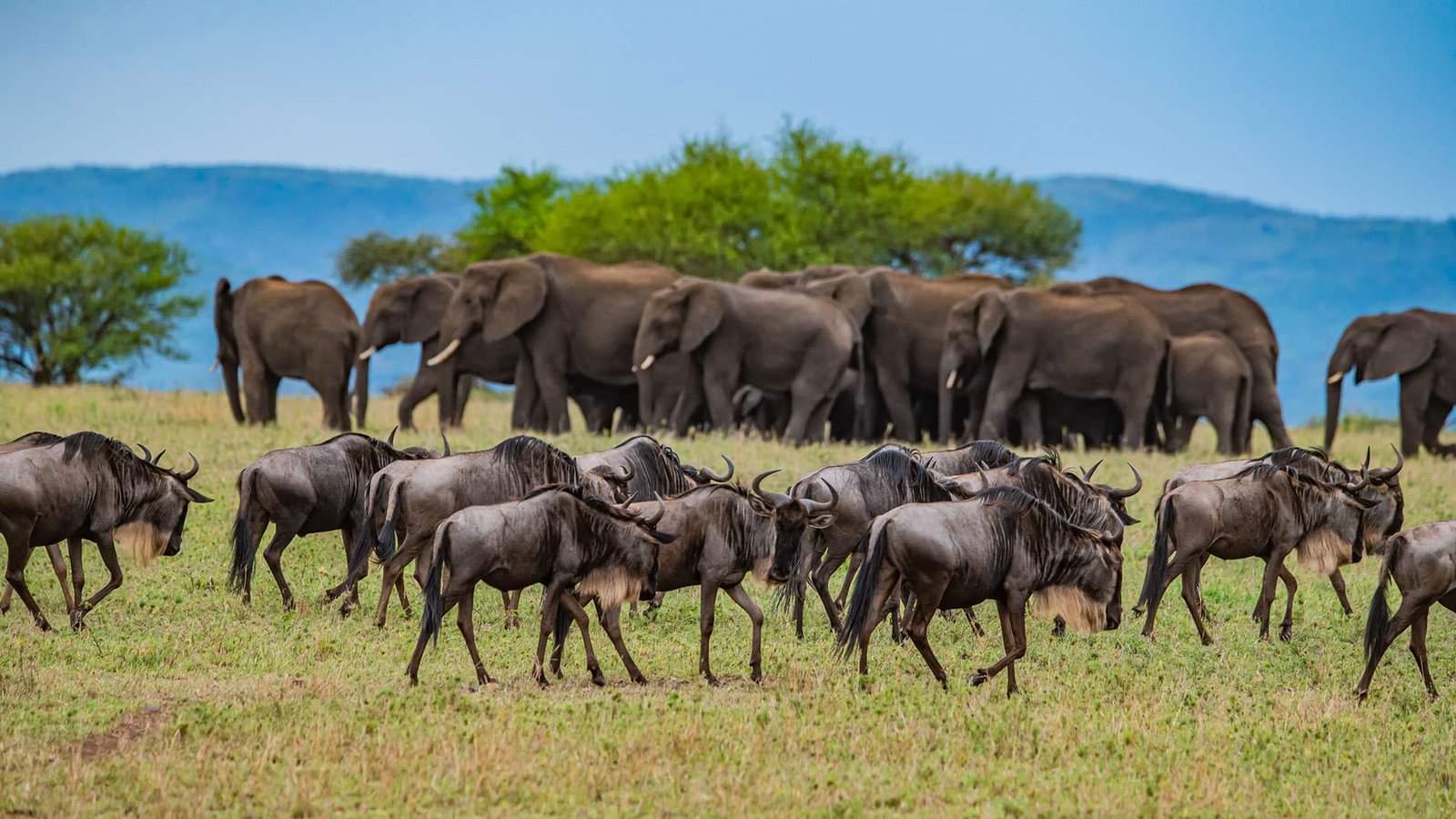
- During your visit, you will discover wildlife like the greater kudus, zebras, buffaloes, impalas, warthogs, baboons, vervet monkeys, and dik-diks roaming freely across the reserve.
- Unlike most of Kenya’s busier safari destinations, Lake Bogoria offers a peaceful and relaxed atmosphere without feeling rushed.
Where is Lake Bogoria National Reserve Located
Lake Bogoria National Reserve is located in Baringo County in Kenya’s spectacular Great Rift Valley, approximately 250 km northwest of Nairobi, covering about 107 square kilometers, lying at an altitude of approximately 990 metres above sea level. The reserve surrounds the alkaline waters of Lake Bogoria and is renowned for its dramatic geothermal features, abundant birdlife, and breathtaking Rift Valley Scenery.
How to Get to Lake Bogoria
Lake Bogoria National Reserve is tucked away in the heart of Kenya’s Great Rift Valley. It is an easy destination to reach by road, making it ideal for a day trip, weekend getaway, or part of a longer Rift Valley safari. Whether you are driving yourself, joining a guided tour, or using public transport, the journey is filled with breathtaking scenery that makes the adventure worthwhile even before you arrive.
The most popular route to reach Lake Bogoria National Reserve is by road from Nairobi, approximately 250 km, taking about 4 to 5 hours, following the Nairobi-Nakuru highway and branching off towards Marigat and the reserve.
Getting to Lake Bogoria National Reserve is more than simply travelling from one place to another. It is an opportunity to experience the beauty of Kenya’s Great Rift Valley. From its dramatic escarpments and rolling hills to quiet rural villages, the drive offers a glimpse into the country’s diverse landscapes.
By the time you arrive and see steam rising from the hot springs with flamingos lining the lake’s edge, you will realize that the journey was well worth it.
The History of Lake Bogoria
Long before Lake Bogoria National Reserve became one of Kenya’s most fascinating tourist destinations, it was a place of mystery, healing, and natural wonder. Nestled within the Great Rift Valley, this remarkable lake has been shaped by volcanic activities over millions of years, creating the steaming hot springs, bubbling geysers, and mineral-rich waters that continue to captivate visitors today.
To protect this fragile environment, the area was designated as the Lake Bogoria National Reserve in 1973. Since then, conservation efforts have focused on preserving its wildlife, geothermal landscape, and delicate wetland ecosystem while promoting responsible tourism.
Interestingly, a major milestone came in 2011 when Lake Bogoria was inscribed as part of the Kenya Lake System in the Great Rift Valley UNESCO World Heritage Site, alongside Lake Nakuru and Lake Elementaita. This international recognition highlighted the lake’s global significance as one of the world’s most important habitats for lesser flamingos and numerous other bird species.
Today, Lake Bogoria is managed not only as a wildlife reserve but also as a place where conservation, scientific research, tourism, and community involvement come together.
What Makes Lake Bogoria Special?
- Lake Bogoria’s position within the Great Rift Valley is what makes it so special. The region’s volcanic history has created steaming hot springs, bubbling geysers, and mineral-rich alkaline waters that attract vast numbers of lesser flamingoes and other bird species, surrounded by scenic hills and open landscapes offering visitors a peaceful escape where nature takes centre stage.
- The reserve creates endless opportunities for breathtaking photographs, especially during sunrise and sunset.
- Unlike most of Kenya’s famous safari destinations, Lake Bogoria remains relatively uncrowded, giving visitors a chance to explore at a slower pace, soak in the scenery, and enjoy a more intimate connection with nature.
Wildlife to Expect at Lake Bogoria National Reserve
While Lake Bogoria National Reserve is best known for its spectacular flamingos and steaming hot springs, there is far more wildlife to discover during your visit. Even though you will not find the Big Five, the reserve is home to a wide variety of wildlife, including birds, reptiles, and aquatic life.
Top Things to Do at Lake Bogoria
Lake Bogoria National Reserve is one of the few places in Kenya where you can witness the raw power of nature, discover unique wildlife, and soak in the breathtaking beauty of Kenya’s Great Rift Valley.
Here are the top things to do at Lake Bogoria National Reserve;
- Marvel at the Hot Springs and Geysers
- Watch thousands of lesser flamingos moving across the shimmering alkaline waters
- Enjoy a scenic game drive
- Go for birdwatching
- Capture stunning photographs
- Enjoy a picnic in nature
- Learn about the reserve’s unique ecosystem
- Watch the sunrise or sunset
Best Time to Visit Lake Bogoria National Reserve
The Lake Bogoria National Reserve is a year-round destination, with every season offering something unique.
The dry season, from June to October, is widely regarded as the best time to visit Lake Bogoria when the weather is warm and sunny, roads are easier to navigate, and wildlife is easier to spot as they gather around water sources.
Lake Bogoria Entry Fees
Before visiting Lake Bogoria National Reserve, it is very helpful to know the entry fees so that you can plan your budget.
- Kenyan Citizens: KES 500 ( Adults) KES 215 ( Children)
- Non-residents: USD 50 ( Adults) KES USD 20 ( Children)
Note that children under 3 years enter free of charge, and all fees are charged per person per 24-hour visit.
The park’s entry fee gives you access to:
- The famous geothermal hot springs and geysers
- Flamingo viewing areas
- Scenic game drive routes
- Wildlife viewing
- Birdwatching opportunities
- Picnic site and spectacular viewpoints
Your entrance fee does not cover:
- Transport to and from the reserve
- Guided tours
- Accommodation
- Meals and refreshments
- Tips to guides or drivers
Where to Stay Near Lake Bogoria
Whether you are planning a quick weekend escape or a longer adventure through Kenya’s Great Rift Valley. You will find a variety of accommodation options near the Lake Bogoria National Reserve.
- Lake Bogoria Spa Resort
- Soi Safari Lodge
- Sandai Resort
- Camping
Conservation Efforts at Lake Bogoria
Lake Bogoria National Reserve is much more than a beautiful tourist destination. It is one of Kenya’s most important conservation areas.
Below are some of the conservation efforts;
- Lake Bogoria is one of the World’s most important feeding grounds for lesser flamingos. Conservation efforts focus on protecting the lake’s fragile alkaline ecosystem, which supports the blue-green algae that flamingoes depend on for food.
- As a protected wetland, Lake Bogoria supports hundreds of bird species, mammals, reptiles, and unique plant life. Conservation programmes aim to preserve the lake’s biodiversity by preventing habitat destruction, reducing pollution, and managing the surrounding catchment to maintain water quality.
- The reserve’s steaming hot springs and geysers are among its most distinctive natural features. These Geothermal areas are carefully managed to prevent damage from uncontrolled development and irresponsible tourism. Visitors are encouraged to remain on designated paths to protect these fragile environments while ensuring their own safety.
- The Endorois community, the indigenous custodians of the Lake Bogoria area, plays an increasingly important role in conservation. Through community participation, eco-tourism initiatives, and shared management, local knowledge is helping in protecting the reserve while creating sustainable livelihood opportunities.
- Every visitor also has a role to play in the conservation of the reserve by respecting wildlife, following park regulations, and supporting responsible tourism. You help in protecting one of Kenya’s most extraordinary natural landscapes.
Travel Tips for Visiting Lake Bogoria
- Wear comfortable walking shoes
- Start your day early for the best light
- Stay on marked paths near hot springs
- Carrying drinking water
- Respect wildlife
Final Thoughts
Lake Bogoria National Reserve is one of those places that quietly leaves a lasting impression. It may not be as famous as some of Kenya’s larger safari destinations, but that is what makes it so special. Whether you are a wildlife enthusiast, birdwatcher, photographer, or simply someone who enjoys discovering new places that feel authentic, Lake Bogoria National Reserve is the place to be.
Information and facts
Country: Kenya