
Ever thought of having a different kind of safari than the one you are used to, and just disappear to a destination and just connect with nature?
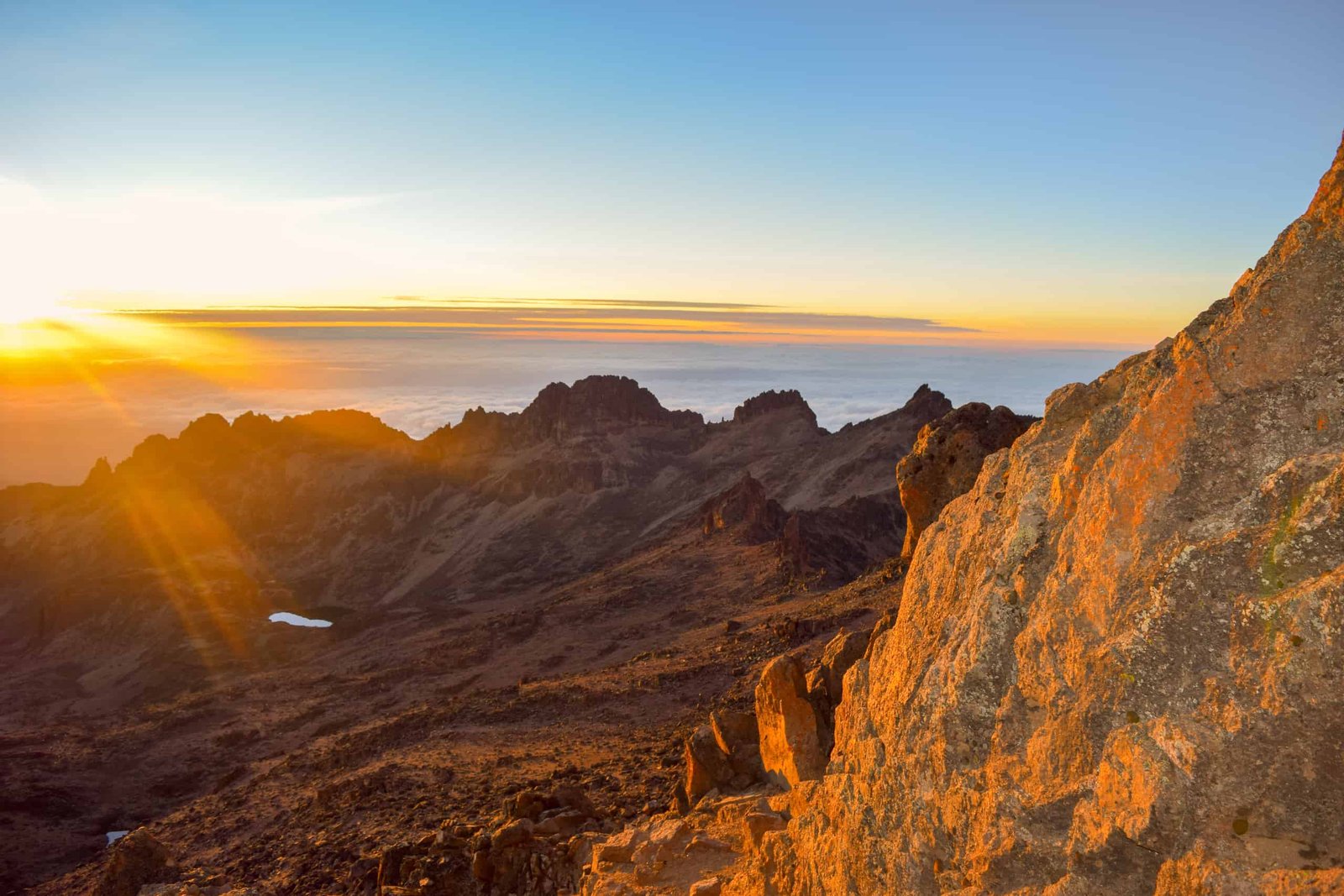
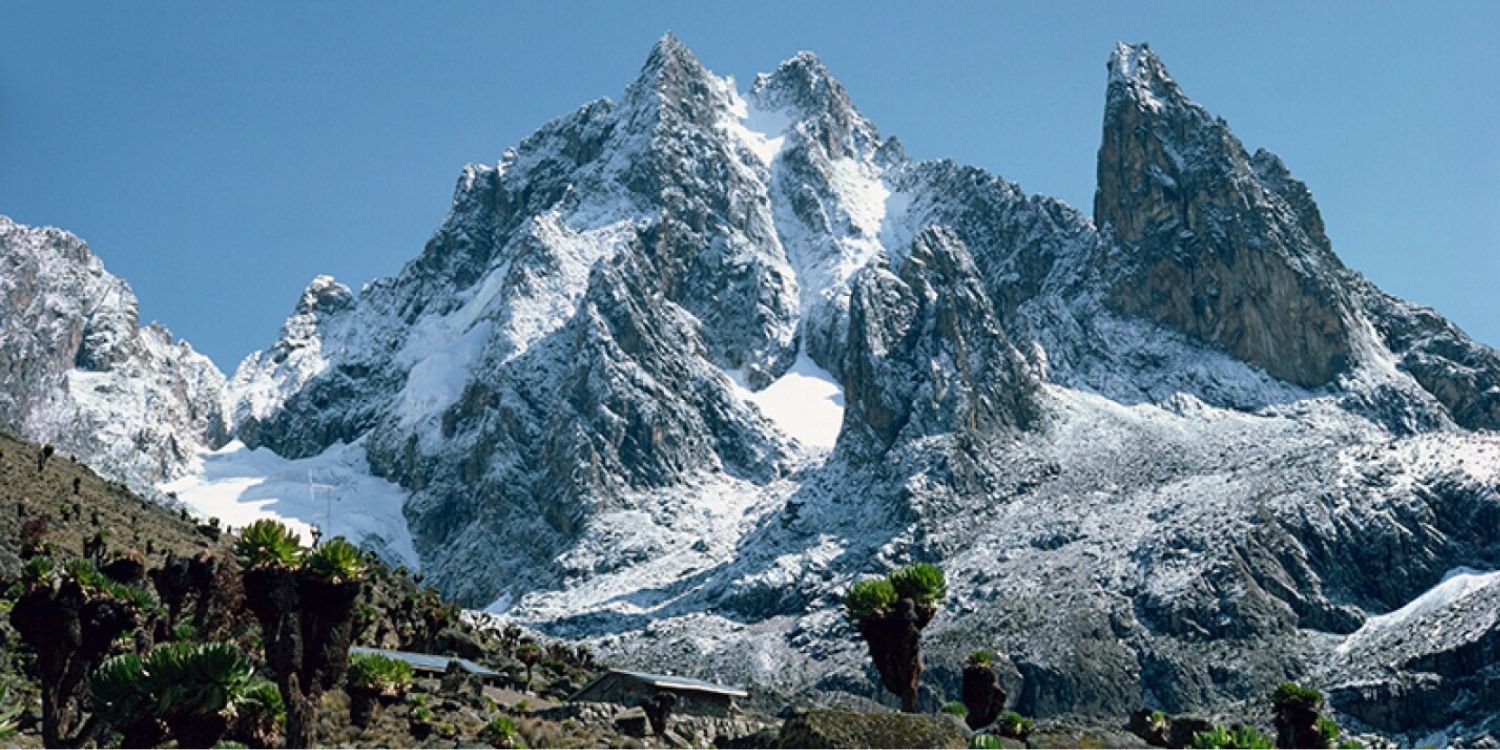
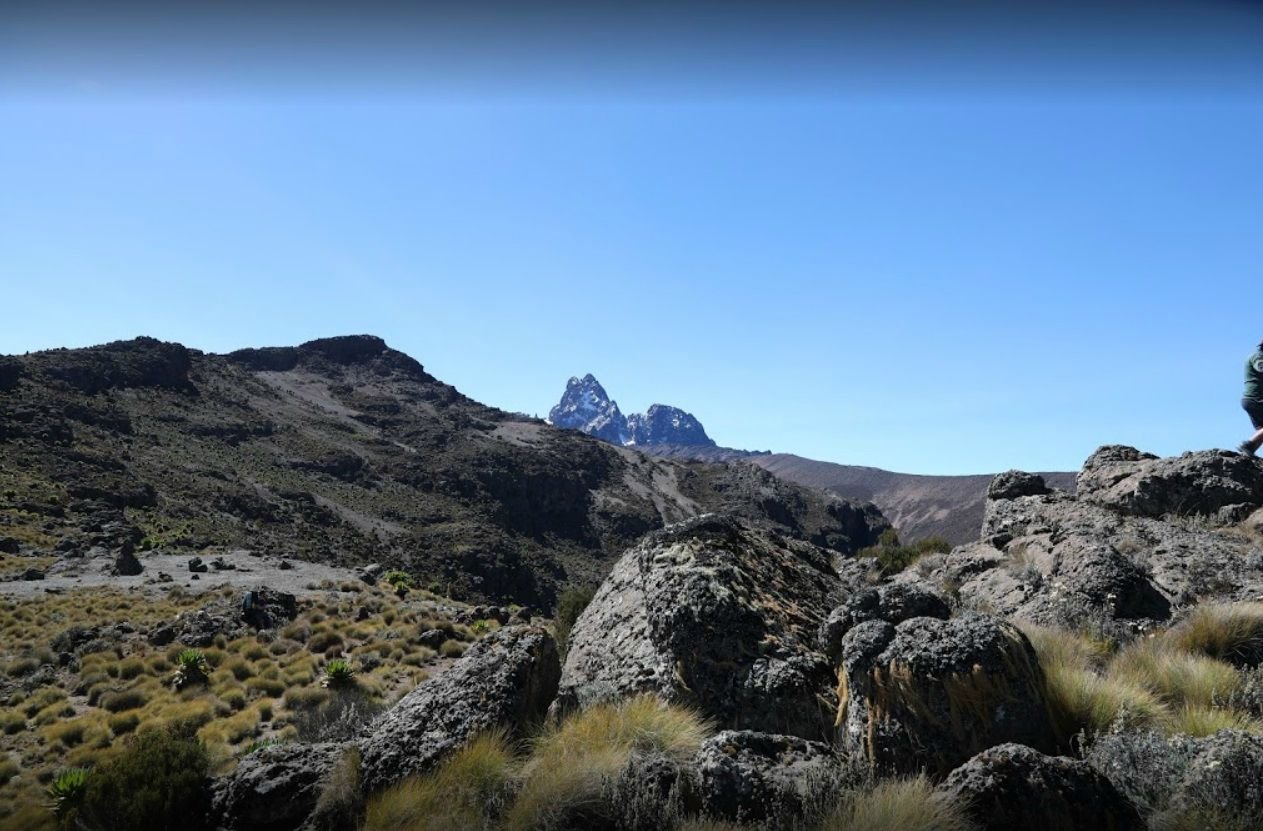
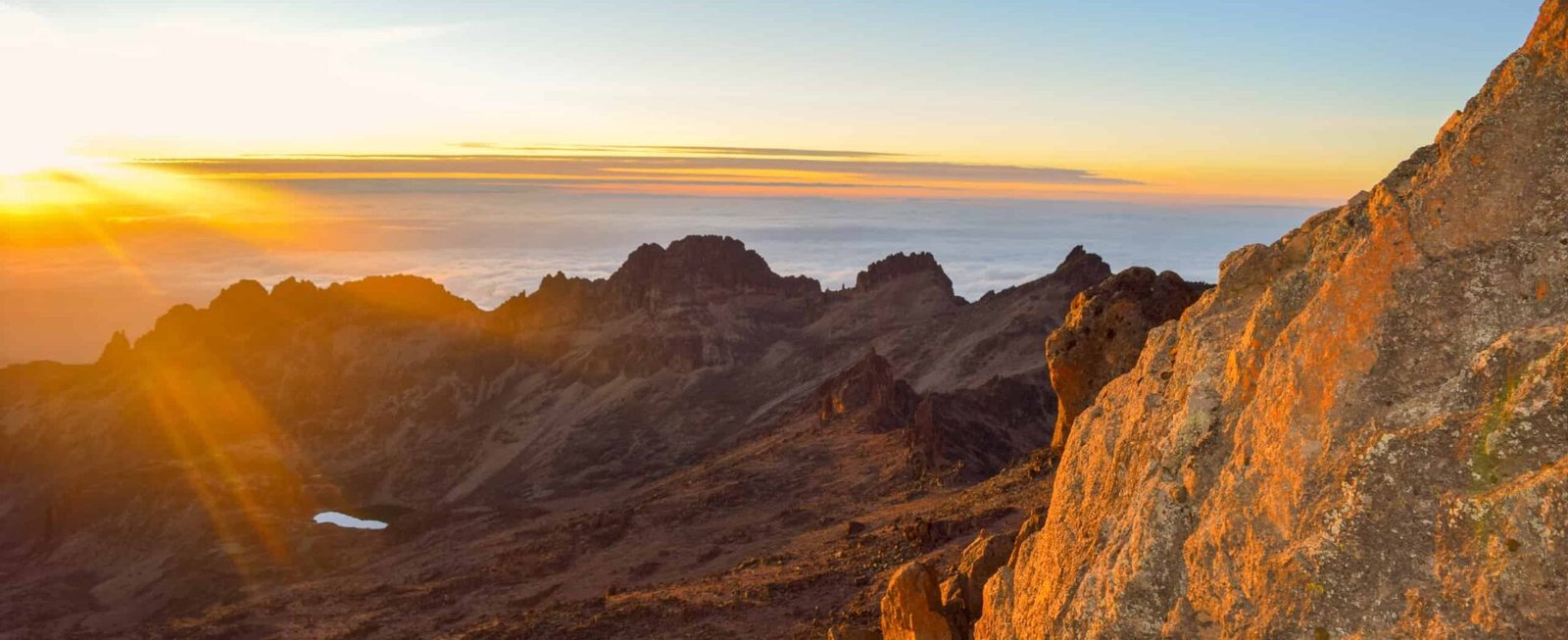
Welcome to the Mount Kenya National Park one of Kenya’s most spectacular protected areas, located near the second highest mountain in Africa Mt. Kenya.
Here, the experience is more than just spotting wild animals but more adventurous which involves walking through ancient forests, mountain landscapes, and standing on the mountain’s peak offering an unforgettable experience in the heart of Kenya.
Let’s go deeper and explore this amazing destination in the central part of Kenya.
Interesting Facts About Mount Kenya National Park
- Mount Kenya National Park surrounds Africa’s second-highest mountain, Mount Kenya.
- The Park is a UNESCO World Heritage Site because of its outstanding natural value.
- This park contains unique Afro-alpine plants.
- It supplies water to millions of people in Kenya. The park forest glaciers, streams, and rivers that supply fresh water that supports agriculture, hydroelectric power generation, and wildlife across central Kenya.
- The geological history gives the park its spectacular landscapes and makes it a paradise for geologists, adventurers, and nature lovers.
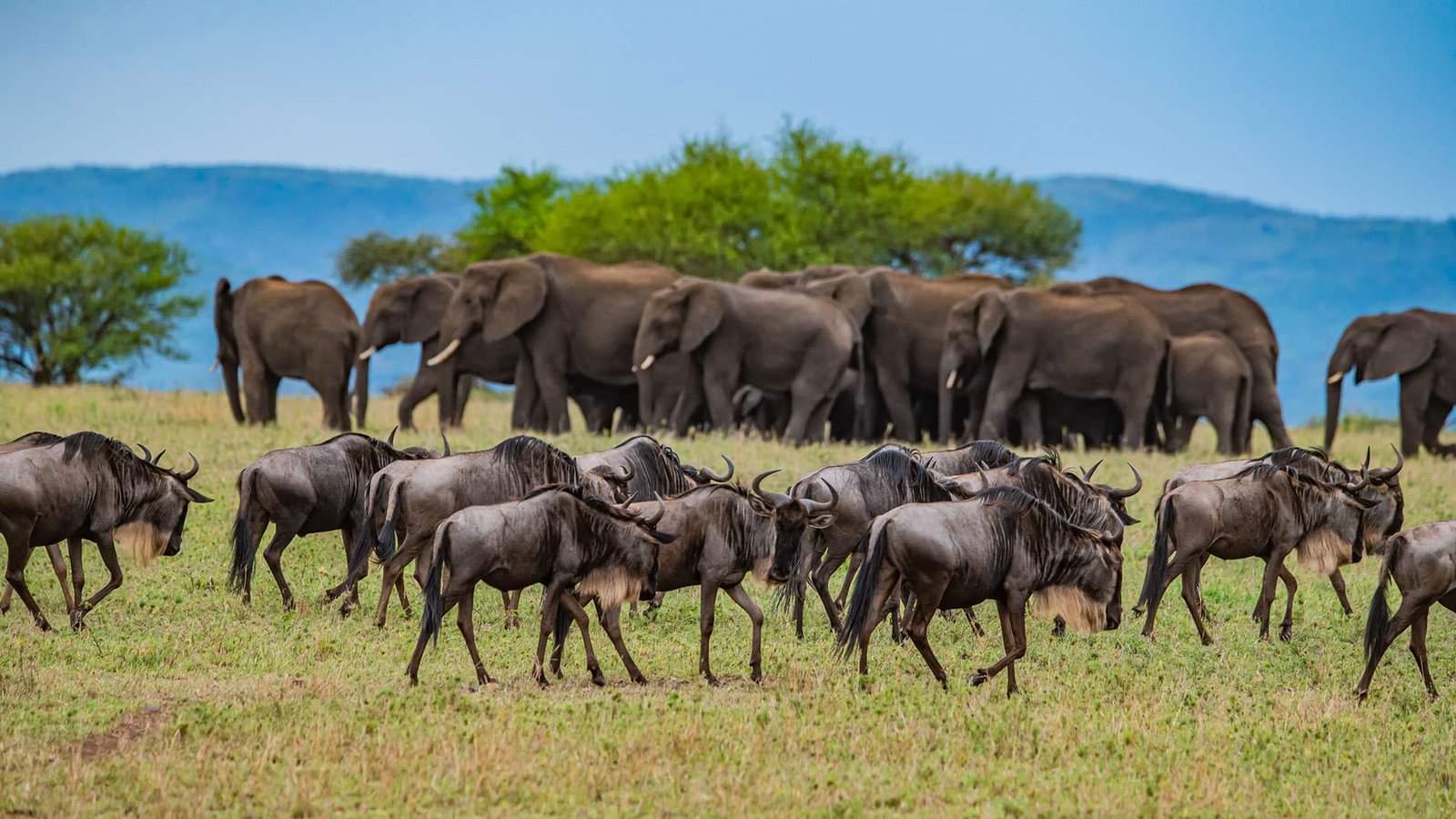
- Even though many travelers visit the park for hiking and trekking, the park is also an important wildlife sanctuary. Some of the wildlife that you can spot includes elephants, buffalo, bushbucks, monkeys, hyenas, leopards, and over 150 bird species.
- The park features multiple climate zones. In that, as you journey through Mount Kenya, you will pass through dense montane forests, bamboo forests, heather zones,
moorlands, and alpine deserts, just to mention a few. Note that each zone supports different plant and animal species, creating one of Africa’s diverse mountain ecosystems.
However, you do not have to summit in order to enjoy the park.
- Mount Kenya National Park is one of the less crowded destinations compared to most of the parks in Kenya.
Why Visit Mount Kenya National Park
Mount Kenya National Park is one of the few destinations in Kenya that attracts hikers, nature lovers, photographers, bird watchers, adventurers, couples, first-timers, friends, etc.
Here are some of the top reasons to visit this remarkable national park;
a) The park allows you to conquer Africa’s second-highest mountain.
b) You get to enjoy a dramatic variety of scenery within a single protected area by either hiking or trekking.
c) The park is less crowded compared to other parks.
d) Mount Kenya has long been considered sacred as the dwelling place of “ Ngai”, therefore, you get to learn about culture.
f) By visiting responsibly, you help in preserving Mount Kenya’s natural beauty for future generations.
Where is Mount Kenya National Park?
Mount Kenya National Park is located in Central and Eastern Kenya, about 175 km northeast of Nairobi, bi sitting squarely across the equator in 6 counties, which are Nyeri, Kirinyaga, Meru, Laikipia, Embu, and Tharaka-Nithi.
History of Mt. Kenya National Park
Mount Kenya National Park was established in 1949 around Mt. Kenya when the Government of Kenya set it out to protect its surrounding environment and wildlife, and in 1997 it was declared a UNESCO World Heritage Site.
How to Get to Mount Kenya National Park
Mount Kenya National Park is easily accessible from Nairobi by road or by taking a short flight from Wilson Airport in Nairobi to the nearby Nanyuki Airstrip.
In addition, on arrival, you can use the following park’s entry points;
- Sirimon Gate
- Naromoru Gate
- Chogoria gate
Best Things to Do in Mount Kenya National Park
Below are some of the amazing experiences you can enjoy in the park;
- Trekking to Point Lenana
- Climb Batian and Nelion ( Technical Peaks)
- Explore Forest Nature Trails
- Wildlife Viewing
- Bird Watching
- Camping
- Mountain Photography
- Mountain Biking
- Horse Riding
- Visit Waterfalls
- Fishing where permitted
- Guided Nature Walks
- Agikuyu Cultural Visit
- Educational Tours
Nearby Attractions:
- Ol Pejeta Conservancy
- Ngare Ndare Forest Reserve
- The Equator Marker
- Aberdare National Park
Hiking Routes in Mount Kenya National Park
The Mount Kenya National Park offers travelers the most spectacular hiking and trekking experience, and here are some of the hiking routes;
1. Sirimon Route
This is the most popular route used by most beginners since it is the easiest to approach Mt. Kenya, which starts on the northwest side of the mountain, offering breathtaking scenery.
2. Chogoria Route
The Chogoria route is often considered the most beautiful route, known for its dramatic landscapes, cliffs, waterfalls, and panoramic views.
3. Naromoru Route
Naromoru is the shortest and the most direct route to Mt. Kenya’s higher areas.
4. Burguret Route
Lastly, the Burguret Route is considered the quietest and least used, offering a more wilderness-like experience.
Best Time to Visit Mount Kenya National Park
The best time to visit the Mount Kenya National Park is during the dry season from January to March or June to October, when the weather is more stable, hiking conditions are better, and skies are clearer.
Mount Kenya National Park Entrance Fee
According to Kenya Wildlife Service ( KWS), Mount Kenya National Park Entrance fees are as follows;
- East African citizens pay KES 800 for Adults and KES 400 for children.
- Kenyan residents pay KES 1,100 for adults and KES 550 for children
. - Non-residents are charged USD 70 for adults and USD 35 for children.n
- African citizens pay USD 30 for adults and USD 15 for children.
Note that payments must be made via the official KWSpay, and the entry is free for children below the age of 6 years.
Additional Fees
- Camping: KES 200 for citizens, KES for residents, and USD 20 for non-residents.
- Vehicle entry: private cars incur a charge of KES 600.
Where to Stay Near Mount Kenya National Park
There are several places that you can consider staying at near Mount Kenya National Park.
They include;
- Fairmont Mount Kenya Safari Club
- Mt. Kenya Lodge
- Anabas Mount Kenya Lodge
- Lunar Farm Naromoru
- Mt. Kenya Farm Stay
- Naro Moru Lodge
- Serena Mountain Lodge
- Olpejeta House
- Rhino Watch Safari Lodge
- Serena Sweetwaters
- Misty Mountain Lodge
- Ikweta Safari Camp
- Maiyan
Mount Kenya National Park Travel Tips
A trip to the Mount Kenya National Park is an unforgettable adventure bur proper planning can make your experience safer and more memorable.
These travel tips will help you get the most out of your journey.
- Choose the best time to travel. However, you are advised to travel during the dry season between January and March or June and October, when the trails are less muddy and mountain views are clear and beautiful.
- Hire a certified and knowledgeable tour guide who knows the routes, weather patterns, wildlife, and safety procedures.
- Wear proper hiking gear.
- Stay hydrated and eat regularly.
- Respect wildlife and nature.
- Book accommodation early.
- Prepare for limited Mobile network coverage.
- Carry cash for small expenses.
- Be in the moment and enjoy the journey.
Mount Kenya National Packing List
Most travelers are used to packing lightly when going on safaris, but if you are planning to go to the Mount Kenya National Park, it is different.
Here, packing the right gear is essential for a successful trip to Mount Kenya National Park because the weather changes quickly, with freezing temperatures and occasional rainfall.
Therefore, some of the things that you should not miss in your bucket list are;
- Fleece Jackets
- Comfortable trekking trousers
- Waterproof hiking trousers
- Warm hat or beanie
- Hiking socks
- Hiking bag
- Comfortable clothes for relaxing at your lodge or campsite
- Waterproof hiking boots
- Basic first-aid kit
- Personal Gadgets.
- A headlamp
- Sleeping Bag
- Travel journal
Conservation efforts in Mount Kenya National Park
Conservation is at the heart of the Mount Kenya National Park as one of Kenya’s most protected areas, safeguarding unique mountain ecosystems, endangered wildlife, and vital water catchments.
However, the park also faces some challenges such as climate change, illegal logging, poaching, forest encroachment,t and human-wildlife conflict.
Therefore, government agencies, researchers, conservation organizations, and the local community have come together to protect the park in the following ways;
- Forest restoration and reforestation
- Wildlife protection and anti-poaching operations
- Reducing human-wildlife conflict
- Community involvement in conservation
- Research and biodiversity monitoring
- Addressing climate change
Note that the future of the Mount Kenya National Park depends on continued conservation, where every restored forest, protected wildlife and community-led initiatives contribute to preserving one of Africa’s most important mountain ecosystems.
Conclusion
In conclusion, Mount Kenya National Park is a destination where breathtaking landscapes, abundant wildlife, and unforgettable adventures come together and create a special experience for every traveler.
For travelers looking to go beyond the usual safari experience, the Mount Kenya National Park is the place to be.
- Location: Mount Kenya National Park is located in central Kenya, about 175 km (109 miles) northeast of Nairobi.
- Established: The park was established in 1949 to protect the mountain’s unique ecosystems and wildlife.
- UNESCO Status: It was designated a UNESCO World Heritage Site in 1997 due to its outstanding natural beauty and ecological importance.
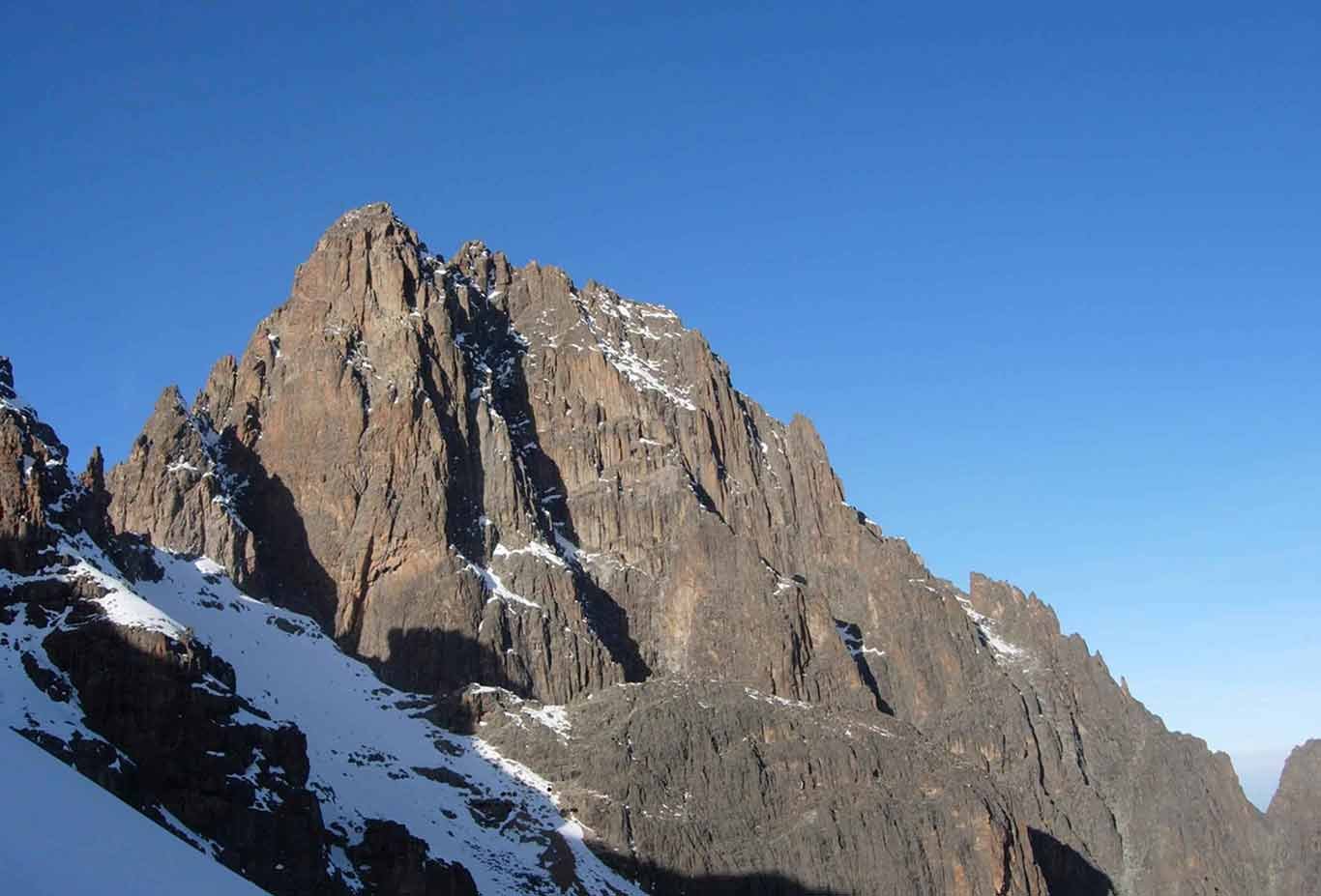
- Highest Peak: The park is home to Mount Kenya, Africa’s second-highest mountain, with Batian Peak reaching 5,199 meters (17,057 feet) above sea level.
- Mountain Peaks: Mount Kenya has three main peaks—Batian, Nelion, and Point Lenana, with Point Lenana being the most popular summit for trekkers.
- Size: The national park covers approximately 715 square kilometers (276 square miles) and is surrounded by the Mount Kenya Forest Reserve.
- Glaciers: Although Mount Kenya has several glaciers, they have been shrinking over the years due to climate change.
- Wildlife: The park is home to elephants, buffaloes, black-and-white colobus monkeys, giant forest hogs, bushbucks, hyenas, leopards, and over 130 bird species.
- Unique Vegetation: Visitors can see giant lobelias, giant groundsels, bamboo forests, montane forests, heathlands, and alpine meadows, creating diverse habitats across different elevations.
- Water Source: Mount Kenya is one of Kenya’s most important water towers, supplying rivers that support agriculture, wildlife, and millions of people.
- Popular Activities: Hiking, mountain climbing, camping, birdwatching, wildlife viewing, photography, and nature walks are among the top activities.
- Climbing Seasons: The best times to climb Mount Kenya are during the dry seasons from January to March and June to October.
- Climate: Temperatures vary greatly with altitude, ranging from warm conditions in the lower forests to freezing temperatures and snow near the summit.
- Biodiversity: The park contains several ecological zones, including rainforest, bamboo forest, moorland, alpine vegetation, and glacial landscapes.
- Accessibility: The park can be accessed through several gates, including Naro Moru, Sirimon, and Chogoria, each offering different trekking experiences.
- Conservation Importance: Mount Kenya National Park protects endangered wildlife, fragile alpine ecosystems, and the mountain’s critical watershed, making it one of Kenya’s most significant conservation areas.
- Cultural Significance: Mount Kenya is considered a sacred mountain by the Kikuyu, Embu, and Meru communities, who have long regarded it as the dwelling place of God (Ngai).